


Regions that Nourish Peruvian Food and Boost Gastronomic Tourism
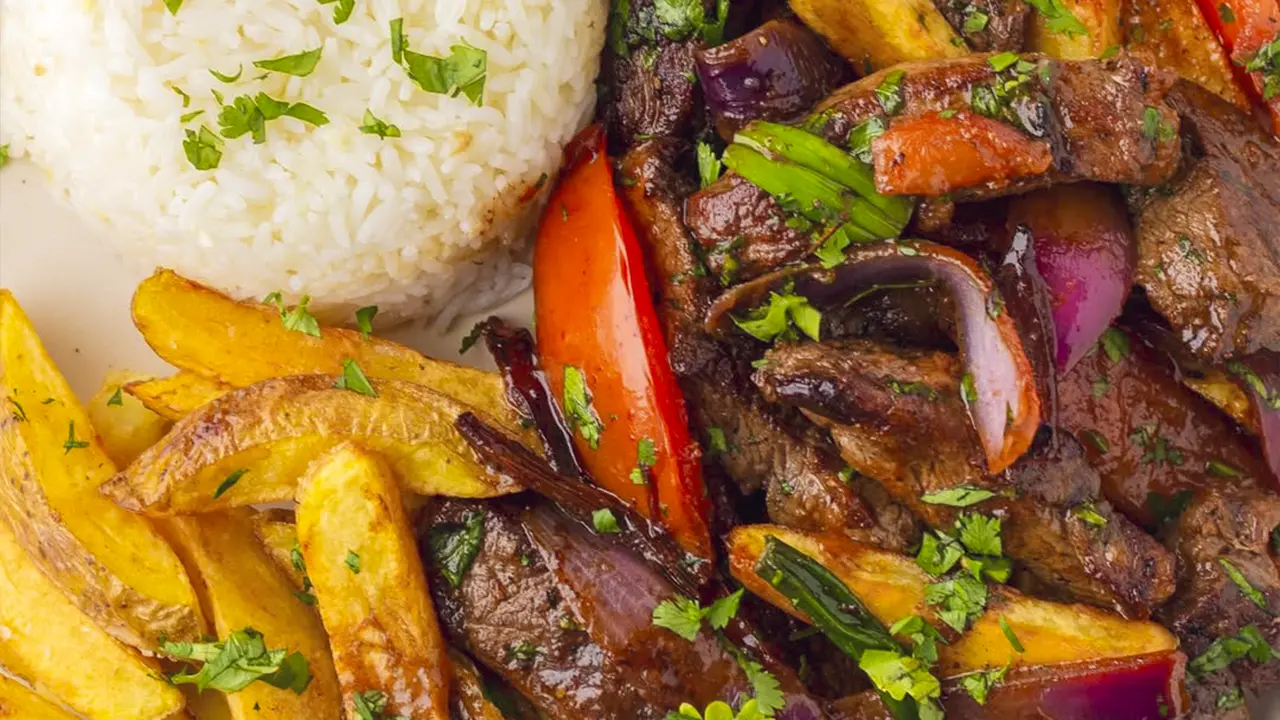

Peruvian food is like a vast map filled with stories. Each dish originates in a different region. What’s more, each area contributes its own flavor and helps to shape the country’s identity. In markets, family kitchens, and restaurants that preserve traditional recipes, flavors become symbols that unite everyone.
Peruvian cuisine is famous around the world. However, its real strength lies in regional destinations. There, tradition remains strong. There, innovation advances without breaking with what already exists.
So, when we travel around the country, we discover that its cuisine is much more than its best-known dishes. Each region offers unique ingredients, techniques, and customs. For example, yellow chili peppers, purple corn, native potatoes, and quinoa tell a very ancient agricultural story. And they are still present in today’s dishes.
Peruvian cuisine thrives thanks to this diversity. Chefs create with freedom. Local products maintain remarkable quality. And the roots of the indigenous peoples continue to lead the way. That is why each dish combines memories of the past with influences brought by migrants.
According to Agencia Andina, Peru’s regions are a constant source of new ideas. They not only preserve their traditions, but also promote innovations that allow cuisine to evolve without losing its essence. That is why the agency states that “Peruvian cuisine reflects the diversity and creativity of its people.”
The Coast and the Power of the Sea
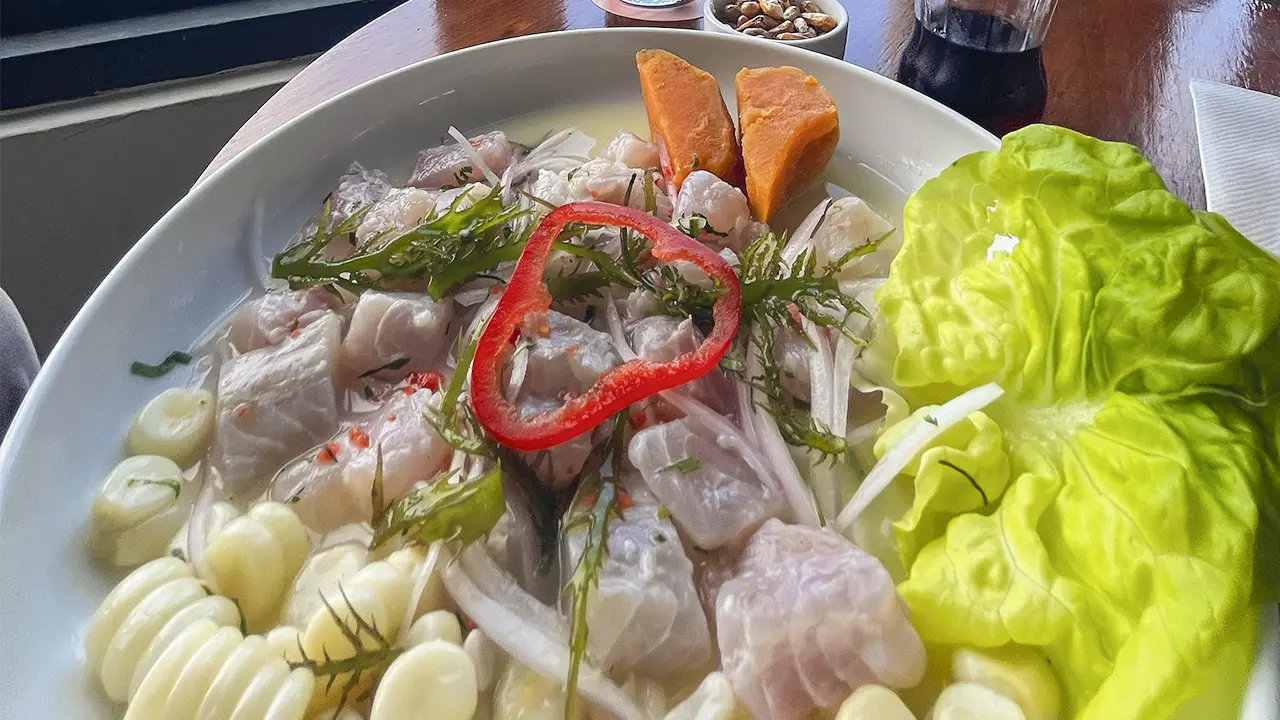
On the coast, food revolves around seafood. For example, Lima, Piura, and Tumbes depend on the freshness of their fish. Ceviche has become a national symbol. In addition, dishes such as rice with seafood and fish stew showcase the energy of this cuisine. The wide variety of species and the skill of the chefs make these dishes a hit with everyone.
The Highlands and their Community Tradition
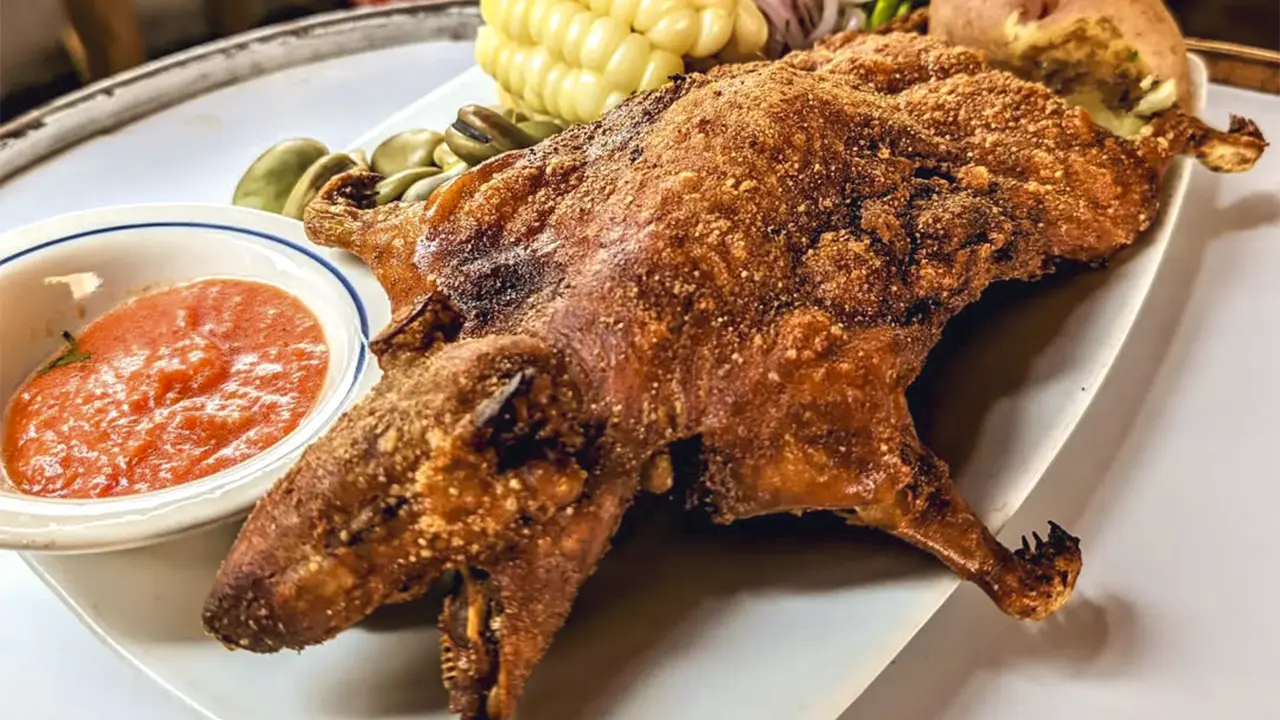
In the highlands, food comes from the earth. Potatoes, quinoa, and corn are used as the basis for almost everything. Dishes such as pachamanca, cuy chactado, and quinoa soup showcase ancient techniques that are still practiced today. This cuisine also strengthens the identity and unity of its communities.
The Jungle and its Natural Creativity
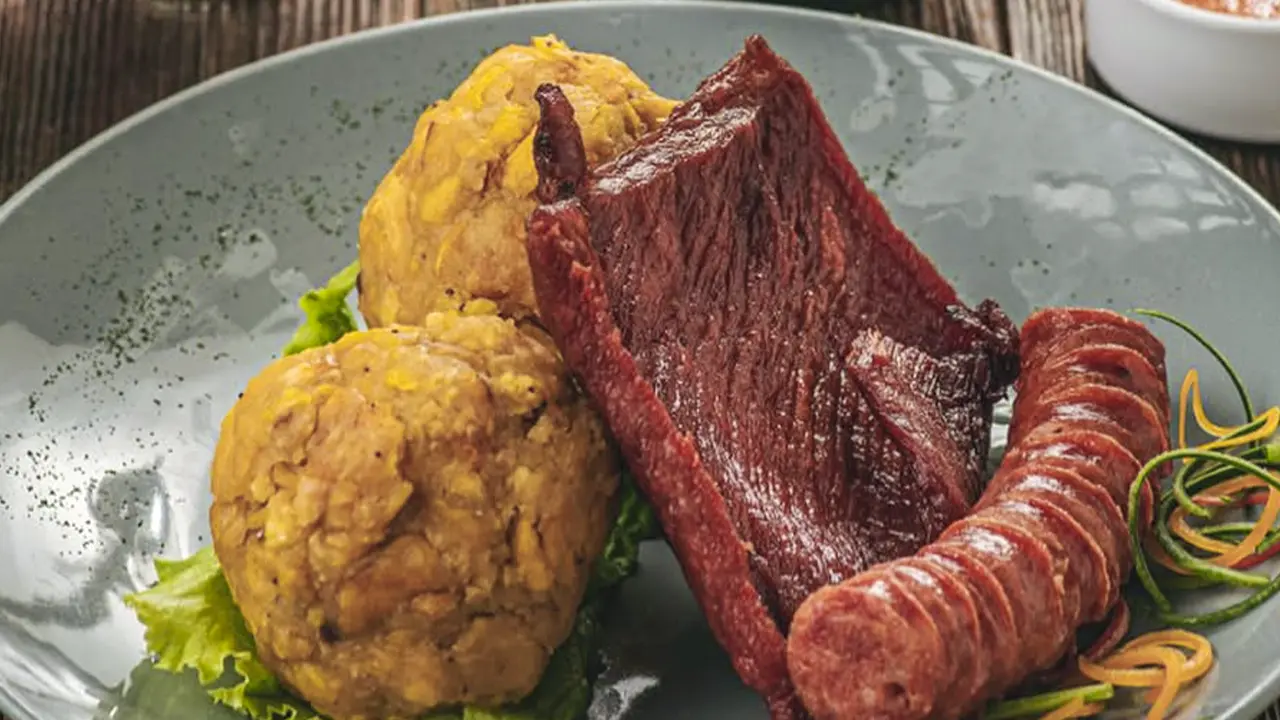
The jungle offers unique flavors. Its ingredients surprise with their freshness and variety. For example, paiche, camu camu, yucca, and plantains are turned into juane, tacacho con cecina, or inchicapi. According to Agencia Andina, Amazonian cuisine is “one of the most authentic expressions of Peruvian identity.” It also shows the direct relationship between the people and their enormous biodiversity.
Migration also left its mark. With the arrival of Chinese, Japanese, Italian, and African immigrants, fusions such as chifa and nikkei were born. Today, these cuisines are an essential part of the country’s menu. According to Agencia Andina, this ability to blend helped Peru be seen as a country open to new gastronomic ideas.
Finally, gastronomic tourism has become an important economic driver. Travelers seek authentic experiences. And so they visit different regions to discover local products in their place of origin. This trend benefits producers, chefs, and communities. It also boosts the regional economy and protects culinary traditions.
Source: Infobae.com
Could you also visit: