The Authentic Peru Guinea Pig Breeds and Traditional Cuy Dishes
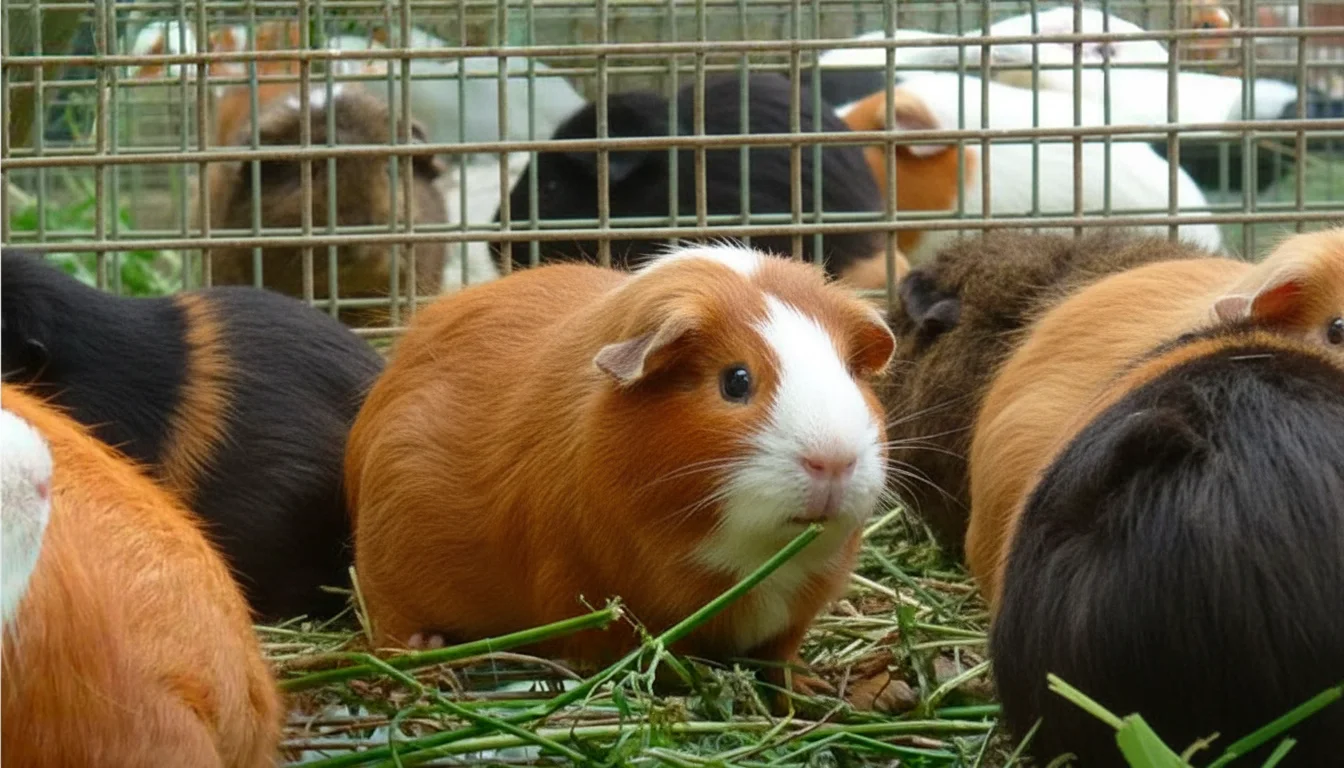
If you are wondering about the famous peru guinea pig, you should know that these resilient animals have been a vital source of protein and a cultural cornerstone in the Andes Mountains for thousands of years.
Unlike in Western countries where they are kept exclusively as beloved household pets, guinea pigs in peru are traditionally raised as highly sustainable livestock. This deeply rooted agricultural practice has allowed high altitude communities to thrive long before modern farming techniques were ever introduced to the South American continent.
The cuy guinea pig peru is deeply ingrained in the local gastronomy, prized by renowned chefs and local families alike for its tender, high protein, and exceptionally low fat meat.
Exploring the fascinating world of peru guinea pigs offers a unique and authentic glimpse into ancient agricultural practices that continue to shape modern Andean culinary traditions today. From remote mountain villages to luxury dining rooms in the capital, this ancient ingredient remains an undisputed icon of national identity.
Why People in Peru Eat Guinea Pigs as a Modern Culinary Delicacy
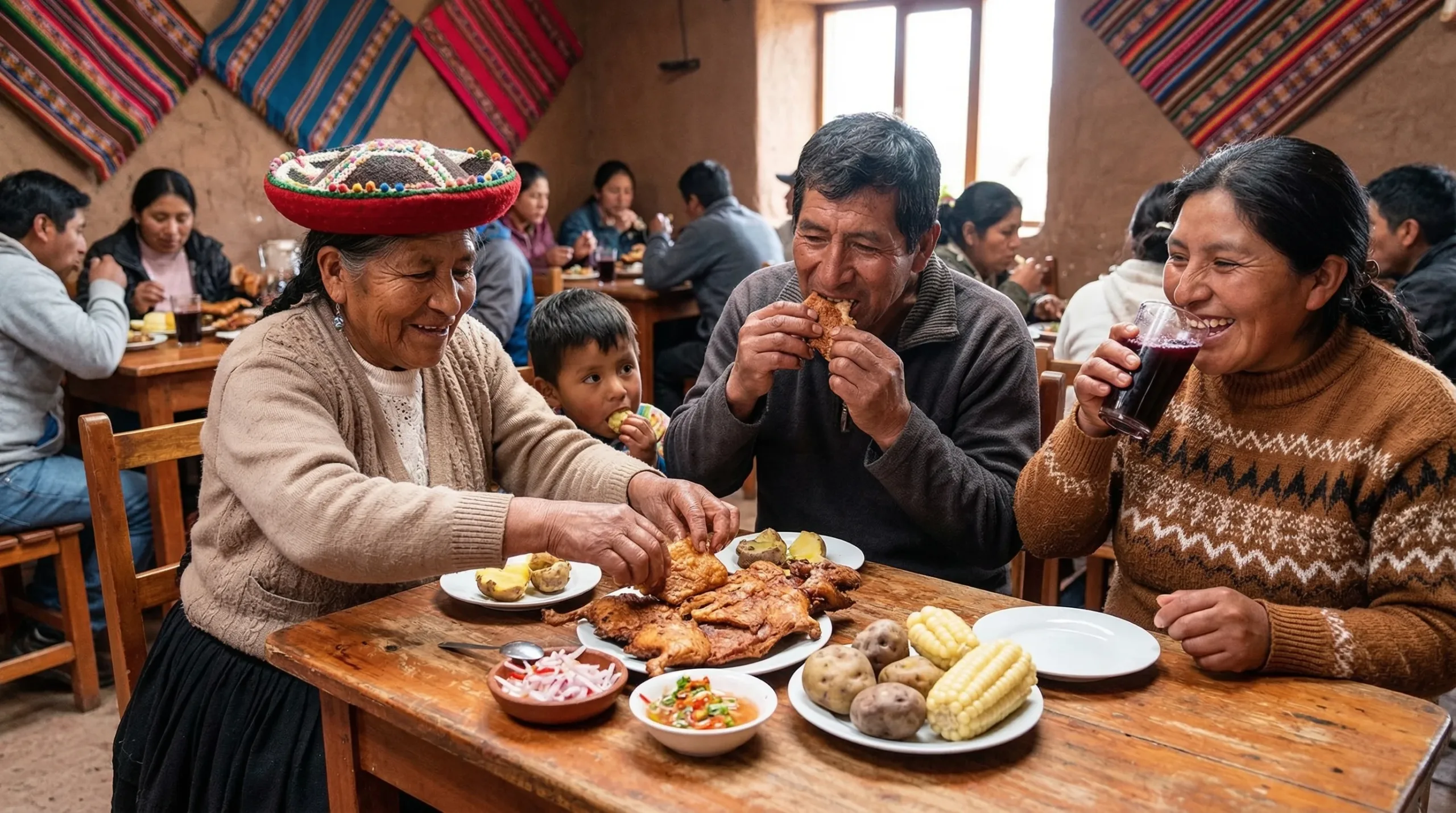
Travelers frequently ask why do people in peru eat guinea pigs instead of sticking to standard livestock like chickens, pigs, or cows. Long before the Spanish conquistadors brought European farm animals to the shores of South America, the mighty Incas and earlier pre Inca societies relied entirely on native local fauna for their survival.
Because the harsh geography of the Andes makes raising large cattle incredibly difficult, smaller animals became the perfect solution for meat production in steep, rocky terrains. If you wonder why do they eat guinea pigs in peru today, the answer lies in a perfect blend of rich cultural tradition and incredible nutritional value.
These quiet animals require very little space to raise safely, consume simple vegetable scraps, and leave a remarkably minimal carbon footprint compared to modern cattle farming. Today, this indigenous meat has evolved far beyond rustic countryside kitchens and is considered a true guinea pig delicacy in peru, proudly featured on the tasting menus of the most exclusive and award winning restaurants across the country.
What Is the Guinea Pig Called in Local Peruvian Terminology
If you look closely at traditional restaurant menus and wonder what is guinea pig called in peru, you will almost never see the English translation printed on the page. Locals universally use the word “cuy” (pronounced “kwee”), which originates directly from the ancient indigenous Quechua language.
This short, distinctive name was created by the early Andean people to perfectly mimic the high pitched squeaking sound the animal naturally makes when it is hungry or excited. So, what do they call guinea pigs in peru when speaking Spanish during a normal conversation? The indigenous term survived the Spanish conquest, meaning the word remains “cuy” across the entire country regardless of the language being spoken.
This makes it the universally accepted name for a guinea pig in spanish peru whenever anyone is referring to the iconic culinary dish, buying ingredients at a local market, or ordering at a high end restaurant.
The 5 Prominent Guinea Pig Breeds Raised for Food in Peru
The National Institute of Agrarian Innovation has spent several decades studying and perfecting guinea pigs for food in peru to ensure long term food security in vulnerable rural Andean communities.
By selectively breeding these resilient animals over generations, scientists have successfully maximized the efficiency and nutritional output of the guinea pig as food in peru. This dedicated scientific intervention has transformed a simple backyard farming practice into a highly organized and sustainable national industry.
Today, there are several distinct, genetically improved lines that make raising guinea pigs as food in peru highly profitable for local farming families and absolutely delicious for visiting foodies.
These specific breeds have been carefully tailored to survive different altitudes, resist changing climates, and yield the highest possible quality of meat. Understanding these distinct breeds helps travelers appreciate the complex agricultural science hiding behind their dinner plate.
The Peru Breed Known for Its Large Size and Premium Meat Quality
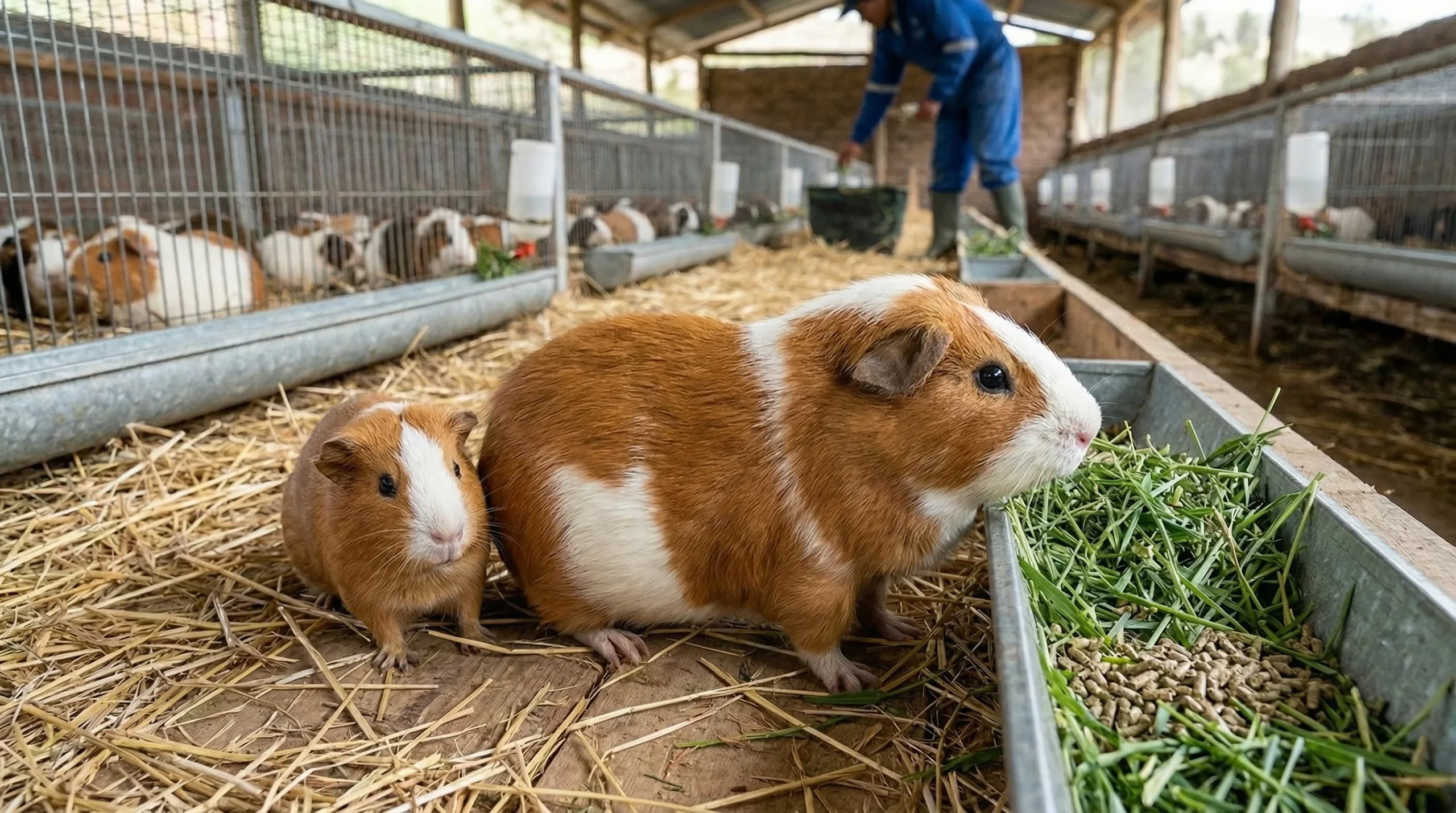
The appropriately named “Peru” breed is currently the undisputed heavyweight champion of the Andean agricultural industry.
It is a remarkably big guinea pig peru breed specifically designed by scientists to grow quickly, develop strong muscles, and produce an exceptional amount of premium guinea pig meat peru. Farmers highly favor this specific genetic line because it requires less time to mature while offering the highest return on their financial investment.
This robust breed reaches its ideal commercial weight in just two short months, making it the absolute most popular and lucrative choice for modern breeders. Consequently, local farmers consistently rely on this breed to sell top tier guinea pig food peru to bustling city markets and high end tourist restaurants. Whenever you are served a particularly large and meaty portion in a nice restaurant, you are almost certainly enjoying the famous Peru breed.
The Andina Breed Valued for Fast Reproduction in the High Andes Mountains
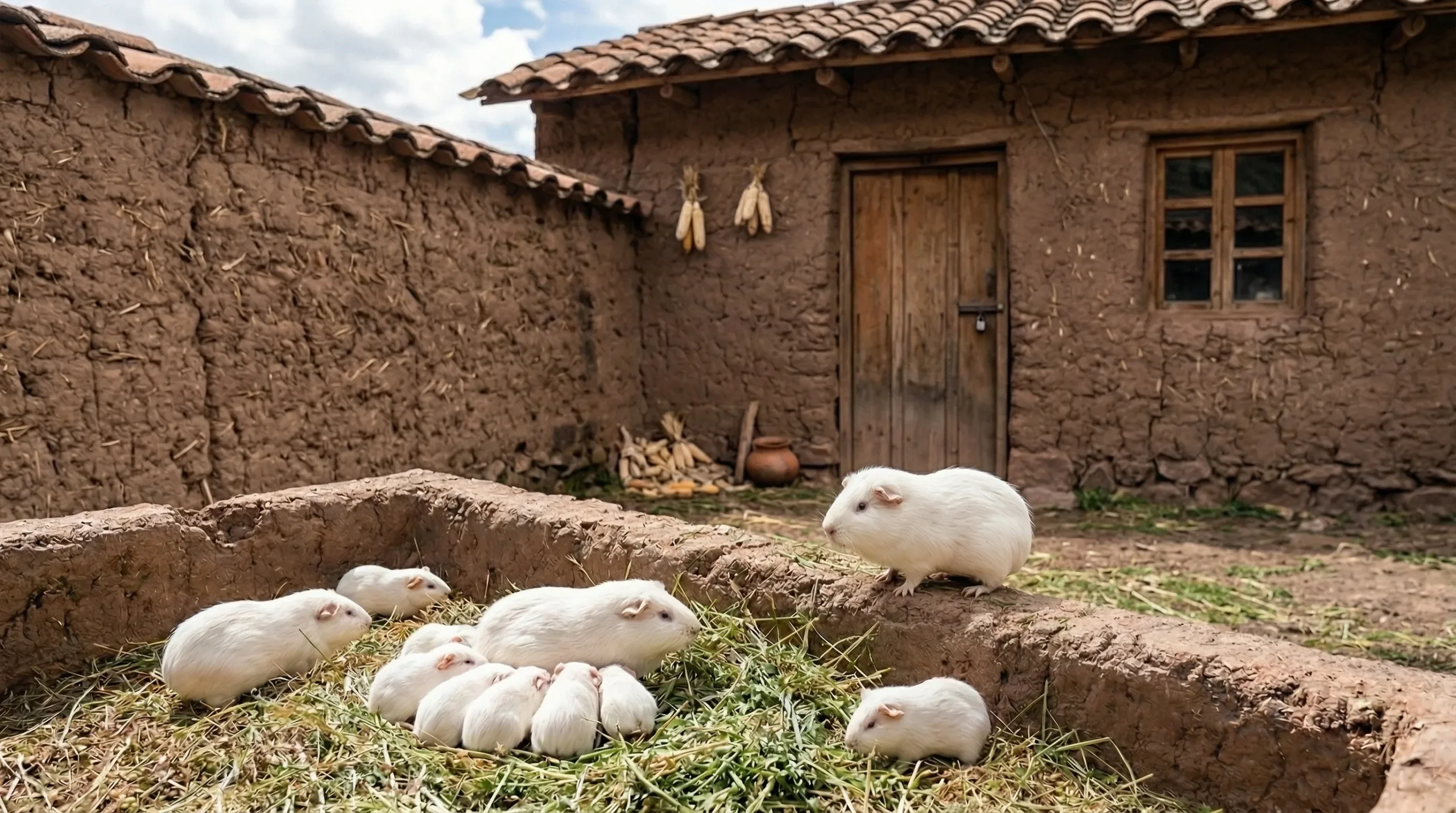
The Andina breed is easily recognizable by its beautiful, completely white coat and serves as the fundamental cornerstone for producing guinea pigs peru food on a massive commercial scale.
The females of this particular breed are incredibly prolific, often giving birth to remarkably large litters multiple times throughout a single calendar year. This specific trait makes them incredibly valuable for breeders looking to rapidly expand their local farms.
This incredible reproductive rate ensures a steady, reliable supply of peru guinea pigs food across all seasons, regardless of external economic factors. Because of this unmatched consistency, the Andina breed is a crucial component for agricultural families relying on guinea pig food in peru for their daily economic sustenance. It essentially guarantees that small farming communities will always have a stable product to sell at the weekend markets.
The Inti Breed Adapted Perfectly to the Highland Climate and Diet
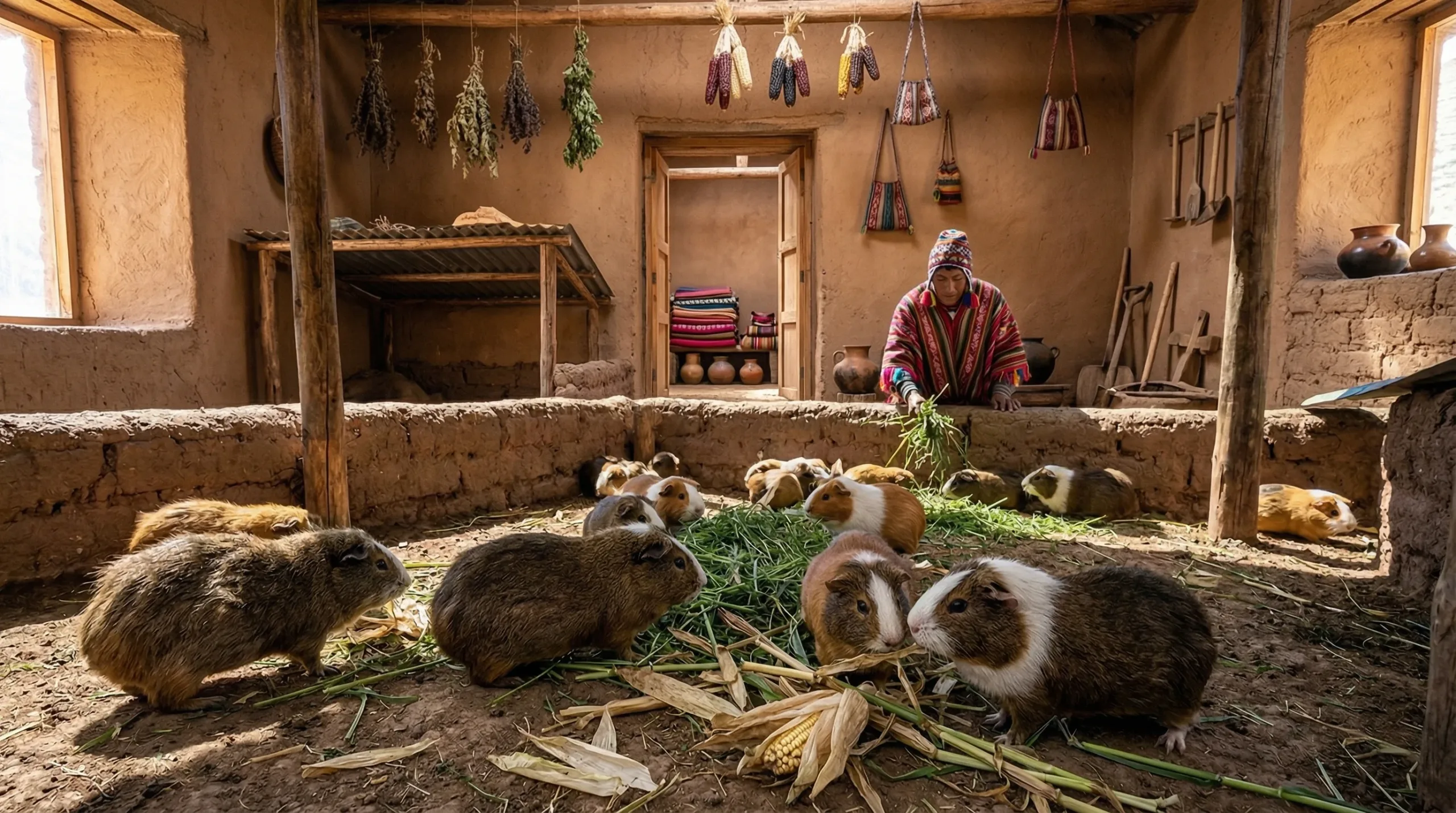
For high altitude farmers facing extreme weather and unpredictable rain patterns, the Inti breed is considered an absolute agricultural blessing. This incredibly resilient animal provides a fantastic guinea pig meal peru because it easily survives freezing mountain temperatures while effortlessly maintaining a very healthy body weight. Unlike other breeds that might struggle during the bitter Andean winters, the Inti thrives in the crisp, thin air of the mountains.
This breed perfectly reflects how guinea pigs in peru food systems seamlessly operate in harmony with raw nature. The Inti breed has an incredible digestive system that maximizes whatever wild grasses, dried corn husks, and fresh alfalfa the guinea pigs in peru eat in the harsh and unforgiving Andean environment. This makes them incredibly cost effective to raise, as they do not require expensive commercial feed to produce excellent meat.
The Kuri Breed as a Modern Crossbreed for Maximum Nutritional Value
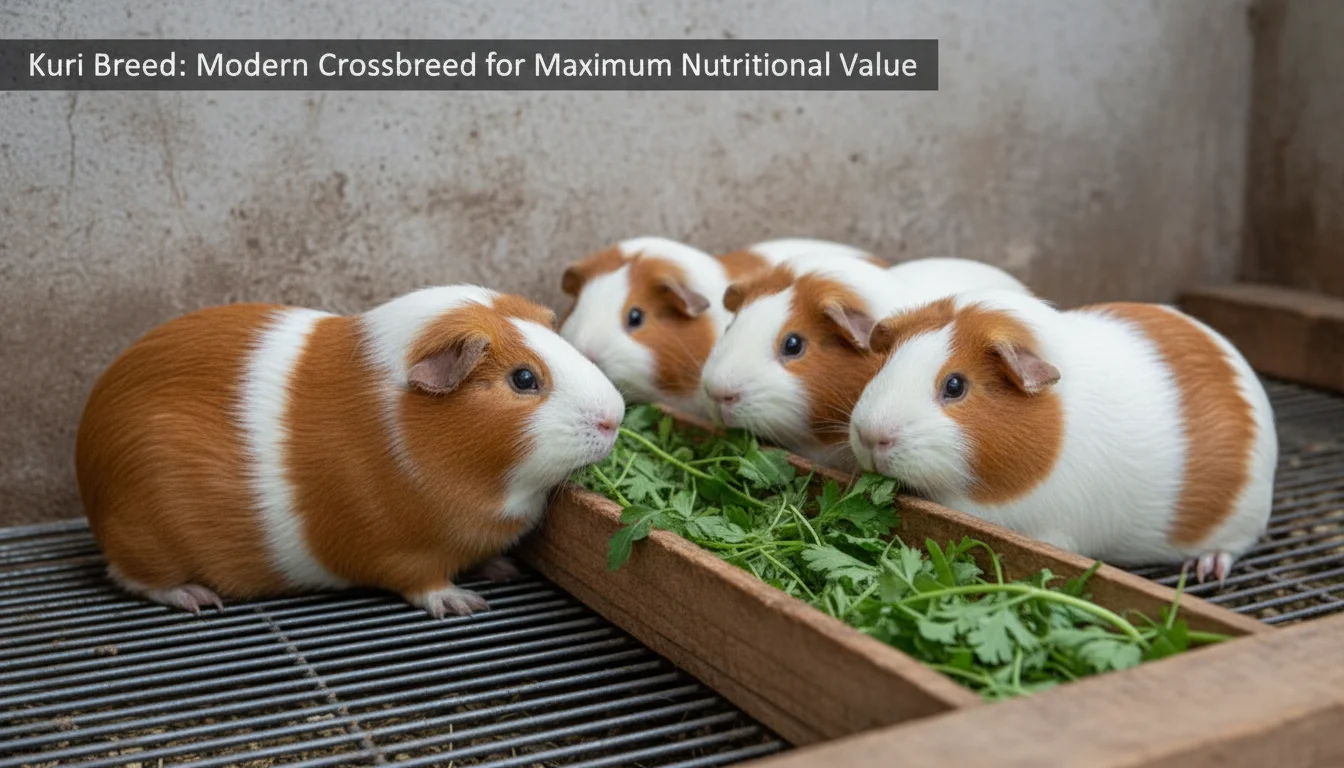
Introduced relatively recently to the market to improve overall meat density, the Kuri is a brilliant hybrid breed highly valued for turning the guinea pig in peru food industry into a modern powerhouse.
It successfully combines the heavy, muscular weight of the Peru breed with the rugged environmental survival traits of the white Andina. This genetic triumph represents the perfect balance of quantity, quality, and agricultural resilience for modern Andean farmers.
For curious international travelers eating guinea pigs in peru, the Kuri breed delivers a truly spectacular culinary experience. It offers a highly nutritional, protein dense peru food guinea pig dish that is both incredibly healthy and deeply satisfying. Chefs particularly love working with the Kuri breed because its well developed muscle tone absorbs traditional marinades beautifully, resulting in an exceptionally flavorful and tender final plate.
The Native Criollo Guinea Pig and Its Traditional Use in Andean Farming
Long before modern agricultural science stepped in to create hybrid super breeds, the Criollo was the original, untamed highland dweller. When history buffs ask are guinea pigs native to peru, they are referring directly to these rustic, smaller, and highly adaptable ancestral animals.
They are characterized by their completely random coat colors, nervous energy, and smaller frames that have naturally adapted to the Andes over thousands of years without human interference. You will very often find the rare black guinea pig peru variety within this specific native breed, which holds deep cultural, spiritual, and mystical significance for indigenous communities.
These native guinea pigs from peru are historically used by local Andean shamans in traditional healing ceremonies to absorb negative energy and diagnose invisible illnesses in villagers. Even today, many rural families keep a few Criollo breeds in their kitchens purely for good luck and spiritual protection.
Traditional Peru Guinea Pig Dish Variations and Cooking Methods
When you finally sit down to try a peru guinea pig dish, you will quickly discover that different geographical regions boast completely unique and specialized preparation methods.
A guinea pig dish in peru from the deep southern Andes will taste, smell, and look vastly different from a guinea pig dish peru served in the northern highlands. These regional variations highlight the incredible diversity of the country’s world renowned culinary scene.
Each specific cooking technique has been carefully passed down through countless generations, utilizing local herbs, native potatoes, and traditional earthen ovens. Below are the absolute most famous and culturally significant guinea pig dishes in peru that you should actively seek out during your travels. Trying these different styles will give you a profound appreciation for how versatile this ancient ingredient truly is.
Cuy Chactado or Fried Guinea Pig Peru Served with Potatoes and Corn
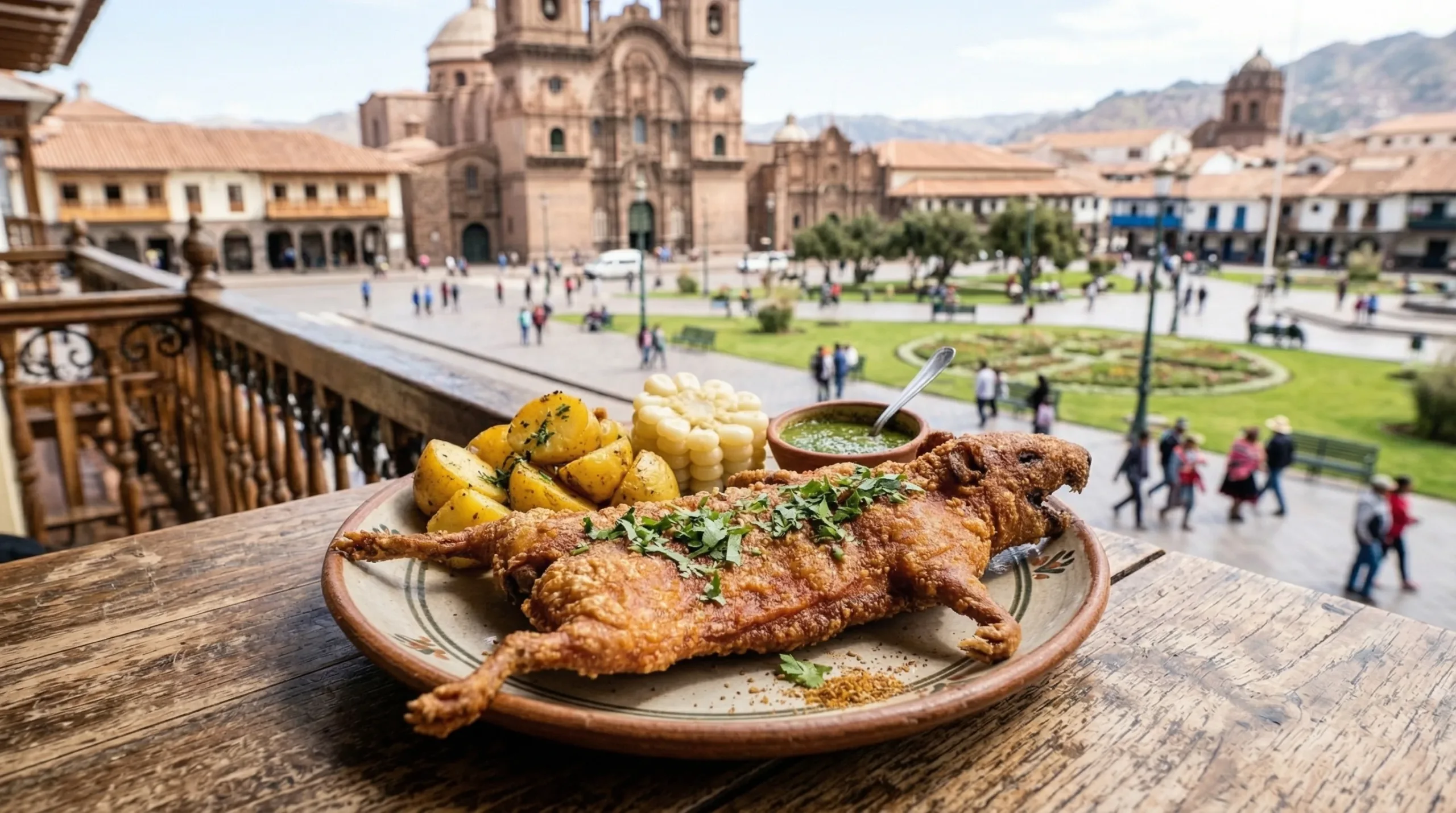
Hailing directly from the beautiful volcanic region of Arequipa, Cuy Chactado is arguably the most visually striking and famous preparation in the entire country. This fried guinea pig peru involves pressing the whole, butterflied animal completely flat under a heavy, heated river stone while it cooks. It is then pan fried in abundant vegetable oil until the outer skin becomes incredibly crispy, golden, and perfectly blistered.
This iconic peru fried guinea pig is traditionally accompanied by massive kernels of Andean corn, native boiled potatoes, and a fiery red rocoto pepper salsa. Because of its intense crunch and savory flavor profile, it serves as a delightfully textural alternative to a guinea pig roasted peru style. Most travelers who are hesitant about trying the meat find that the crispy, fried nature of Cuy Chactado makes it incredibly accessible and delicious.
Cuy al Horno as a Roasted Guinea Pig Peru Meal for Celebrations
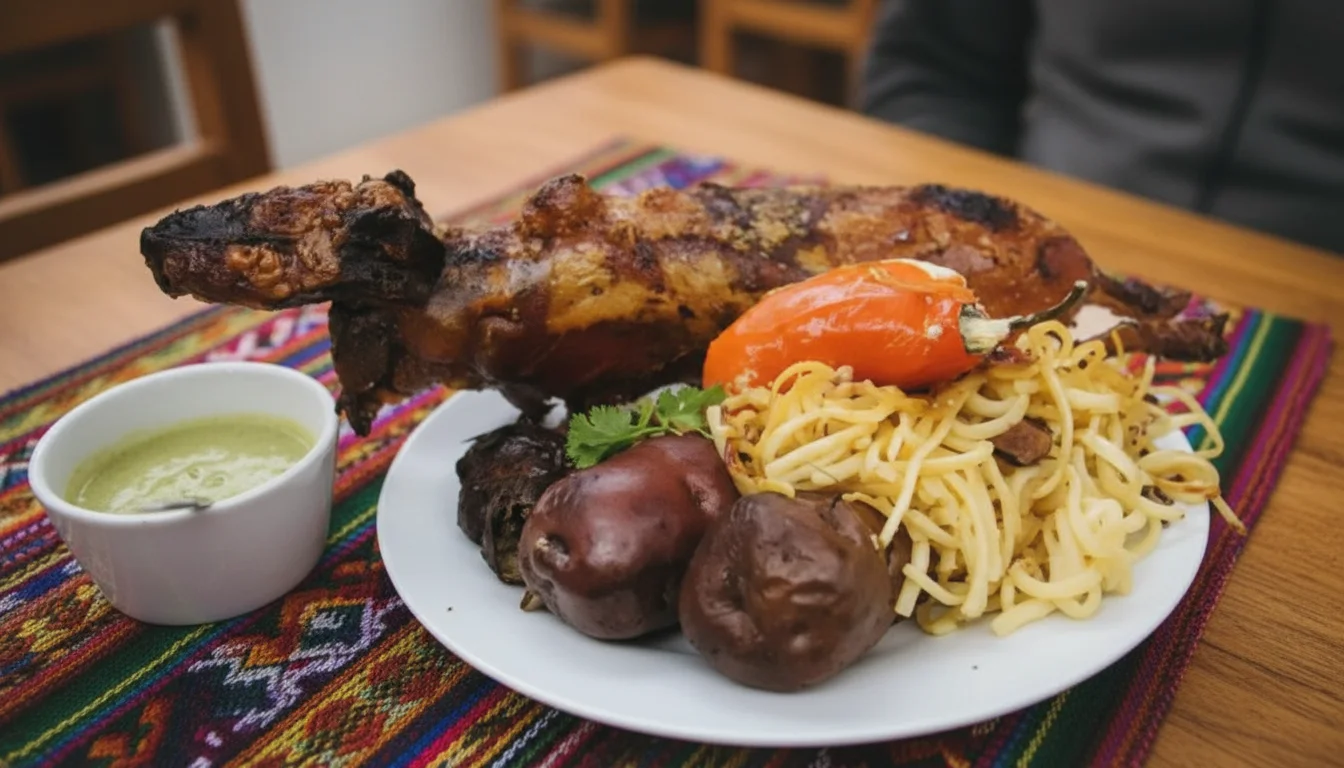
In the ancient imperial capital of Cusco and the surrounding Sacred Valley, the overwhelmingly preferred cooking method is slow, meticulous baking. A traditional roasted guinea pig peru is carefully marinated overnight with a rich paste made of fresh garlic, toasted cumin, huacatay (a pungent Andean mint), and a generous splash of dark local beer.
It is then slow cooked to absolute perfection inside a blazing hot, wood fired clay oven called a “horno.” Having your cooked guinea pig peru prepared this specific way ensures the dark meat stays incredibly juicy while the outer skin crisps beautifully from the wood smoke.
You will mostly find this mouthwatering guinea pig cooked peru during major local festivals, vibrant patron saint days, and important family birthdays. It is a hearty, aromatic dish that pairs wonderfully with baked native potatoes and traditional stuffed peppers.
Traditional Pachamanca and How Guinea Pigs Are Cooked Underground
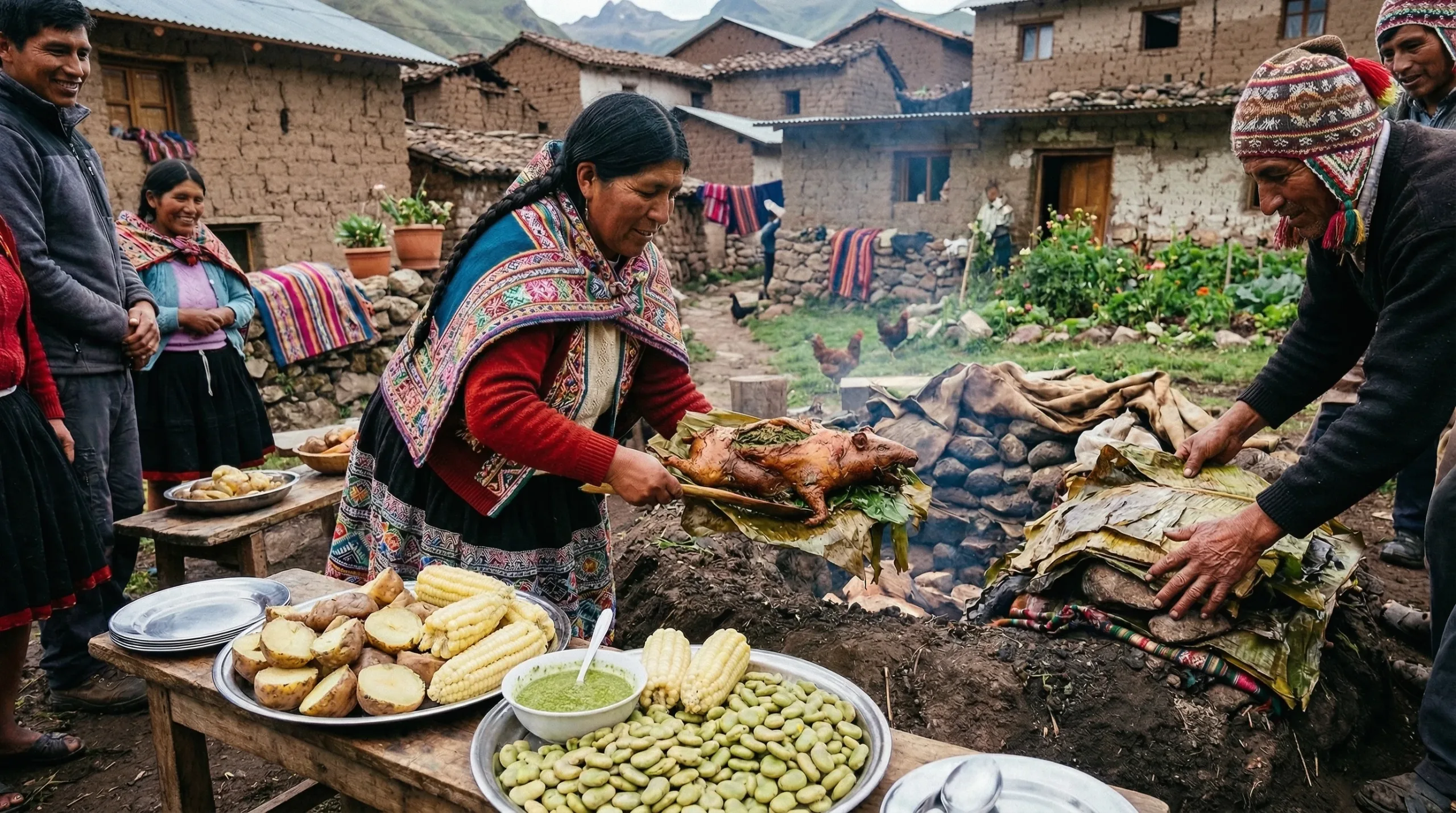
The ancient Pachamanca is a masterful, theatrical display of indigenous guinea pig cuisine peru that dates back well before the Inca empire.
This pre Columbian cooking technique involves burying the heavily marinated meat along with sweet potatoes, native fava beans, and sweet corn humitas under a pile of scorching hot river stones. The entire mound is then covered with damp earth, heavy tarps, and fresh herbs to trap the intense steam inside a shallow earthen pit.
The end result of this hours long process is a deeply smoky, earthy peru dish guinea pig where the meat literally falls right off the fragile bones.
Experiencing a true Pachamanca is a beautiful, joyous communal event rather than just a simple meal. It provides the ultimate rustic guinea pig plate peru, allowing you to dine outdoors surrounded by nature while honoring the ancient “Pachamama” or Mother Earth.
Pepian de Cuy and Rich Guinea Pig Stews in Regional Restaurants
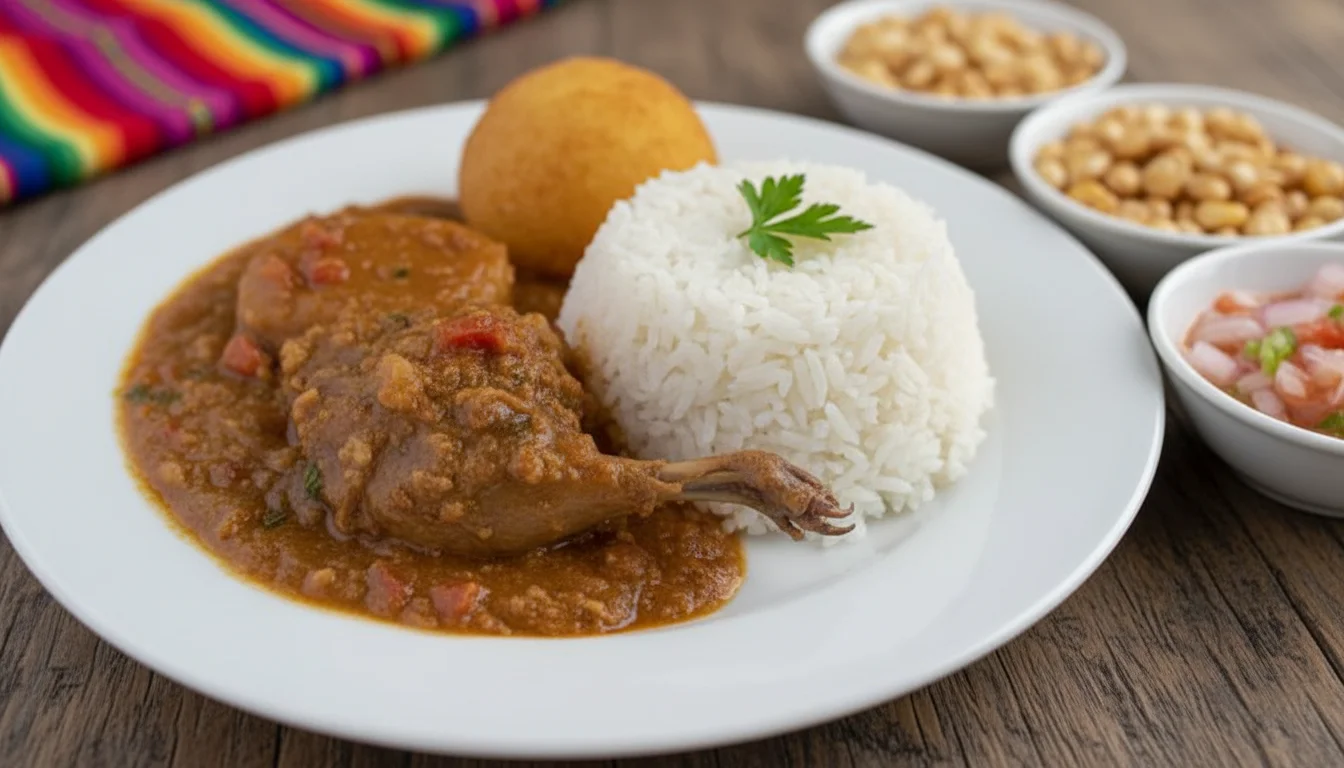
It is very important for travelers to know that not all traditional preparations serve the animal completely whole on a platter. If you are a bit nervous about the peru eating guinea pigs tradition involving the head, teeth, and paws still attached, you should absolutely try Pepian de Cuy.
This is a deeply comforting, warmly spiced, and hearty stew made with a thick, savory peanut and roasted corn base. The meat is usually chopped into manageable pieces and slow simmered in the rich broth until it becomes incredibly tender.
It is a phenomenal way to comfortably experience the guinea pig to eat in peru without the intimidating visual presentation that surprises many foreigners. Eating this specific dish offers a gentle, delicious, and highly approachable introduction to eating guinea pig in peru for the very first time.
Cultural Facts About Eating Guinea Pigs in Peru for Travelers
First time visitors to the Andes frequently ask do they eat guinea pigs in peru like everyday chicken, pork, or beef. The cultural reality of this ancient practice is actually quite different from what many foreign tourists assume before arriving. While it is true that the meat is widely available, it is treated with a specific level of respect that dictates exactly when and where it is consumed.
If you are wondering does peru eat guinea pigs constantly for casual weekday dinners, the answer is a definitive no. Knowing exactly how, why, and when in peru do they eat guinea pigs helps you profoundly appreciate the deep cultural reverence locals have for this traditional Andean animal. It is a dish intrinsically tied to community, celebration, and honoring the deep agricultural roots of the local people.
Is Guinea Pig Eaten in Peru Daily or Reserved for Special Occasions
To directly answer the incredibly common question are guinea pigs eaten in peru every single day, the truth is they are actually quite expensive and labor intensive for local families to prepare.
While some rural farmers might eat them more frequently, the average city dweller views them as a luxury item. A guinea pig eaten in peru is generally reserved exclusively for significant life celebrations, countryside weddings, major religious holidays, and honoring very special house guests.
So, is guinea pig eaten in peru casually on a Tuesday night? Usually not; it is treated with a high level of gastronomic reverence by local families. Culturally speaking, serving this dish to guests is akin to carving a massive Thanksgiving turkey or preparing an expensive holiday roast in the United States. It is a culinary gesture of generosity, love, and immense respect toward those sharing the dining table.
Where to Find Authentic Guinea Pig in Cusco and Local Restaurants
If you are passionately searching for the absolute best place to eat guinea pig in peru, you should head straight to the traditional “Picanterias” located just outside the busy, modernized tourist centers.
These lively, family run establishments specialize in generational recipes that haven’t changed in hundreds of years. They offer a much more authentic flavor and atmosphere compared to the sanitized fusion restaurants found directly on the main city squares.
To consistently find the best guinea pig in cusco peru, many in the know locals actually travel outside the city to the nearby quaint towns of Tipon or Lamay in the Sacred Valley.
In these charming, picturesque villages, entire cobblestone streets are dedicated entirely to roasting and preparing the ultimate, authentic guinea pig meal peru. Visiting these towns on a Sunday afternoon provides a vibrant, unforgettable culinary excursion filled with local music and incredible food.
National Dish of Peru Guinea Pig Myths and Gastronomic Realities
Many arriving travelers mistakenly assume that the national dish of peru guinea pig is the only famous food the country is globally known for. While it is undeniably a massive, foundational part of Andean indigenous heritage, it does not represent the entirety of the country’s booming culinary scene.
The official peru national dish guinea pig proudly shares the gastronomic spotlight with world renowned coastal classics like fresh Ceviche and wok tossed Lomo Saltado.
However, stepping out of your culinary comfort zone and trying this peru delicacy guinea pig is an absolute must for any adventurous foodie visiting the country.
It is much more than just a meal; it is a direct, edible link to the pre Columbian past. Eating it allows you to genuinely connect with the true, ancient roots of the spectacular Inca empire while supporting the hardworking local farming families of the high Andes.
Frequently asked questions about The Authentic Peru Guinea Pig Breeds and Traditional Cuy Dishes
No, the guinea pigs eaten in Peru are fundamentally different agricultural breeds from the small, fluffy pets kept in the United States or Europe. The domestic pets known globally, including the long haired “Peruvian” show breed, have been selectively bred over centuries purely for aesthetics, docile temperaments, and companionship.
In stark contrast, the animals raised in the Andean highlands are considered vital livestock. Breeds like the giant “Peru” or the “Andina” are significantly larger, possess much less hair, and are bred specifically for their robust muscle mass and nutritional yield. They are not kept in small wire cages, but are instead raised in large, open agricultural pens on local farms.
Traditional Peruvian guinea pig tastes remarkably similar to dark meat chicken, wild rabbit, or rich suckling pig. Travelers are often surprised to discover that the meat is incredibly flavorful and does not have an overpowering or strange taste, being naturally rich, slightly gamey, and packed with high quality protein while remaining exceptionally low in cholesterol.
The final texture of your meal will depend entirely on how the chef decides to prepare it. If you order it fried as Cuy Chactado, the skin becomes incredibly thick, crunchy, and savory, much like a crispy pork rind. If you eat it roasted in a traditional clay oven, the skin is thinner and the dark meat underneath becomes fall off the bone tender.
Yes, consuming this traditional Andean dish is perfectly safe for international tourists as long as you eat at reputable, established restaurants or highly recommended local picanterias. Because it is a prized culinary delicacy, professional chefs take great pride in sourcing healthy, farm raised animals and preparing them with the highest hygiene standards.
However, because the meat is very rich and often served with heavy starches like potatoes and corn, it can be quite filling. For travelers who are still adjusting to the high altitude of cities like Cusco, local guides highly recommend eating this heavy meal for lunch rather than dinner, as digestion naturally slows down at high elevations.
A traditional guinea pig meal in Peru generally costs anywhere from fifteen to thirty five US dollars depending on the exclusivity of the restaurant and the city. Because this animal is considered a cultural delicacy and is usually reserved for special occasions, it is significantly more expensive than standard everyday meals like chicken or beef.
While this might seem pricey compared to cheap street food, the cost directly reflects the meticulous care, extensive preparation time, and cultural value of the dish. Most restaurants serve the meal on a massive platter designed to be shared between two people, complete with generous side dishes, making it a worthy and memorable culinary investment for your vacation.
Yes, the vast majority of traditional restaurants and local countryside homes will serve the animal completely whole with the head, teeth, and paws still attached. In Andean culture, presenting the entire animal on the plate is a sign of respect to the diner and absolute proof that you are receiving a genuine, high quality product rather than substituted meats.
If the visual presentation of a fully intact animal makes you feel uncomfortable, you do not have to miss out on the culinary experience. You can politely ask the waiter to have the kitchen chop the meat into smaller pieces before bringing it to your table, or you can order a regional dish like Pepian de Cuy where the meat is already sectioned into a stew.