
Lima Capital of Peru: Epicenter of Global Flavor
Lima, capital of Perú, is much more than just a stopover or an airport where you wait for your flight to the Andes. In fact, this vibrant city of nearly 11 million people strikes an incredible balance between its ancient treasures, its colonial heritage, and its most modern neighborhoods. In addition, the entire world recognizes our capital as the “World’s Best Culinary Destination.” Ultimately, if you are planning a trip to South America, here you will experience an energy and flavor that very few cities on the planet can offer
What is the capital of Peru?
Lima, the capital of Peru, holds a leading place on the country’s central coast thanks to its immediate proximity to the sea. Because of this, you have the opportunity to visit the only capital city in all of South America located directly on the coastline. Likewise, the city projects its identity to the world through a cuisine internationally recognized for its quality. In the end, this corner of the Pacific awaits you to show how the ocean breeze and culinary tradition create an unforgettable atmosphere.
Where are Peru and its capital located?
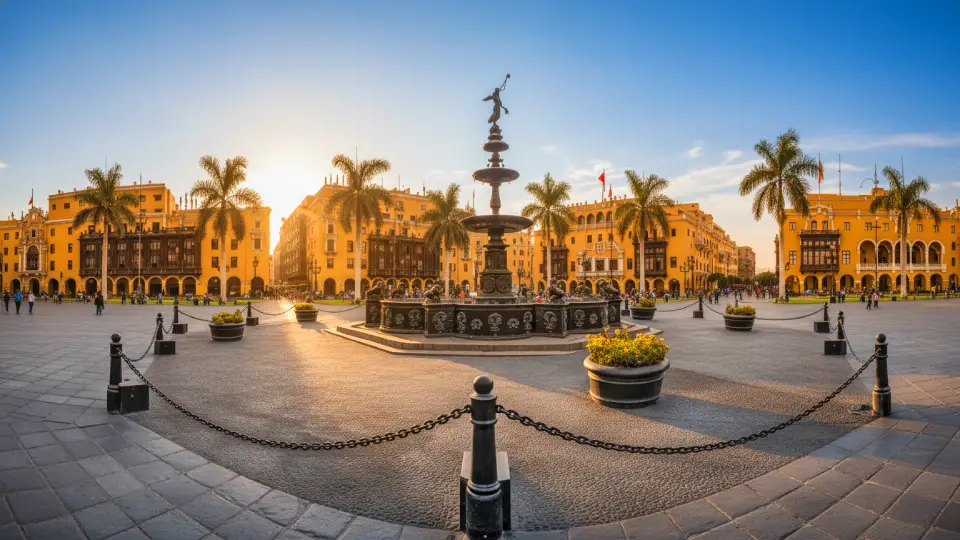
Peru is located in the western region of South America, bordering the Pacific Ocean to the west, Ecuador and Colombia to the north, Brazil to the east, and Bolivia and Chile to the southeast. Its capital, Lima, sits in the central coastal zone of Peru, right along the shores of the Pacific Ocean. For this reason, the city functions as the country’s main political, economic, and logistical hub, connecting the national territory with the rest of the world through the Port of Callao.
Where is Lima, the capital of Peru?
The city of Lima lies on a vast coastal plain surrounded by deserts and valleys that feed the Rímac, Chillón, and Lurín rivers. In fact, most of the capital sits about 154 meters above sea level. However, the terrain varies significantly due to the city’s enormous size. For example, while in coastal districts such as Miraflores or Chorrillos you are right at sea level, in areas farther east, such as Chosica, the elevation reaches nearly 860 meters.
Why visit Lima, the capital of Peru?
Lima occupies the central coastal zone of Peru, right along the Pacific Ocean. Most of the city sits at an altitude of about 154 meters above sea level, although areas such as Chosica reach up to 860 meters. Meanwhile, the department of Lima borders Áncash to the north, Huánuco, Pasco, and Junín to the east, and Ica and Huancavelica to the south. This strategic location connects the coast with the Andes and the rest of the world through the sea.
How to get to Lima, the capital of Peru?
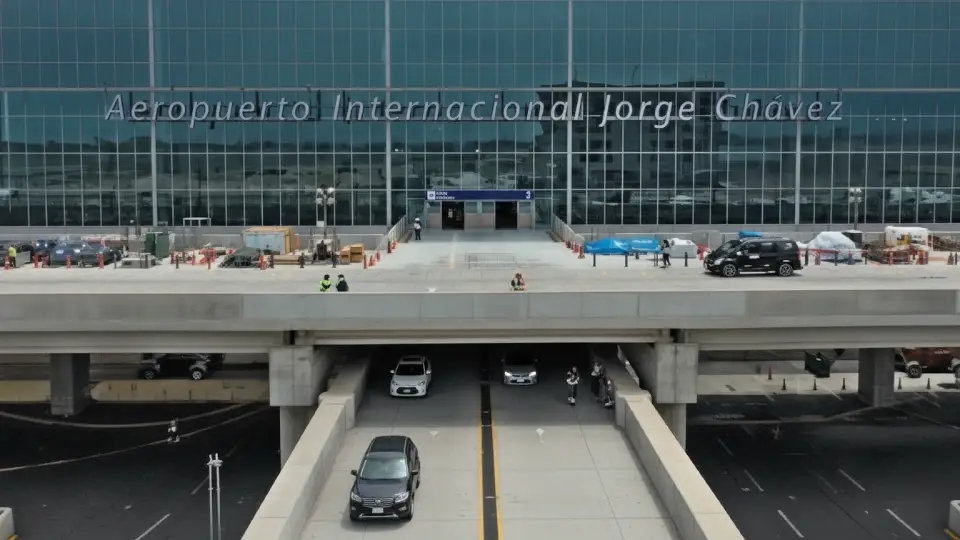
Getting to Lima, the capital of Peru, is very easy. First of all, if you travel from abroad, you will land at the new Jorge Chávez International Airport (LIM), located at Av. Morales Duárez km 2, in Callao. Likewise, this modern terminal serves as the main gateway for anyone visiting the Peruvian capital.
From abroad
International flights: Peru receives direct flights from major cities in the Americas and Europe such as Madrid, Amsterdam, Paris, Miami, Bogotá, Buenos Aires, among others.
From within the country: Domestic flights with connections from cities such as Cusco, Arequipa, Iquitos, Piura, or Tarapoto operate daily and frequently to Lima.
By land (The bus route)
This is the most classic and economical way to travel around the country. Unlike other capitals, Lima does not have a single central bus terminal. Instead, several interprovincial bus companies offer daily departures from cities such as Puno, Arequipa, Cusco, Cajamarca, Ayacucho, and many more.
Traveler tips…
- After landing, you will go through immigration and customs. My traveler’s advice: Keep your hotel reservation or the address where you’ll be staying handy; officers are usually friendly but get straight to the point.
- Once you collect your luggage, avoid informal drivers. Look for the official taxi counters (such as Taxi Green or Taxi Directo) inside the airport, or use Airport Express Lima, a modern and safe blue bus that takes you directly to Miraflores for just a few dollars.
What is the climate like in Lima, the capital of Peru?
It has a mild, desert-like, and very humid climate, with virtually no rainfall. Two well-defined seasons are noticeable, with an average annual temperature between 17.5°C and 19°C:
- Hot and sunny summer (December – April): With temperatures between 25°C and 30°C.
- Cool, humid, and cloudy winter (June – September): With temperatures between 15°C and 20°C.
When is the best season to visit the capital of Peru?
It is recommended to travel during the summer, from December to April, when the weather is warm and sunny, with temperatures between 25°C and 30°C. It is the perfect time to enjoy the coast, the seaside boardwalk, and the gastronomy—ideal for the beach, surfing, and outdoor activities under clear skies.
History of Lima, Capital of Peru: From Inca Sanctuaries to the City of Kings
La capital of Peru, Lima, captures the essence of all Peruvian cultures through its famous gastronomy and traditions. In fact, this city surprises visitors with a living history that spans from its pre-Hispanic origins to the colonial era. So, get ready to explore Peru’s past and flavors.
First inhabitants of Lima, capital of Peru
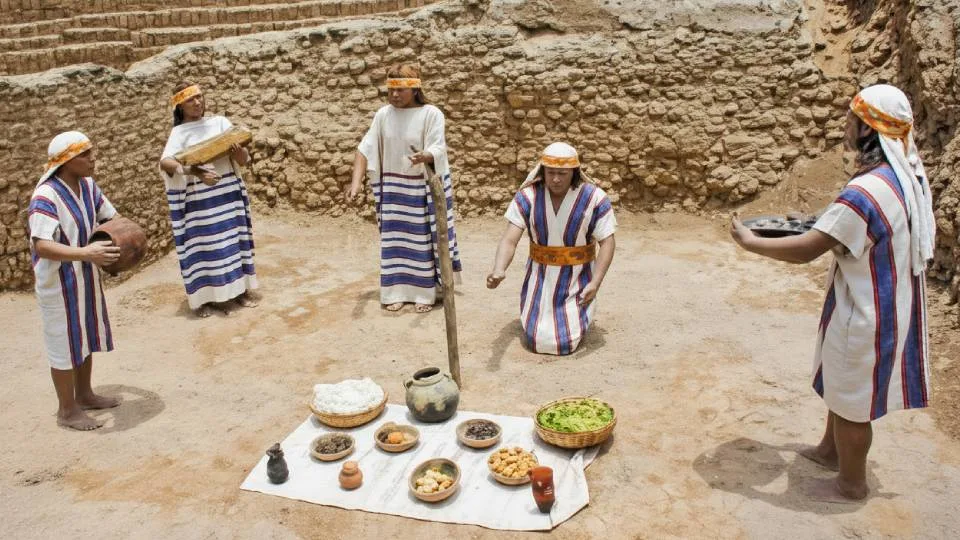
Did you know that Lima’s history began a very long time ago with the first farmers and fishermen who decided to live near the Chillón, Rímac, and Lurín or Pachacamac rivers? In fact, today you can still see remains from that time at archaeological sites such as Garagay or Maranga, which are about 2,500 years old. Back then, local lordships such as the Chumbiray or the Lipa led these areas, located near other key places like Lurigancho, another important settlement.
Lima during the Inca period
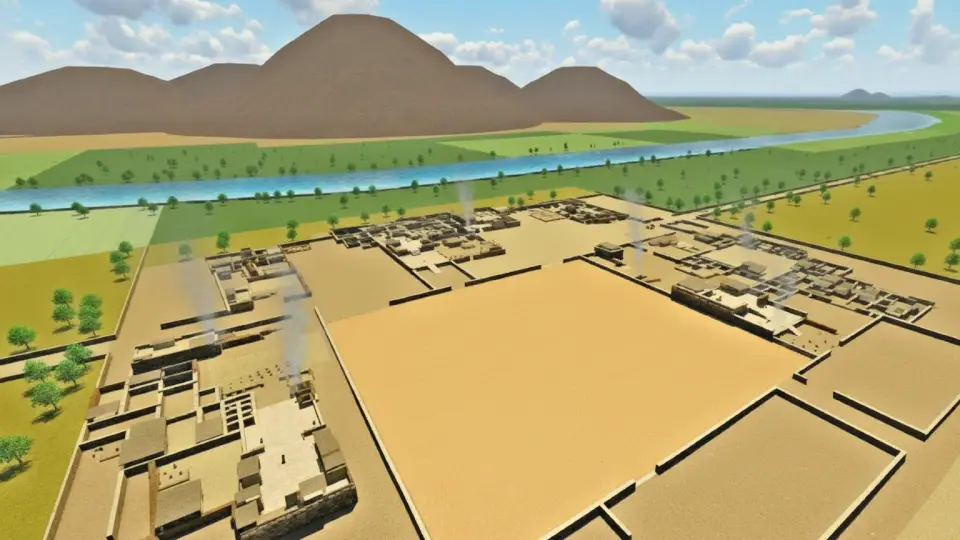
About 30 years before the Spanish arrived, the Inca Pachacútec and his son, Túpac Inca Yupanqui, conquered the coastal lordships after several years of effort. In this way, they incorporated these territories into the Tahuantinsuyo. First they settled at the sanctuary of Pachacamac and, shortly afterward, built Armatambo at Morro Solar. They also made use of constructions from earlier cultures such as Lima, Maranga, and Ichsma.
Inca constructions in Lima
- Pucllana and Limatambo, which today include districts such as Miraflores, San Isidro, Lince, La Victoria, and San Borja.
- Mateo Salado, which archaeologists call Chaya Cala, and which today is located between Cercado, Breña, and Pueblo Libre.
- Maranga and the now disappeared Makatampu, which once stood along Avenida Argentina.
Role of Lima during the Inca period
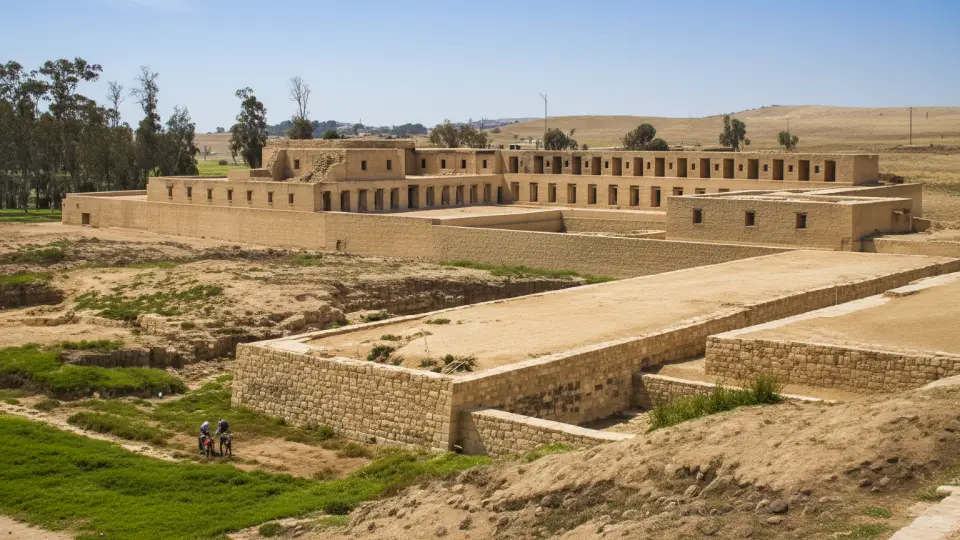
At the height of the Tahuantinsuyo, Lima functioned as a vital administrative and religious center, with sanctuaries such as the oracle of Pachacamac—the most important on the coast—and Huaca Pucllana, both under its administration. Finally, the curaca Taullichusco, chosen by the Sapa Inca, governed and managed the lands of ancestral Lima until the arrival of the conquerors.
Did you know…
From west to east, they controlled the entire coastal valley through Chinchaytampu (located in the heart of Barrios Altos, near Plaza Italia), Ate-Puruchuco, and Cajamarquilla.
Colonial period of Lima and the capital of the viceroyalty
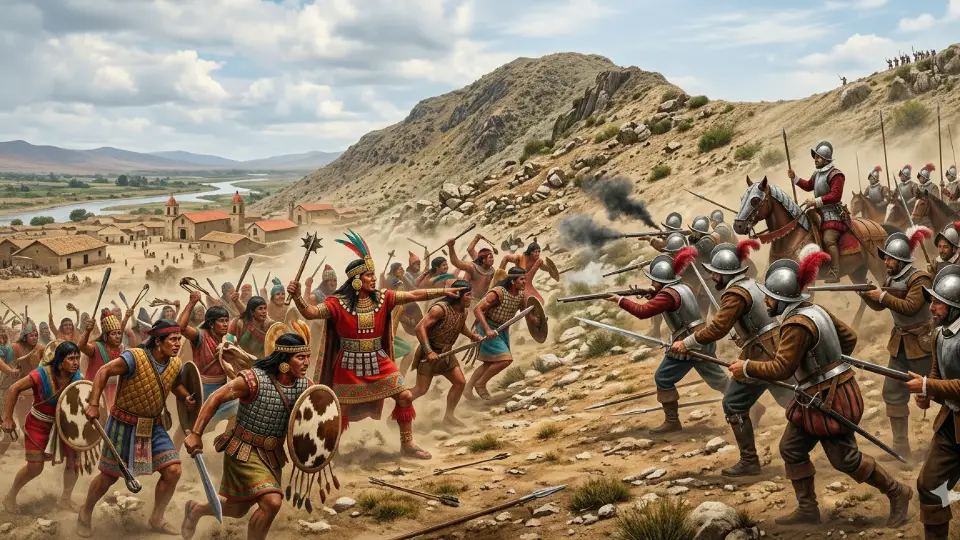
It is interesting to note that when the Spanish arrived, the curaca Taulichusco (a Quechua term meaning “four towns” or “groups”) governed the valley. This local leader confronted Francisco Pizarro González; however, the Spaniard won the battle. As a result, the victors relocated the curaca and his family to Chuntay (where the parish of San Sebastián stands today) in Magdalena Vieja, what we now know as Pueblo Libre. There, Taulichusco spent his final years and died sometime between 1562 and 1576, surrounded by family and close companions.
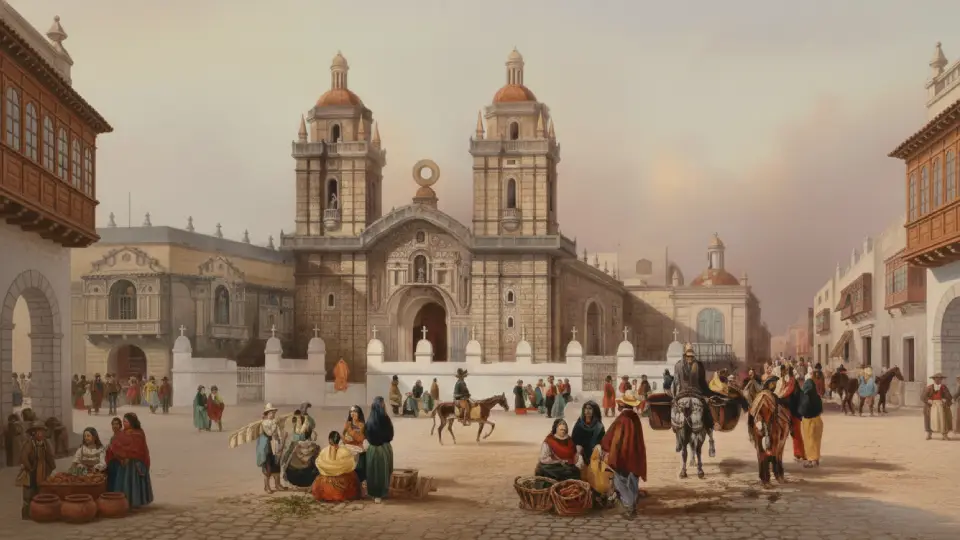
Foundation of the first and second capital of Peru
- Meanwhile, the Spanish established and built the first capital of the Viceroyalty of Peru in Jauja on April 25, 1534. However, this location in the Andes made transporting gold and silver extremely difficult.
- For this reason, on January 18, 1535, Francisco Pizarro founded a new city in the valley of Lima or Limaj, and named it the “City of Kings.” Thanks to its strategic location near the port of Callao, the city quickly became the definitive capital of colonial Peru. As a result, Lima stood out as the richest and most influential metropolis in all of Spanish South America for nearly three centuries.
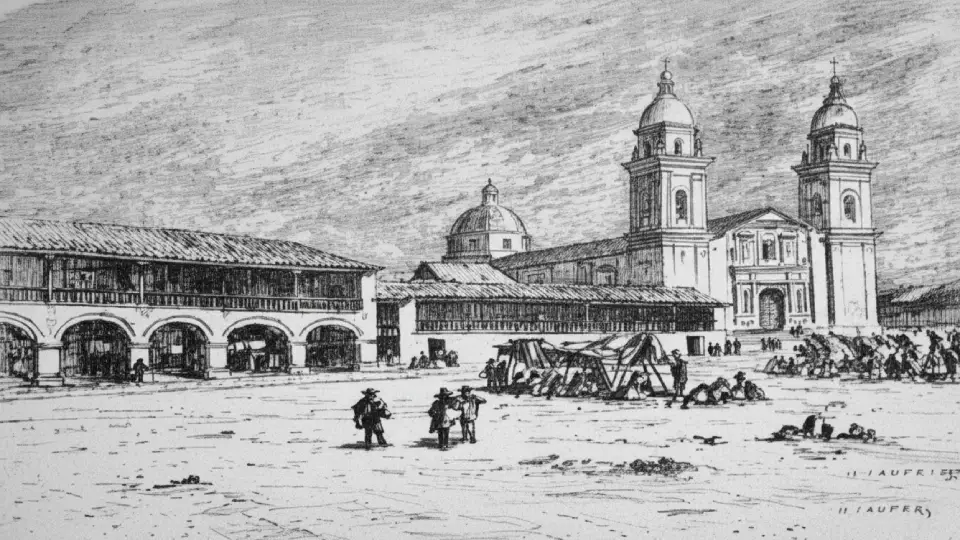
The security of Lima
Some time after founding the city of Lima, the Spanish sought to protect it from possible land invasions by pirates or popular uprisings. For this reason, in June 1684 they began building an extensive defensive wall.
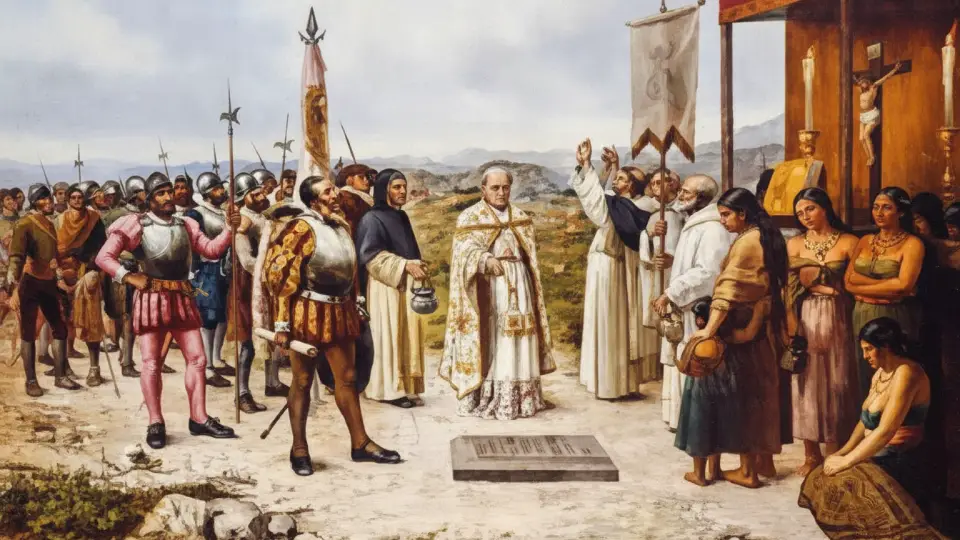
Interesting fact…
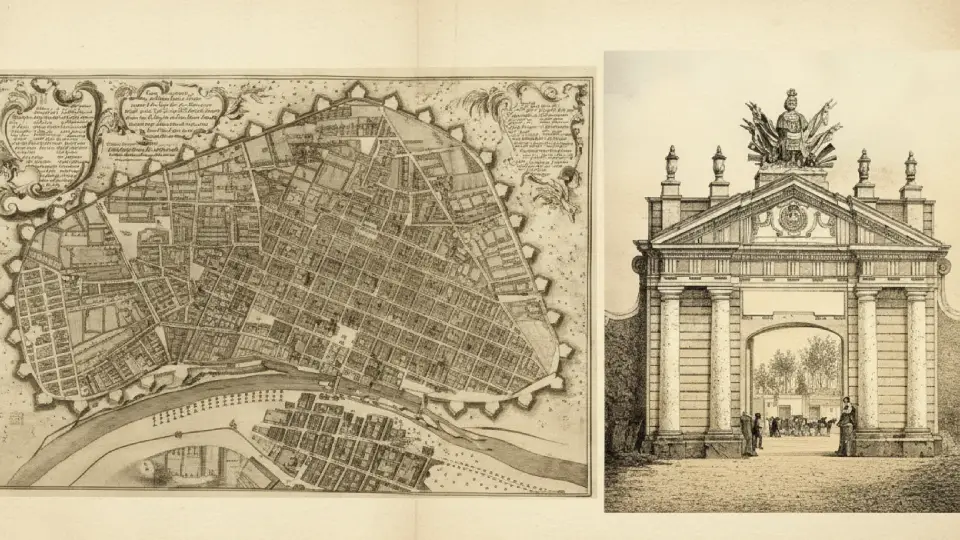
Did you know that this wall surrounded the city with a perimeter of 11 kilometers, reached a height of 5 to 6 meters, and had a thickness of 3 meters? In addition, builders strategically reinforced the structure with 34 bastions or five-sided towers. Finally, they created 10 gates that served as official entry and exit routes for residents.
Entry and exit gates of Lima, capital of Peru
- Monserrate, also called Portachuelo
- San Jacinto
- Martinete
- Santa Catalina
- Callao, today’s Plaza Dos de Mayo
- Cocharcas
- Juan Simón
- Guadalupe or Matamandinga
- Barbones
- Maravillas
Important fact….
During the development of the new capital, the Spanish founded their first church in Lima and named it the “Chapel of the Bridge.” Today, this historic site is located on what is now Jirón Trujillo.
Lima, capital of Peru during the viceroyalty
In old Lima, citizens reflected their social status through the size and quality of their homes. However, a devastating event changed this reality. On October 28, 1746, a terrible earthquake destroyed almost the entire city and claimed the lives of five thousand people in just a few minutes. As a result of this tragedy, residents completely transformed the appearance of the capital. They began rebuilding the city with structures that were much stronger and more resistant to earthquakes.
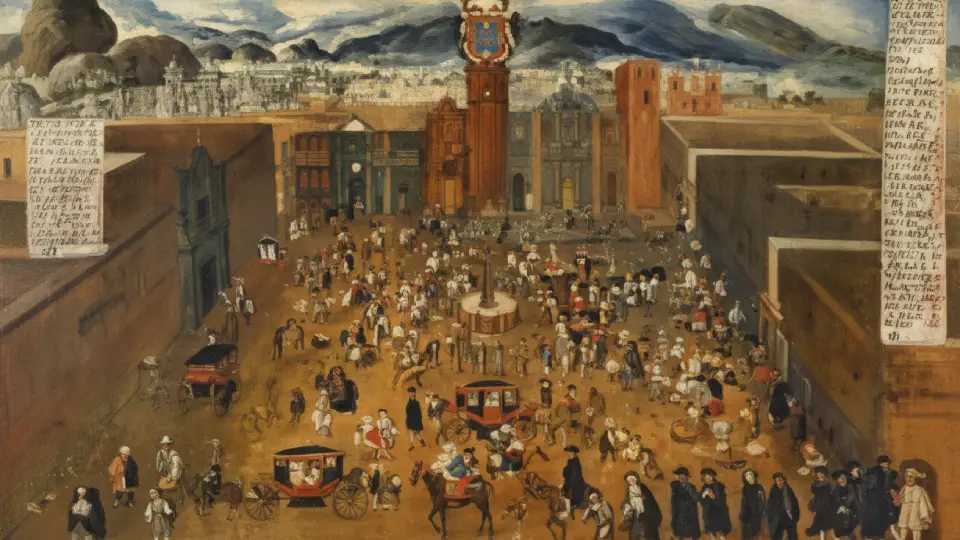
Creation of historic neighborhoods in Lima, capital of Perú
The founders designed the capital of Peru using a cord to draw perfectly square sections. In fact, they took inspiration from the ancient military camps of the Romans. When reviewing old maps, we see that 117 blocks formed Lima’s original layout. Specifically, Captain Diego de Agüero Garay created this famous grid during Epiphany in 1535, working alongside Francisco Pizarro.
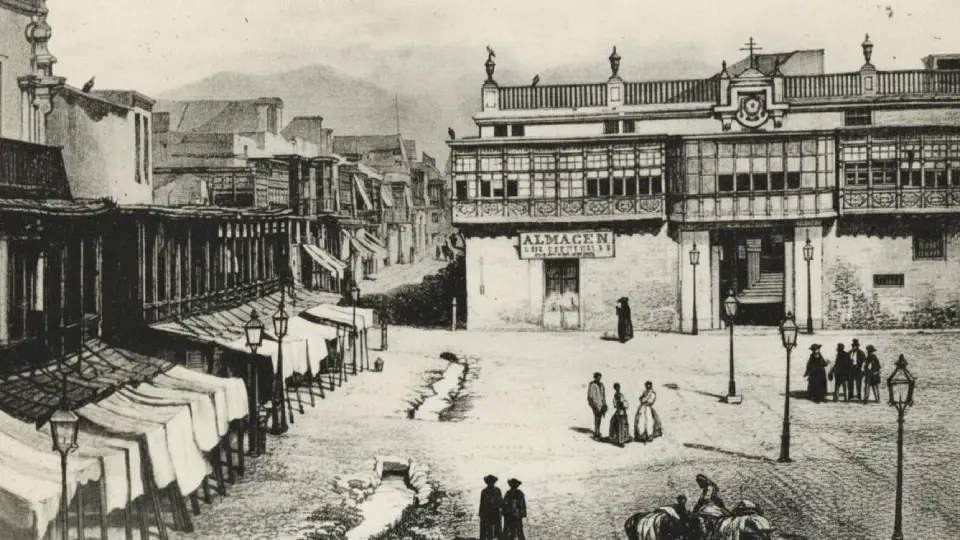
Creation of new spaces in Lima
Meanwhile, the northern side (next to the river) originally belonged to the local curaca, who had his residence and administrative center there. Precisely on that site, the Spanish built the house of Governor Pizarro. Over time, this space evolved into the viceregal palace and, much later, into today’s Government Palace. On the other hand, the eastern side faced the cathedral area. Finally, on the western side—where an ancient huaca, farmlands, and camelid corrals once stood—the new settlers built the cabildo or city hall.
Did you know..
Each block measured 100 meters on each side (what we now call a “cuadra”) and divided its space into four smaller lots of 50 meters. In this way, each block formed a street. At the center of this square-shaped Lima, they placed the main square or Plaza de Armas. As a historical note, authorities installed a gallows on the south side of this plaza.
Lima, capital of Peru today: Historic neighborhoods and modernity
Today, the capital of Peru is a true blend of cultures. After independence and the rapid growth it experienced during the 20th century (well documented by the INEI), Limeños transformed their city into a place of strong contrasts.
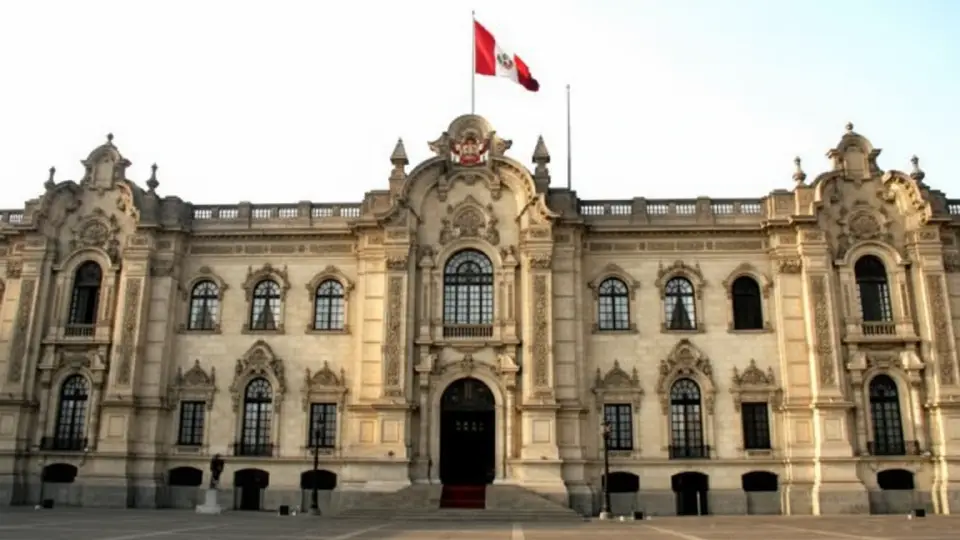
Did you know…
- The colors gold and indigo blue are the historic emblem of our capital. In fact, these tones represent the royal families of Spain who ruled during that time. For example, gold symbolizes the House of Trastámara, that is, the Catholic Monarchs who financed the first voyages to our continent.
- However, history took a major turn much later. For this reason, General José de San Martín himself decided to change the identity of the old “City of Kings” and renamed it the “City of the Free.”
Important events in Lima, capital of Peru
Capture of Atahualpa
In 1532, the Spanish captured the Inca Atahualpa. Because of this, in 1534 Francisco Pizarro ordered that all the treasures be transferred from Jauja to Lima. The conqueror mainly chose this new location because of its proximity to the sea and the port of Callao. In this way, troops could easily ship the riches to Spain.
Rebellion of Titu Cusi
Years later, the Incas decided to fight to recover the City of Kings and the valley of Limaj (or Rimaj). In this offensive, the warriors known as “hanancuscos” took the initiative. Specifically, the Inca military leader Titu Cusi, also called “Quizu” Yupanqui, commanded these troops and firmly marched across the coastal regions to attack the capital.
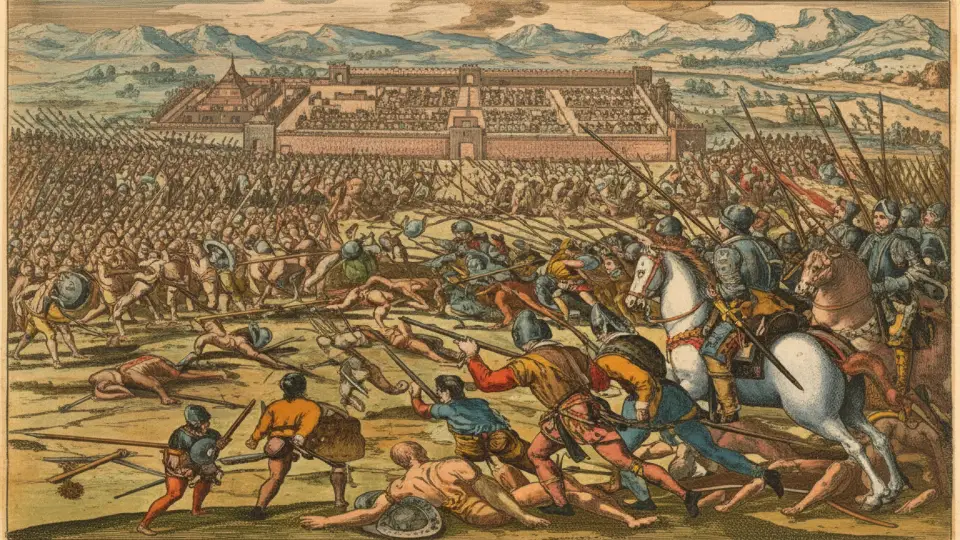
Battle of Manco Inca and San Cristóbal Hill
At the same time, in 1536, Manco Inca organized an army from Ollantaytambo with the clear mission of expelling the Spanish toward the sea. Meanwhile, other Inca forces kept the city of Cusco surrounded. There, Hernando Pizarro (brother of the founder of Lima) resisted the strong attack with about two hundred Spaniards. In addition, the Europeans had the valuable support of allied Chachapoyas and Cañari warriors. In the end, Spanish troops won these intense battles.
What to Do in Lima, Capital of Peru: Treasures You Can’t Miss
The capital of Peru, Lima, has so much to offer that the best way to experience it is to make the most of every minute of your visit. In fact, you can spend incredible moments exploring its many restaurants, museums, archaeological sites, and artisan markets. For this reason, we selected a few special places for you that you simply cannot miss. So, get ready to explore these key spots and fully enjoy the essence of the city.
Tourist attractions to visit in Lima
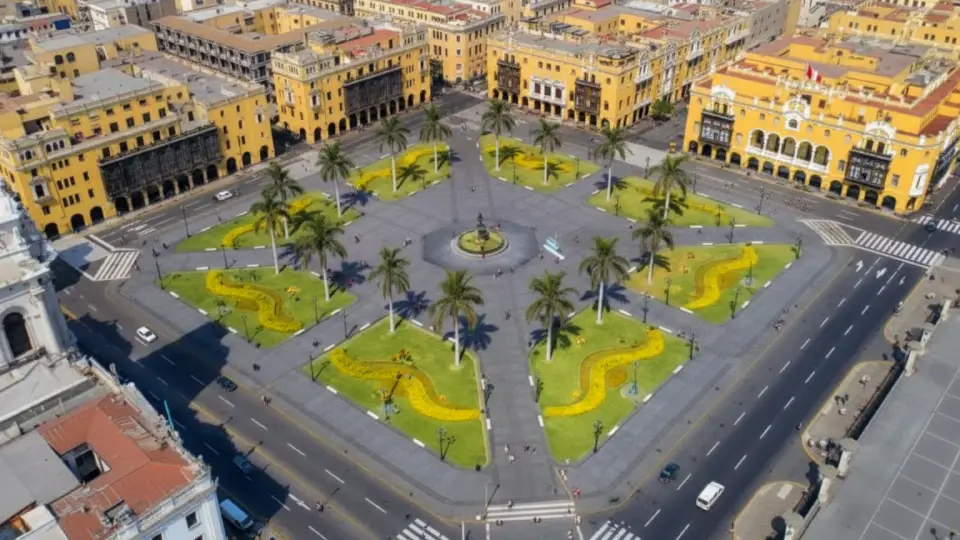
Main Square
You’re going to love this walk! To begin with, right around the area, you can visit the grand Government Palace and the Municipality of Lima. It is also highly recommended that you visit the Cathedral of Lima, which holds the historic tomb of Francisco Pizarro. All in all, it’s a fascinating tour that takes you back in time!
Church and Convent of San Francisco
This place will amaze you! To start, here you will discover the famous catacombs, which served as cemeteries during the colonial period. In addition, you will notice that the cloister and the porter’s lodge feature beautiful Sevillian tiles brought over in 1620. On top of that, the tour allows you to enjoy the museum of religious art and the Zurbarán room. Finally, you cannot miss the impressive library, which is the perfect ending to this historic experience.
Church and Convent of Las Nazarenas
You’ll love visiting this place with so much history! To begin with, it was built over the old neighborhood of Pachacamilla, where enslaved people brought from Angola painted an image of Christ on an adobe wall that survived several earthquakes. Today, everyone knows it as the Lord of Miracles, the patron saint of the city who passes through the streets every October. Lastly, do not miss its main altar and the Monastery of Las Nazarenas, where you will get to see the original 1651 image up close!
Church and Convent of Santo Domingo
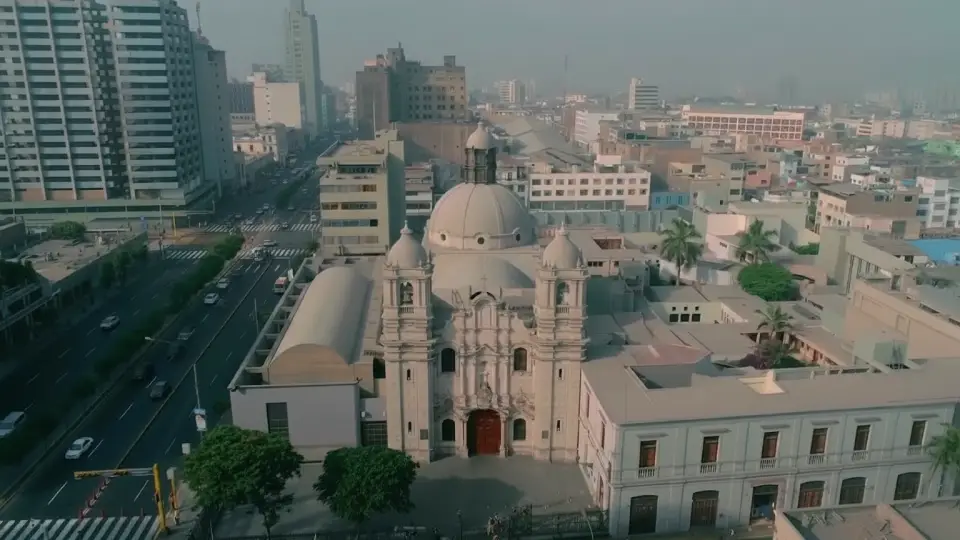
This church, founded in 1535, welcomes you with a uniquely peaceful atmosphere. First, you will be able to see the silver urns that hold the remains of Saint Rose of Lima and Saint Martin de Porres. At the same time, the tour lets you discover the living history of these beloved saints. Finally, you will notice that walking through its corridors is one of the best ways to connect with Lima’s traditions. In short, it is a visit you will truly enjoy!
La Merced Church
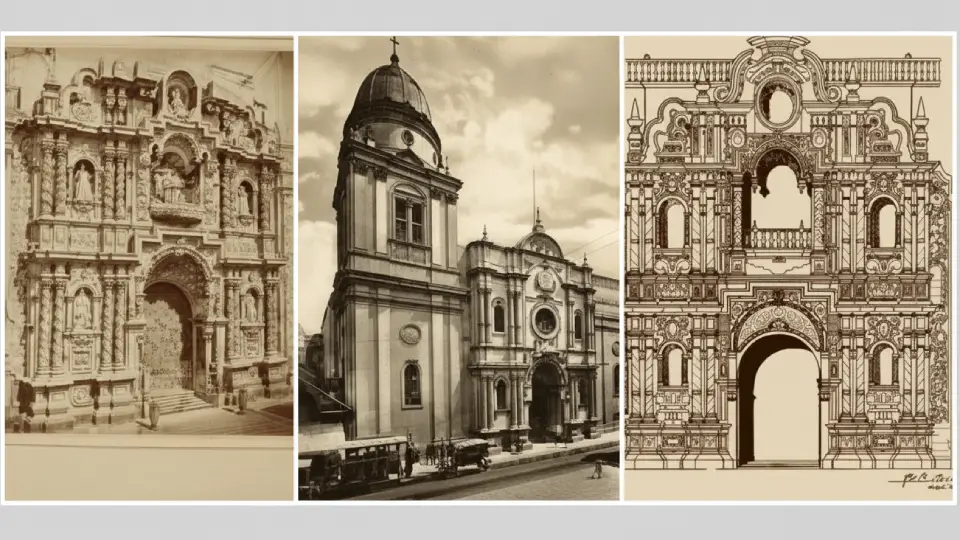
You will find yourself at the very place where the city’s first Mass was celebrated, a site filled with history. You will also be able to admire its beautiful carved-stone façade and the fourteen detailed altarpieces that decorate the interior. In the same way, I invite you to discover the image of Our Lady of Mercy and its main altar. To wrap up, if you visit during Christmas, you will see one of the largest nativity scenes in Lima. You’ll love getting to know this very special place!
Torre Tagle Palace
This palace will captivate you with its architecture, which blends 18th-century Sevillian, Mudéjar, and Andalusian Baroque styles. Here, you can admire its famous carved cedar balconies, the entrance hall with tiles, and the marquis’s old carriage. Likewise, the tour lets you explore its staircases and richly decorated rooms. It is recommended to visit on weekends. It’s a walk you will absolutely love!
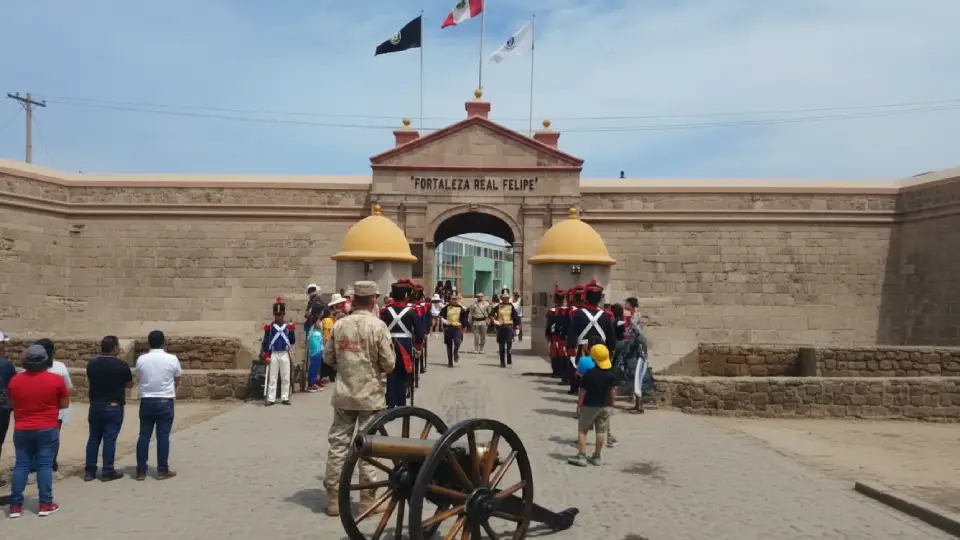
Real Felipe Fortress
This historic 18th-century site in Callao invites you to discover how the bay was protected from pirates and corsairs. Then, you will walk through the King’s and Queen’s towers, exploring underground passageways and old dungeons. At the same time, you will visit the Governor’s House, the Gentleman of the Twelve Cannons, and an interesting weapons collection. In short, you will love exploring this place!
Miraflores Boardwalk
The Miraflores Boardwalk offers a Pacific-front route that is perfect for walking, biking, or watching the sunset. Along the way, you can visit key spots such as Love Park, the Larcomar shopping center, Chinese Park, and the Marina Lighthouse. In the same way, you will enjoy paragliding, beautifully maintained gardens, and artistic sculptures scattered throughout the route. To complete the journey, you will discover why this place is a favorite for so many people. You will experience unforgettable moments by the sea!
Archaeological and cultural sites
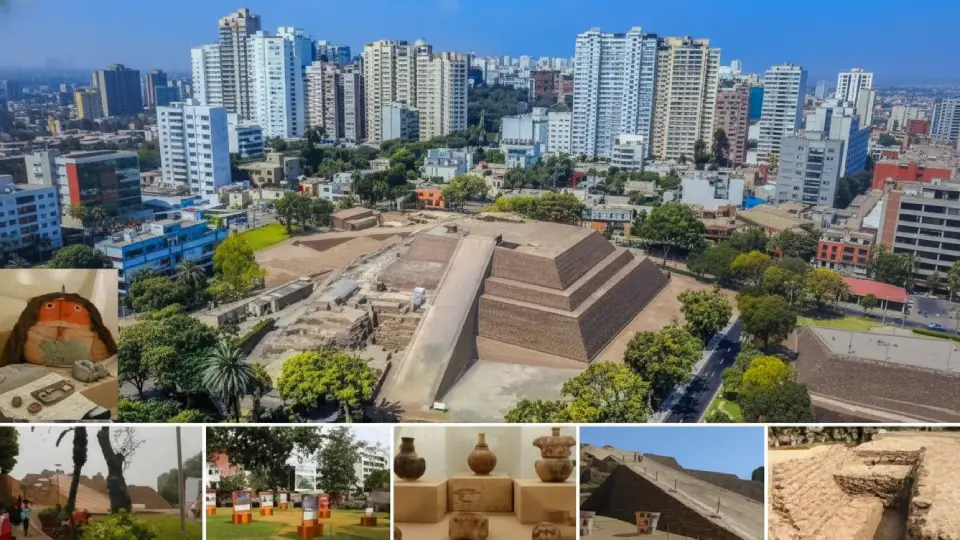
Huaca Huallamarca in San Isidro
The Huallamarca Site Museum preserves thirteen hundred years of history, from the Formative Period to the Inca era. Right away, you will see an interesting collection of objects found in burials from the monument itself and its surroundings. You will observe textiles, ceramics, stone pieces, and skeletal remains that tell us how our ancestors lived. This makes for an archaeological outing full of learning. In short, you will love discovering everything this place has preserved!
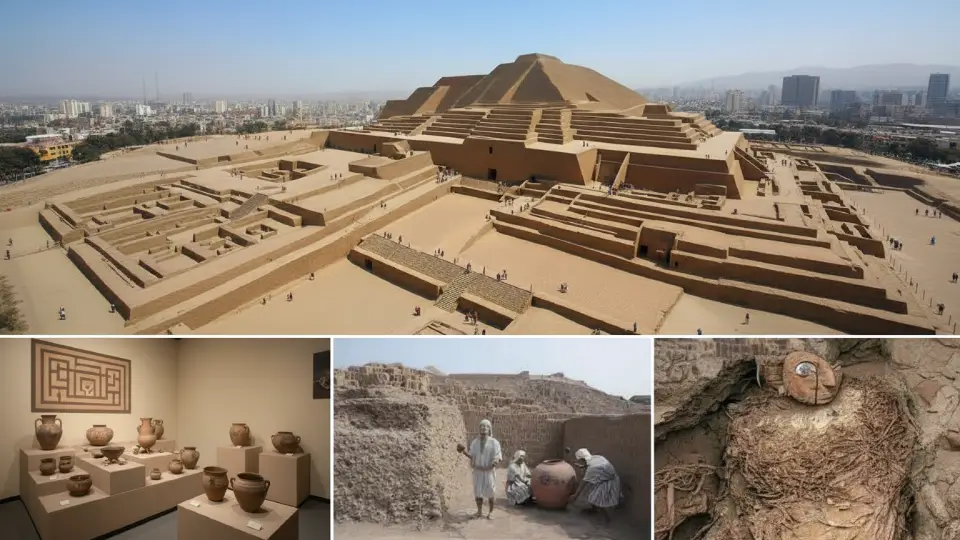
Pachacamac
Discover the ancient sanctuary of Pachacámac, which spans from 300 B.C. to 1400 A.D. At the same time, you will tour the temple dedicated to its great deity, strategically located at kilometer 31 of the Pan-American Highway South. Here, you will also learn about the spiritual origins of the ancient cultures that inhabited this area for centuries. You will also enjoy a visit full of learning and culture. In short, you will love exploring this very special site!
Huaca Pucllana
Huaca Pucllana tells the story of the ancient Lima culture, which inhabited our city many years ago. There, you will visit its current museum, open since 1984, where you will see treasures uncovered during years of archaeological excavations. You will also explore the cultural artifacts recovered by the project that has protected this site since 1981. You’ll love learning about our past in this very special place!
Museums in Lima, Peru
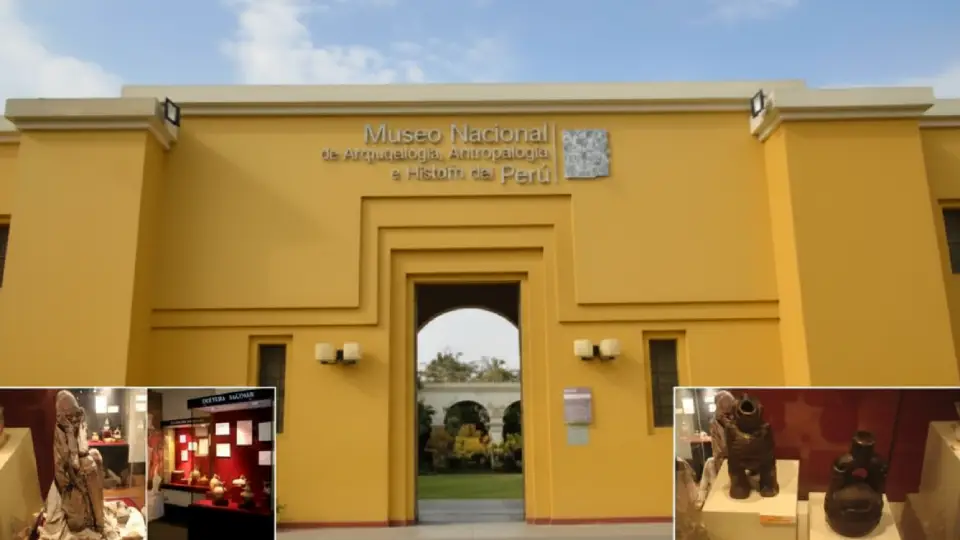
National Museum of Anthropology, Archaeology, and History
Here, you will discover the traces of the Chavín, Nazca, and Paracas cultures, which shaped our ancient history. Then, you will learn about the legacies of the Moche, Chimú, and Huari peoples, whose creations endure to this day. In the same way, you will observe the treasures left to us by the Inca civilization and other great pre-Hispanic societies. You will love exploring this valuable cultural heritage!
Gold Museum of Peru
This museum houses a valuable collection of gold pieces that reflect the great talent of artisans from ancient Peru. Then, you will get a close look at unique goldworking techniques that defined the creative skill of our past civilizations. You will also discover surprising details in every piece of jewelry and ornament preserved with special care. You’ll be amazed by the craftsmanship of these ancient masters!
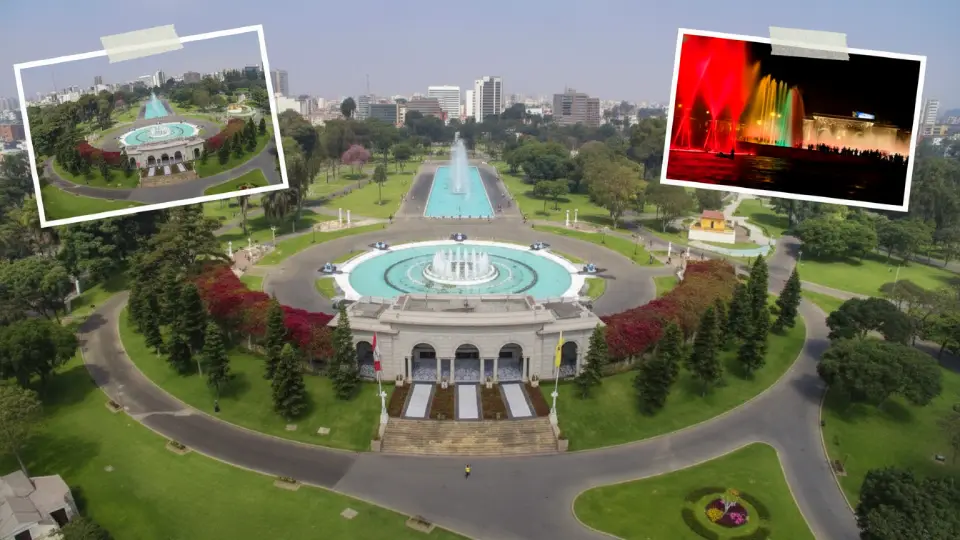
The Magic Water Circuit at Parque de la Reserva
This park has been operating since 2007 and features fountains that shoot water up to eighty meters high. Right away, you will see the largest water screen in the world, where shows full of light and color are projected. Beyond that, you will enjoy special moments with friends, family, or your partner in this unique setting. It is the perfect place to spend a joyful evening together!
Lima, the Gastronomic Capital of Perú
Why are we the culinary capital of the world?
Lima, the capital of Peru, is the epicenter of global flavor. That is why eating in Lima is an experience that demands your full attention; it is about feeling how Inca heritage embraces French technique, Japanese influence (Nikkei cuisine), and Cantonese tradition (Chifa cuisine). Here, every dish tells a story of migration, resilience, and national pride, reminding you with every bite why Lima has repeatedly been crowned the best city in the world for food.
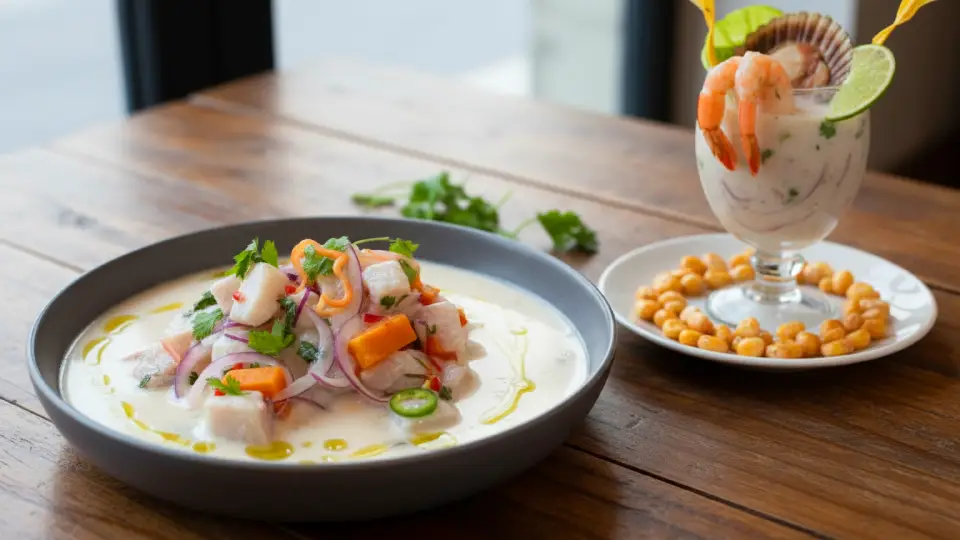
The altar of the sea: Ceviche and the ritual of leche de tigre
Peruvian ceviche, recognized by UNESCO as Intangible Cultural Heritage, is not just a dish, it is a ritual. It stands out for its brief marinade of lime juice, chili peppers, and onions, with major variations such as the classic fish ceviche. You cannot leave the city without trying leche de tigre, a refreshing sensation that helps you understand why the Peruvian sea is the most generous on the planet:
I recommend trying…
- Mixed ceviche (with seafood)
- Black clam ceviche (typical of Tumbes)
- Chinguirito (dried fish from northern Peru)
- Modern fusions such as Nikkei-style ceviche (Japanese influence)
- Amazonian-style ceviche
- Tiradito
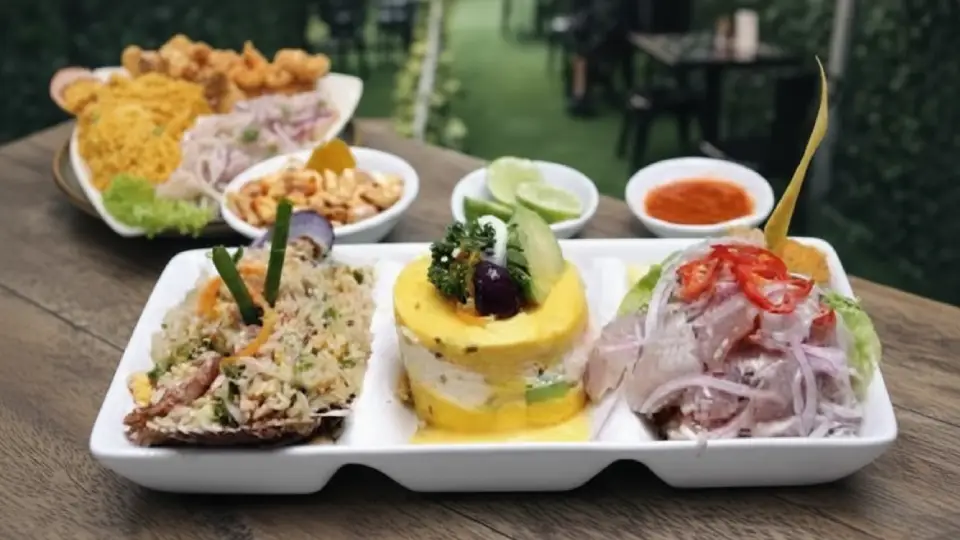
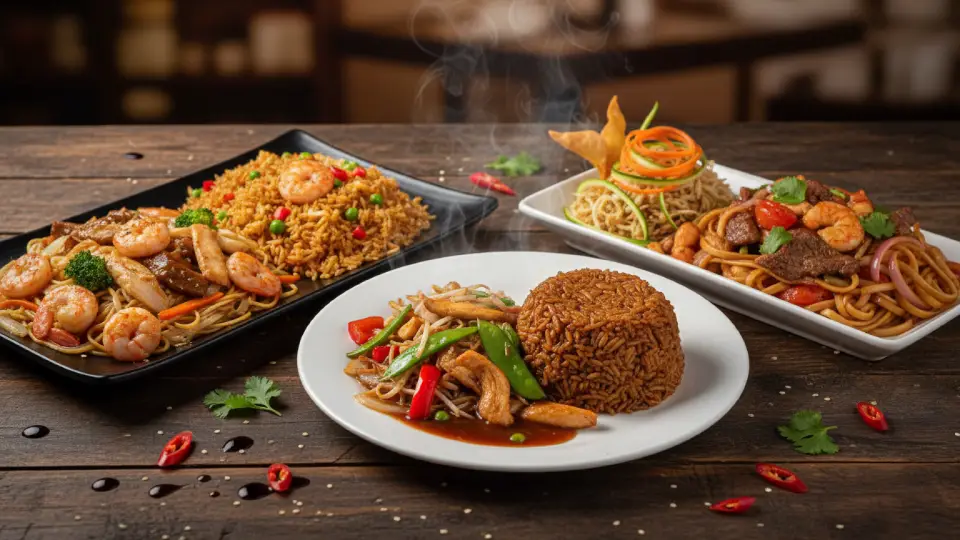
Nikkei and Chifa Cuisine: The Fusion That Won Over the Global Palate
True Peruvian food in Lima lies in its ability to absorb cultures and return them transformed into something entirely new and elevated, a phenomenon you will see in elegant Nikkei cuisine, where Japanese precision blends with the freshness of our limes and chili peppers. Here, you will discover how places like Maido turn every seafood ingredient into an unforgettable experience. You will truly enjoy tasting this delicious union of worlds!
I recommend trying…
- Arroz chaufa
- Lomo saltado
- Nikkei ceviche
- Octopus in olive sauce
- Shrimp tempura
- Seafood chaufa rice
- Fish sudado stew
Sweet and savory classics of Lima, capital of Perú
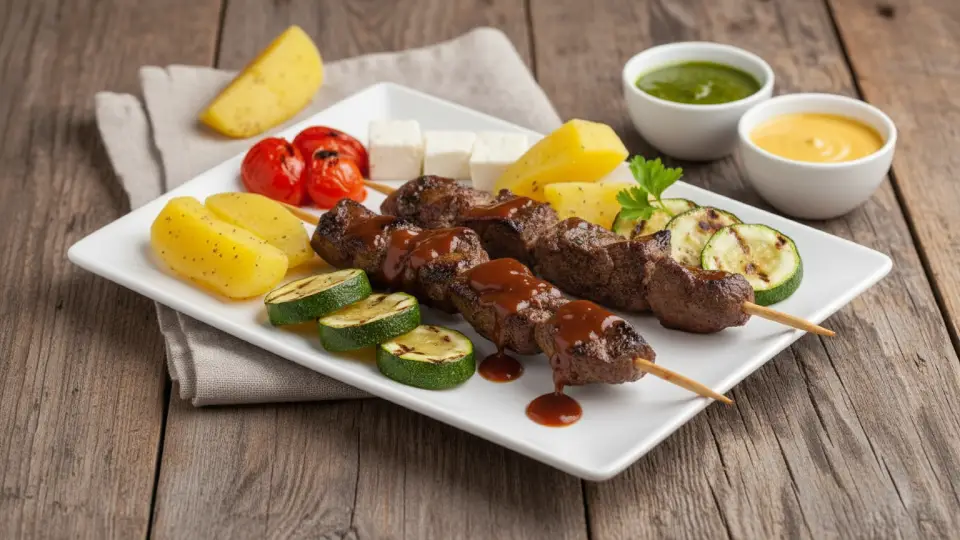
- Anticucho de corazón: a true adventure for your palate; this humble-origin bite shines in both street stalls and fine-dining menus thanks to its flavorful ají panca marinade.
- Suspiro a la limeña: wins you over with its sweet dulce de leche and soft port meringue, while picarones, those fried squash rings drizzled with chancaca syrup, offer an irresistible experience when enjoyed hot.
- Octopus causa and choritos a la chalaca: complete this feast of flavors. You will love discovering why these dishes define Lima’s authentic culinary tradition!
Traditional beverages
- Pisco sour.
- Chicha morada
- Inca Kola
- Cusqueña beer
Where to stay in Lima?
- Miraflores: Casa Andina Premium, located at Avenida La Paz 463. You can easily get there by taxi or bus through the district’s commercial area.
- Barranco: Hotel B, located at Avenida Sáenz Peña 204. It is easy to reach on foot from the district’s main square.
- San Isidro: Hotel Country Club, located at Calle Los Eucaliptos 590. The best option is to take a taxi directly to the Golf area.
Safety, Transportation, and Budget in Lima, Capital of Perú
How to get around in Lima, Peru?
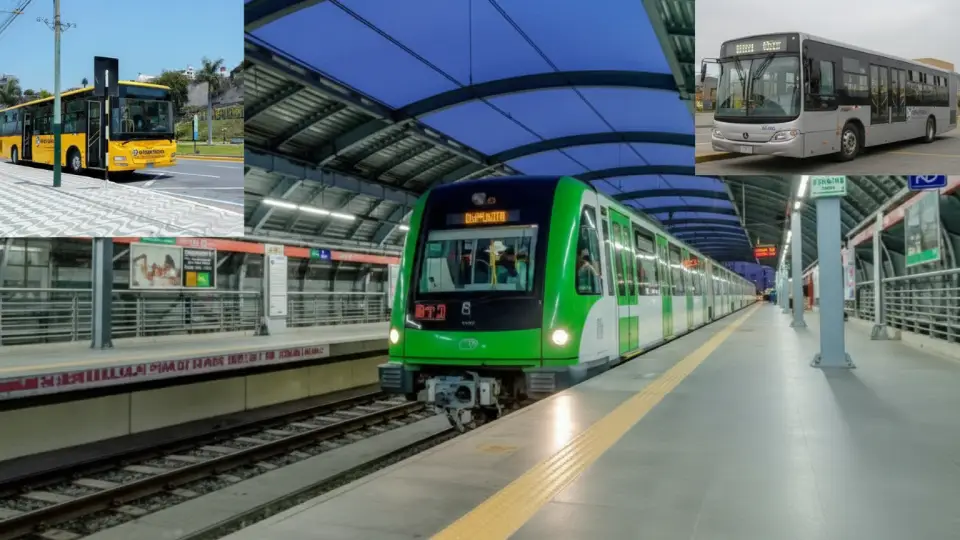
Heavy traffic in Lima is a reality everyone has to deal with. If you want to move around like a pro, the best option is to use the Metropolitano or request a ride through an app. On the other hand, I recommend avoiding informal shared taxis if you prefer a relaxed and hassle-free trip.
Is it safe to travel to Lima?
When it comes to safety, Lima is a very welcoming city, although it never hurts to use common sense. It is recommended to stay within the golden triangle between Miraflores, San Isidro, and Barranco. These areas are very safe, have 24-hour municipal security (serenazgo), and you can walk around at night with relative peace of mind. Always keep your belongings in sight when you are in crowded areas and, of course, enjoy every moment with confidence.
Metropolitano vs Colectivos
| Metropolitano | Colectivos |
| It is a system of articulated buses (those long segmented buses) that run on an exclusive lane, a kind of corridor that crosses the city from north to south. | They are private buses (or minivans) that operate along fixed routes, both formally and informally. |
| Why choose it? To avoid traffic. It is the fastest way to connect Miraflores (Benavides or Ricardo Palma stations) with the Historic Center (Jirón de la Unión station) in about 20 minutes. | Why do people use them? Because they are faster than a regular bus and they drop you off wherever you need. If the Metropolitano is overcrowded, a colectivo can get you out of trouble. |
| To use this system you need an electronic card that can be purchased and reloaded at stations. The general fare costs 4.50 soles. | Why be careful? They do not have passenger insurance, drivers often drive very aggressively, and for travelers unfamiliar with the city it is easy to take the wrong route. |
| Avoid rush hour (7:00 to 9:00 a.m. and 6:00 to 8:00 p.m.) whenever possible. During those times, personal space disappears. | Price: Usually costs between 5 and 10 soles depending on the distance, paid in cash when getting on or off. |
Which transportation option is best for you?
| Situation | Option | Transportation |
| From central Miraflores | Metropolitano | During rush hour, the Metropolitano takes about 25 minutes |
| Tourism | Metropolitano | It is an official, monitored system with clear stations—almost impossible to get lost. |
| Emergency | Colectivo | It can get you through traffic faster than the blue bus |
| Tight budget | Metropolitano | Fixed fare with no bargaining or surprises |
Recommended shopping and souvenirs
If you are looking for the classic alpaca sweater, Ayacucho retablos, or colorful textiles, you should visit the following shopping areas:
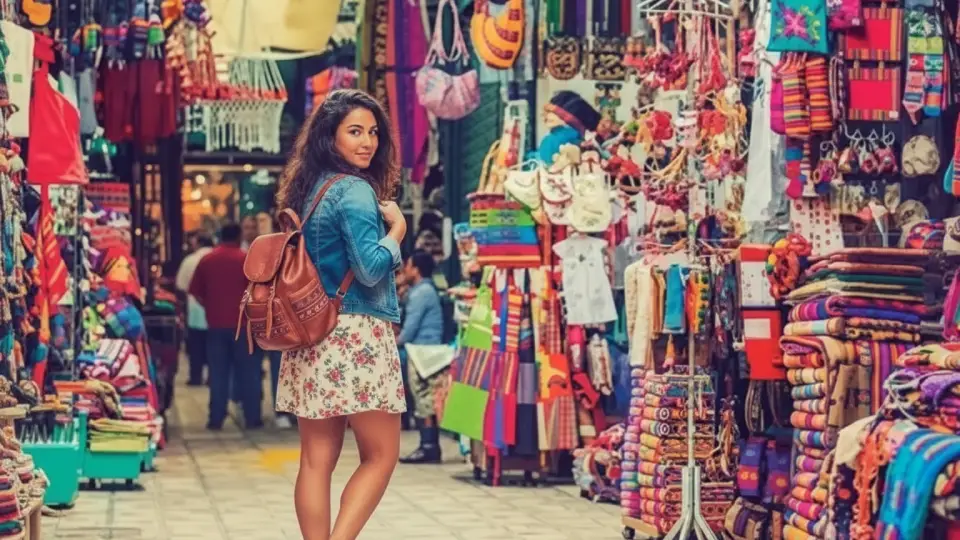
Mercado Indio and Gran Mariscal
These spaces bring together several interconnected markets. They are safe and clean establishments offering such a huge variety that it surprises almost everyone. In fact, you will likely find so many options here that you may not even need to go elsewhere in the city.
Gamarra: The textile adventure
Located in the district of La Victoria, Gamarra is the largest textile hub in South America. If you want Pima cotton (the best in the world) at factory prices, this is the place. You can buy T-shirts, sheets, or jeans of incredible quality for a fraction of what they cost in a mall. The recommended hours to visit are between 10 a.m. and 4 p.m.
Larcomar (Miraflores)
This is probably the most beautiful shopping center you will see. It is carved into a cliff overlooking the ocean. Here you will find luxury Peruvian brands such as Kuna or Sol Alpaca. It is the perfect place to buy a special gift while watching the sunset with a coffee in your hand.
Jockey Plaza (Surco)
This shopping center is enormous. Honestly, if you cannot find a product at Jockey Plaza, you probably will not find it anywhere else in Peru. It also features an area called “Barrio,” where you will discover creations from independent local designers that are true collectible pieces.
Art and Crafts in Barranco
This is an old mansion where every room feels like a different world of design, ceramics, designer clothing, and art objects. It is not cheap, but every piece has soul. It is the perfect place to buy that decorative item that will make everyone ask: “Where did you get that?”
Important tip…
- Always look for the “925” or “950” stamp. Peru has a millennia-old tradition of metalworking; a silver jewel is one of the best souvenirs you can take from the capital of Peru.
- If you are a foreign visitor, many large stores allow you to request the Tax Free form and recover the 18% tax at the airport before leaving. Don’t forget to ask for it!
Recommended Tours in Lima, Capital of Perú
Tours within Lima
The “Must-Do” of the Capital of Perú
Several local guides organize tours starting early in the morning to the Surquillo Market. There, you discover and taste fruits you may have never tried before, such as lúcuma or cherimoya. Later, experts lead an entertaining cooking class. In the end, you prepare your own delicious ceviche and an authentic pisco sour.
Free Walking Tour through the Historic Center
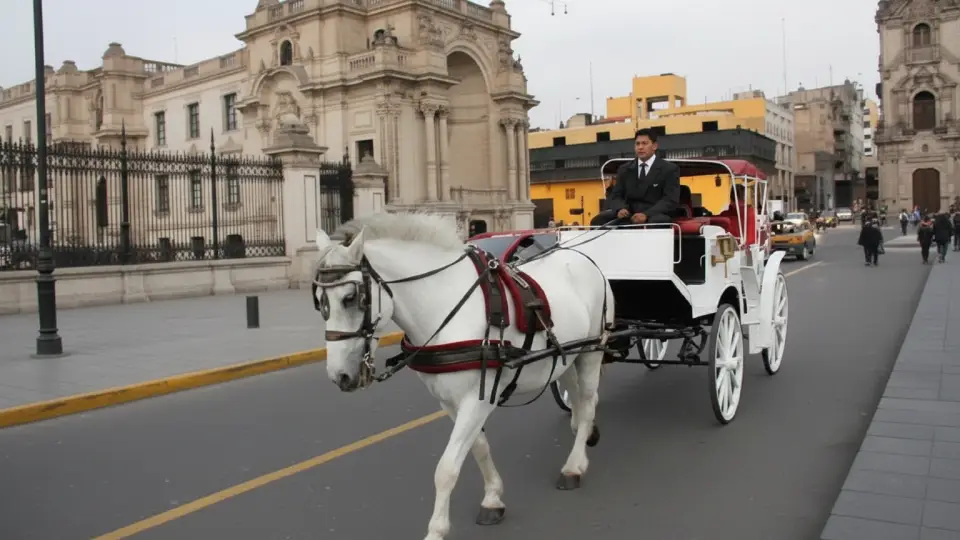
Usually, guides start this tour at Plaza San Martín and finish it at the Plaza de Armas. Along the way, you can watch the traditional changing of the guard at the Government Palace and explore the San Francisco Catacombs. As a result, the experience is ideal, since passionate young guides lead the groups and share those curious historical “gossip” stories from the colonial era that official books tend to leave out.
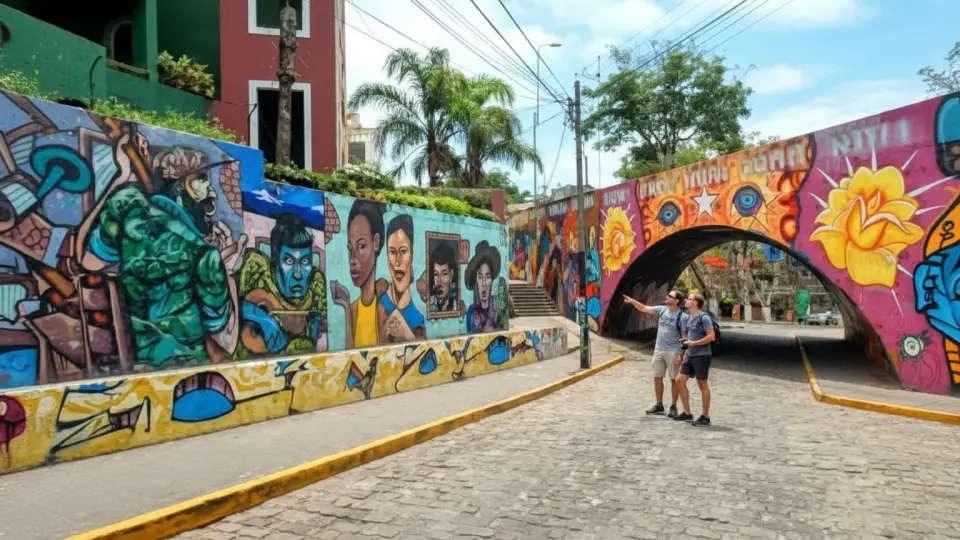
Street Art and Bohemian Tour in Barranco
If you love photography, join a fun artistic walk through Barranco. In fact, local guides organize tours where you discover incredible urban murals and cross the Bridge of Sighs while making a wish. Later, the group walks down the Bajada de Baños to admire the ocean. Finally, the hosts end this perfect plan with a delicious tasting of Peruvian specialty coffee.
Archaeological Tour in Lima
Visit Pachacamac
On one hand, if you travel just 45 minutes south, you will discover the most important archaeological sanctuary on the coast. Without a doubt, this mystical site reveals a real perspective of how ancient inhabitants lived before the arrival of the Spanish.
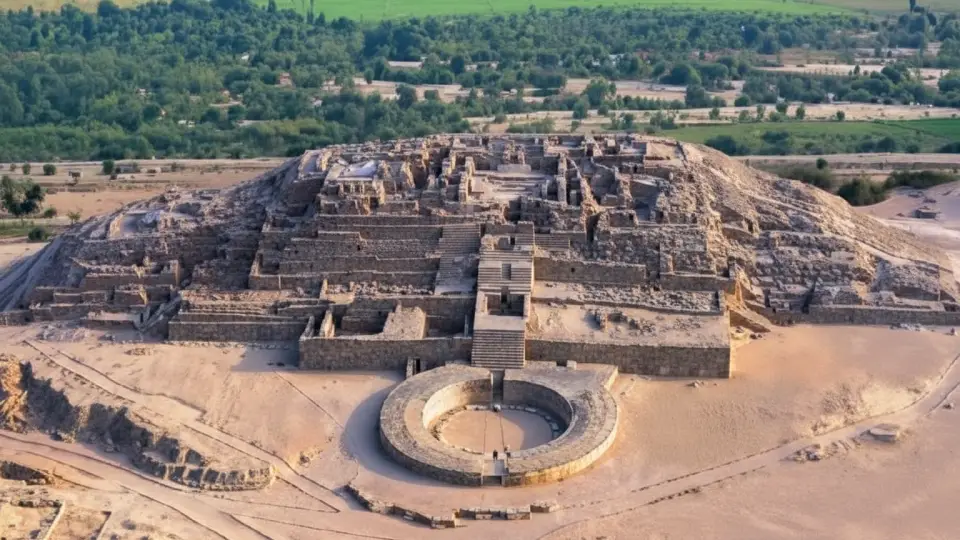
Discover Caral
On the other hand, if you are passionate about history, travel about three hours north to explore the oldest civilization in the Americas. Although the journey takes some time, seeing pyramids that are contemporary with those of Egypt completely changes your perception of history and time.
Adventure Tour in Lima
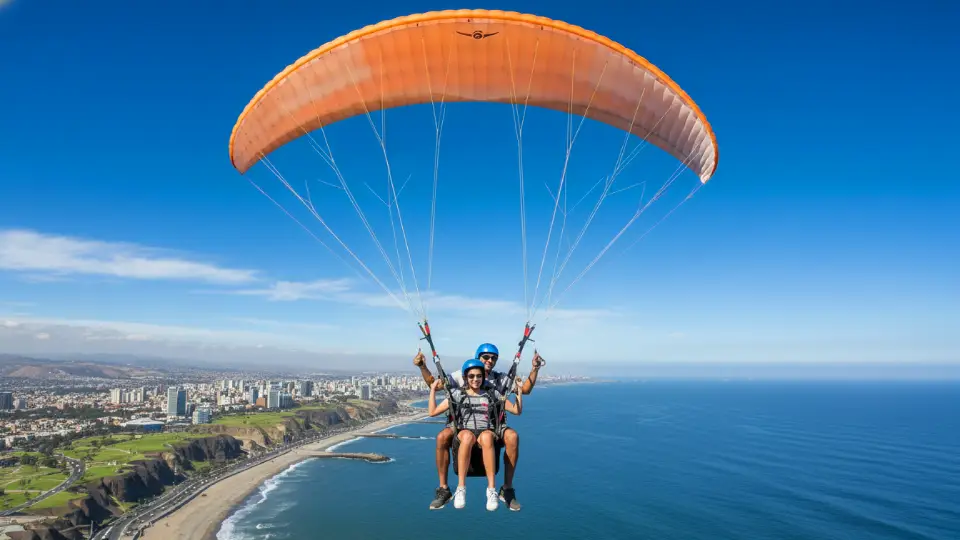
Paragliding on the Malecón
Take the chance to fly over the cliffs of Miraflores. Specifically, you take off from the famous “Parapuerto” and glide above the Costa Verde with the Pacific Ocean beneath your feet. Without a doubt, it feels like a nearly spiritual experience. In addition, expert instructors guide these exciting flights, which last between 10 and 15 minutes.
Which one should you choose based on your time?
- If you only have 1 day: do the Gastronomic Tour in the morning and explore the Historic Center in the afternoon.
- If you have 2 days: add Barranco and the Magic Water Circuit (the nighttime fountain show is spectacular).
- If you have 3 days or more: head to Pachacamac or take a boat tour to the Palomino Islands to swim with sea lions (bring a jacket—the water is freezing!).
Frequently asked questions about Lima Capital of Peru: Epicenter of Global Flavor
Although English is commonly spoken in hotels, tours, and upscale restaurants in Miraflores and San Isidro, the capital of Peru is truly experienced in Spanish. However, knowing a few key phrases will open doors and bring smiles. People from Lima are very helpful; if you try saying “How much does it cost?” or “Thanks, buddy,” you’ll win the heart (and maybe even a better price) of any local.
Many people make the mistake of staying only one night before flying to Cusco. Big mistake! To truly feel the rhythm of the city, explore the Historic Center, enjoy the gastronomy, and walk along the cliffs of Barranco, the ideal stay is three full days. Lima is the perfect appetizer to understand Peruvian culture before heading up into the Andes.
Lima is at sea level (0 m / 0 ft above sea level), so you won’t experience altitude sickness here. However, the capital of Peru is the perfect place to prepare for it. The secret? Use your days in Lima to stay well hydrated, eat light meals (avoid heavy, fatty foods the night before your flight to Cusco), and get plenty of rest. Arriving at high altitude with a relaxed and well-hydrated body is the best preventive medicine.
Absolutely not. Even locals usually don’t drink it without boiling it first. To avoid ruining your trip with a stomach infection, always buy bottled water. Even when brushing your teeth, if you have a sensitive stomach, it’s best to use bottled mineral water. In the capital of Peru, your health starts with what you drink.
The beauty of the capital of Peru is that it fits every budget. You can have a delicious “menu of the day” lunch at a local market for 15 or 20 soles ($4–$5 USD), or spend 800 soles ($215 USD) on a tasting menu at Central. The truth is that even when eating on a budget, in Lima you often eat better than in many luxury places in other parts of the world.
In Miraflores and Barranco, about 90% of places accept credit and debit cards. However, for artisan markets, small taxis, local “huariques” (small traditional eateries), or buying ice cream on the street, cash is important. Always carry soles in small bills, because in the capital of Peru, a 100-sol bill can be difficult to break at a small stand.