Inca Trail 2026: Everything You Need to Know
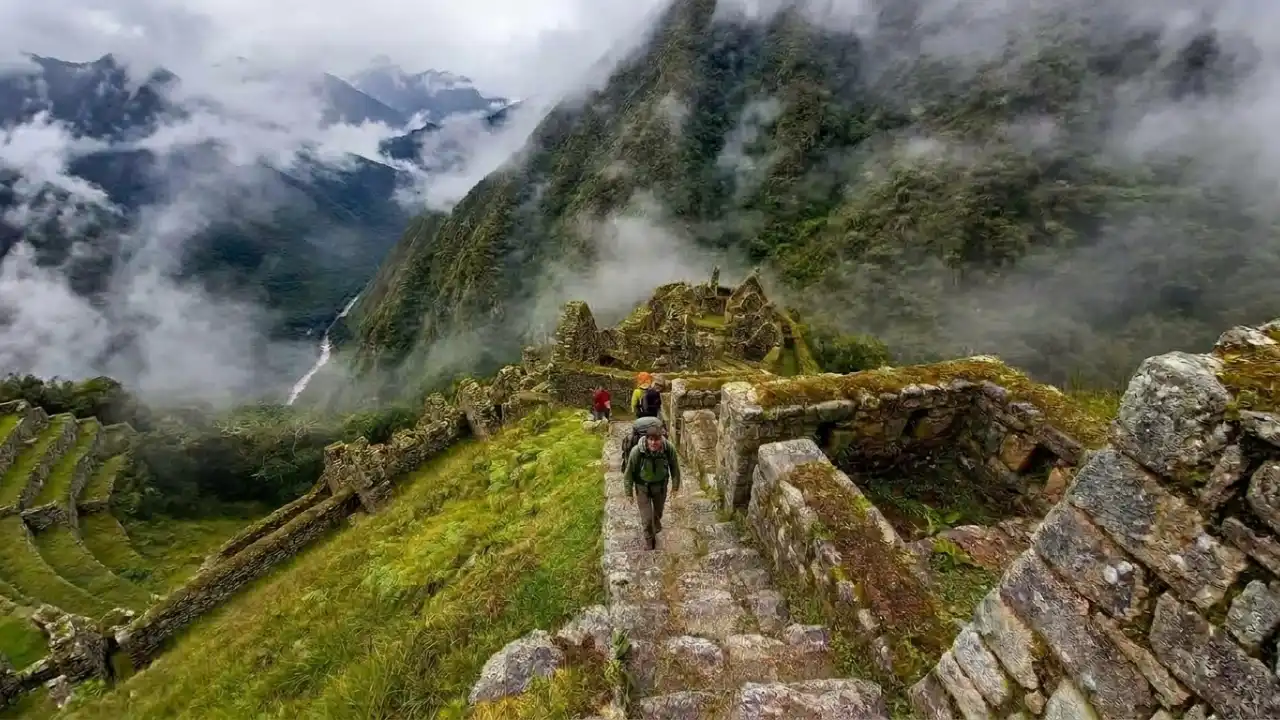
One of the most remarkable hiking trails in the world is the Inca Trail. It leads visitors along the same routes that the Incas previously traveled, fusing history, adventure, and stunning beauty. Before reaching the breathtaking Machu Picchu, this historic road, which is roughly 26 miles (42 kilometers) long, links a number of archaeological monuments.
Everything you need to know about the Inca Trail Peru is included in this guide, including the optimal seasons, what to pack, how to maximize your trek experience, and historical background and physical preparation.
New 2026 Inca Trail Updates
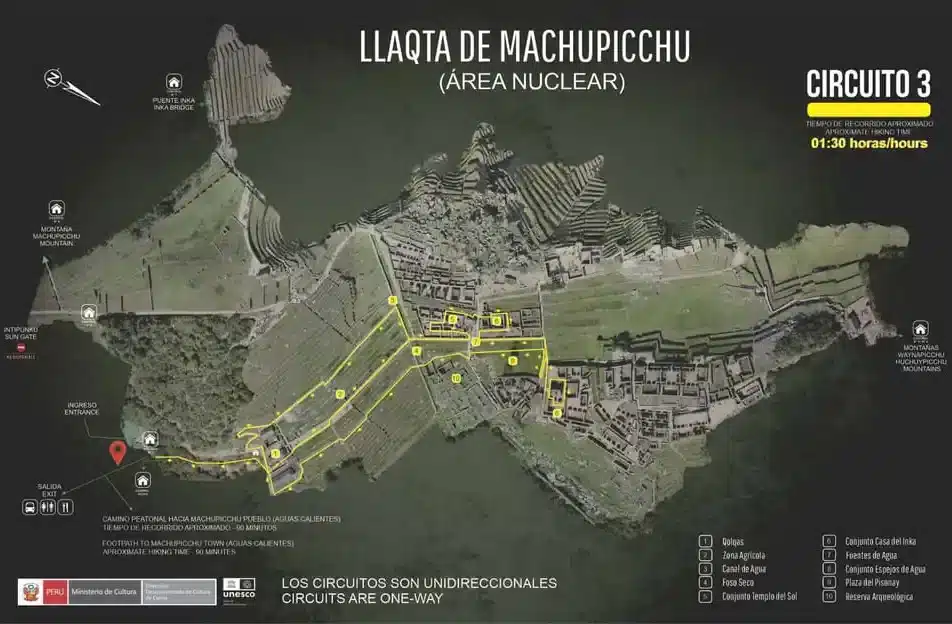
Permits for the 2026 Inca Trail will automatically include a ticket to Machu Picchu when they go on sale on November 3.
You won’t need to purchase a separate, second ticket to Machu Picchu if you trek the Inca Trail in 2026 and wish to see the main temples. This includes the 3B circuit of Machu Picchu.
What Is the Inca Trail?
The extensive Inca road network known as Qhapaq Ñan, which spanned six contemporary South American nations, included the Inca Trail. Throughout the Inca Empire, this road network was essential for government, trade, and communication.
Historical Importance
For Incan nobles, priests, and messengers, the Inca Trail to Machu Picchu was a hallowed pilgrimage route. The Incas strong bond with the mountains, sun, and stars was mirrored in the shrines, terraces, and resting places they saw along the route.
Surrounded by ruins that date back more than five centuries, the Machu Picchu Inca Trail is still one of the few locations on earth where you may practically walk through history, step by step.
Archaeological Highlights
Some of the ancient sites that you will hike past on your Inca Trail include Llactapata, Runkurakay, Sayacmarca, Phuyupatamarca, and Wiñay Wayna. Each ruin provides insight into the engineering, religion, and everyday life of the Incas. These remain very well preserved due to Peruvian conservation efforts.
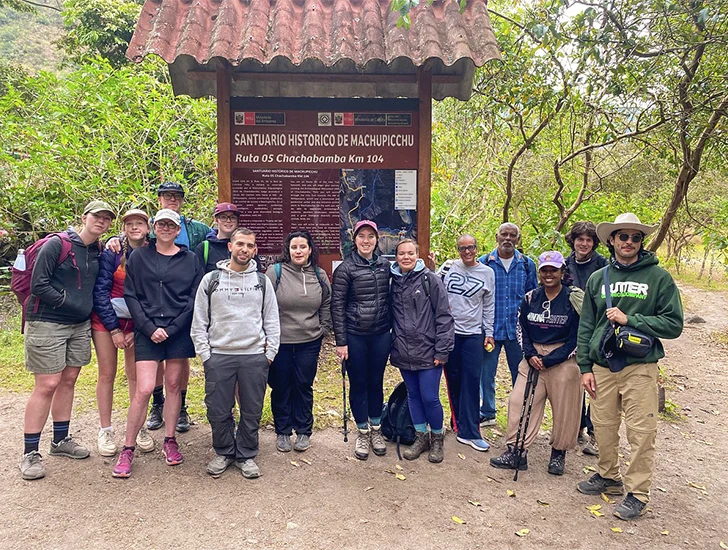
Why Hike the Inca Trail?
Hiking the Inca Trail isn’t all about getting to Machu Picchu but is, instead, the hike itself. Every step carries with it a story of determination, culture, and respect for nature.
The Challenge and the Reward
The trek demands effort due to the altitude and terrain, but the reward is unmatched. You’ll cross high passes surrounded by snowy peaks, descend into lush cloud forests, and finish your journey with the first glimpse of Machu Picchu through the Sun Gate. That sight, often greeted with sunrise light and morning mist, is unforgettable.
Unique Cultural Experience
The Inca Trail tours feature native porters and guides, many of whom are descended from the indigenous Andean villages, in contrast to other treks. Their Quechua language, customs, and stories give the journey vitality and significance. Travelers from all over the world are still motivated by the Inca philosophy of harmony with nature, which the Inca Trail Peru serves as a reminder of.
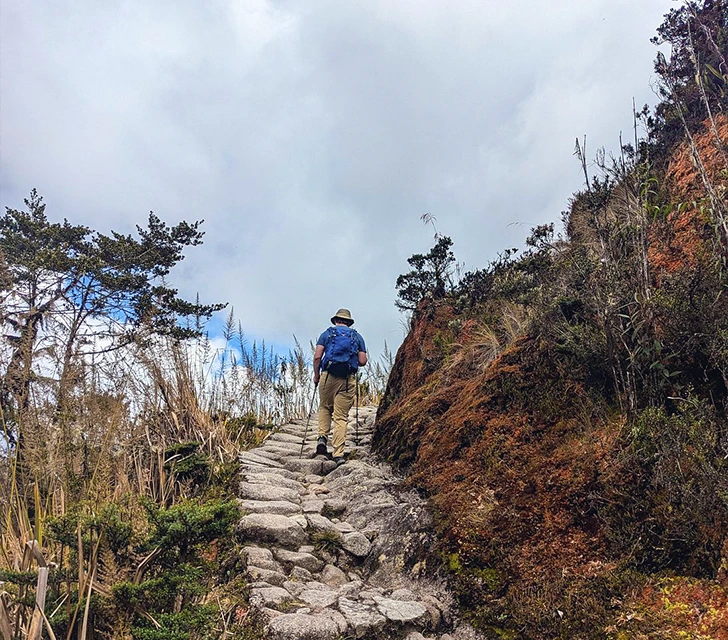
Planning Your Inca Trail Adventure
Before you begin hiking the Inca Trail, preparation is essential. Permits, logistics, and fitness all play an important role in making your trek safe and enjoyable.
Booking and Permits
Access to the Inca Trail to Machu Picchu is limited to 500 people per day, including guides and porters. Permits often sell out months in advance, especially for the dry season (May to September). Booking early through an authorized tour operator is the only way to secure your spot.
Physical Preparation
The journey along the Inca Trail hike is physically taxing despite not being challenging. Hiking at altitude, stair climbing, and regular exercise will help you adapt. Before beginning the trip, try to stay in Cusco or the Sacred Valley for at least two days to acclimate.
Choosing the Right Tour
Inca Trail tours range from affordable group excursions to opulent private excursions. Some businesses offer meals, camping equipment, porters, and even eco-toilets or portable showers. Think about your desired level of comfort, the company’s sustainability, and their regard for local communities.
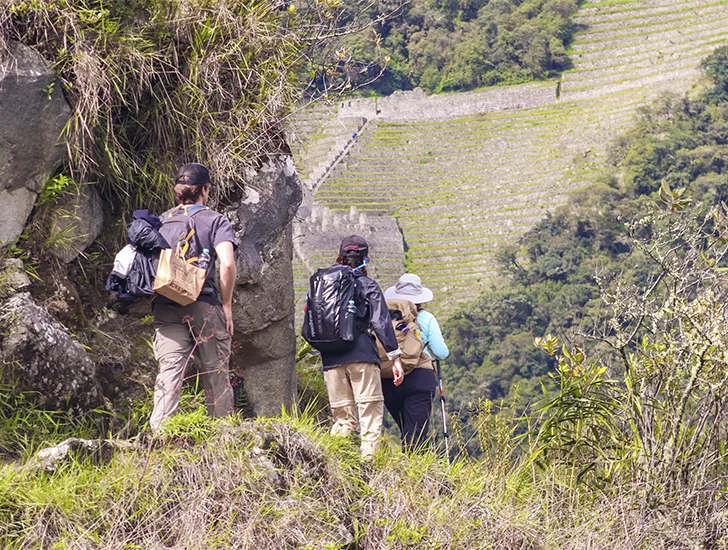
Day by Day: Classic 4-Day Itinerary
Although inca Trail walk usually takes four days, each segment has its own special beauty.
Day 1: The Beginning (Cusco – Ollantaytambo –Wayllabamba)
The trip begins with an early transfer from Cusco to Ollantaytambo, followed by a quick drive to the trail’s starting point at Km 82. This day is rather simple, following the Urubamba River past fields and small communities. Llactapata, which offers expansive vistas of snow-capped mountains, is the first archeological site you will visit.
- Duration: approx 6–7 hrs
- Hiking Distance: 12 km
- Highest Altitude: 2,800 m
- Campsite Altitude: 2,750 m (Huayllabamba)
- Difficulty: Easy to moderate (acclimatization day)
- Meals: Lunch, dinner included
Day 2: The Challenge (Wayllabamba – Warmiwañusca – Pacaymayo)
Climbing to Dead Woman’s Pass (4,215 m/13,828 ft), the highest point of the Inca Trail Peru, is the hardest section of the journey. When you reach the pinnacle, you get an amazing sensation of accomplishment. Your next campsite, Pacaymayo, is reached after a difficult descent.
- Duration: approx 7–8 hrs
- Hiking Distance: 13–15 km
- Highest Altitude: 4,215 m (Dead Woman’s Pass)
- Campsite Altitude: 3,500 m (Pacaymayo)
- Difficulty: Most challenging day (steep ascent & descent)
- Meals: Breakfast, lunch, dinner included
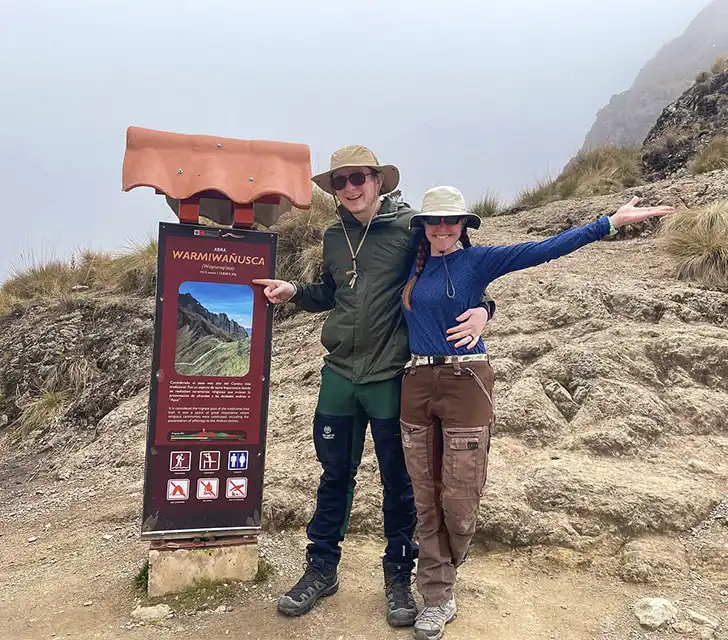
Day 3: The Inca Legacy (Pacaymayo – Phuyupatamarca – Wiñay Wayna)
Many people believe that this is the most beautiful day. You’ll tour historic sites, traverse two smaller passes, and stroll through misty cloud forests teeming with hummingbirds and orchids. Highlights include the archeological sites Phuyupatamarca, Sayacmarca, and Runkurakay.
- Duration: approx 6–7 hrs
- Hiking Distance: 10–12 km
- Highest Altitude: 3,700 m
- Campsite Altitude: 2,650–2,700 m (Wiñay Wayna or Puyupatamarca)
- Difficulty: Moderate to challenging (terrain still steep, but more manageable)
- Meals: Breakfast, lunch, dinner included
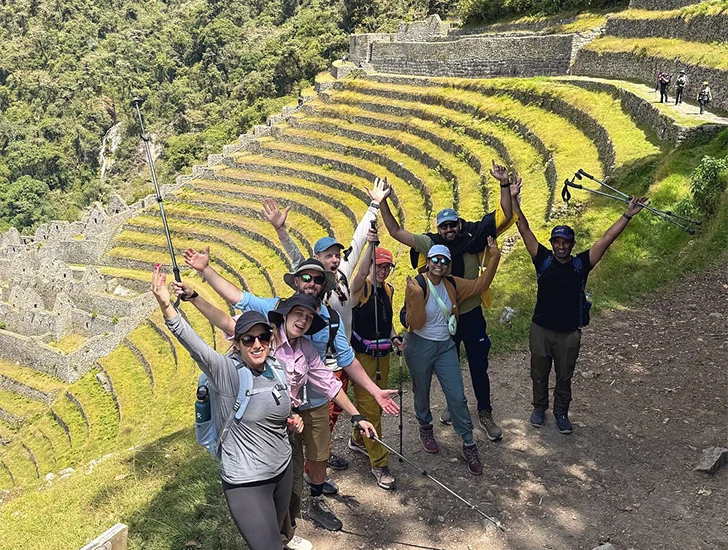
Day 4: The Grand Finale (Wiñay Wayna – Inti Punku – Machu Picchu)
Hikers arrive at the Sun Gate (Inti Punku) at dawn to see Machu Picchu for the first time, a sensation that is difficult to put into words. You will proceed to the citadel for a guided tour of one of the New Seven Wonders of the World after admiring the surroundings.
- Duration: approx 3–4 hrs morning hike plus Machu Picchu visit
- Hiking Distance: 4–5 km (to Sun Gate) then onward to Machu Picchu
- Highest Altitude: 2,720 m (Machu Picchu)
- Difficulty: Easy to moderate (descend to arrival)
- Meals: Breakfast
Luxury Inca Trail Prices 2026: Exclusive Experience and Cost Breakdown
For visitors looking for comfort, seclusion, and individualized attention along one of the most famous trekking routes in the world, the Luxury Inca Trail to Machu Picchu offers a genuinely luxurious experience. Depending on the length, operator, and degree of exclusivity, luxury Inca Trail vacations in 2026 typically cost between $1,900 and $7,500 USD per person.
For visitors looking for comfort, seclusion, and individualized attention along one of the most famous trekking routes in the world, the Luxury Inca Trail to Machu Picchu offers a genuinely luxurious experience. Depending on the length, operator, and degree of exclusivity, luxury Inca Trail vacations in 2026 typically cost between $1,900 and $7,500 USD per person.
The Short Luxury Inca Trail (2 days), which starts at about $1,200 per person and includes a luxurious hotel stay in Aguas Calientes rather than camping, is an option for those seeking a shorter experience. Private luxury adventures, which include first-rate guides, luxurious tents, exquisite cuisine, and private transfers, can cost up to $7,500 per person for couples looking for total seclusion.
Average Luxury Inca Trail Prices by Duration
- 4 Days / 3 Nights (Luxury): $1,900-$4,000, per person, depending on service level and operator
- 5 Days / 4 Nights (Luxury): $2,980-$4,100 per person, depending on the number of travelers.
- Short Luxury Inca Trail (2 Days): from $1,200 per person, using luxury hotel accommodations instead of camping.
- Exclusive Private Tours: tailor-made for up to $7,500 per person with complete privacy and five-star service.
Private Luxury Inca Trail (4 Days) — Price by Group Size
With a private guide, cook, and first-rate campsites, the Private Luxury Inca Trail 4 Days provides a completely customized hiking experience. Group size affects pricing; the more exclusive the service, the smaller the group.
| Group Size | Price Per Person (USD) |
| 1 Person | $4,860 |
| 2 People | $2,980 |
| 3 People | $2,650 |
| 4 People | $2,400 |
| 5 People | $2,300 |
| 6 People | $2,200 |
| 7 People | $2,100 |
| 8 or more people | $1,980 |
Why Luxury Is Worth It
Selecting a luxury Inca Trail trek is about more than just comfort; it’s about smooth travel, exclusivity, and meticulous attention to detail. Gourmet food, warm tents, personal guides, and knowledgeable porters who make sure your journey is easy are all to be expected.
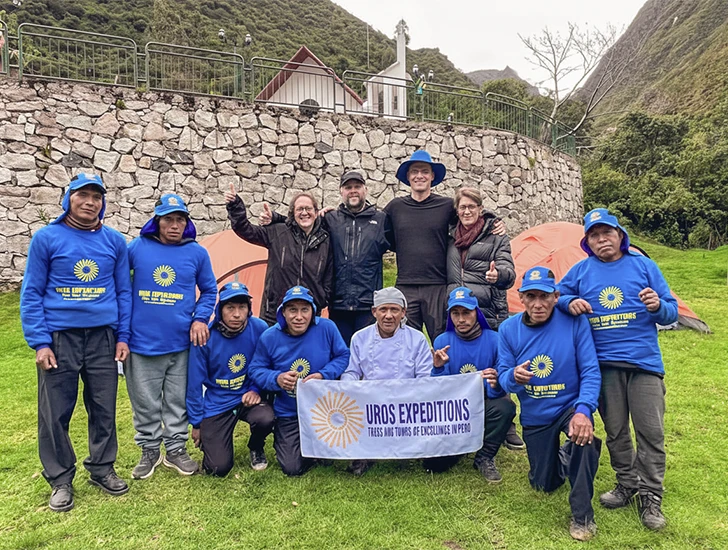
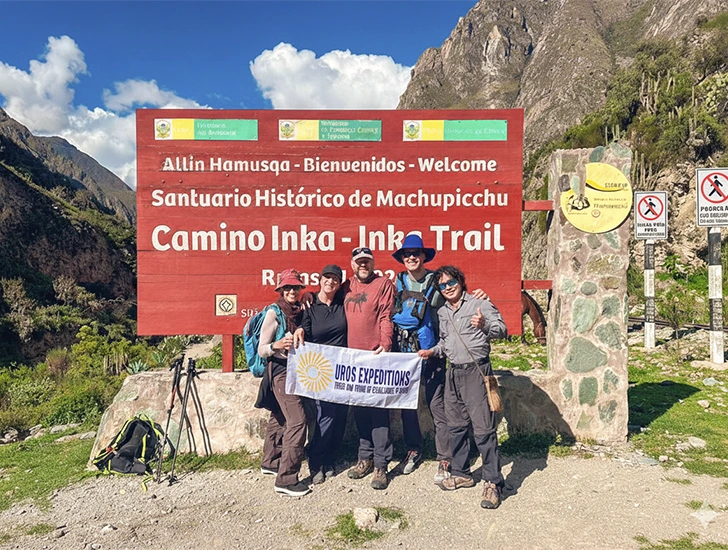
All permits, private transportation, premium campsites, and attentive service are all included in the best luxury Inca Trail excursions. May is one of the greatest months to trek because of the ideal weather and unobstructed views of the mountains, and company like Uros Expeditions highly regarded luxury camping Inca Trail excursions.
These high end alternatives offer a once in a lifetime mix between adventure and sophistication if you’re searching for the best luxury Inca Trail hike in Peru. From the first foot on the trail to the breathtaking sunrise above Machu Picchu, every aspect of the trip is designed for your comfort.
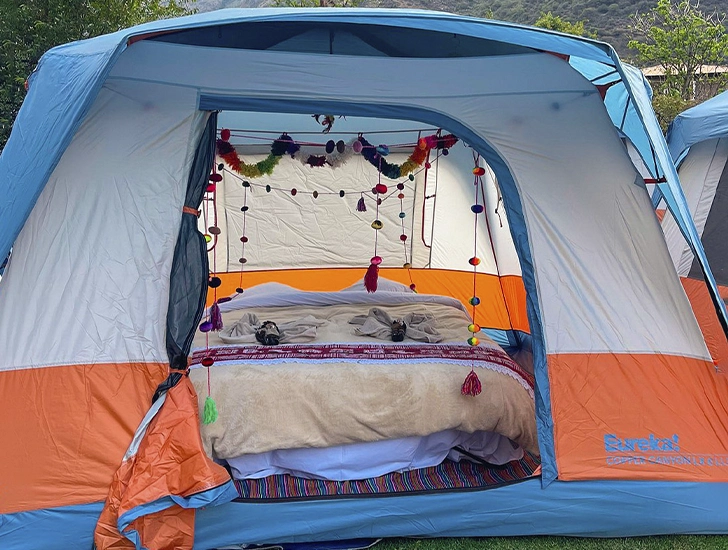
Campsites & Cuisine Along the Trail
Campsites on the Inca Trail
To preserve the ecology and ancient monuments, each night on the Inca Trail to Machu Picchu is spent in approved campsites overseen by park officials. Campsites are strategically placed to combine safety, comfort, and breathtaking views.
Three major overnight breaks are often included in the traditional 4 day Inca Trail hike:
- Wayllabamba Camp (2,750 m / 9,022 ft)
The first campsite is in a serene valley with mountain streams and native trees all around. It provides breathtaking views of the Vilcanota Range and is ideal for acclimatization following the first hiking day. - Pacaymayo Camp (3,500 m / 11,482 ft)
Trekkers can enjoy expansive Andean vistas at this spot, which is situated close below Dead Woman’s Pass (Warmiwañusca). It’s one of the most picturesque camps along the trip, but it’s also the coldest, with nighttime temperatures frequently approaching freezing. - Wiñay Wayna or Phuyupatamarca (2,650–3,650 m / 8,694–11,975 ft)
These final camps are close to Machu Picchu, surrounded by cloud forest vegetation, orchids, and hummingbirds. From here, trekkers start their early-morning approach to the Sun Gate on the last day.
Other permitted camping areas, depending on your agency and pace, include Huayllabamba, Llulluchapampa, Chaquicocha, and Phuyupatamarca. These sites alternate depending on daily schedules, group sizes, and government-assigned permits.
All campsites are equipped with basic facilities:
- Level tent areas prepared daily by porters.
- Dining tents and portable toilets (provided by the operator).
- Limited access to running water (usually for washing only).
- No permanent showers or electricity, to preserve the natural environment.
Camping is only allowed in authorized zones, and travelers must always stay within the designated trail and campsite limits.
Cuisine on the Inca Trail
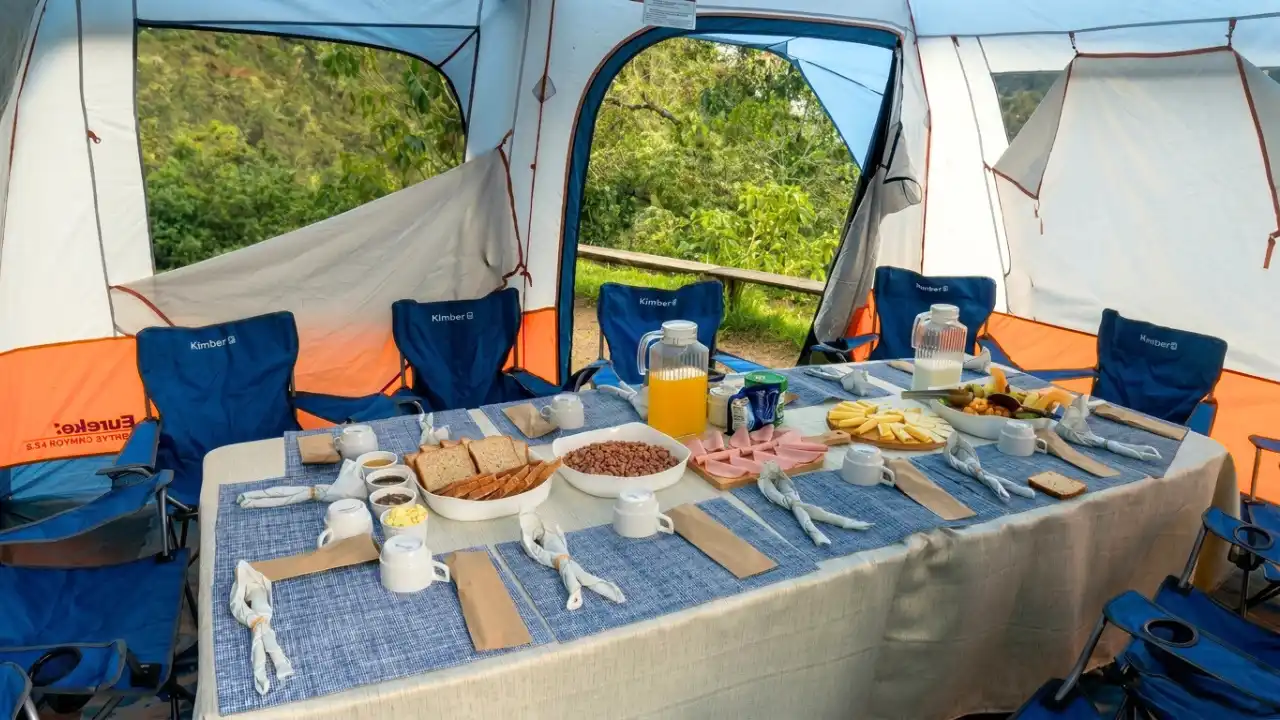
One of the most surprising aspects of the Inca Trail tours is the quality of the food prepared high in the Andes. Every meal is cooked by professional trail chefs who travel with the group and use fresh, locally sourced ingredients.
Despite the remote setting, meals are nutritious, varied, and full of Peruvian flavor. Porters and cooks carry stoves, gas, and utensils to create hearty dishes that help replenish calories lost during long trekking days.
Typical meals on the trail include:
- Breakfast: Oatmeal, pancakes, scrambled eggs, bread, jam, and hot drinks such as coffee, tea, or coca tea (to help with altitude).
- Lunch: A full meal served at midday, often including vegetable soup, rice, chicken or trout, salads, and fresh fruit.
- Dinner: Usually the highlight of the day a three course meal with soup, main dish, and dessert, sometimes followed by a surprise cake on the last night prepared at 3,000 meters!
Vegetarian, vegan, gluten free, and lactose-free options are available upon request. All reputable operators prioritize hygiene, clean cooking conditions, and filtered or boiled water for every meal.
Best Time to Hike Inca Trail
The Inca Trail to Machu Picchu may be trekked practically all year round, except in February, when it closes for repair and protection. The region has two main seasons: dry and rainy, each offering a different experience for travelers.
During the dry season (May to September), days are sunny and clear, making it the best time for breathtaking mountain views and photography. It’s also the busiest period, so permits should be booked several months in advance. Average daytime temperatures range from 18°C to 22°C (64°F to 72°F), while nighttime temperatures can drop to 0°C or even -2°C (32°F to 28°F) in higher camps like Pacaymayo. Days are pleasant and warm, but nights can be very cold, so layered clothing is essential.
The rainy season (October to April) brings lush green scenery and fewer crowds. Average daytime temperatures range between 19°C and 24°C (66°F to 75°F), and nights remain milder, around 8°C to 12°C (46°F to 54°F). Rain showers are common, especially in the afternoon, so hikers should carry waterproof gear. Despite the rain, this season offers a quieter and more peaceful atmosphere on the Inca Trail Peru.
It is generally considered that the best time to visit the Inca Trail is from May and the beginning of September, as there is less rain, there are clearer skies, and overall it is the optimal moment for taking this legendary hike to Machu Picchu.
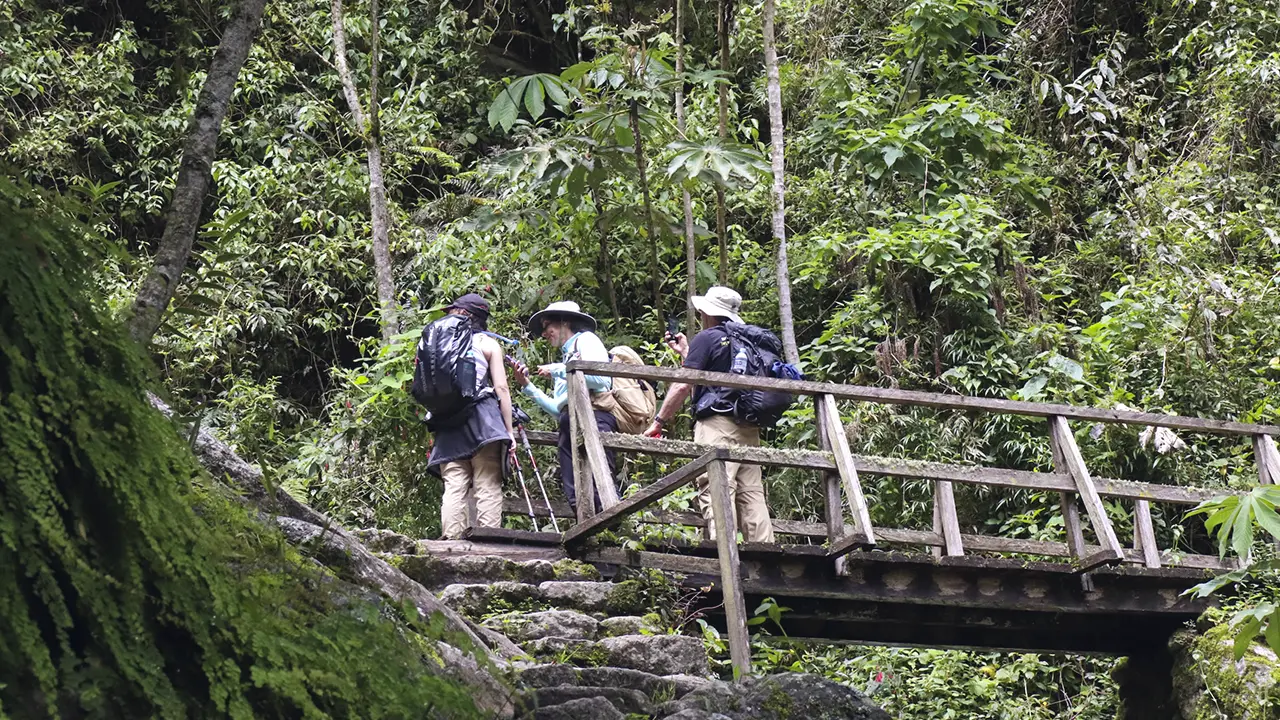
Health and Safety on the Inca Trail
For most travelers, the largest obstacle is altitude. During the journey up the Inca Trail, symptoms like dyspnea or a little headache are typical. Drink lots of water, walk gently, and abstain from alcohol before the hike to reduce discomfort. Coca tea, a traditional Andean medicine for altitude adaptation, is highly recommended by the natives.
Conserving the environment is also essential. Hikers must adhere to the Leave No Trace philosophy, which includes not littering, staying on the trail, and showing respect for sacred places and wildlife, as the Inca Trail in Peru passes through protected areas.
Cultural Insights
The Machu Picchu Inca Trail offers a chance to engage with the indigenous Andean culture in addition to being a test of physical stamina. Speaking Quechua, the old Inca language, many porters and guides tell tales about Andean spirituality, traditional farming, and the mountains (Apus).
These revelations turn the trip down the Inca Trail into a profound cultural interaction, providing a viewpoint that is far more comprehensive than a typical hike.
Interesting Facts About the Inca Trail Machu Picchu
- A 25,000-mile network that formerly linked the whole Inca Empire includes the Inca Trail.
- Along the route, more than ten distinct archeological sites are accessible.
- The trail travels through five distinct environments, including tropical jungle and alpine tundra.
- The Incas used exact stonework to line it with the stars and solstices.
- UNESCO has designated the Inca Trail to Machu Picchu as a component of the Qhapaq Ñan World Heritage Site.
Preparing for the Inca Trail
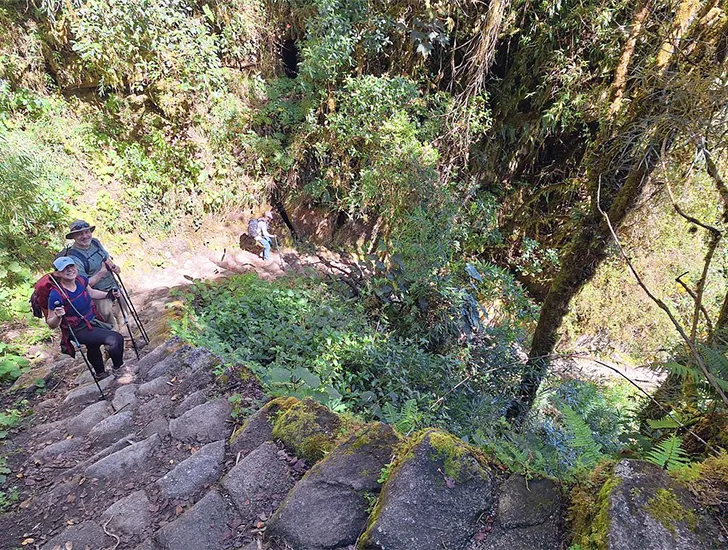
Before embarking on the Inca Trail to Machu Picchu, proper preparation is essential. This legendary trip traverses over mountainous terrain, ancient stone roads, and high altitudes. Taking time to prepare both physically and emotionally will ensure a safe and happy experience on this once in a lifetime excursion.
Acclimatization
The highest altitude in the Inca Trail Peru is 4,215 meters, or 13,828 feet above sea level, so acclimatization to this altitude is very important. Spend at least two days in Cusco or the Sacred Valley before starting the hike. At this time, take things easy, stay hydrated, and avoid alcohol or strong meals. Your body can be acclimatized with coca tea and small acclimatization walks to places like Sacsayhuamán or Tambomachay.
What to Bring on the Inca Trail
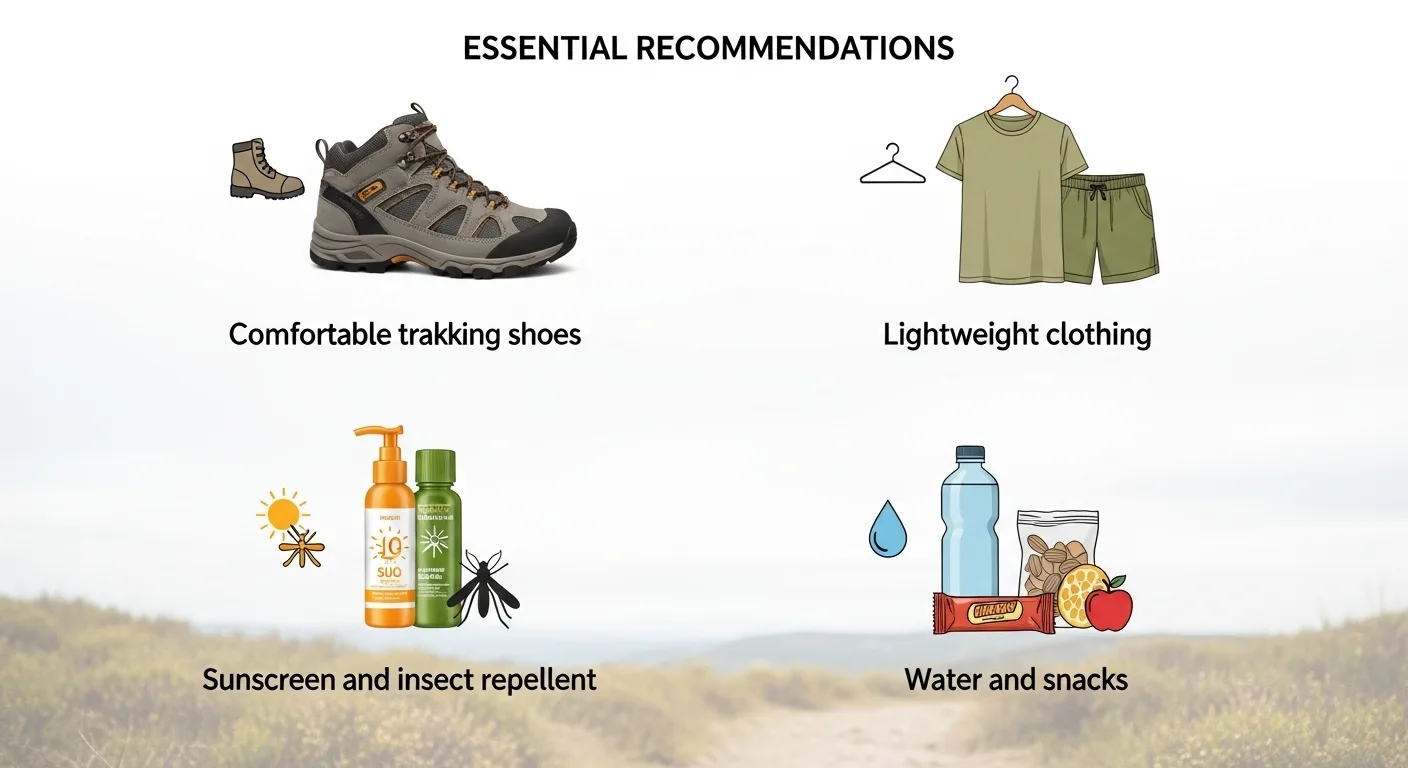
To enjoy your walk comfortably, you must pack wisely. Tents and sleeping equipment are typically provided by tour organizers, although personal belongings are quite important.
- Hiking boots with ankle support
- Lightweight clothing for daytime and warm layers for the evening
- Waterproof jacket or poncho
- Sun protection (hat, sunglasses, sunscreen)
- Refillable water bottle or hydration system
- Snacks, energy bars, or coca leaves
- Personal medications and first aid kit
- Flashlight or headlamp
- Passport (required at checkpoints)
Porters will carry the main camping equipment, but you’ll need a small daypack for personal essentials.
Porters on the Inca Trail: Why, What, How
Why are there porters on the Inca Trail?
Because the Inca Trail passes through the Machu Picchu Historic Sanctuary, a protected national park, and is composed of delicate ancient stone, mules and horses are not permitted on it. All supplies, food, and equipment must be transported by human porters in order to protect the trail and its archaeological monuments. Unless hikers carry everything themselves, it is forbidden to hike the entire trail without them.
Why can’t trekkers carry their own stuff?
The majority of visitors are not sufficiently acclimated to carry big burdens at the 4,215 m (13,828 ft) altitude that the trail reaches. Many visitors rely on porters to handle the logistics and physical demands of multi-day camping because there are no fitness evaluations before to beginning.
What do Inca Trail porters do, eat, and where do they sleep?
Workdays for orters begin before dawn and conclude late at night. They:
- Make coffee and breakfast for hikers.
- After every dinner, pack up kitchenware and tents.
- To get to the next destination first, hike more quickly than visitors.
- Prepare lunch and dinner, set up the dining tent, clean up, and repeat the process every day.
The majority of porters consume modest meals like rice, spaghetti, and potatoes or leftovers from visitors. Although things have lately improved, access to clean drinking water and cooking fuel has long been restricted.
The conditions for sleeping are still simple. At the first two campsites, several new bunkhouses were constructed, but they are not large enough to house everyone. After dinner, many porters continue to sleep on the ground within the dining tents, frequently in muddy, damp, or chilly circumstances.
Do women work as porters?
Yes, but not very many. Female porters can legally carry only 15 kg (33 lb) instead of 20 kg, yet must be paid the same. Many businesses only recruit a small number of women as a result. The task is made more difficult by the absence of private restrooms, secure sleeping spaces, and enduring sexism. Gender equality on the route is currently promoted by some organizations and tourists.
Frequently asked questions about Inca Trail 2026: Everything You Need to Know
The classic Inca Trail to Machu Picchu usually takes 4 days and 3 nights, covering about 26 miles (42 kilometers). There are also shorter 2-day options and extended 5-day versions, depending on your time and fitness level.
The best months for hiking the Inca Trail are May through September, during the dry season, when the weather is clear and stable. February is the only month the trail is closed for maintenance.
Yes. All travelers need an official permit issued by the Peruvian government. These permits are limited to 500 people per day (including guides and porters) and must be booked months in advance through an authorized Inca Trail tour operator.
The Inca Trail hike is considered moderate to challenging due to altitude, steep climbs, and long walking hours. However, with good preparation, most people in decent physical condition can complete it successfully.
Essential items include comfortable hiking boots, layered clothing, a rain jacket, sunscreen, insect repellent, reusable water bottle, snacks, and your passport (required at checkpoints). Your Inca Trail tours operator usually provides camping equipment, meals, and porters to carry heavy gear.