The Sacred Valley of the Incas
Situated within the snow covered Andes peaks, the Sacred Valley of the Incas is a region where history, nature, and culture meet. This verdant valley was the center of the Inca Empire and served both as a sacred and strategic point for agriculture, spirituality, and politics.
Today, it is one of the most fascinating places in Peru, boasting astonishing views, ancient ruins, and the Andean traditions that are still alive and well.
Why Was the Sacred Valley So Important to the Incas?
The Sacred Valley was essential to the sustainability of the Inca Empire. It was lower in altitude than Cusco and had fertile soil to grow corn, quinoa, and potatoes. The valley was also sacred to the Incas because of the Vilcanota River, which they considered to be a representation of the Milky Way, giving it a connection to the heavens and earth. Each mountain known as apu was considered a living spirit offering protection and prosperity to the people.
Why Did the Incas Live in the Mountains?
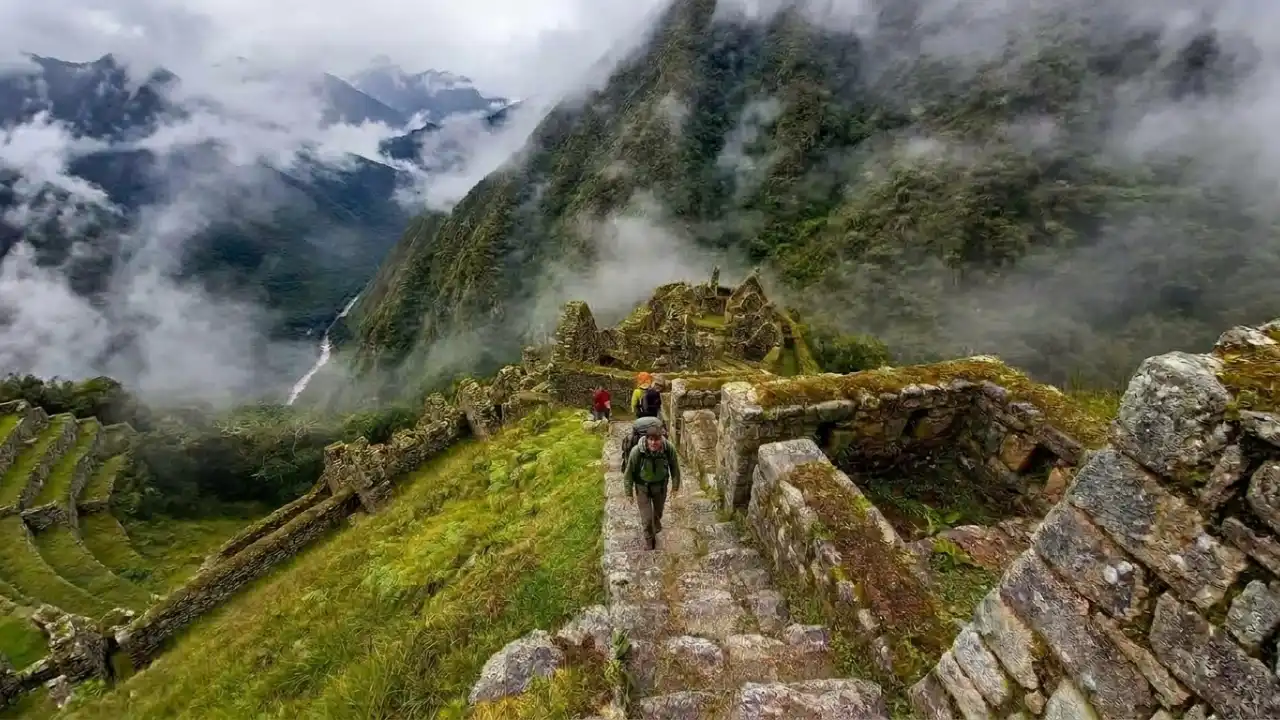
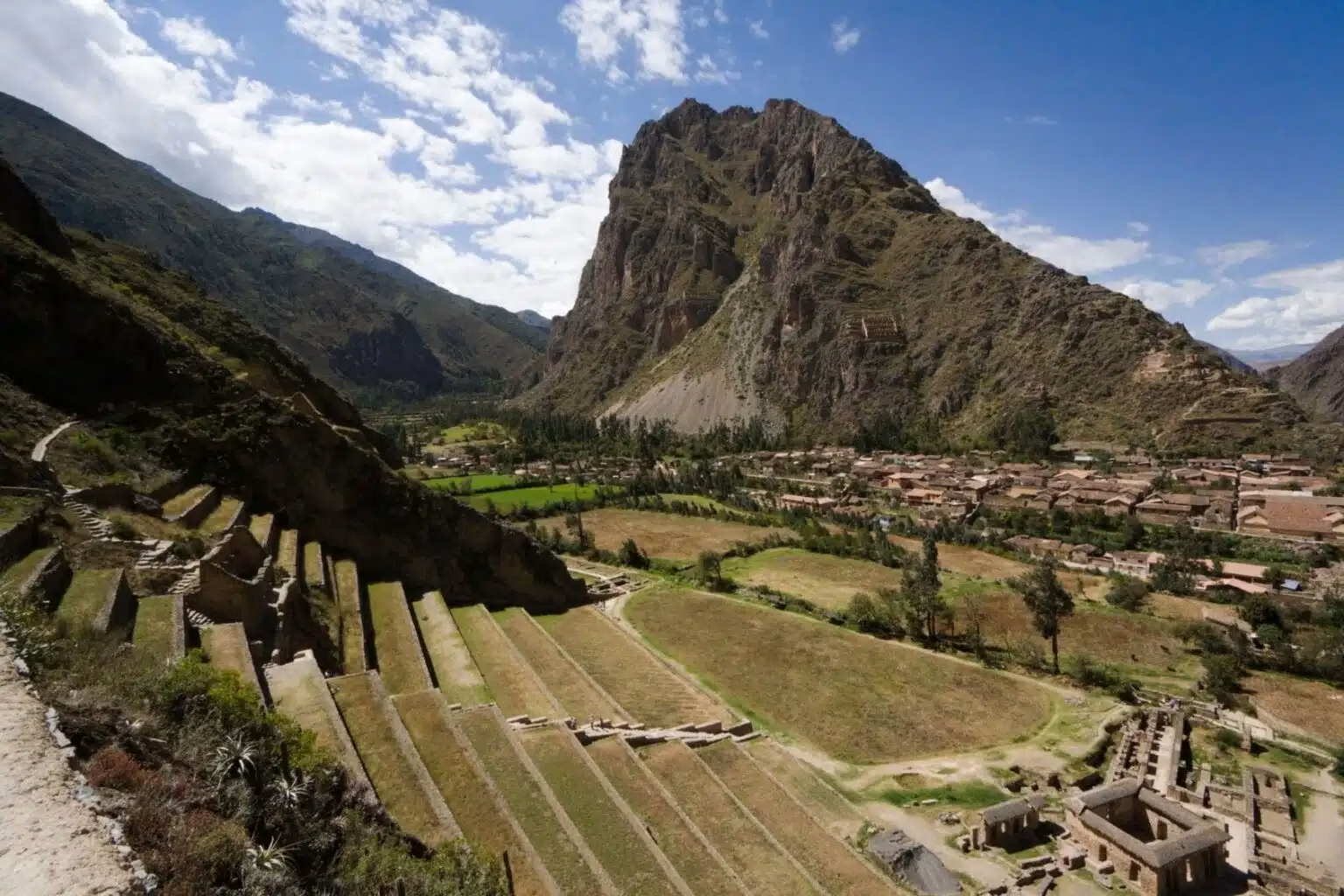
Mountain life also provided the Incas with natural protection and control over trade routes in connecting the highlands with the Amazon Basin. They developed intricate systems of terrace farming to minimize erosion and increase the size of their farms. The remains of these terraces, still visible today, demonstrate the Incas understanding of both engineering and ecology in transforming the steep Andes into productive environments capable of sustaining massive populations.
The Geography and Climate of the Sacred Valley
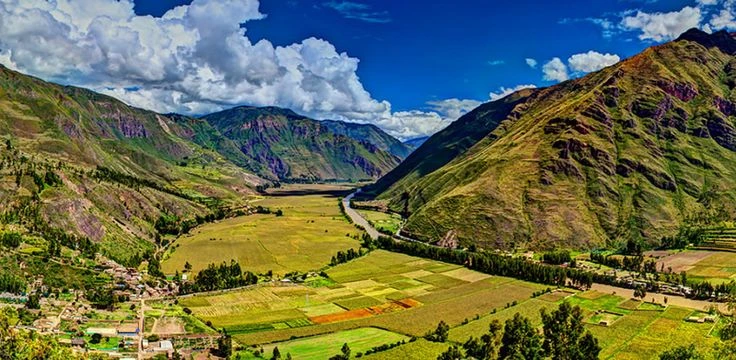
The Sacred Valley extends more than 60 kilometers and has steep mountains along its margins, along with rivers that have carved into the land for centuries. This interesting geography creates different microclimates that allowed Inca civilization to experiment agricultural practices at different elevations.
Sacred Valley Elevation and Weather
The altitude of the valley is between 2,700 and 3,800 meters above sea level. The weather is fairly mild, with warm sunny days and cool, crisp nights. The best time to visit is between May and September during the dry season, when skies are clear and the mountains are often lit with a golden glow. November to March is the rainy season, when things are much quieter and the greenery is very green, great for those looking for peace.
Sacred Valley Map and Layout
The valley runs from Pisac to Ollantaytambo and includes such towns as Calca, Urubamba, Yucay, Maras, Moray, and Chinchero. Each of these towns provides an insight into the ingenuity of the Incas and modern Andean life. Most travelers will start their tour from Cusco, typically by booking a Sacred Valley tour which will take you to the major archaeological sites as well as local markets over the course of one to two days.
Main Highlights of the Sacred Valley
Pisac, Control Center of the Valley
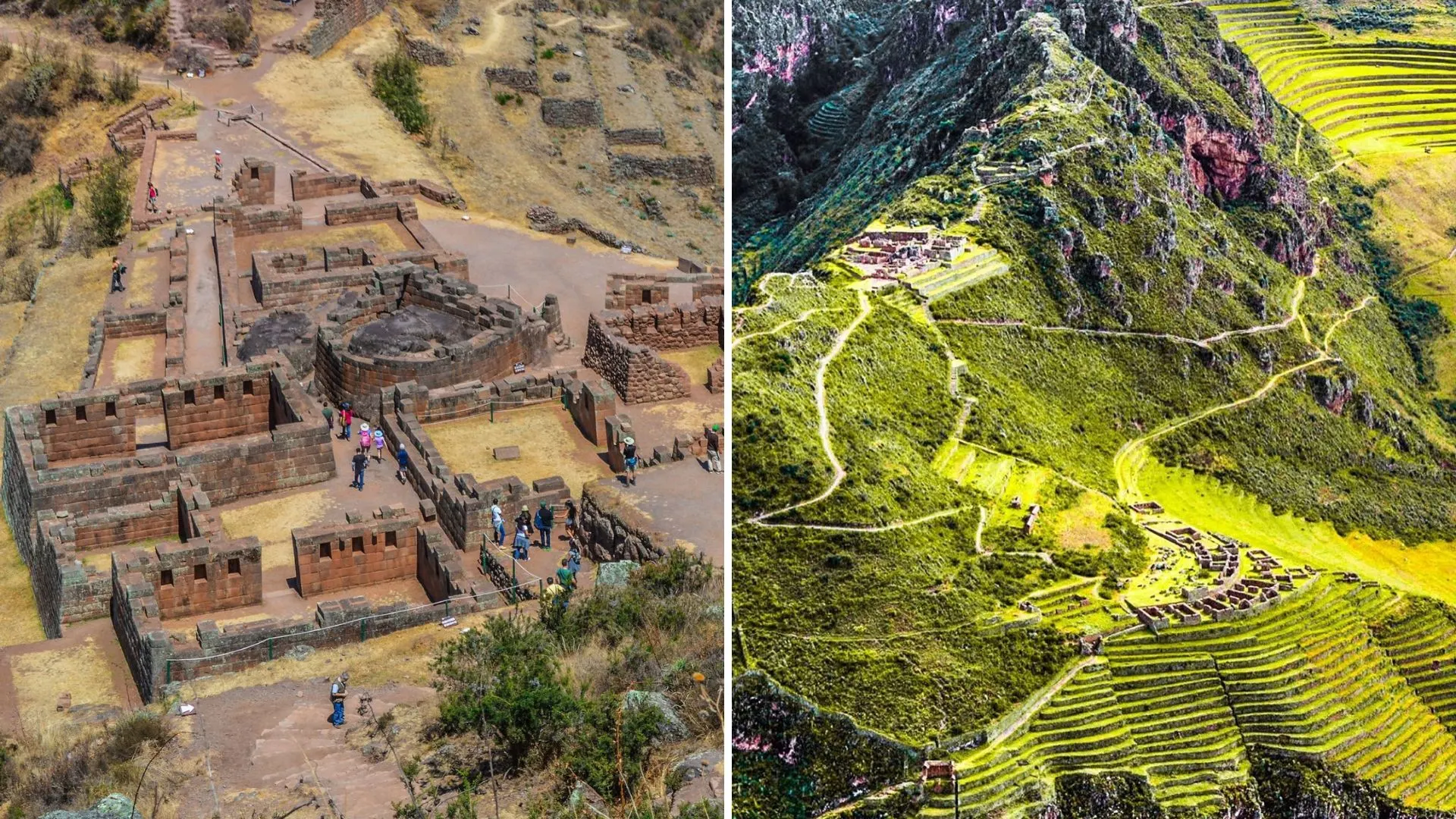
Pisac was among the key administrative and agricultural hubs of the Inca Empire. The site above the town includes temples, astronomical observatories, and expansive agricultural terraces. The famous Pisac Market, held every day, is the best way to experience local culture and purchase colorful textiles and traditional crafts by Andean artisans.
Urubamba, The Heart of the Valley
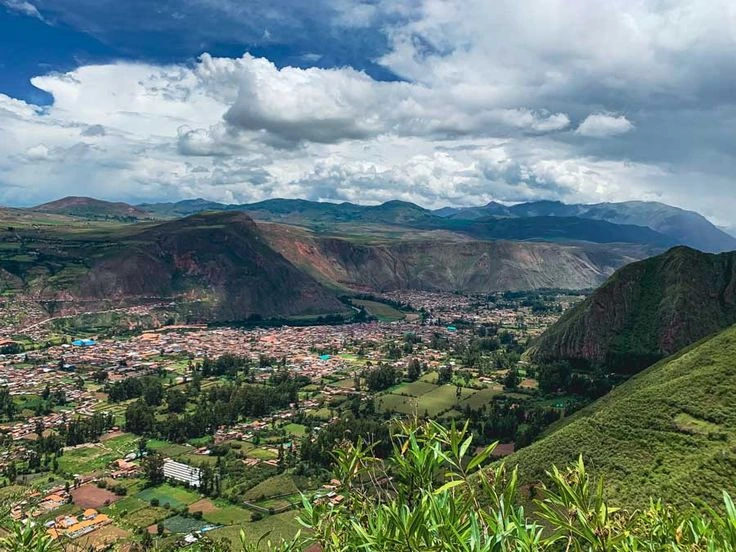
Urubamba is located in the center of the valley and is surrounded by incredibly productive farmland and stunning mountains. It has warm weather and great local produce, creating a mellow vibe. The town makes for a fantastic base to explore the nearby sites, plus it has lovely hotels, local restaurants, and traditional cooking classes for those interested in trying their hand at Peruvian cuisine.
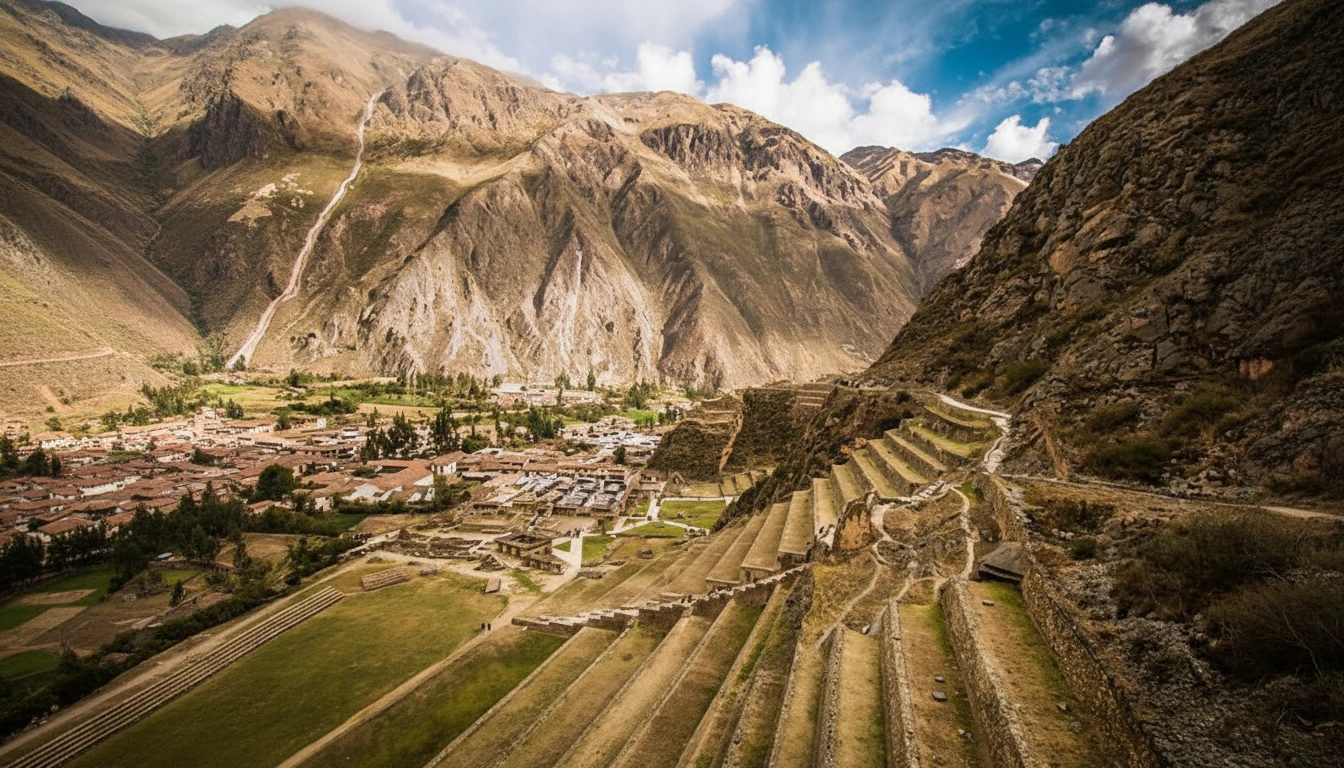
Ollantaytambo, The Living Inca City
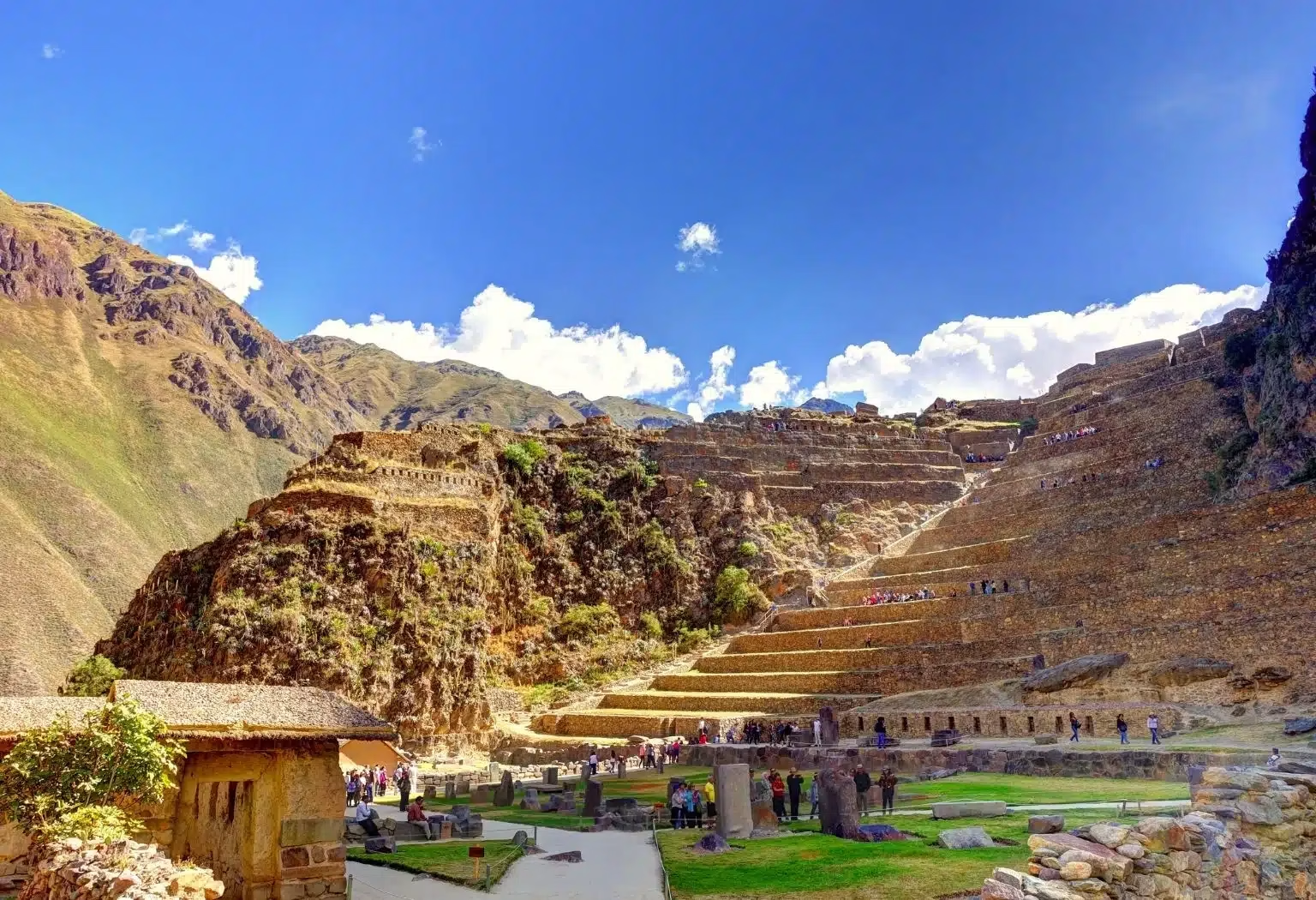
Ollantaytambo is a living town and a historic fortress. The cobbled streets of Ollantaytambo exhibit the original Inca town design, and many of the houses are built upon original Inca foundations. The ruins above the town were an important defensive outpost during the Spanish conquest. It is also today the gateway to Machu Picchu since many trains travel from Ollantaytambo to Aguas Calientes.
Chinchero, The Town in the Clouds
Chinchero is located at a high elevation in the Andes. People there work in textile cooperatives, where women demonstrate traditional weaving processes using naturally dyed alpaca wool. The town is also home to an Inca palace foundation and a church built during colonial times that has beautiful frescoes that represent a mixture of Inca and Spanish cultures.
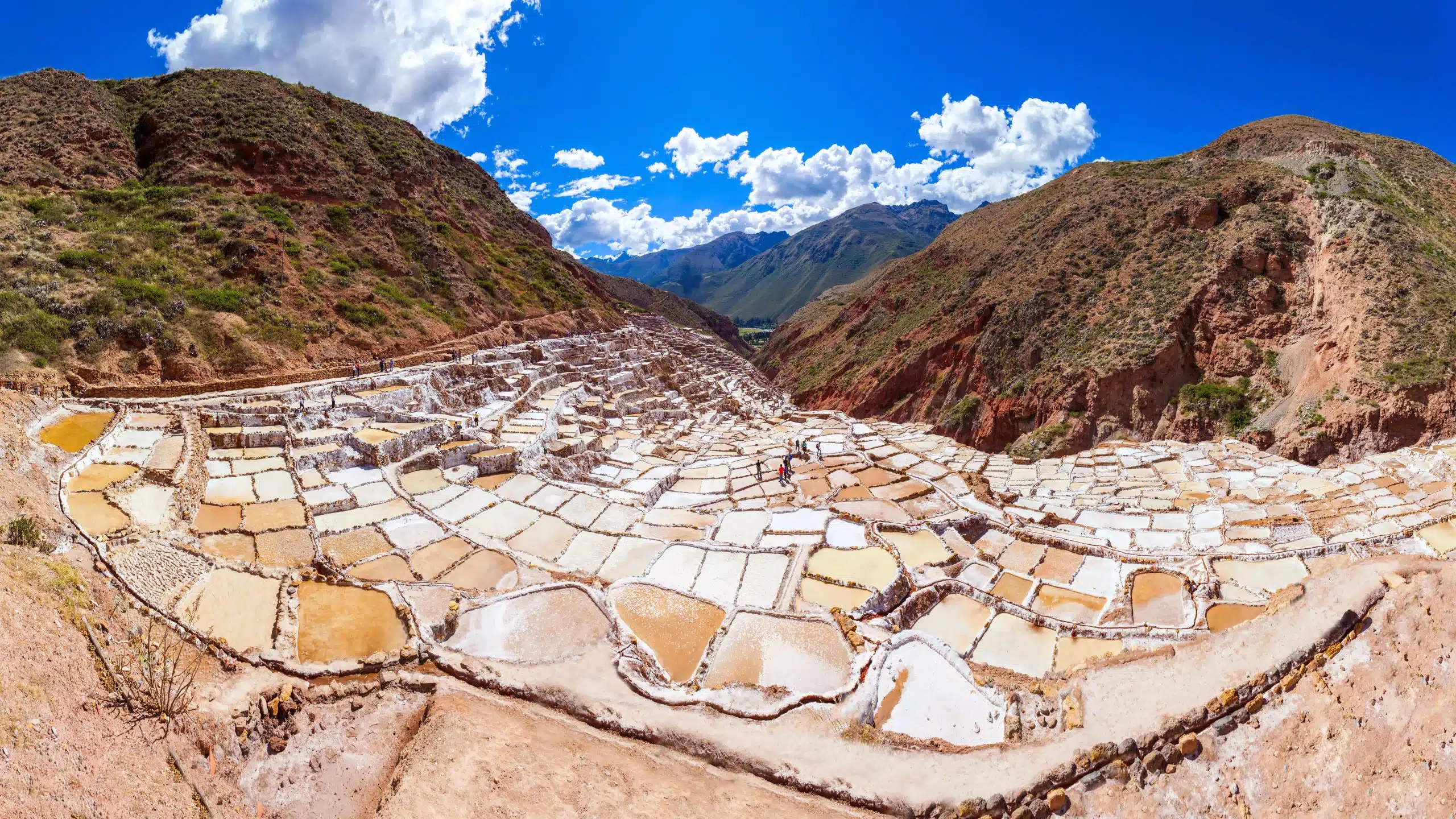
Maras, The Salt Mines
The Maras Salt Mines, known locally as Salineras de Maras, have over 5,000 small salt pools built during Inca times, and a natural spring fills the ponds with pure mineral salt. The pools cascading down the mountainside create one of the classic images of the Sacred Valley.
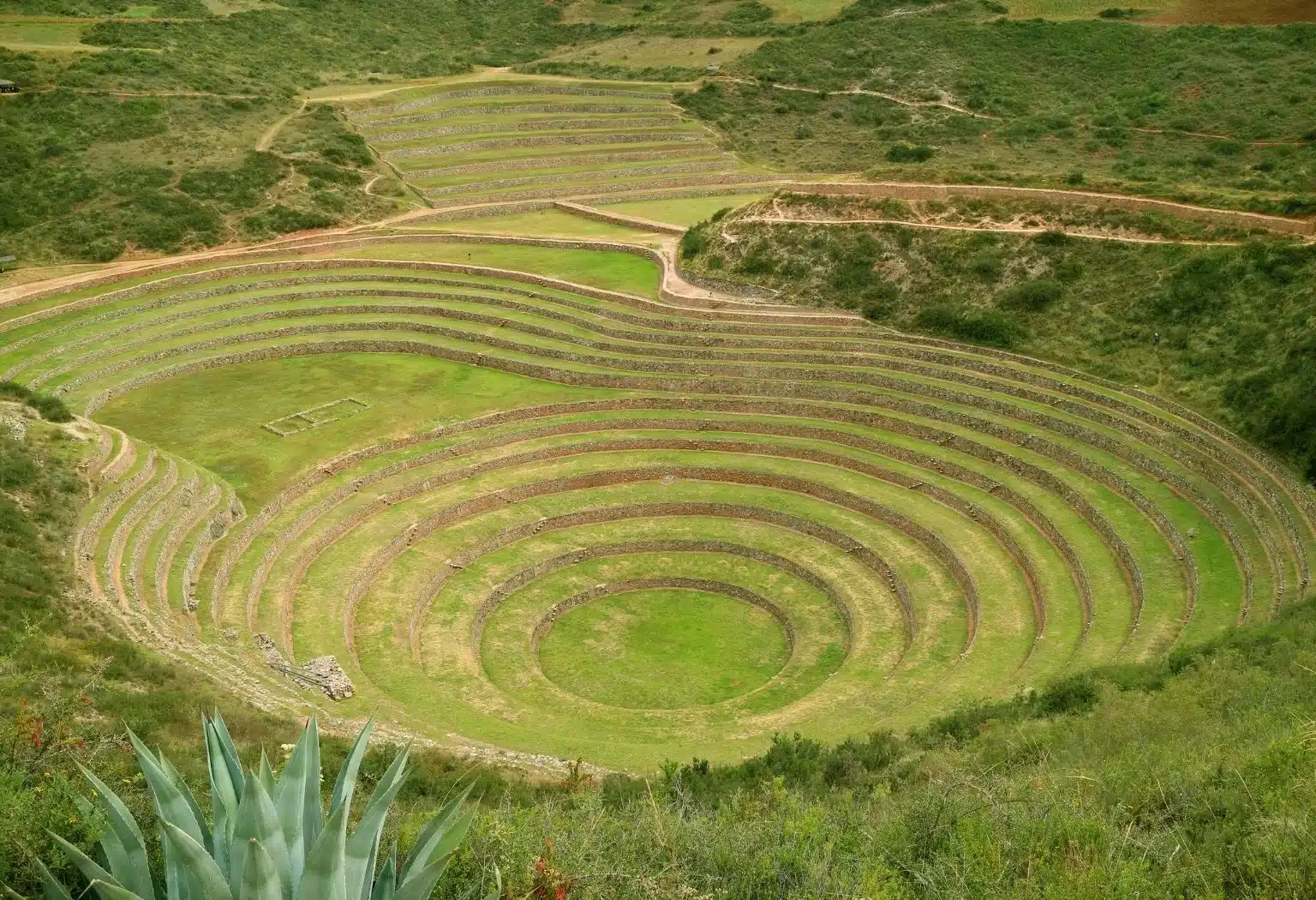
Moray, Inca Agricultural Laboratory
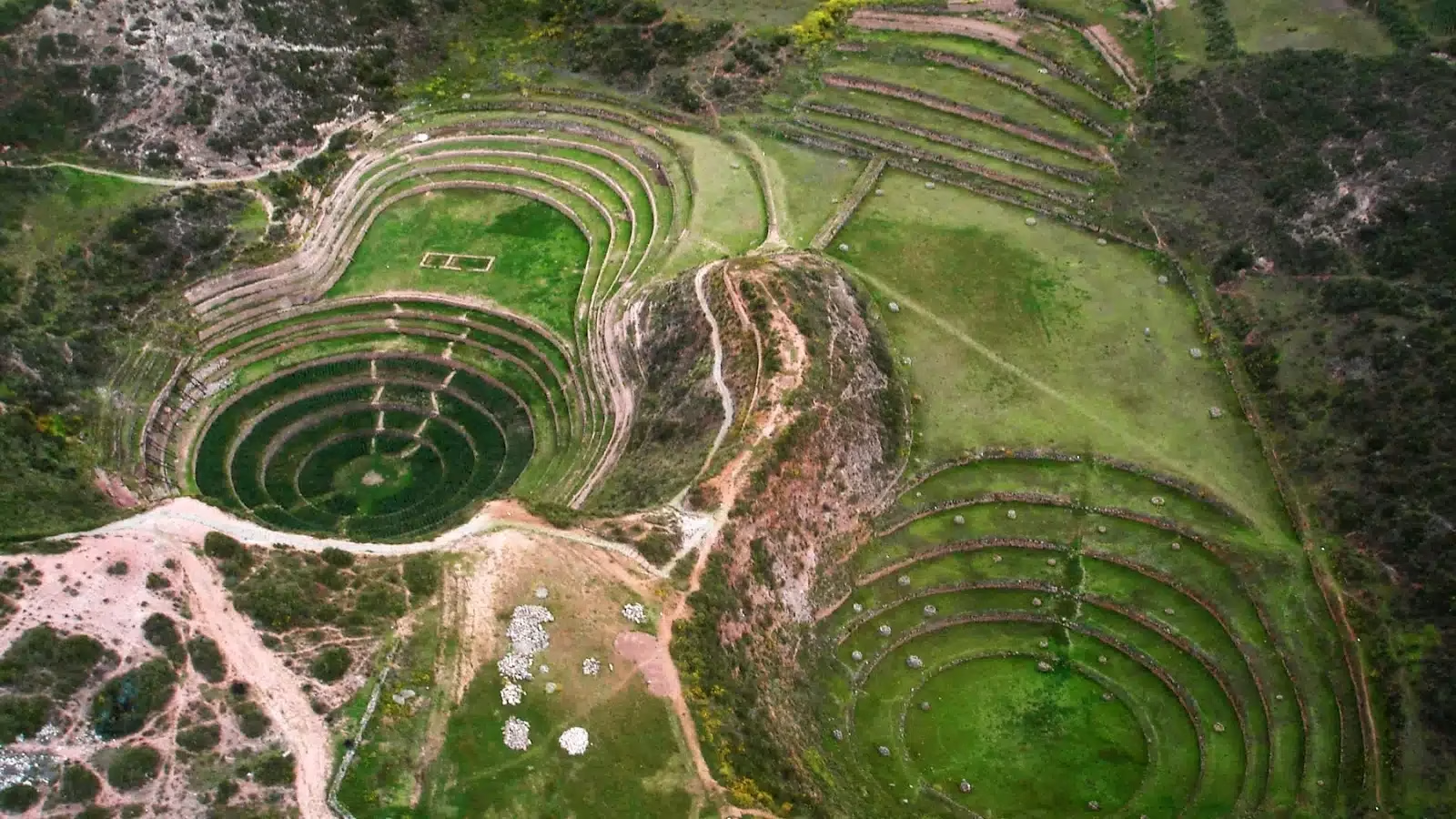
The circular terraces at Moray are thought to have been an experimental agricultural site. Each ring or level has a specific micro climate. The Incas used these terraces to test the adaptability of crops to different climatic conditions. They represent part of the scientific understanding and adaptation to their environment.
Yucay, Hidden Inca Palaces
Although often ignored by tourists, the charming town of Yucay is home to Inca terraces and palace ruins attributed to Emperor Huayna Cápac. Nestled in a green landscape and surrounded by mountains, Yucay is a quiet escape to learn more about life in rural Andean settlements.
How to Visit the Sacred Valley
By Tour
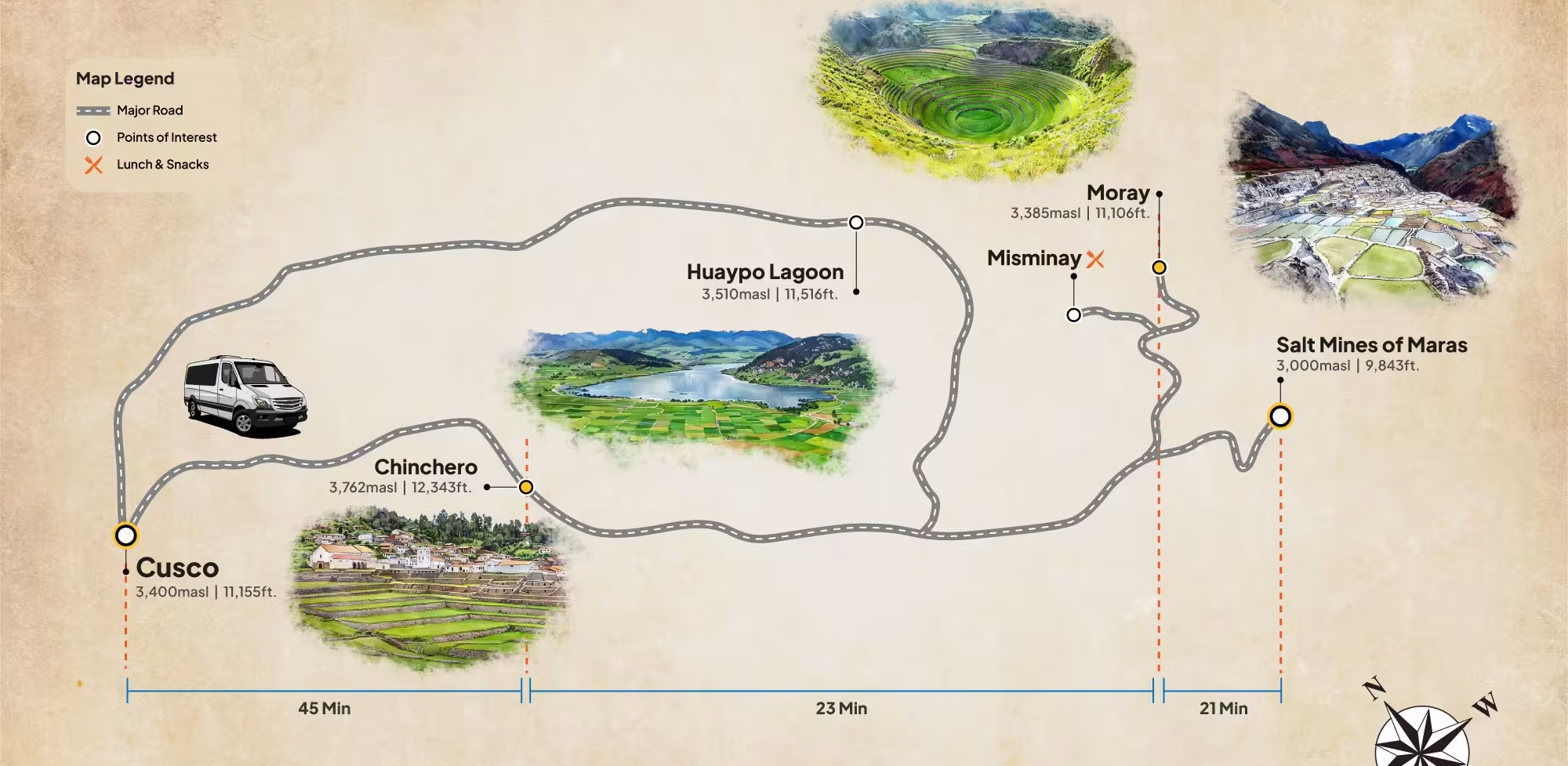
The best way to travel through the Sacred Valley is by booking a fullday guided tour from Cusco. Guided tours usually include transportation to and from Cusco, entrance tickets for the parks, and a guide who will provide numerous details about the culture and background of each site. Typical stops include stores in Pisac, Urubamba, Ollantaytambo, and Chinchero, which often include lunch at a family run restaurant. If you have limited time, there are half day tours that focus on the Maras and Moray areas.
On Your Own
For more independent travelers, with the Cusco Tourist Ticket (Boleto Turístico) you can go independently at your pace on your own time. The Boleto Turístico is not a timed ticket and is applicable around multiple archeological sites. From Cusco, there are frequent buses that depart for Pisac, Urubamba, and Ollantaytambo. Local taxis and colectivos can take you to smaller towns, allowing you to decide your path and spend more time in your favorite locations.
Practical Information for Travelers
| Detail | Information |
|---|---|
| Distance from Cusco: | 15–60 km (9–37 miles) |
| Average Altitude: | 2,800–3,800 m (9,000–12,460 ft) |
| Best Season: | May to September |
| Main Attractions: | Pisac, Urubamba, Ollantaytambo, Chinchero, Maras, Moray |
| Tour Cost: | Around $60 (includes transport, guide, and lunch) |
| Independent Visit: | Tourist Ticket: 70 soles (foreigners), 40 soles (Peruvians) |
The Sacred Valley of the Incas is much more than a place; it is an experience of the spirit of Andean civilization. Each one of its towns, ruins, and fields tells a story of human strength, spirituality, and balance with nature. Whether it’s through a guide or discovering on your own, the Sacred Valley will remain one of the most moving and incredible areas of Peru.
Frequently asked questions about The Sacred Valley of the Incas
There are two possible routes to get from Cusco to the Sacred Valley of the Incas: the route to Pisac and the route to Chinchero.
The Taray and Chinchero viewpoints offer two of the best landscapes in the Sacred Valley of the Incas. In addition, tourists can get incredible photos in Moray and the Maras salt mines.
On the trip to the Sacred Valley of the Incas you can practice different adventure sports such as: trekking, rock climbing, zipline, canoeing, cycling or ATV routes. The best way to do these routes is with a tourism agency.
The tour to the Sacred Valley of the Incas can be purchased with a tourism agency, either on their website or at their location in the city of Cusco. It is recommended to get an agency that offers quality service and includes everything you need for the trip.
The dry season (little rain) is recommended to visit the Sacred Valley. This time includes the months of April, May, June, July, August, September and October.
During your trip to the Sacred Valley it is recommended to bring: sports clothing, comfortable and resistant shoes, sunscreen, cap, mosquito repellent, poncho in case of rain, snacks, rehydrating drinks and whatever the visitor deems necessary.