


Inca Trail to Machu Picchu Hike
-
 Accommodation
- Camping
-
 Group Size
- 15 persons
-
 Max Altitude
- 4,215 m / 13,828 ft
-
 Physical Level
- Challenging
Experience the legendary inca trail to machu picchu hike and discover why this four day premium expedition is the most sought after adventure in South America. Guided by our elite local experts you will conquer ancient stone steps, ascend the towering heights of Dead Woman’s Pass, and traverse lush cloud forests filled with hidden ruins. Your physical effort is instantly rewarded the moment you arrive at the iconic Sun Gate to witness a spectacular sunrise over the citadel. Because the Peruvian government strictly limits daily access official permits sell out months in advance so secure your spot today for a once in a lifetime journey where personal triumph and centuries of history collide.
Unlike any other route to Machu Picchu, the Classic Inca Trail ends with the unforgettable walk through Intipunku, the Sun Gate, where the first panoramic view of the Lost City appears after days on the trail. Reaching Machu Picchu on foot is a moment few visitors experience, making this trek one of Peru’s most rewarding adventures.
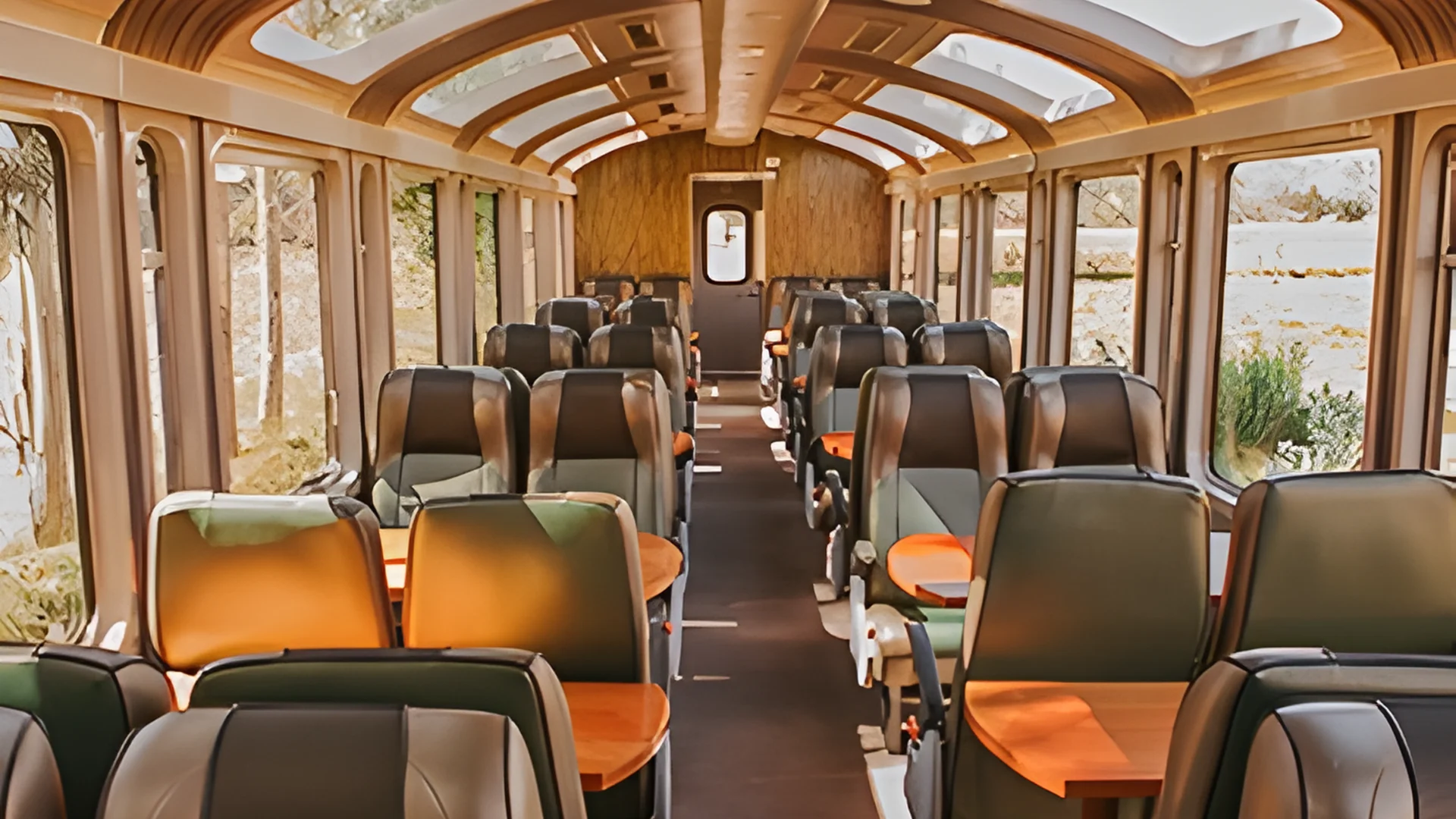
After exploring the Lost City of the Incas with your guide, the adventure continues aboard the panoramic Vistadome Train. Large windows, comfortable seating, and spectacular views of the Sacred Valley provide a relaxing and scenic journey back toward Cusco, bringing your Inca Trail experience to a memorable close.
Important: The Classic Inca Trail is regulated by the Peruvian government and requires an official permit. Availability is limited throughout the year, and permits often sell out several months in advance, especially during the high season. Early booking is highly recommended to secure your preferred travel date.
US$ 800 / person

- Instant Confirm
- 24/7 Support
- Flexible Dates
- Safe Payments

Inca Trail Hike to Machu Picchu
The inca trail to machu picchu is widely considered the most important trekking route in the Western Hemisphere because it combines diverse ecological zones with the majestic stonework of the Inca Empire. This historic path was a sacred branch of the ancient Qhapaq Ñan which stretched over thirty thousand kilometers to unite the corners of the Tahuantinsuyo.
Unlike other routes an inca trail cusco to machu picchu expedition is the only way to experience the original ritual entrance to the 15th century citadel through the legendary Sun Gate or Intipunku. Choosing trips to machu picchu inca trail with Uros Expeditions ensures a boutique experience where high end comfort meets deep historical education.
While the route is known for its physical demands our structured service includes an elite team of university trained guides and personal porters who transform the classic inca trail to machu picchu into a manageable personal triumph. We focus on providing a secure and spiritually enriching environment so you can witness the first light of day hitting the sanctuary after four days of challenging yet rewarding exploration of the Andes.
Tour Highlights
- Hike the legendary Classic Inca Trail to Machu Picchu.
- Enter Machu Picchu through the iconic Sun Gate (Intipunku).
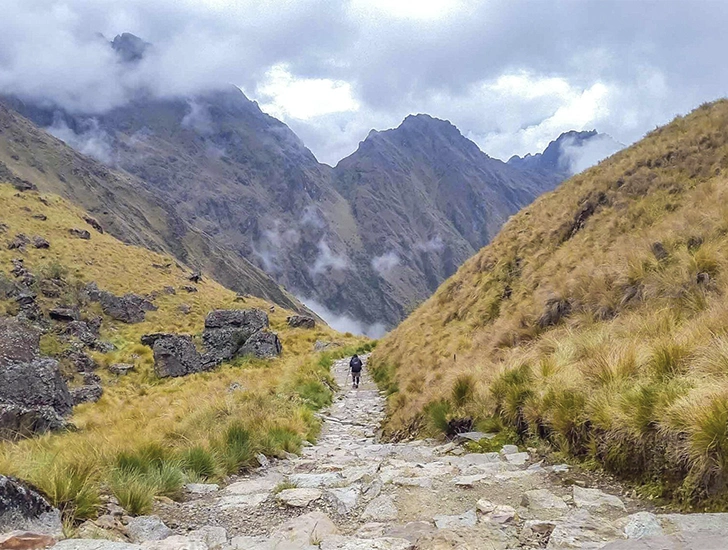
- Cross Dead Woman’s Pass at 4,215 m (13,828 ft).
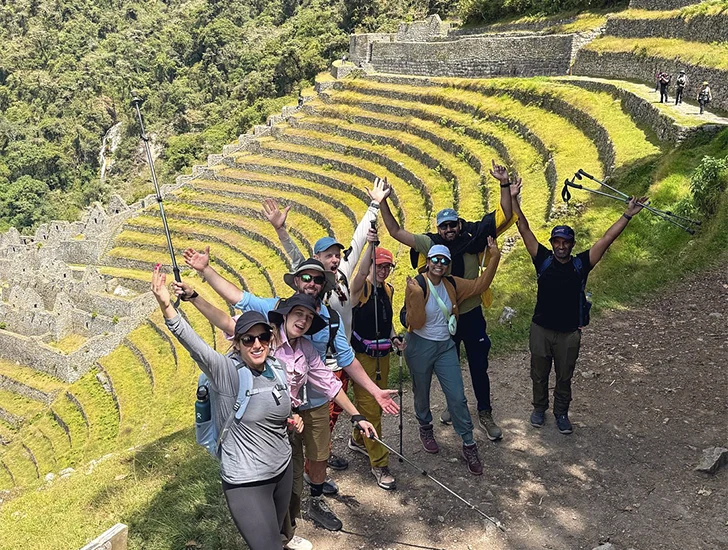
- Visit Wiñay Wayna, Sayacmarca, Phuyupatamarca, and other remarkable Inca sites.
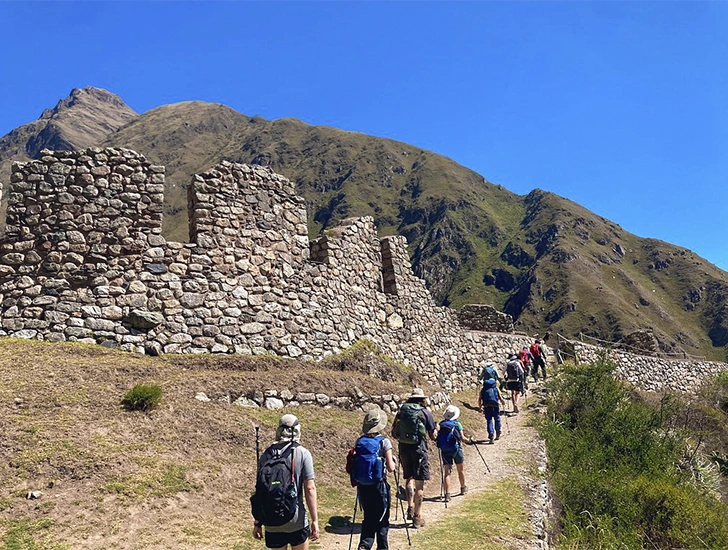
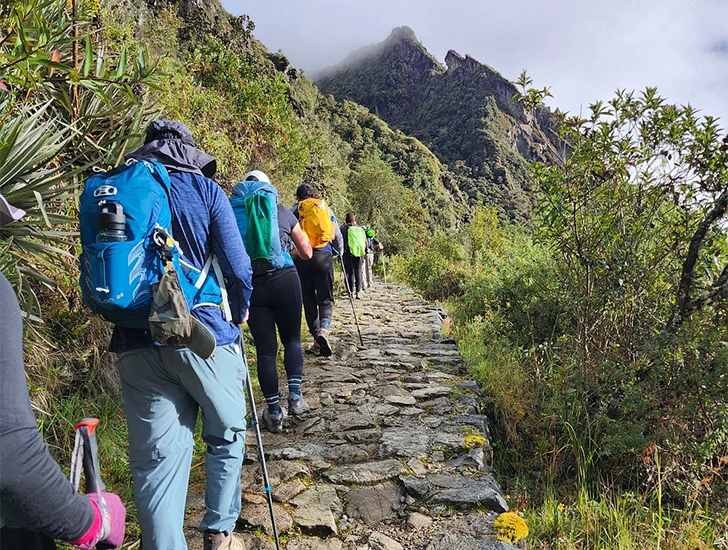
- Walk original Inca stone paths surrounded by spectacular Andean landscapes.
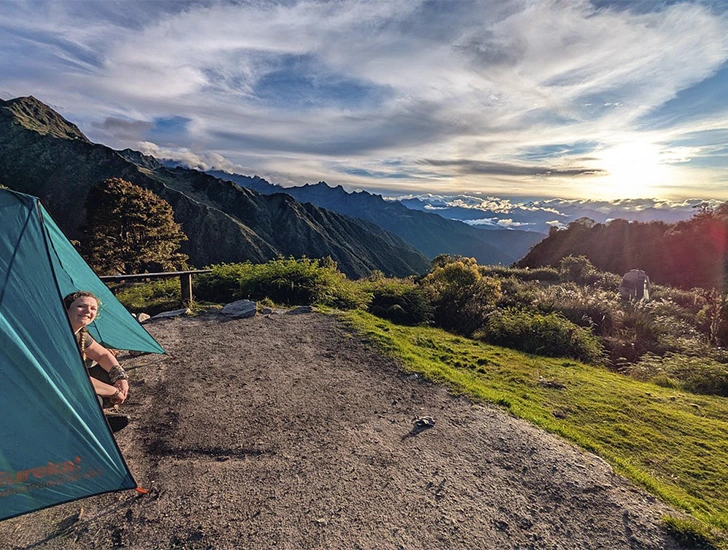
- Camp beneath the stars in scenic mountain locations.
- Enjoy a guided tour of Machu Picchu with an experienced local guide.
- Return to Cusco aboard the panoramic Vistadome Train.
Your Inca Trail Journey at a Glance
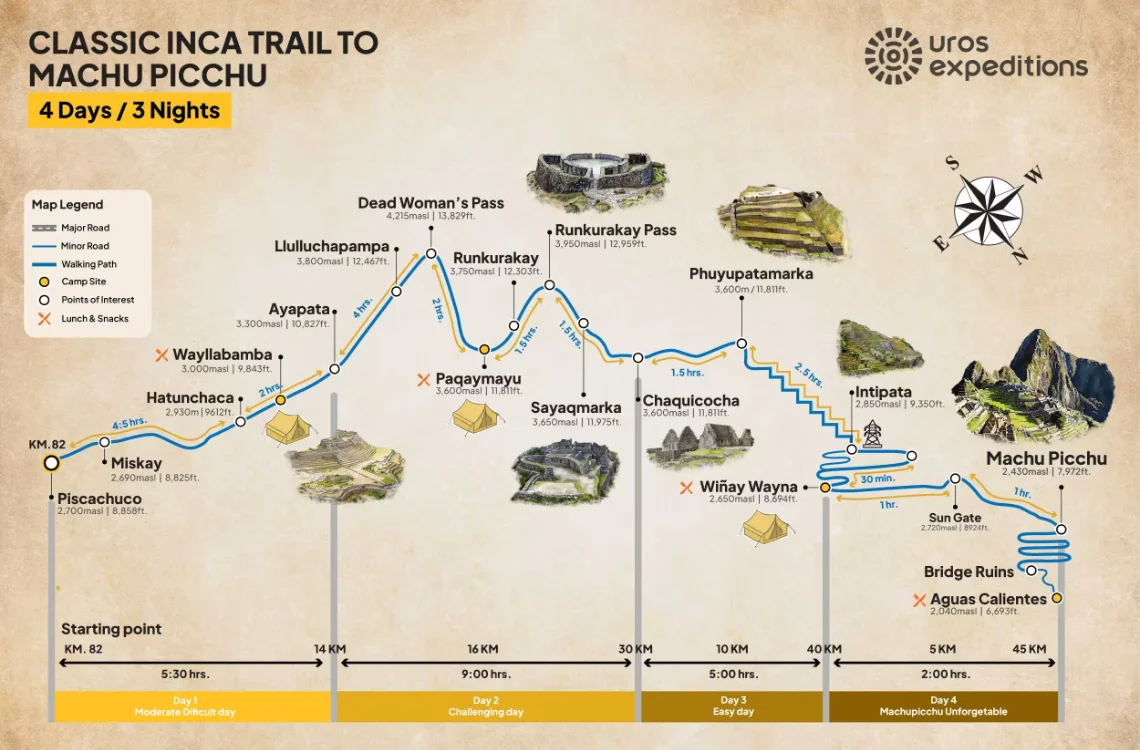
Day 1: Cusco – Piskacucho Km 82 – Llactapata – Wayllabamba
Early pickup from your hotel in Cusco or the Sacred Valley gets things rolling. The bus drops everyone at Km 82 where the Inca Trail starts for real, right after you cross the bridge over the Urubamba River.
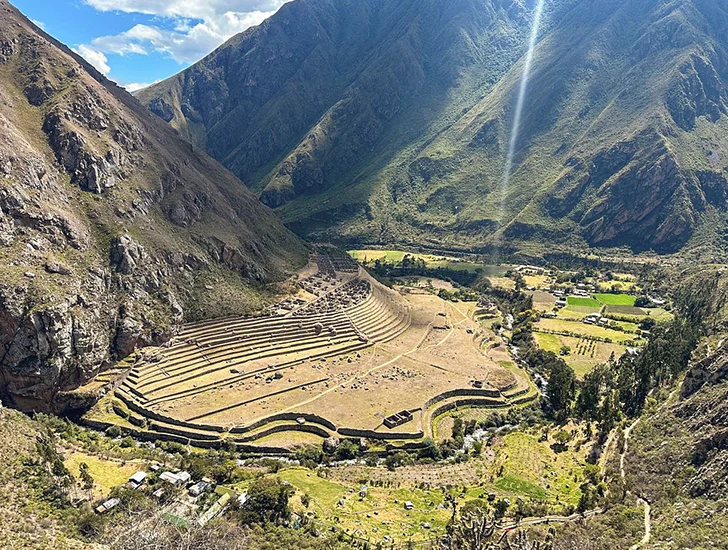
The walking stays fairly gentle that first day, good for shaking out the cobwebs. You stop at Patallacta, a farming spot from way back, and then Willkarakay higher up with its wide views. By evening you are in the Wayllabamba Valley setting up camp under a sky that fills with stars pretty quick.
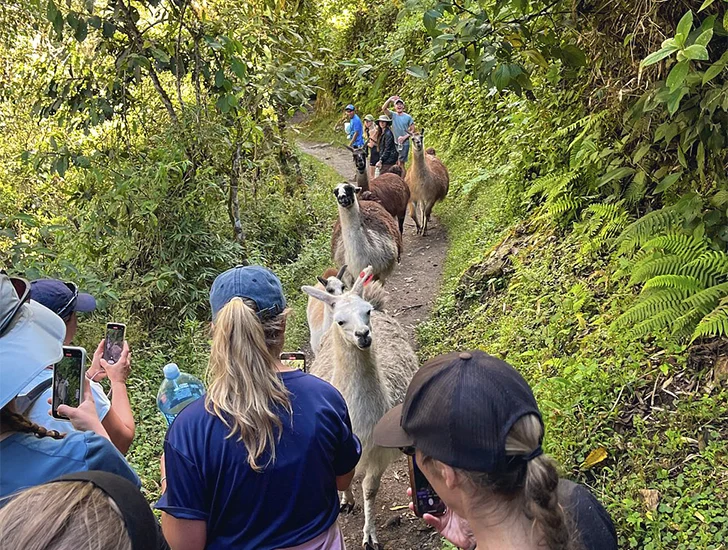
The valley feels quiet once the tents are up, just the river nearby and maybe a few llamas wandering past. You turn in early because tomorrow climbs higher.
- Distance: 12 km (7.45 miles)
- Level of Difficulty: Moderate
Day 2: Wayllabamba – Dead Women’s Pass – Pacaymayu
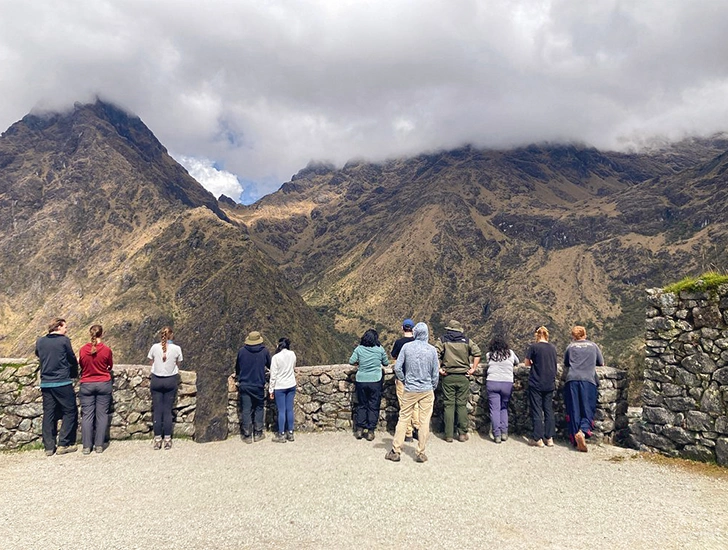
Morning comes fast and you are heading toward Dead Womans Pass, sitting up at 4215 meters. The uphill drags on, no way around it, but the trees thin out and suddenly you can see for miles. That pass was part of the old Inca courier route, runners used to sprint sections like this.
You rest at the top, snap a few pictures, then start down the other side. Knees take a beating on the descent but Pacaymayu Valley waits below with flat ground for tents. Camp feels earned after a day like that.
Guides pass around coca tea and keep the pace steady. The air up high makes everything slower, but nobody rushes anyone.
- Distance: 11 km (6.83 miles)
- Level of Difficulty: Moderate
Day 3: Pacaymayu – Chaquikocha – Wiñayhuayna
You leave camp and soon reach Runkurakay, a little round building where messengers swapped loads. A bit farther along Sayacmarca sits on its narrow ridge, terraces dropping away on both sides. The spot watched over two valleys at once.
The path slips into cloud forest after that, damp and green, with stone steps cut straight into the slope. Phuyupatamarca shows up next, water still running through the old fountains. You end the day at Wiñayhuayna, a busy complex of houses and fields, perfect for the last night on the trail.
- Distance: 16 km (9.94 miles)
- Level of Difficulty: Moderate to High
Day 4: Wiñay Wayna – Sun Gate – Machu Picchu – Vistadome Train – Cusco
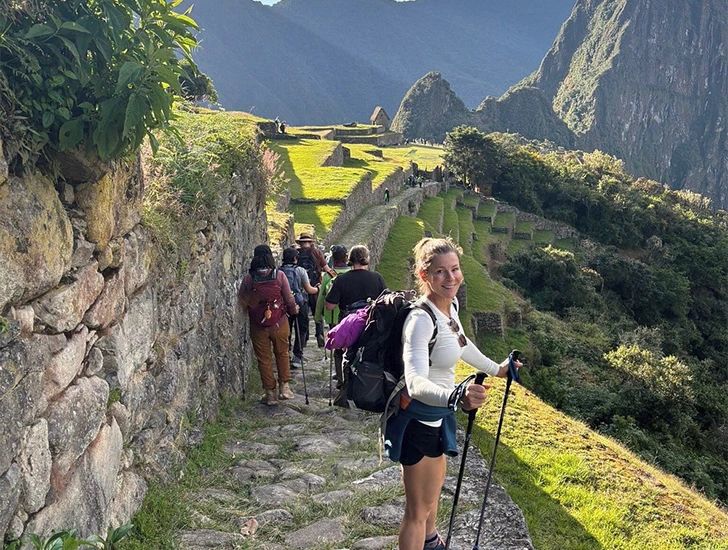
Reach the Sun Gate at sunrise for your first unforgettable view of Machu Picchu before enjoying a guided tour of the ancient citadel. In the afternoon, travel aboard the panoramic Vistadome Train, where wide windows offer spectacular views of the Sacred Valley during your scenic return to Cusco.
- Distance: 5 km (3.10 miles)
- Level of Difficulty: Easy
Why Book with Uros Expeditions
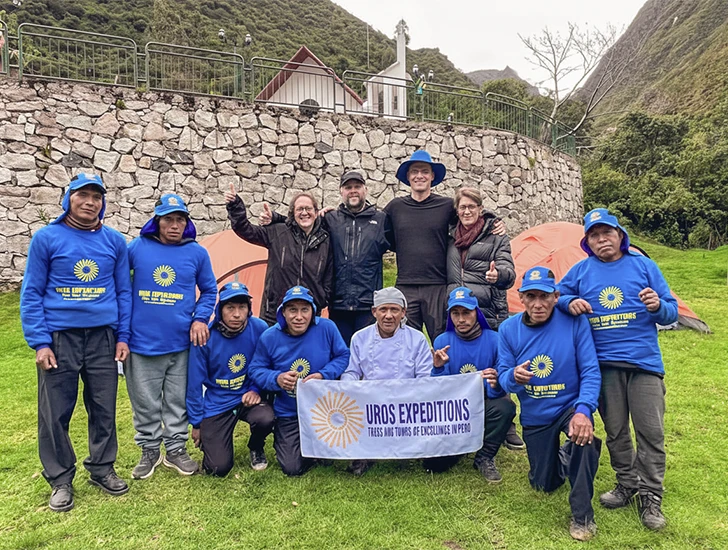
A successful Inca Trail experience depends on much more than securing a permit. At Uros Expeditions, every part of the journey is carefully organized to provide comfort, safety, and personalized service from beginning to end. Our experienced guides, professional cooks, dedicated porter team, quality camping equipment, and carefully planned logistics allow you to enjoy one of the world’s greatest hikes with complete confidence. To make the experience even more memorable, we’ve included the panoramic Vistadome Train for your return to Cusco, adding one final scenic highlight to an already extraordinary adventure.
- Official Classic Inca Trail permit and Machu Picchu entrance included.
- Pre-trek briefing with your guide before departure.
- Experienced bilingual mountain guides.
- Assistant guide for larger groups.
- Professional porter team following official regulations.
- Personal porter included for up to 5 kg (11 lbs) of personal belongings.
- High-quality four-season expedition tents, inflatable sleeping mats, and camping pillow.
- Private dining tent and ecological toilet for added comfort.
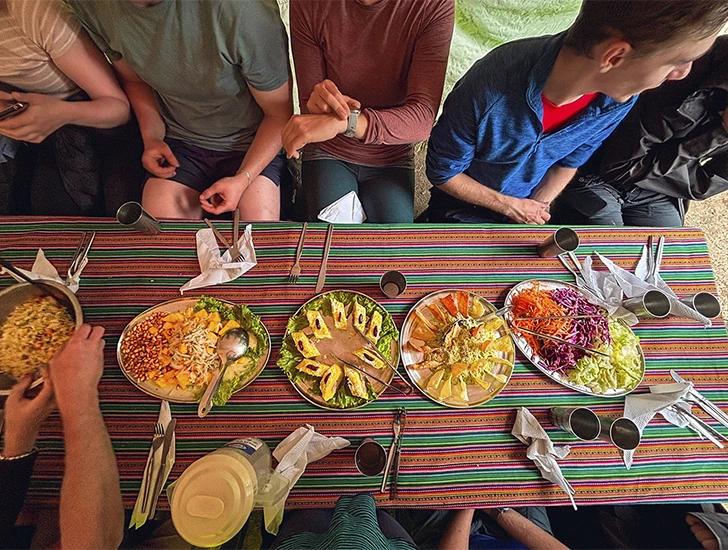
- Fresh breakfasts, lunches, dinners, afternoon tea, and unlimited filtered drinking water.
- Vegetarian, vegan, gluten-free, and other dietary requests accommodated.
- Private transportation from Cusco and all trail logistics included.
- Return aboard the panoramic Vistadome Train with breathtaking views of the Sacred Valley.
- Emergency oxygen, first aid equipment, and satellite communication carried throughout the trek.
Itinerary
DAY 1 STARTING THE ANCIENT FOOTPATH FROM KM 82 TO WAYLLABAMBA
Your inca trail hike to machu picchu begins with an exclusive private pick up from your hotel in Cusco, Urubamba, or Ollantaytambo between four and five in the morning. After a scenic drive through the heart of the Sacred Valley you will arrive at Kilometer 82 which is the official starting point of the inca trek peru. Here you will meet your elite support team of professional porters and chefs before crossing the bridge over the Urubamba River to begin the expedition.
The first day is designed with a moderate pace to help your body adjust to the thin Andean air and the unique geography of the trail. You will visit the sprawling complex of Patallacta which functioned as a major administrative and religious center for the Incas in the fifteenth century.
Your expert guide will lead you to Willkarakay which is a military post situated on a high ridge that once guarded the route and provided a strategic view of the Cusichaca Valley. The trek continues through native forests and Andean fields for several hours. In the late afternoon you will reach the Wayllabamba campsite where your team will have everything prepared for a gourmet sunset dinner at 3,000 meters above sea level.
- Total walking distance covers 12 kilometers or 7.45 miles
- Starting elevation begins at 2,720 meters above sea level
- Highest elevation of the first day is 3,000 meters
- Trail difficulty is moderate and ideal for acclimatization
DAY 2 CONQUERING THE SUMMIT OF DEAD WOMANS PASS AT HIGH ALTITUDE
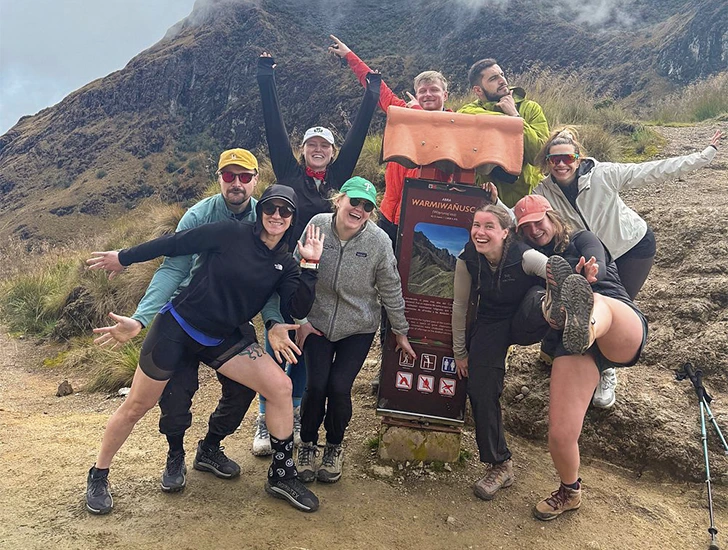
Reaching the summit of Warmiwañusca or Dead Woman’s Pass is the primary challenge of the second day of the trek to machu picchu. This 11 kilometer segment is the most physically demanding part of the expedition because you will reach an elevation of four thousand two hundred fifteen meters (13,828 feet).
As you ascend the tropical vegetation gives way to high altitude grasslands where the air is thin and the scenery is vast. After a brief celebration at the top you will begin a steep descent into the Pacaymayu Valley where your camp is nestled at 3,580 meters for an evening of professional recovery.
- Walking distance covers 11 kilometers or 6.83 miles
- Highest point reaches the dead woman’s pass height of 4,215 meters
- Difficulty level is high due to elevation and steep stone steps
DAY 3 EXPLORING CLOUD FOREST RUINS AND THE TOWN ABOVE THE CLOUDS
The third day is often described as the most beautiful part of hiking the inca trail to machu picchu because the path crosses into the lush cloud forest. You will cover 16 kilometers of original stone paths while visiting the circular ruins of Runkurakay and the ridge top fortress of Sayacmarca.
The afternoon stretch leads you to Phuyupatamarca which is often called the Town Above the Clouds because of the mist that typically surrounds its ancient ritual baths. The day concludes at the site of Wiñay Wayna where massive farming terraces step down toward the river canyon for your last night on the trail.
- Total distance for the day is 16 kilometers or 9.94 miles
- Maximum altitude reached is 4,000 meters at Phuyupatamarca
- Difficulty level is moderate to high with significant downhill sections
DAY 4 THE SUN GATE ENTRANCE AND THE FINAL MACHU PICCHU GUIDED TOUR
Witnessing the dawn from the Sun Gate or Intipunku is the defining moment of your hike the inca trail to machu picchu adventure. After a very early start at 3:30 am you will hike the final 5 kilometers to reach the vantage point where Machu Picchu first appears in the morning light.
Your morning includes a comprehensive two hour private tour of the main temples and sacred sectors of the sanctuary. The expedition concludes with a relaxing bus ride to Aguas Calientes and a return journey to Cusco on the Vistadome observatory train.
- Walking distance is 5 kilometers or 3.10 miles
- Difficulty level is easy to moderate finishing at the sanctuary
Included/Not Included
What is Included in Your All Inclusive Inca Trail Tour
Pre Trek Preparation and Briefing
- Detailed Orientation Session One or two days prior to your trek you will meet your lead guide at your hotel to receive key details about the trail and safety protocols.
- Personal Duffle Bag During the briefing we will provide you with a durable duffle bag to pack your personal belongings for the porters to carry.
Elite Professional Staff
- Expert Bilingual Tour Guides You will be led by university-trained professionals who speak fluent English and possess deep knowledge of Inca history and Andean flora.
- Assistant Tour Guide For groups larger than 9 people we provide a second professional guide to ensure everyone receives personalized attention and support.
- Professional Mountain Cooks Our culinary team is trained to prepare highly nutritious and delicious meals in remote high altitude environments.
- Dedicated Porter Team Our local porters handle all the heavy lifting including camping equipment, food supplies, and your personal luggage.
- Personal Porter Service We include a dedicated porter to carry up to 5 kilograms (11 lbs) of your personal items including your sleeping bag and sleeping mat.
Permits and Guaranteed Admissions
- Official Inca Trail Permits We handle the entire booking process with the Peruvian government to secure your official access to the historic path.
- Machu Picchu Entrance Tickets Your package includes the definitive entry ticket to the citadel with access to Circuit 3 to explore the lower architectural wonders.
- Archaeological Site Access Your trail permit covers entry to all the ancient ruins along the route including Patallacta, Sayacmarca, and Wiñay Wayna.
Premium Camping Equipment and Comfort
- High End Expedition Tents You will sleep in spacious four-season Eureka or Doite tents designed to withstand mountain weather while providing maximum comfort.
- Dining Setup Our team sets up a fully equipped dining tent complete with chairs, tables, and proper
Gourmet Trail Nutrition and Hydration
- Complete Trail Catering You will enjoy 3 nutrient-dense breakfasts, 3 satisfying lunches, and 3 gourmet dinners prepared fresh every day.
- Daily Afternoon Tea Every afternoon at camp you will be treated to a relaxing tea service with hot beverages and snacks.
- Unlimited Safe Drinking Water From the second day onward we provide all the boiled and filtered water you need to refill your bottles or Camelbaks.
- Custom Dietary Accommodations We happily provide vegetarian, vegan, gluten-free, or allergy-specific meals at no extra cost if requested during booking.
Comprehensive Transportation Logistics
- Private Hotel Pick Up We provide comfortable transportation directly from your hotel or Airbnb located in the Historic Center of Cusco or the Sacred Valley.
- Direct Transport to Trailhead A private vehicle will drive your group directly to the control point at Kilometer 82 to begin the hike.
- Consettur Bus Tickets After your citadel tour we include the bus ticket to bring you down from Machu Picchu to the town of Aguas Calientes.
- Return Train Tickets Enjoy a scenic ride back on the Vistadome train by PeruRail.
- Final Private Transfer A private vehicle will be waiting at the train station to drive you safely back to your hotel in Cusco.
Advanced Safety and Emergency Protocols
- Comprehensive First Aid Kits Our guides carry fully equipped medical kits to handle any situation on the trail.
- Emergency Oxygen Bottles We always carry portable oxygen tanks to assist anyone struggling with the high altitude at Dead Womans Pass.
- Satellite Communication Our team is equipped with radios and satellite phones to guarantee contact with our main office from the most remote areas.
Items Not Included in the Tour Package
Personal Trekking Gear and Rentals
- Professional Sleeping Bags If you do not have a winter sleeping bag you can rent a 5-season bag from us for $25 USD for the entire trek.
- Trekking Poles We highly recommend walking sticks for the steep descents. You can rent a pair of professional poles from us for $15 USD.
- Personal Daypack You will need your own small backpack to carry your daily essentials like water, sunscreen, and your camera.
First and Final Day Meals
- Breakfast on Day 1 You will need to eat breakfast at your hotel or purchase something before we reach the starting point at Kilometer 82.
- Lunch and Dinner on Day 4 After the tour concludes you are free to choose your own dining experience at one of the many excellent restaurants in Aguas Calientes or Cusco.
Optional Mountain Hikes
- Huayna Picchu Mountain Climbing this iconic peak requires a separate ticket that costs $85 USD and must be booked several months in advance.
- Machu Picchu Mountain This is another optional hike that requires a separate government permit and an additional fee.
Insurance and Personal Gratuities
- Travel and Medical Insurance We strongly recommend purchasing a policy that covers trip cancellations, medical emergencies, and high altitude trekking.
- Team Gratuities Tipping your guide, cooks, and porters is a common and highly appreciated tradition on the Inca Trail to thank them for their incredible hard work.
Classic Inca Trail Prices
Walk the original Inca Trail with a small group and experience one of the world’s most famous trekking routes. Over four days, you’ll hike through cloud forests, mountain passes, and ancient Inca sites before reaching Machu Picchu through the Sun Gate, just as the Incas once did.
This shared tour is ideal for travelers who enjoy hiking and want to share the experience with others while benefiting from the support of an experienced trekking team. Your guide will accompany the group throughout the journey, sharing the history of the trail and ensuring everyone enjoys a safe and well-organized adventure.
- 1 people 2850 USD
- 2 people 1600 USD
- 3 people 1400 USD
- 4 people 1260 USD
- 5 people 1100 USD
- 6 people 980 USD
- 7 people 900 USD
- 8 or more people BEST VALUE 850 USD
Enjoy the Classic Inca Trail with a service reserved exclusively for you and your group. Your private guide, trekking team, chefs, and porters will be dedicated entirely to your party, allowing you to enjoy a more personal and comfortable experience from the first day to your arrival at Machu Picchu.
Walk at your own pace without having to keep up with a larger group. Take extra time to explore the archaeological sites, rest when needed, and fully appreciate the landscapes along the trail. This option is perfect for travelers looking for privacy, flexibility, and exclusive service on one of Peru’s most unforgettable treks.
Reservation Payment
- A deposit of US$300 per person is required to secure your booking. The remaining balance can be paid online before your trip or in our Cusco office using a credit card, PayPal, or bank transfer. If you require a different payment method, please contact us and we will be happy to assist.
- To process permits and entrance tickets, we require the following information for each traveler: full name exactly as shown on the passport, passport number, nationality, date of birth, and passport expiration date. Please ensure all details are accurate, as changes may incur additional fees or affect permit availability.
Student & Child Discount
- A US$30 discount is available for children under 17 years old and students under 25 years old. Child discounts are applied automatically at the time of booking.
- Students must provide a valid university ID card showing:
- the student’s name
- photograph
- university name
- valid expiration date.
Expired student IDs and ISIC cards are not accepted. To receive the discount, please send a copy of your student ID when making your reservation.
If the document does not meet the requirements established by the Peruvian authorities, the standard adult rate will apply. For assistance, contact us at info@urosexpeditions.com
Available for Rent
- Hire of sleeping bag 25 USD
- Walking stick highly recommended! 20 USD
- Single Tent supplement 35 USD
- Inflatable mattress20 USD
Enjoy the Classic Inca Trail with style and comfort. We offer you carefully chosen hotels where you will be able to relax before and after your journey, while on your way back to Cusco by the Vistadome Train, you will have an amazing view of the Sacred Valley. Enjoy amazing scenery in the Andes, Inca archeological ruins, and an unforgettable experience arriving at Machu Picchu via the Sun Gate.
Trains to Machu Picchu
All the trains heading to Aguas Calientes the little town right at the foot of Machu Picchu leave from the Ollantaytambo station in the Sacred Valley.
It is about a 1.5 to 2-hour drive from Cusco to get to the station.
Just a heads-up: there are no roads that go all the way to Aguas Calientes, so the train is really the only motorized way to get there.
Trains included in this package:
| Segment | Train | Direction |
| Aguas Calientes to Ollantaytambo | Peru Rail Vistadome | Return — Day 4 |
Train classes available:
- Peru Rail Expedition: standard service; comfortable seats, scenic windows, reliable schedule
- Peru Rail Vistadome: panoramic windows on sides and ceiling; wider seats; the preferred return option included in this package
- Vistadome Observatory: open-roof premium observation carriage; available as an upgrade at +$45 USD for the return journey only
Train schedules are set by Peru Rail and confirmed at your pre-departure briefing. All tickets are pre-booked and included in your package. No separate purchase is required.

Machu Picchu Circuit Options
- Circuit 1-C – Sun Gate (Intipunku) Route
This circuit follows the original access route used by Classic Inca Trail hikers. It includes access to both the lower and upper viewpoints, providing elevated perspectives of Machu Picchu. The hikes continues toward Intipunku (Sun Gate), offering many panoramic views of the entire citadel.
Recommended for hikers focused on panoramic observation and scenic viewpoints rather than detailed exploration of the urban sector.
- Circuit 3-B – Lower Sector / Urban Area
This circuit provides access to the lower sector (urban and ceremonial) sector of Machu Picchu. It includes key archaeological structures such as the Temple of the Sun, Twelve Niches, Temple of the Condor, and the Water Mirrors.
Recommended for visitors interested in architectural, cultural, and historical features within the core of the site.
Travel Info
HOW TO ACCESS THE INCA TRAIL
If you plan your Inca Trail Hike, you will have to reserve your permit to enter about five months in advance.
“Anyone who hikes along any of the four routes of the Inca trail network to Machu Picchu must have a Inca Trail permit. This includes tourists, tour guides, porters and cooks.”
According to the ‘Master Plan’ of Machu Picchu, prepared by the Ministry of Culture of Peru and Sernanp (National Service of Protected Natural Areas) in 2003, only 500 people a day can access this place, approximately 300 of them are porters and 200 are tourists. Additionally, 300 people per day can enter the Short Inca Trail to Machu Picchu.
Trekking groups are limited to 10 people plus two tour guides or approximately eight people plus one guide. Only licensed and authorized tour operators can book a travel permit. Each year on October 1, permits go on sale for all tour providers who must compete for these permits on a first-come, first-served basis. To obtain a permit, they must present the necessary personal information of their clients, along with partial payment and those of the porters and cooks who will assist them along the way.
Secure Your Inca Trail Tour Permits
The Peruvian government limits access to the inca trail to machu picchu permits to 500 people per day including all staff. This means only about two hundred spots are available for travelers which causes the peak season to sell out six months in advance. We recommend booking your spot for 2026 starting in October of the previous year. Please note that permits are non-refundable and non-transferable once they are issued under your passport number.
Acclimatization Protocol and Fitness
Spending at least two days in Cusco before your inca trail to machu picchu hike is the most effective way to prepare for the altitude. We suggest a training routine that focuses on cardio and leg strength including stair climbing sessions three months before arrival. Proper hydration and sipping traditional coca tea will also help you manage the high altitudes of Dead Woman’s Pass.
Archaeological Sites Visited on the Inca Trail
Llactapata
- An important Inca ruin that was used for multiple purposes, with a ceremonial center, an urban center and a cemetery, among other things. These ruins were discovered by Hiram Bingham, as was Machu Picchu, but it took him much longer to properly excavate them.
Dead woman step
- This is not a ruin, just the highest point on the trail, and a truly incredible sight to behold. This is an authentic and ethical way to interact with the real people of Peru.
Sayacmarca
- Believed to be both a town and a sacred area, the direct translation of Sayacmarca is ‘inaccessible’ (or a place that cannot be entered). Despite the name, visitors can explore the ruins accompanied by a guide.
Phuyupatamarka
- Also known as the city in the clouds, Phuyupatamarka sits, unsurprisingly, above where the clouds gather. It’s a magical place to spend the night, as the morning will greet you with an incredible view, whether of the surrounding valley and ruins you have yet to visit, or a blanket of clouds covering the landscape.
Intipata
- Previously covered in vegetation, Intipata is the place where the sun hits right (which the name implies, which directly translates as ‘Place of the Sun’) and is located at the top of the descent to Wiñaywayna.
Wiñaywayna
- The purpose of Wiñaywayna is often debated. Regardless of whether it was used as a resting point for visitors to Machu Picchu, or as a religious ceremonial center, these ruins are spectacular, and even more so up close. Just over 3 km from Machu Picchu, they are also the welcome sign of an almost finished hike.
Intipunku
- The entrance gate to Machu Picchu. The Gate of the Sun is widely considered one of the most important sections of Machu Picchu, as it was a checkpoint for those entering and leaving, as well as being a crucial offering to Inti, the Inca sun god.
The inca trail is one of the most extraordinary works of engineering in the world. By the 16th century he had helped transform a small kingdom into the largest empire in the Western Hemisphere.
The Inca Trail trek to Machu Picchu is one of the most popular trekking routes in South America and is consistently ranked among the top 10 treks in the world. During this four days, you’ll explore ancient Inca sites and reach the Sun Gate (Intipunku) before sunrise to enjoy the best view of Machu Picchu.
At Uros Expeditions, we organize premium Inca Trail excursions that include a personal porter, buffet meals and train rides. We have group departures every day.
PACKING LIST
- Original passport (if you have acquired a new one after you made your booking, bring both)
- Down or synthetic feather sleeping bag (can be rented from us)
- Clothes (trekking boots, warm fleece jacket, a few T-shirts, socks, sun hat, warm underwear, light long pants, gloves, rain jacket)
- Toiletries (toilet paper, wet wipes, personal towel)
- Sun protection; Sunscreen (SPF 35+ recommended)
- Headlamp with batteries
- Camera with spare batteries
- Binoculars
- Book to read (you will have some spare time at every camp)
- Trekking poles (recommended especially for the steep descents, can be rented from us)
- Bug repellent
- NOTE: Batteries run down faster at high altitudes
Inca Trail Faq's
What is the Inca Trail?
The Inca Trail is the most famous multi day hike in South America, perhaps one of the best known in the entire world. Found in the Cusco region of southern Peru, it is an authentic Inca trail that passes through multiple Incan ruins and finally reaches Machu Picchu through the iconic Sun Gate.
Best time of year to hike Inca Trail?
The dry season from May to October is definitively the best time of year to hike the Inca Trail. During these months you will experience clear Andean skies, stable trails, and the lowest chances of heavy rain. June and July are the most popular and crowded months while May and September provide the perfect sweet spot of excellent weather and quieter paths for a more peaceful trek.
Is the Peru Inca Trail hard? Can anyone do it?
The Inca Trail to Machu Picchu is demanding for two reasons: the height (you reach up to 4,200 m.a.s.l. and you walk almost all the time above 3,000 meters) and the fact that there are countless high steps instead of being a path-ramp. The guides don’t rush you, they let you go at a pace that is comfortable for you, no matter how slow it may be, and one of them is always bringing up the rear just in case.
Top rated backpacking gear brands for the Inca Trail?
Osprey and Deuter are the top rated backpacking gear brands for carrying your daily essentials on the Inca Trail. For technical clothing that handles rapid temperature changes we highly recommend layering with North Face or Patagonia garments.
When it comes to footwear it is absolutely critical to wear durable and ankle-supporting trekking boots from proven brands like Merrell or Salomon that have been thoroughly broken in prior to your arrival.
Inca Trail to Machu Picchu travel packages from US travel agencies?
Most US travel agencies actually partner with local Peruvian operators like Uros Expeditions to fulfill their Inca Trail travel packages. Booking directly with a local Cusco based operator eliminates the middleman and provides you with better pricing and much clearer communication regarding your trail logistics.
By going direct you ensure that your money stays within the local economy while receiving the exact same premium service and safety standards.
What companies offer shuttle services to the Inca Trail starting point?
Licensed premium tour operators like Uros Expeditions offer private shuttle services directly to the Inca Trail starting point as a standard part of their trekking packages.
Our private transportation ensures that your group is picked up right from your hotel door and arrives at Kilometer 82 comfortably and on schedule. This eliminates the stress of navigating unpredictable public transportation or negotiating with local taxis early in the morning.
Affordable lodging options near the Inca Trail trailhead?
The historic village of Ollantaytambo provides the most affordable and charming lodging options located near the Inca Trail trailhead. Staying in the Sacred Valley for a night or two before your trek is a highly strategic move that greatly assists with your high altitude acclimatization.
It also allows you to sleep in slightly longer on the morning of your trek since you are already much closer to the official starting control point at Kilometer 82.
Reviews of popular Inca Trail tour operators?
Reviews of popular Inca Trail tour operators consistently highlight the deep historical knowledge of the guides and the surprising quality of the wilderness food. Platforms like Tripadvisor are the best places to read verified traveler experiences regarding safety, comfort, and porter welfare.
We encourage all potential guests to read our extensive reviews to see how our dedicated team transforms a rugged mountain hike into a seamless luxury adventure.
Where to rent hiking equipment for the Inca Trail in the US?
You can rent hiking equipment for the Inca Trail in the US from major outdoor retailers like REI before you fly. However many travelers prefer to rent heavy items directly from our Cusco office upon arrival to save valuable luggage space on their international flights.
We offer freshly laundered professional grade winter sleeping bags and high quality carbon fiber trekking poles designed specifically for the rugged Andean terrain.
Best travel insurance providers for Inca Trail trekking?
World Nomads and Allianz are widely considered the best travel insurance providers for Inca Trail trekking because they offer specific coverage for high altitude activities. Standard travel insurance often excludes trekking above 3,000 meters so you must verify that your policy explicitly covers high altitude adventures.
It is absolutely critical to ensure that your chosen plan includes emergency medical evacuation and comprehensive trip cancellation coverage for your peace of mind.
How to find local guides for the Inca Trail to Machu Picchu?
The best way to find expert local guides for the Inca Trail is to book your trek with a 100% Cusco based travel agency. We exclusively employ indigenous guides who have grown up in the surrounding Andean communities and hold university degrees in tourism.
These local experts offer the most authentic and passionate insights into the history, legends, and spiritual significance of the mountains that simply cannot be found in standard guidebooks.
Best guided tours for the Inca Trail to Machu Picchu?
The best guided tours for the Inca Trail to Machu Picchu are operated by specialized boutique local agencies like Uros Expeditions. These premium tours stand out because they prioritize strictly limited group sizes, highly educated indigenous guides, and top-tier camping equipment. Choosing a reputable local operator guarantees a safe and culturally enriching journey that directly supports the mountain communities along the route.
How to book a permit for the Inca Trail from the US?
You must book your permit by providing your valid passport details and a deposit to a licensed Peruvian tour operator. The Peruvian Ministry of Culture strictly prohibits individual travelers from purchasing permits directly on their own.
Therefore you need to secure your spot through an authorized agency like Uros Expeditions who will handle all the government paperwork and guarantee your official entry for your chosen dates.
Secure Inca Trail tour permits?
You can secure Inca Trail tour permits by booking at least six to eight months in advance through an official travel agency. Because the government only issues 500 total permits per day including all guides and porters the spaces sell out incredibly fast.
Permits for the upcoming season generally go on sale in October so you must have your current passport ready to lock in your preferred departure before they disappear.
Reputable tour companies for Inca Trail bookings?
Uros Expeditions stands out as one of the most reputable tour companies for Inca Trail bookings because we directly employ our local staff and manage our own logistics. When evaluating operators you should always look for verified Tripadvisor excellence awards and official Peruvian government licenses.
A truly reputable company will never outsource your trek to third parties and will always guarantee fair wages for their porters and top quality gear for their guests.
Essential packing list for Inca Trail trek?
Your essential packing list for the Inca Trail trek must include broken-in hiking boots, a high-quality rain jacket, thermal base layers, and a reliable headlamp.
You must also pack high SPF sunscreen, polarized sunglasses, and insect repellent containing DEET to protect against both the intense high altitude sun and cloud forest mosquitoes. Since porters carry the bulk of your gear in a provided duffle bag your personal daypack only needs to hold these daily necessities and your hydration system.
Fitness training for high altitude hiking?
Regular cardiovascular exercise combined with stair climbing sessions is the best fitness training for high altitude hiking. You should start your physical preparation at least three months before your trip to build vital leg strength and lung endurance.
Being in good physical shape will drastically improve your overall experience and help your body manage the steep ancient stone steps leading up to the challenging summit of Dead Woman’s Pass.
Typical cost of Inca Trail expedition packages?
The typical cost of high quality Inca Trail expedition packages ranges from $700 to $900 USD for group services while private luxury tours usually exceed $1,200 USD. This financial investment covers critical expenses including your official government permits, professional bilingual guiding, personal porter services, and all gourmet meals.
Budget options do exist but they frequently cut corners on food quality, camping equipment, and fair wages for the hardworking mountain crew.
Recommended gear for the Inca Trail?
Recommended gear for the Inca Trail centers around waterproof trekking boots, quick dry hiking pants, and a comfortable daypack equipped with a hydration bladder. Because the Andean weather can shift rapidly from hot sunshine to freezing rain layering is absolutely crucial for your comfort.
You should pack moisture-wicking t-shirts alongside a warm fleece mid-layer and a dependable windproof outer shell to adapt easily to the changing mountain microclimates.
Alternative treks to Machu Picchu?
The Salkantay Trek and the Lares Trek are the two best alternative treks to Machu Picchu if traditional trail permits are completely sold out. The Salkantay route offers spectacular high mountain scenery and turquoise lakes while the Lares route provides incredibly intimate cultural encounters with remote weaving communities.
Although neither route follows the original stone path through the Sun Gate they both offer unforgettable Andean adventures that conclude with a visit to the famous citadel.
Availability of private guides for Inca Trail?
Private guides for the Inca Trail are fully available when you book an exclusive private tour package through a licensed operator like Uros Expeditions. Hiking with a private guide is the ultimate way to experience the route because it allows you to set your own walking pace without feeling rushed.
It also guarantees a highly personalized cultural narrative where you can ask endless questions about the history and flora throughout the four day expedition.
Tour operators offering short Inca Trail routes?
Uros Expeditions is a premier tour operator offering short Inca Trail routes that brilliantly condense the experience into a manageable two day adventure. The short version begins at Kilometer 104 and skips the high altitude camping while still allowing you to hike the final spectacular stretch of the original stone path.
This option is perfect for travelers with limited time or physical constraints who still want to experience the thrill of entering the citadel on foot through the Sun Gate.
Similar Inca Trail to Machu Picchu Hike that you may like

Traveler Reviews
5 star ratings


