

Queswachaca Tours (Full day)
If you’re looking for a travel story that will truly move you a genuine connection to a history that is still alive our Queswachaca Tour is calling your name.
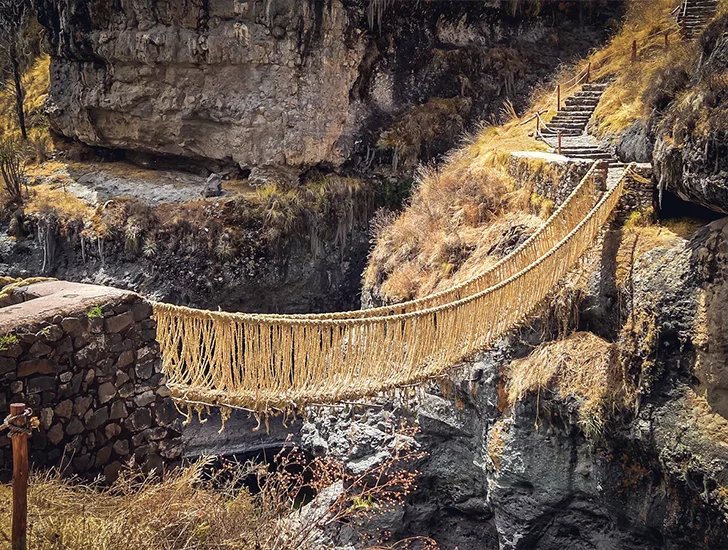
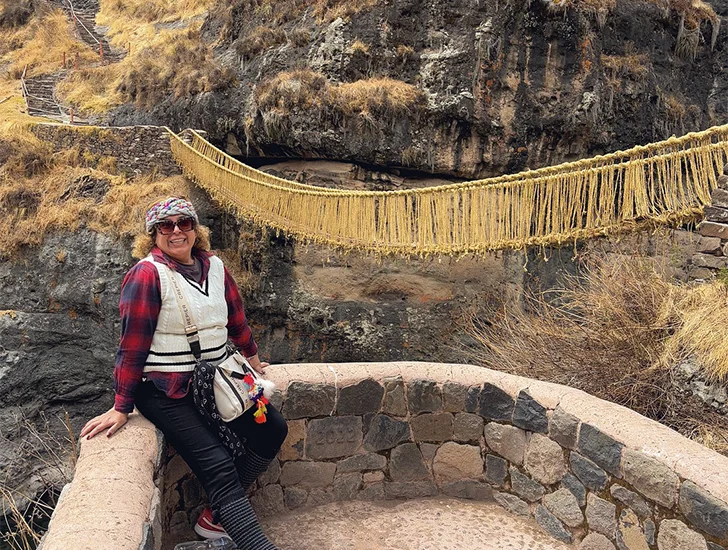
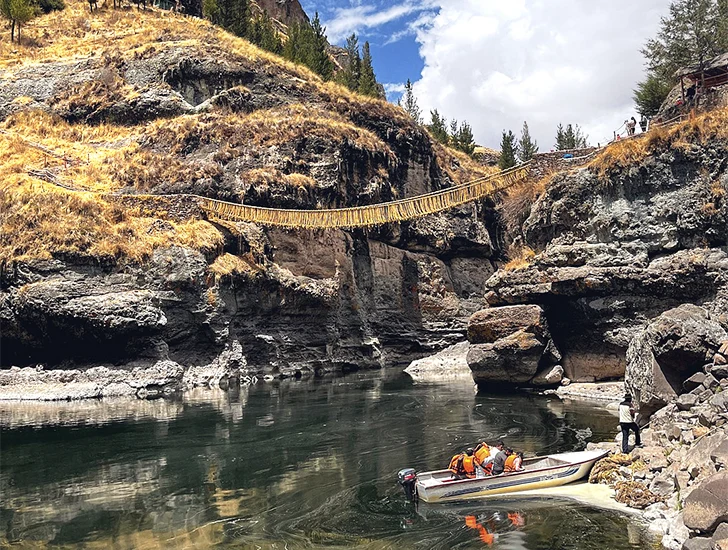
This isn’t a museum piece; it’s the Puente Queswachaca, the very last functioning Inca grass bridge. Imagine standing where ancient engineers stood, crossing a structure woven by hand. Located just a few hours from Cusco, the trip itself is a beautiful immersion into the quiet, stunning landscapes of the high Andes.
The magic of Queswachaca lies in its people. Every single year, local communities gather for a powerful, ceremonial act of renewal. They completely rebuild the bridge using only natural fibers and ancestral techniques passed down over six centuries. It’s an act of faith, community, and pure, enduring human spirit.
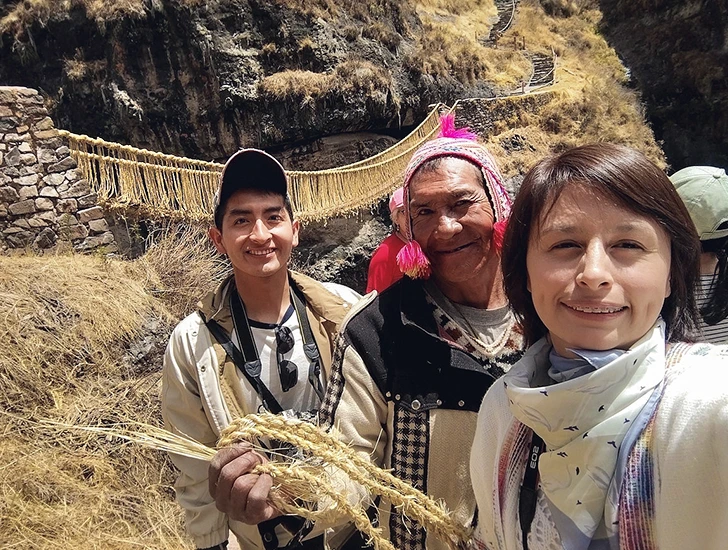
When you join one of our Queswachaca Tours, you’re not just a tourist taking pictures. You become a respectful witness to this unbroken lineage a living UNESCO tradition. If your heart is searching for authenticity, breathtaking scenery, and a moment that truly connects you to the resilient soul of Peru, the journey to the Puente Queswachaca is an essential part of your adventure from Cusco.
Group Services
Tour Queswachaca Bridge
This isn’t just about the bridge, though our full day Queswachaca Tour begins by tracing history through the picturesque Andean mountains, including a meaningful stop in the historic hometown of revolutionary leader Túpac Amaru II, all while offering spectacular views of high-altitude lagoons. It’s a complete cultural immersion where you get to witness the incredible engineering of the past, appreciate the stunning natural beauty of the present, and support the rich cultural traditions of the Quechua people, ensuring you return to Cusco with a profound sense of connection to the heart of the Andes.
Cost: 60 USD
Duration of Tour: 01 day
Location of the tour: district of Quehue, South of Cusco.
Nature of the Tour: Transportation by car, short walks.
Limitations of the Tour: remote location, elevation 12300 ft.
Operation subject to weather conditions.
Itinerary
DAY 1
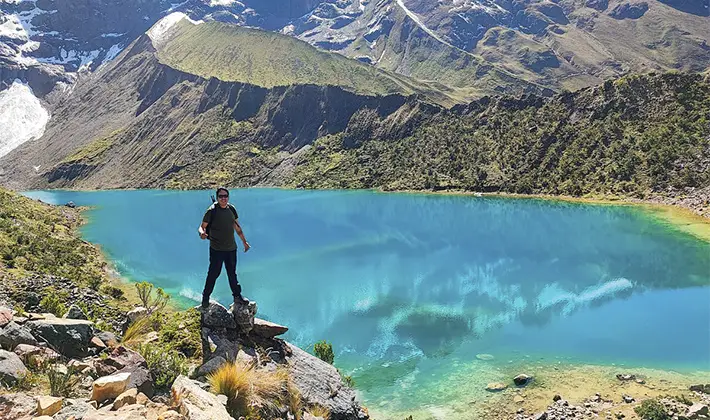
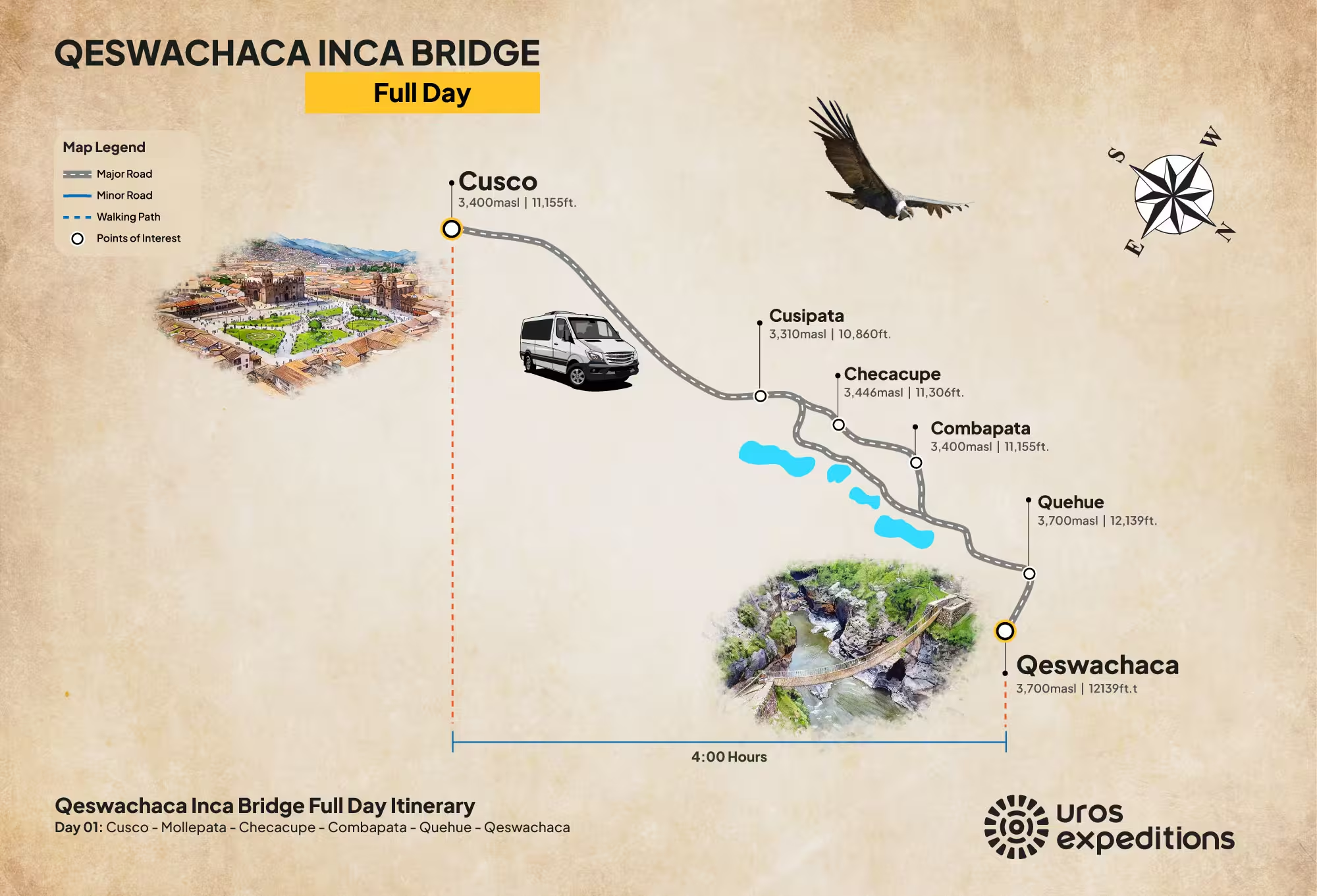
This full-day excursion takes you deep into the heart of the Andean mountains as we travel south for approximately 4 hours. Along the way, you’ll be captivated by breathtaking views of the stunning lagoons: Pomacanchi, Acopia, Asnacocha, and Pampamarca.
We will also visit a historic town, the birthplace of Tupac Amaru II, the revered leader who sparked Peru’s fight for independence and remains a powerful symbol of Andean identity.
Our journey culminates at the legendary Queswachaca Bridge, where you’ll step back into ancient times. Discover its fascinating origins, rich history, and the traditions that keep this last Inca bridge alive today.
After this unforgettable experience, we will retrace our route back to Cusco, concluding the day immersed in culture and natural beauty.
Included/Not Included
Your Tour Includes
- Round Trip Transportation: Comfortable, private tourist transport from your hotel in Cusco and back. We handle the logistics so you can relax.
- Professional Guide: An experienced, knowledgeable English-speaking local guide who specializes in Andean culture and history.
- Essential Meals: A hearty, locally sourced Breakfast and a fulfilling Lunch (often a picnic style or local restaurant meal) to keep you energized for the day.
- All Entrance Fees: The required Entrance Ticket to the Queswachaca Bridge and any other applicable community fees along the route.
Not Included
- Gratuities (Tips): Tips for your guide and driver are not mandatory but are highly appreciated for excellent service.
- Personal Water/Snacks: Please bring your own reusable water bottle. Any extra snacks or personal drinks beyond the provided meals.
- Horse Rental: If you choose to rent a horse for part of the trek from the local community, this cost is paid directly to the community members.
- Travel Insurance: We highly recommend securing comprehensive travel insurance before your trip.
Recommendations for Q'eswachaka tour
Given the high altitude and variable weather conditions of the Andes, proper preparation is key to enjoying your visit to the Queswachaca Bridge.
- Layered Clothing: The temperature can fluctuate wildly. Bring warm and light clothing that you can easily layer (thermal base, fleece, waterproof outer jacket).
- Footwear: Sturdy, waterproof hiking boots or shoes with good ankle support are essential for the terrain.
- Sun Protection: Due to the altitude, UV exposure is intense. Bring sun block (high SPF), a wide brimmed hat, and sunglasses.
- Hydration & Rain Gear: A reusable water bottle (at least 1.5L), and a lightweight rain poncho or waterproof jacket (especially during the wet season, November to April).
- Small Backpack: A comfortable daypack for carrying your layers, water, and camera.
Prices
GROUP SERVICE
$ 65 USDOur Shared Tour is the perfect blend of value and experience, allowing you to explore the Andes’ most incredible sights, like the Queswachaca Bridge, alongside a small, friendly group of fellow international travelers.
PRIVATE SERVICE
- 01 people 210 USD
- 02 people 150 USD
- 03 people 140 USD
- 04 or more people 125 USD
Travel Info Queswachaca
Let’s be honest: the Queswachaca Tour is a long haul, totaling 8 to 10 hours. Why so long? Because the Puente Queswachaca is located in a genuinely remote and pristine area, and getting there from Cusco takes about four hours each way. But don’t let the drive scare you; it’s an incredible visual gift, a true immersion into the authentic high Andean landscape. We carefully schedule our day to ensure that once we arrive, you have plenty of unhurried time to live the experience, cross the last Inca masterpiece, and take your photos.
The Altitude Factor: Your Most Important Tip
The biggest hurdle on this tour isn’t physical; it’s the air. The Puente Queswachaca sits at about 12,140 feet (3,700 meters) above sea level. The walk itself is easy, but the air is thin. Our most crucial advice? Take acclimatization seriously. Spend those two full days in Cusco resting, hydrating, and walking slowly. On the day of the tour, your simple mission is to drink water constantly and be honest with your guide if you feel even the slightest bit dizzy. We want you focused on the history, not on discomfort.
When to Go: Chasing the Best Light
If you’re dreaming of that crisp, blue sky photo of the Puente Queswachaca, the dry season (May through September) is your best bet. You’ll have the highest probability of sunny days and minimal mud. However, if your travels land during the rainy season (October to April), don’t worry! The tradition of the bridge continues, so just come prepared for rain gear and muddy spots. In return, you’ll get dramatic, beautiful cloud cover and incredibly green landscapes.
Your Smart Packing Strategy: Comfort in Layers
To stay comfortable during the long day, thinking about your packing strategy is key. The secret to Andean weather is layering: bring thermal underwear, a warm fleece, and a waterproof jacket to shield against wind and rain. Sturdy, broken in walking shoes are mandatory. And please, the high SPF sunscreen, sunglasses, and a hat are non negotiable, they are your shield against the intense high altitude sun. Also, remember: a reusable water bottle and energy boosting snacks are your best friends against the altitude.
Frecuently Asked Questions
-
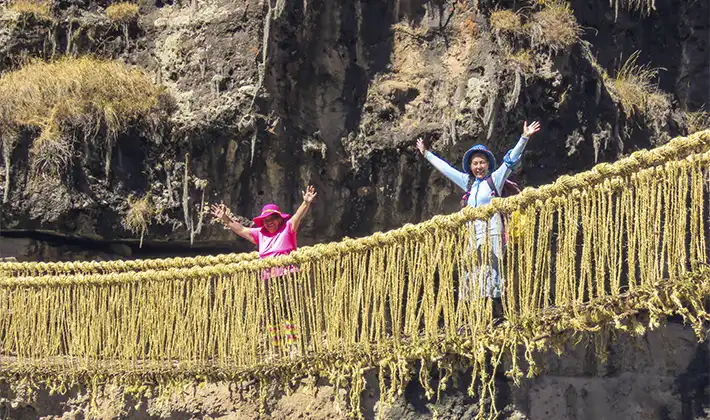
The architectural knowledge of the Incas continues to amaze the world today. In addition to building buildings against earthquakes, they also built bridges using plant fibers and wood, which are more resistant to earthquakes. Q’eswachaka, 28 meters long and 1.20 meters wide, is one of them. It is part of the Qhapaq Ñan, or Inca Trail, and is the only Inca bridge that survives to this day. how did he get it? Thanks to the help of the local residents who get together once a year to re-braid it and leave it fully usable. Every year in the second week of June, residents of the bridge area gather here to celebrate the Bridge Restoration Festival, which is a way to keep the bridge and its traditions alive. They used grass from the highlands of the Andes to build the bridge. The women weave itches, while the men remove the broken ropes and replace them with new ones.
But before all this, a payment ceremony is performed to the Pachamama, an Andean priest provides her with coca leaves, incense, sweets, etc. for his protection. On the third day after the villagers finish all the weaving of the bridge, there is a great celebration with local dances and as a start all the villagers cross the Q’eswachaka River.
The importance of the Q’eswachaka Bridge is so great that in 2013 UNESCO named it Intangible Heritage of Humanity.
This 01-day excursion option leads us to observe a group of 04 lagoons and the last Inca bridge that is still active and the villagers repair and maintain every year.
The Inca heritage in Peru is fascinating. From archaeological complexes with fascinating architecture to Inca bridges like the Q’eswachaka, which still exist today. Traditions, customs and great community solidarity surround this bridge, located three and a half hours from Cusco. Keep reading and find out all the details of his story!
For more than six centuries, every June in the Apurimac River canyon, 3,792 meters high, in Canas, one of the strangest traditions in Peru has been carried out: the construction of the last Inca bridge on Earth. Queswachaca.
-
The Q’eswachaka Bridge is located 180 kilometers south of Cusco. To get there you have two options: work with a travel company or go on your own. The first option of Q’eswachaka tour is the most convenient, and in Cusco you can find dozens of companies that offer this service. If you want an adventure you have to go from Cusco to Combapata and from there to Yanaoca and then in 60 minutes by private transport to Q’eswachaka.
This 01-day excursion option leads us to observe a group of 04 lagoons and the last Inca bridge that is still active and the villagers repair and maintain every year.
The Inca heritage in Peru is fascinating. From archaeological complexes with fascinating architecture to Inca bridges like the Q’eswachaka, which still exist today. Traditions, customs and great community solidarity surround this bridge, located three and a half hours from Cusco. Keep reading and find out all the details of his story!
For more than six centuries, every June in the Apurimac River canyon, 3,792 meters high, in Canas, one of the strangest traditions in Peru has been carried out: the construction of the last Inca bridge on Earth. Queswachaca.
-
If you want to take the Q’eswachaka Peru tours to visit other tourist attractions in the area, this is a great idea!
On the way to Q’eswachaka from Cusco you will discover four beautiful lagoons: Pomacanchi, Acopia, Asnaqocha and Pampamarca. The surrounding landscape and the fish that are seen in it are another wonder of the natural wonders of Cusco. Furthermore, immediately behind the last lagoon (Pampamarca) is the Pabellones volcano, only four meters high, which is considered the smallest volcano in the world.
This 01-day excursion option leads us to observe a group of 04 lagoons and the last Inca bridge that is still active and the villagers repair and maintain every year.
The Inca heritage in Peru is fascinating. From archaeological complexes with fascinating architecture to Inca bridges like the Q’eswachaka, which still exist today. Traditions, customs and great community solidarity surround this bridge, located three and a half hours from Cusco. Keep reading and find out all the details of his story!
For more than six centuries, every June in the Apurimac River canyon, 3,792 meters high, in Canas, one of the strangest traditions in Peru has been carried out: the construction of the last Inca bridge on Earth. Queswachaca.
-
Since then, with the arrival of the winter equinox, preparations for the bridge begin, as a festival, not only building it, but weaving it, year after year by hand, this historical ritual causes UNESCO to declare it cultural heritage in 2013. immaterial of humanity. The ceremony began with the dismantling of the bridge built the previous year. Specifically when seams or supports are cut from the sides and thrown into the river. From that moment on, women and children began to collect qoya or ichu, a straw material with which they weave ropes to make bases and railings. Over the next few days, as the ropes were woven and twisted, they began to be laid next to a large rug made of branches that would completely cover the floor of the platform. Once the bridge is built and woven, the leaders of each community dedicate the new structure in front of the others, enjoying a great feast of stew, drinks and traditional dances. In this festival this knowledge is transmitted from generation to generation, successfully transmitting the art, technology and culture of the Andean world through the centuries in a living way.
This 01-day excursion option leads us to observe a group of 04 lagoons and the last Inca bridge that is still active and the villagers repair and maintain every year.
The Inca heritage in Peru is fascinating. From archaeological complexes with fascinating architecture to Inca bridges like the Q’eswachaka, which still exist today. Traditions, customs and great community solidarity surround this bridge, located three and a half hours from Cusco. Keep reading and find out all the details of his story!
For more than six centuries, every June in the Apurimac River canyon, 3,792 meters high, in Canas, one of the strangest traditions in Peru has been carried out: the construction of the last Inca bridge on Earth. Queswachaca.
-
These temporary engineering works are carried out in shifts by all community workers using minks and are designed to carry out important public works, such as the construction of roads, bridges or the cultivation of land.
This art or experience of building bridges or building around communities has been passed down from generation to generation, allowing one of the greatest witnesses of the Inca civilization to remain intact to this day.
This 01-day excursion option leads us to observe a group of 04 lagoons and the last Inca bridge that is still active and the villagers repair and maintain every year.
The Inca heritage in Peru is fascinating. From archaeological complexes with fascinating architecture to Inca bridges like the Q’eswachaka, which still exist today. Traditions, customs and great community solidarity surround this bridge, located three and a half hours from Cusco. Keep reading and find out all the details of his story!
For more than six centuries, every June in the Apurimac River canyon, 3,792 meters high, in Canas, one of the strangest traditions in Peru has been carried out: the construction of the last Inca bridge on Earth. Queswachaca.
-
While independent travel is possible, booking our professional Queswachaca Tour ensures maximum safety and zero logistical stress. We handle the complex four hour drive, provide an expert guide who specializes in local culture and altitude safety, and manage all necessary entry fees. This eliminates the headache of coordinating remote public transport and allows you to fully focus on appreciating the historic Puente Queswachaca.
-
Absolutely! The Puente Queswachaca is meticulously maintained and ceremonially rebuilt every June by the local communities using ancestral techniques, which is why it has endured for six centuries. Safety is our top priority. Yes, you will have the opportunity to safely cross the bridge, guided by our staff. It’s the highlight of the day and a truly unforgettable part of the Queswachaca Tour experience.
-
Our shared Queswachaca Tours are designed to offer the best value for this unique cultural experience. The price guarantees you a seamless full day trip, including comfortable round-trip transportation from your Cusco hotel, a professional, English speaking guide, and all necessary entrance tickets. We also include essential meals (usually breakfast and lunch) so you don’t have to worry about finding food in remote locations.
-
The physical walking on the Queswachaca Tour is actually quite easy and manageable for most people, including families. However, the elevation (around 12,140 feet / 3,700 meters) requires respect. We strongly recommend spending at least two days acclimatizing in Cusco before you book. Our guides are equipped with first aid kits and oxygen tanks, and they are trained to offer constant advice to ensure your comfort and safety throughout the day.
Group Services
If you would like private service, you can contact our advisor inquire about our prices.
What our customers say on Tripadvisor
Similar Queswachaca Tours (Full day) that you may like