


Peruvian Food Favorites Classics
Peruvian gastronomy embodies history, geography, and cultural fusion, where influences from the Pacific coast, the Andes dressed as mountains, and the Amazon rainforest connect or land together to develop a national kitchen; this merging forms one of the most diverse and admired gastronomies in the world. Peruvian cuisine is rooted in indigenous traditions and enriched by Spanish, African, Chinese and Japanese cultures.
Peruvian cuisine is nourished by both creativity and emotive attachment to the food to share a story, whether you are participating in local markets in Lima, or afar and enjoying the world food shed identifier as Peruvian.
What Makes Peruvian Gastronomy So Special
The magic of Peruvian cuisine lies in its ability to blend ingredients and techniques from different regions. On the coast, you’ll find seafood-based dishes bursting with freshness. In the Andes, hearty traditional Peruvian meals feature potatoes, corn, and fire-cooked meats. Deep in the Amazon, exotic fruits and freshwater fish add a tropical touch.
Centuries of cultural exchange have created a rich identity of traditional Peruvian cuisine. What began as a blend of indigenous and colonial cuisine evolved with Asian influences to become a modern culinary movement. This diversity explains why Peru food has become a global benchmark for gastronomy, combining tradition, innovation, and respect for local produce.
How Peru Became a Global Culinary Star
Over the past few decades, Peru gastronomy has achieved international prominence as one of the world’s top food destinations. Lima, the capital city, is full of award winning restaurants and chefs like Gastón Acurio and Virgilio Martínez, who transformed traditional foofs of Peru into fine dining whilw maintaining their authenticity.
The success of Peru food lies in its deep connection to the land ingredients like quinoa, yellow chili, and corn are related back to the fields of the ancient Inca, to the kitchens around the world. This blend of history and creativity, benchmark mark and continues to inspire chefs and travelers.
Coastal Delights, The Heart of Peruvian Food
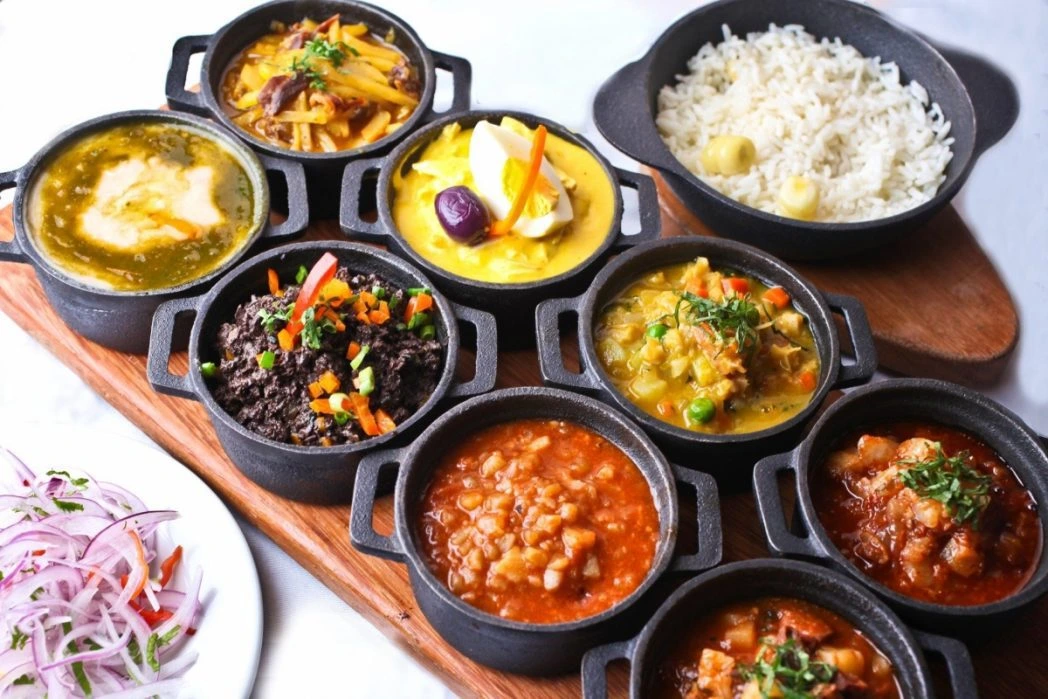
The Peruvian coast is home to some of the most iconic traditional foods of Peru. The Pacific Ocean provides endless seafood, shaping the national palate and defining traditional Peruvian food at its finest.
Ceviche The King of Peruvian Cuisine
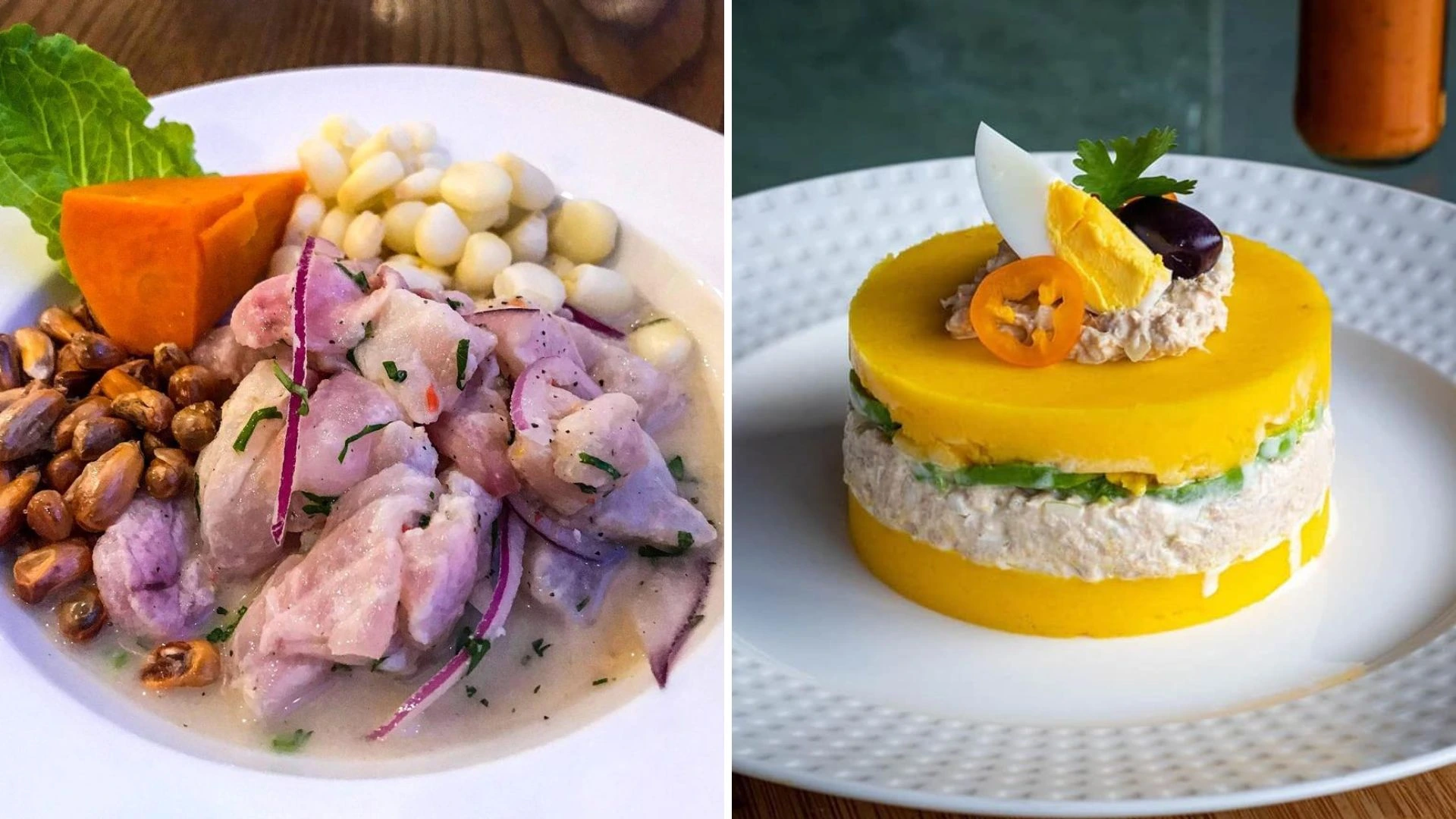
Ceviche is the national symbol of Peruvian cuisine. Raw fish marinated in lime juice with red onion, chili, and cilantro provides a balance of acidity and spiciness. Ceviche traditionally is served with corn, sweet potato, and lettuce.
Each region has its own twist on it, but Lima’s remains the most popular. Ceviche is more than just a dish to Peruvians; it’s a tradition that connects them with the sea and their roots.
Causa Limeña, A Fresh Taste of Lima
Causa Limeña is a chilled dish consisting of layered mashed yellow potatoes flavored with lime and chili, with a filling of salad made from chicken, tuna, or seafood. Light, vibrant, and refreshing, it is one of the best Peruvian food appetizers and a proud expression of Lima’s creativity and flavor.
This starter maintains its roots from pre-Columbian days and represents the ingenuity of Peruvian cooks who have used native ingredients such as the yellow potato, one of the 4,000 varieties of potatoes that Peru has.
Warm Comforts, The Soul of Traditional Peruvian Meals
As one leaves the coast and navigates to the Andes, the food grows richer and heartier. Families usually prepare these recipes with affection and serve them on holidays and during simplest of meals.
Ají de Gallina, Creamy and Delicious
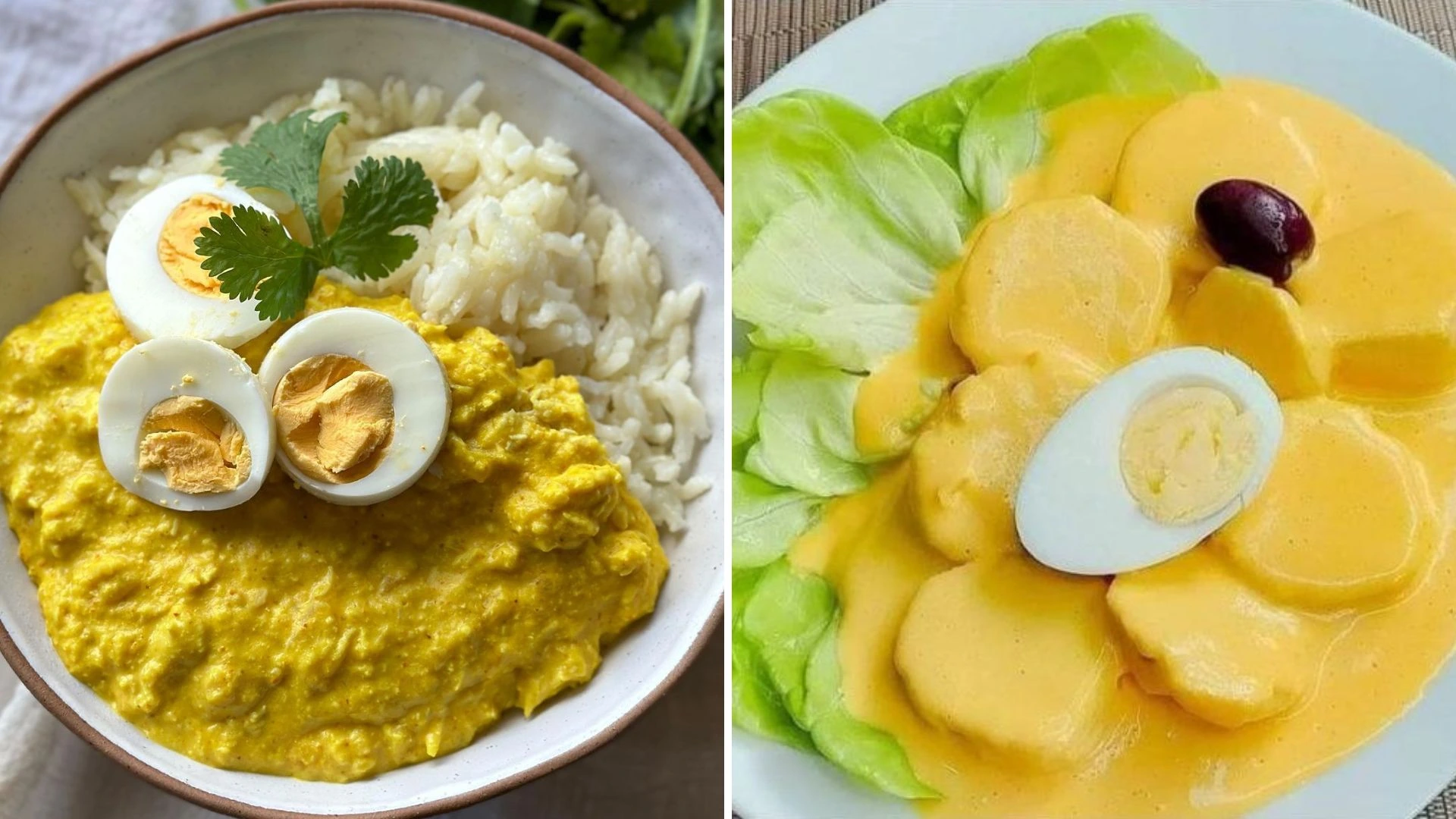
Ají de Gallina is one of the most satisfying dishes in Peru. Shredded chicken cooked in a creamy sauce made with milk, bread, and yellow chili is served with rice, olives, and hard-boiled egg. Flavors are mild, but the comforting satisfaction it brings, is both smooth and deeply pleasing, topped with just the right hint of spiciness to twist it.
The dish is a blend of Spanish-Andean tradition and perfectly brings together warmth and texture in traditional Peruvian food.
Papa a la Huancaína, A Classic Highland Starter
This dish originated in the Andean town of Huancayo, and is now a beloved food throughout the country of Peru. It consists of slices of boiled potato topped with a sauce made from cheese, yellow chili, and milk.
It is typically served cold, and is often served as an appetizer at family and social gatherings. While it may seem simple, it encapsulates the genre of traditional Peruvian cousine through rich flavors that originate from simple ingredients.
Fusion and Flavor, Asian Influence in Peruvian Food
Peru’s long history of immigration brought about new ingredients and cooking techniques, particularly from China and Japan. This resulted in the development of Chifa and Nikkei cuisines, which are famous for their blend of Peru food and Asian tastes.
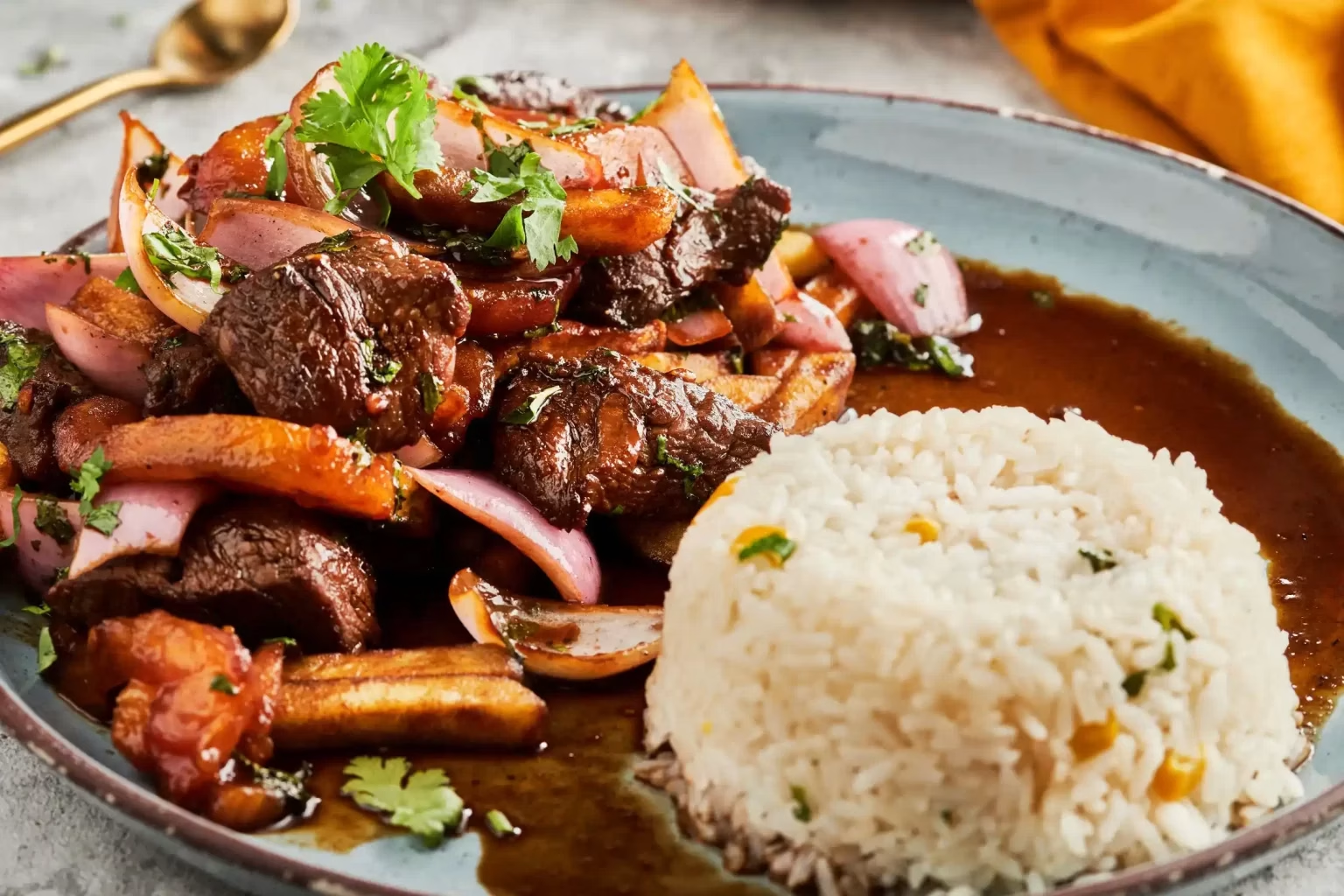
Lomo Saltado A Stir-Fry with a Peruvian Twist
Lomo Saltado is the perfect embodiment of this cultural exchange. Strips of beef are stir-fried in a wok with onions, tomatoes, vinegar, and soy sauce and served with rice and fries. The smokiness and juiciness of the meat combined make it a national sensation and part of traditional foods of Peru.
This dish is representative of the way that Peruvians took foreign influences and made them uniquely their own.
Ancient Recipes from the Andes
Peruvian traditional cooking high in the mountains is still strongly influenced by ancient Inca tradition and an abiding relationship with nature. The Andes are a living culinary heritage museum where food is considered an offering to the earth and part of traditional food of Peru.
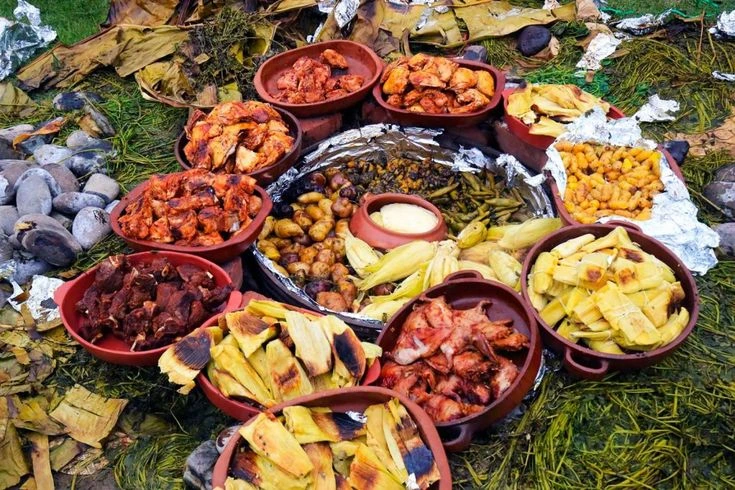
Pachamanca, Cooking in the Earth
Pachamanca Cooking is one of the oldest cooking traditions in Peru. The name means “earth pot” in Quechua. In Pachamanca, meats, potatoes, corn, and herbs are loaded on hot stones underground and covered with dirt to cook slowly. This traditional way highlights the connection to a living force called Pachamama, or Mother Earth, and is still practiced today in festivals and family gatherings in the Andes.
Quinoa The Andean Superfood
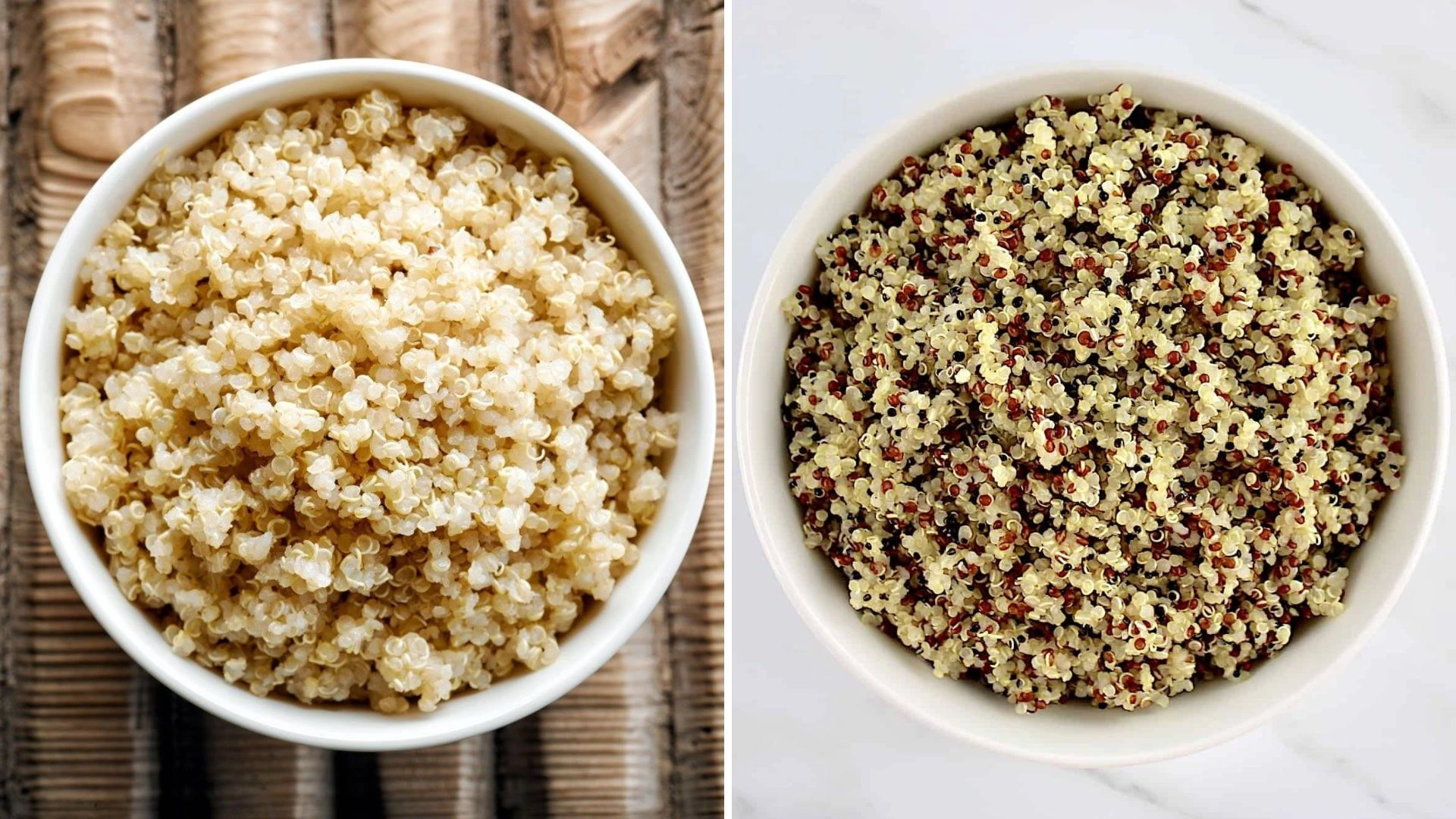
Long before quinoa became a worldwide health food phenomenon, it was a revered crop among the Incas. Packed with protein and minerals, quinoa is often found in soups, stews, and salads. Farmers have been growing this crop in the Andes for thousands of years, and it showcases both sustainable farming practices and the ability to survive.
Today, quinoa continues to symbolize traditional Peruavian food, agricultural abundance and cultural pride.
Southern Flavors: The Pride of Arequipa
Situated at the foot of volcanoes in southern Peru, Arequipa is known for culinary traditions and a regional identity that flourish. Arequipeña food is prominent, heavy-handed fare, that is rich in flavor and adherent to the use of local products and ingredients in traditional Peruvian meals.
Rocoto Relleno, The Spicy Icon of Arequipa
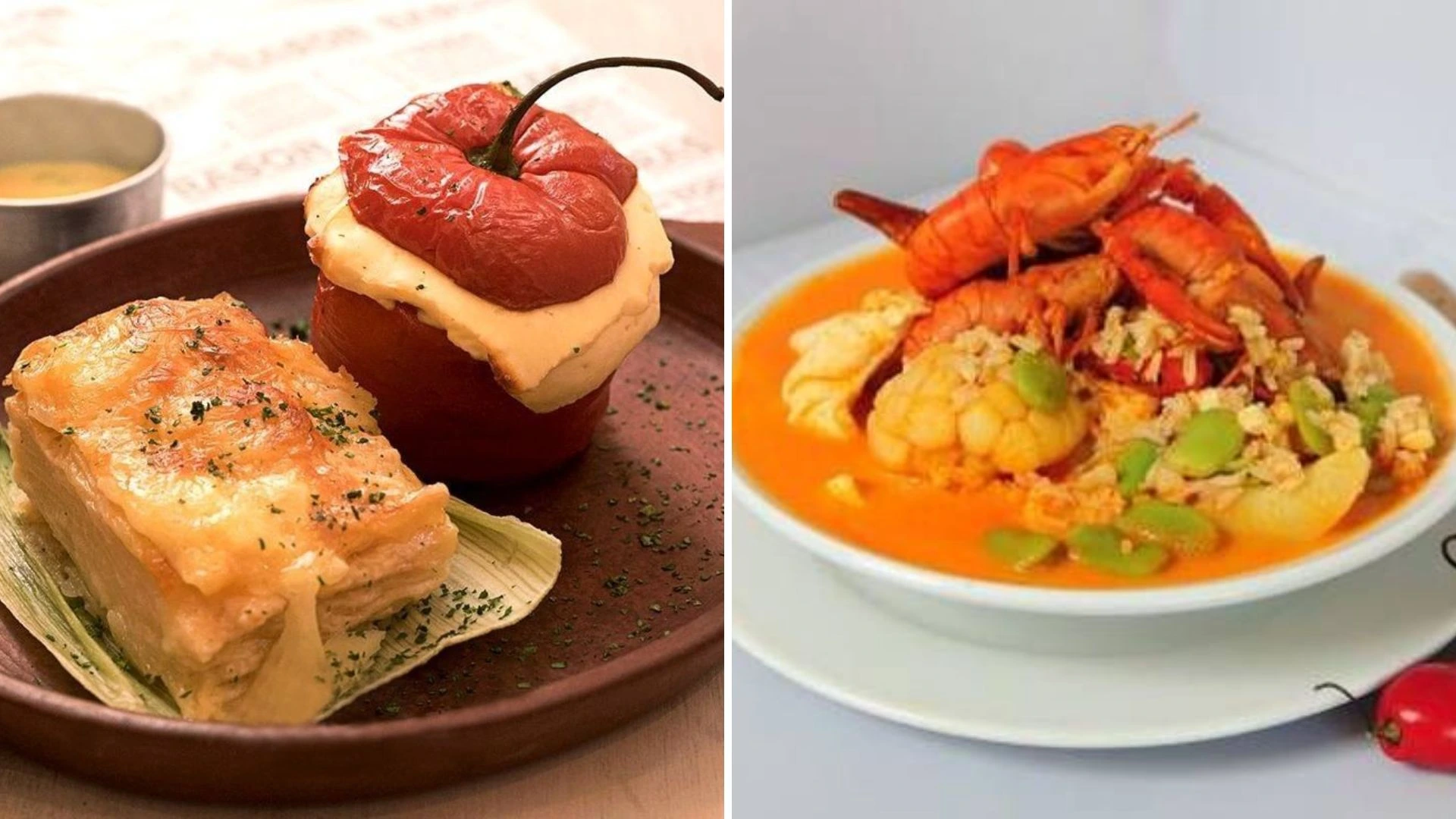
Rocoto Relleno is a red pepper filled with ground beef, cheese, and vegetables and is baked until soft. Although it is colorful, it is usually very spicy. Rocoto Relleno is often accompanied by a creamy potato dish called pastel de papa.
This dish represents Arequipa’s bold flavors and imaginative use of native chilies, standing as one of the best Peruvian food icons in the south.
Chupe de Camarones, A Creamy Shrimp Stew
Chupe de Camarones is one of Perú’s famous soups. It consists of shrimp, potatoes, cheese, eggs, and milk, making a filling and delicious meal that describes the richness of river and ocean resources in the region.
It combines local ingredients and colonial influences, capturing the timeline of the evolution of Peruvian cuisine.
The Exotic Side of Peru’s Food
Many of the traditional foods of Peru may shock visitors with their intensity and connection to ancient history. They are representative of the country’s respect for all components and the length of its culinary tradition.
Cuy A Historic Andean Delicacy
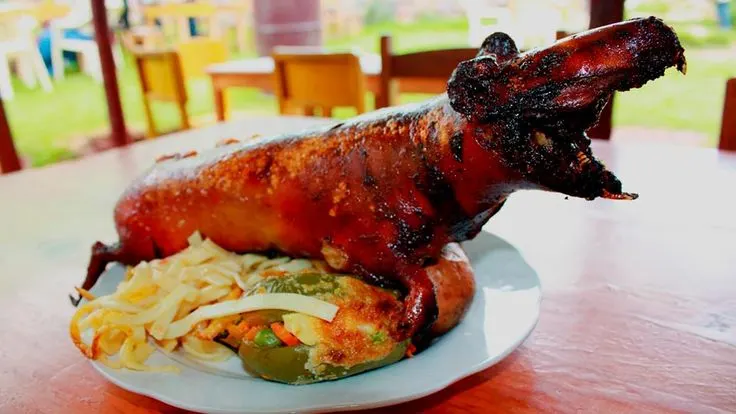
Cuy, or guinea pig, is likely to be the most traditional dish of the Andean plateaus. Served roasted or fried, a protein-rich dish that has been served on special days and during ceremonies for thousands of years.
It may seem alien to foreign visitors, but it represents celebrations and cultural heritage to local people. Visitors usually try cuy in Cusco, Arequipa, or Puno as part of the traditional food Peru experience.
Desserts and Sweet Endings
Desserts from Peru are a great way to end a meal. They incorporate tropical fruits, dairy and a touch of colonial influence found across traditional Peruvian food.
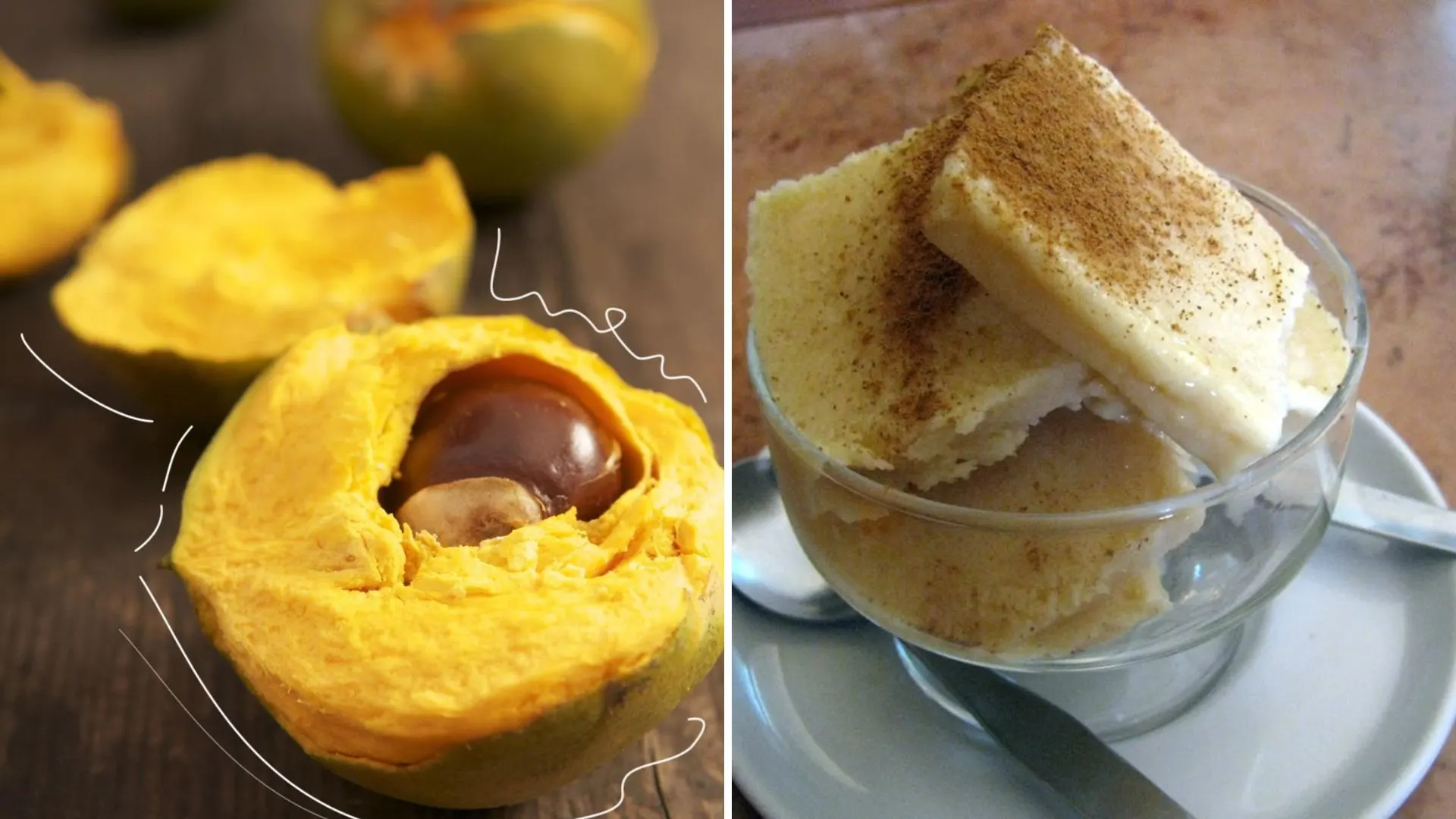
Lucuma and Queso Helado Sweet Symbols of Peru
Lucuma is a native fruit with a smooth, caramel flavor that can be seen in ice cream, cakes, and pastries. Lucuma is one of the most commonly found flavors in desserts from Peru.
In Arequipa, there is a frozen dessert, Queso Helado, which is flavored simply with milk, cinnamon, and coconut, although its name might imply otherwise. This frozen dessert loosely resembles a homogenized version of ice cream and is traditionally found in local markets or at festivities, showcasing the creativity of traditional Peruvian cuisine.
Peru Gastronomy
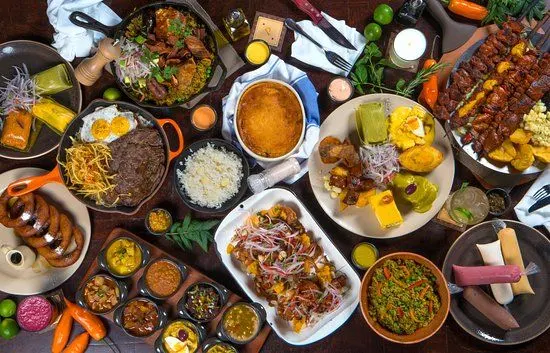
Peru’s food system is characterized by its landscapes, peoples, and traditions, as it ranges from the Amazon jungle to the Andes and out to the coast, each region contributing something distinctive to traditional foods of Peru.
Cusco Gastronomy: Ancient Flavors That Last
Traditional meals in Cusco continue to honor the cultural lineage of the Incas, and common recipes (adobo, chicharrón, and quinoa soups) reveal the profound relationships between food, land, and spirituality, part of traditional Peruvian meals that endure through generations.
Why Peruvian Food Is Famous Worldwide
Peruvian cuisine has become renowned for its diversity, authenticity, and creativity. It is not only a matter of taste but one of identity and community as well. Every dish, whether prepared in Lima or abroad, tells a story of creativity bred from cultural togetherness.
Eating traditional food of Peru is not just a meal but a way to find the soul of a nation that lives life with maximum passion through its taste.
Frequently asked questions about Peruvian Food Favorites Classics
The most popular Peruvian dish is ceviche, made with fresh fish marinated in lime juice, onion, and chili. It’s the national symbol of Peruvian food and a must-try in Lima restaurants.
Peruvian gastronomy is unique because it blends ancient Andean traditions with Spanish, African, Chinese, and Japanese influences. The diversity of climates and ingredients creates some of the best Peruvian traditional dishes in the world.
The best Peruvian restaurants are found in Lima, the capital of Peru, which is known as South America’s culinary hub. However, you can also enjoy Peruvian food near me in major U.S. cities like New York, Los Angeles, and Miami.
Most traditional Peruvian meals include staples like potatoes, corn, chili, and quinoa, often paired with fresh fish or meat. These ingredients form the base of Peruvian food traditional dishes across regions.
Not all Peruvian food is spicy most dishes use mild peppers like ají amarillo, which adds flavor without overwhelming heat. Still, if you love spice, you’ll find plenty of fiery Peruvian dishes to enjoy.


