


During the Alternative Trek or Inca Trail Trek to Machu Picchu, your main luggage can be stored at our office in Cusco or at your Cusco hotel. You will receive a small duffel bag at your briefing in which you can pack your clothes and sleeping bag for 3-4 days. Your team of porters or horses (depending on which trek you are on) will carry these bags together with the food and equipment for the trek. Please note: you will not have access to these items until the end of each day as the porters or pack horses will always be ahead of the group. Please plan to carry your day backpack containing your personal belongings such as your camera, water and sunscreen, etc. By Peruvian law, a duffel bag must not weigh more than 7 kilograms (15lbs). This limit is set to protect the health of the porters or horses. All bags will be weighed before being accepted. If you require more than 7 kilograms, it will then be your responsibility to carry the extra weight with your day pack. In this 7 kilos, please count 2 kilos for your sleeping bag and 1 kilo for your sleeping pad. This leaves you about 4 kilos for your personal gear.
Essential Preparations: What to Pack for Your Adventure on the Inca Trail and Alternative Treks to Machu Picchu
The Inca Trail and alternative routes like Salkantay, Lares, and Choquequirao are more than just hikes; they are epic journeys that take you through some of the most breathtaking and diverse landscapes in the world. From the snow-capped peaks of the Andes to the lush tropical jungles, these trails will not only test your physical endurance but also your ability to adapt to rapidly changing weather conditions and varied terrains.
One of the keys to having a successful and memorable experience is meticulous preparation, and that starts with packing the right gear. Whether you’re facing high altitudes, sudden downpours, or chilly nights, having the proper clothing, footwear, and accessories can make the difference between a comfortable adventure and a challenging ordeal.
In this section, we’ve compiled a comprehensive list of everything you’ll need to be well-prepared. From technical clothing and specialized footwear to essential health and safety items, this guide will help ensure you’re fully equipped for your journey. Get ready to make the most of this once-in-a-lifetime experience with everything you need at your fingertips!
Preparing at the Cusco Station: Climate, Seasons, and What to Pack for Your Adventure
Cusco, the historic city in the Peruvian Andes, serves as the gateway for many adventures, including the iconic Inca Trail and alternative routes to Machu Picchu. Planning your trip involves more than just choosing your trekking route; it’s also crucial to understand Cusco’s climate and pack accordingly. Proper preparation and packing the right gear are essential steps to ensure a safe and comfortable experience.
Cusco experiences two main climate seasons: the dry season and the rainy season. The dry season, lasting from May to October, is the most popular time for trekking due to its sunny days and clear skies. During this period, temperatures can be warm during the day, but nights can get very cold, especially at higher altitudes. If you’re traveling during the dry season, it’s essential to pack layered clothing to adapt to the temperature changes, including a waterproof jacket for occasional rain and thermal clothing for the chilly nights.
On the other hand, the rainy season, which runs from November to April, brings more humidity and frequent showers. Although the temperatures are milder, the rain can make trails slippery and more challenging. If you’re planning to hike during the rainy season, make sure to pack high-quality waterproof clothing, trekking boots with good grip, and covers for your backpack and gear. It’s also a good idea to pack extra clothing in plastic bags to keep it dry.
When packing your belongings at the Cusco station, consider these climate factors and any weight limitations imposed by porters on your trek. Packing light but with the essentials is key to a pleasant experience. From technical clothing and safety accessories to items that will keep you comfortable and dry, ensuring you have everything you need will make your adventure unforgettable.
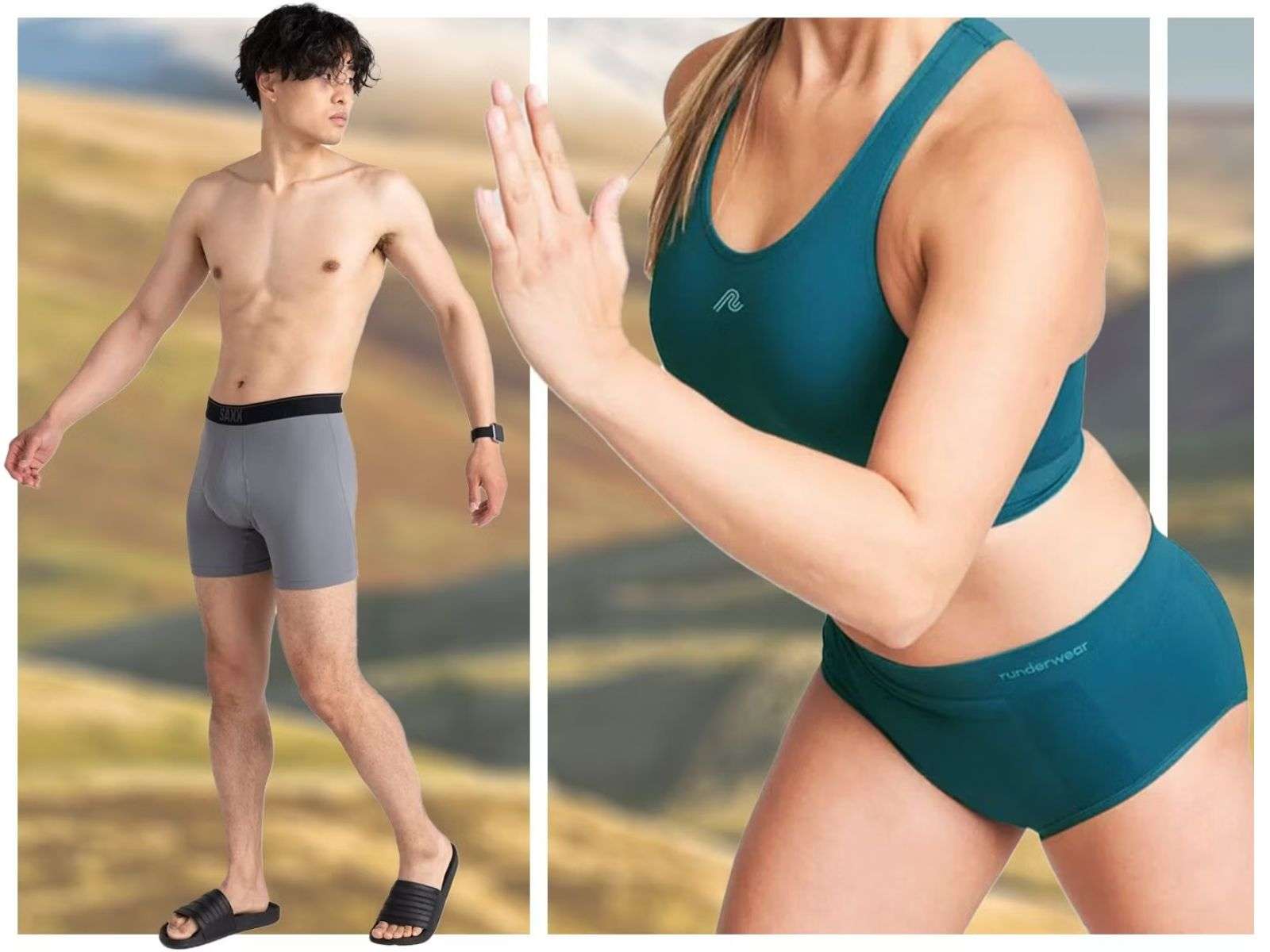
Underwear
Make sure to pack 2-3 pairs of performance underwear for trekking. Most sports brands offer this type of gear, so it’s worth doing some research to find the option that best suits your needs.
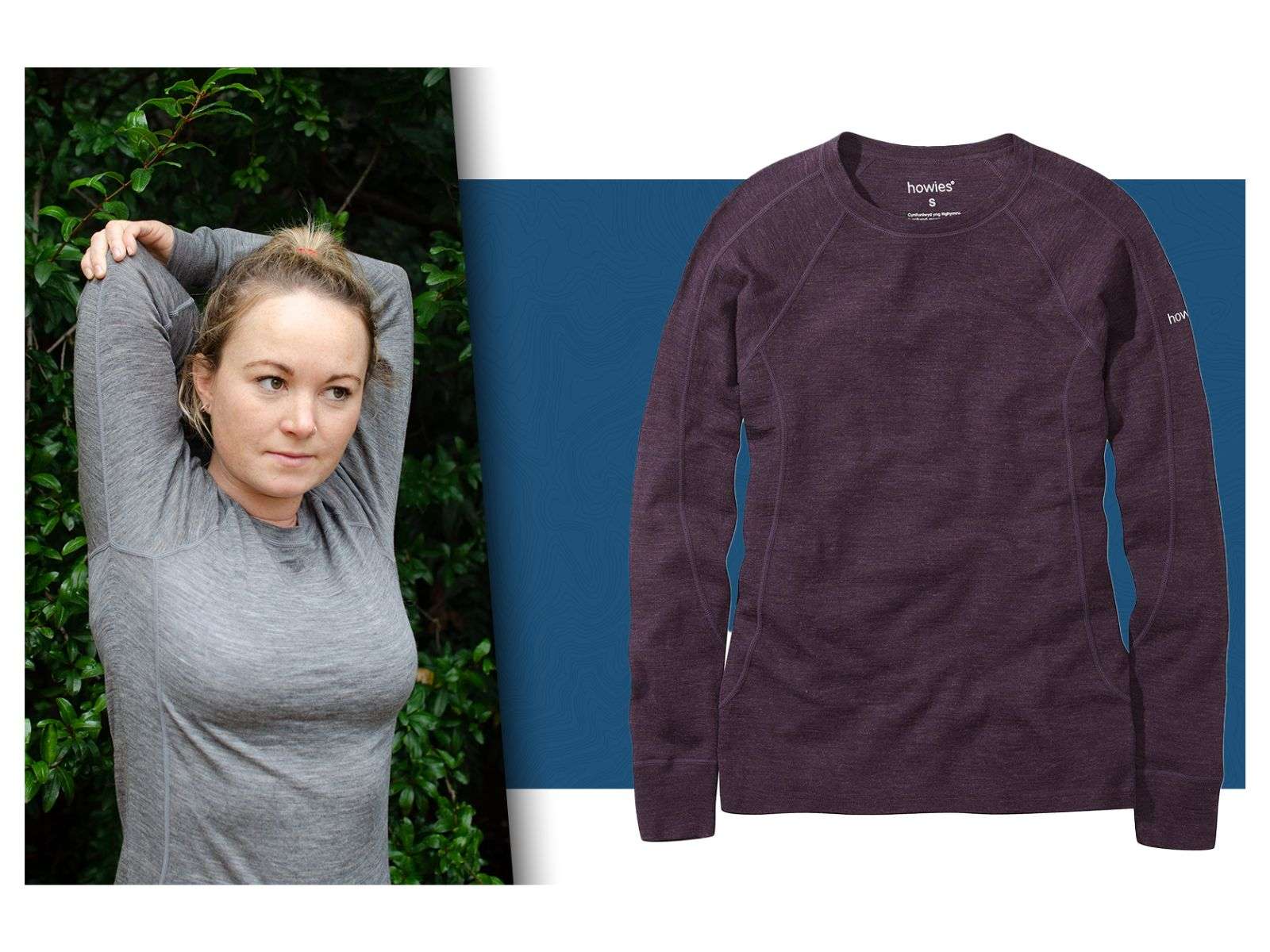
Base Layer
Consider bringing 2-3 pairs of leggings or thermal pants for trekking. These are essential for comfort and warmth, especially during colder nights or higher altitudes. Most outdoor and sports brands offer high-quality options, so it’s a good idea to research the best fit for your needs.
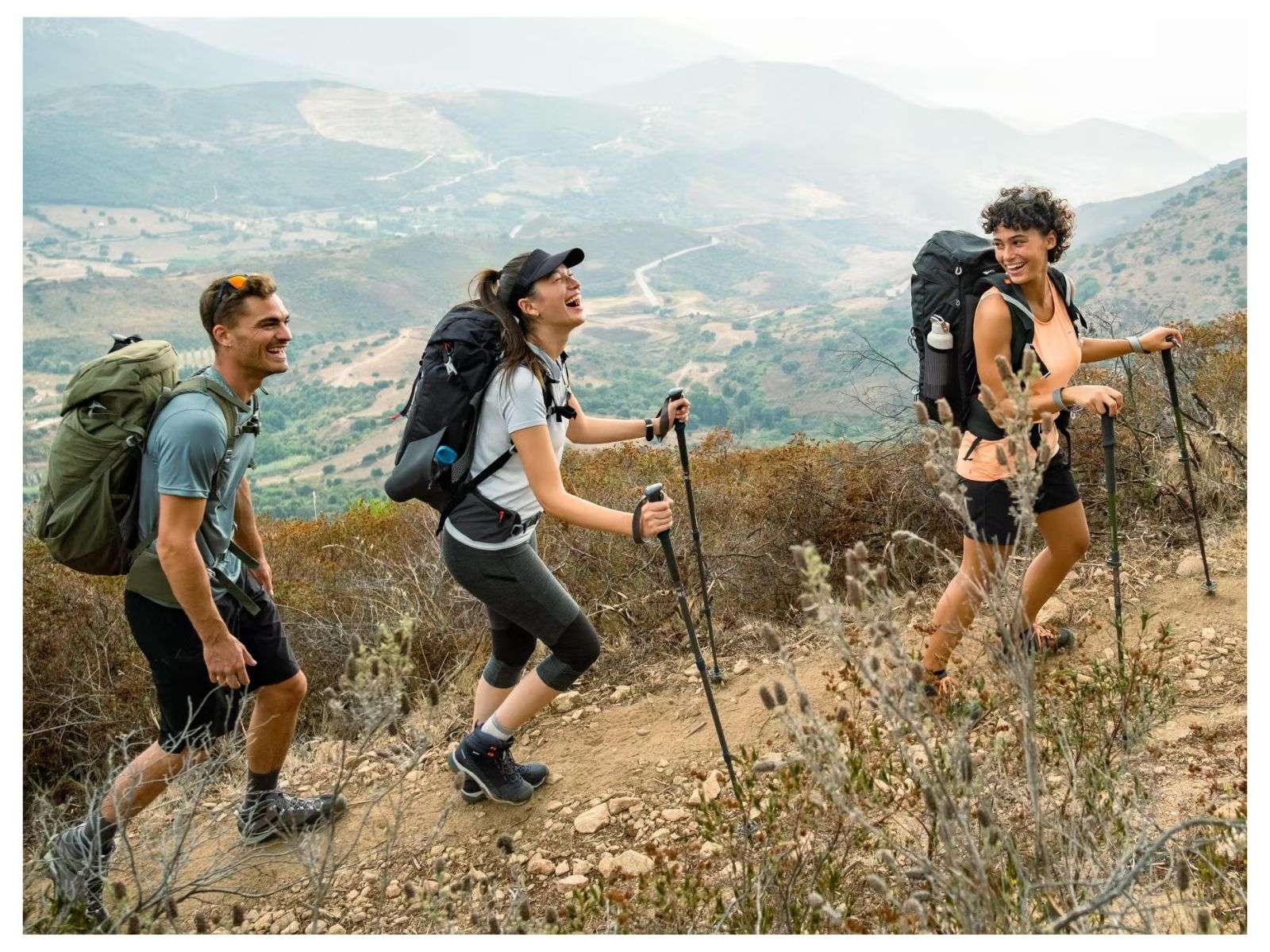
hiking shirts
It’s advisable to bring 2-3 quick-drying hiking shirts. These shirts are designed to keep you cool and comfortable during your hike, as they wick away moisture and dry quickly. You can find a wide range of options from outdoor clothing brands, so it’s worth researching to find the best fit for you.
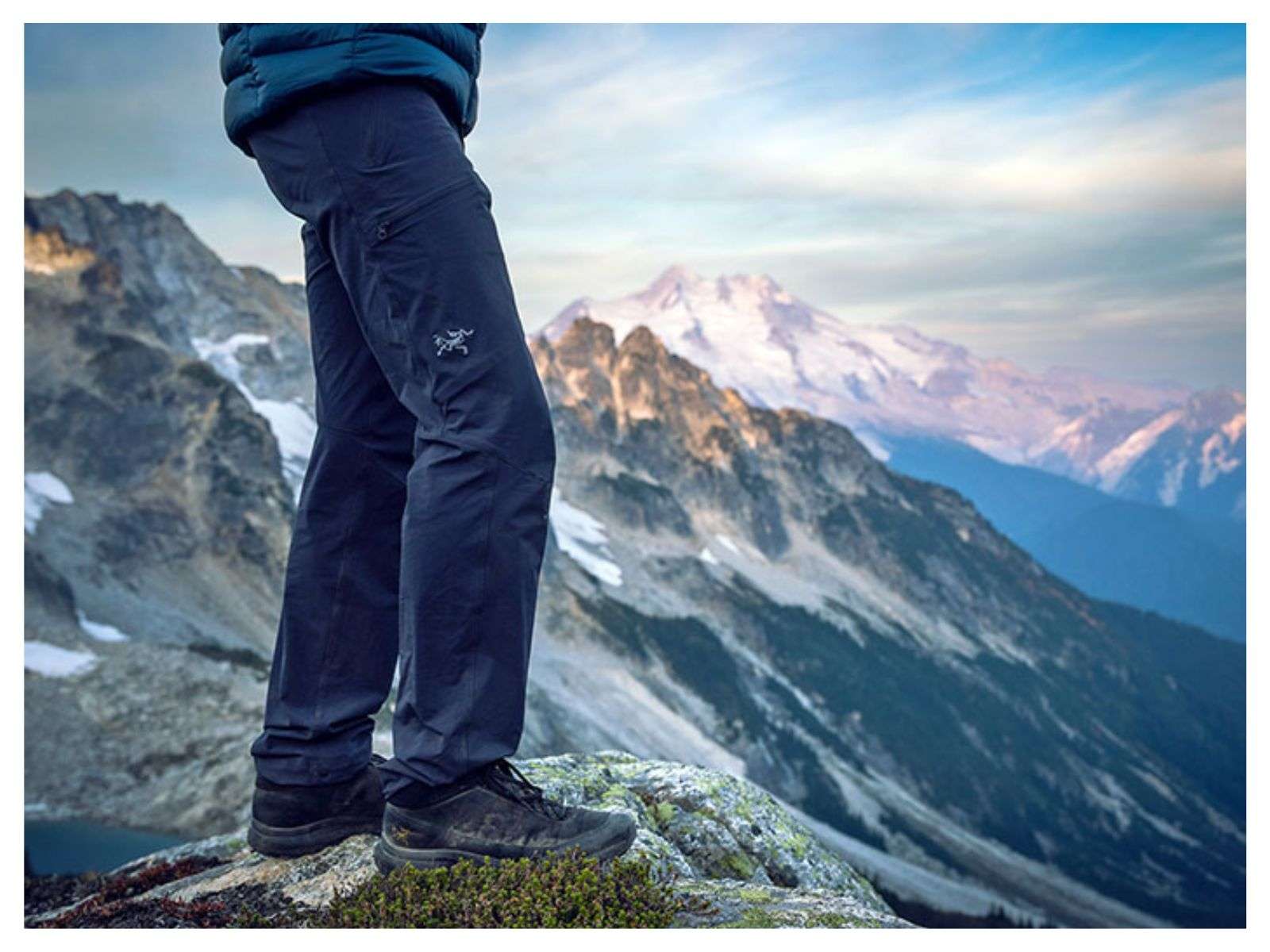
Trekking pants
It’s important to pack 1-2 pairs of trekking pants. Look for lightweight, breathable, and quick-drying options that offer flexibility and comfort on the trail. Many outdoor brands provide pants with features like convertible legs, which allow you to adjust to changing weather conditions. Take some time to explore different brands and models to find the pair that best meets your trekking needs.
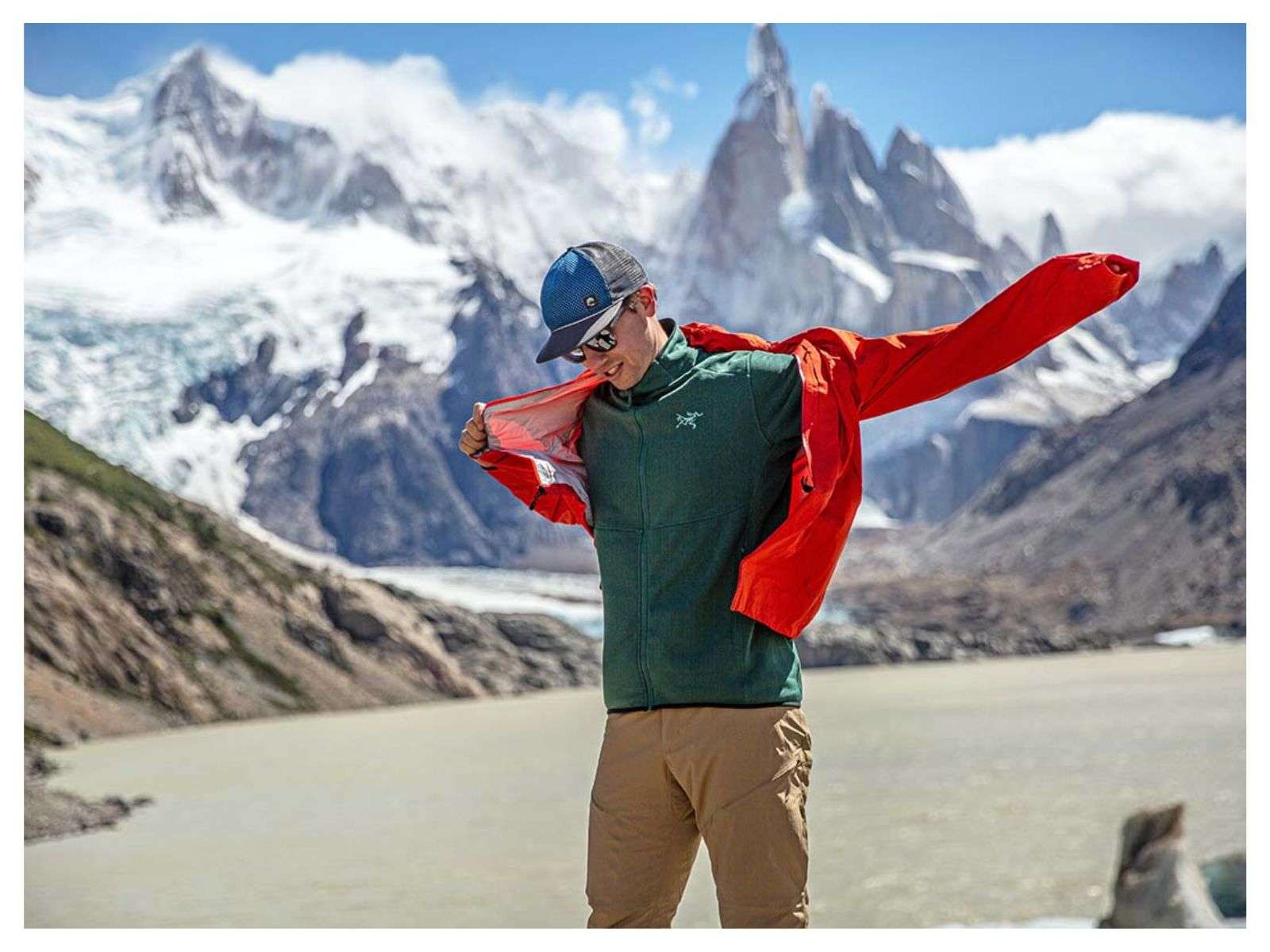
Fleece jacket or mid-layer
Make sure to bring a fleece jacket or mid-layer. These are essential for providing warmth during colder mornings and evenings on the trail. Look for options that are lightweight, breathable, and easy to layer under a waterproof jacket. Many outdoor brands offer high-quality fleece jackets that are perfect for trekking. Take some time to research and find the one that best suits your needs.
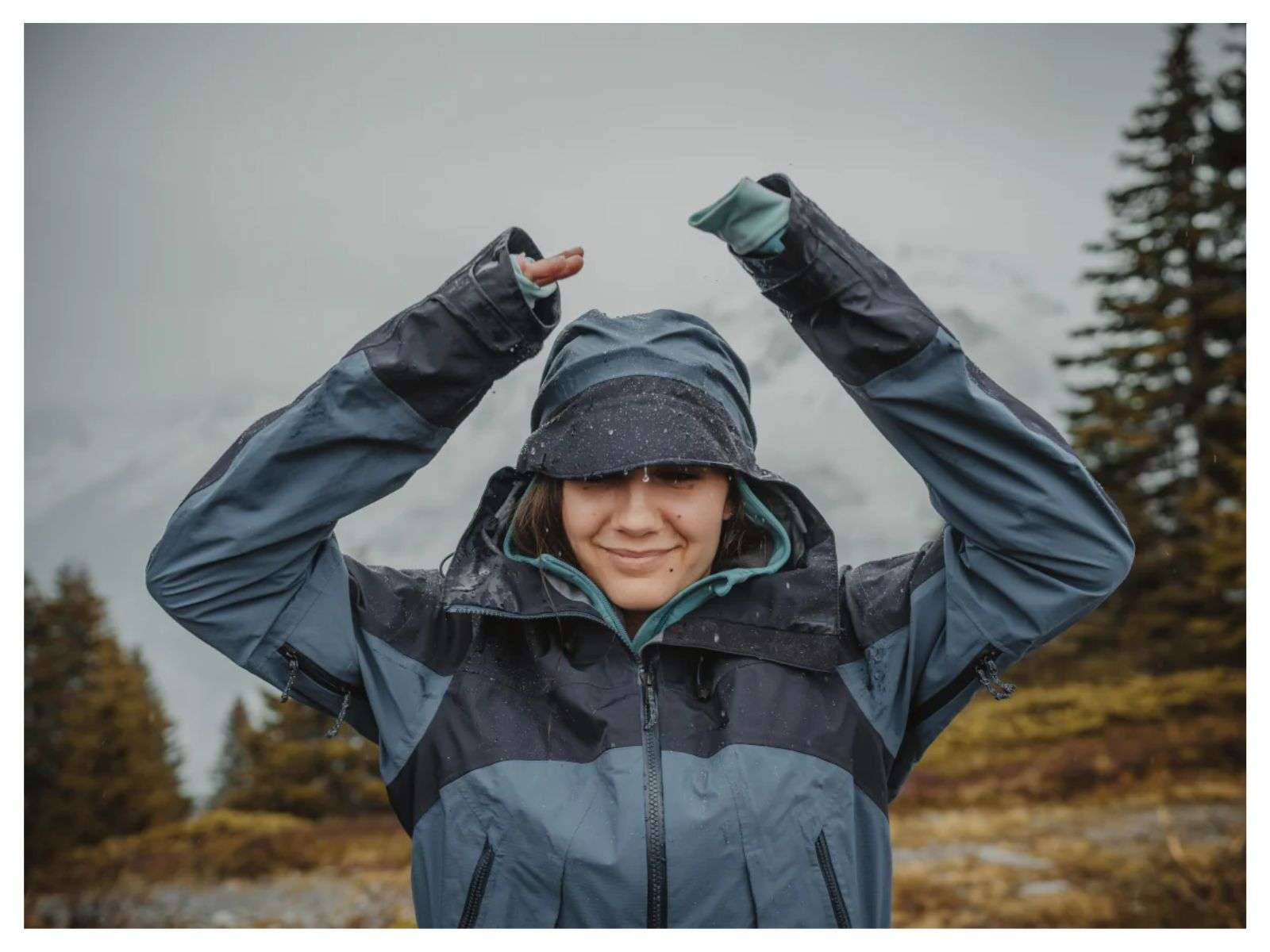
waterproof jacket
It’s essential to bring a waterproof jacket. This piece of gear will protect you from rain and wind, keeping you dry and comfortable during your trek. Look for a jacket that is lightweight, breathable, and easy to pack, making it ideal for the variable conditions in the mountains. Many outdoor brands offer high-quality waterproof jackets, so take some time to research and find the one that best suits your needs.
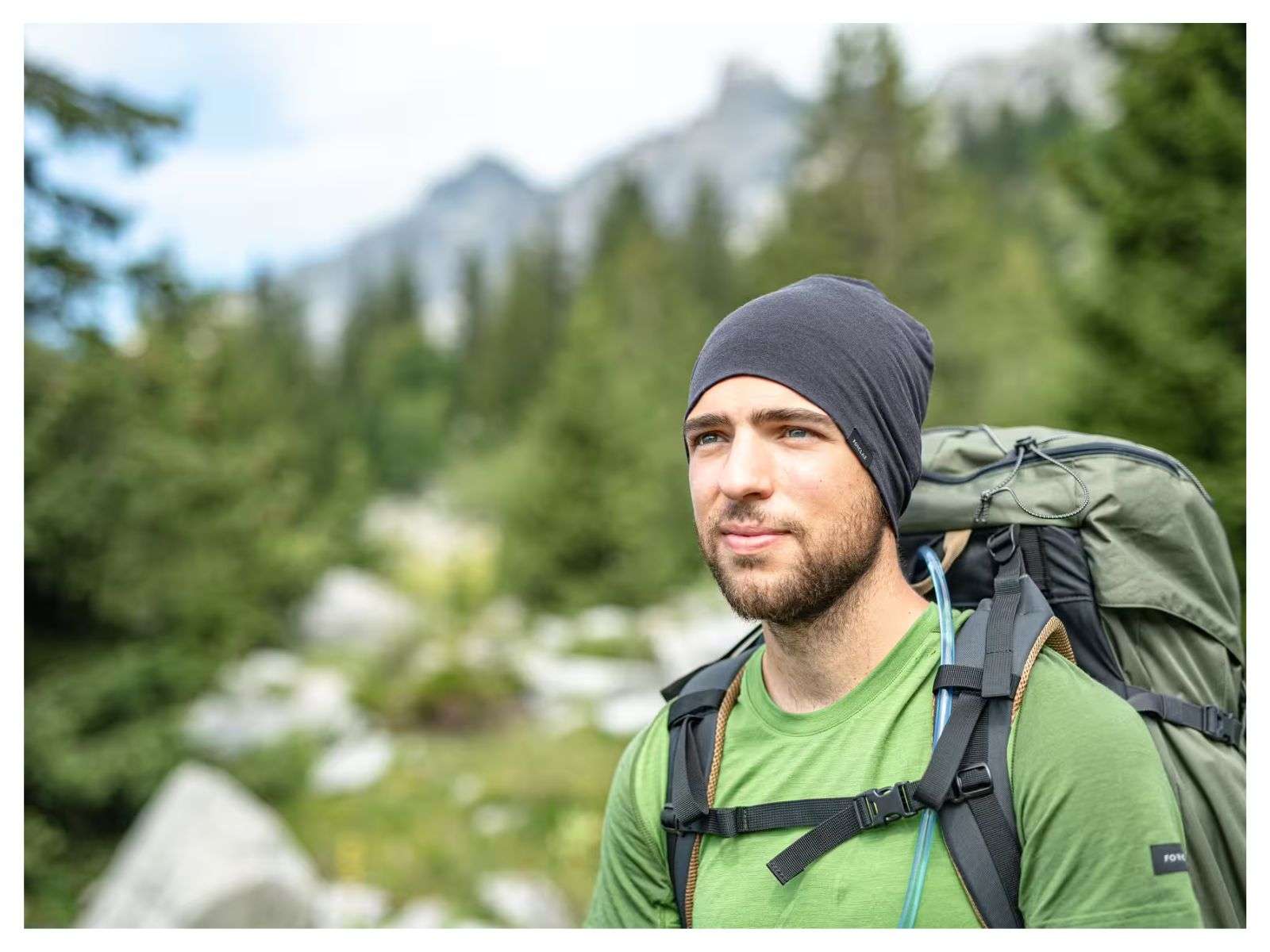
Fleece Hat
A fleece hat is essential for keeping your head warm during the cold mornings and nights you’ll experience on the trail, especially at higher altitudes. Look for a hat that is lightweight and made of breathable materials, such as polyester fleece, which offers excellent insulation without adding bulk. It should fit comfortably under a hood or helmet if needed and be easily packable when the temperatures rise.

Sunglasses
Sunglasses are crucial for protecting your eyes from the intense sun, which can be particularly harsh at high elevations. Choose sunglasses with UV protection to shield your eyes from harmful rays. Polarized lenses are an excellent choice to reduce glare, especially when walking on bright surfaces like snow or water. Ensure the sunglasses fit securely and are durable enough to withstand the rigors of trekking.
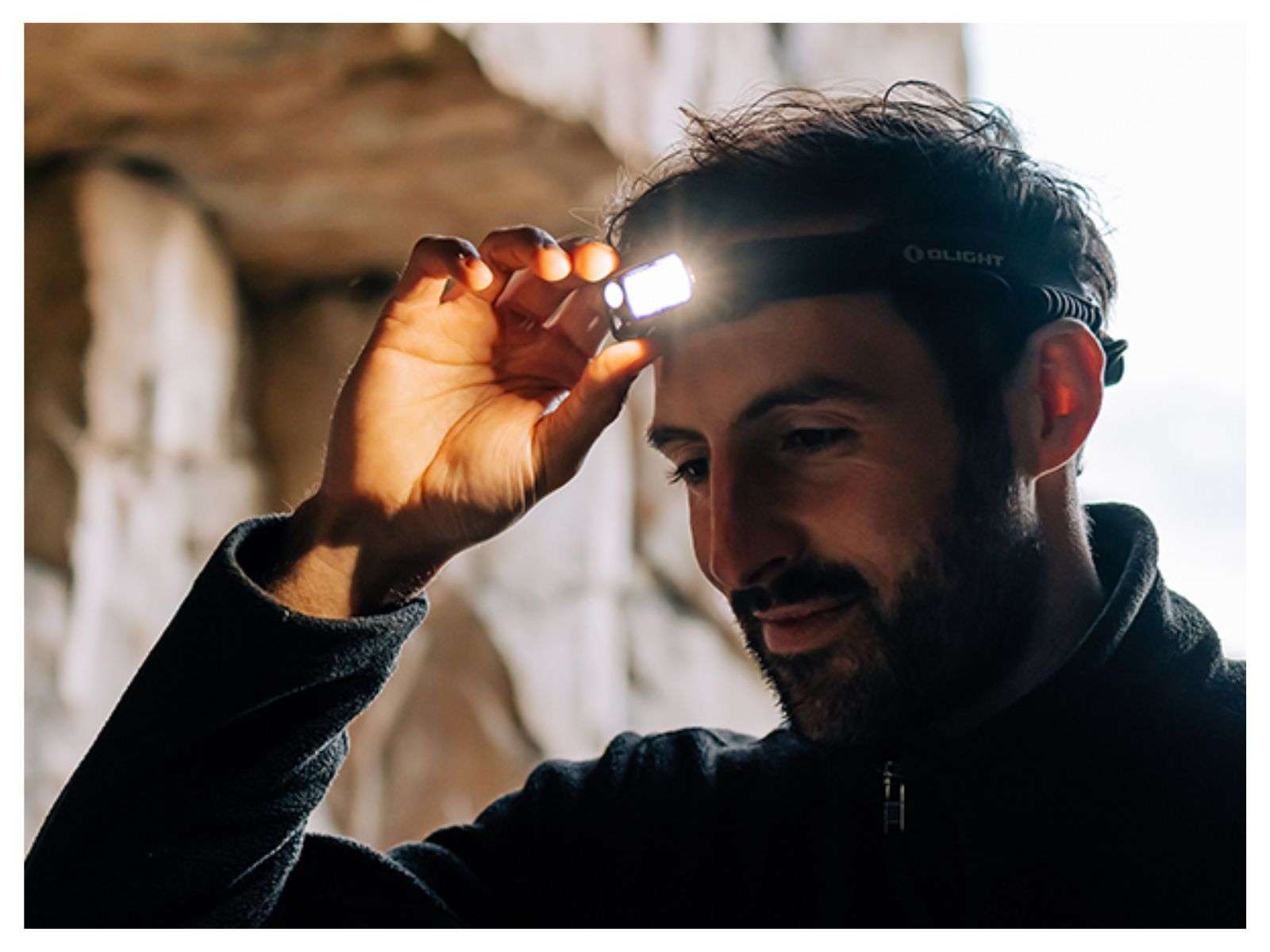
Headlamp
A headlamp is indispensable for navigating in the dark, whether you’re in camp after sunset or starting your trek early in the morning before daylight. Opt for a headlamp that is lightweight, with a bright beam and adjustable settings. It’s also important to check the battery life and bring extra batteries or a rechargeable model to ensure it lasts throughout your trek.
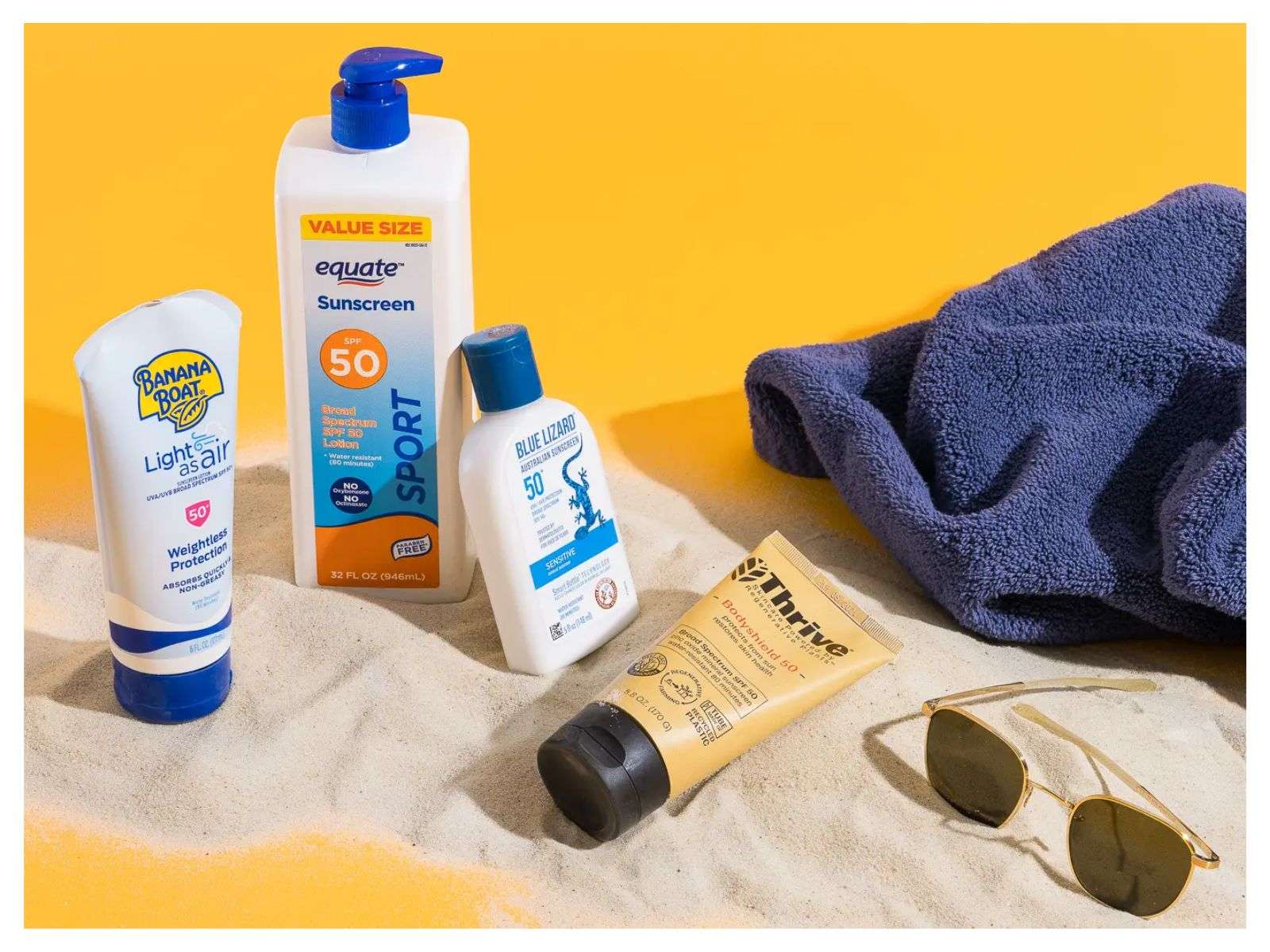
Sunscreen
High SPF sunscreen is a must to protect your skin from the strong UV rays, which are more intense at higher altitudes. Choose a sunscreen with at least SPF 30, preferably one that is water-resistant and sweat-resistant to stay effective during physical activity. Don’t forget to reapply regularly, especially if you’re sweating or after washing your face.
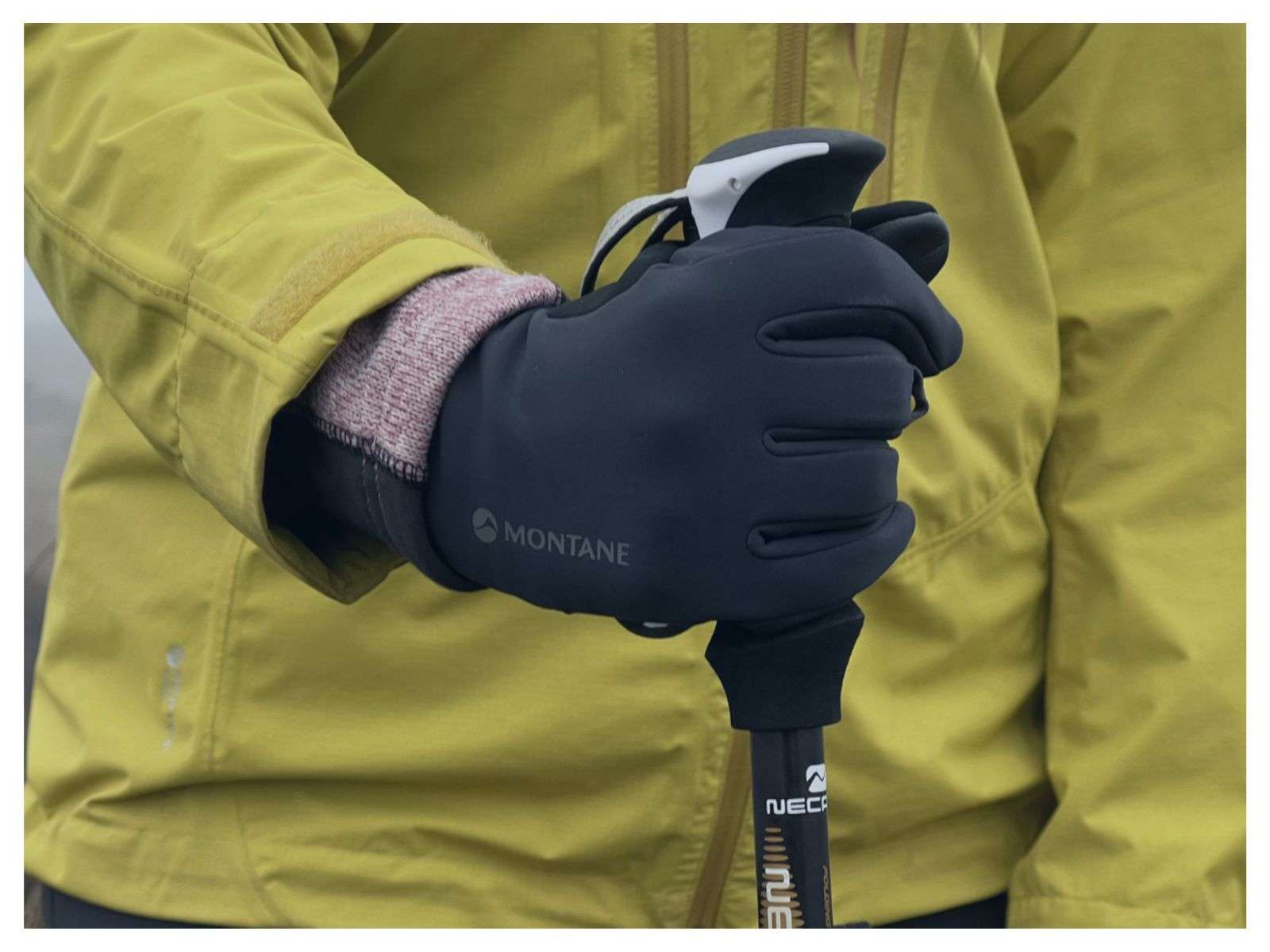
Gloves
A good pair of lightweight, insulated gloves is important for keeping your hands warm, particularly during early morning treks or when the temperature drops at higher elevations. Look for gloves made from materials like synthetic fibers or merino wool, which provide warmth while allowing for breathability. Additionally, consider gloves that are touch-screen compatible if you need to use electronic devices without exposing your hands to the cold.
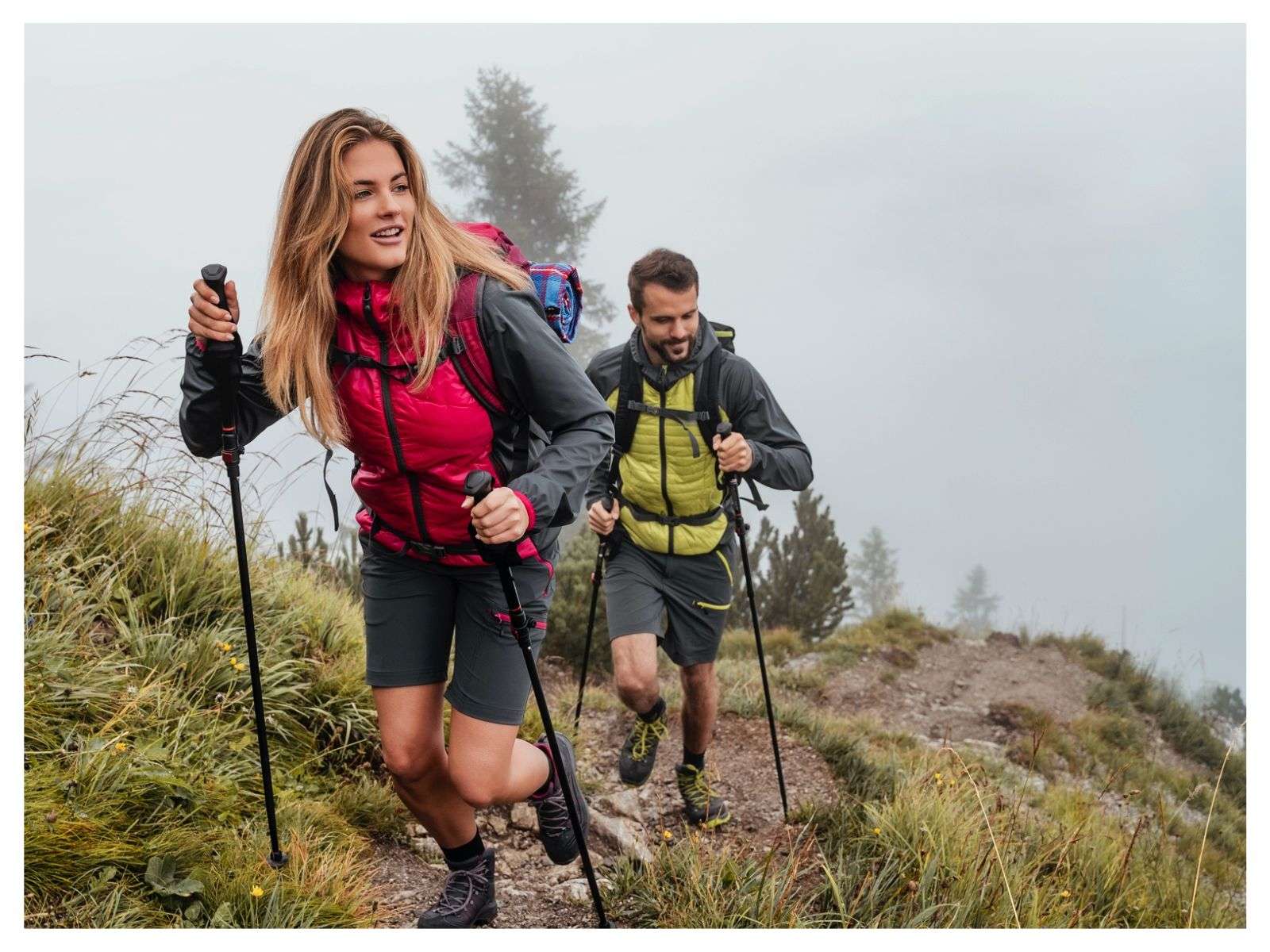
Trekking Poles
Trekking poles provide stability and reduce the strain on your knees and legs, especially during steep ascents and descents or when traversing uneven terrain. Adjustable poles are ideal as they can be shortened or lengthened to suit different sections of the trail and your personal preferences. Look for poles that are lightweight but sturdy, with comfortable grips and shock-absorbing features for added comfort. If you prefer not to make an additional purchase or carry them in your luggage, we offer trekking pole rentals during your trek through our travel agency.
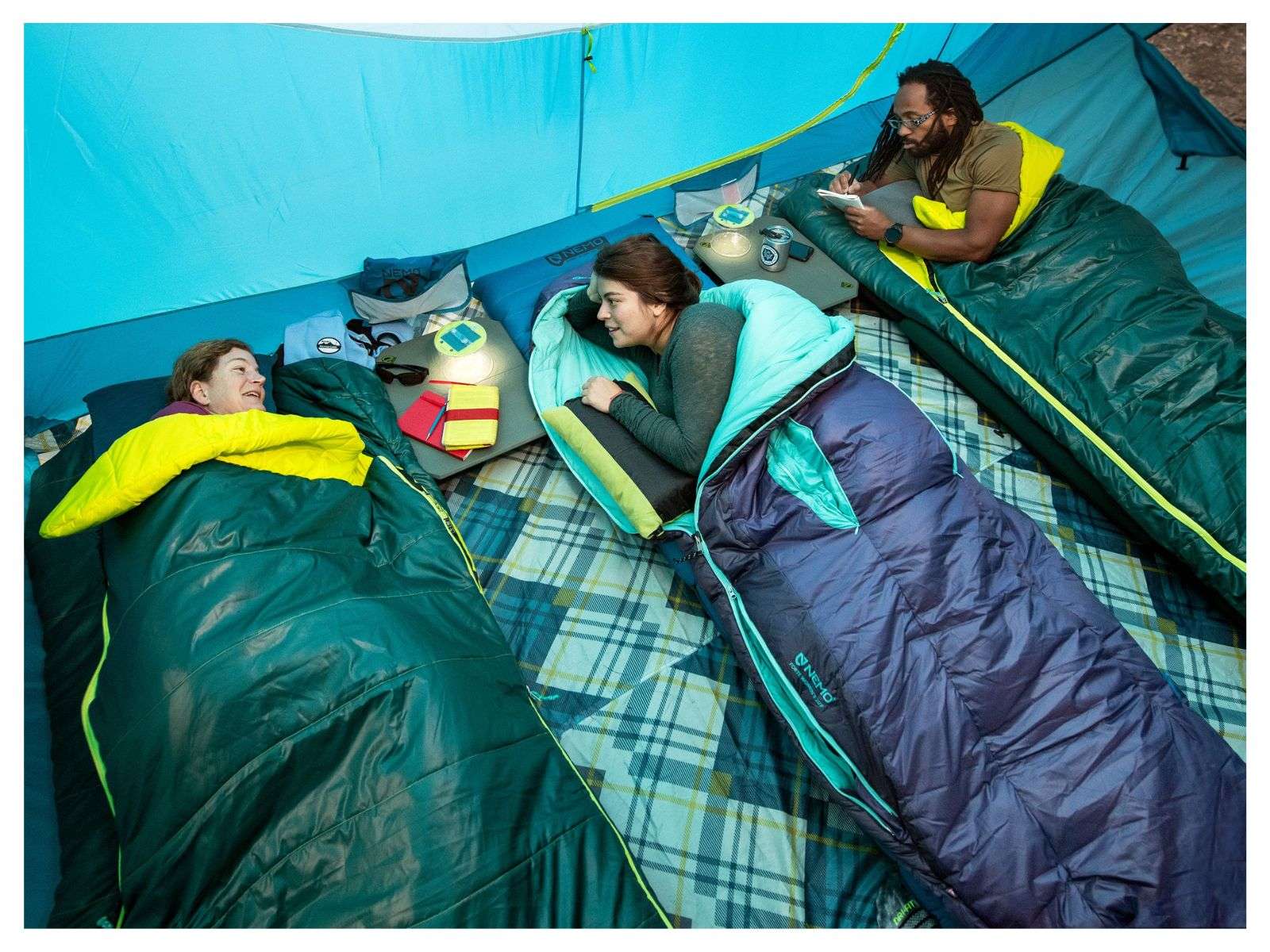
Sleeping Bag
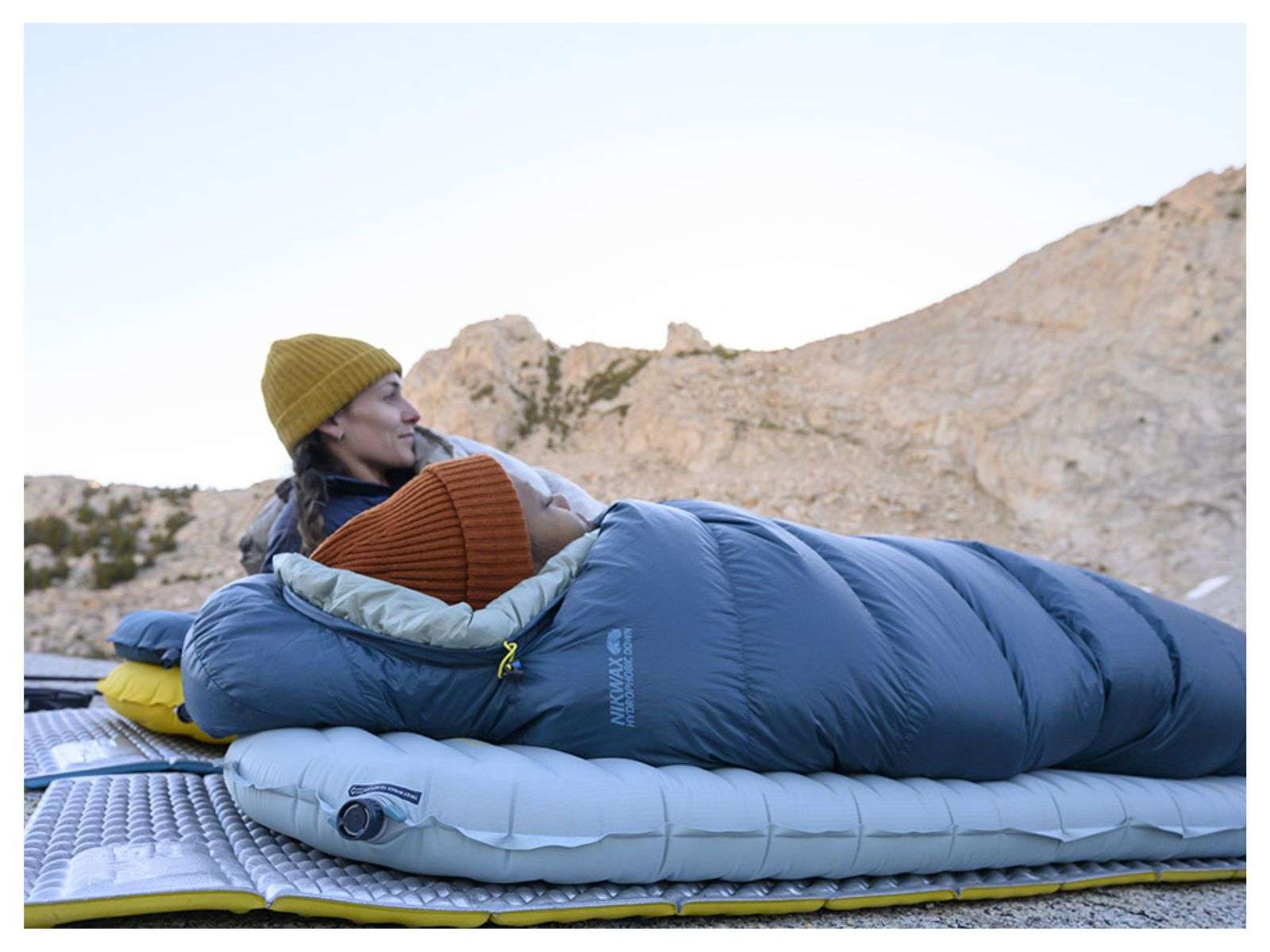
Your sleeping bag is one of the most important items for ensuring a good night’s sleep in the often cold and unpredictable conditions of high-altitude trekking. Choose a sleeping bag that is rated for temperatures lower than you expect to encounter, ensuring it keeps you warm in the coldest conditions. Down sleeping bags offer excellent warmth-to-weight ratios but can be more expensive, while synthetic options are more affordable and perform better in wet conditions. Ensure your sleeping bag is lightweight and compressible for easy packing. If you prefer not to carry a sleeping bag in your luggage, we also offer high-quality sleeping bag rentals for your convenience.
Sleeping Mat
A sleeping mat is essential for insulation and comfort, providing a barrier between you and the cold ground. Choose a mat that is lightweight, compact, and easy to inflate or roll out. Self-inflating mats or foam mats are popular options, with varying levels of thickness and insulation (measured by R-value). A higher R-value means better insulation, which is crucial for colder environments. The mat should also be durable enough to withstand rough terrain without puncturing. If you prefer not to bring a sleeping mat in your luggage, we offer comfortable and high-quality mat rentals directly through our agency.