


Capitals of Flavor: 7 Peruvian Cities That Shine for Their Gastronomy
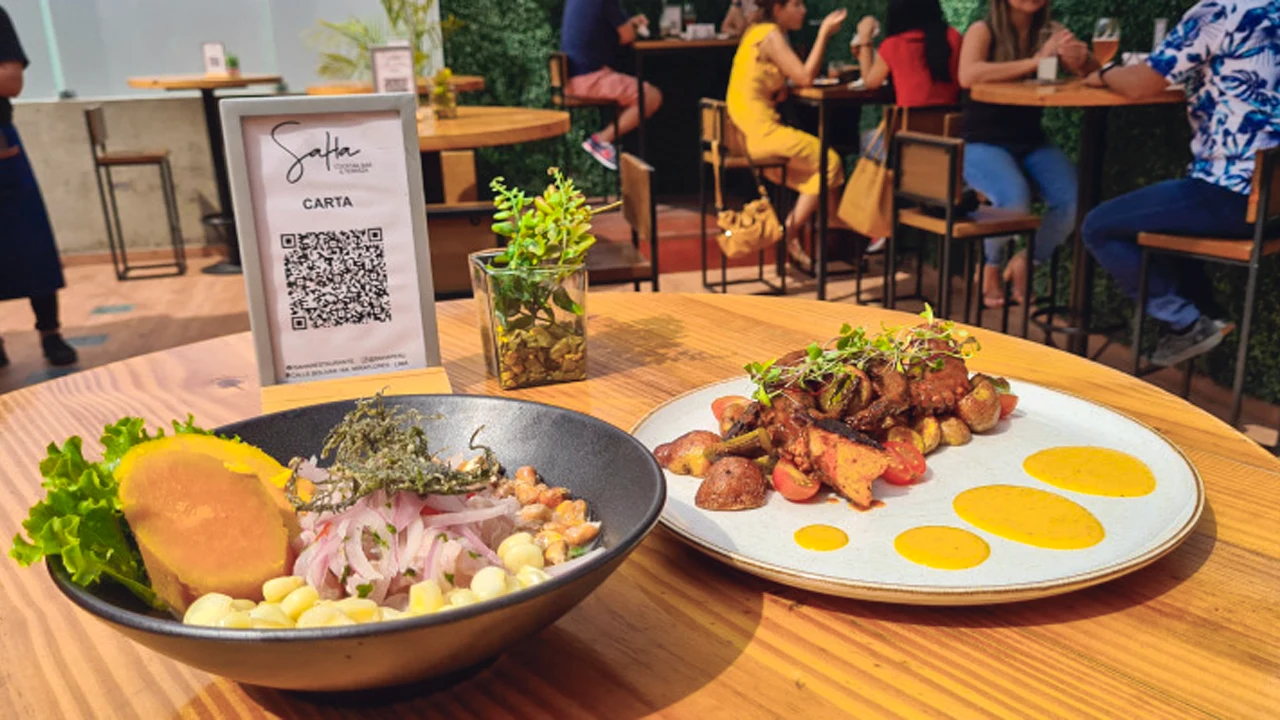

The delicious and varied dishes eaten in Peru have made the country very famous around the world. That’s why more tourists come every year to try its food. In addition, there are many cities with different flavors on the coast, in the mountains, and in the jungle. These cities showcase a rich cultural heritage. Thus, Peruvian cuisine conquers palates in many countries.
Below, discover some cities that stand out for their original cuisine. Each one contributes flavor and identity to Peruvian gastronomy. Therefore, they help Peruvian cuisine to be admired around the world.
Arequipa
In southern Peru, the city of Arequipa stands out as a great gastronomic destination. It is also known as the White City. It is home to one of the most varied regional cuisines in the country. This is because its fertile countryside produces many fresh foods. Therefore, Arequipa’s cuisine has abundant, high-quality ingredients.
Gastronomy is a source of great pride for the people of Arequipa. First, it was born from a very ancient heritage. Then, it was enriched with techniques and products that have existed since before the Incas. Later, European cuisine also contributed new ideas after the arrival of the Spanish. This formed a very rich culinary tradition that still lives on in today’s dishes.
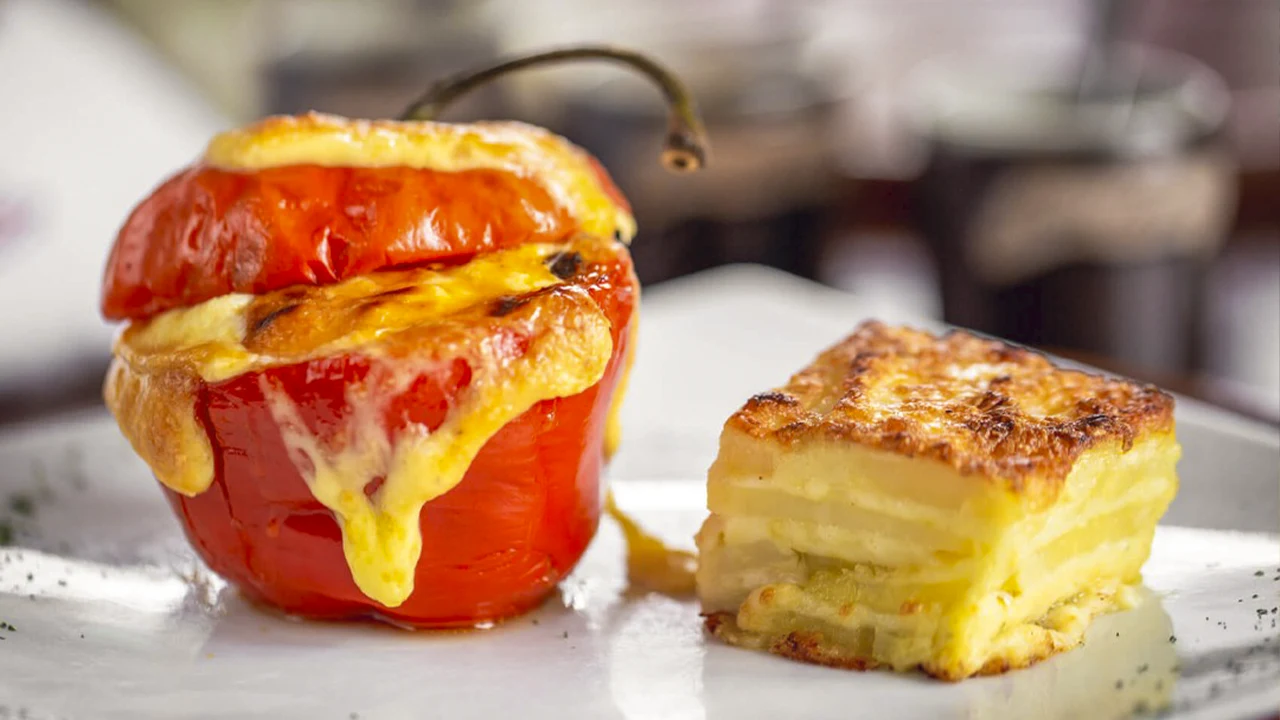
After this cultural encounter, picanterías and chicherías were born. Very tasty dishes are prepared there. For example, shrimp chupe, stuffed rocoto peppers, and fried ribs stand out. Solterito, adobo, and escribano are also famous. In addition, sweets such as frozen cheese and buñuelos are enjoyed. Finally, drinks such as chicha de guiñapo and anisado accompany these traditional dishes.
Researchers have so far recorded 194 typical Arequipa dishes. Among them are 40 starters. There are also 11 chupes or lunches and 11 broths. In addition, there are 70 stews or main courses. On the other hand, there are 51 desserts, both sweet and savory. Finally, there are 11 traditional drinks.
In Arequipa, there is a curious weekly culinary tradition. In many picanterías, a special dish is prepared every day. For example, on Monday, each is eaten. Then, on Tuesday, chairo is served. On Wednesday, it’s chochoca. Then, on Thursday, chupe colorado appears. On Friday, chupe de viernes is shared. On Saturday, puchero or timpuzca is prepared. Finally, on Sunday, caldo blanco, pebre de lomos, or the famous adobo arequipeño is enjoyed.
Chiclayo
Chiclayo is known as the Capital of Friendship. It is also one of the most important gastronomic destinations on the north coast of Peru. On the one hand, its sea offers a wealth of fish and seafood. On the other hand, its fields produce unique foods such as zapallo loche squash. Thanks to these ingredients, a very tasty cuisine was born, which is preserved in traditional picanterías and chicherías.
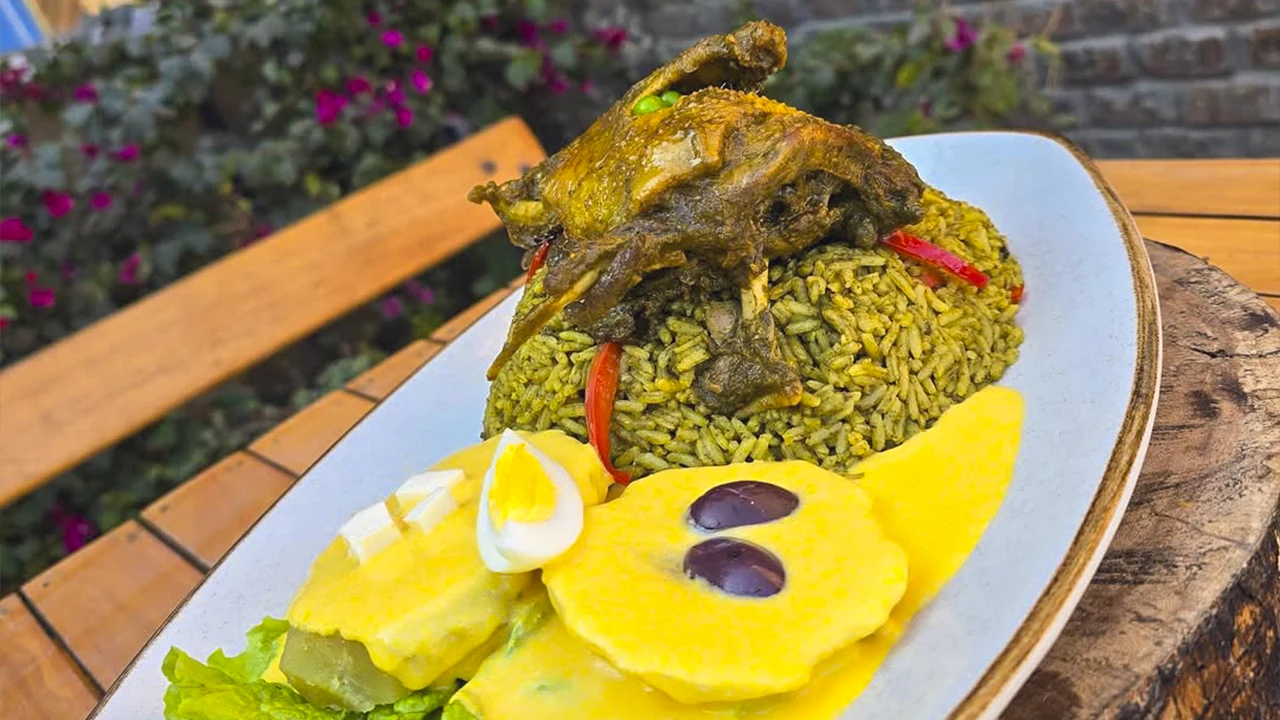
These places maintain the culinary tradition of Lambayeque. Well-known dishes are prepared there. For example, chinguirito, espesado, and arroz con pato stand out. There is also turkey pepián, causa a la chiclayana, and chirimpico. In addition, there are famous sweets such as King Kong, zapallo loche candy, and corn pancakes. Finally, chicha de jora accompanies these dishes as a traditional drink.
In Chiclayo and throughout Lambayeque, picanterías are very similar to home kitchens. For this reason, many families participate in the preparation and sale of food. In addition, these places have also been spaces for sharing music and literature. In this way, the cultural identity of the region has been strengthened.
Piura
Piura was the first city founded by the Spanish in Peru. However, important cultures such as Vicús and Tallán already existed before that. Today, the city is known for its delicious cuisine. Many homes and picanterías (traditional restaurants) prepare dishes using traditional recipes. As a result, these places have become true centers of gastronomic pilgrimage.
Piuran cuisine is very tasty and varied. First, it inherited knowledge from ancient cultures. Then, it was enriched by the fusion of different culinary traditions. In addition, it uses ingredients from the sea, rivers, and countryside. This combination creates intense flavors that are popular both in Peru and in other countries.
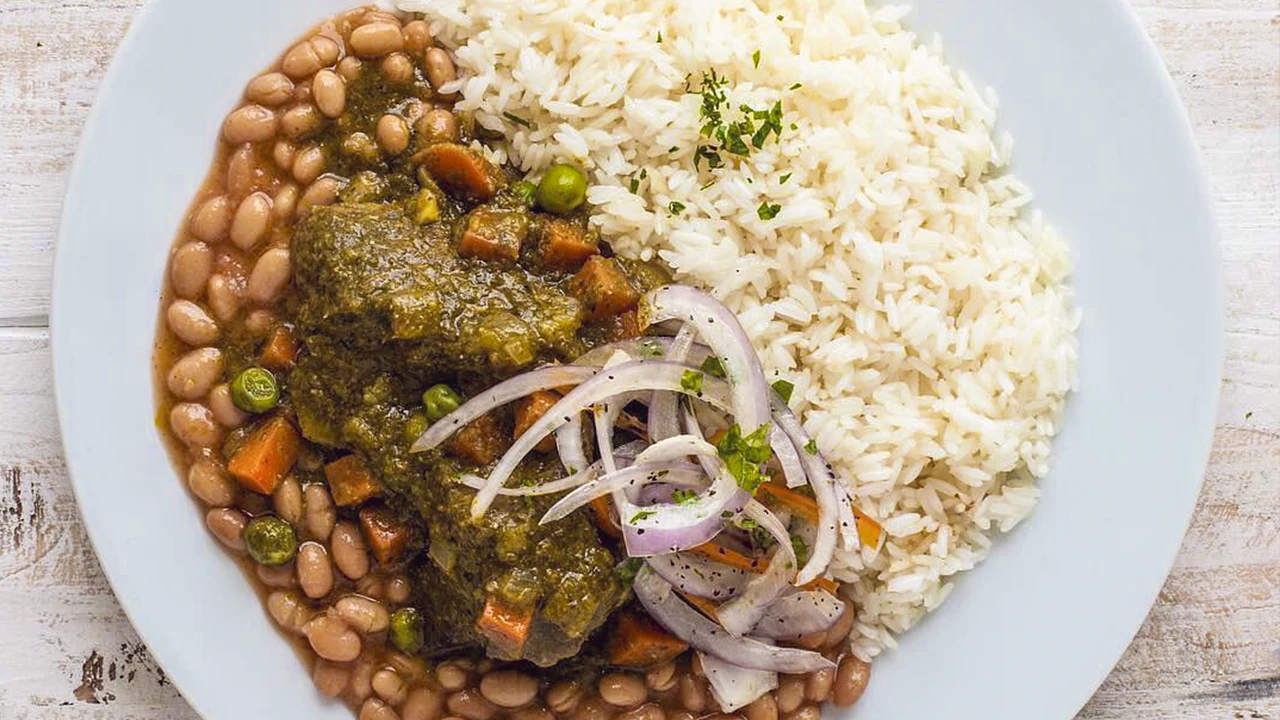
Among the best-known dishes are ceviche, malarrabia, and seco de chavelo. Also noteworthy are chilcano, sudado, and fish head soup. In addition, seco de cabrito and chifles are enjoyed. Finally, among the desserts is natilla, and among the drinks, the traditional chicha de jora stands out.
Trujillo
Trujillo is another city famous for its wide variety of food. It is also one of the most important tourist destinations on the north coast of Peru. Many travelers come here to try its typical dishes.
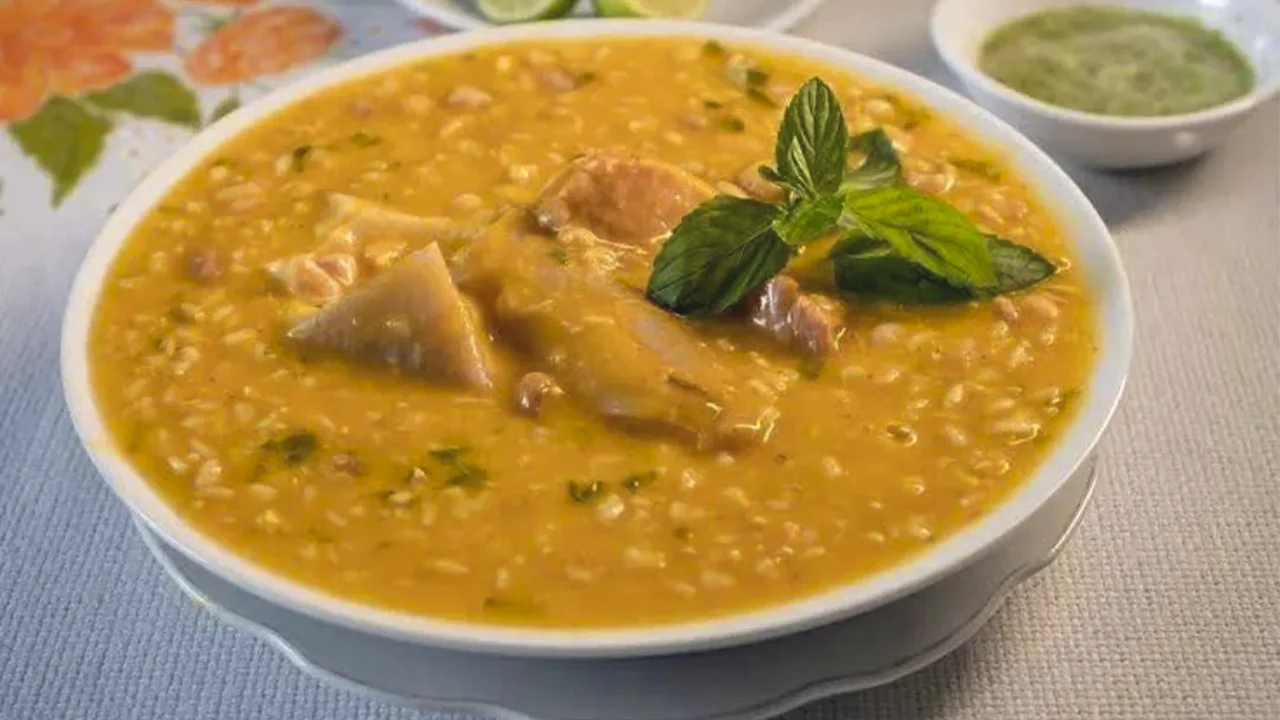
Trujillo’s cuisine was born thanks to the richness of its ingredients. Its fertile valleys produce high-quality food. At the same time, the Peruvian sea offers fresh fish and seafood. In addition, this cuisine has roots in ancient cultures such as the Chimú kingdom. Later, the fusion with Spanish tradition further expanded its variety of flavors.
Among the most representative dishes are ceviche in various versions and shámbar. Also noteworthy are sopa teóloga and frito trujillano. In addition, pepián de pava and frijoles a la trujillana are prepared. Other popular dishes are pescado a la trujillana, cangrejo reventado, and desayuno huanchaquero.
Among the desserts, alfajor trujillano stands out. In addition, traditional drinks include chicha de Moche and chicha de Magdalena de Cao.
Huancayo
Huancayo is the most important city in the Mantaro Valley. It is also one of the best-known gastronomic centers in the central highlands of Peru. Its cuisine stands out thanks to the large amount of food produced in this fertile region. It also preserves a strong cultural heritage that dates back to pre-Inca times.
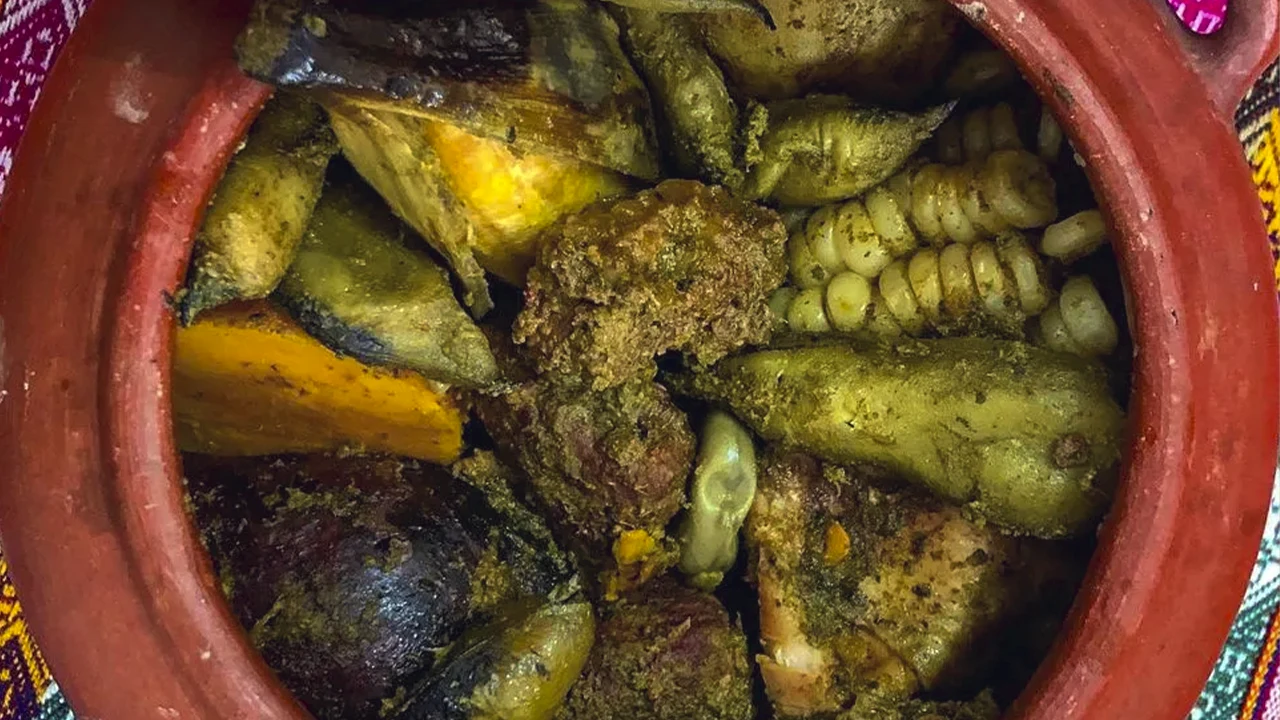
Later, when the territory became part of the Tahuantinsuyo and then the Spanish conquest arrived, the local cuisine became more diverse. However, many dishes retained their Andean essence. One of the most famous is pachamanca. This dish is cooked underground and is widely enjoyed throughout the Mantaro Valley and other regions of Peru.
In addition, there are many dishes that identify Huancayo. Among them are papa a la huancaína, cuy colorado, and grilled trout. Patasca and lamb head broth also stand out. Other traditional foods are puchero, yuyo or shita, and roasted corn called kamchi. In addition, there are sweets and drinks such as mazamorra de chuño, humitas, chicha de molle, and tumbo soda.
Tarapoto
Tarapoto is the most popular tourist destination in the San Martín region. It is also the gateway to the northern jungle of Peru. Over time, it has also become an important gastronomic destination. This is thanks to the wide variety of dishes from Amazonian cuisine.
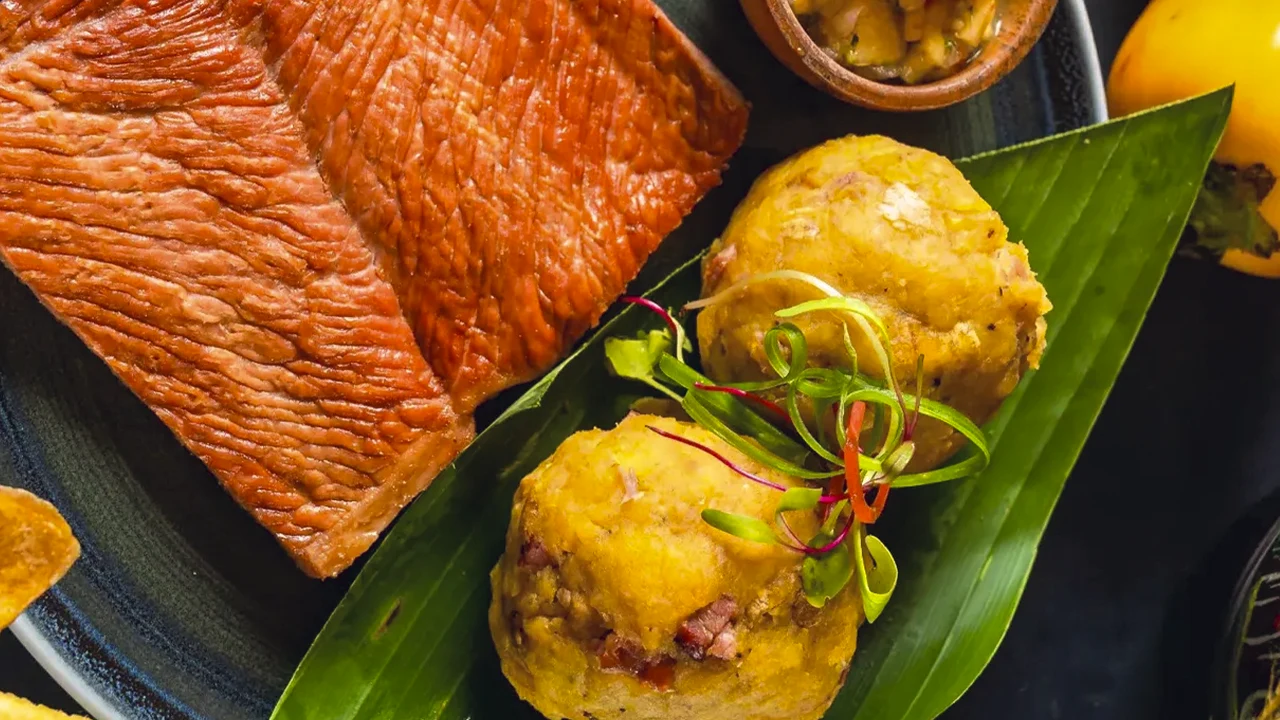
Amazonian cuisine combines many unique flavors. First, it uses products from the Peruvian jungle. Very special fruits, spices, and vegetables grow there. There are also fish and other animals that form part of the local diet. Thanks to this natural diversity, nutritious dishes are created that are very different from those of other regions of the country.
Among the most important ingredients are misto or mishkina, which is a basic dressing, and inguiri or boiled green plantain. Fruits such as cocona, camu camu, aguaymanto, and copoazú are also used. In addition, sacha tomato and sacha cilantro are used. Chili peppers such as charapita also add a lot of flavor. Finally, fish such as paiche, doncella, gamitana, palometa, and sábalo are consumed.
Tacna
Tacna’s cuisine has ancient roots. It first emerged with pre-Hispanic ingredients such as potatoes, corn, chili peppers, and guinea pigs. Then, during the colonial era, new techniques were added to this tradition. This gave rise to a cuisine closely linked to the city’s history.
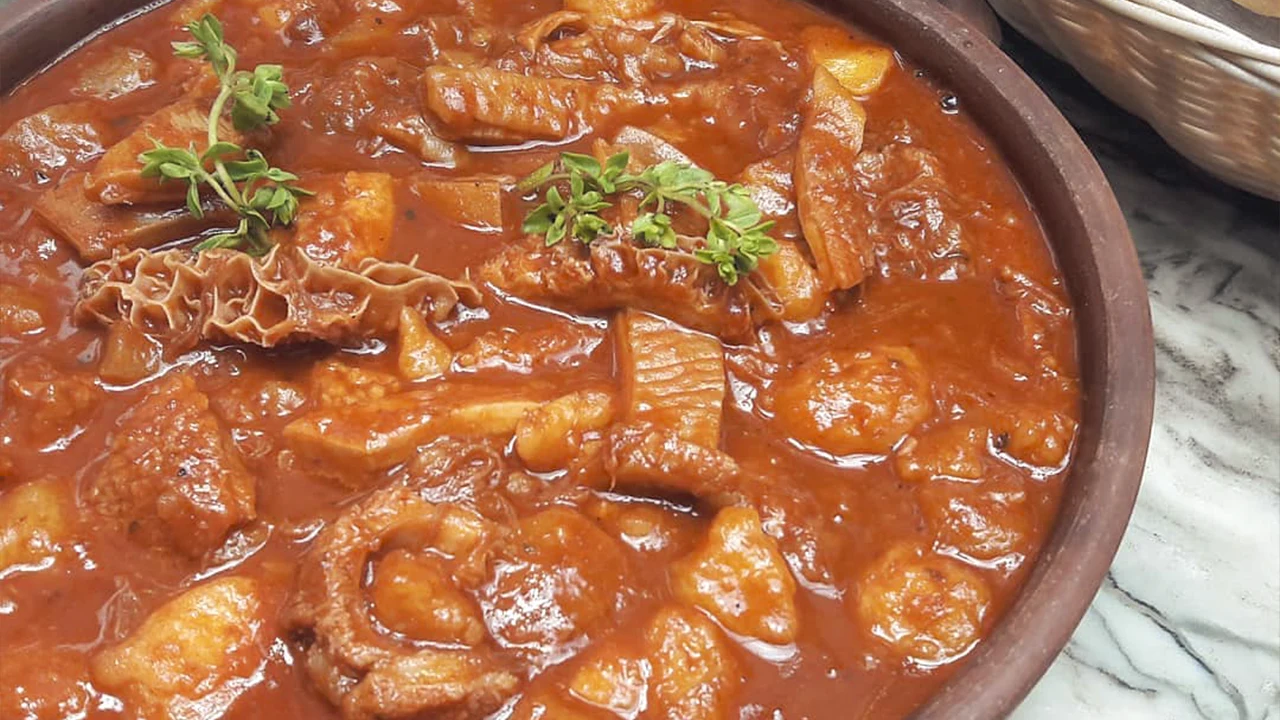
Tacna’s dishes are highly appreciated by visitors from different places. Thanks to this, the local cuisine has gained prestige both inside and outside Peru. In addition, these dishes reflect the cultural identity of the southernmost region of the country.
Today, Tacna cuisine is internationally recognized. For example, the Taste Atlas gastronomic guide included picante a la tacneña among the 50 best dishes in the world prepared with offal. This recognition confirms the value and fame of Tacna’s culinary tradition.