History of Machu Picchu
Machu Picchu is one of the most treasured landmarks of Peru and a symbol of the Inca Empire. Built in the mid 15th century, it is believed to have been a royal residence of Pachacutec, the ninth Inca of Tahuantinsuyo, although traces of a sanctuary suggest it also had religious functions. The name means “old mountain,” referring to its location at 2,453 meters above sea level, nestled between Huayna Picchu and Huchuy Picchu. For many visitors, the fascination begins with the history of Machu Picchu, and questions such as when was Machu Picchu built, what year was Machu Picchu built, and who built Machu Picchu are central to understanding its origins.
Today, Machu Picchu is not only a UNESCO World Heritage Site (since 1983) but also one of the New Seven Wonders of the World. Travelers from across the globe come through Aguas Calientes to follow the Inca routes that Hiram Bingham made famous in the early 20th century. With nearly 200 structures, breathtaking mountain views, and a deep sense of mystery, this Inca jewel continues to inspire awe. The Machu Picchu history facts and mysteries, from how old is Machu Picchu in years to why was Machu Picchu abandoned, make it one of the most studied ancient cities in the world.
When was Machu Picchu discovered?
Who built Machu Picchu and the real purpose of the lost city
Connection between the citadel and the Inca Empire
Research indicates that Machu Picchu was founded around 1450 AD, during the reign of the powerful Inca emperor Pachacutec. Its creation coincided with the period when the Inca Empire reached its greatest territorial expansion across the Andes, highlighting its importance as much more than just an architectural wonder. This Machu Picchu time period represents the height of Inca civilization, and many scholars agree that this is when Machu Picchu was built. If you ask what is the history of Machu Picchu, it starts with this era of expansion and cultural brilliance.
Theories pointing to a royal estate for Pachacutec
Many historians believe that Machu Picchu was not simply a city, but a royal retreat for Pachacutec and his noble lineage. In this secluded citadel, he could connect with the spiritual energy of the surrounding mountains and admire the lush Andean landscapes. This interpretation strengthens the idea of Machu Picchu as a place of both power and prestige, reserved for the empire’s elite. For those seeking a Machu Picchu summary, the site was both royal estate and sacred sanctuary, which explains why Machu Picchu was built.
Evidence of Machu Picchu as a sacred religious center
Archaeological findings highlight Machu Picchu’s ceremonial significance. The presence of iconic temples such as:
-
The Temple of the Sun, dedicated to the most important Inca deity.
-
The mysterious Temple of the Moon, associated with spiritual rituals inside a cave.
-
The Temple of the Three Windows, symbolizing the Inca vision of the world.
These constructions reveal that the Incas carefully aligned their structures with astronomical events, reinforcing the idea that Machu Picchu was not just a residence but also a sacred place where rituals honored the cosmos. This is a key part of the Machu Picchu story, and explains its religious significance.
Machu Picchu as the heart of the Inca legacy
Whether interpreted as a royal estate or as a spiritual sanctuary, Machu Picchu continues to symbolize the ingenuity, faith, and power of the Inca Empire. Its construction techniques, cultural symbolism, and harmonious integration with the natural environment make it one of the greatest testaments to human civilization. For historians studying the origin of Machu Picchu and its purpose, it remains a masterpiece of both engineering and spirituality.
Machu picchu built date
The Machu Picchu built date traces back to the mid 15th century, during the height of the Inca Empire under the rule of Pachacuti Inca Yupanqui. Historians believe the Machu Picchu year built is around 1450 AD, when the Incas designed this remarkable citadel as both a royal estate and a sacred ceremonial site. For those asking when was Machu Picchu made or when was Machu Picchu created, this is the accepted period.
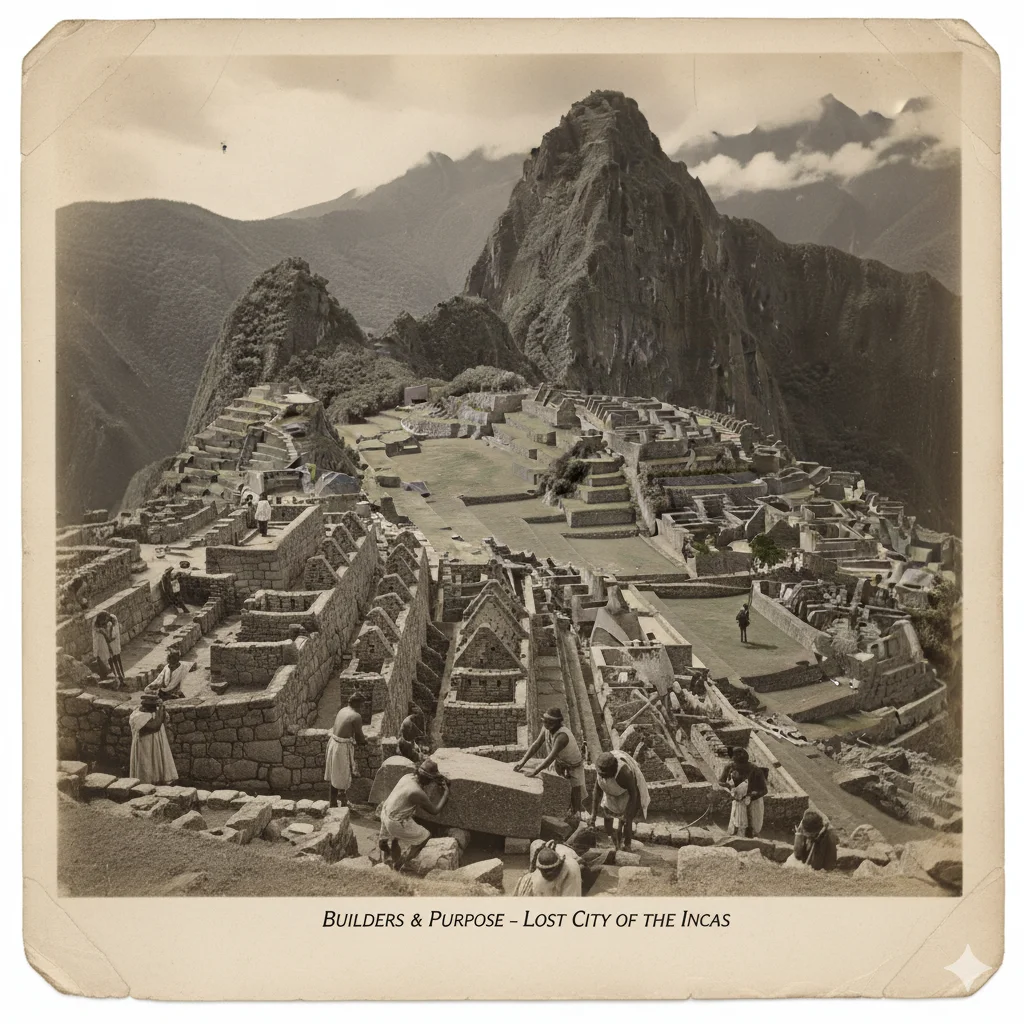
Unlike many ancient sites, Machu Picchu was constructed with astonishing precision using advanced Inca stone cutting techniques, without mortar, allowing the walls to withstand centuries of earthquakes and natural wear. This detail is central to history about Machu Picchu, proving that its builders possessed knowledge ahead of their time.
Who built Machu Picchu, and what was the true purpose of the lost city?

The Inca civilization built Machu Picchu with extraordinary skill, and its purpose is still debated. Some argue it was a royal residence, while others emphasize its sacred role. Regardless, when considering who built the city of Machu Picchu or who built Machu Picchu in Peru, the answer remains the same: the Incas.
How the Incas built Machu Picchu with extraordinary techniques
Mastery in stone carving and wall precision
The blocks used in Machu Picchu fit so perfectly that, even after centuries of earthquakes and extreme weather, the walls remain almost intact. Without using mortar, the builders shaped each stone with such care that not even a blade of grass can fit between them. This precision not only demonstrates artistic skill but also advanced seismic resistance. These facts are often highlighted in Machu Picchu history in English resources.
The engineering behind terraces and water channels
One of the most impressive aspects of Machu Picchu is its integration with the environment. The agricultural terraces carved into the hillsides prevented erosion while creating fertile spaces for cultivation. At the same time, a complex system of water channels, fountains, and drains was designed to provide fresh water and protect the site from heavy rains. This sustainable engineering ensured the supply of food and stability for centuries, giving context to how long was Machu Picchu inhabited.
How massive stones were moved without modern tools
Transporting stones weighing several tons across the rugged Andean terrain might seem impossible without modern machinery. However, the Incas achieved it through ingenious methods: ramps, rollers, ropes, and collective effort. These efforts answer the question how was Machu Picchu made, showing that teamwork and organization were as important as technique.
- The resources and materials available in the Andes were carefully selected. Granite and other types of rock were quarried from nearby sources, ensuring durability and reducing the effort of long distance transport.
- The organization of labor and the power of community played a key role. Construction relied on the “mit’a” system, a communal labor practice where people from across the Inca Empire contributed to state projects. This sense of unity and shared responsibility turned the impossible into reality.
History of Machu Picchu through time, from its origins to its recognition.
History of Machu Picchu through time from its origin to its recognition
Machu Picchu during the reign of Pachacutec
Under the leadership of Pachacutec, one of the greatest Inca rulers, Machu Picchu reached its peak as a royal residence and spiritual center. Archaeologists estimate that between 300 and 1,000 people lived here, including priests, nobles, and workers who sustained the daily life of the citadel. This population shows who inhabited Machu Picchu and gives us insights into how long was Machu Picchu inhabited. For those studying Machu Picchu Peru history, this period is one of the clearest examples of the brilliance of Inca civilization.
The abandonment after the Spanish conquest
With the fall of the Inca Empire after the arrival of the Spaniards, Machu Picchu gradually lost its importance. Many of its inhabitants moved to join the resistance in Vilcabamba, and the once vibrant sanctuary was eventually abandoned, remaining hidden by the jungle for centuries. This explains when Machu Picchu was abandoned and answers why did the Incas abandon Machu Picchu. Some scholars even argue that the residents of this city were virtually wiped out by invaders, adding more mystery to the history of Machu Picchu in Peru.
Rediscovery and the path to becoming a World Heritage Site
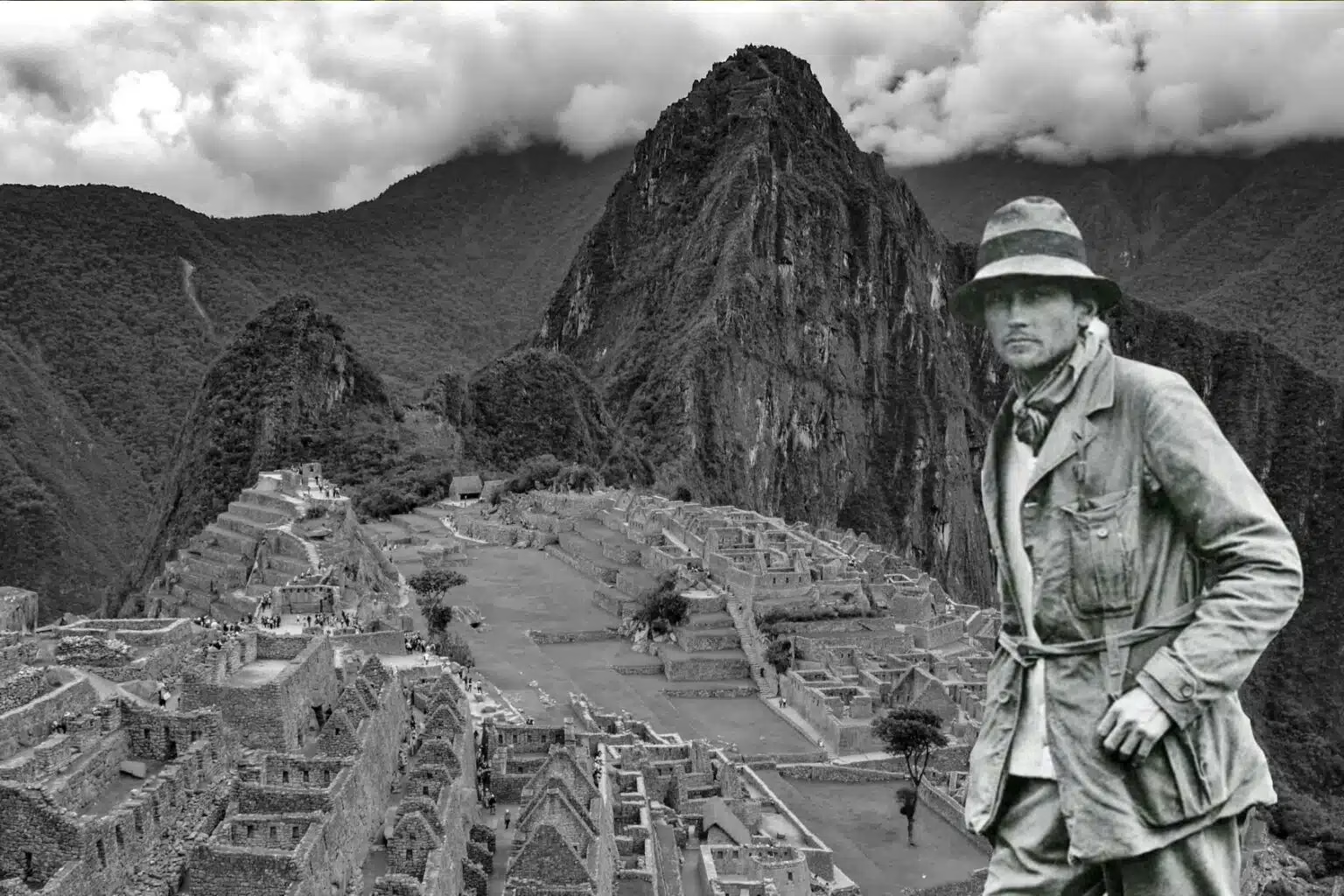
In 1911, American explorer Hiram Bingham brought Machu Picchu to international attention through his expeditions and studies carried out until 1915. During the 20th century, access roads and railways opened the site to visitors, transforming it into a symbol of Peru’s cultural identity recognized worldwide. For many, this marked the beginning of what is Machu Picchu, when was it discovered, and why did it take so long to find it? This question still sparks curiosity, especially in resources covering Machu Picchu history in English or histoire Machu Picchu in French.
The role of the 20th century in preservation was crucial. Tourism grew rapidly, Martín Chambi’s photographs showcased its beauty, and global recognition highlighted its cultural and historical value. Modern restoration efforts to protect the citadel began in the 1970s and continue to this day. These conservation projects ensure that Machu Picchu remains preserved so that future generations can experience its majesty and study Machu Picchu before and after excavation.
Additional Insights into Machu Picchu History
When people ask when was Machu Picchu built or when was Macchu Picchu built, the answer always points to the mid 15th century. That is also the period when Machu Picchu was founded, making it a highlight of Peru Machu Picchu history. In fact, scholars often debate how long ago was Machu Picchu built, but the consensus remains that it dates back to around 1450 AD.
The history of Machu Picchu Peru is also tied to its builders. When considering which civilization built Machu Picchu or what civilization built Machu Picchu, the answer is always the Incas. This advanced society transformed a mountain ridge into an imperial sanctuary. That is why in history of Machu Picchu in English publications, the site is often called a masterpiece of Inca engineering.
Another fascinating aspect is when did Machu Picchu built and when was Machu Pichu built, questions that reflect curiosity about its origins. During this time, Machu Picchu inhabitants included nobles, priests, and farmers. Some historians even argue that the residents of this city were virtually wiped out by invaders in the post conquest period, leading to its eventual abandonment.
For travelers, what is Macchu Pichu, when was it discovered, and why did it take so long to find it? remains one of the most captivating mysteries. After centuries of being hidden, the Machu Picchu definition world history shifted when Hiram Bingham brought it to global attention. Since then, guides and archaeologists often explain Machu Picchu when it was found and how its rediscovery changed our understanding of the Inca world.
Lastly, even alternative spellings like Machu Pichu history or history of Machu Pichu reflect the global fascination with this iconic site. Regardless of spelling, all point back to one of the greatest wonders of humanity and a pillar of Peru Machu Picchu history.
Why the history of Machu Picchu is so important to culture and the world
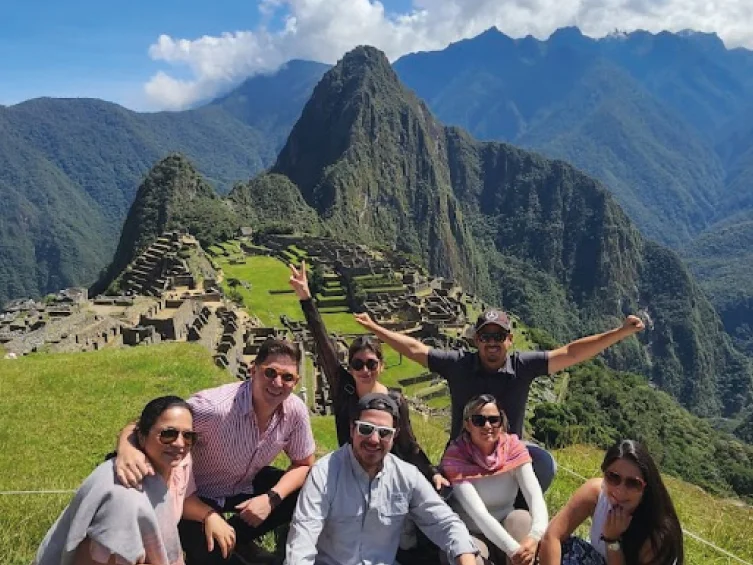
Machu Picchu as One of the New Seven Wonders
In 2007, a global vote named Machu Picchu as one of the New Seven Wonders of the Modern World, consolidating its place as a universal icon. This recognition not only highlighted its architectural and cultural value but also emphasized the importance of preserving it as a World Heritage Site. The announcement was celebrated throughout Peru, strengthening the pride of its people and positioning Machu Picchu as a symbol of human genius in harmony with nature. For many, this represents the story of Machu Picchu and why its survival is so significant.
Its Influence on the Identity of Peru and the Andes
For Peruvians, Machu Picchu represents resilience, heritage, and the brilliance of their ancestors. It is a reminder of the legacy of the Inca Empire and continues to inspire national identity, linking modern Peru with its ancestral roots. The citadel has become a cultural ambassador, appearing in art, literature, and even currency, reinforcing the Andes as a living testimony of history and spiritual connection. This is why questions like what is the definition of Machu Picchu, Machu Picchu year built, or Machu Picchu when was it built are not only archaeological but also cultural.
The Global Fascination with Machu Picchu in Tourism and Archaeology
With 1.5 million annual visitors, Machu Picchu inspires historians, adventurers, and travelers alike, blending natural beauty with ancestral genius. Archaeologists continue to uncover new knowledge about its construction techniques, astronomical alignments, and Machu Picchu religious significance, while sustainable tourism initiatives aim to protect the fragile ecosystem surrounding it. This global fascination has turned Machu Picchu not only into a travel destination but also into a place of academic study, cultural exchange, and worldwide admiration. From how old is the Machu Picchu to what was Machu Picchu used for, the questions keep evolving, proving that the history Machu Picchu remains alive.
Frequently asked questions about History of Machu Picchu
Machu Picchu is an ancient citadel of the Inca Empire, often described as the ancient city of Machu Picchu. It was revealed to the modern world in 1911 by American explorer Hiram Bingham, though locals already knew of its existence. When travelers ask what is Machu Picchu and who found it, the answer combines mystery, rediscovery, and global fascination.
Historians believe Machu Picchu was built around 1450 AD. This is the accepted Machu Picchu built date, falling within the classical Machu Picchu time period of Inca expansion. For those asking when was Machu Picchu created or when was Machu Picchu made, the response is always the mid 15th century.
The Inca civilization built Machu Picchu, under the leadership of Pachacutec. If you ask who built the city of Machu Picchu or who built Machu Picchu in Peru, the answer is the same: highly skilled Inca engineers. Some also wonder who made Machu Picchu, and again the Incas were the masterminds behind its construction.
Many visitors want to know how old is Machu Picchu in years. Since it was completed in the 15th century, today the site is more than 570 years old. That’s how long ago Machu Picchu was built. Scholars confirm its antiquity when discussing how old is the Machu Picchu or how old is Machu Picchu in Peru.
The citadel served as both a royal estate and a sacred ceremonial site. For this reason, the answer to why was Machu Picchu built is multifaceted: political prestige, spiritual significance, and astronomical alignment. Related questions like Machu Picchu why was it built and what was Machu Picchu used for show the diversity of theories.
Machu Picchu lost importance after the Spanish conquest. Scholars believe the site was gradually deserted in the 16th century. This explains why was Machu Picchu abandoned and when was Machu Picchu abandoned. In fact, some accounts note that the residents of this city were virtually wiped out by invaders.
The story of Machu Picchu spans centuries: from its foundation to its decline and rediscovery. In short, what is the story of Machu Picchu is the tale of Inca genius hidden in the Andes, awaiting rediscovery. This makes it central to both the history of Machu Picchu and history behind Machu Picchu.
Before 1911, Machu Picchu was covered by jungle. Its before and after excavation photos reveal how much work was required to restore its beauty. This transformation remains one of the most fascinating elements of Machu Picchu history facts.
The citadel was constructed in the 15th century, making this the definitive answer to what century was Machu Picchu built. This aligns with other questions such as Machu Picchu year built and Machu Picchu when built.
The Machu Picchu origin lies in the mid 1400s, during the height of Inca power. Archaeologists suggest its population included nobles, priests, and workers. This addresses who inhabited Machu Picchu and references the lives of ancient Peruvian Machu Picchu residents.