Arequipa, White City
Arequipa, also known as the White City, is one of Peru’s most stunning and captivating destinations in terms of culture. Located in the southern part of the country, the city is surrounded by magnificent volcanoes and built largely of white volcanic stone. The result is a combination of colonial grandeur and natural beauty. Arequipa has the perfect blend of history, architecture, gastronomy, and adventure, making it a favorite for travelers wanting to explore the real heart of the Andes.
Discovering Arequipa, The White City of the Andes
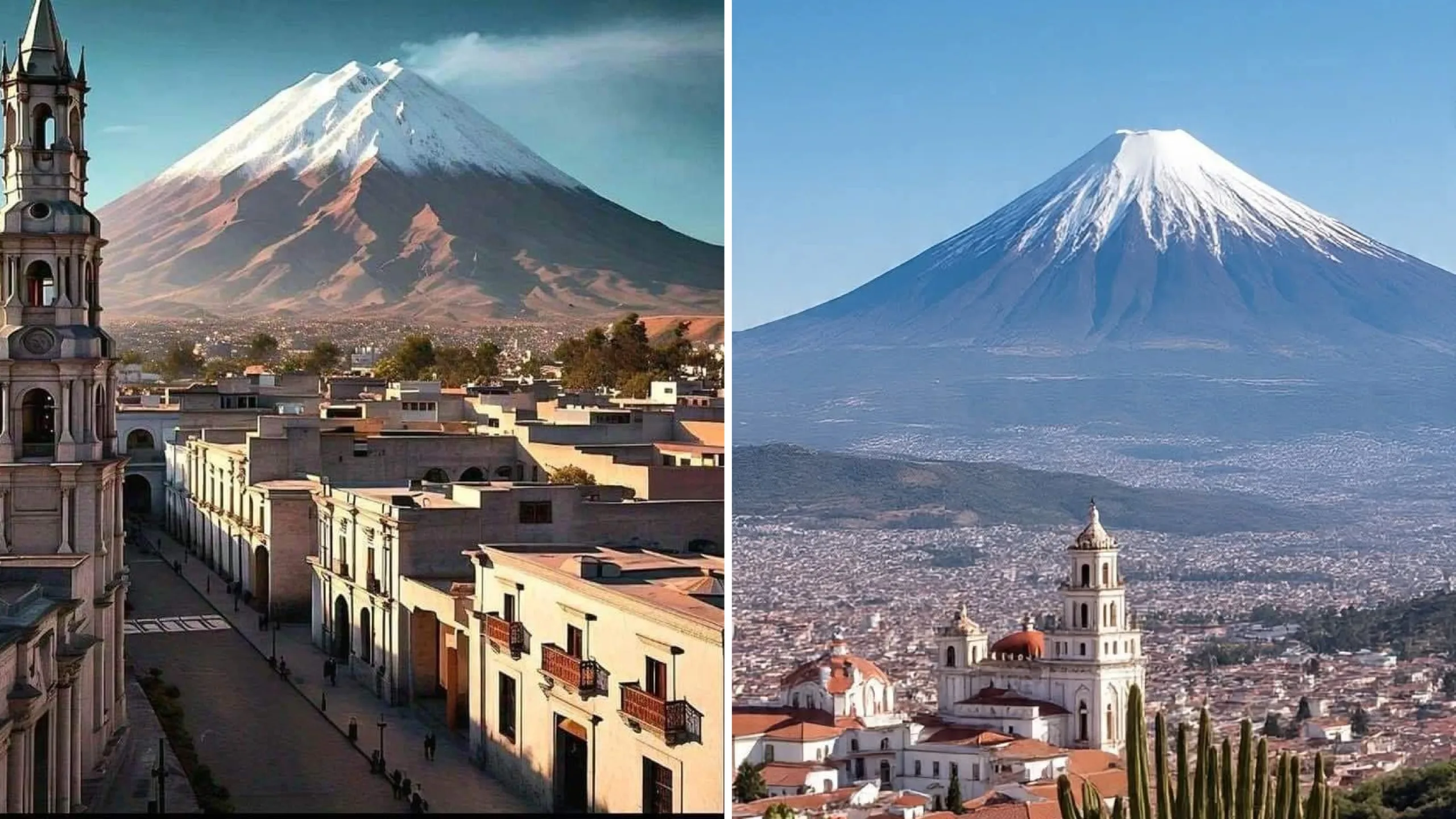
The term “White City” is most likely derived from the colonial buildings of Arequipa, of which most are made of sillar, a white volcanic stone that illuminates when the Andean sun hits. The city embodies a combination of the Spanish and indigenous heritage, where history and tradition merge effortlessly with everyday life.
History and Architecture
The term “White City” is most likely derived from the colonial buildings of Arequipa, of which most are made of sillar, a white volcanic stone that illuminates when the Andean sun hits. The city embodies a combination of the Spanish and indigenous heritage, where history and tradition merge effortlessly with everyday life.
The Misti Volcano
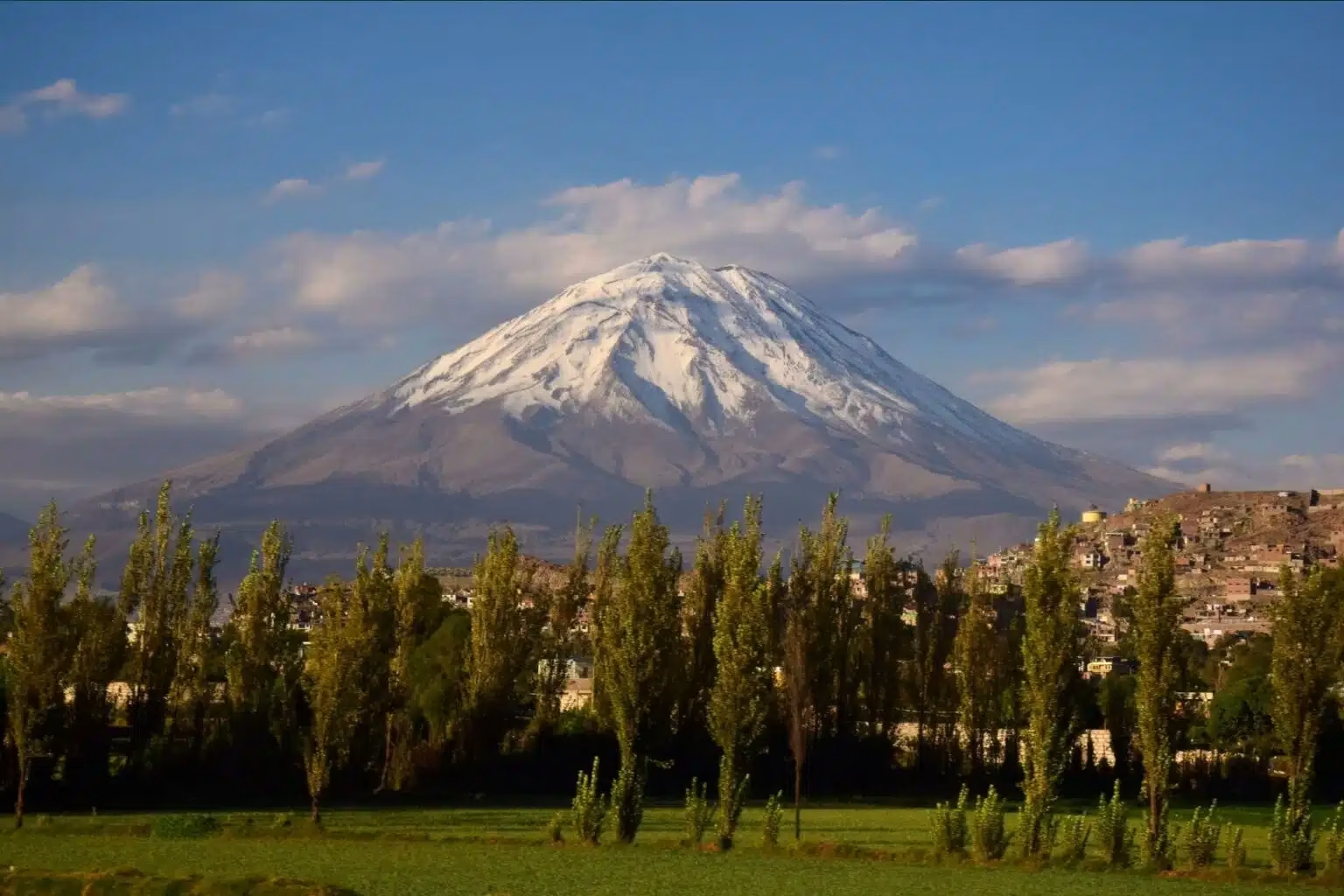
Misti Volcano is considered Arequipa’s emblem. Standing taller than the city at 5,822 meters (19,101 feet), it provides a striking context to every view. Although it is still thought to be active, Misti is quiet and an object of respect by locals as it is perceived to protect the region. For those seeking adventure, it is a strenuous but worthwhile journey to its summit, revealing spectacular views of Arequipa and the greater Andes.
Nature and Adventure, Colca Canyon
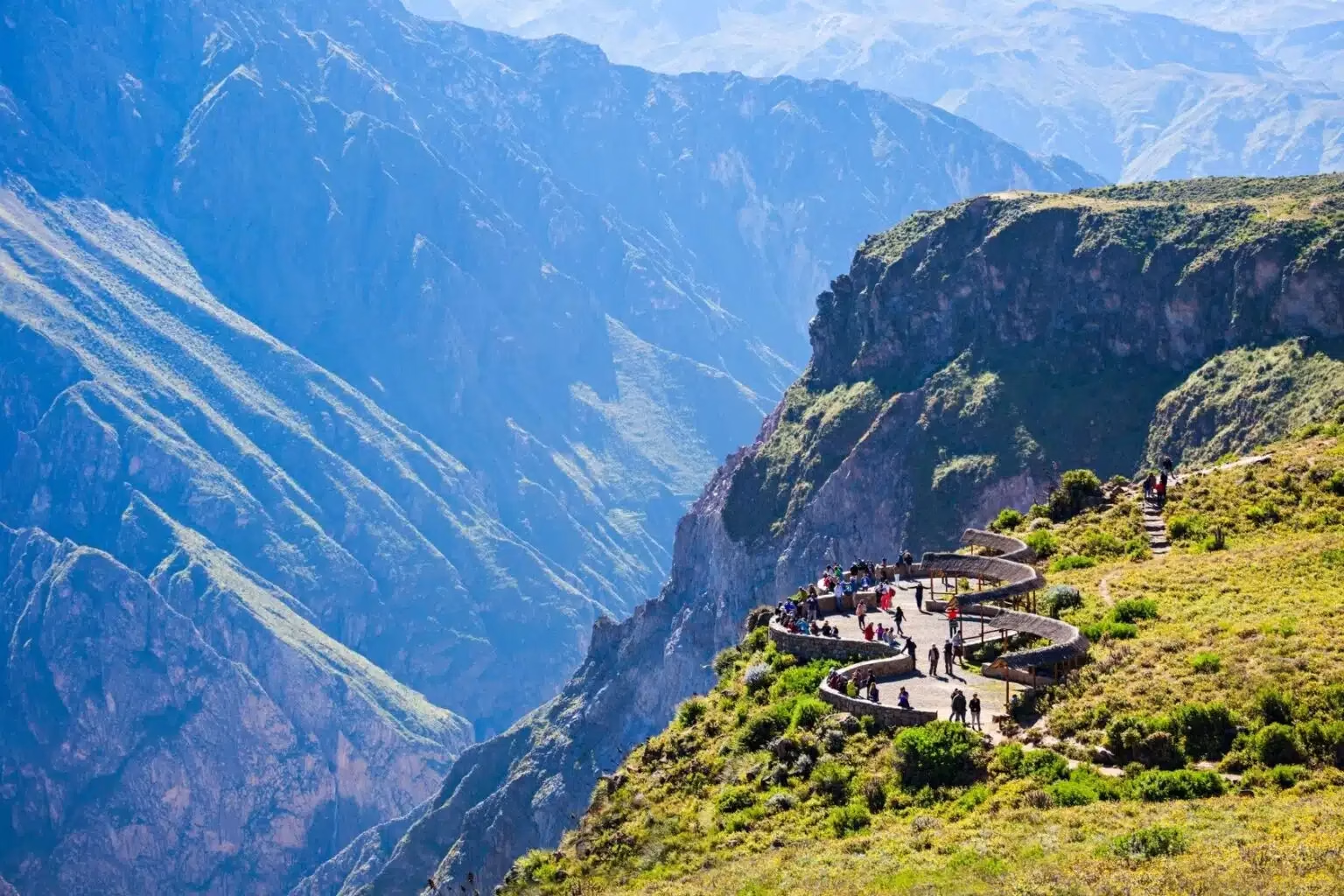
Colca Canyon is among the world’s deepest canyons and is a must-visit for anyone traveling to Arequipa. Its depth is almost double that of the Grand Canyon, and it features beautiful scenery and an unmistakable link to local culture.
The Colca Canyon Experience
The canyon extends across high Andean valleys and villages, many of which still utilize ancient terraced fields for agricultural use. Most visitors will take some time to stop at Cruz del Cóndor, a viewpoint that overlooks the canyon walls for condor watching. The scenery transitions from barren slopes to lush, green valleys dotted with rivers and hot springs. Trekking in Colca boasts natural scenery and interactions with local folks preserving their ancestral ways of life.
Getting There and Tours
Typically, the drive from Arequipa to Colca Canyon takes four to five hours. Most travelers take some kind of guided tour, which would include an overnight stay in one of the small towns near the rim of the canyon: Chivay or Cabanaconde. Regardless of whether it is a one day tour, or a multiday trek, you will have opportunities to view astonishing viewpoints, tour the area where wildlife such as alpacas and vicuna inhabit, and take a thermal bath, surrounded by the Andes.
Arequipa’s Natural and Cultural Highlights
Arequipa’s natural and geological surroundings are home to remarkable forms other than canyons and volcanoes
Salinas & Aguada Blanca National Reserve
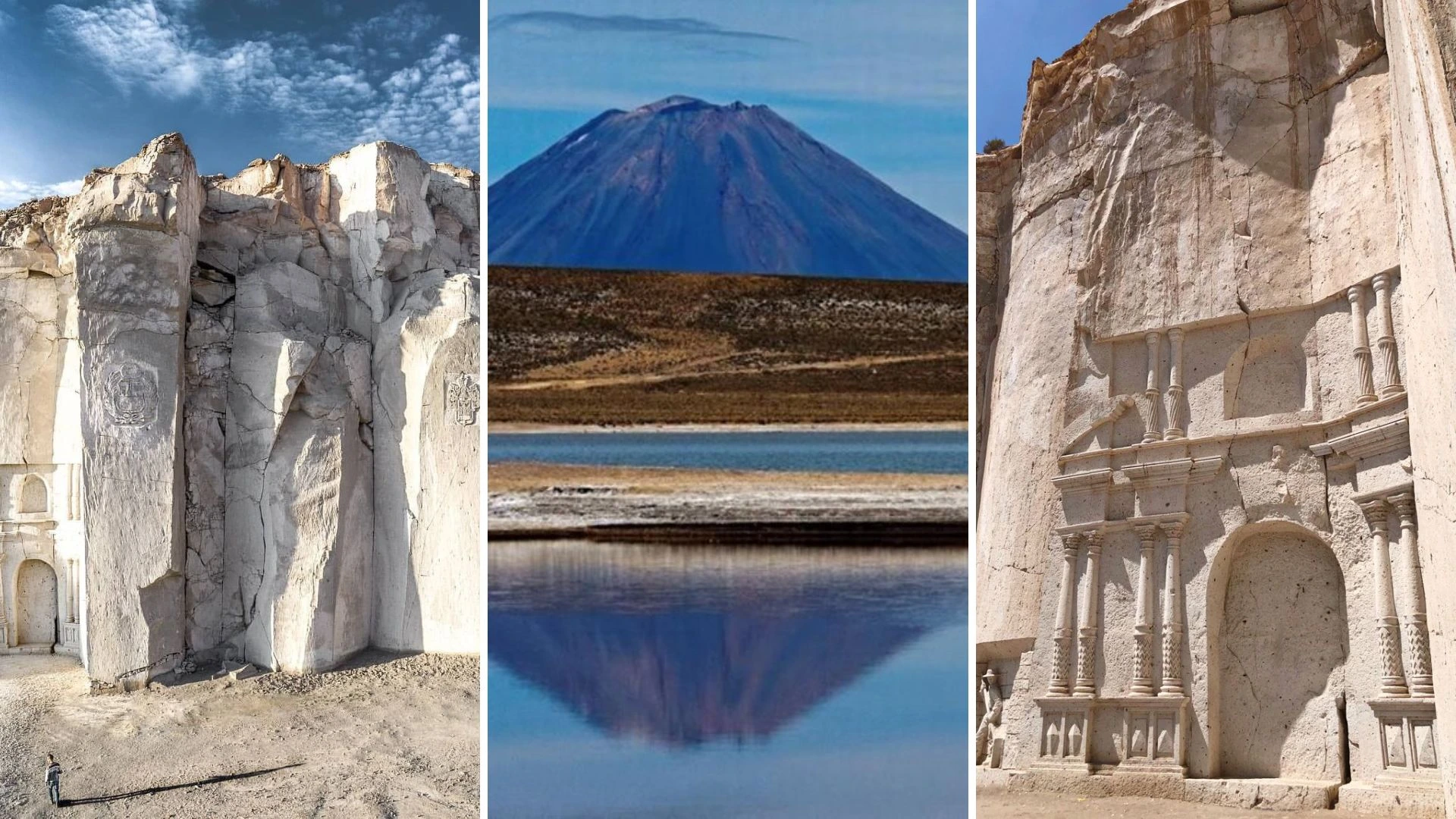
This reserve, two hours from the city, is a high Andean ecosystem that protects and provides an environment for vicuñas, llamas, and flocks of flamingos. The area consists mainly of volcanic formations, salt flats, and lagoons that change color with the light. It is a perfect spot for nature lovers and photographers seeking pure and wild Andean beauty.
The Sillar Route and Stone Forests
Just on the outskirts of town, guests can visit the Sillar Route, where locals work at blasting the ancient quarries to carve volcanic stone. This site reveals how Arequipa’s characteristic architecture was constructed. Adjacent to the Sillar is the Stone Forest of Imata, where a unique collection of natural sculptures is formed in volcanic rock due to wind and erosion after thousands of years. The stone sculptures impressively resemble animals, towers, and other shapes.
Arequipa’s Flavors and Local Life
Arequipa is recognized for its cuisine, which is considered to be one of the best in Peru. Its meals are based on stunning Andean ingredients with strong Spanish influences, giving them a rich, hearty, and potentially exotic flavor.
Traditional Dishes
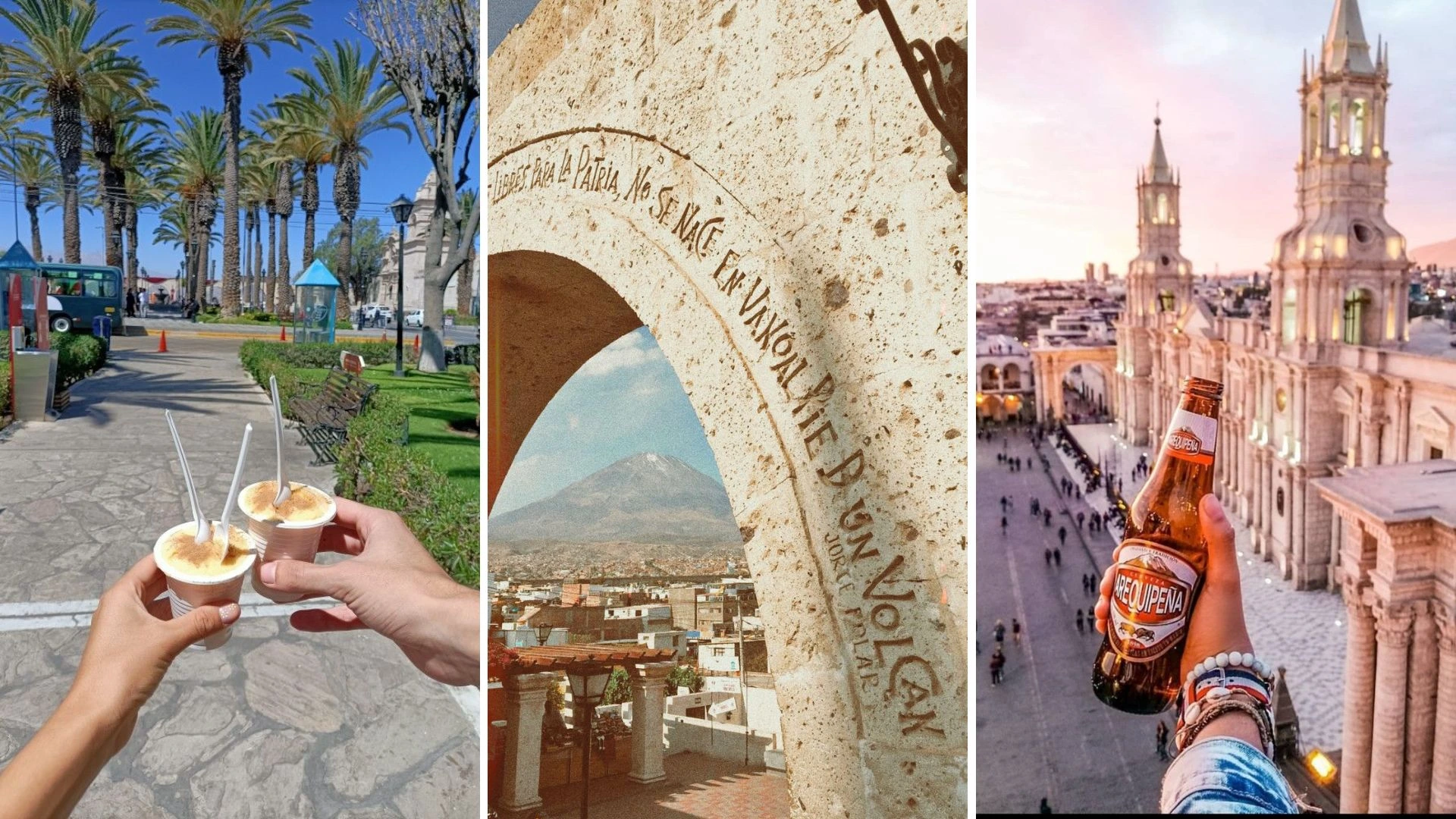
Several extremely popular local dishes include rocoto relleno, a spicy stuffed pepper with meat and vegetables, and ocopa arequipeña, a potato dish with cream made from peanuts and chilies. Be sure to experience picanterías, local style restaurants where people gather to eat and talk. For dessert, try queso helado, sweet homemade ice cream with cinnamon, which is a local favorite.
Cost and Culture
In terms of cost of living and general affordability, Arequipa is relatively inexpensive compared to many other cities in Peru, and the charm and hospitality of its people are inviting. Life moves at a slower pace, starting with fresh bread and coffee in the morning, and ending with time spent in colorful plazas surrounded by colonial arches. The cultural life of Arequipa revolves around the museums, galleries and festivals of music, dance and food.
When to Visit and Why You’ll Love It
The pleasant temperatures and sunshine in Arequipa make it a destination for all year round, however, some months are better for outdoor exploration and adventure.
Climate and Best Season
The best time to visit is during the dry season, which lasts from April to November. The days are warm, nights are cool and the skies are clear – perfect for visiting the Colca Canyon or hiking around the volcanoes. The wet season, or rainy season, is from December to March, and while the landscape looks much greener then, it sometimes rains, particularly in the higher elevations.
Why Arequipa & Colca Canyon Are Unmissable
Arequipa has something to offer every traveler. Its white stoned architecture, dramatic mountains, and rich traditions create a destination that feels ageless and authentically Peru. The Colca Canyon, only a few hours away, offers its own adventure and natural beauty to any experience. Together, they encompass the ideal balance of history, nature, and culture that defines Southern Peru.
Frequently asked questions about Arequipa, White City
Arequipa is about 480 km from Cusco (10–12 hours by bus) and 320 km from Puno (6 hours). Many travelers combine these cities into a single route across southern Peru.
The dry season (April–October) offers the best conditions for hiking and sightseeing. The rainy months (November–March) are greener and perfect for photography.
Yes, a Colca Canyon day trip from Arequipa is possible, though you’ll need to depart early (around 3:00 a.m.) to make the most of your day.
The Arequipa Colca Canyon trek can be moderate to challenging due to steep climbs and altitude. Guided tours are recommended for safety and comfort.
Top spots include the Monastery of Santa Catalina, El Misti Volcano, Salinas and Aguada Blanca Reserve, Yanahuara Viewpoint, and the world-famous Colca Canyon.