


New Andean Rodent Discovered in Peru Linked to Machu Picchu Species
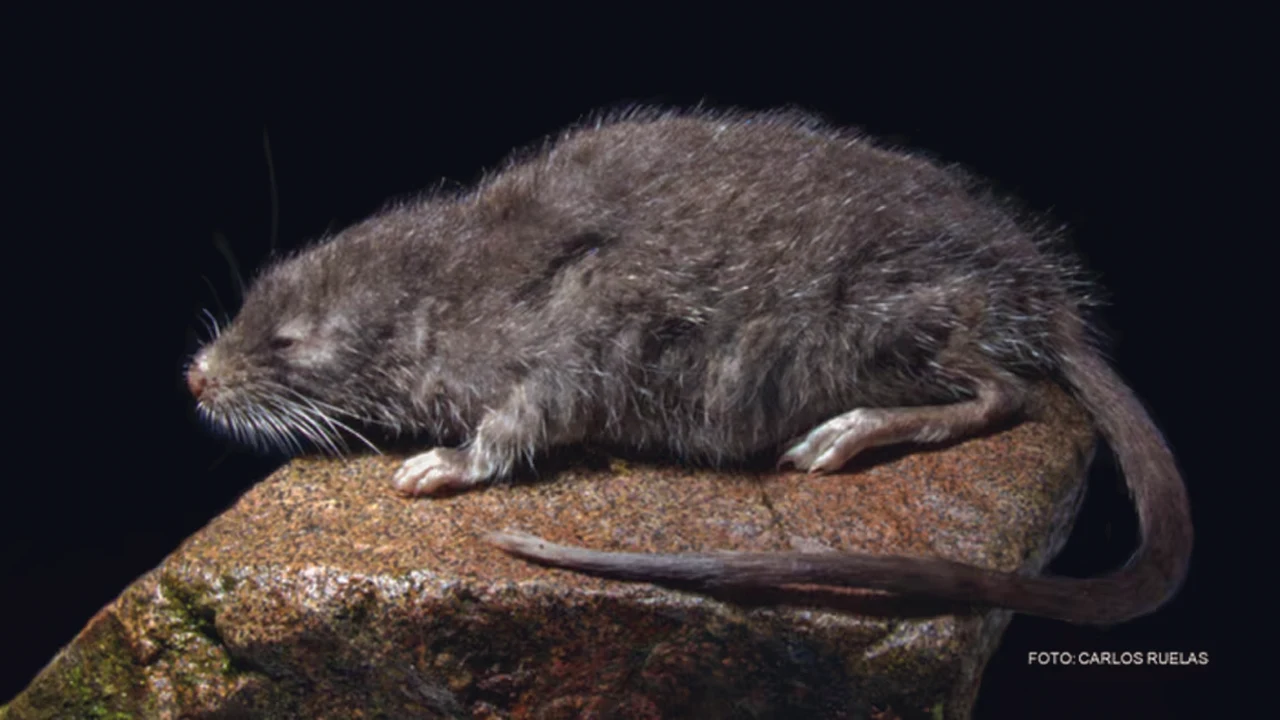

In the mountain forests of the eastern Andes in Peru, a small, semi-aquatic rodent lived hidden away for many years. It moved among damp plants and cold streams without almost anyone noticing. Its life was quiet and took place only in very specific high-altitude locations. As a result, it was part of a landscape that still holds mysteries for scientists who study nature in high-altitude, humid areas that are difficult to access.
Now, however, this animal has its own name in science. Today, it occupies a clear place on the country’s official list of species.
The announcement was made during World Wildlife Day. At that time, Peru added a new scientific record called Incanomys parviauris. Experts conducted studies of the body and DNA. Thanks to this, they were able to differentiate it from other Andean rodents that appear similar at first glance but have important differences in their structure and genetics. The results were then published in the journal American Museum Novitates, which explains in detail the characteristics that make it unique.
In addition, this discovery brought renewed attention to protected natural areas. In these places, science can advance with greater certainty. The National Service of Natural Areas Protected by the State explained that these territories are key. They protect high mountain habitats and, at the same time, facilitate the search for species that only live in Peru.
The physical detail that set off the alarms
The new species has very clear physical characteristics. First, its ears are small and almost invisible because they are covered by fur. It also has four pads on its hands. It also has incisors and a specially shaped skull. Its back is gray and its belly is silver. These differences were essential in officially recognizing it as a distinct species within the Andean rodents.
The secret was in the DNA
Genetic analysis then confirmed something important. Incanomys parviauris is closely related to Incanomys mayopuma. The latter was described in June 2025 in the Historic Sanctuary of Machu Picchu. According to the National Service of Natural Areas Protected by the State, both are sister species. In other words, they share a close ancestor. This helps us better understand how these rodents evolved in mountain ecosystems where the climate is cold and humid for much of the year.
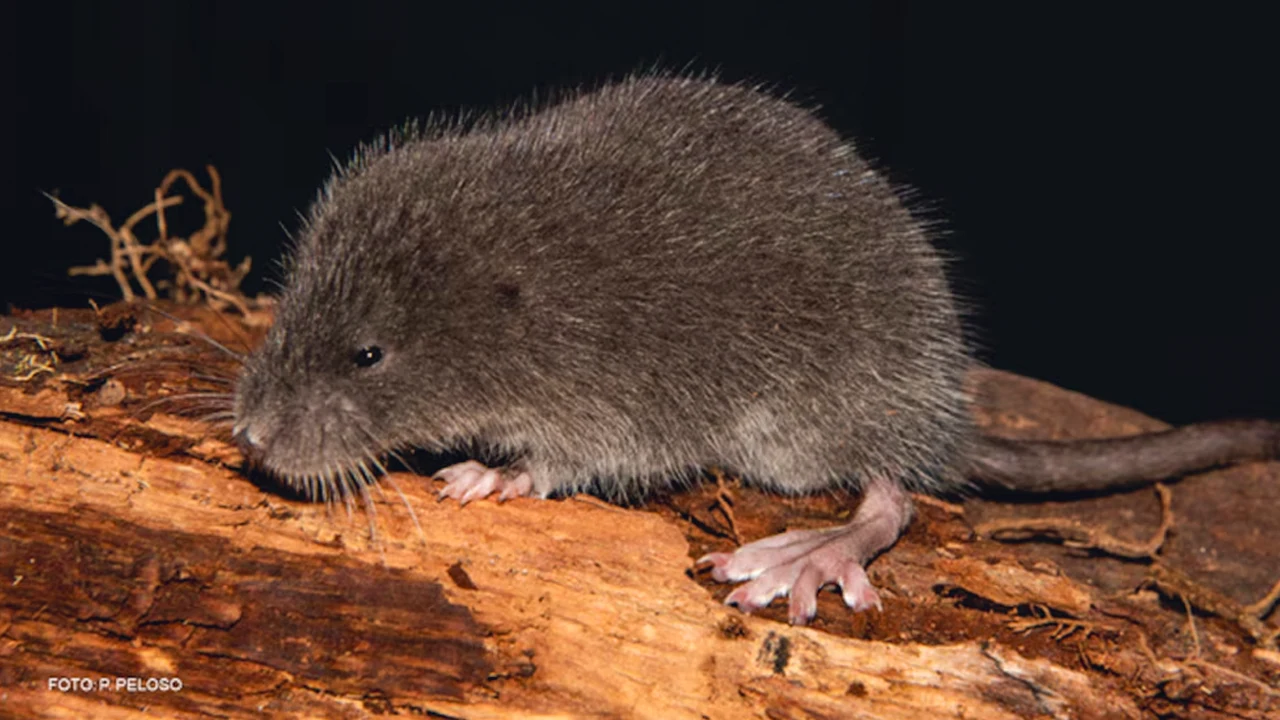
The first official specimen, called a holotype, was recorded at the Las Lechuzas refuge. This place is located within the Cordillera de Colán National Sanctuary. In addition, another specimen, known as a paratype, was found in the Las Papayas sector of the Río Abiseo National Park. Thanks to these sampling points, scientists confirmed that the species lives in different sectors of the eastern Andean slope.
Two clues on the map that changed history
These locations were not chosen at random. First, researchers looked for areas with mountain streams. Then, they reviewed old records. Finally, they compared samples until they confirmed the presence of the new rodent in more than one location, which strengthened the scientific evidence and allowed them to describe the species with greater certainty.
A project that crossed borders
The study was conducted by an international team. Experts from several universities in the Americas participated. First, they compared specimens stored in museums. Then they reviewed scientific collections. Finally, they applied molecular analyses to study the DNA accurately and confirm that it was a new species and not a variation of another already known species. The publication in American Museum Novitates demonstrates that the work underwent a rigorous academic review process.
Why does this small rodent matter more than it seems?
In conclusion, the identification of Incanomys parviauris expands our knowledge of semi-aquatic rodents in the Andes. It also provides important data for understanding how species are distributed in high-altitude areas where elevation, humidity, and vegetation directly influence which animals can live there and adapt to demanding conditions.
You could also visit: