Peruvian Ceviche: The National Dish and Regional Styles
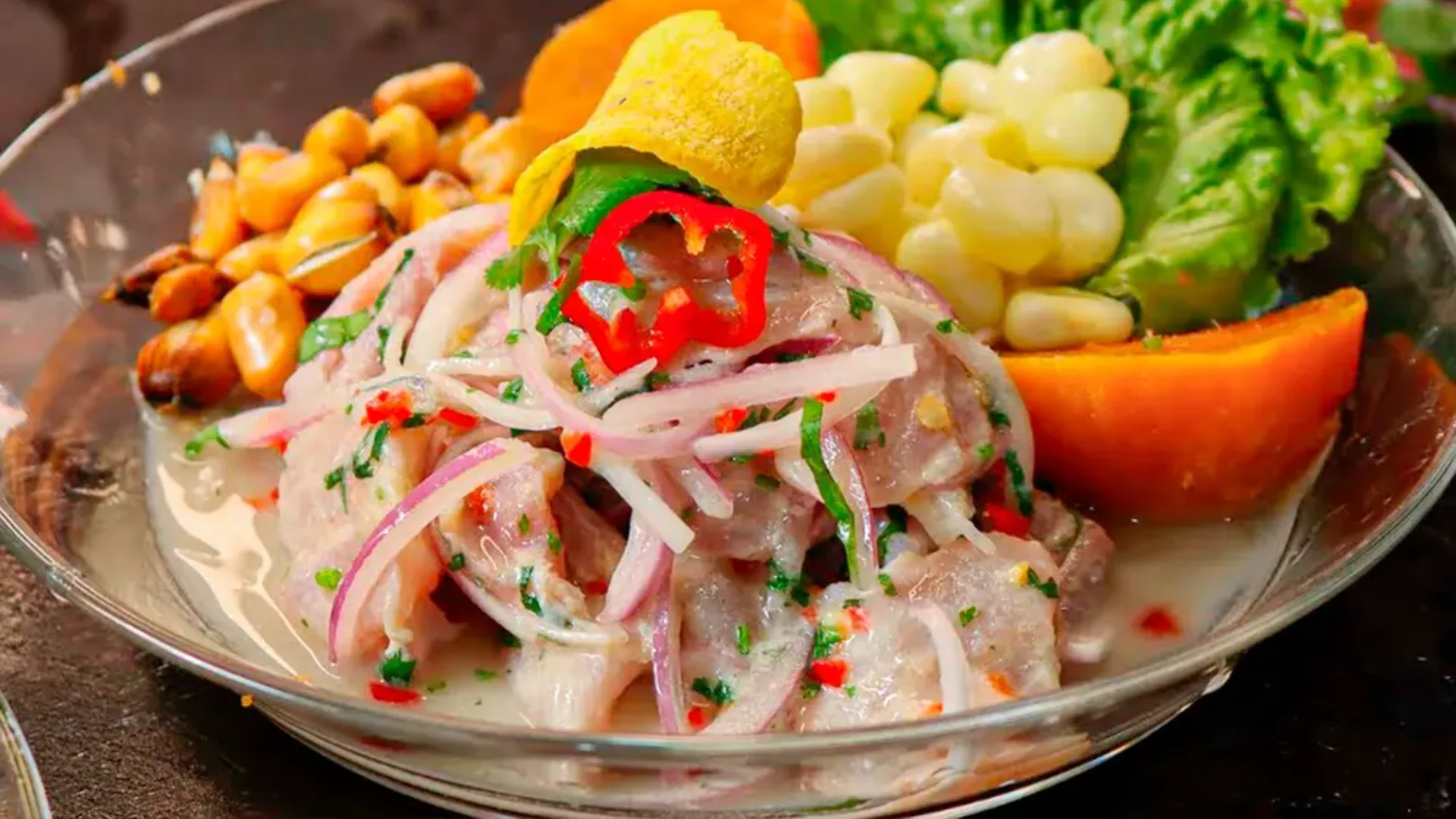
Ceviche is one of those dishes that will tell you a lot about Peru with just one bite. It is an unpretentious dish that is full of flavors, with seafood that is fresh, citrus that awakens the taste buds, and ají that leaves you wanting more. In Peru, however, ceviche is not something that is served for special occasions. It is something that is part of everyday life. People plan their meals with it, debate whose ceviche is the best, and even take it personally if the dish is bland or over marinated.
This guide will be all about the real story behind Peruvian ceviche, how it differs from the rest, and where to get it in both Lima and Cusco, with the aim of being practical so that it can be used while traveling.
Why Ceviche Matters in Peru
Ceviche is Peru’s signature dish because it encapsulates the essence of Peru’s cuisine and geography. Peru has a huge coastline, a strong fishing culture, and a market culture where freshness is evident and appreciated. The best ceviche is not one that tries to disguise the fish. It’s one that showcases the fish. The lime and ají are there to enhance the flavor, not mask it.
It is also a dish that has strong social significance. A ceviche meal is a ritual. It is how weekends begin, how guests are treated, and how Peruvians treat themselves without needing a special occasion. In the coastal cities, ceviche is typically eaten at lunch because it fits the rhythm of the catch and the notion that the seafood should be at its freshest.
The History of Peruvian Ceviche
Ceviche did not suddenly materialize as a complete dish. Along Peru’s coast, people have been consuming fresh fish with salt and local peppers for a very long time. Well before the modern lime became the hallmark of the dish, the coastal communities were using various methods to season and preserve fish using what was available to them, such as salt, chilies, and the acidity of local ingredients.
The changing of the ingredients used to make ceviche over the years has been greatly influenced by trade, agricultural developments and migration. Originally, citrus was the primary item used to cure fish; onions added a second ingredient, and ají peppers contributed a uniquely Peruvian flavour. Thus it more accurately reflects the development of ceviche as an evolving tradition rather than an unchanging dish.
Today, ceviche recipes vary from region to region, chef to chef, and even with respect to daily catch of fish or shellfish. The large amount of variability among these recipes is what has made ceviche such a popular dish today.
What Makes Peruvian Ceviche Different
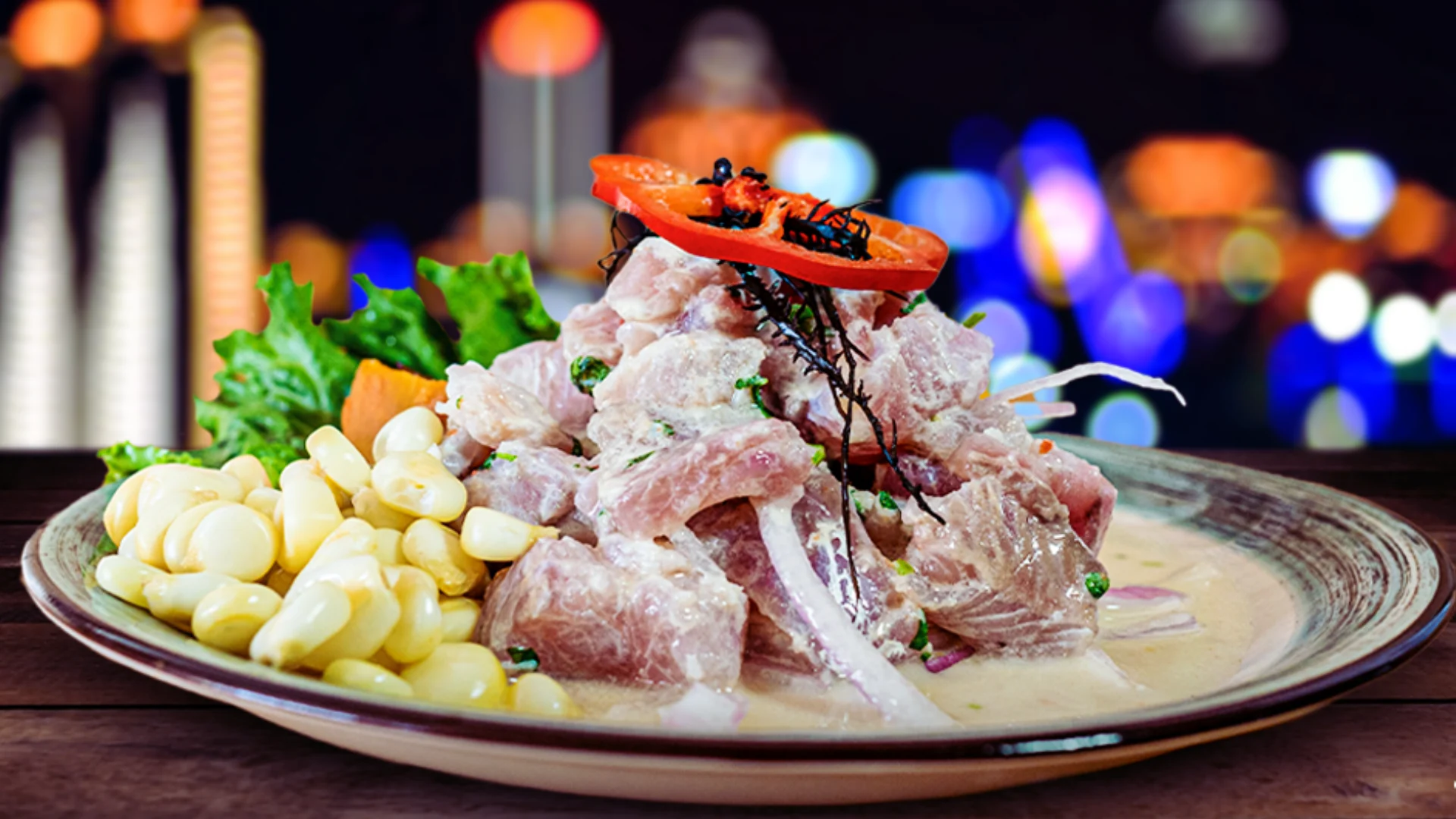
Peruvian ceviche stands apart because it is built on balance, timing, and respect for the main ingredient. Instead of relying on long marinades or heavy seasoning, the Peruvian approach focuses on freshness, quick preparation, and the way each element interacts on the plate. From how long the fish touches the citrus to the role of ají, onion, and sides, every detail is intentional and shapes the final experience.
The time in citrus is usually short
In many countries, this dish is marinated for a long time until the fish becomes very firm and completely opaque. In Peru, especially for traditional-style dishes like those commonly found in Lima, this is not usually the case. The fish should be tender and have a fresh flavor, with citrus and chili more like seasonings than marinades. The flavor should start with sea, then lime, then chili.
Ají peppers shape the whole personality
Peruvian style ceviche is not simply sour. It is citrus and ají combined. The ají pepper is significant to this since it alters how the acidity feels. The ají adds fragrance and burn, but it is not simply burn. It can have different flavors, such as floral or sharp, and can vary in intensity from friendly to serious.
Onion is meant to be crisp
The onion is not an additional flavor component. It is an additional textural component. It is usually sliced thinly to give crunch and bite. It can also cool the mouth between bites of chili, lime, and fish. Some people choose to soak their onions to make them more tender, but this is not necessary.
The sides are part of the design
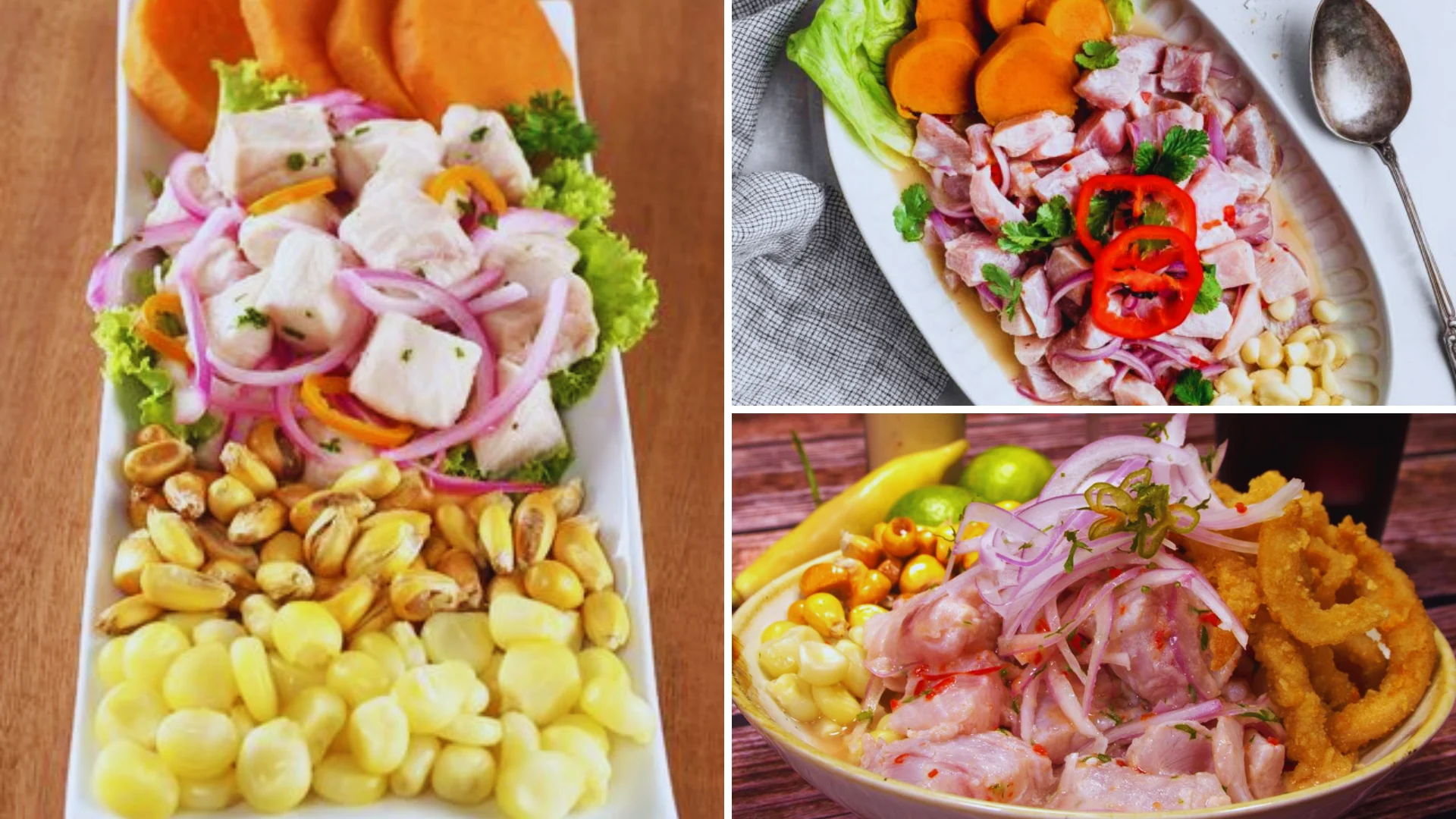
In Peru, some of the sides with ceviche include sweet potato, peruvian corn, and sometimes toasted corn. It’s not random. Sweet potato adds sweetness and comfort to the meal. Corn adds chew and balance. Toasted corn adds crunch. It’s to prevent the meal from getting too aggressive, especially if it’s quite acidic or spicy.
Leche de Tigre is not treated like leftover food
Leche de Tigre is the citrusy liquid left in the bowl. It’s made with lime juice, salt, chili, fish juice, and sometimes some aromatics depending on where you are. It’s quite popular in Peru as an experience because it’s concentrated flavor. Sometimes, it’s served on the side in a small cup. Sometimes, people even order it as an experience. It can be quite punchy and spicy or smooth and rounded.
The Core Ingredients and Why They Matter
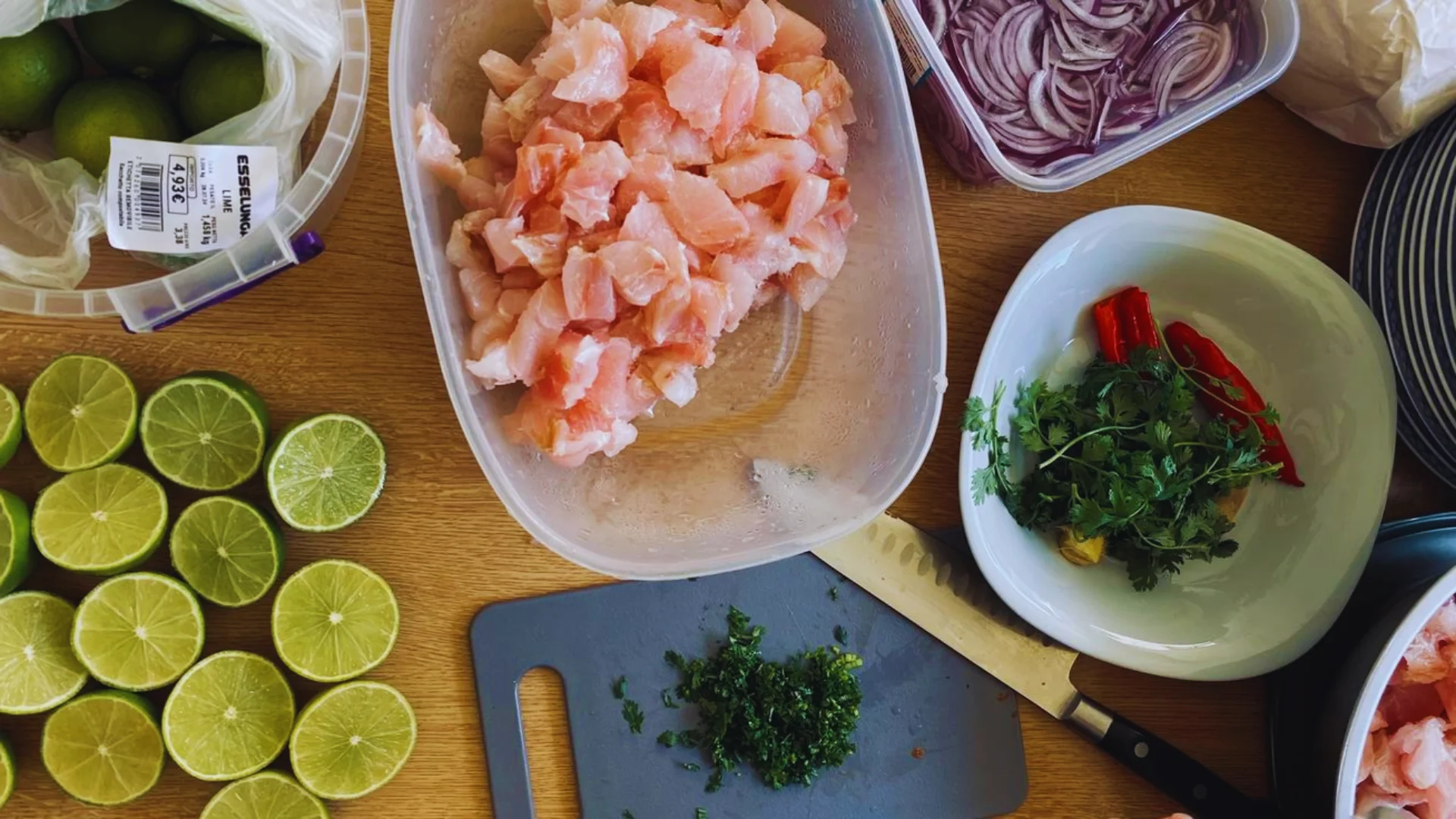
Peruvian ceviche relies on very few ingredients, which is exactly why each one matters so much. There is nowhere to hide mistakes. The quality of the fish, the way the lime is handled, the balance of salt, and the role of ají and aromatics all work together to create a dish that feels sharp, clean, and complete. When one element is off, the whole ceviche suffers.
Fish
A good ceviche, like the traditional Peruvian one, depends heavily on the quality of the fish. A good fish should be firm, clean, and mild so it does not interfere with the ají and the lime. It should smell like the ocean, not like fish. If the fish is not good, the addition of lime does not improve it.
Lime
The lime is the backbone of the dish. It provides the necessary acidity, the necessary bright flavor, and the necessary wake up call for the taste buds. Traditionally, the lime flavor in Peruvian ceviche is pungent. There is also careful consideration of the squeezing of the lime, as the bitter taste should not sneak up.
Ají
Ají contributes the necessary spice and aroma. It also contributes the necessary complexity so the dish is not one dimensional. A good ceviche should be spicy but not fishy.
Salt
Salt is the glue that holds the dish together. Without the necessary salt, the ceviche tastes like lime on fish. With the necessary salt, the ceviche tastes like a dish.
Onion and cilantro
Onion adds crunch and bite. The use of cilantro adds herb freshness that complements citrus. It’s not for all tastes, some like it and some do not. It’s commonly found in the mix.
The Most Common Styles You’ll See on Menus
Ceviche clasico
This is the standard. Fish, lime, ají, onion, salt, and sides. If you are new to Peruvian ceviche, this is the best first choice because it tells you what Peru means by the word “ceviche” without any additional ingredients that might confuse you.
Ceviche mixto
In this version, fish is mixed with other seafood, like squid, shrimp, and octopus. The texture is more varied, and the flavors can be more intense. It is a good second choice once you know you like the style.
Ceviche with different sauces or heat levels
Some places will serve ceviche that is more spicy, or has creamy additions like ají amarillo style sauce. These are not necessarily more authentic or less authentic; they are just new twists. If you like spicy food, ask how spicy it is before you commit.
Tiradito
Tiradito is like a twin, but not the same. The fish is sliced very thin, often without onions, and is topped with a citrus and chili sauce. The experience is more refined. It is a good choice if you like ceviche but don’t like the crunch and bite.
How to Eat Ceviche Like You Know What You’re Doing
First, taste the fish before you mix everything aggressively. Many cevicherías plate ceviche with intention, and you’ll understand the balance better if you take a clean bite.
Second, use the sides strategically. If the ceviche feels very acidic, take a bite of sweet potato. If the heat builds, take a bite of corn. This is how the dish is designed to be eaten.
Third, do not be shy about asking questions. In good cevicherías, servers expect it. Ask what fish they are using today. Ask if the ají is strong. Ask what they recommend if you want something classic.
Fourth, pay attention to the pace. Ceviche is not meant to sit for a long time. The texture changes as it stays in citrus. Many locals eat it fairly quickly once it arrives for that reason
Where to Eat the Best Ceviche in Lima
Lima is a strong ceviche city because you have everything: iconic restaurants, modern seafood bars, and small local spots that focus on speed and flavor. Here are widely known options and what each tends to be good for.
In Lima, ceviche is best had in the morning, and that’s because many of the traditional places are open for lunch and close in the middle of the afternoon, as the dish relies on fresh product and speed of service. So, if you want the traditional experience, have it in the late morning and early afternoon.
Alegría Picantería Piurana
This is the choice if you want ceviche with a northern Peru flair. Flavors are generally more intense, and the menu has enough complexity so that you can eat an entire meal off the seafood choices without ever getting bored.
- What to order
Order the house ceviche, and ask what seafood plate the chef recommends as a side dish. If you like crunch, order the ceviche with something crunchy as a side dish, as it really makes the meal pop. - Best for
If you like intense seasonings, like a lively meal, and like the atmosphere to be lively, then this is the place for you.
Hayaq
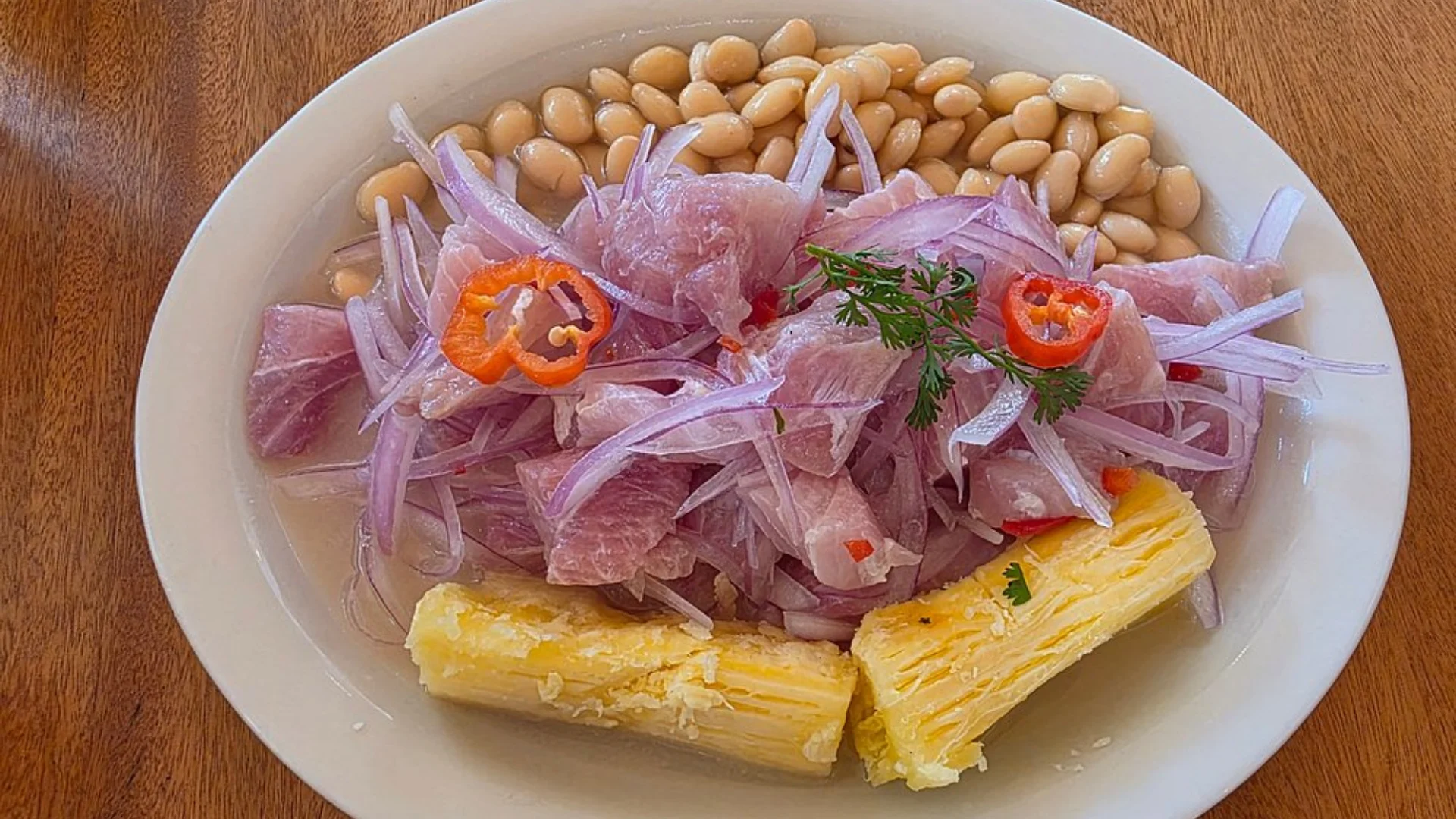
If you like food that’s considered and modern without losing that Peruvian essence, then Hayaq is a good option for you. This is a place where ají is a featured ingredient, not just a source of heat for the sake of heat.
- What to order
Order their signature ceviche first, then follow with something that brings warmth or comfort, like a causa style plate or a hearty seafood dish. This is a great place to do a two course ceviche lunch that feels complete. - Best for
Food focused travelers who want bold flavor and a menu that goes beyond one classic plate.
La Capitana
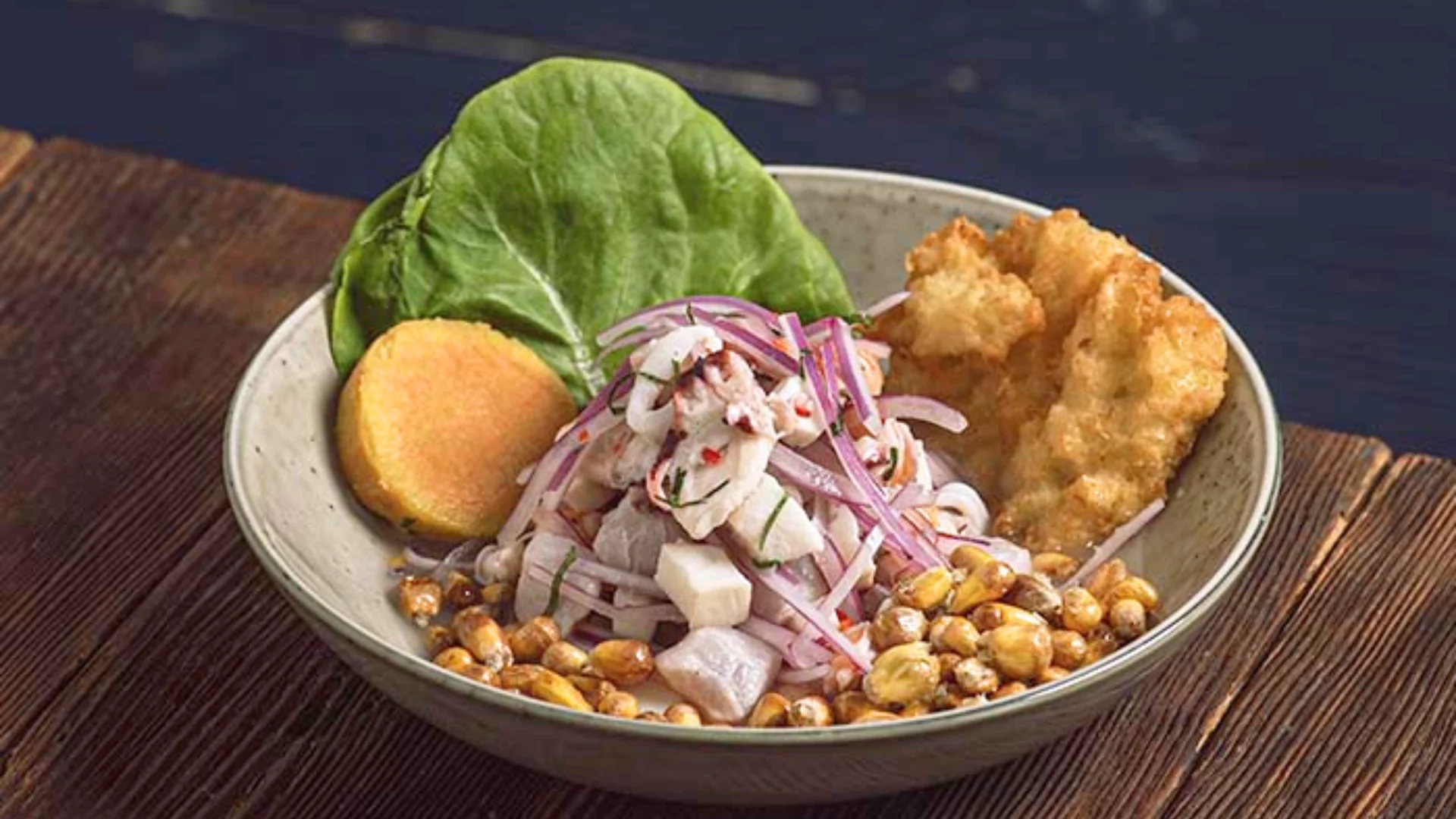
La Capitana is the kind of cevicheria you head to if you want a good, uncomplicated seafood meal. It’s very much a Lima experience you arrive hungry, order quickly, your ceviche arrives quickly, and it tastes like it should.
- What to order
Start with the classics. Then, ask for a second dish that will balance out the citrus, usually something fried or cooked. - Best for
Anyone who wants a good ceviche meal without overthinking it.
La Buena Muerte
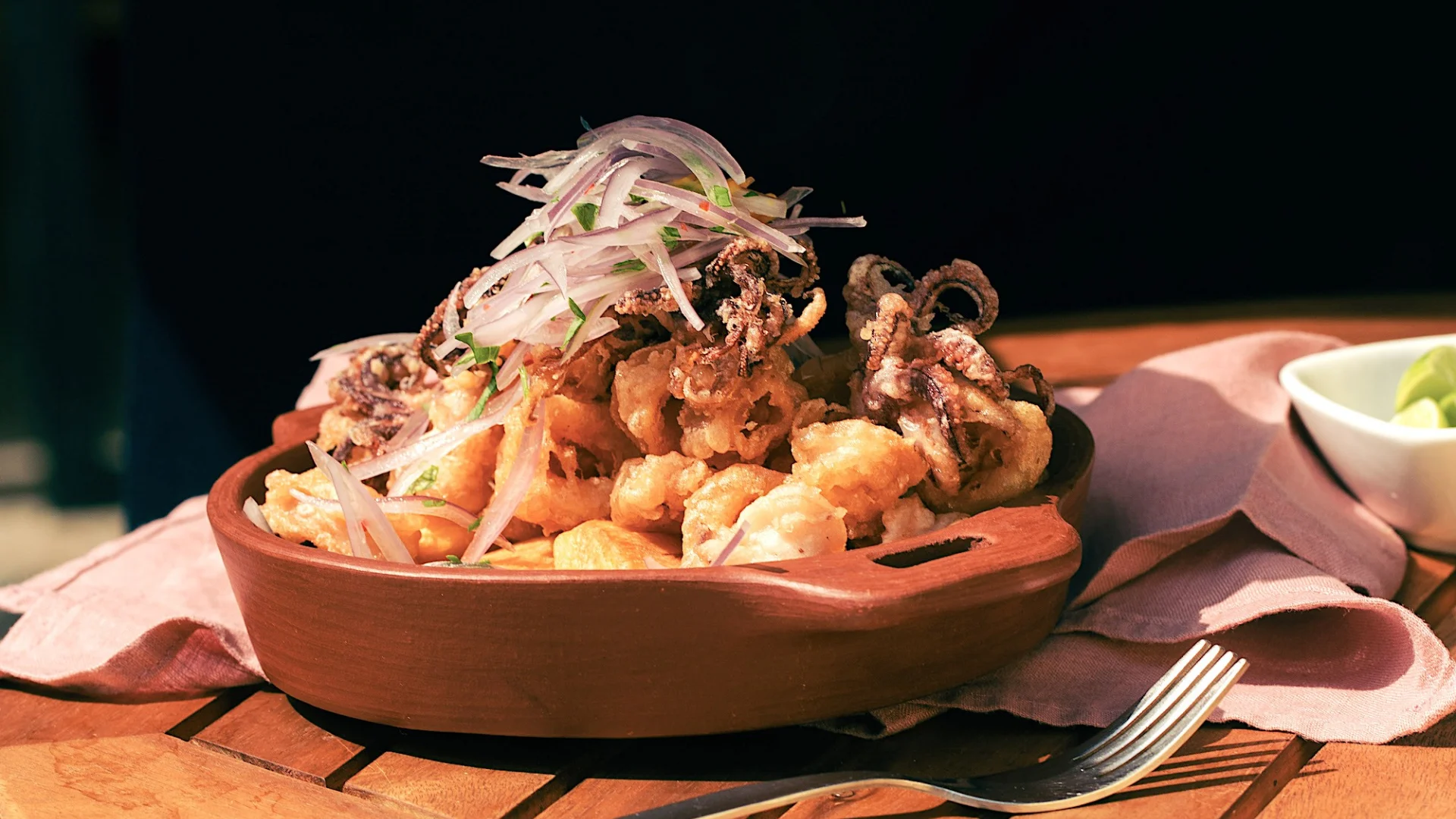
This is the tradition pick. It is a name people associate with legacy and seafood culture in Lima. If you like places that feel established, with a sense of history and a loyal crowd, this one belongs on your list.
- What to order
Start with fish ceviche to get the clean benchmark. Then consider a second plate that leans into a slightly different flavor direction, especially if you want something that feels more fusion or more technique driven. - Best for
Travelers who care about classic Lima seafood culture and want a place that feels like it has been part of the city for years.
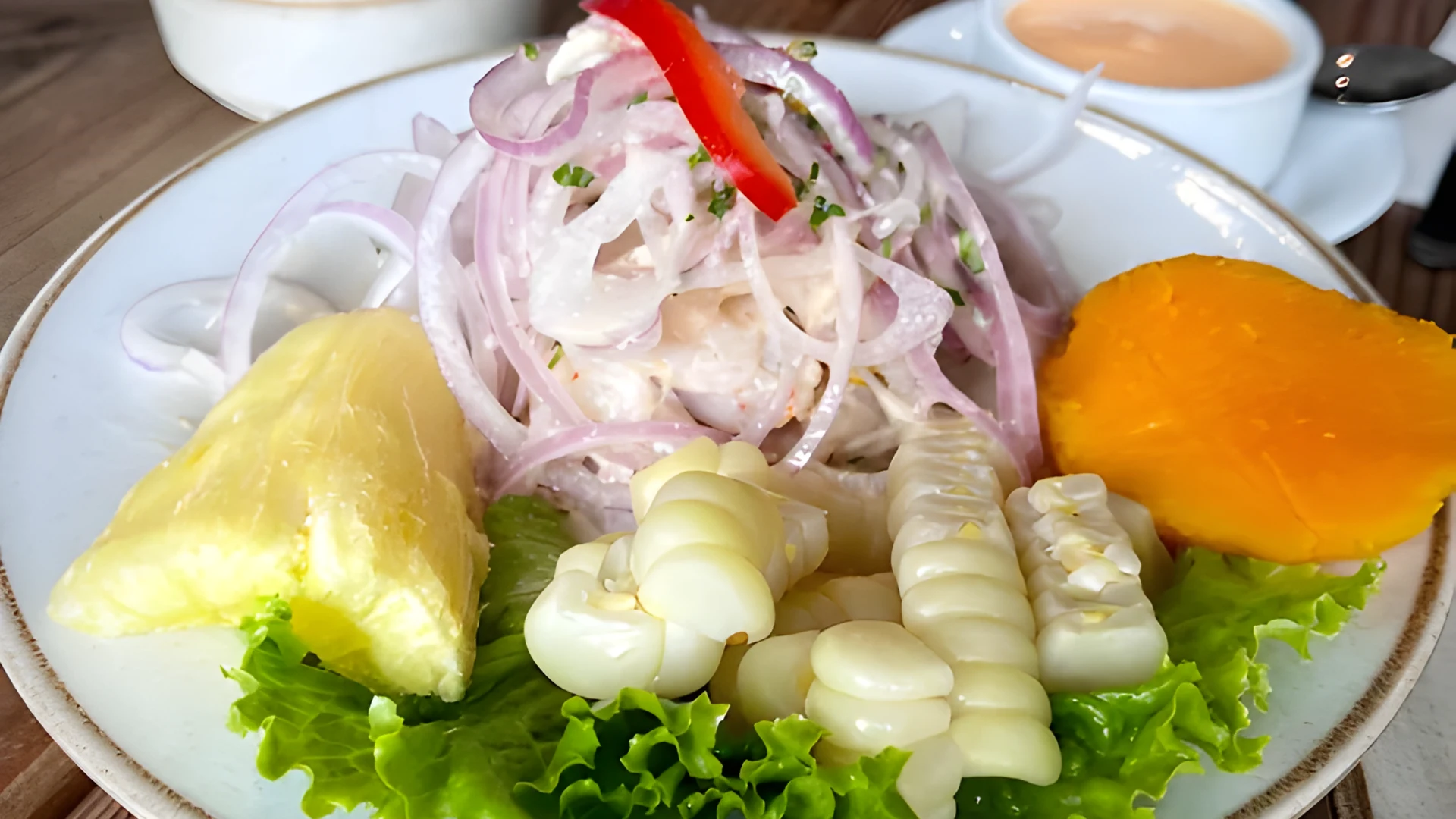
Percado Barra Cevichera
Percado is a great option when you want something smaller and more chef driven, the type of place where the menu feels curated and you might see more creative spins alongside the classics.
- What to order
Start with ceviche, then move into a tiradito or a more creative seafood plate if it is available. This is a good spot to taste both tradition and innovation in one sitting. - Best for
People who like modern seafood bars and want a slightly more experimental ceviche experience.
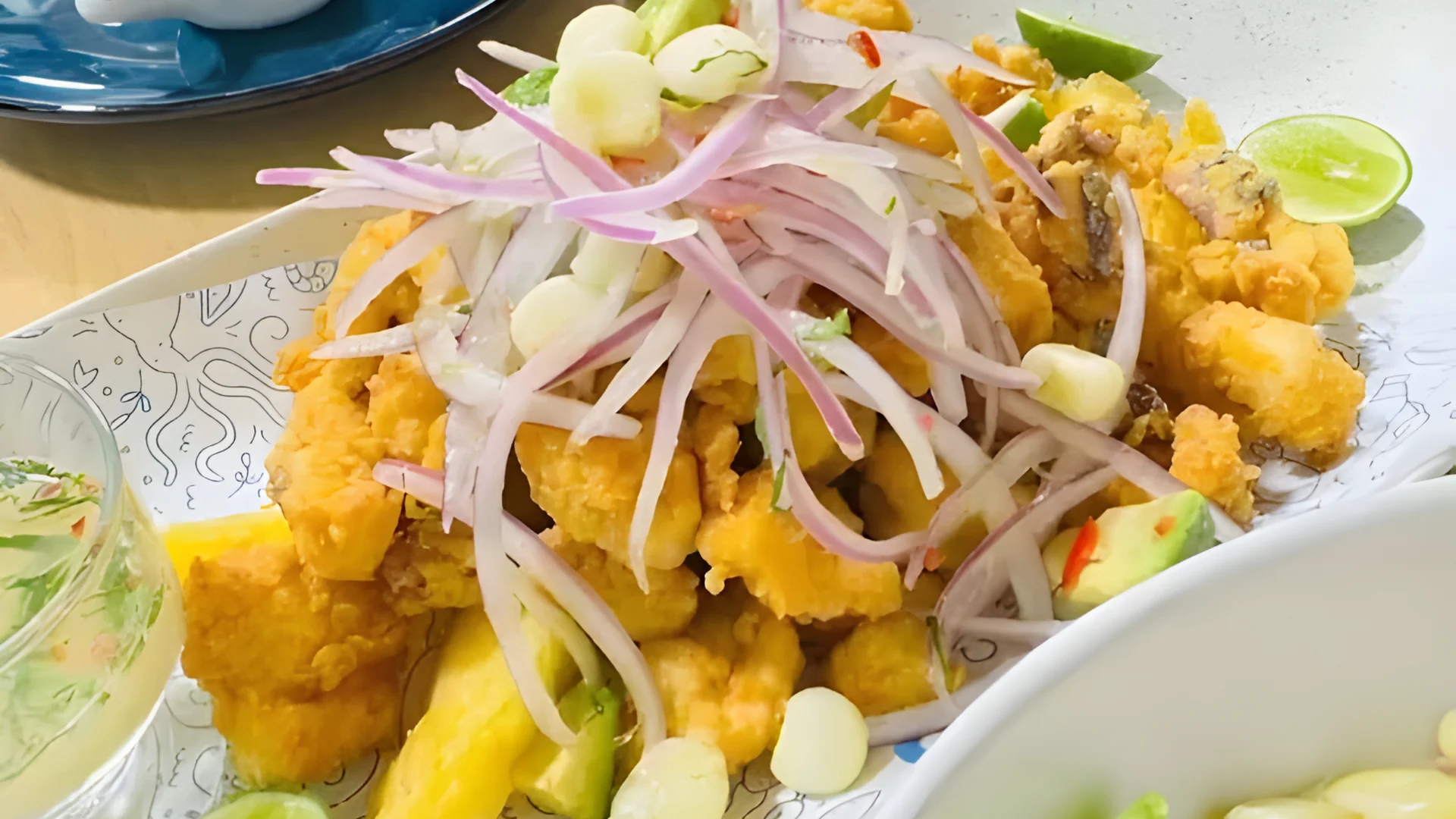
Where to Eat Ceviche in Cusco
Cusco is in the Andes, not on the coast, so ceviche here is about good sourcing and restaurants that handle seafood properly. You will often see trout ceviche as well, since trout is common in the region and makes logistical sense inland. If you choose reputable spots, ceviche in Cusco can be excellent and sometimes more inventive than what you find on the coast.
Ceviche Meat & Wine Co. (Portal de Harinas)
Right near the main square area, this is a strong central option if you want ceviche with a good atmosphere and a full sit down meal feel.
- What to order
Ask for their most popular ceviche of the day and pair it with something warm afterward. - Best for
Convenience, atmosphere, and a solid ceviche in the center.
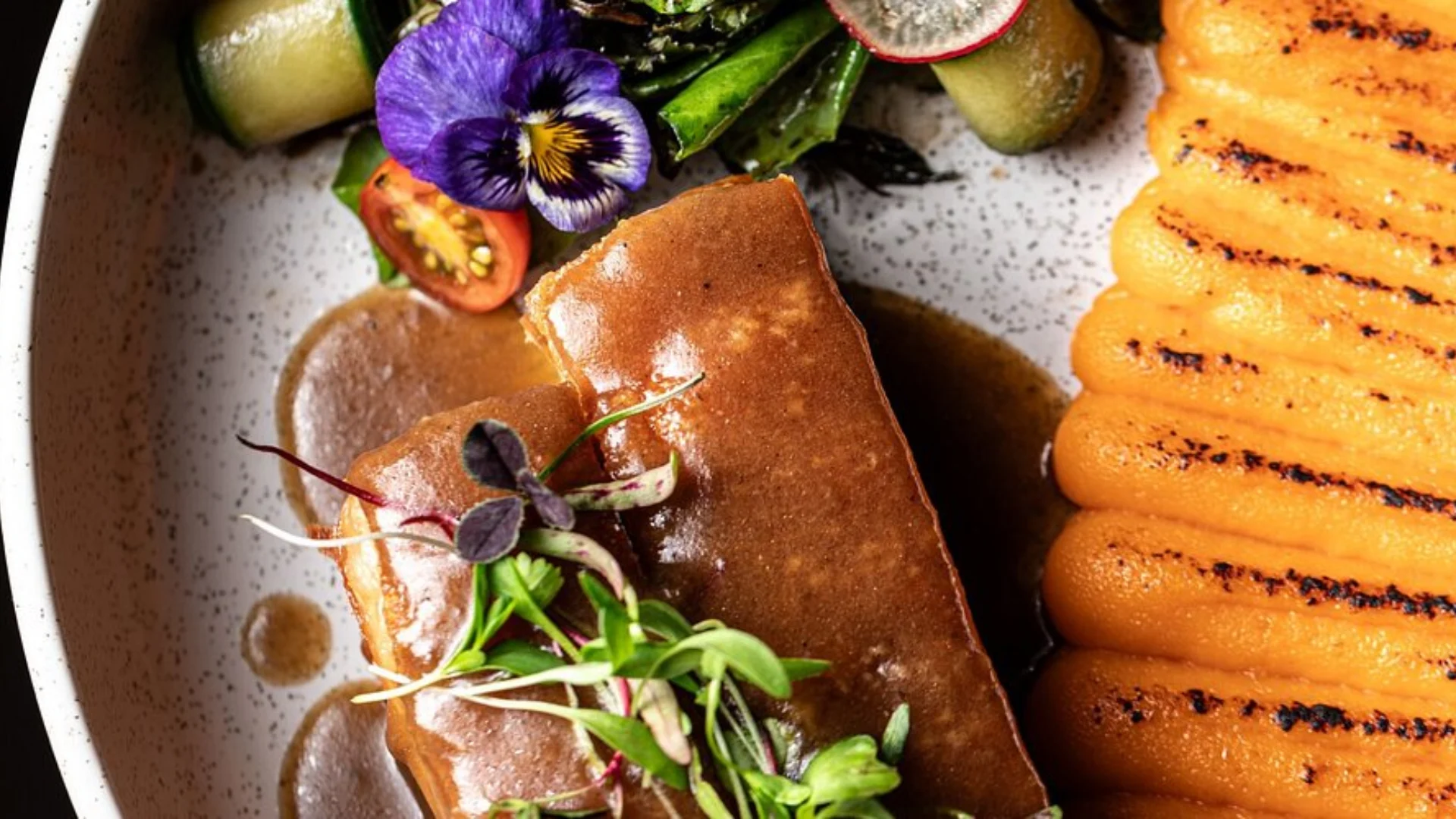
Don Pez Limón (Ttio)
Known for being popular near the Ttio market area, with generous portions and accessible prices.
- What to order
Classic ceviche or a trout option if available, then add a simple side dish to round it out. - Best for
A local feeling ceviche stop that is budget friendly.
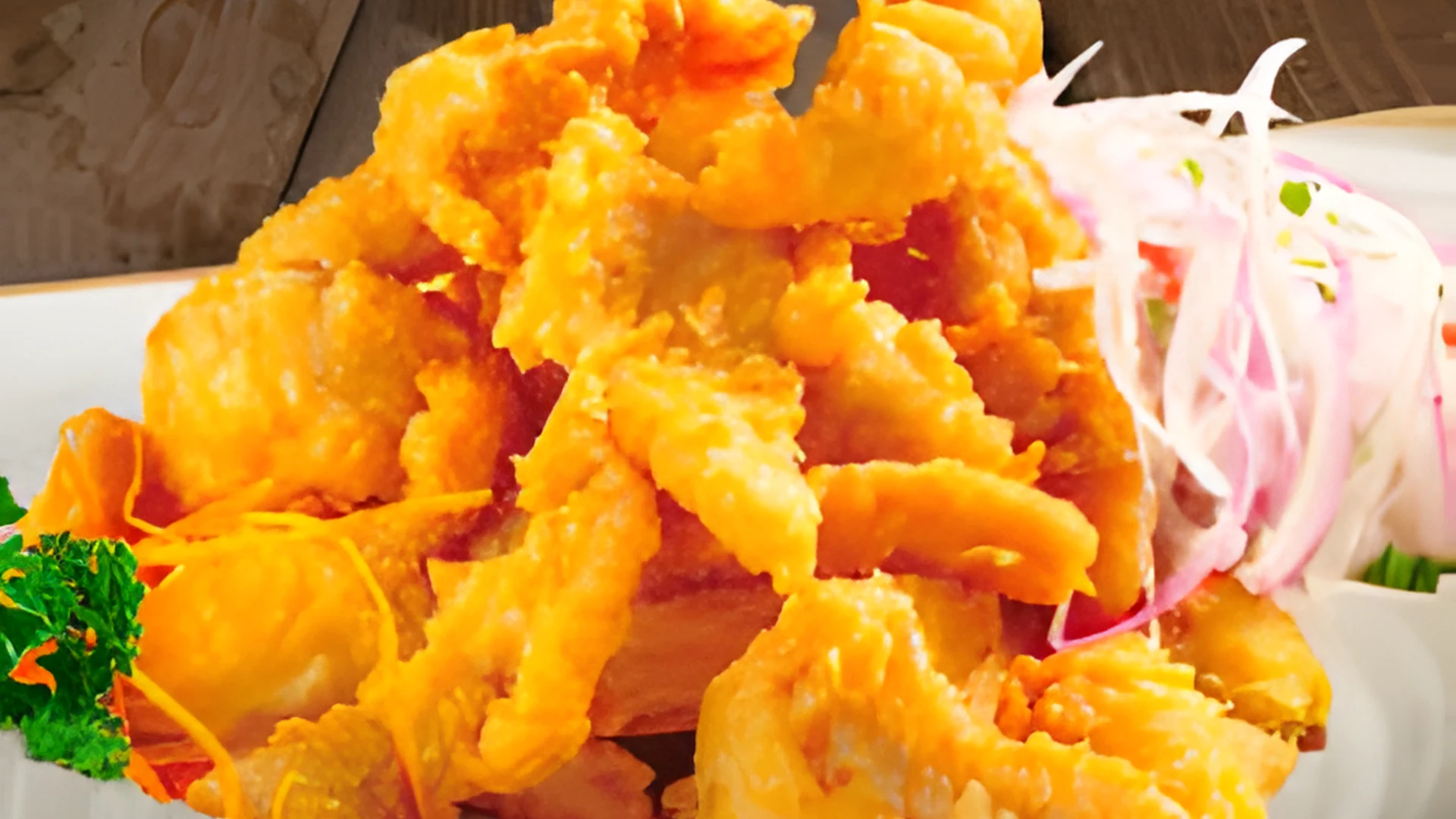
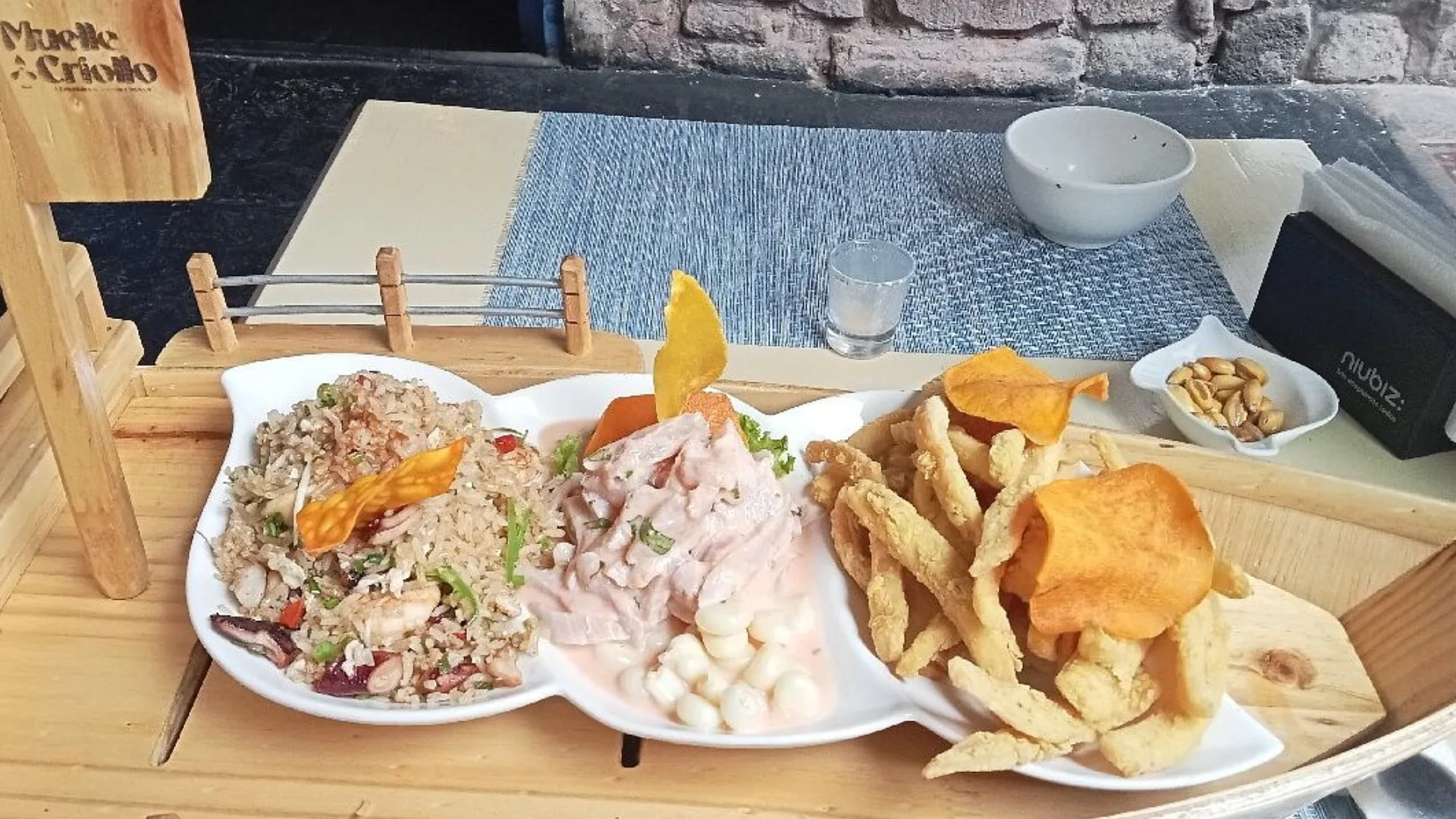
Muelle Criollo
Specialized in seafood and criollo flavors, recommended for ceviche and fusion leaning dishes.
- What to order
Start with ceviche, then choose a second dish that goes in a different direction so you get range in one meal. - Best for
People who want ceviche plus variety and a more creative menu.
Quick Tips for Picking a Great Ceviche Spot Anywhere in Peru
- Go at lunch if you can, particularly if you are near a coastline.
- Select places that specialize in seafood and are popular.
- Ask what seafood they are serving today. If they know their seafood well, that’s a plus.
- Consume ceviche quickly; avoid citrus bath too long.
- If you are sensitive to spice, ask for a milder ají level before ordering.
Food Safety and Comfort Tips
Ceviche is a dish that has raw seafood marinated in citrus juice. Citrus juice changes the texture but does not sterilize the seafood as cooking with heat does. In general travel terms, that means you have to use some common sense when eating it.
Choose places with high turnover, visible popularity, and a seafood focus. Eat ceviche soon after it arrives. If you are sensitive to hot food, begin with a well known ceviche restaurant before trying other places. If you have a medical condition that prohibits you from eating raw seafood, you might want to consider cooked seafood options as you enjoy Peru’s seafood cuisine.
What to Drink With Ceviche
Ceviche pairs well with drinks that either cut acidity or refresh the palate.
A Pisco based cocktail, like a pisco sour, is a classic match for many travelers, especially if you like citrus on citrus with a soft, foamy finish. Beer is also common because it cools the heat and feels casual. For a non alcoholic option, sparkling water or a lightly sweet chicha style drink can balance spice and acidity.
Frequently asked questions about Peruvian Ceviche: The National Dish and Regional Styles
It is cured by citrus, which changes the fish’s texture and appearance, but it is not heat cooked. The difference matters for texture expectations and for food safety considerations.
Freshness and tradition. Many ceviche focused places align with the morning catch and serve ceviche at its best earlier in the day.
Ceviche clasico first. Then tiradito if you want something smoother, or ceviche mixto if you want more seafood variety.
It’s the citrus and chili liquid in the bowl, made from lime, seasoning, and fish juices, sometimes with extra aromatics. Many people drink it because it captures the whole flavor profile in a concentrated form.
Look for specialization, speed, high turnover, and a menu that clearly cares about seafood. If the place is known for ceviche and it’s busy at lunchtime, that’s usually a good sign.