

Tourist Places in Piura You Cannot Miss
Northern Peru’s Land of Eternal Summer, Piura Peru, is a place where beach, sun, and local traditions come together to create an experience of a lifetime holiday. The place offers the best of Peru’s coast, desert, and forest all at one destination. Whether surfing, relaxing, or exploring unique natural scenery, Piura has endless means through which to experience the charm of northern Peru Piura.
Pocitas of Máncora
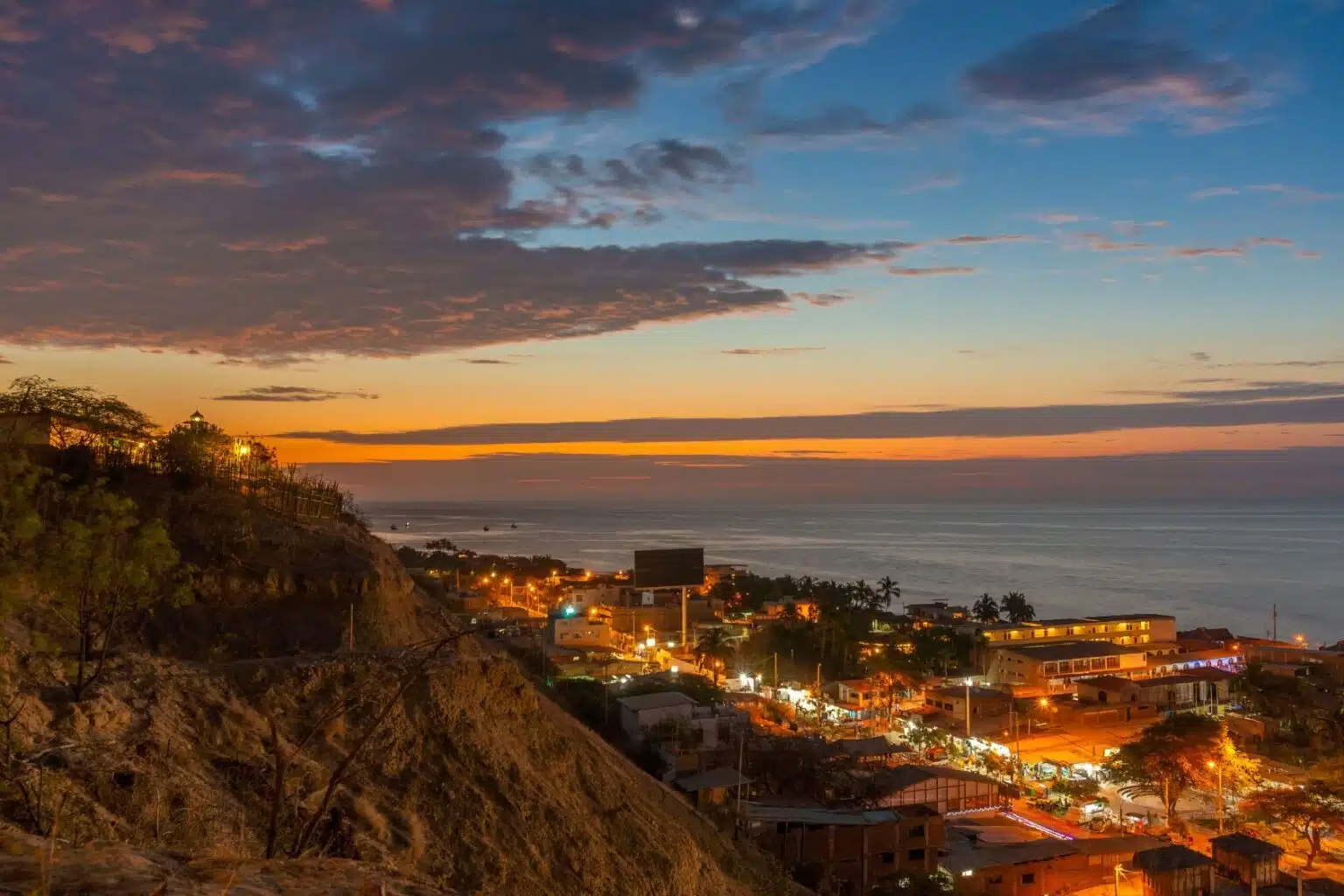
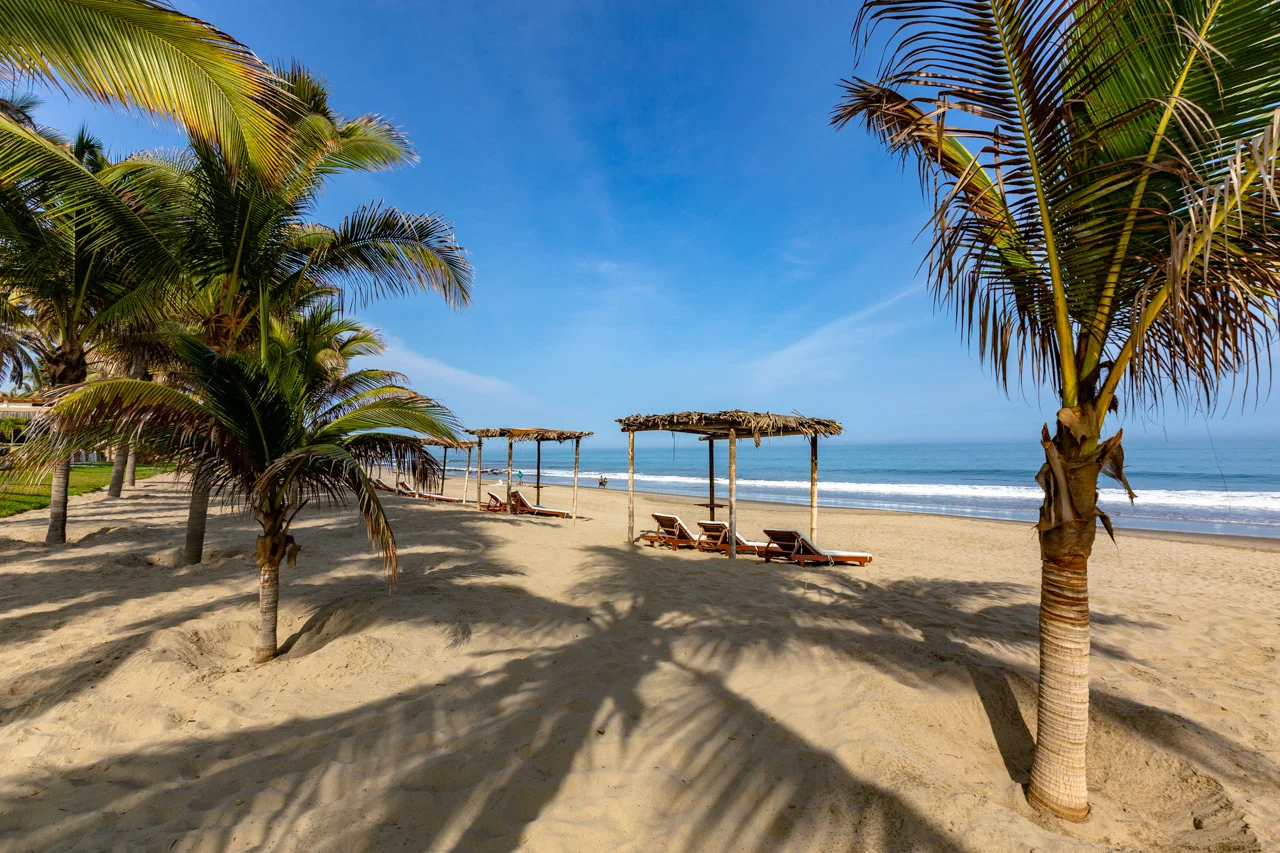
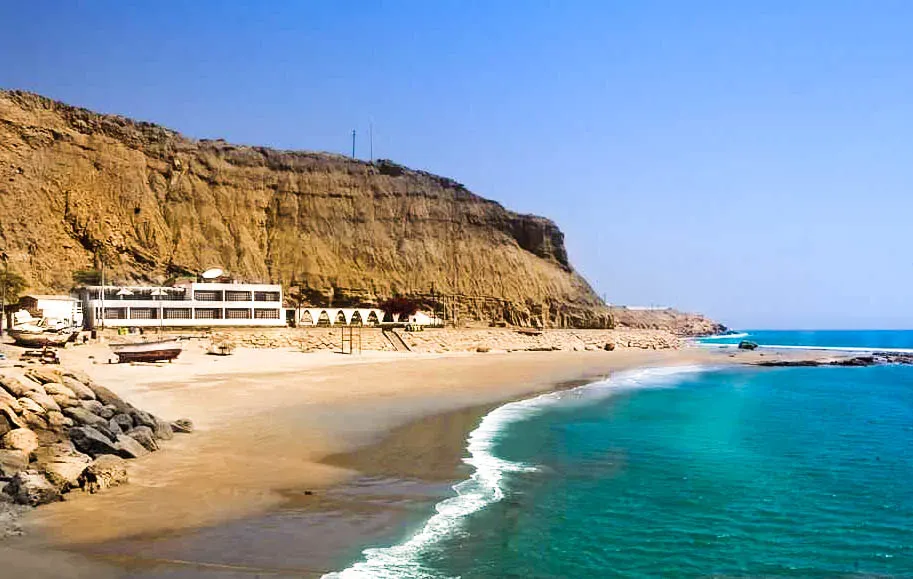
Before moving on with your experience in Piura, begin your journey at the Pocitas of Máncora, simply one of the loveliest Piura beaches in Peru. It is a great opportunity to experience the ocean in a tranquil setting, unlike other sites where hordes of tourists now limit your view.
Natural Pools by the Pacific
Pocitas are little natural pools that form between the rocks as the tide recedes. The shallow, clear lagoons are just right for swimming while enjoying the views of the Pacific. At various times of day, especially at sunset, the light reflects off the calm waters, which creates a magical mirror that photographers and nature lovers often enjoy. There are a few small hotels and eco-lodges in the area, making it a tranquil beach destination.
How to Get There
It is a ten minute mototaxi from the middle of Máncora to the Pocitas. It is best to visit the Pocitas early in the morning or late in the afternoon to avoid the heat and to have the best light for pictures. During the summer months, the water will be warm, and you’ll find vendors selling fresh coconut water and snacks on the beach.
Sechura Desert
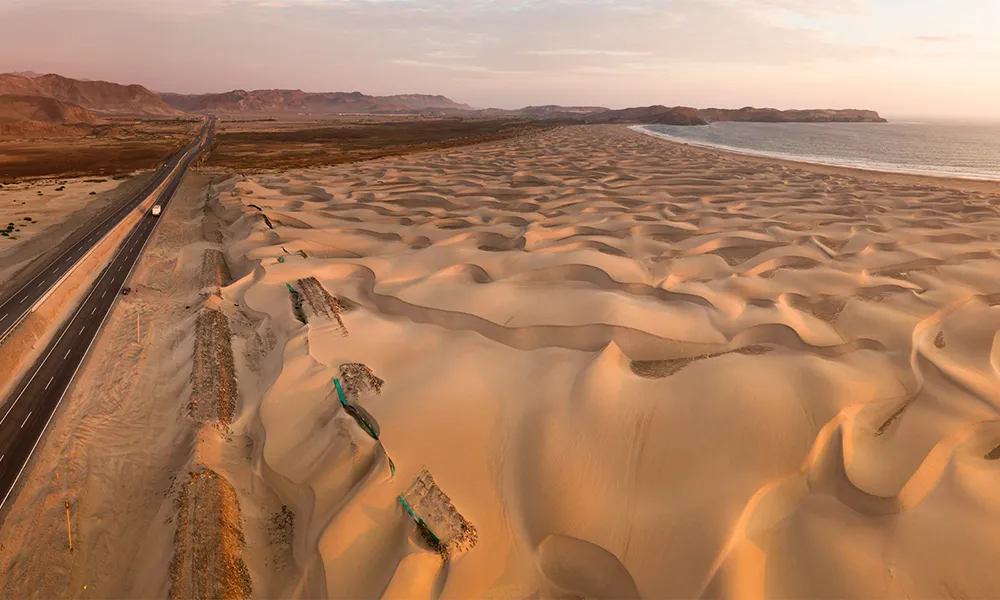
One of the most unexpected highlights in Piura Peru is the Sechura Desert, a large golden dune and salt flat landscape that seemingly stretches forever under the sun. It is a striking contrast to the tropical ocean beaches and highlights another aspect of the amazing natural diversity of Peru.
The Largest Desert in Peru
Covering an area of thousands of square kilometers, the Sechura Desert is the biggest desert in the country and one of the driest locations in all of South America. Travelers make their way here to explore the Médano Blanco dune, known for its height and soft sand which makes it ideal for sandboarding and off-roading. The views from the top are amazing, particularly at sunrise and sunset when the sand has an orange and gold glow.
Mangroves and Wildlife
Sechura hides an incredible biodiversity beyond the dunes. The Vice Mangroves, the Virrillá Estuary, and the Illescas Reserved Zone are all part of an ecosystem that helps sustain flamingos, sea lions, and other coastal birds limited to the area. Boat trips can take you through the mangroves, and visitors regularly see crabs, fish, or other wildlife living in the tangled roots. These ecosystems are important for conservation, and they allow travelers to connect with and appreciate the unique environment of Piura.
Humpback Whale Watching
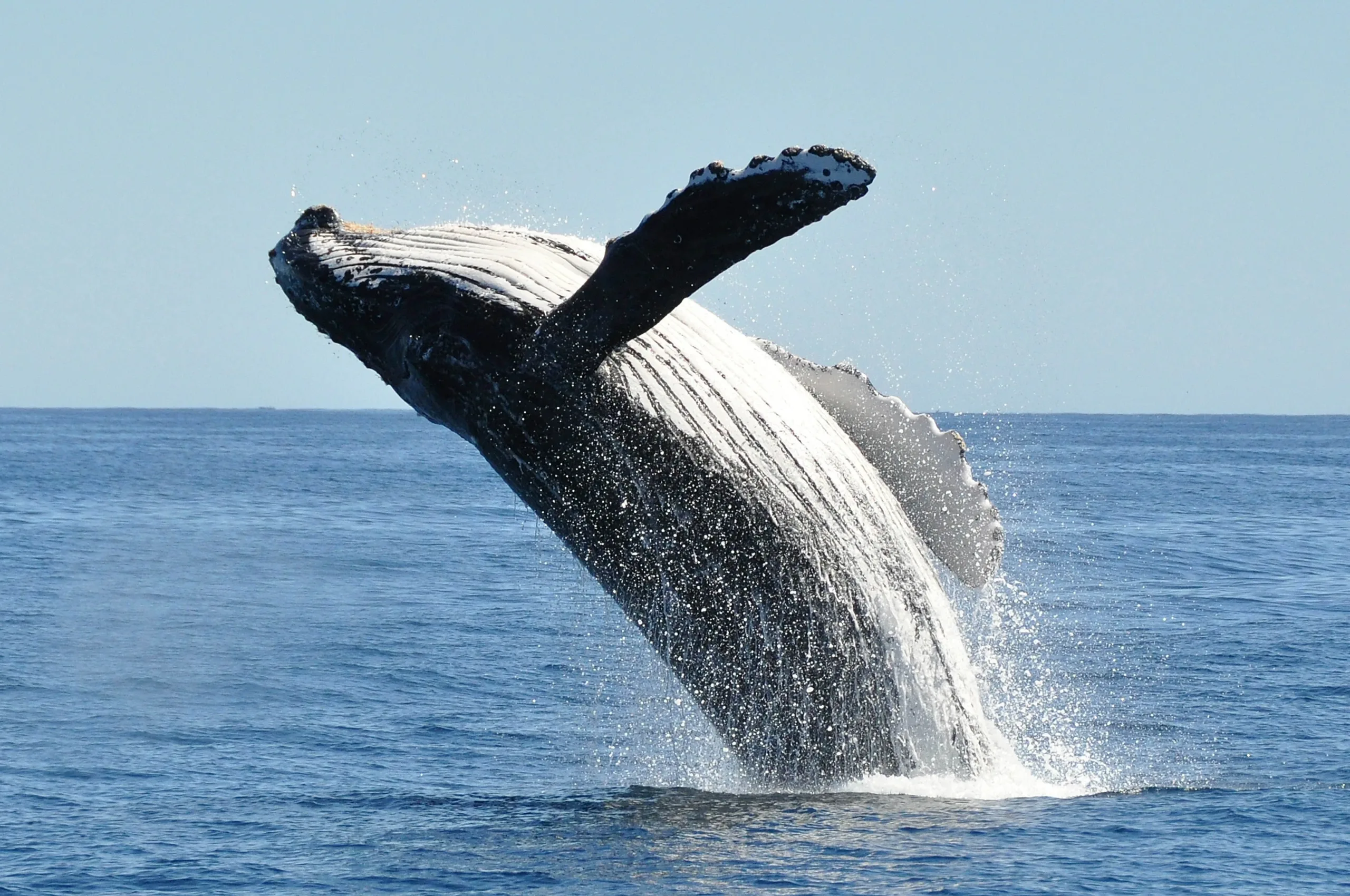
In the months of August to October, Piura Peru becomes one of the premier spots in South America for humpback whale watching. The enormous creatures migrate from Antarctica to the warm waters of Peru Piura to breed and care for their calves.
A Magical Marine Show
A humpback whale leaping from the ocean is a memory travelers treasure forever. The biggest viewing areas are at Punta Sal, Los Órganos and Cabo Blanco, and whales can often be seen from the shore. Along with this experience comes the sound of their strong songs, and of course there are always dolphins that come to follow the boat. The local guides articulate how the whales’ migration helps sustain balance in the ocean, and how in turn it supports local tourism.
How to See the Whales
Whale watching tours depart early in the morning from the ports of Los Órganos or Máncora. Boats are outfitted with life jackets, and the tour is performed by certified operators who adhere to sustainable tourism practices. Sunscreen, sunglasses, and a light jacket are recommended, as it can be breezy on the water. The tours typically last approximately three hours, and most operators provide binoculars for a better view.
Swim with Sea Turtles in El Ñuro
El Ñuro is located a few miles away from the Máncora area and has become one of Piura’s most famous attractions due to the relaxing and calm waters, as well as the friendly sea turtles.
Meet the Giant Green Turtles
The most common species of turtle you will see at El Ñuro is the green sea turtle, a protected species that can grow to more than 5 feet long! The turtles tend to swim close to the dock and alongside the fishing boats, providing an opportunity for visitors to swim beside them. Swimming with the turtles is one of the most unique and rewarding experiences Piura has to offer; swiming allows visitors to make a more profound connection with marine life and the ocean ecosystem.
Responsible Tourism Tip
We ask visitors to adhere to eco-friendly guidelines so we can protect the turtles. Please refrain from putting on sunscreen before entering the water, along with other simple considerations, such as not touching or feeding turtles. This will be beneficial to the turtles’ delicate skin and natural behavior. The entrance fee collected at El Ñuro supports local conservation, and continues to benefit the turtles for generations to come.

Cabo Blanco Beach
Cabo Blanco Beach is well known to all surfers, fishermen, and writers as one of the most famous sites along Peru’s northern coastline. It is a must-see destination in Piura due to its beautiful calmness and cultural history.
Hemingway’s Inspiration
This beach attracted attention when Ernest Hemingway stopped here in the 1950s while researching his novel, The Old Man and the Sea. This quaint fishing village retains an old world charm colorful boats are anchored on the shore, and locals are mending nets as the sun sets. The beach is also known for its powerful surf breaks that attract surfers from around the world during the peak surf season.
What to Do in Cabo Blanco
In addition to surfing, visitors can savor local seafood that has just been caught, served in small, seaside restaurants. Dishes such as ceviche de mero, grilled fish, and shellfish stews are among local favorites. Cabo Blanco is also regarded as one of the best sunset viewing areas in Piura, as the frontier brightens to gold with waves rolling to shore.
Chulucanas, The Land of Ceramics
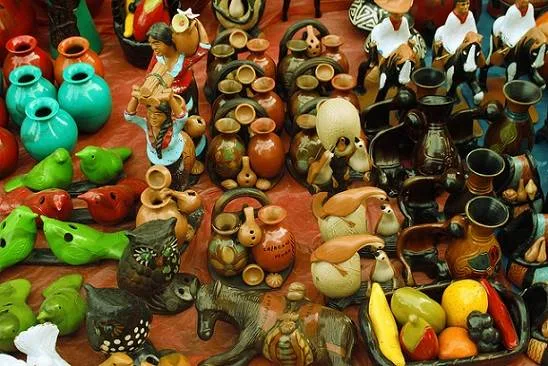
Aside from the coastline, Piura’s appeal lies in its cultural center of the region: Chulucanas town, recognized for its traditional pottery and artistic legacy.
Ancient Art and Living Culture
The Chulucanas artisan pottery tradition is sustained from the outstanding Tallán culture from various centuries before the rise of the Incas. Local artisans still use the inherent clay and polished stone tools to create stunning black and white pottery. Each ceramic tells a tangible and embodied story of community, identity, and reverence for the land. The ceramics are now sent around the world and have become a deep source of local pride.
How to Visit
If traveling by bus or taxi from the city of Piura is not a concern, how far is it to reach Chulucanas? The ride only takes about 45 minutes. Chulucanas has numerous workshops that allow visitors to stop by and watch artisans showcase pottery making demonstrations and even take small classes for those interested in learning the craft as well. The best time to visit is in the morning as artisans are working and the markets are open.
Caracucho Waterfall
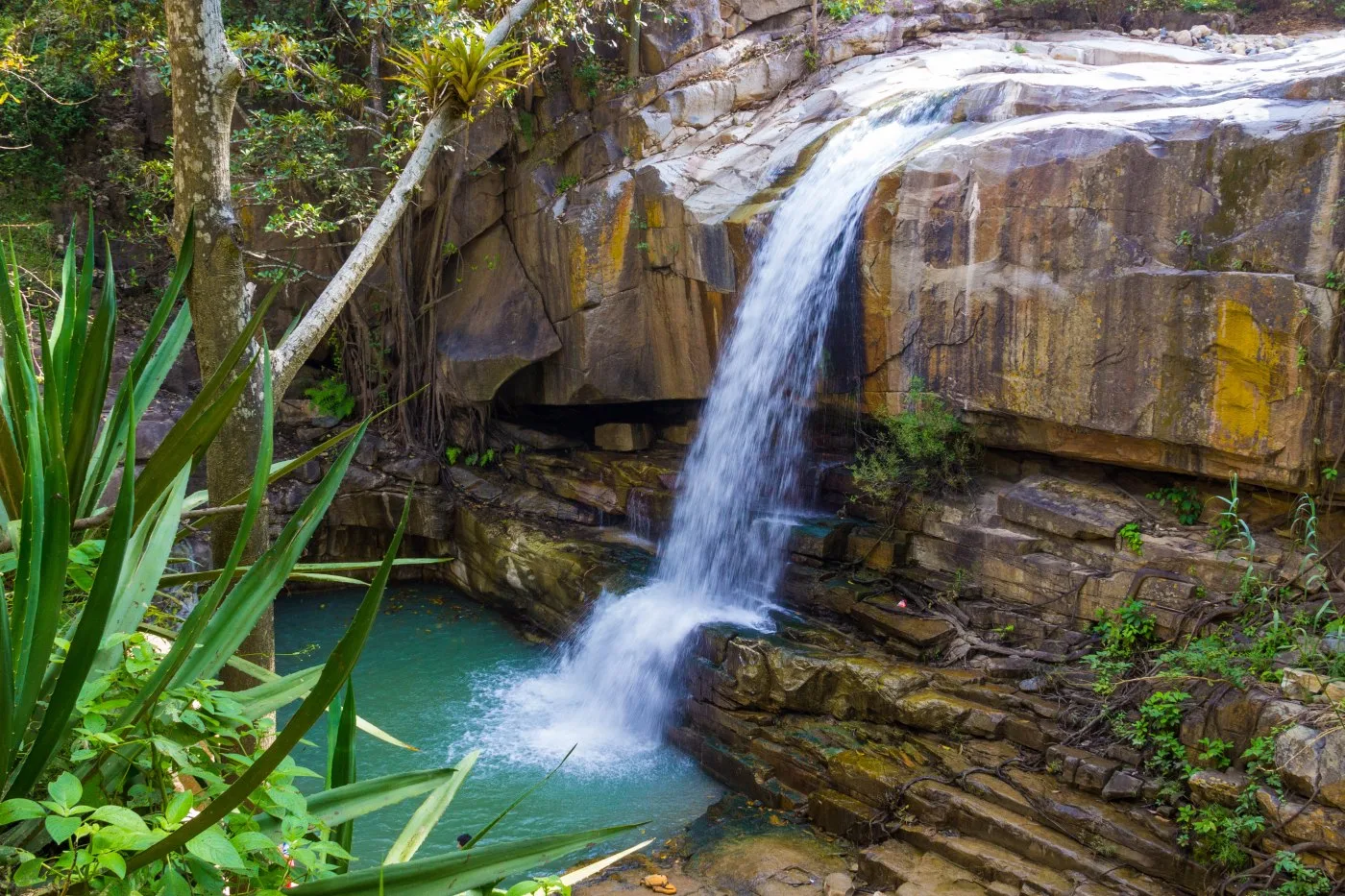
For a delightful experience away from the everyday, visitors to the Morropón province should head to Caracucho Waterfall, one of the most stunning natural attractions in the region.
Nature and Freshwater Adventure
The waterfall drops into a natural pool surrounded by lush vegetation making it a perfect setting to swim and picnic. The water cascading in the falls combined with the calls of tropical birds create a tranquil atmosphere suitable for unwinding and taking photographs of nature.
Hiking to the Falls
The hike to Caracucho takes about two hours over a mile and a half of paths surrounded by trees, wildflowers, and eroded rocks. Along the way, you’ll see the Piedra de Toro Forest, with its striking rock formations that look like animals and faces. Local guides can accompany visitors and share stories about the plants and legends in the area.
The Beach Route from Piura
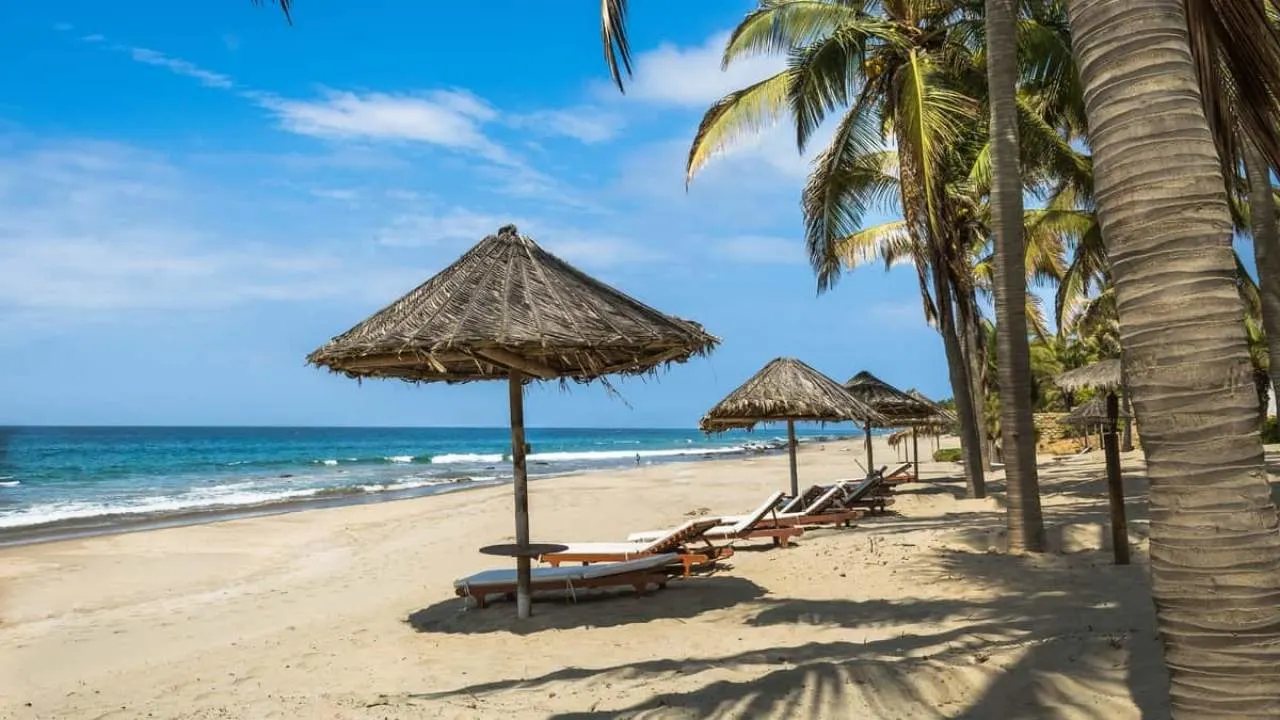
For ocean lovers, things to do in Piura Peru include exploring the region’s Beach Route, which lets you visit several coastal spots in a single day.
Discover More Than Máncora
The route starts in Paita, an active port city, and continues to the next village of Colán, which is famous for its white sand beaches, and it’s Colonial church, considered one of the most historical churches in South America. Going south, you have Los Cangrejos and Caleta Yacila, both small fishing communities where the sea is calm and perfect for swimming. Each stop takes you to a different landscape and local ambiance that demonstrates the essence of Piura’s coastline.
How to Explore the Route
Travelers have the option to either rent a vehicle, hire a driver, or participate in excursions (grouped) to a couple of sites that highlight beautiful beaches. The trip from Piura city to Paita takes approximately 40 minutes. In addition to the beach, you will find small seafood restaurants where local cooks prepare fresh daily dishes. It’s a simple but charming way to enjoy the north coast.
Cerros de Amotape National Park
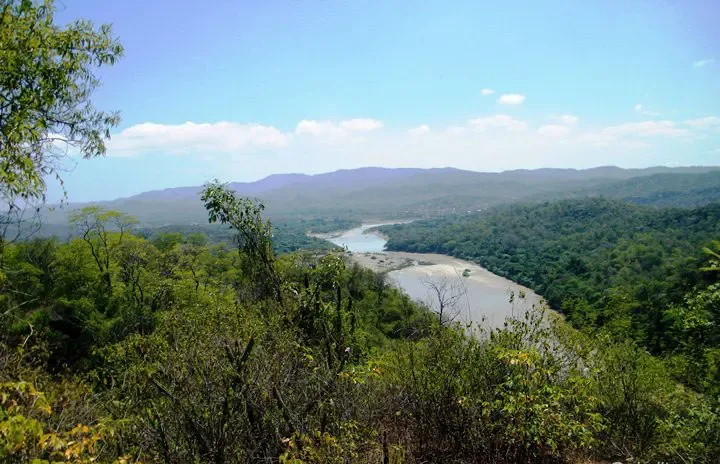
The Cerros de Amotape National Park is situated between the Piura and Tumbes regions, making it one of the top spots for wildlife and nature in northern Peru.
Where the Mountains Meet the Forest
This area has dry tropical forest and foothills that create an environment that has both desert plants and jungle plants in the same environment. The stark contrast between the dried brown hills and the lush valleys make a great place for a photographer.
Wildlife and Access
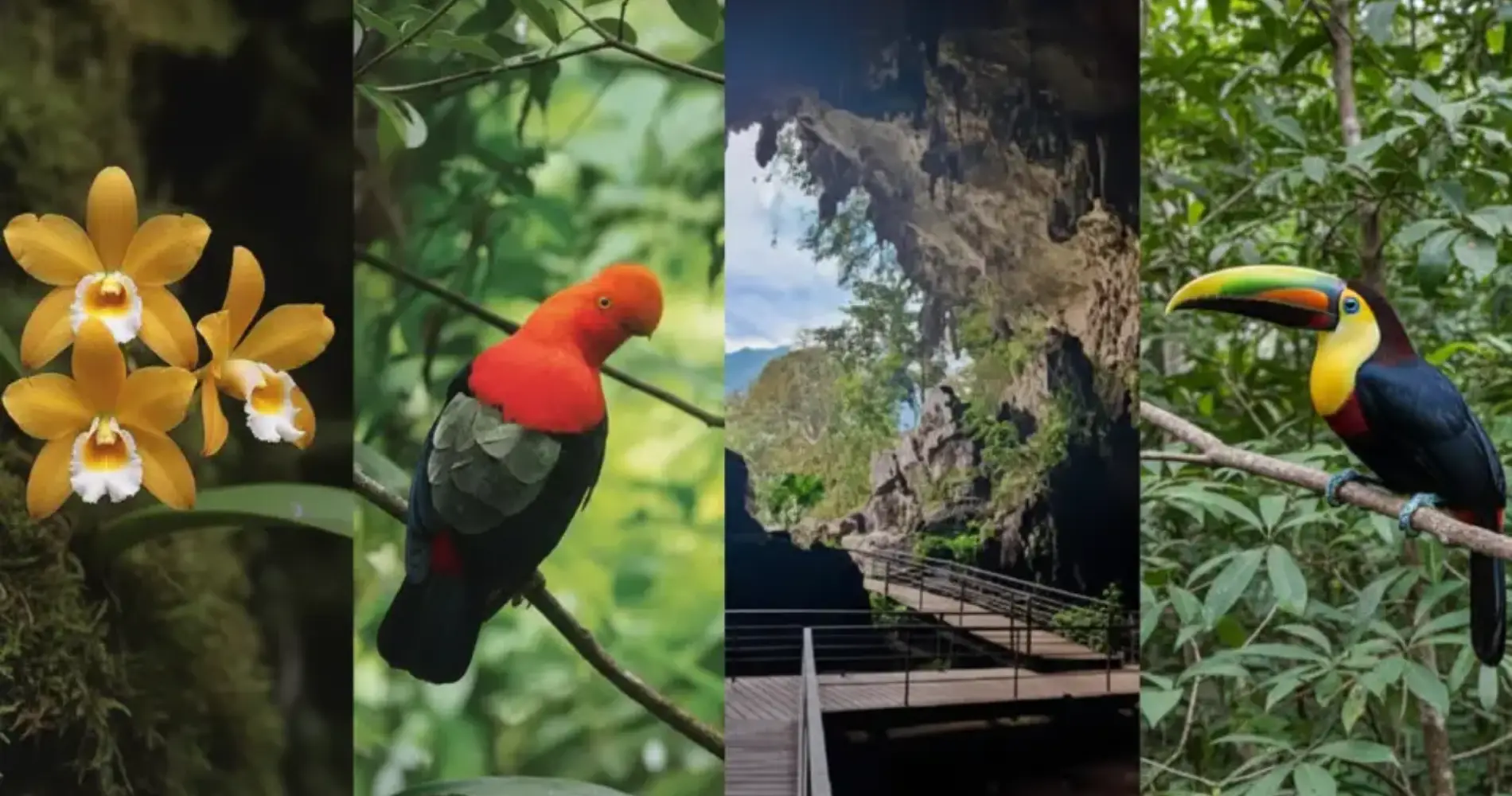
There are hundreds of species of animals, including spectacled bears, deer, condors, and many types of birds and orchids that call the park home. Guided tours from Máncora, Sullana, or Piura Peru. The timing of your visit is important: during the dry season (May – October), the trails are generally more accessible and wildlife is more frequently spotted. To truly get into the relaxing rhythm of the Peruvian wild, consider staying overnight in one of the location’s ecolodges.
Frequently asked quetions about Tourist Places in Piura You Cannot Miss
-
Piura is known as the land of eternal summer, so it’s perfect to visit year-round. However, the best time to enjoy Piura beaches is from May to November, when the weather is sunny and ideal for swimming or surfing.
-
You can reach Piura Peru by direct flight from Lima (about 1.5 hours) or by bus (around 16 hours). Once you arrive, local transportation such as taxis, buses, and mototaxis make it easy to visit the top tourist places in Piura.
-
Some of the most popular piura beaches include Máncora, Vichayito, Los Órganos, and Cabo Blanco. These are ideal for surfing, relaxing, or whale watching, and they’re part of the region’s best coastal attractions.
-
Yes, Piura is generally safe, especially in popular areas like Máncora, Paita, and Chulucanas. As in any travel destination, stay aware of your surroundings and use registered tours when visiting Piura Peru.
-
When you travel to Piura Peru, don’t miss dishes like Grouper Ceviche, Seco de Cabrito, and Seco de Chavelo. These meals reflect the region’s culture and make Piura one of the best food destinations in northern Peru.