Guide to traveling to Manu National Park
Located within the Amazon basin, Manu National Park in Peru is one of the most biodiverse places on the planet. Spanning the regions of Cusco and Madre de Dios, this large UNESCO World Heritage Site conserves millions of acres of tropical rainforest, cloud forest, and Andean ecosystems. Manu National Park Peru is one of the few places left on the planet where you can see nature in its purest form and observe how indigenous communities continue to live well with the forest.
This guide is meant to help you navigate all aspects of a visit to Manu National Park, including how to visit Manu National Park, when the best time to visit Manu National Park is, and what to expect in the different zones of the park. This guide is designed for travelers who would like a better understanding of the natural, cultural, and ecological significance of this region of the Peruvian Amazon.
About Manu National Park
UNESCO designated Manu National Park as a World Heritage Site in 1977. It encompasses an area of almost 2 million hectares stretching from the Andean mountains to the Amazon lowlands and serves as one of the wealthiest corridors of biodiversity on the planet.
In the park, scientists have documented 20,000 to 5,000 plant species and more than 1,000 species of birds, accounting for nearly 10% of all bird species on the planet. The park has also hundreds of mammals, reptiles, and amphibians – like the giant river otter, black caiman, Andean bear, and jaguar are also present in the area.
The indigenous populations that live in the area are equally mesmerizing; a number have been here for centuries, keeping their traditions and language to this day. There are even groups like the Mashco-Piro still living a voluntarily isolated existence deep in the forest, disconnected from the influences of modern civilization.
Geography and Ecosystems
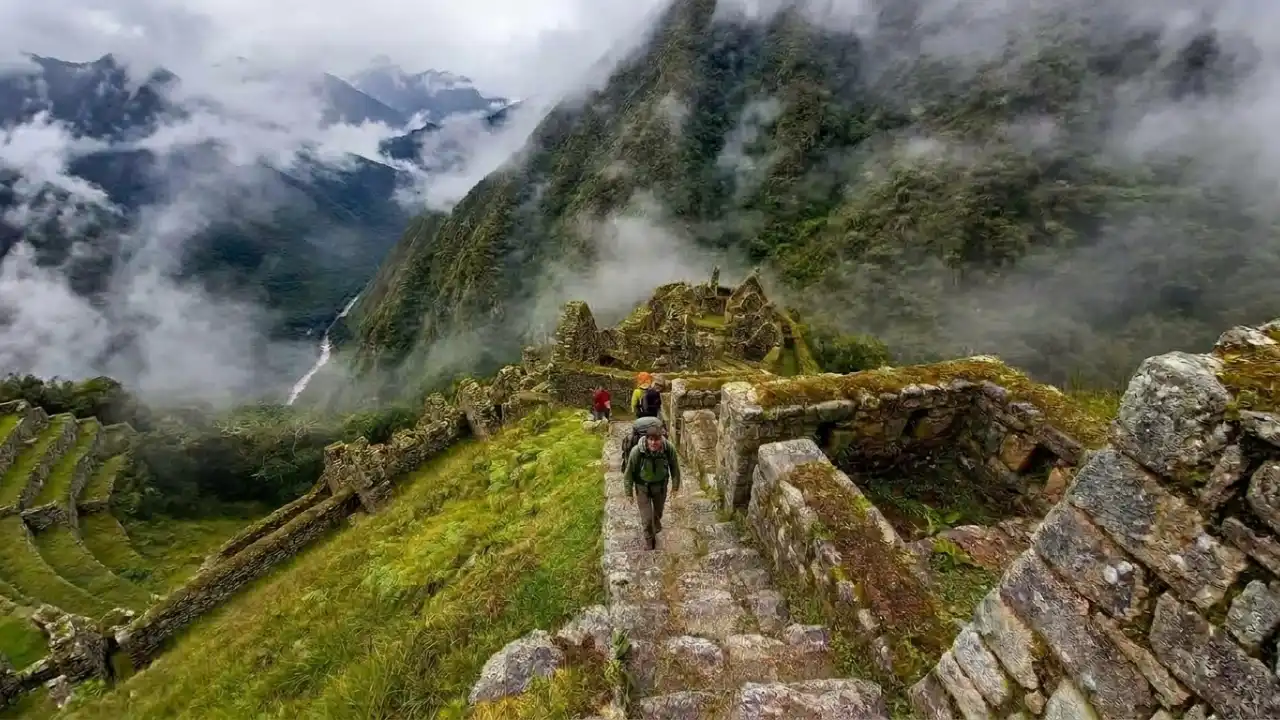
Spanning altitudes from high snowcapped peaks of over 4,000 meters to the thick Amazon jungle at around 200 meters, the Manu National Park Peru is a vivid example of the variations of altitude. These altitudinal variations give rise to multiple ecosystems within one region, housing countless species of both flora and fauna.
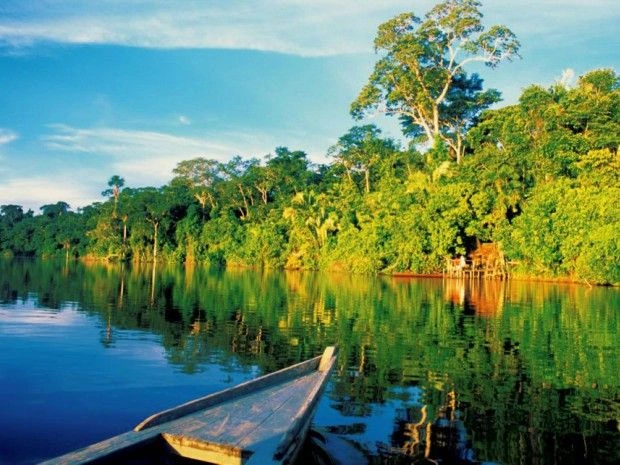
If you climb up the highlands towards tropical forests, you are bound to find stretches of grasslands covered with low shrubs and mist shrouded forests of thick foliage, orchids, and bromeliads. Once you start descending toward the lowlands, the environment accordingly gets richer it stretches into beautiful tropical rainforest with gigantic trees and serpentine rivers full of plants and wildlife.
While one hectare of the park is found to house around 250 different tree species, it cannot but be known for the perfect biodiversity. Whether on the Manu River, cloud-forest hiking, or being at any of the eco-lodges, you can anticipate very different experiences in every part of this park
The Best Time to Visit Manu National Park
Manu National Park, situated between the Andes and the Amazon, has a dry season and a rainy season, each of which determines the season’s accessibility and animal behavior.
Dry Season (May to October)
This is widely considered the best time to visit Manu National Park. It rains less, roads are less muddy and more stable, and rivers can be navigated more easily. The dry season is the best time to look for wildlife, as many animals flock to the rivers and lagoons for water. Skies are often clear in the dry season, which makes it easier to see the colorful birds and get good photographs.
Rainy Season (November to April)
Heavy rainfall can make some roads and trails difficult or impossible to access during the rainy (or green) season, particularly between January and March. However, that’s when the forest is at its most colorful. Vegetation gets greener, flowers begin to bloom, and birds are more active. Visitors who come to the rainforest during the rainy season experience it when it is most alive and real.
How to Get to Manu National Park
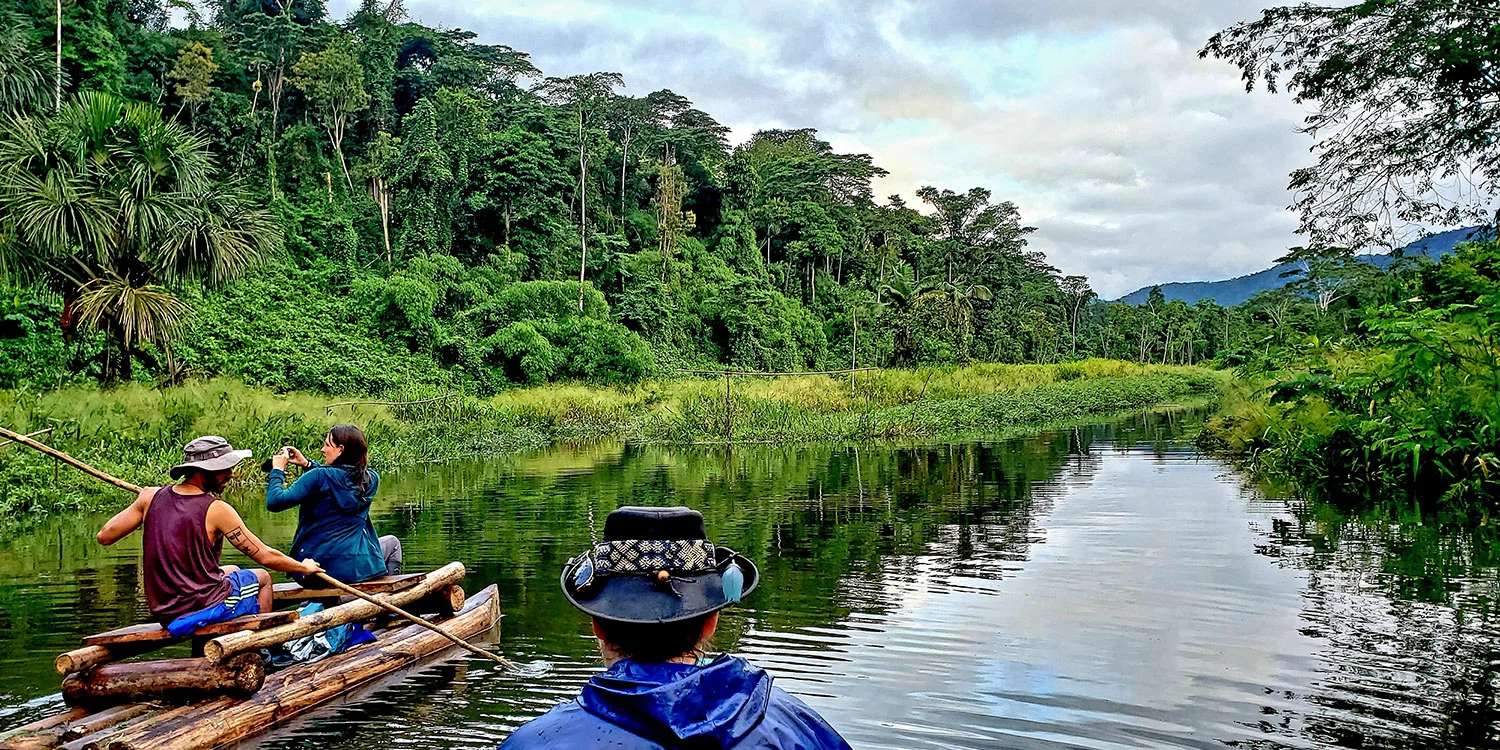
Traveling to Manu National Park Peru from Cusco is quite a journey, involving beautiful roads through the Andes and then boats into the Amazon.
From Cusco to Manu National Park
To get from Cusco to Manu National Park, most trips begin in Cusco, and then proceed by road to the small town of Paucartambo, a colonial settlement with its traditional bridge and annual festival. From Paucartambo, the road descends into the cloud forest to either Atalaya or Pilcopata, which serve as starting points for boat trips into the park. The boat rides are along the Madre de Dios River or the Manu River, reaching lodges and wildlife areas within the park.
Hiring a Tour (Recommended Option)
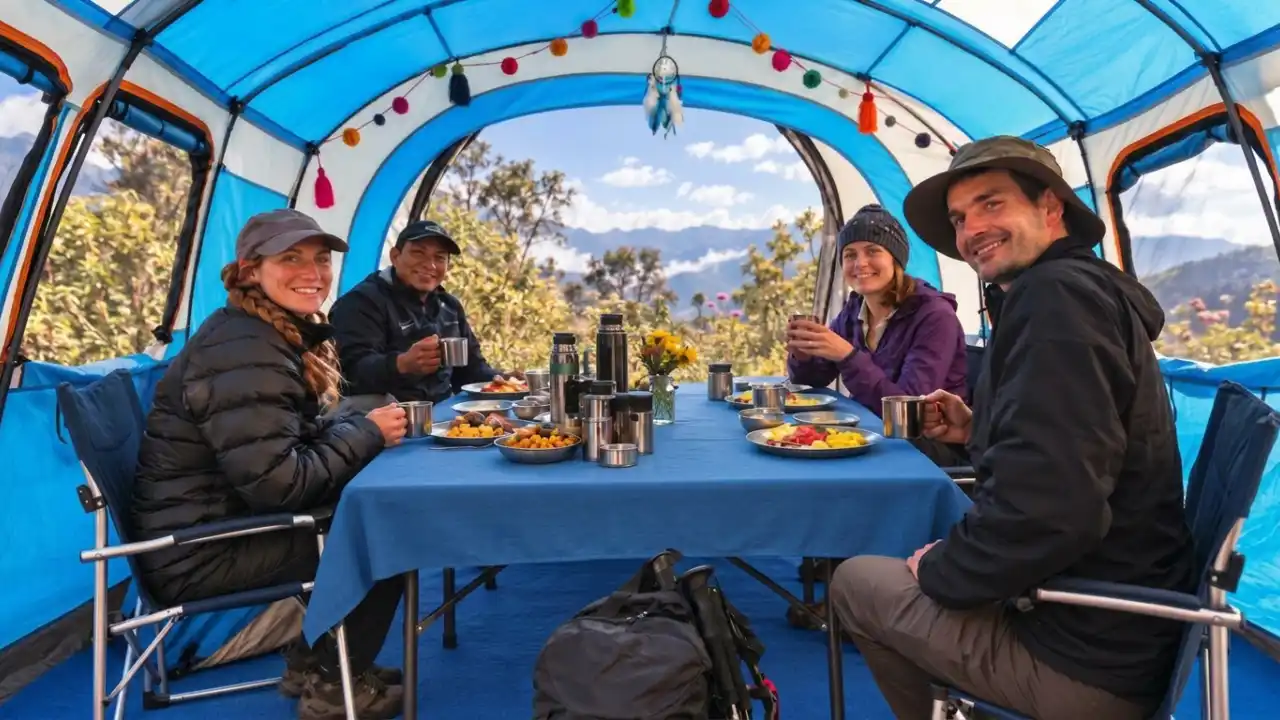
The safest and most organized way in which to visit Manu is with a registered tour operator such as Manu Expeditions Peru. The tours last from four to seven days and include the transportation, food, park fees, and knowledgeable guides. Birdwatching, canoe excursions, night walks, and treks through the forest are normally included among the activities.
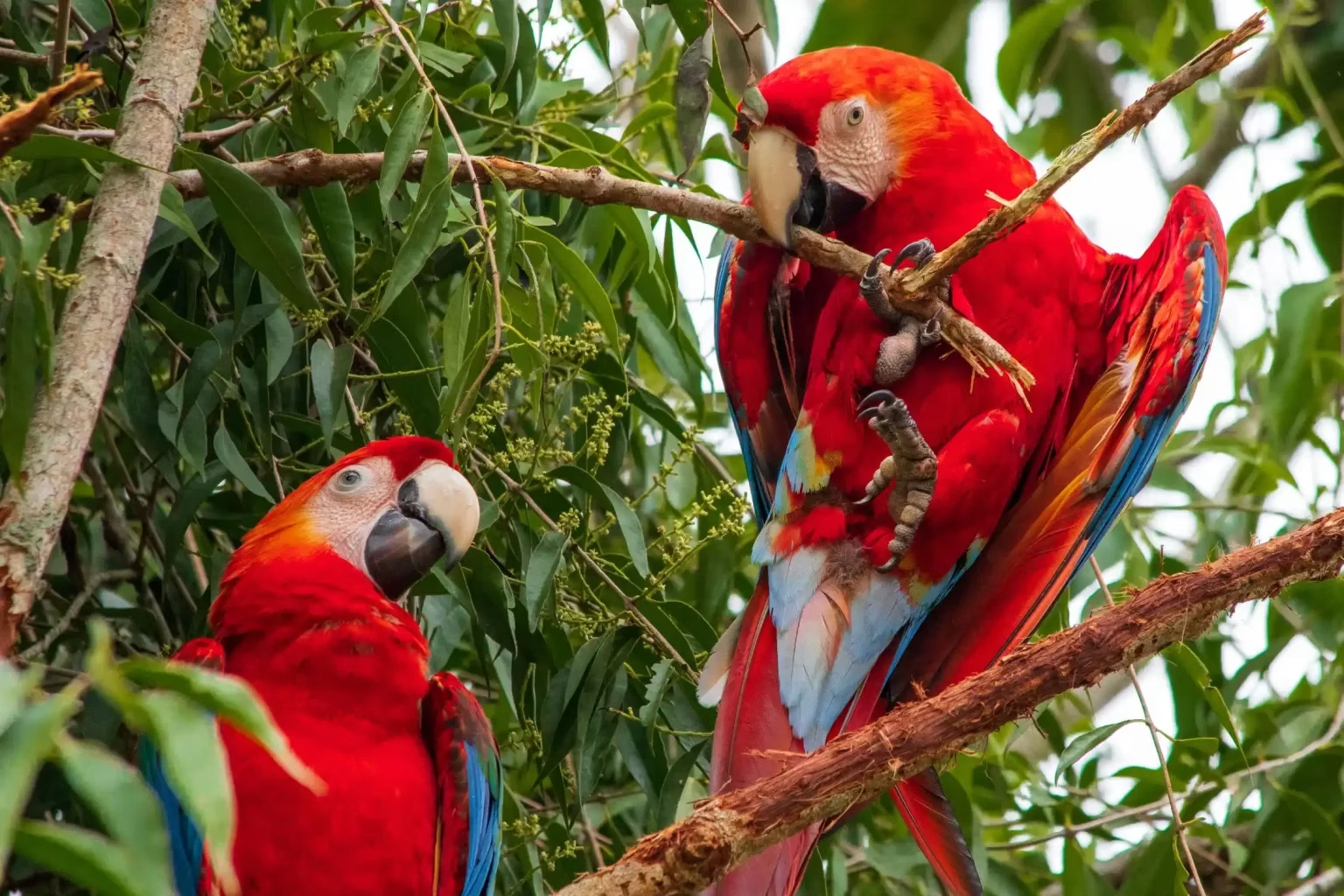
Most tours stop at lookout points where visitors can see the Cock of the Rock, Peru’s national bird, famous for its brilliant red plumage. Trained naturalist guides also help visitors find elusive animals like tapirs, monkeys, and macaws, making any Manu expedition an unforgettable experience.
Traveling on Your Own
Travelers on their own can public buses from Cusco to Pilcopata in roughly seven hours, and then continue to Atalaya or Salvación, where guest accommodations such as Gallito de las Rocas Lodge have budget options.
However, visitors traveling independently only have access to the Cultural Zone and not the Reserved Zone, in part because entering the Reserved Zone requires special permits and authorized guided tours from the Ministry of Culture to visit.
Zones of Manu National Park
The park is designated into three areas in terms of protection and access: the Cultural Zone, the Reserved Zone, and the Intangible Zone, which is not accessible to the public.
Cultural Zone (Accessible to the Public)
The Cultural Zone is the part of the park most accessible and provides a buffer between local communities and the protected rainforest. Visitors can visit small Amazonian villages,overnight in Manu National Park eco lodges, and participate in community-based tourism initiatives.
Some of the recommended experiences are hiking from Pilcopata to Santa Rosa de Huacaria, swimming in its natural rivers, visiting Atalaya, and taking short boat rides through the jungle, and visiting Salvación, the home of Cocha Machuwasi, a small lake filled with exotic fauna and flora, especially birds and aquatic plants.
These are all activities that are all more accessible and lower cost forms of experiencing the jungle suited for travelers who want to experience culture and nature.
Reserved Zone (Protected Area)
The Reserved Zone embodies the unspoiled wilderness of Manu National Park Peru. Access is limited and can only be done with licensed guides and official tours. This is where visitors find the highest biodiversity of the park and untainted landscapes.
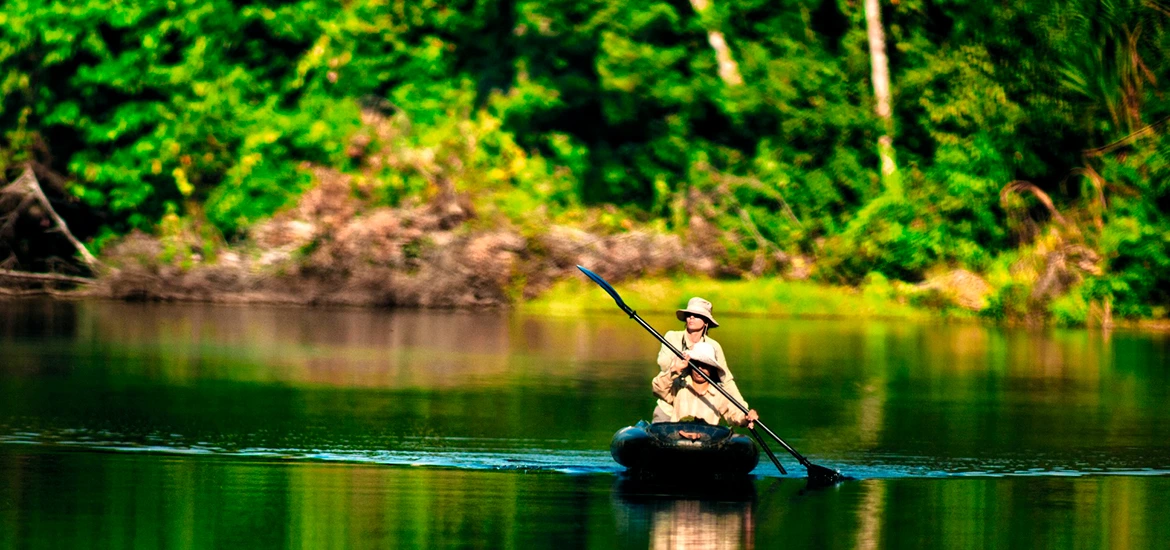
Here you can travel by canoe on the Manu River, see oxbow lakes, and walk in the primary rainforest. Animals such as giant river otters, toucans, macaws, and sometimes even jaguars can be viewed along the riverbanks.
The lodges here are remote and ecofriendly, creating the best opportunities for a true jungle essential part of the Manu expedition experience. Spending nights there with the sounds of insects and frogs, under the night sky of the Amazon, is a every traveler should enjoy.
Travel Tips for Visiting Manu National Park
Traveling to Manu calls for preparation and respect for nature. Use the following suggestions to help you:
- Book your excursions with a registered tour operator if you are traveling to the Reserved Zone.
- Bring lightweight clothing, insect repellent, a rain jacket, and sunscreen.
- Bring cash; ATMs are not available in the jungle.
- Consult your doctor about yellow fever vaccination and whether you should also take malaria-prevention measures.
- Bring a flashlight, binoculars, and a camera to safely observe wildlife.
- Leave behind plastic waste and follow any known environmental policies.
Frequently asked questions about Guide to traveling to Manu National Park
Manu National Park is located in southeastern Peru, between the regions of Cusco and Madre de Dios, within the Manu River basin. It covers a vast area that includes cloud forests, high Andean grasslands, and the Amazon rainforest.
The easiest way to reach Manu National Park from Cusco is by joining an organized Manu National Park tour. These tours include transportation, meals, guides, and eco-lodge stays.
If you prefer to travel independently, you can take a bus from Cusco to Pilcopata or Atalaya, then continue by riverboat into the Manu Cultural Zone. However, access to the Reserved Zone is only possible through authorized travel agencie
The best time to visit Manu National Park is during the dry season, from May to October. During these months, the weather is more stable, river navigation is easier, and wildlife is more active.
There’s plenty to do inside Manu National Park in Peru. You can go wildlife watching, hiking through the rainforest, and birdwatching in the Cultural Zone.
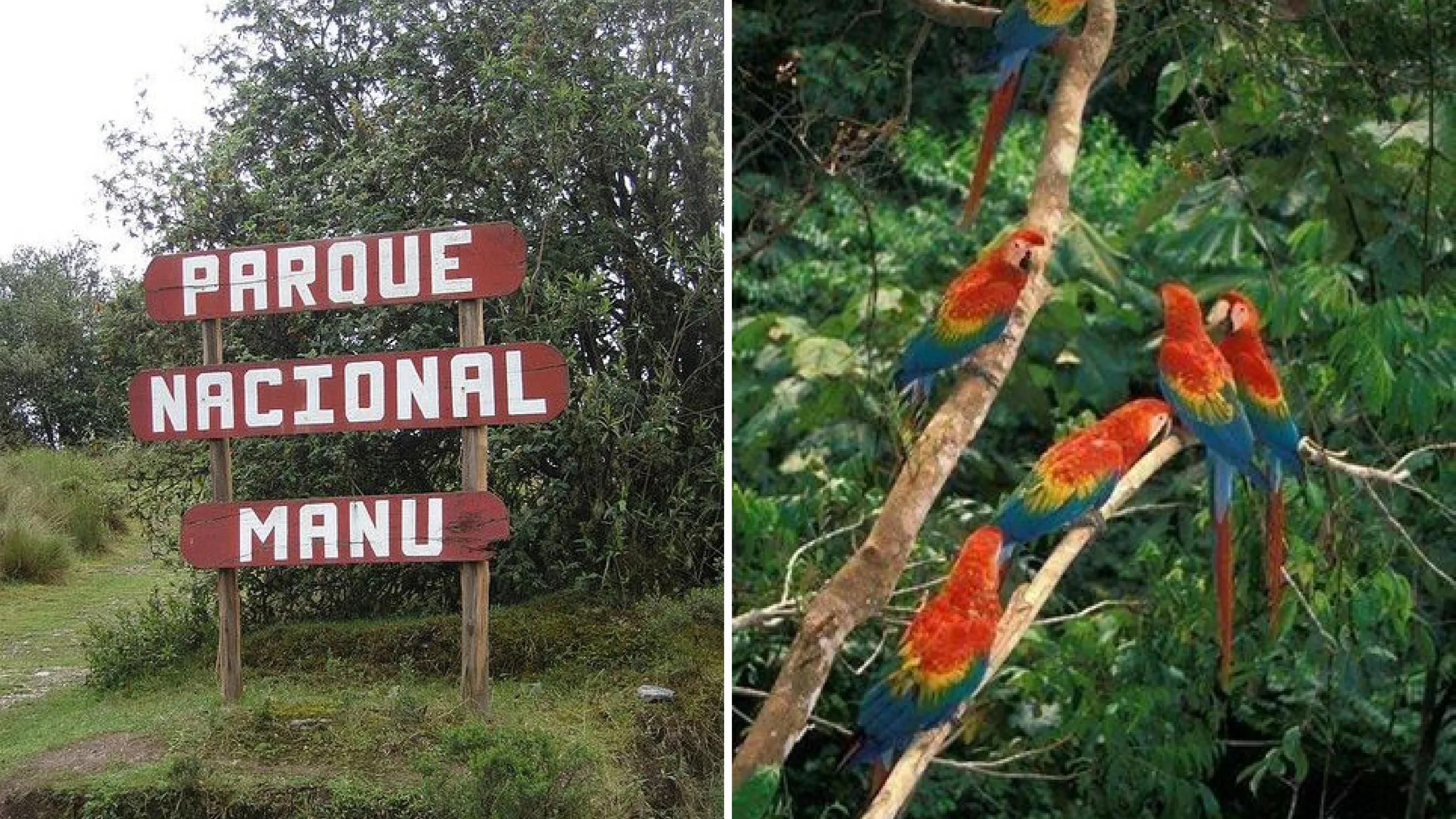
Visitors on a guided Manu National Park tour can explore the Reserved Zone, where you may spot animals like jaguars, giant river otters, macaws, and monkeys.
Manu National Park Peru is one of the most important protected areas in the world because it preserves both biodiversity and cultural heritage.
It is home to over 1,000 bird species, hundreds of mammals, amphibians, and reptiles, as well as several indigenous communities who live in harmony with nature