Salkantay Mountain Peru
The name Salkantay Mountain comes from Quechua and means “Wild Mountain.” For the Incas, this impressive snowy peak was a sacred mountain or “Apu,” protector of the people and the surrounding nature. It is said that Salkantay Mountain Peru was the brother of Ausangate, another sacred Andean peak. Its history is wrapped in myths and legends that still endure in Andean tradition.
According to legend, Salkantay was the brother of Ausangate, another sacred mountain of the Andes. The story tells of two brothers separated by destiny, Ausangate staying to feed the people with water and fertility, and Salkantay becoming the guardian of the jungle’s gateway toward Machu Picchu. These myths still live on among Andean communities, adding a spiritual dimension to every Salkantay hike and Salkantay trek experience.
Understanding Salkantay Elevation and Altitude
The Salkantay trek offers one of the most scenic and diverse routes in all of Peru. Its Salkantay elevation changes dramatically from valleys and glaciers to high mountain passes and tropical forest. Knowing the Salkantay altitude and how it affects your body is key to for preparation.
The Salkantay mountain height reaches a stunning 6,271 meters (20,574 feet) above sea level, making it one of the most iconic and highest peaks in southern Peru. This Salkantay summit is considered the highest point of the Salkantay trek and one of the greatest challenges for hikers who love adventure and altitude.
Salkantay Peak and the Vilcabamba Range
Salkantay Mountain Peru is part of Vilcabamba, one of the great Andes. It is the highest peak in this subrange and the second highest mountain in Cusco Region.
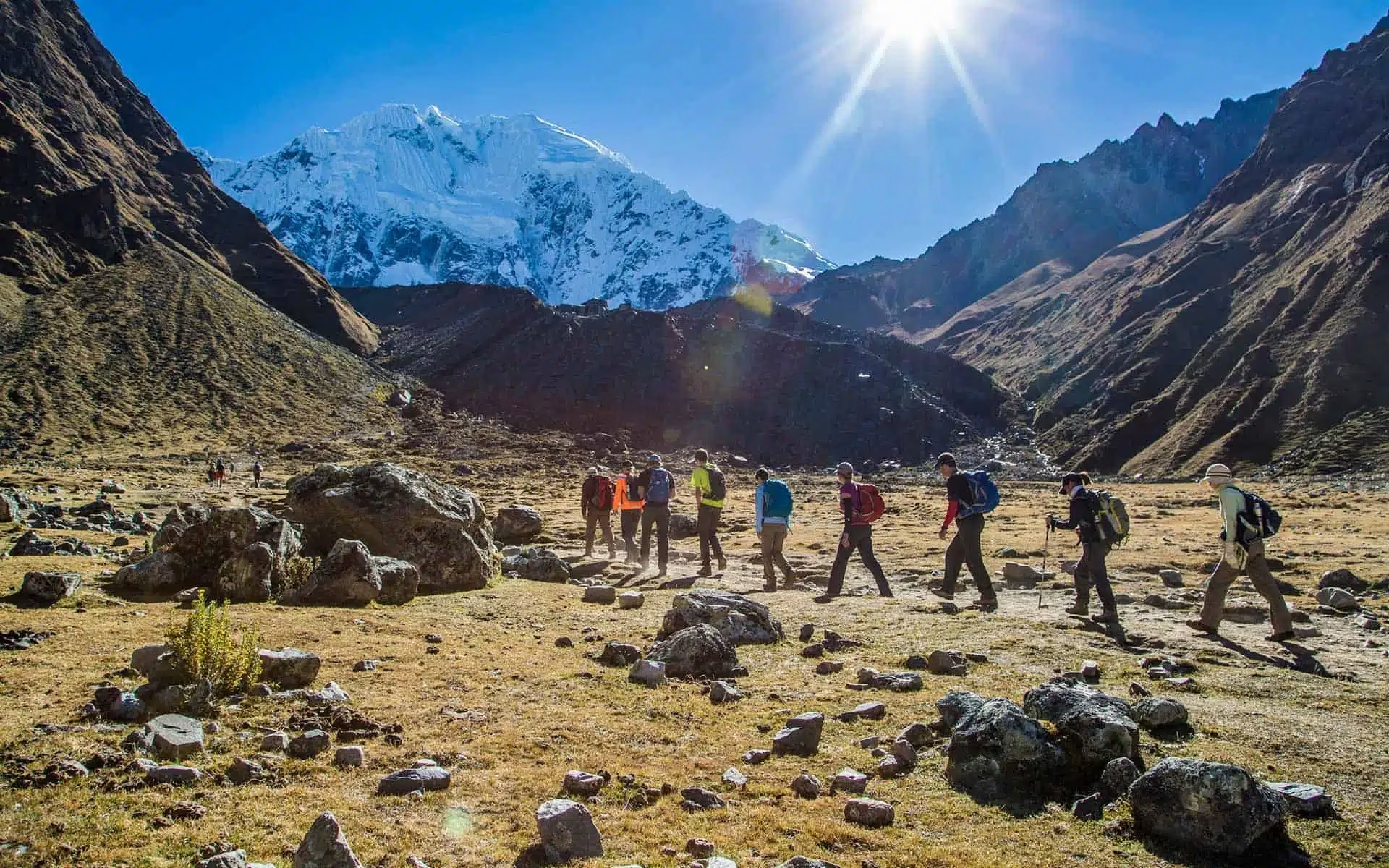
The Salkantay peak dominates the landscape with its eternal snow and glaciers, surrounded by valleys full of Andean vegetation and wildlife. Local people have worshipped this majestic mountain as an Apu, or guardian spirit, for centuries. Even today, trekkers walking beneath the Salkantay summit feel its spiritual presence and the mystery it carries.
How high is Salkantay Mountain?
The answer is 6,271 m (20,574 ft), which makes it a giant among giants in the Andes an emblem of veneration for resilience among Andean people.
The Salkantay Pass (Abra Salkantay)
One of the more memorable stops on the Salkantay Trek is the Salkantay Pass, also known as Abra Salkantay. This point reaches an altitude of 4,650 meters (15,255 feet), the highest point on the Salkantay trek.
The steep climb to the pass is challenging, particularly in high-altitude, thin air, but worth the effort for the spectacular, panoramic views of the snowy peak of Salkantay, nearby mountain peaks, and the never-ending Andean horizon.
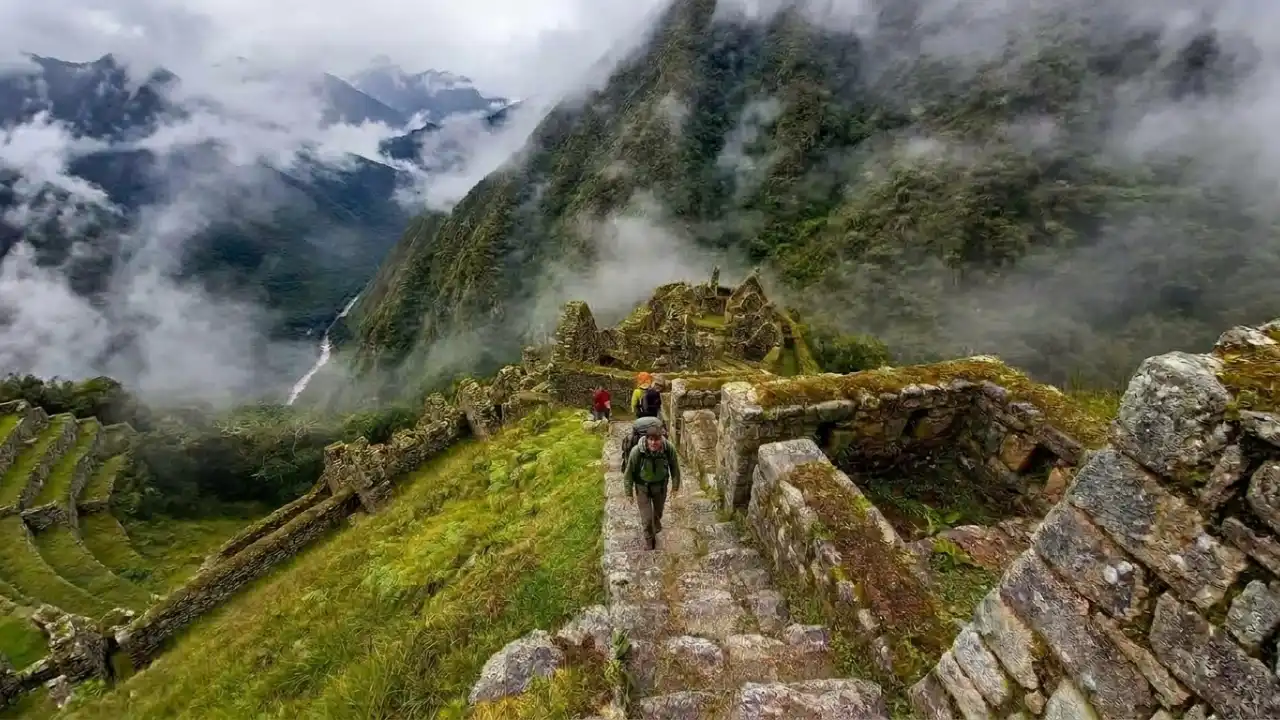
Descending from the Abra Salkantay, the scenery changes, as trekkers head into warm cloud forests with orchids, waterfalls, and tropical birds. In addition to being extremely picturesque, the Salkantay hike is one of the most varied in all of Peru for experiencing the transition from snow to jungle in just one trek.
How to Get to Salkantay Snowy Mountain
Most travelers begin their Salkantay trek adventure in Cusco (3,400 m / 11,152 ft), the historic capital of the Inca Empire. From there, transportation takes you to Mollepata or Soraypampa, depending on your chosen itinerary.
At Km 82 or Mollepata, the Salkantay route officially begins, leading hikers through valleys, glacial basins, and the breathtaking Humantay Lake. Whether you choose the Salkantay trek 4 days, 5 days, or a short 2 day version, each route offers a mix of adventure, altitude, and connection with nature.
Classic Salkantay Trek (5 Days / 4 Nights)
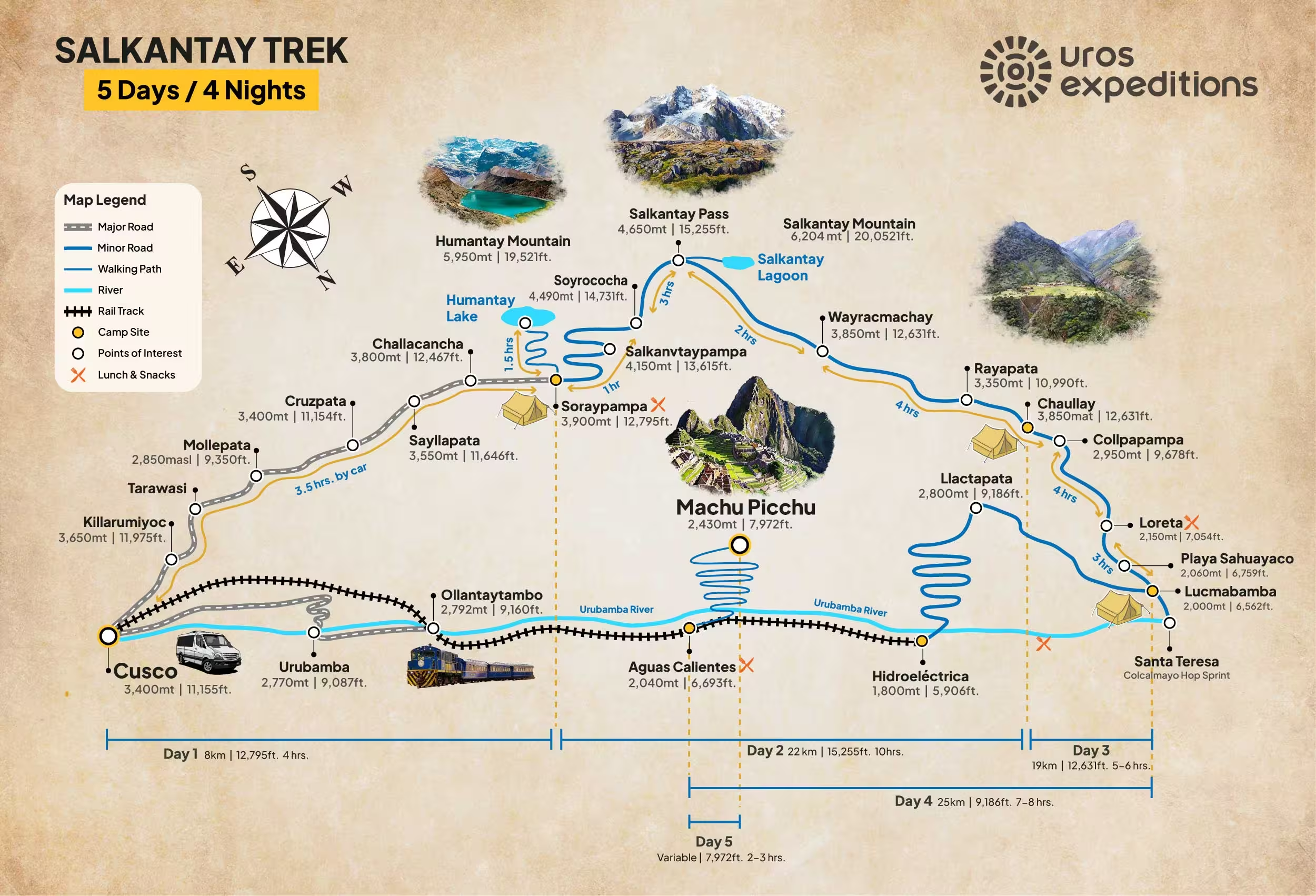
The classic Salkantay trek is one of the best alternatives to the Inca Trail. It combines high mountains, lush forests, and authentic Andean culture. This route showcases the best of the Salkantay mountain and its surrounding landscapes:
- Soraypampa and Humantay Lagoon – A turquoise lake surrounded by snow-capped peaks.
- Salkantay Pass (4,650 m) – The most demanding section, offering sweeping views of the glacier.
- Descent into the Cloud Forest – A dramatic change from cold alpine landscapes to the green, humid jungles of Peru.
- Arrival at Machu Picchu – The perfect finale to your high-altitude journey.
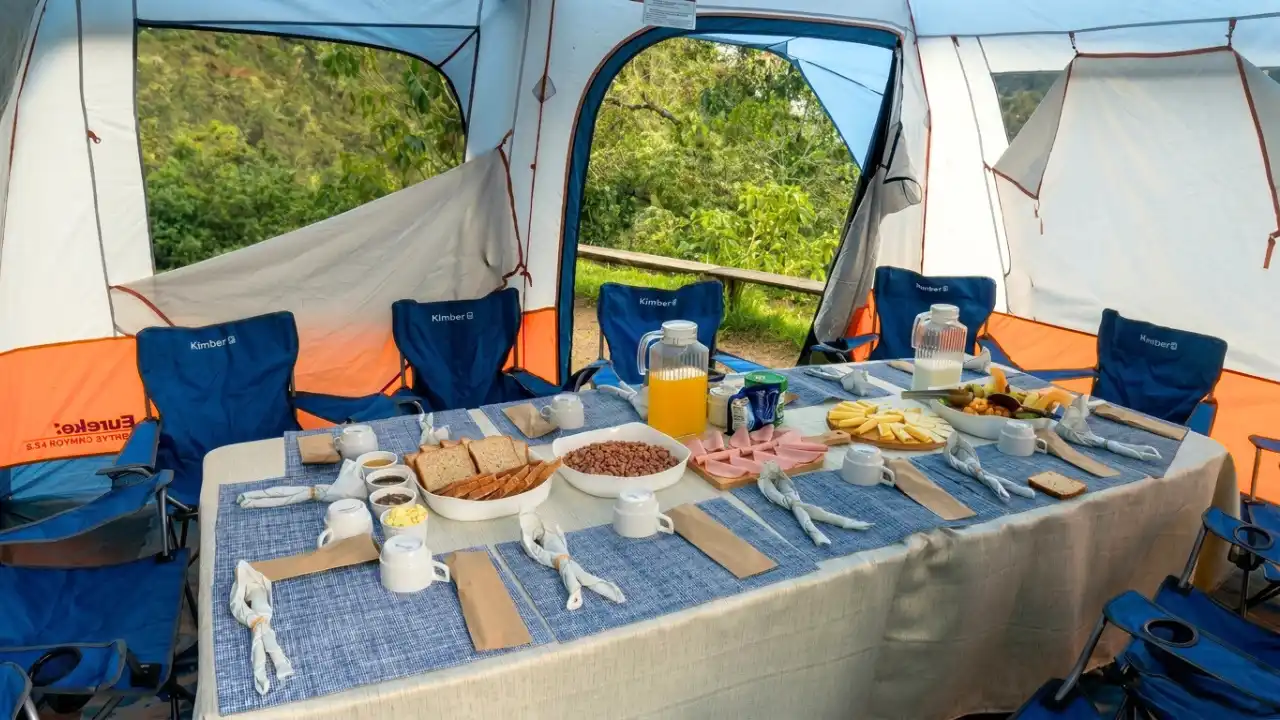
This route often includes comfortable mountain lodges such as the Salkantay Lodges of Peru, designed for travelers seeking both adventure and comfort along their Salkantay hike.
Short Salkantay Trek (2 Days / 1 Night)
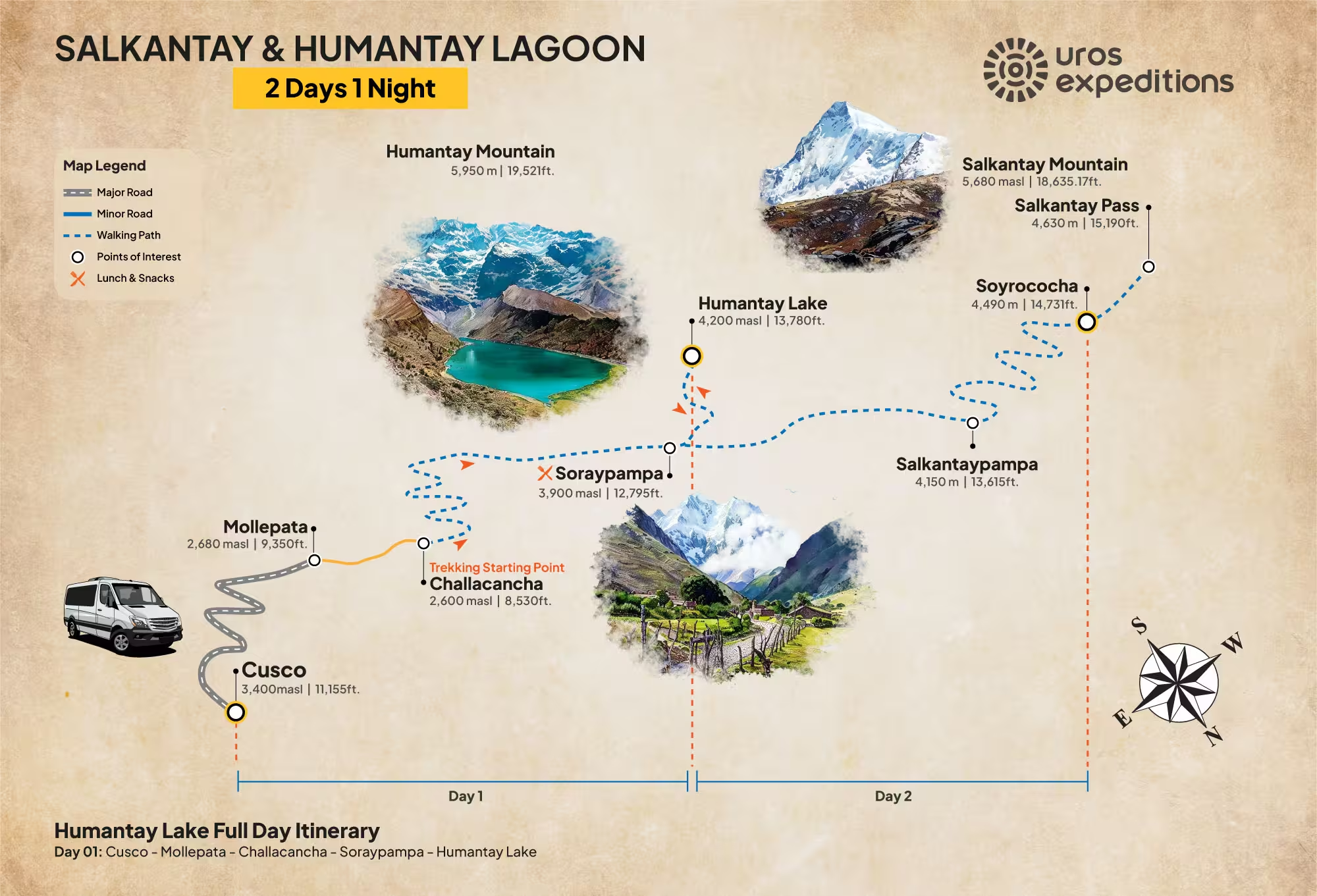
The Salkantay Trek is recommended for visitors who are short on time but still want a shorter, breathtaking experience. Normally, this version includes transportation to Soraypampa, a trip to Humantay Lake, and a walk up to the Salkantay Pass, and then back to Cusco or continuing directly toward Machu Picchu.
Although this trek is shorter, it still requires good fitness and acclimatization due to the Salkantay trek height and steep climbs. This trek is great for those who want to see the beauty of Salkantay without planning a multi-day trek.
Altitude Sickness on the Salkantay Trek
The Salkantay trek altitude reaches extreme heights, so understanding and preventing altitude sickness (AMS) is essential. At 4,600 meters, oxygen levels are 40% lower than at sea level.
Symptoms and Effects
Typical symptoms are headache, dizziness, fatigue, breathlessness, and loss of appetite. Most people will recognize some discomfort as manageable and safe to ignore, knowing it will subside shortly. Ignoring these symptoms can lead to more serious conditions, such as high-altitude pulmonary or cerebral edema (HAPE or HACE). Hence, spotting and dealing with these symptoms early and proactively is necessary for the safety of all climbers. Symptoms may surface above 3,000 meters, especially during the push to the Salkantay Pass, so it is advisable to be prepared.
Prevention and Acclimatization
To help minimize the effects of altitude:
- Spend two or three nights in Cusco (3,400 m / 11,155 ft) prior to trekking.
- Stay hydrated drinking at least 2-3 liters of water a day.
- Avoid alcohol, cigarette smoking, and large meals before the trek.
- Consider having some coca tea or muña (Andean mint); both are traditional remedies for altitude.
- Walk at a slow, steady pace and listen to your body.
Proper acclimatization will not only minimize sickness, but will also allow you to enjoy every step of your trip.
Physical Conditioning
The Salkantay Trek is classified as moderate to challenging. Appropriate training ahead of time will benefit you greatly:
- Practice cardiovascular activities like running, biking, or hiking.
- Do stair climbing and leg strengthening exercises to prepare for walking uphill.
- If you can, hike at a higher elevation before your trip to give your lungs experience with thinner air.
Being physically prepared helps you handle the Salkantay elevation, ensuring you can appreciate the views of the Salkantay summit without strain.
Gear and Essentials
Weather around Salkantay Mountain Peru is unpredictable. It can shift from sunny to freezing in minutes. Bring:
- Thermal base layers, waterproof jacket, gloves, and trekking poles.
- Sunscreen, hat, and sunglasses for UV protection.
- Refillable water bottle and electrolytes.
- Energy snacks for the Abra Salkantay climb.
Frequently asked questions about Salkantay Mountain Peru
The Salkantay peak rises to 6,271 meters (20,564 ft) above sea level, making it the second-highest mountain in Cusco and one of the most iconic peaks in the Andes.
The Salkantay Pass (Abra Salkantay) sits at about 4,600–4,650 meters (15,190 ft), the highest point of the Salkantay trek and one of the most challenging sections.
The Salkantay trek vs. Inca Trail comparison often comes down to altitude and scenery. Salkantay is higher and wilder, with diverse ecosystems and fewer crowds.
The dry season (May–October) offers the best conditions: clear skies and stable weather. The rainy season (November–April) is wetter but more vibrant and green.
Pack thermal clothing, waterproof gear, trekking poles, sun protection, and a good pair of hiking boots. Also, take time to acclimatize in Cusco before beginning your trek.