

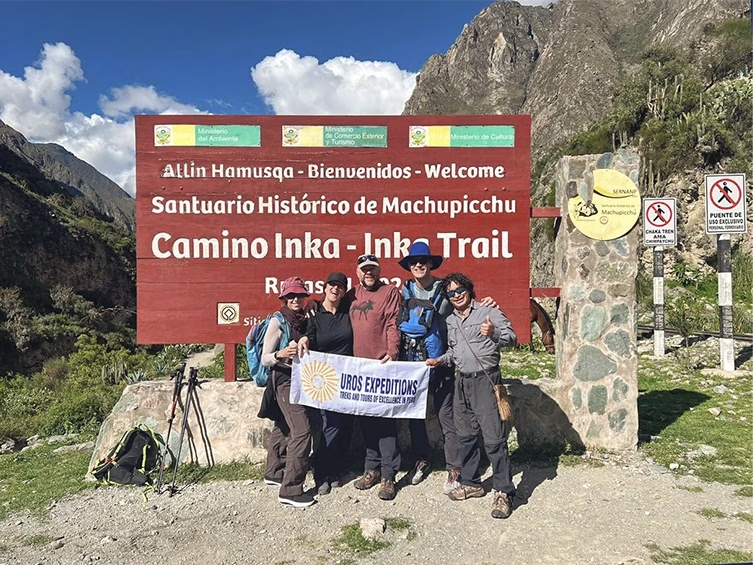
Inca Trail Altitude
The Inca Trail is something that you will never forget. It goes through the Andes, valleys, mountain passes, and ancient stone roads once walked by the Inca. One thing that everybody should know before they go on the trek is the altitude. The path rises and falls sharply, reaching its highest point at Warmiwañusca, or Dead Woman’s Pass, at approximately 4,215 meters, or 13,828 feet in elevation. Awareness of how altitude works and how it will affect your body makes a tremendous difference in your enjoyment of the trip.
Understanding the Altitude of the Inca Trail
The Inca trail is not just a straight climb. It involves alternating climbs and descents with long stretches of relatively flat pathways where hikers can rest and take in the magnificent backdrops of views.
Altitude Profile of the Inca Trail
The trek begins near Ollantaytambo at kilometer 82, which is about 2,720 meters above sea level. After about two kilometers of walking, the trail continues to rise gradually with some difficult upward sections through wooded hillsides and essentially just open valleys. The hardest section is Dead Woman’s Pass, which is also the highest point along the trek. After Dead Woman’s Pass has been conquered, the path then descends toward Intipata and Phuyupatamarca in the vicinity of 3,600 meters and then finally down to Machu Picchu, which is 2,430 meters and is surrounded by wet green hills shrouded in mist. The ongoing up and down variation in altitude presents a challenge at certain points along the route for the hiker, but is also a reward for undertaking the Inca Trail as a hike.
Key Points and Elevation Changes
| Location | Elevation (m) | Description |
| Km 82 (Start) | 2,720 | Gradual start for acclimatization |
| Wayllabamba | 3,000 | First campsite |
| Dead Woman’s Pass | 4,215 | Inca Trail highest point |
| Runkurakay | 3,970 | Second pass |
| Phuyupatamarca | 3,670 | “Town above the clouds” |
| Machu Picchu | 2,430 | Final destination |
The Inca Trail highest altitude creates both a challenge and an incredible sense of achievement.

Inca Trail Altitude Sickness
As we will be spending a significant part of the trek above 3,000 meters altitude, altitude sickness may affect some trekkers. It is normally mild but can make you feel uncomfortable if you’re not used to high altitude.
Recognizing the Symptoms
Altitude sickness, or acute mountain sickness (AMS), can develop once you reach an elevation of 2,500m (8,200 ft ). On the Inca Trail, it most commonly develops between 3,500 m and 4,200 m.
Common signs and symptoms include:
- Headache, dizziness, and shortness of breath
- Fatigue or difficulty sleeping
- Nausea or appetite loss
- Severe symptoms might also include vomiting or confusion
Anyone can develop altitude sickness, regardless of their physical fitness level. The important thing is to recognize the signs early and adjust your body to adjust.
How to Prevent Altitude Sickness
To decrease your chances of suffering from symptoms of altitude sickness, consider the following helpful advice:
- Spend 2–3 days acclimatizing to the higher altitude in Cusco before the trek (3,400 m)
- Stay hydrated, and avoid alcohol and caffeine, especially before or during the hike. Avoid heavy meals.
- Walk at a slow pace and stop to rest frequently. Again, the goal here is to progress, not to travel quickly.
- The focus of your diet should be light and healthy, high carbohydrate meals that provide sustained energy.
- Consuming coca tea or coca leaves (a traditional remedy in the Andes) can help with mild symptoms.
- If your symptoms worsen, descend and inform your guide.
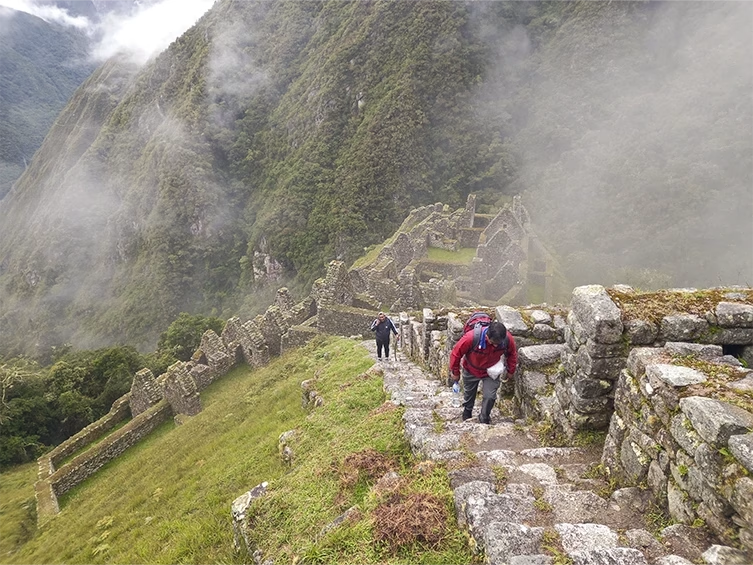
Preparing for the Inca Trail Altitude
The best preparation combines physical exercise, good habits, and a calm mindset.
Physical Conditioning
Make an effort to stay active in the lead up to your trip. Activities such as hiking, cycling or even walking up hills will help your body adapt to physical activity for extended periods of time. Keeping a continuous effort is more important than your speed. If your legs are strong and your breathing is under control, the entire experience will be much easier.
Nutrition and Hydration
Consume healthy food that provides you with eternal energy. Carbohydrates and proteins are perfect for hiking days. Take along refreshing fruits, nuts or granola bars for quick snacking. Water should be your constant companion; drink it often, even if you are not thirsty. It is important to keep your body hydrated so that you do not suffer from headaches and tiredness at high altitudes.
Mental Preparation
The Inca Trail tests not only your strength but your patience as well. A few of the days can be long with steep climbs; however, every step takes you closer to Machu Picchu. Having a good and positive mindset about the trek and appreciating the fabulous scenery makes it more tolerable. And remember, it’s not a race, it’s an adventure.
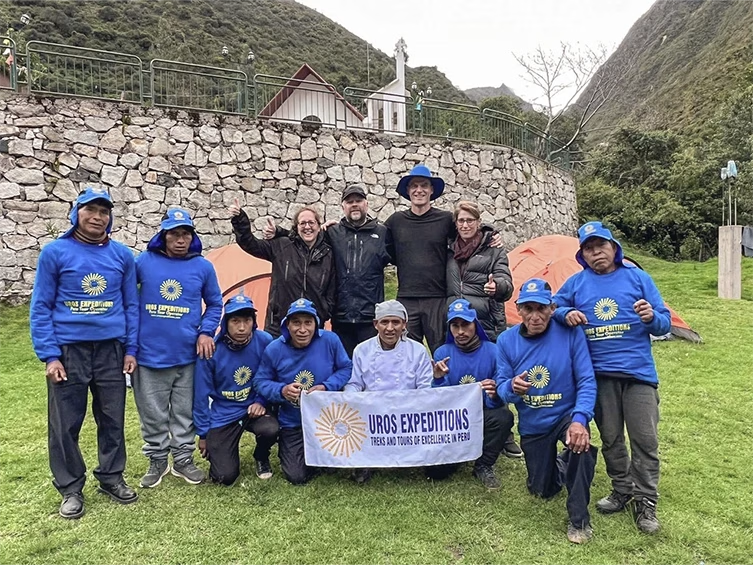
The Inca Trail Altitude Experience
The altitude experience on the Inca Trail influences every step of the experience. An ascent ushers in a new sight, a new taste, and a stronger bond with the land.
Scenic Views and Rewards
The more you ascend the mountains, the more astonishing the views are. When you reach the Dead Woman’s Pass, with its scenic panoramic views, the Andes Mountains seem to go on for days before reaching the horizon. Phuyupatamarca gives you a peaceful moment above the clouds, waiting for the rest of the group. Beyond experiencing these stunning vistas, you will also savor the changing scenery, and taking a variety of rocky ancient stone paths, forests, wooded trails, and mountain peaks all change the view dramatically and give you an unforgettable moment.
Spiritual Connection and Triumph
Getting to the highest point is more than just a view; it’s a perspective. The silence, the wind, and the distance travelled create a sense of accomplishment that we can’t seem to articulate. As you walk through the Sun Gate and lay eyes on Machu Picchu in the distance, and you consider your altitude, the effort you exerted in getting there, and the multiple days of trekking earlier in your trip, they all seem worth it.
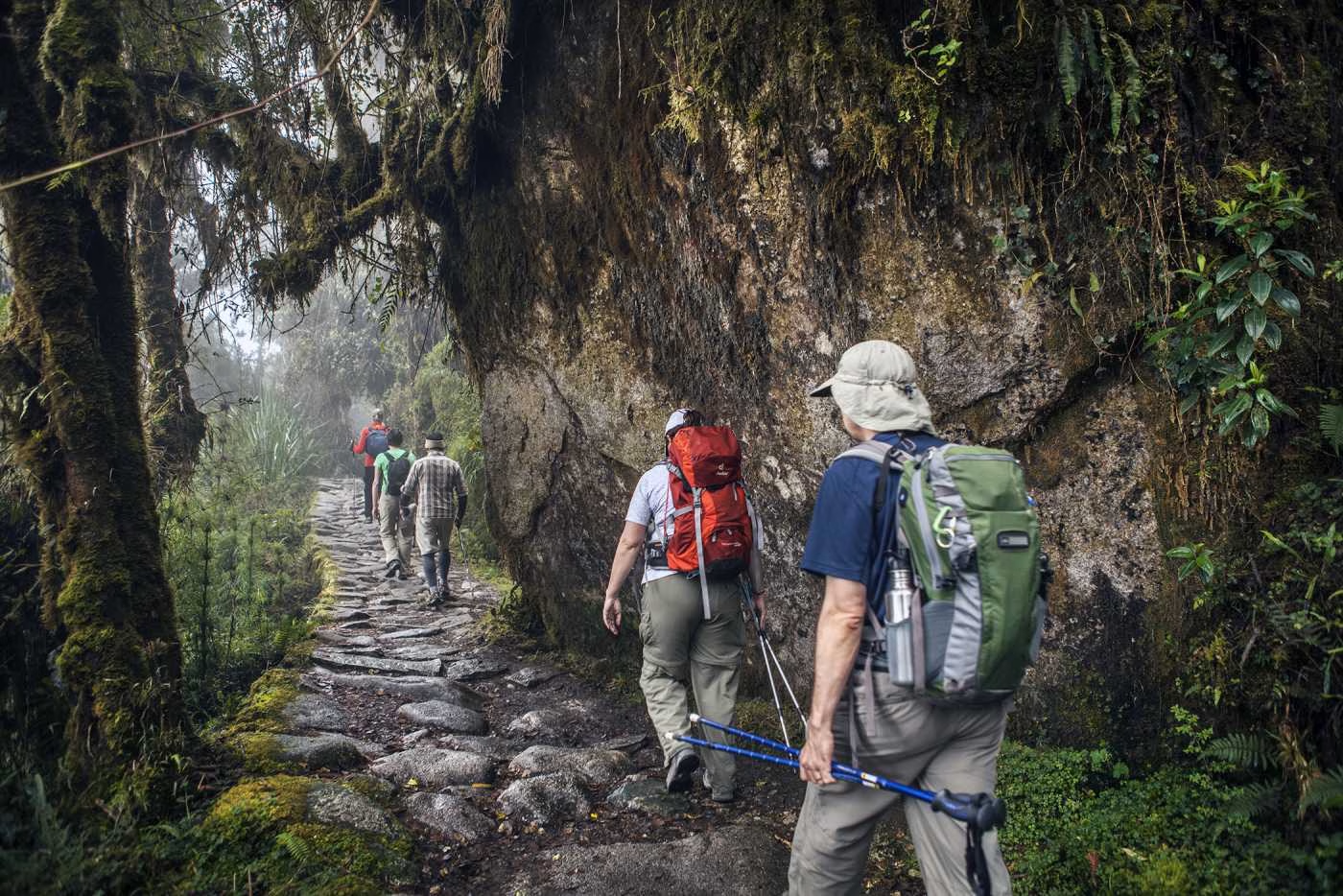
Practical Information for Trekkers
Inca Trail Length and Duration
The traditional Inca Trail is about 42 km (26 mi) long and is trekked over 4 days and 3 nights. For those who have less time or are inexperienced backpackers, there are also shorter routes available (such as the 2-day Inca Trail).
Below are average times for each day of trekking:
- Day 1: 11 km / 6.8 mi (Moderate)
- Day 2: 12 km / 7.4 mi (Difficult)
- Day 3: 15 km / 9.3 mi (Moderate)
- Day 4: 5 km / 3 mi (Easy, mainly downhill)
Age Limit and Fitness
While there is no strict upper age limit, trekkers should be fit and at an appropriate level of physical condition. Most people between the ages of 12 and 60 complete the trail with fewer issues. Given sufficient preparation for fitness and a reasonable time for acclimatization, any reasonable individual can experience and enjoy this historic path and its beautiful mountain surroundings.
Frequently asked questions about Inca Trail Altitude
The Inca Trail highest elevation is at Dead Woman’s Pass (Warmiwañusca), standing at 4,215 m / 13,828 ft — the toughest but most rewarding section.
The classic trail is 26 miles (42 km) and takes about 4 days and 3 nights, passing through several ancient Inca sites and diverse landscapes.
Yes. Mild Inca Trail altitude sickness can occur above 3,000 m.
Proper acclimatization in Cusco, hydration, and pacing are the best ways to prevent it.
The Inca Trail starting elevation is approximately 2,720 m (8,924 ft) at Km 82, offering a gentle start for adaptation.
The Machu Picchu altitude is 2,430 m (7,972 ft) — lower than most parts of the trail, which makes breathing easier after the high passes.


