The Humantay lagoon, a hidden treasure at the foot of the Salkantay
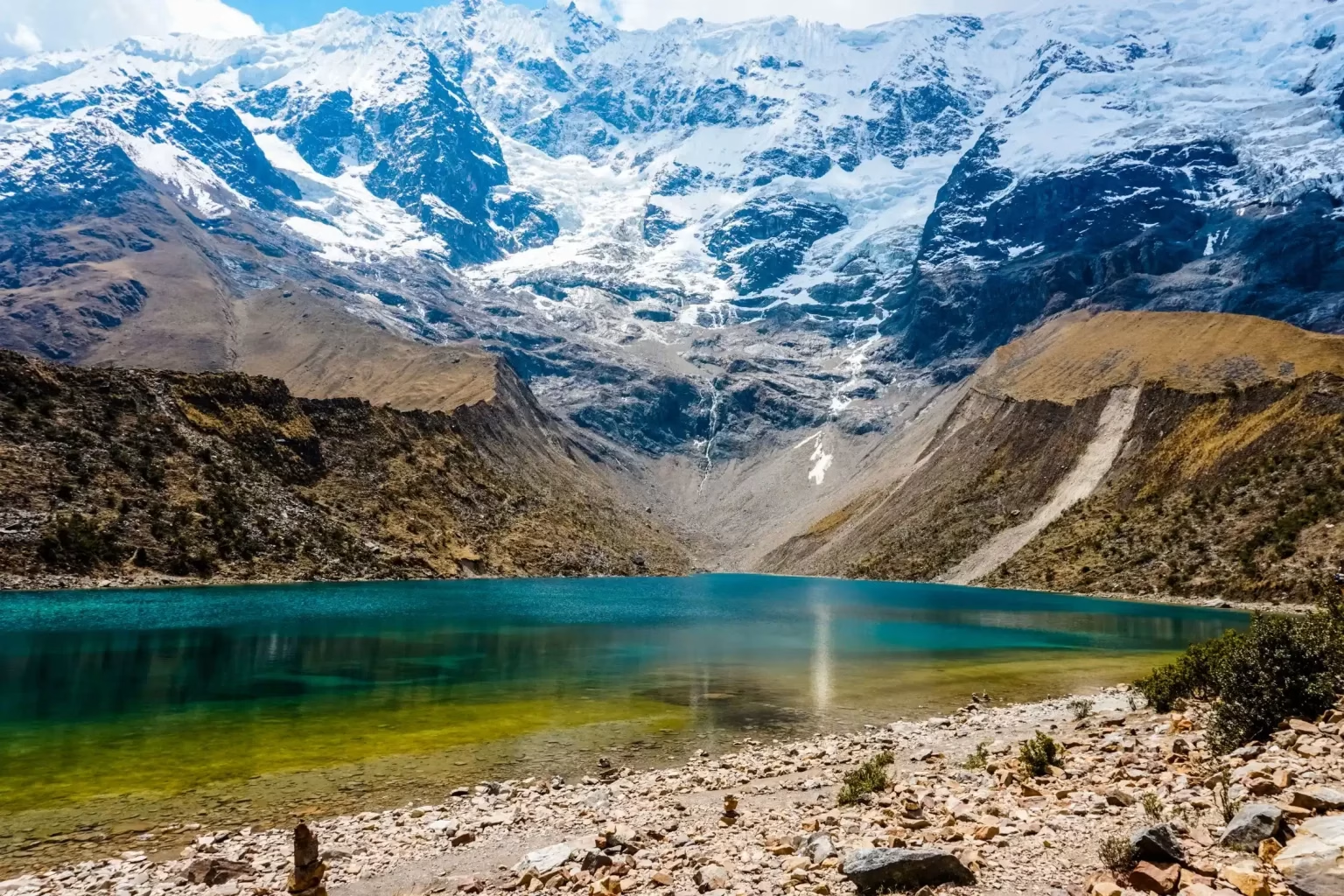
At a high altitude in the Peruvian Andes, surrounded by glaciers and steep peaks, rests one of the most remarkable natural wonders of South America, the Humantay Lagoon. The lagoon is distinguished by its brilliant turquoise waters and calm nature, and is one of the most visited natural attractions in Peru, after Machu Picchu and Rainbow Mountain.
Initially a hidden gem known only to the trekkers of the Salkantay Trail, the lagoon has become a popular destination for travelers in search of stunning scenery, cultural connection, and a moment of peace spent outside among nature.
Visiting the Humantay Lake is not just a simple hike, but an experience characterized by adventure, history, and spirituality in the heart of the Andes.
Information about the Humantay Lagoon
The Humantay Lagoon is part of the province of Anta and is located about 120 km from the city of Cusco. It is at an elevation of 4200 meters, or 13780 feet, above sea level and belongs to the Humantay Lake elevation, and belongs to the Vilcabamba range arguably one of the most breathtaking areas of the Andes.
The lagoon has crystalline waters that appear almost unreal next to the white snow-capped mountains and glaciers surrounding it. The lagoon’s placid surface reflects the sky and surrounding mountains, giving an experience that will leave an indelible mark on everyone who visits and perfectly depicts the character of the Peruvian Highland region.
Location and Access
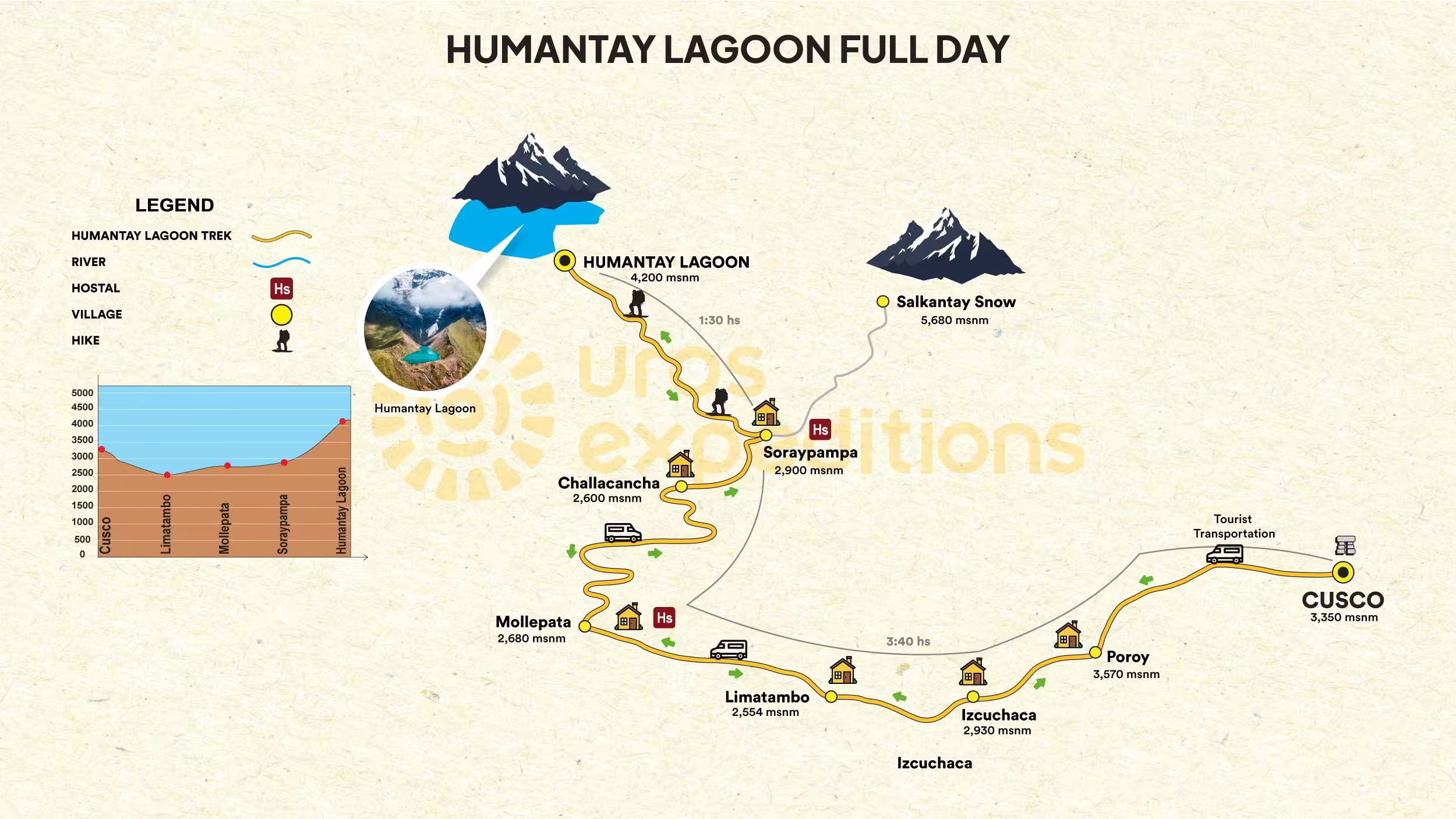
Typically, travelers head to the Humantay Lagoon by driving from Cusco to Limatambo and Mollepata before arriving at Soraypampa, the trailhead.The distance from Cusco is approximately 120 kilometers and takes approximately three and a half hours to drive.
At Soraypampa, visitors will spend one and half to two hours hiking uphill for two kilometers on a somewhat steep path with stunning views of the mountains that will make every step you take worthwhile. For those who do not want to hike, horses can be rented at base of the trail as an option. The entrance ticket for the lagoon area costs approximately 20 Peruvian soles, which is about 5 U.S. dollars.
| Location | Province of Anta 120 km from Cusco passing through the towns of Limatambo and Mollepata |
| Distance from Cusco | 3.5 hrs approx. |
| Ticket cost | 20 PEN approx. |
| Weather | Cold |
| Activities | Walk to the lagoon, camping in the area, bird watching. |
The Journey to Soraypampa
Traveling to Soraypampa is an adventure in itself as you travel through valleys and small Andean towns and communities, a glimpse into rural life amidst the landscape and mountain peaks. As you climb higher, you will begin to see the striking silhouette of Salkantay, considered one of the most sacred peaks in Peru.
Soraypampa is located at the base of this glacier and is the camping site for Salkantay trekkers and the trailhead to the Humantay Lagoon Peru. From here, the trail climbs, gradually revealing the vast panorama of the Andes landscape until finally revealing the lagoon’s turquoise color.
The Formation and Color of the Lagoon
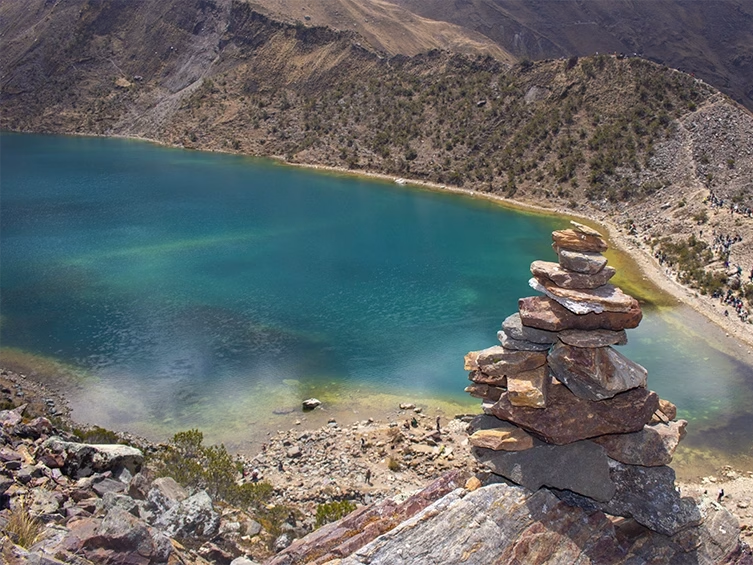
The Humantay Lagoon, also known as Blue Lagoon Peru, is comprised of melted ice from the Salkantay Glacier. After years of glacial melt, the water collected in a natural basin, forming the lake we see today.
Why Is the Humantay Lagoon Blue?
It is the light absorption and mineral content that generates the lagoon’s eye-catching turquoise color. As sunlight is absorbed by the water, the red wavelengths will be absorbed, while blue and green wavelengths reflect the light, creating a striking turquoise color that mesmerizes onlookers. The refinement of glacial waters and the absence of vegetation in the lake increase its reflection to almost luminescent.
This natural phenomenon occurs in other lakes in the Andes like Huaypo Lagoon and Parón Lagoon where altitude, minerals, and glacial origins produce the same surreal hues seen in Humantay Lake.
The Role of Glaciers
The Salkantay Glacier is crucial for the maintenance of the lagoon’s level and clarity. Every time the glacier melts, it supplies the lagoon with fresh, mineral-laden waters. Scientists have recognized Humantay Lake as a significant component of the local hydrological system, in that it helps moderate water flow into the neighboring valleys to support local agriculture and native fauna.
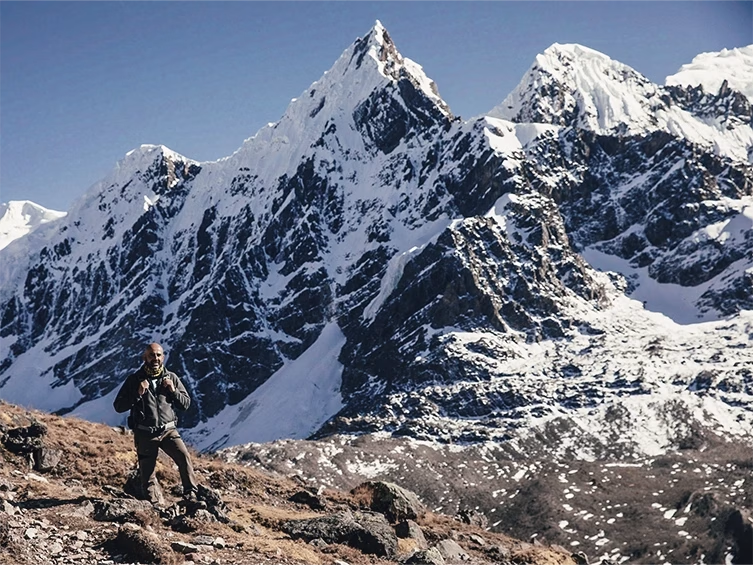
The glacier has been slowly retreating due to climate change, which adds more emphasis on preserving this environment. For locals, protecting Laguna Humantay is both an environmental duty and a spiritual act.
Historical and Cultural Significance
The Humantay Lagoon is not only a natural phenomenon but also a sacred place deeply ingrained in Andean culture and religion. The site has been a center of reverence and ceremony for the residents in the surrounding mountains for centuries.
A Sacred Site of the Andes
Both Humantay and Salkantay, in the Ican world vision, are considered to be apus, or mountain spirits. The lagoon was considered to be where these spirits sleep and where sacrifices needed to be offered to Pachamama, or Mother Earth, in order to offer her thanks for fertility, health, and protection.
Even today, one can observe apachetas all along the way. These small stacks of stones constructed by the traveler or local perform their sacrifices to the mountain. Each stone signifies a wish, thanksgiving, or prayer for safe passage. It is amazing the way something so straightforward brings travelers into the ancient Andean ethic of honor in nature.
The Legend of Humantay and Salkantay
The local lore explains that the lagoon appeared from the tears of Salkantay when he was separated from his sister mountain two. His sorrow created the turquoise waters of Humantay Lake, embodying both love and nostalgia. In the story Salkantay exemplifies power and protection, and Humantay represents peace and healing. Together they narrate the Andean view of duality and the equilibrium of coexistence , the mixture of power and gentle-ness, sky and land, male and female.
Visiting the Humantay Lagoon
Today, the Humantay Lagoon Peru is one of the easiest and most rewarding day trips you can take from Cusco. It is a natural beauty and cultural importance that draws adventurers and travelers who need a more personal connection to Peru’s sacred geography.
The Trail Experience
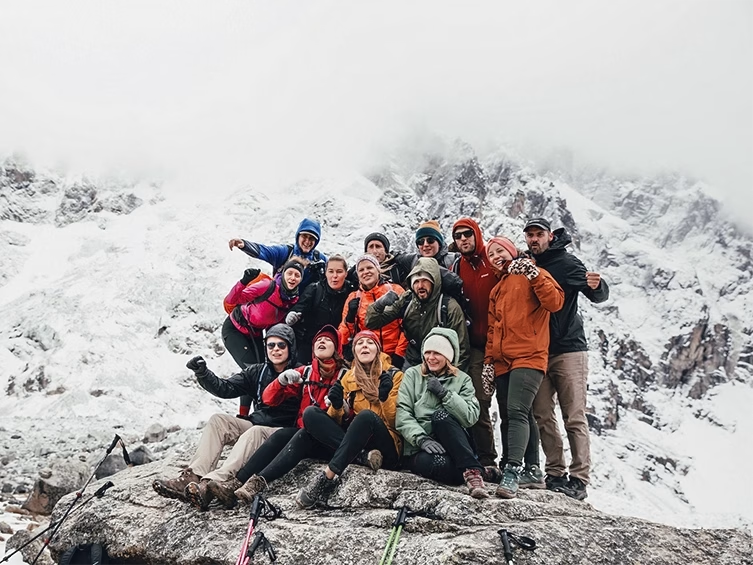
The trek will start at Soraypampa, and continues up a steep, rock path for a distance of two kilometers. It is short, but due to the altitude, it is a physically demanding walk. It is important to keep the ascent slow, stop to rest, and appreciate the views. The first sight of the lagoon surrounded by glaciers and mountains is often one of the most lasting memories for any traveler.
The surrounding area of the lagoon is tranquil, and visitors are encouraged to use the area for rest, contemplation, or simply enjoying the scenery. Swimming is prohibited in this lagoon because it is sacred and part of a delicate ecosystem.
Climate and Best Season to Visit
The Humantay Lagoon experiences chilly weather, with cooler temperatures in the mornings and evenings. The ideal months to visit are during the dry season, which runs from April to October. When traveling during these months, expect the blue coloration of Humantay Lake to be clearer due to less humidity in the air and sunny skies.
The wet season, from November to March, has lush green valleys and flowing waterfalls; however, slippery trails with lower visibility are possible. The average temperatures at night can be around 5°C (41°F) and be in the 20°C (68°F) range during the daytime.
What to Bring
People must be well-acclimatized to the height and changeable weather.
Essentials include:
- Warm clothing, hat, and gloves for cold mornings
- Waterproof coat for rain
- Good-quality, sturdy boots with tread
- Sun protection and sunglasses
- Water and snacks
- Camera for taking snaps of the views
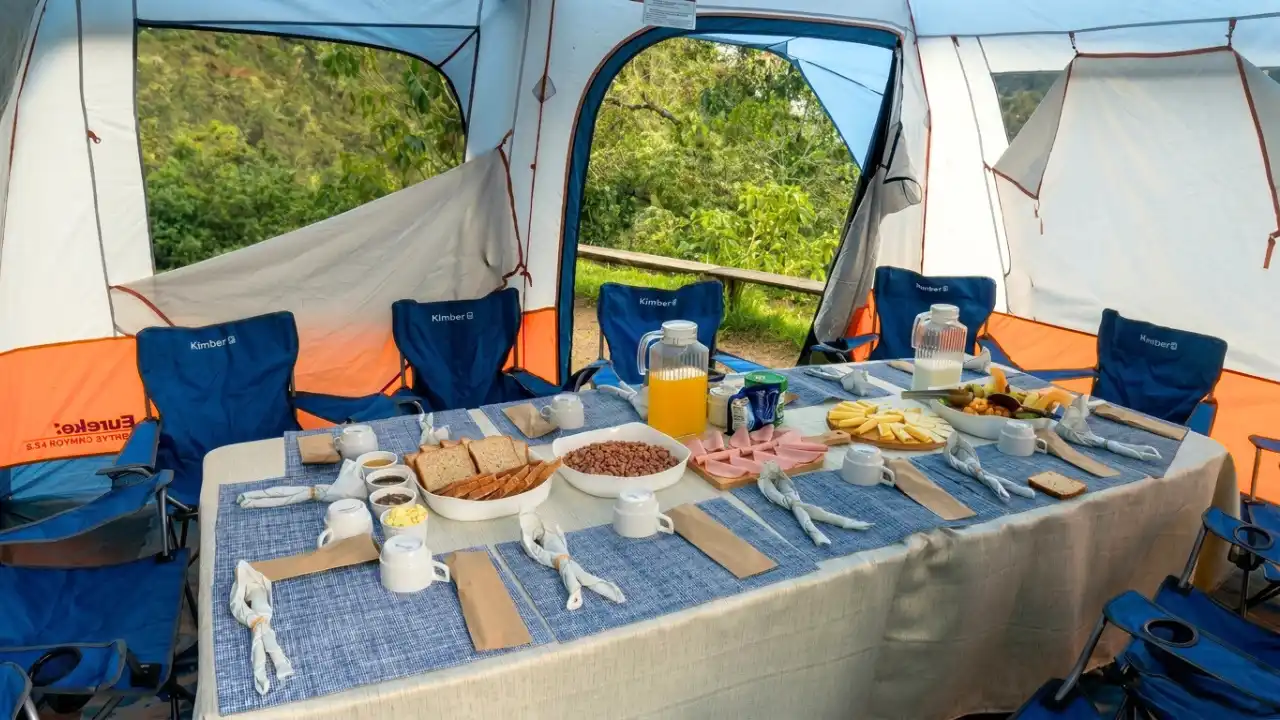
There is no camping near the lagoon, but the surrounding village of Soraypampa has campsites with very basic facilities and spectacular mountain views.
Frequently asked questions about The Humantay lagoon, a hidden treasure at the foot of the Salkantay
The hike to the Humantay Lagoon starts in Soraypampa and covers about 2 kilometers uphill. The trail is steep but rewarding, offering panoramic views of the Andes. The air is thin due to the altitude, so travelers are advised to acclimatize in Cusco before visiting.
The lagoon’s turquoise color is due to sunlight absorption and mineral reflection, a phenomenon also seen in Huaypo Laguna, the Haoyang Lake, and Lagoon 691.
Camping is allowed only in Soraypampa, 2 km away from the lagoon. Due to freezing temperatures, it’s essential to bring warm gear.
Wildlife includes Andean foxes, vizcachas, deer, condors, and llamas grazing along the trail — similar to species found around Huaypo Lake Peru.
The dry season (April–October) provides ideal conditions for trekking and photography, while the rainy season (November–March) enhances the greenery but makes hiking more challenging.