Inca Clothing: History, Symbols & Traditional Peruvian Outfits
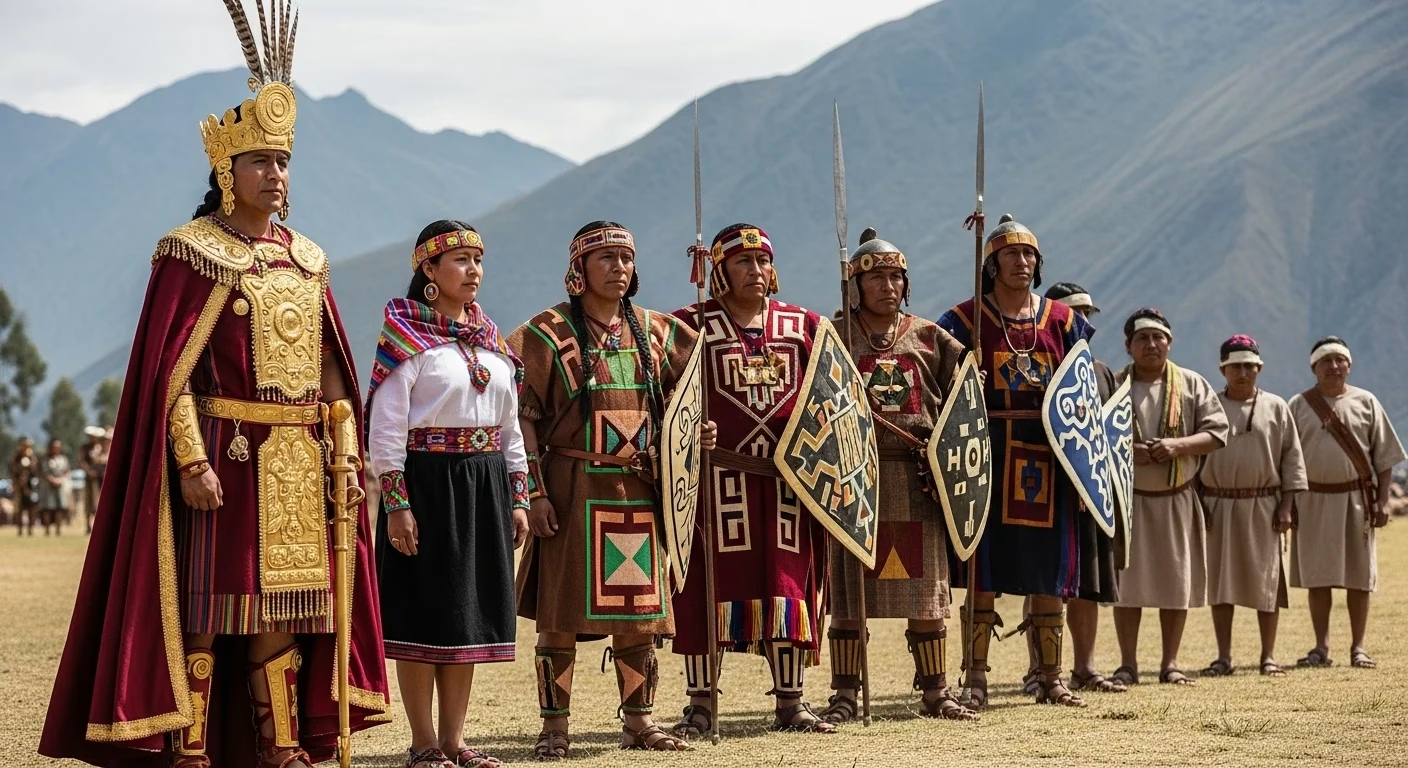
Inca civilization had a clearistic social context expressed in apparel. Common people wore simple and practical clothes. This helped them during long days of farming in tough highland or coastal areas.
Men commonly wore a tunic called an unku, woven from the coarse wool of llamas and alpacas. They completed the outfit with a belt and sandals. Women traditionally wore the acsu.
A long rectangular piece of fabric tied at the shoulders with a belt was present. They often also had a lliclla, which is a type of shawl. These clothes were simple, but they were helpful for the weather in the Inca empire.
However, for the inca nobility and high ranking officials, apparel was a prominent representation of privilege and power. Nobles wore clothes made of fine materials. Elaborate decorations and vibrant colors characterized their Inca Clothing, elements not permitted for commoners.
Laws clearly distinguished classes of apparel, and those who broke the laws received punishment. traditional peruvian clothing styles clearly showed the social order of farmers, priests, warriors, and rulers in the Inca empire.
Traditional Inca wardrobe
Clothing in the Inca Civilization
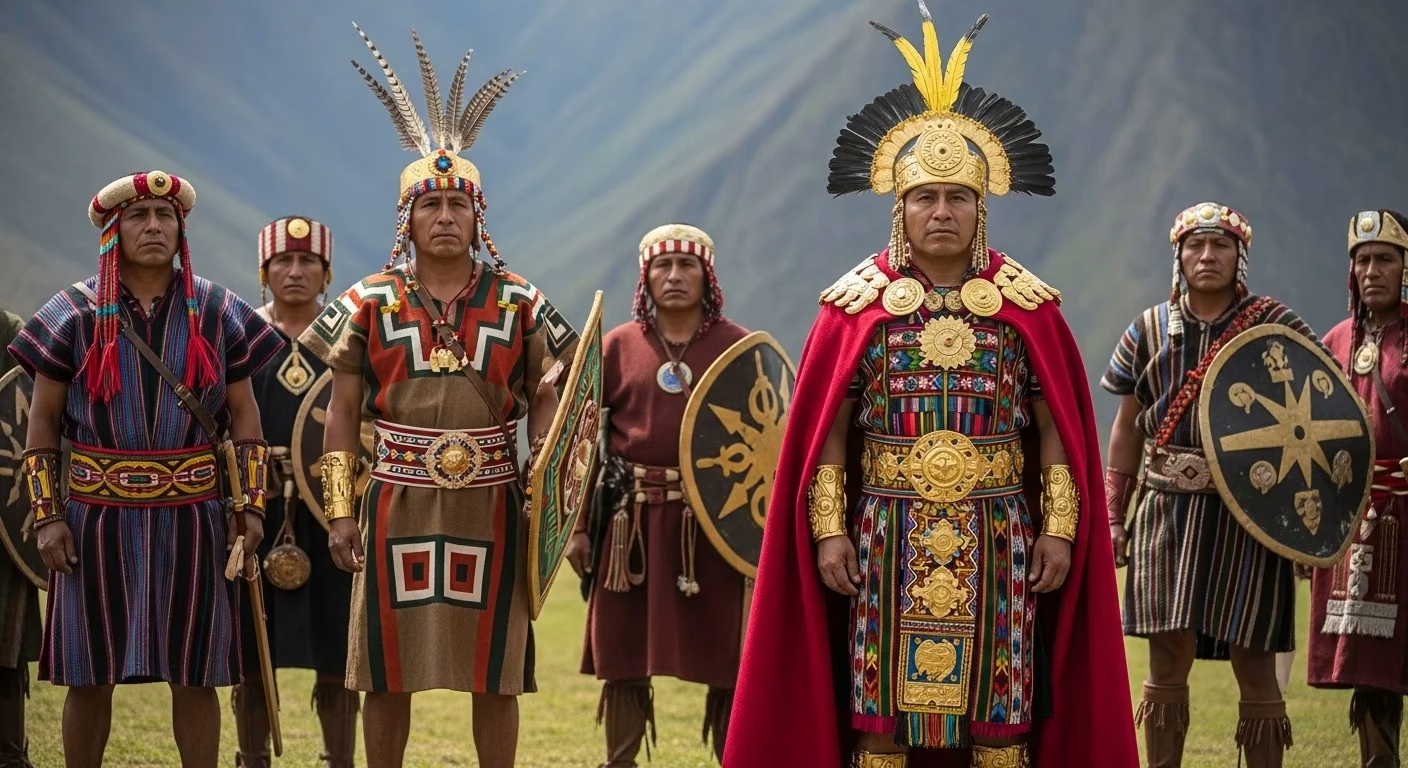
For the unenfranchised, ancient Inca clothing was functional yet practical. The unku was the wool tunic for men, held at the waist with a belt, and women had the acsu, a long dress with a colorful tie. Both wore a lliclla, a shawl draped over their shoulders.
It served as a wrap for their outfits. They could also use it to carry goods, a newborn baby, or their tools. The wardrobe adapted to the environment, staying warm in the mountains and cooler in the valleys. For the noble class, attire signified authority. Noble tunics were wool, but made of finer wool dyed with vibrant cool colors of bold patterns and designs.
Regular people could never copy these designs or colors. The empire had strict rules about what was acceptable.They controlled who could wear which designs. Breaking this rule would start a punishment process. This process showed the power of the authority in Inca civilization.
Why Textiles Were Central to Andean Culture
In the Inca universe, textiles were currency, art, and offerings for the gods, all at once. Subjugated communities had to pay tribute in woven. Soldiers received Inca Clothing as a reward for their service. A finely woven tunic was worth far more than a gold membership piece of jewelry.
The textiles were both sacred and spiritual. During the rituals, priests wore white simple tunics, while outfits dyed red was a symbol of power and life. Someone burnt some wardrobe following ceremonies to use as offerings to the gods.
This shows that apparel from the Inca Empire had meanings beyond what we think of today. Apparel served as a link between society, politics, and the divine.
Social, Religious, and Political Roles of Dress
Clothing consolidated a sprawling empire. Patterns and designs helped identify a person’s region. They also allowed the state to manage and recognize its people. attire also raised the status of rulers, priests, and warriors above regular people. This reinforced the strict differences in the empire.
The connection of outfits to religion was similar. During important ceremonies, participants donned special garments in lieu of attire that signified fertility, rain or harvest. For the Incas, dressing properly meant aligning with the cosmic order.
The history of traditional Inca clothing shows a society where every stitch mattered. It had social and spiritual meaning.
The primary colors of clothing in the Inca Empire
The study of Inca Empire clothing reveals that garments served as a sophisticated visual language, communicating the wearer’s social status, origin, and role within the Tawantinsuyu.
The Incas achieved extraordinary technical mastery in textile production and dyeing, utilizing natural pigments sourced from insects, plants, and minerals. While their palette was broad, the system of imperial hierarchy was fundamentally encoded using a specific set of primary inca colors.
These hues dominated the elite garments (Qompi) and ceremonial wear, acting as direct symbols of power, religion, and connection to the natural world, which defined the entire inca style.
Key Colors and Their Intrinsic Symbolism
The selection of inca colors for official and noble attire was not merely decorative, but rather a deliberate choice tied to specific religious and state ideologies.
Red colors represent authority, conquest, and vitality
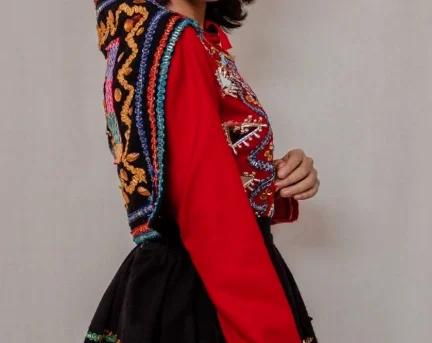
Red was possibly the most prestigious and symbolic color in Inca textile tradition, as it represented authority, leadership, and vital energy. The Incas called it puka in their Quechua language.
The intense crimson derived from the cochineal insect was extremely difficult and costly to produce, reserving it exclusively for the highest echelons of society. Red symbolized blood, representing both life and the military prowess of the Incas.
Most notably, the supreme emblem of imperial rule the Mascaypacha tassel worn by the Sapa Inca was meticulously dyed this specific, intense red, embodying the core inca style of power.
Color Yellow and Gold represents Divinity and royalty
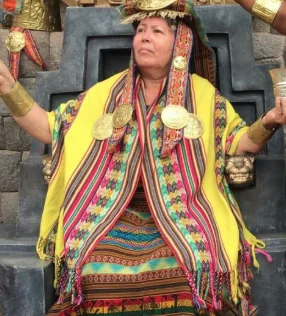
Yellow, often represented by the brilliance of gold thread, symbolized the principal deity, Inti (the Sun God). Gold was considered the “sweat of the Sun,” directly linking this color to the divine and the imperial family.
The use of yellow or gold in inca empire clothing served to underscore the divine mandate of the Sapa Inca, positioning him as the son of the Sun. The Incas called it Q’illu in their Quechua language.
Black color signifying creation, fertility, and order
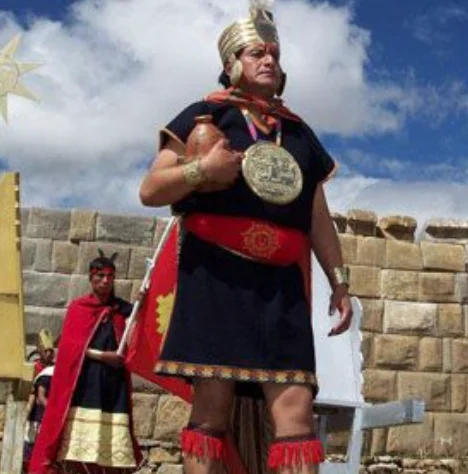
Black carried profound metaphysical meaning, associating it with creation, the fertility of the earth (Pachamama), and ancestral wisdom. Sourced primarily from minerals and specialized plants, it was vital for creating high contrast geometric patterns.
The black and white checkerboard design found on military Unkus (tunics) represented the official state inca style for high ranking military and officials, clearly distinguishing their rank within the inca empire clothing system. The Incas called it Yana in their Quechua language.
Green color meaning Nature, abundance, and life.
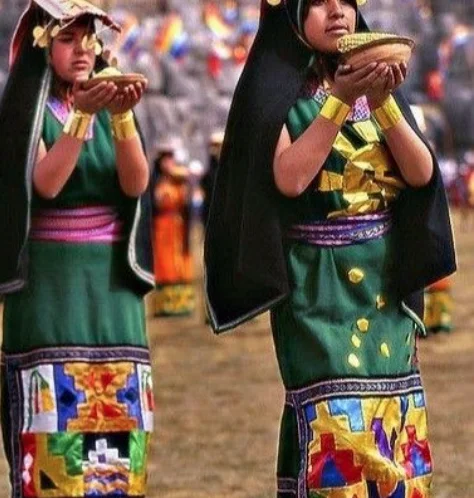
Green was fundamental in an agrarian society, symbolizing the essential elements of nature, water, fertility, and the abundance of successful harvests. The color confirmed the Inca’s close relationship with the natural world and the cycle of life.
It was a common, yet important, component in many pieces of daily and ceremonial inca clothes. The Incas called it Yana in their Quechua language. The Incas called it Q’umir in their Quechua language.
Materials and Techniques in Inca Empire Attire
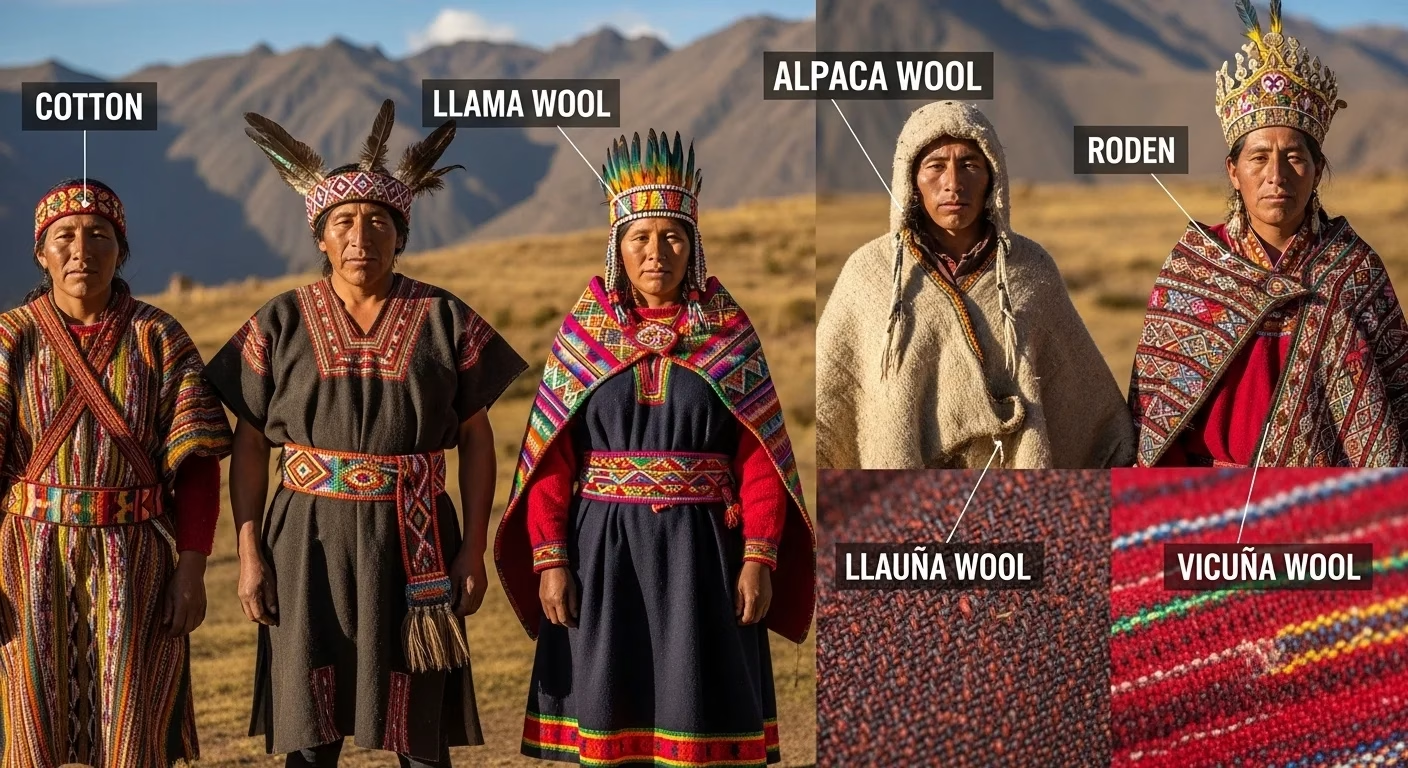
Natural Fibers Cotton Alpaca Llama and Vicuña Wool
The Andes Mountains offered a stunning range of fibers, where the altitude dictated the type of wool needed for survival and social distinction. Cotton from the warm tropical coast was perfect for light outfits.
Alpaca and llama wool from the highlands offered warmth for cold Andean nights. The rarest of all was vicuña wool. So fine was it that only nobility and the emperor could use it.
This system of fibers mirrored human society. Llamas were for common people, alpacas for those in the middle, and vicuñas for the elite. The story of Inca clothing shows the link between nature and social order in the empire.
Weaving and Embroidery Techniques
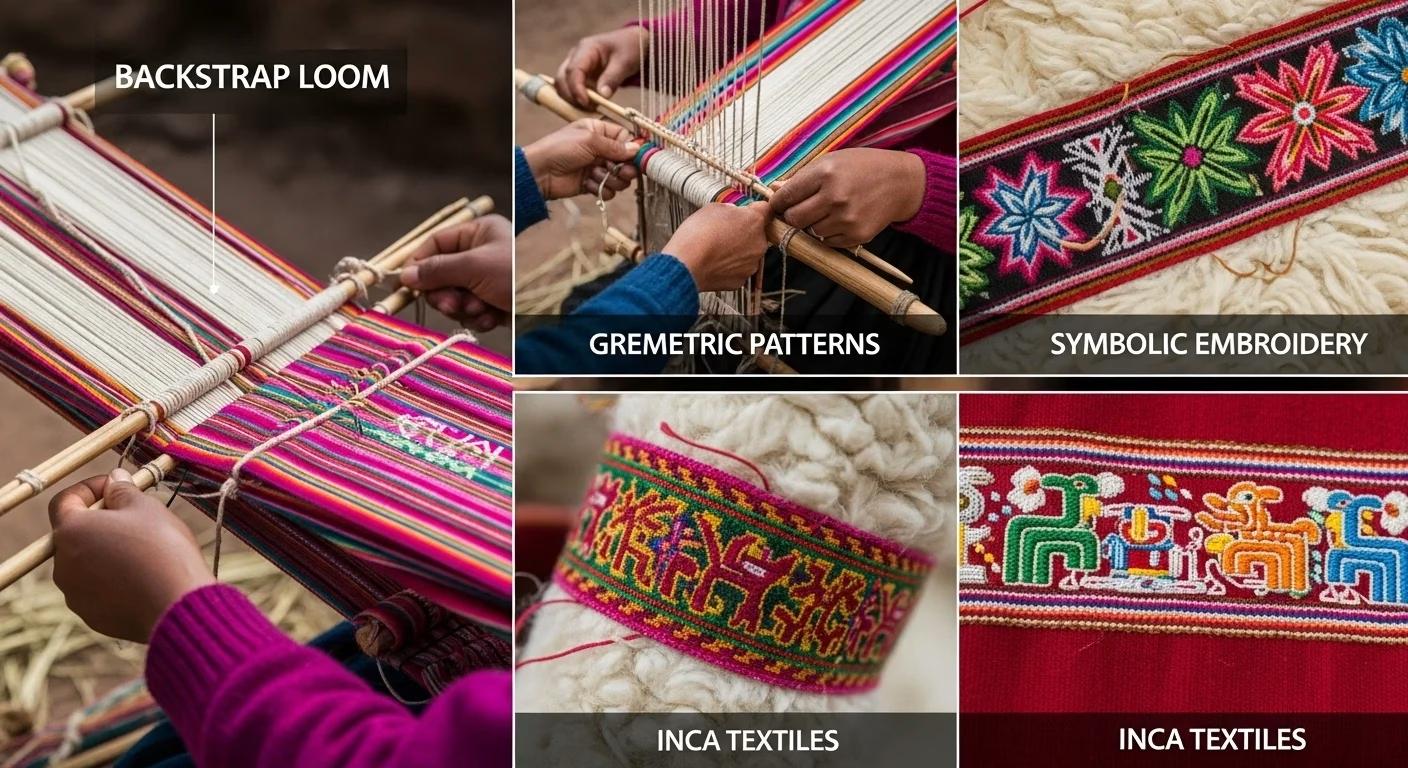
Weaving was not just a craft; it consumed a sacred ritual. Inca women, and the chosen “acllas” in particular, would study and practice weaving techniques all their lives.
Weavers often wove fabrics so finely that they could rival modern silk! Embroidered patterns added extra meaning. They showed landscapes, rivers, animals, and even had cosmic significance.
Thus, to wear a garment was to wear art and identity on your body. This is why many Inca ruler apparel facts mention weaving in the context of storytelling. Someone chose every fiber and pattern carefully. One can view wardrobe as a history book, written in threads.
Colors and Symbolism in Ancient Inca Clothing
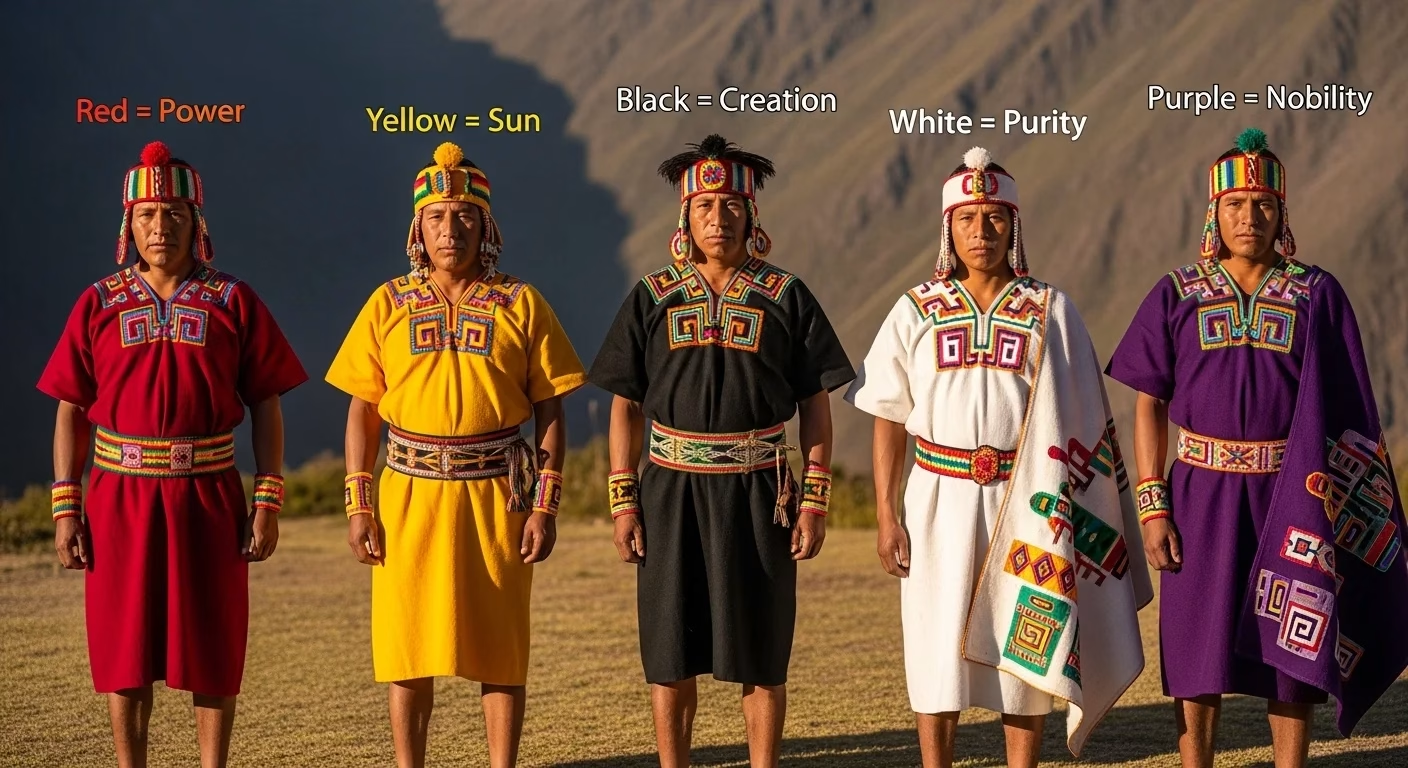
Red represented warfare and power. Black symbolized both life and death, while yellow represented corn and harvest. People associated green and blue with water, fertility, and the natural world.
With these color codes, inca dress had symbolic richness. The shade of your tunic told people who you were and what role you played in society.
what was the significance of textiles and fine garments to the ancient inca?
For the ancient Incas, textiles and fine garments were more than clothing they represented power, status, and identity. High quality textiles, specifically those made from alpaca, llama or vicuña wool, were thought to convey prestige and were often given as gifts, tributes, or religious offerings. The patterns, colors, and materials of the textile used indicated the person’s social position, region, and vocational role. Women artisans, mainly known as acllas, were skilled weavers who produced elaborate and often intricate designs that conveyed stories with Inca beliefs, and the physical world, nature and gods. In fact, Inca textiles were often valued as highly or even higher than gold.
| Aspect | Description |
|---|---|
| Purpose | Displayed social status and regional identity; used as gifts, tributes, and sacred offerings. |
| Materials Used | Cotton (coastal areas), llama and alpaca wool; vicuña fiber reserved for royalty. |
| Weavers | Skilled women known as acllas (“chosen women”) working in state-supported weaving houses. |
| Techniques | Backstrap loom weaving, double-cloth, tapestry weaves, and fine thread counts. |
| Designs & Symbols | Geometric motifs, animal figures, and patterns tied to nature, deities, and political power. |
| Colors | Natural dyes from plants, minerals, and insects; frequent reds, yellows, blacks, and deep blues. |
| Religious Value | Used in ceremonies, wrapped sacred idols and mummies, and offered to gods and ancestors. |
| Economic Role | Functioned as tribute and a store of value; distributed by the state as rewards and payment. |
| Social Meaning | Finest garments signaled nobility and authority; commoners wore simpler, coarser textiles. |
| Cultural Legacy | Traditional Andean communities preserve Inca techniques and symbolism to this day. |
Everyday and Ceremonial Attire
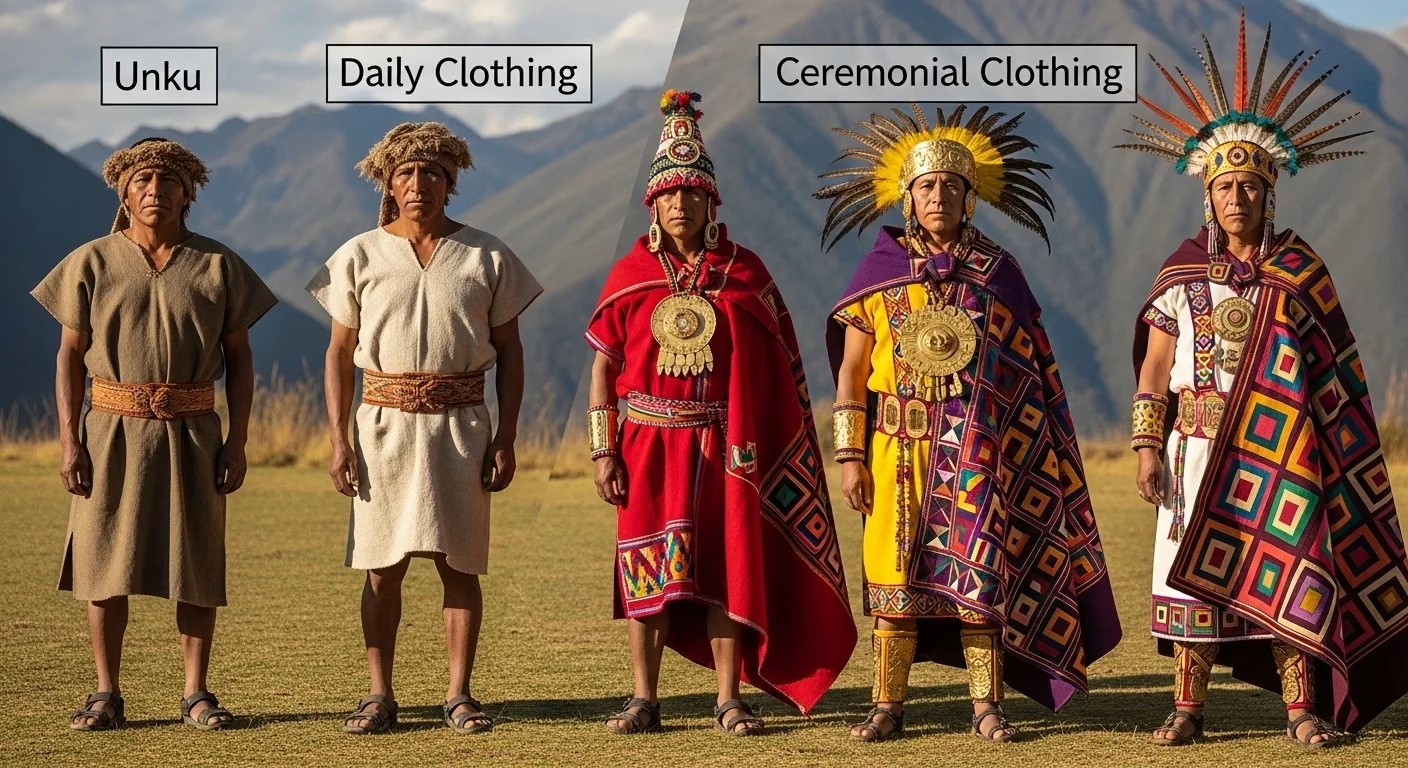
Clothing for Farmers and Common Citizens
For the daily farmer, male Inca wardrobe was functional. For long days of labor, an ordinary tunic, sandals, and a headband were sufficient.
Women’s Inca apparel was practical. It included long acsu and shawls. These items were durable and served many purposes.
Yet these simple functional garments were culturally prideful. Even a simple belt pattern revealed the village a person came from. This meant that even plain apparel, worn by both men and women, showed their community or culture.
Outfits of Nobles, Priests, and Officials
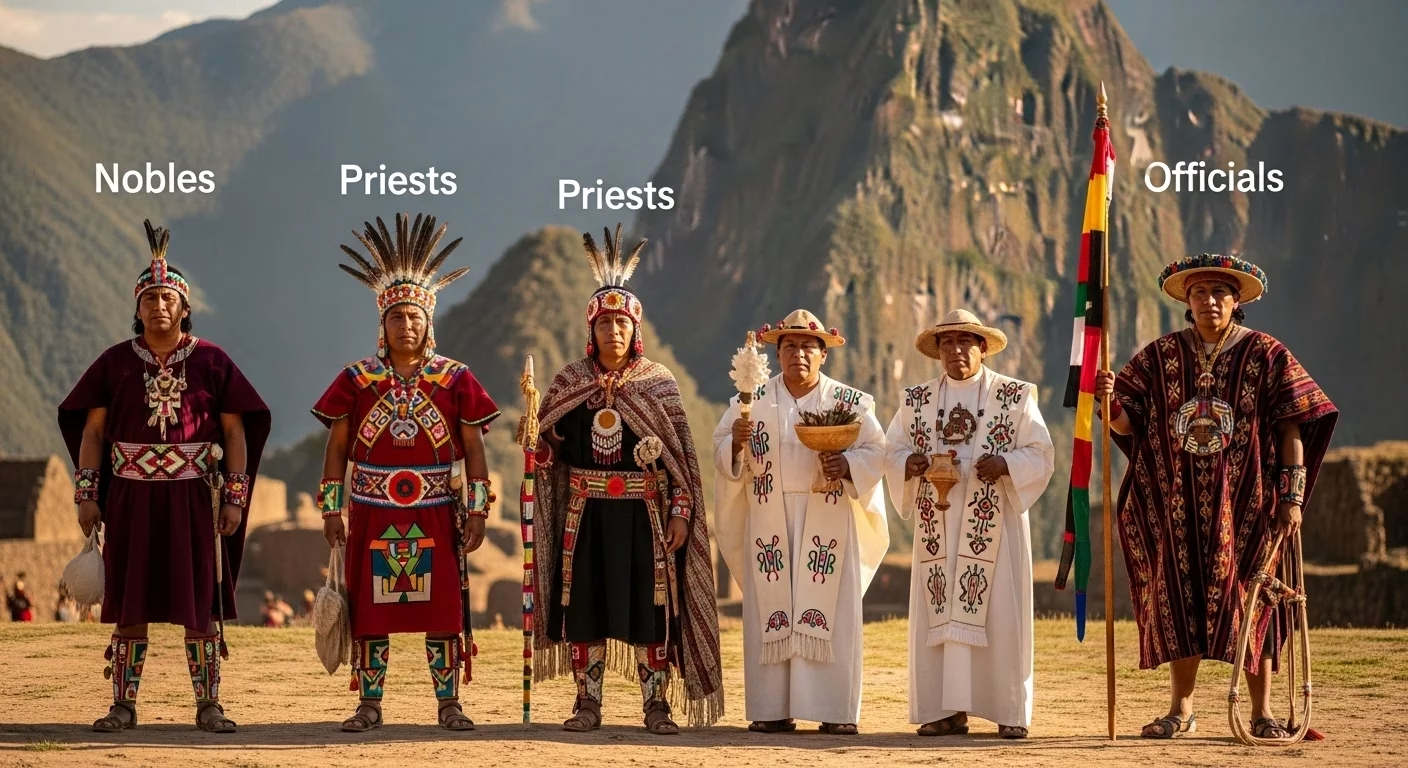
For Inca nobles, priests, and officials, Inca Clothing was not just decoration; it signaled authority and status. Higher rank corresponded to finer textiles.
Nobles wore expertly woven garments made from alpaca and, at times, the even finer vicuña wool. In the Inca Empire, nobles, priests, and officials signaled authority and status through their Attire.
These garments such as tunics, cloaks, and mantles were not merely outfits; they were representations of privilege and lineage. Each geometric pattern or color scheme represented power.
People who wore Inca patterns or colors without permission often faced severe punishment. The Inca clothing record demonstrates that textiles acted as visible passports to status.
Priestly attire held its own importance. Priests often donned pure white clothing during religious rituals, which represented purity and connection to the divine. Conversely, officials wore patterns that represented the specific administrative position and or regional connection.
For example, were you in Cusco during the time of the Inca empire? One could walk through the main square of Cusco. The patterns and colors of their Inca Clothing clearly identified priests, nobles, and leaders.
This strict system of authority changed clothing in the Inca civilization. It transformed clothing into living symbols. These symbols created a fabric-based code that organized the whole society.
Ceremonial Garments and Ritual Significance
Rituals were at the core of Andean life, and clothing became sacred at these times. Warriors entered ceremonies wearing tunics embellished with animal decorations that invoked strength, courage, and divine protection.
Nobles wore embroidered cloaks with symbols of the cosmos. Priests wore special clothes that connected them to Inti, the Sun god, or Pachamama, the Earth Mother. Artisans made these clothes to help people connect with the gods and strengthen their role in the community’s spiritual life.
Some garments were even meant for destruction. In some ceremonies, participants offered richly adorned textiles by burning or burying them. This act shows how Inca clothing was not only symbolic but also sacrificial. Inca weavers designed these garments as gifts for the Sacred rather than items of personal ownership.
These garments carried a sacramental quality that revealed the deep spiritual importance of Inca clothing. Each fabric combined prayers with patterns.
Inca Clothing History and Women’s Attire
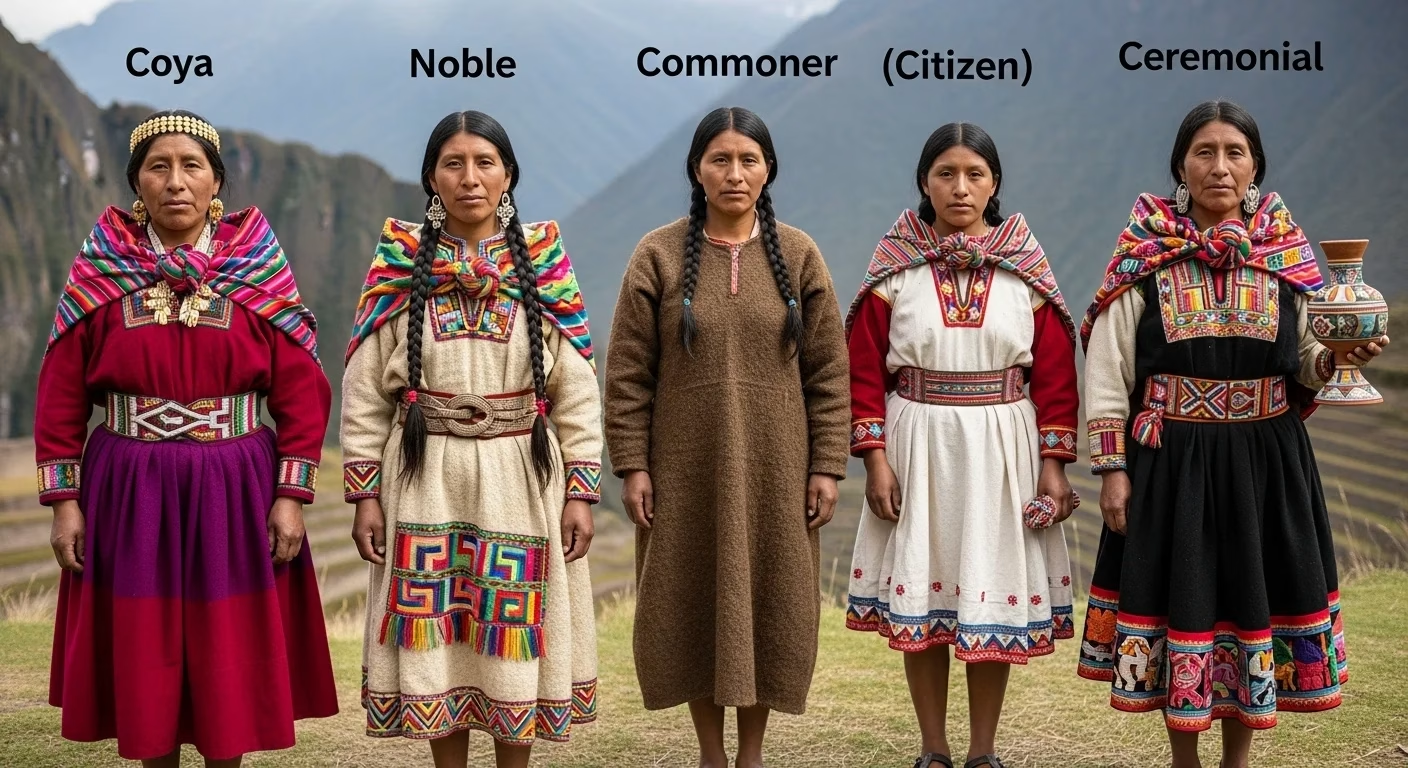
Female Ancient Inca Clothing in Daily Life
Inca women’s clothing for everyday use was both useful and graceful. Women fastened the acsu, a long woven garment, with a belt. Women placed a lliclla over each shoulder and held it in place with ornate pins known as tupus.
While the fabric was practical, it was also a way of expressing identity. The patterns and colors often revealed where a woman came from, turning daily clothing into a cultural signature.
Weaving was also largely women’s work. The Incas regarded the production of cloth as a sacred task. Women were purposeful when wearing cloth made from fabric they produced. Women’s clothing in the ancient Inca perspective represents both domestic obligation and artistic expression.
Inca Women Clothing for Festivals and Religion
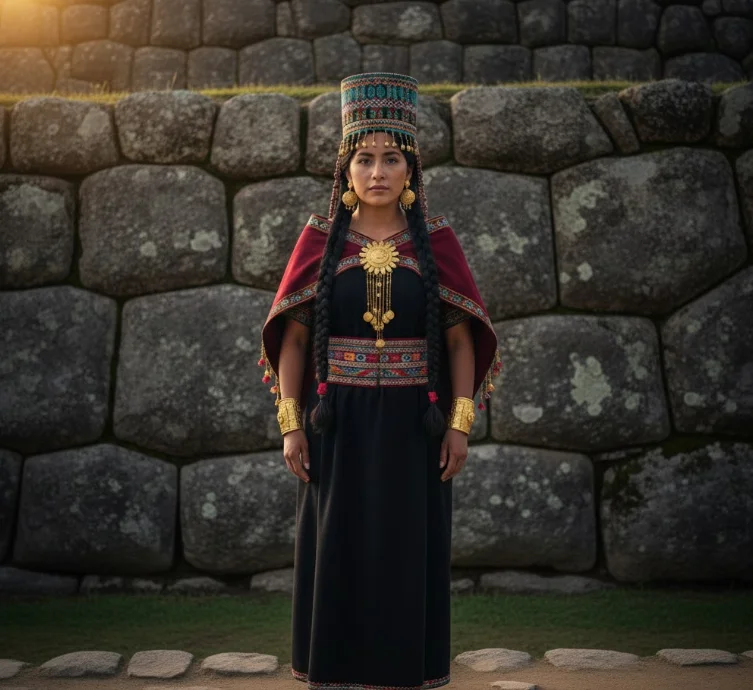
During religious festivals, Inca women clothing transformed into a complex display of social status, ethnic identity, and spiritual devotion. While everyday wear was practical, ceremonial garments were woven from the finest Andean fibers using luxurious vicuña wool for the nobility and high-quality alpaca for the common people. To fully understand the richness of these celebrations, it is essential to look at the specific elements that made up their festive attire:
- Acsu (or Anaku): The foundational dress of Inca women was a long, rectangular tunic that draped from the chest down to the ankles. For festivals, these tunics were dyed in deep, vivid colors and secured tightly at the waist by a chumpi, a wide woven belt often decorated with sacred geometric patterns called tocapus.
- Lliclla (The Cape): Over their shoulders, women wore a beautifully woven mantle known as the lliclla. During religious ceremonies, noblewomen displayed their family wealth by wearing capes interwoven with actual gold and silver threads.
- Topo (Ornamental Pin): To fasten the lliclla securely at the chest, women used a topo. In festive contexts, these large pins were heavily crafted from solid gold, silver, or copper, acting as a profound symbol of abundance.
- Ñañaca and Sukkupa (Headdresses): Women styled their hair in elaborate, long braids adorned with specific headdresses like the ñañaca. These headpieces were crucial visual markers that instantly communicated a woman’s regional origins and noble lineage to the rest of the community.
- Usutas (Footwear): Even their sandals, known as usutas and typically made from durable llama fiber, were specially decorated with fringes and colorful beads for community celebrations.
The most exquisite and elaborate ceremonial garments were strictly reserved for the Coya (the Inca Empress) and the Acllas (the Chosen Women who served the Sun God). For these women, participating in a festival was a divine duty. Their rich, finely detailed clothing did not merely protect them from the Andean cold; it acted as a sacred canvas representing agricultural fertility, community happiness, and the absolute power of the Inca Empire.
Jewelry Hairstyles and Accessories of Inca Women
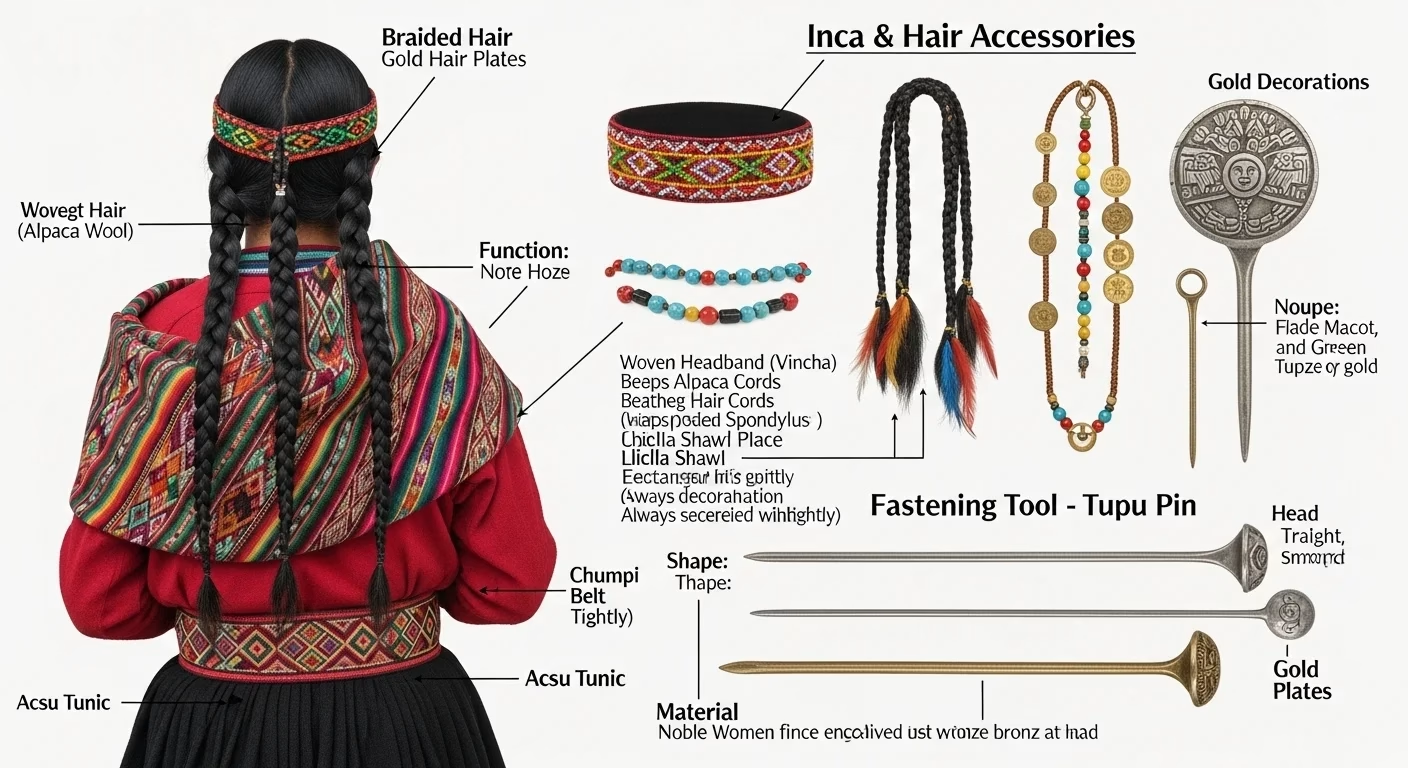
Accessories completed women’s clothing. Hairstyles held cultural significance. Even simple clothing gained importance when women wore silver or bronze jewelry, stone necklaces, or large tupus.
These details turned Inca women’s clothing into a holistic cultural expression. The dress, jewelry, and hairstyle each played a role in shaping a woman’s identity.
What Kind of Clothing Did the Inca Women Wear
In conclusion, women’s clothing represented a blend of usefulness and symbolism. Serving as workwear and ritual adornment, Inca clothing reflected women’s dual role in society and family life. Women gained esteem through their hard work and through their contributions to the spiritual life of the empire.
Inca Clothing History and Men’s Attire
Male Inca Clothing for Work and Everyday Use
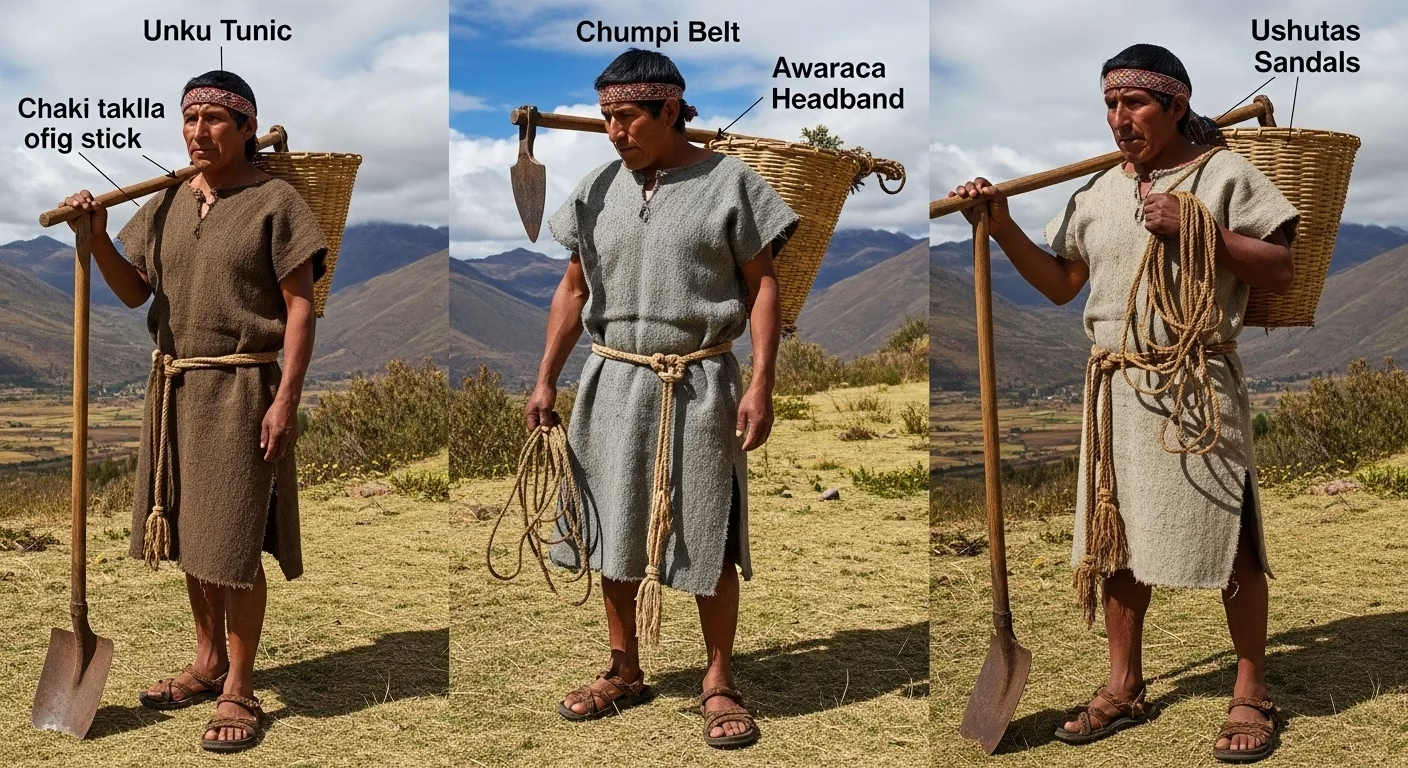
For the average man, Inca attire was simple clothing that served its purpose. The tunic, or unku, held together by a woven belt, was the standard style of dress, often paired with sandals and sometimes a headband.
Farmers and soldiers wore basic forms of the same garment cloth that was durable and easy to move in. Patterns in the fabric revealed the wearer’s place of origin and acted as identification. Simple garments worked as cultural identifiers, signaling men’s ties to their community and to the empire.
Clothing of Nobles and Military Leaders in the Inca Empire
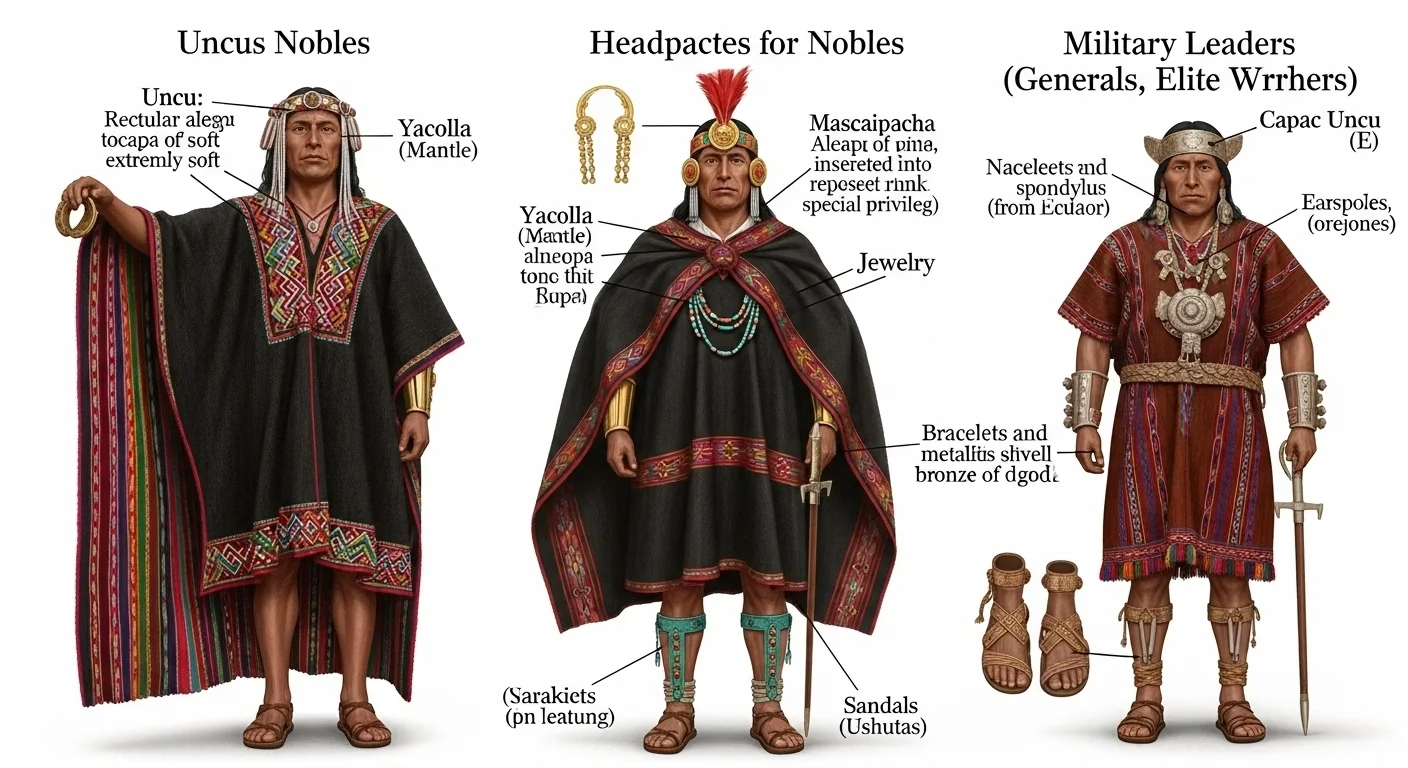
The checkerboard pattern (often black and white squares) on an Inca tunic was a military uniform. It specifically designated military officers, warriors, and royal escorts of the Inca. It was not just a design; it was a symbol of rank and service to the state.. It was a uniform that indicated the wearer’s service to the state and their rank in the army.
From the moment noblemen and military leaders put on clothing, they recognized the forthwith difference in the garments. Artisans wove the noblemen’s tunics in alpaca or vicuña wool, designing them with powerful patterns to express authority. By wearing garments that showed courage and rank, military leaders ensured recognition and distinction in processions and assemblies.
Inca clothing for men created a visual system of identification that supported communication across the vast empire.
Inca Warrior Clothing with Armor and Protection
As far as military clothing was concerned, it fulfilled a protective function in wartime. Inca warriors protected themselves with quilted cotton armor, helmets of wood or bronze, and sometimes animal hides or skins. Warriors reinforced their shields by covering them with leather.
Inca warriors often decorated their tunics with pumas, condors, or lightning bolts. These symbols linked their strength to spiritual power. Thus, military clothing had a dual purpose. It offered practical protection as armor and gave psychological support, weaving courage into every thread.
Inca Clothing for Men in Ceremonies and Celebrations
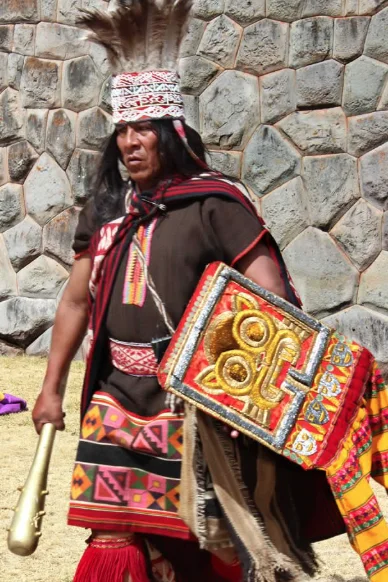
Men wear their best clothing for festivals. Feathers, gold jewelry, and elaborate embroidery make the tunics into pieces of art. The clothing not only spoke to their own pride, but also of loyalty to the gods and the empire. Male clothing for Inca ceremonies expressed strength, devotion, and duration of cultural traditions.
Clothing of the Sapa Inca
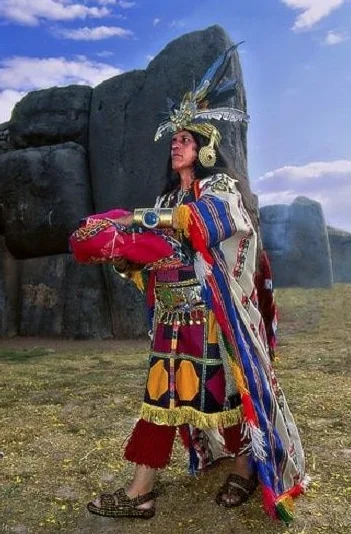
What Is the Only Thing the Sapa Inca Could Wear?
The emperor’s uniqueness was most visible in his clothing. Only the Sapa Inca could wear garments woven from pure vicuña wool. This rarest and most luxurious fiber of the Andes distinguished him from all others, a level of exclusivity that travelers can still experience today through premium luxury Inca Trail tours.
The Mascaypacha (Royal Headdress) and Its Meaning
Possibly the most noticeable symbol was the Mascaypacha, a red fringe worn on the emperor’s forehead. More than a mere ornament; it was a crown that signified his position as “Son of the Sun.” The Incas forbade anyone else from wearing it.. The Mascaypacha was the clearest visual representation of his status as sacred.
Exclusive Fabrics Reserved for the Emperor
The emperor’s attire went beyond the Mascaypacha and vicuña. It included gold and silver mantles, feathered headdresses, and jewelry of emeralds, turquoise, and gold. These garments impressed onlookers, displayed the empire’s wealth and celestial authority , and presented him as a living god.
what is the only thing sapa inca could wear?
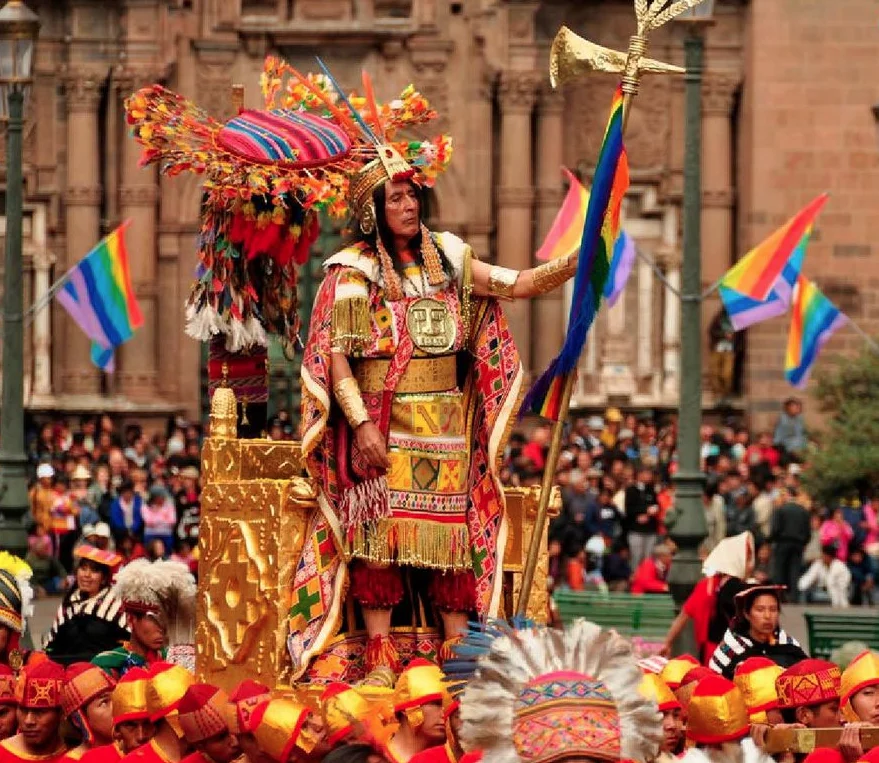
The Sapa Inca the supreme ruler of the Inca Empire was distinguished by many luxurious inca clothes, but only one item was exclusively reserved for his use: the Mascaypacha. This wasn’t merely a hat or a decorative accessory; it was the single most important symbol of his absolute authority and divine right to rule. It was his crown. The Mascaypacha was composed of several key elements, all designed to visually represent the Tawantinsuyu (Inca world).
The most distinctive feature of the Mascaypacha was a thick fringe of fine, intensely red Puka wool or vicuña fibers. This fringe hung across the Sapa Inca’s forehead, completely obscuring it, and was secured by a specially woven headband known as the Llautu. The deep inca colors of the fringe the royal red were paramount, symbolizing blood, life, and the military power of the emperor. While other high ranking officials could wear special, intricate inca style garments, only the Sapa Inca had the right to wear the red fringe that made up the Mascaypacha, establishing the ultimate distinction in inca empire clothing.
Walk the Paths of the Inca Emperors
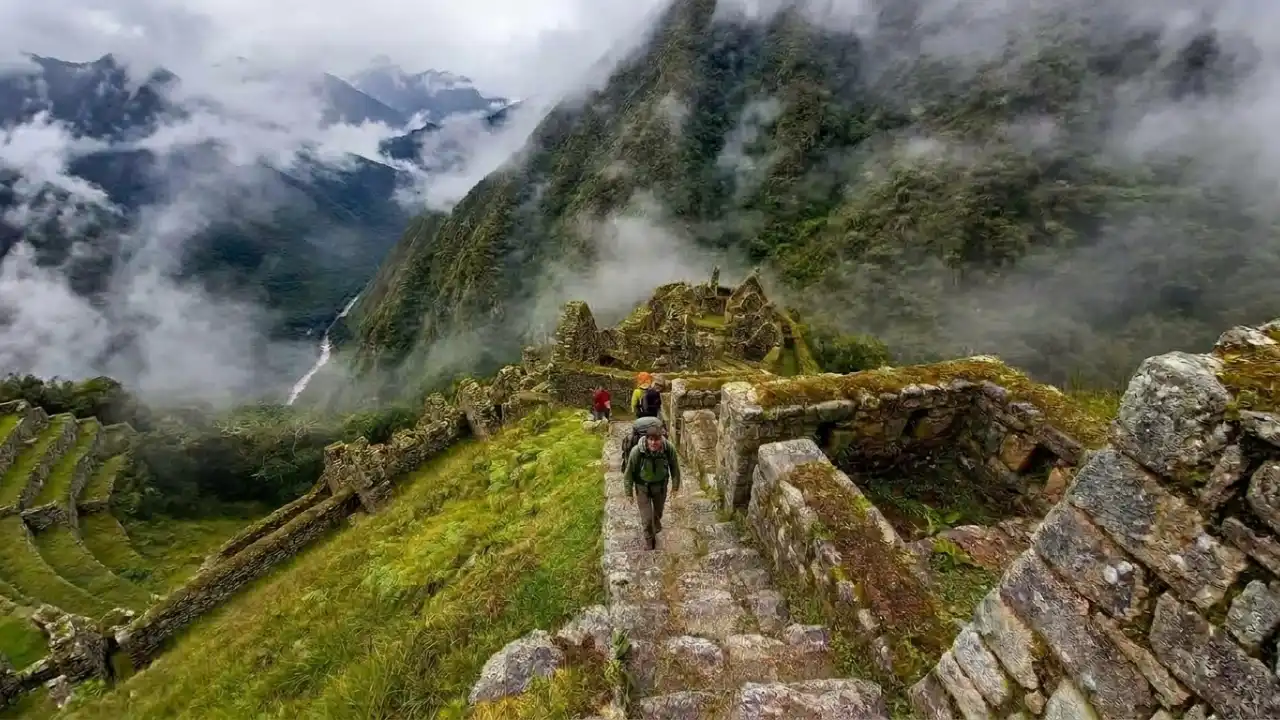
Do you want to explore the land where these majestic garments were worn? Join us on the legendary route to Machu Picchu.
Inca Clothing Facts and Curiosities
What Was Inca Clothing Made Out Of?
In her investigation of Inca clothing and textiles, it is reported that the Incan peoples skillfully crafted clothing from cotton, llama wool, alpaca wool, and the prestigious fiber from the vicuña. Each material meant something in Inca society: commoners and peasants wore clothes made of llama wool and cotton, while nobles preferred alpaca for its soft texture, and the rare and special vicuña fiber was reserved solely for the elite of the Inca elite for ceremonial clothing.
However, these distinctions in fabric were not simply a matter of style and preference, but was about the Inca notions of a great cosmological relationship between nature, geography and order in society. The Incan use of materials readily available in differing regions of the Andes displayed how the Inca Empire united people with rugged geographic diversity under the common practice and sophisticated textile tradition.
Inca Civilization Clothing as Tribute and Tax
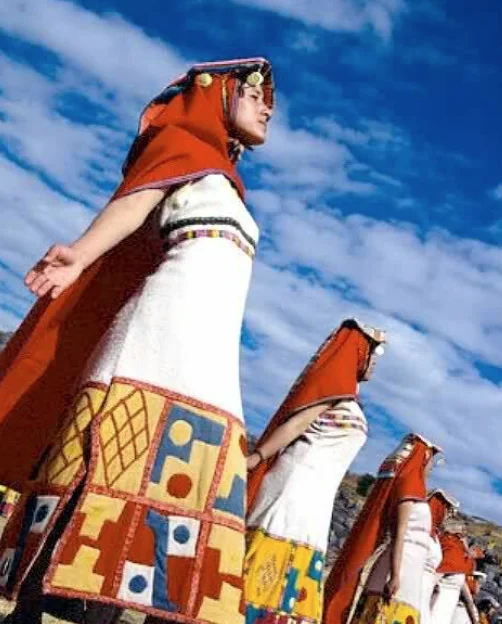
There was a requirement in the Inca Empire that clothing served more than just a purpose of necessity, but also functioned as regular tribute and taxes. Depending on the place and community, people were obligated to create certain types of clothing for the state. The fabric garments were gathered, stored in state spaces, and utilized for distribution by the empire to soldiers, officials, and pilgrims.
This meant that textiles also served as what we might think of as currency a tangible way to manifest allegiance, support, and empowerment for the empire. Making high quality textile cloth was a symbolic form of devotion and allowed political power to be situated with material effects, with making textiles directly linked to both economic and political power in Inca civilization.
Clothing as a Symbol of Identity and Status
To the Incas, clothing operated as a language of identity. Each design, pattern, and color was loaded with meaning, serving almost like an ancient ID card. A man’s tunic identified his region; his social standing, and sometimes even identified that man’s duty to society and the empire.
In these visual codes of dress, the empire shaped order and unity. In such ways, the Inca state literally outfitted people into order, employing textiles for warmth and beauty but clearly also as means of communication, rank, and control.
Inca Fashion and Style
Patterns and Decorative Motifs
Inca style often included expressive geometric patterns like zigzags, crosses, and stepped forms. Artisans deliberately selected these patterns to represent Andean cosmology, farming cycles, and sacred animals. This process of wearing patterns served to carry spiritual meaning on one’s body.
Regional Influences on Inca Fashion
The empire took from styles of conquered peoples, resulting in a wide variety of inca tribe clothing. Communities in coastal areas produced cotton, while highland groups skillfully created wool. The blend of traditions gave Inca fashion both diversity and unity. Machu Picchu, recognized as one of the world’s wonders, offers deeper insight into Inca history and culture.
Connection of Inca Aesthetics in Modern Andean Dress
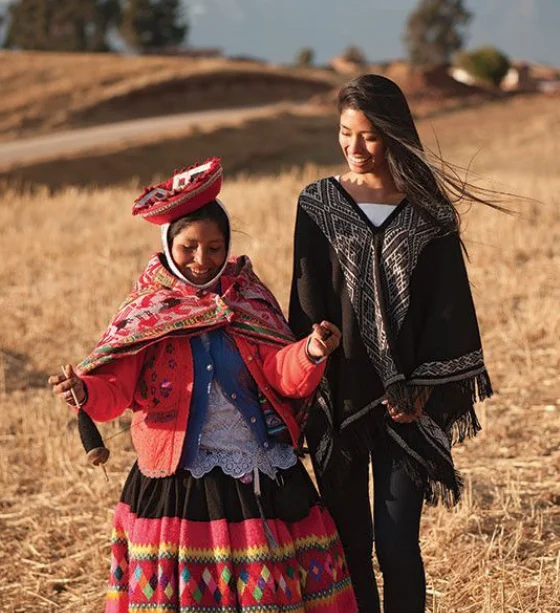
Even now, the clothing of ancient Inca society influences modern Andean textiles. Festivals in Peru and Bolivia showcase clothing styles with patterns and colors that descend directly from original Inca textiles. The legacy of Inca aesthetics persists in each woven cloth.
From Ancient Weaving to Modern Trekking: Clothing in the Andes Today
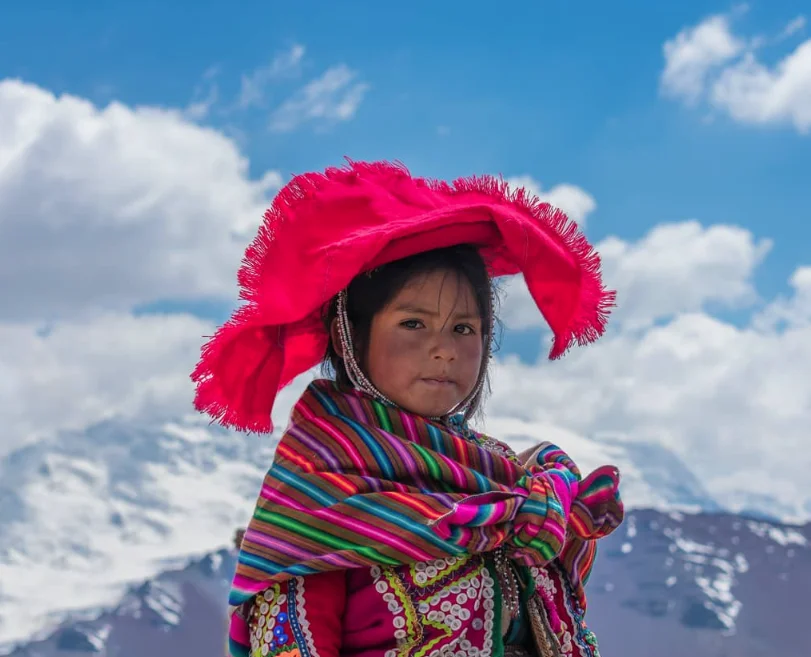
Traditional Peruvian Clothing: A Living Legacy
Just as the Incas used clothing to differentiate social classes and regions, modern Andean communities continue to use dress as a form of identity. While the Unku has evolved, the principles of layering and natural fibers remain alive in the Peruvian highlands.
The Poncho and Chullo
The Poncho is the direct successor to the Inca tunics for keeping warm against the harsh Andean wind. In regions like Cusco and the Sacred Valley, the colors (often red and geometric) tell you exactly which community the wearer belongs to.
The Chullo is the iconic ear flap hat seen throughout the Andes. More than a souvenir, it is an essential piece of engineering for high altitude living, protecting the ears from freezing temperatures. In many traditional communities, the pattern on a man’s Chullo can even indicate his marital status.
Polleras and Monteras
Andean women wear Polleras (layered wide skirts). They often wear 3 to 5 layers, which trap heat a technique necessary in the high altitude of the Andes. Topped with a Montera (traditional hat), which varies wildly in shape from flat discs in Cusco to tall hats in the highlands, these outfits are a proud display of indigenous heritage.
What to Wear on the Inca Trail? (Learning from the Incas)
Many travelers ask: “If the Incas wore alpaca tunics, what should I wear for the Inca Trail?”. The logic remains the same: Layering and Breathability.
The ancient Incas mastered the use of Alpaca wool because it is hollow fibered, making it warm when wet and incredibly breathable. For your trek to Machu Picchu, you should mimic this principle using modern materials:
- Base Layer: Just as cotton was used on the coast but never in the freezing highlands by the Incas, you should avoid cotton. Use synthetic or merino wool base layers.
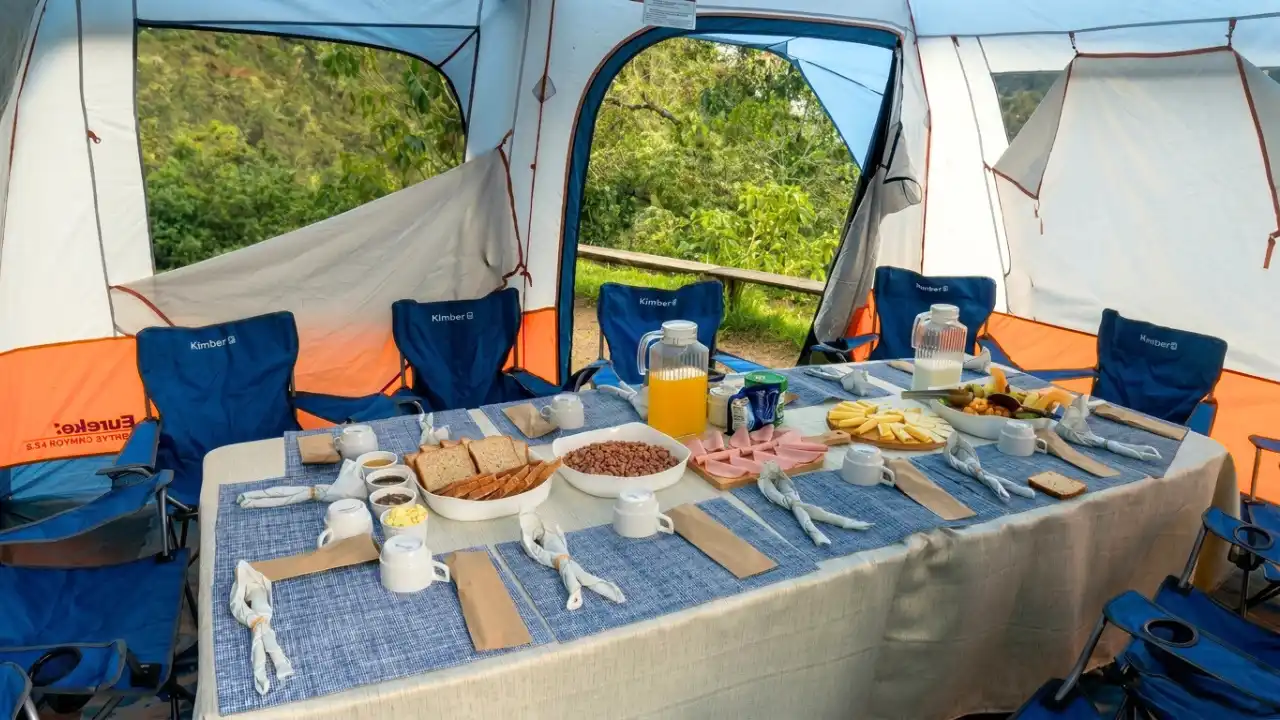
- Insulation: The Incas used thick woven cloaks (Yacolla). You should use a high quality fleece or down jacket for the cold nights at campsites like Ayapata or Pacaymayo.
- Protection: While the Incas used tight woven fabrics to repel light rain, you will need a waterproof poncho or Gore Tex shell for the cloud forest sections.
Planning your trek?
Ensuring you have the right gear is crucial for a successful summit. We have prepared a complete guide based on 18+ years of experience on the trail.
Whether you are booking the Classic 4 Day Inca Trail or the shorter versions, remembering the Inca principle of adapting to Pacha Mama (Mother Earth) through your clothing is key to a comfortable journey.
Traditional Andean Clothing
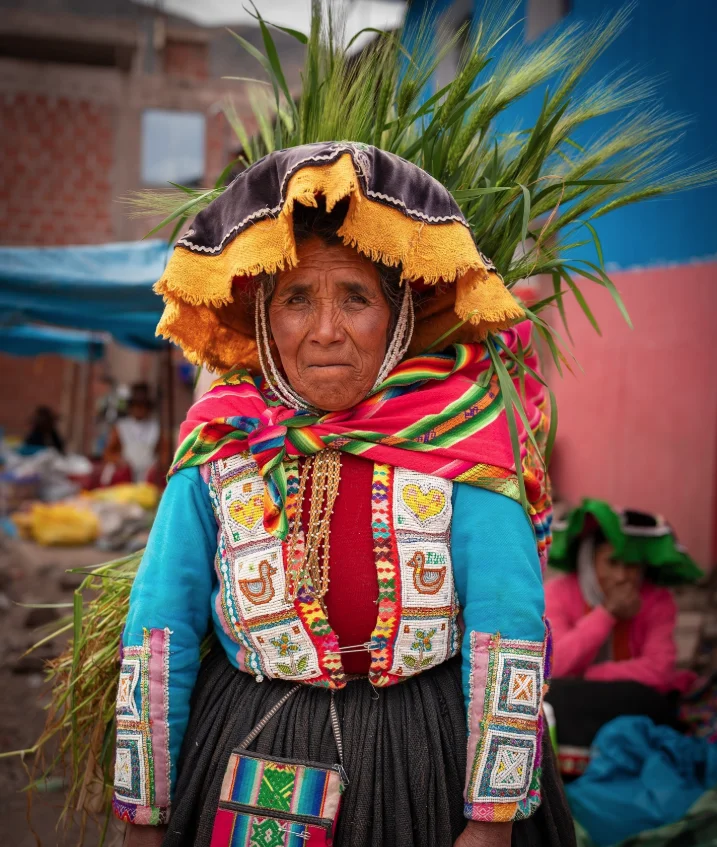
Traditional Peruvian attire in the Andes demonstrates the closest ties to pre Inca and Inca cultures. People made thick, layered clothing out of alpaca and llama wool because of the severe alpine climate, which made warmth a top priority. Among the primary preservers of these customs are the Quechua and Aymara cultures of southern Peru.
Polleras, which are layered wool skirts frequently embellished with vibrant embroidery, are the customary attire of women in the Andes. They carry goods or children on their shoulders using mantas or lliqllas, which are big woven cloths. The skirt is fastened with a chumpi, or woven belt, and a woman’s village or marital status is shown by her characteristic headgear.
The poncho, a warm handwoven clothing that varies in color and design depending on the location, is a traditional Andean Peruvian garment worn by men. One of the most iconic images of the Andes is the chullo, a knitted earflap hat fashioned from sheep or alpaca wool. Every community transforms clothing into a visual communication tool by using its own geometric patterns and color schemes.
Traditional Peruvian attire still heavily incorporates Andean textile art. Each piece is distinctive and connected to Andean identity since indigenous craftspeople in Cusco, Chinchero, and the Sacred Valley still employ traditional looms and natural dyes.
Traditional Jungle Clothing
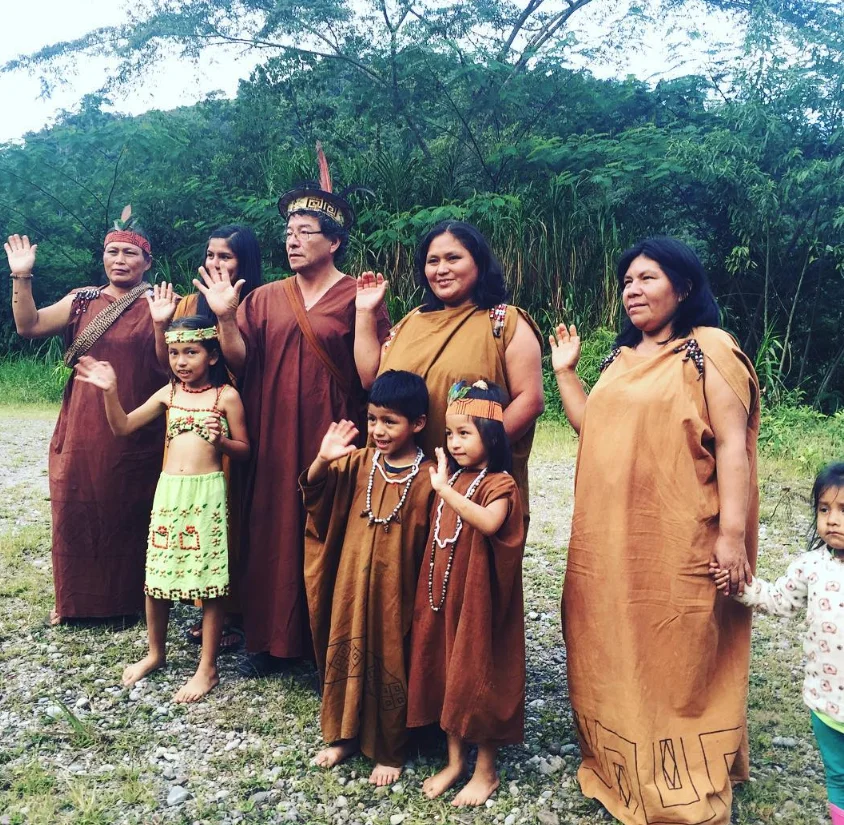
The warm, humid climate and the cultures of the Shipibo Konibo, Asháninka, and Bora peoples, among others, are reflected in the traditional Peruvian clothing worn in the Amazon region. Here, clothing is created from plant fibers, seeds, and natural dyes instead of wool or cotton, making it breathable and light.
Women frequently don long gowns called cushmas, which are hand painted with geometric designs symbolizing the interdependence of humans, animals, and forests. Similar tunics, typically shorter and adorned with hunting or strength emblems, are worn by men.
In addition to complementing the attire, traditional jewelry crafted from seeds, feathers, and natural beads frequently has spiritual significance. Macaw or toucan feathers, for instance, are used in ceremonies to represent harmony with the natural world, the uniqueness of Amazonian civilizations is preserved by the continued use of these garments in traditional Peruvian clothing during community ceremonies and festivities.
Traditional Coastal Clothing
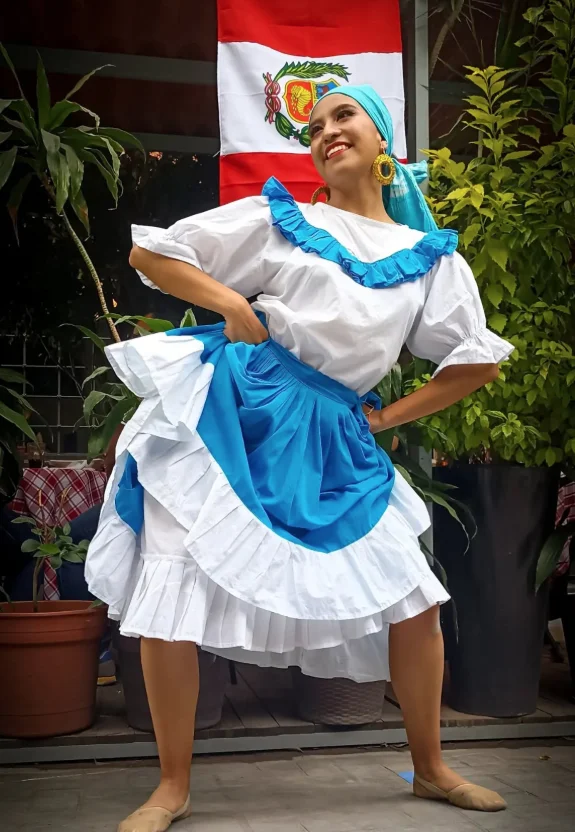
The moderate, dry climate around the Peruvian coast has led to a different evolution of traditional Peruvian clothing. Clothing that was appropriate for everyday living by the water was created by ancient coastal tribes including the Moche, Chimú, and Paracas. They made light clothing with embroidered or woven designs using cotton, which was plentiful in the lowlands.
Traditionally, women wore long dresses or skirts made of fine cotton, while males wore sandals and short tunics. Natural dyes made from nearby plants and minerals produced vibrant hues. Coastal environments were represented in decorative textiles, which frequently included birds, sea life, or agricultural patterns.
The influence of these archaic forms is still evident today in regional festivals and traditional dances along Peru’s coast. Although coastal attire may seem less elaborate than that of the Andes or the Jungle, it is just as significant in Peruvian traditional attire, fusing functionality with cultural meaning.
Frequently asked questions about Inca Clothing: History, Symbols & Traditional Peruvian Outfits
Women wore the acsu and lliclla, complemented with decorated belts, jewelry, and braided hairstyles that revealed both status and cultural identity.
Clothing was woven from cotton, llama wool, alpaca wool, and vicuña fiber. Each material corresponded to a social rank within the empire.
The emperor alone could wear garments of vicuña wool and the Mascaypacha headdress.
Yes. Inca fashion still influences Andean communities, especially in festive clothing that showcases traditional colors and patterns.
For the Incas, the loom was considered a sacred technological object that represented a model of the cosmos and the act of creation itself. The warp threads (running lengthwise) symbolized the past, order, or the static side of existence, while the weft threads (running horizontally) represented the present, change, and movement. By meticulously interweaving these two elements, the weaver, often a highly skilled woman, was symbolically uniting the universe, the earth (Pachamama), and the human community in a single piece of cloth. This spiritual dimension meant that the finest inca style garments, particularly the Qompi, were regarded as objects of profound spiritual devotion and cultural record.
In the absence of coined money, textiles served as the most stable and portable form of wealth and currency across the vast empire, often exceeding the value of precious metals like gold. The state utilized high-quality fabrics key components of inca empire clothing as payment for administrative and military services, rewarding loyalty with finely woven tunics. These textiles were also the primary form of tribute paid by conquered regions and were stored in state warehouses (Qollqa) as strategic reserves. Consequently, receiving a piece of high-quality inca clothes was a public and verifiable symbol of state recognition and economic standing, making the fabric itself a tangible asset.
Beyond being worn, high-quality textiles especially those with bright inca colors like red and yellow were essential in religious and sacrificial practices. Richly adorned fabrics were frequently used to wrap sacred idols (huacas) and the honored mummies of ancestors (mallquis), establishing a vital link between the living, the divine, and the past. During the most important ceremonies, such as the Capacocha, elaborate garments were ritually offered to the gods by being burned or buried. This sacrificial use demonstrates that textiles were intentionally woven as gifts for the Sacred rather than items of personal ownership, holding immense spiritual and ceremonial value.
The vicuña, a wild relative of the llama and alpaca, held the highest status among the Andean camelids, and its wool was considered the most luxurious and exclusive fiber in the empire. Its use was strictly regulated by the state, and the privilege of wearing its exceptionally fine, soft wool was reserved solely for the Sapa Inca and his immediate family. The vicuña herds were managed by the state, and their wool was viewed as an almost sacred fiber, symbolizing the Sapa Inca’s divine authority and his distinction above all other nobles. This exclusive material reinforced the absolute hierarchy reflected in inca empire clothing.
Textiles were vital to Incan culture. They indicated a person’s ethnic identity and social rank. Beyond clothing, they served as currency, tribute, and were used for religious rituals. They were valued more highly than gold.
The checkerboard pattern (often in black and red or black and white) on an Inca tunic (Unku) typically designated military officers, royal escorts, and warriors. It was a symbol of military prowess and state service.
The checkerboard pattern (often black and white squares) on an Inca tunic was a military uniform. It specifically designated military officers, warriors, and royal escorts of the Inca. It was not just a design; it was a symbol of rank and service to the state.