Sacsayhuaman: An impressive feat of Pre-Hispanic Engineering
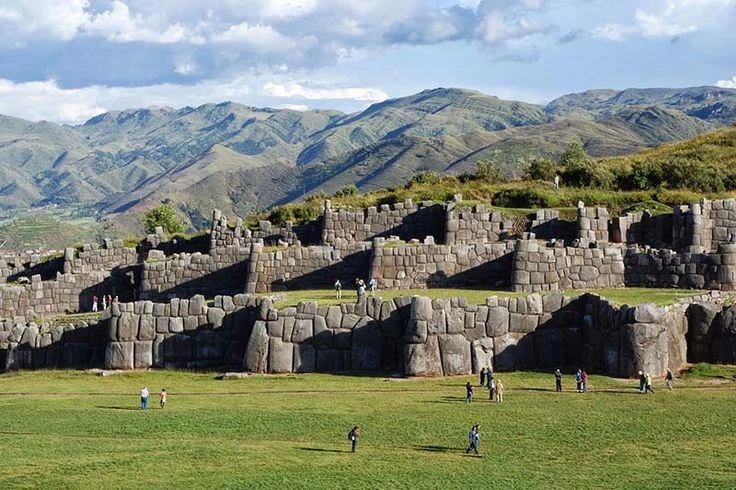
Soaring above the city of Cusco, Sacsayhuamán is one of the finest examples of Inca architecture and engineering. What is Sacsayhuaman? Sacsayhuamán is an ancient fortress-temple that represents strength, precision, and cultural pride. It was built entirely by hand using enormous stones and was expertly put together. Sacsayhuamán continues to inspire archaeologists and visitors from across the globe. It is much more than a ruin of Sacsayhuamán is a living monument representing the brilliance of the Inca civilization and its spiritual connection to the Andes.
The History of Sacsayhuamán
The beginnings of Sacsayhuamán trace back to the 14th century during the reign of Inca Pachacutec, who was the same ruler to expand the empire and ordered the building of Machu Picchu. His vision was finished by Inca Túpac Inca Yupanqui, the successor to Pachacutec, around the early 16th century a remarkable period in Inca Cusco reconstruction and urban expansion.
Early Construction and Design
Historical records and archaeological studies reveal that more than 25,000 laborers, including masons, engineers, and artisans, worked on its construction. The complex was initially spread across more than 3,000 hectares, and it took nearly 90 years to finish.
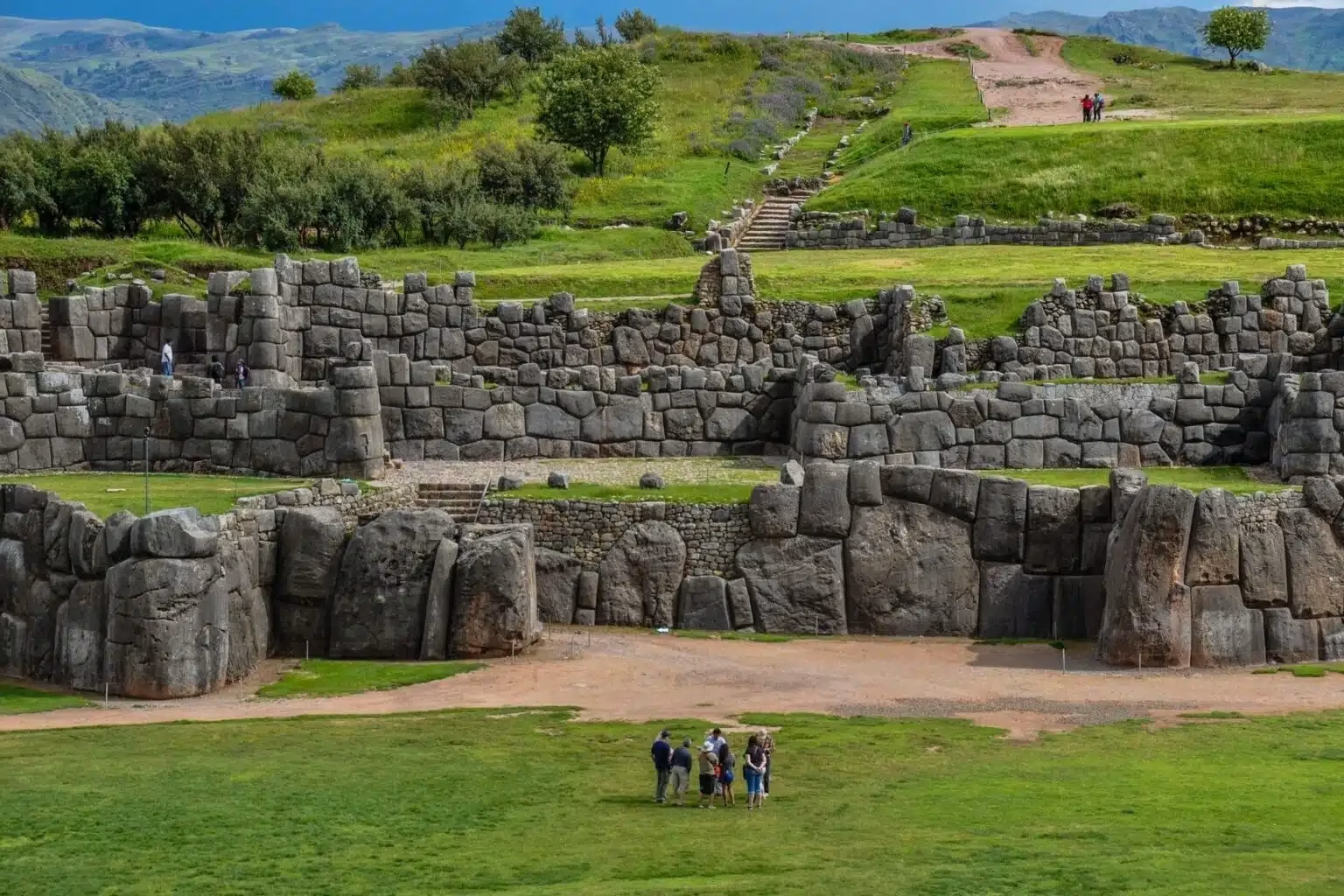
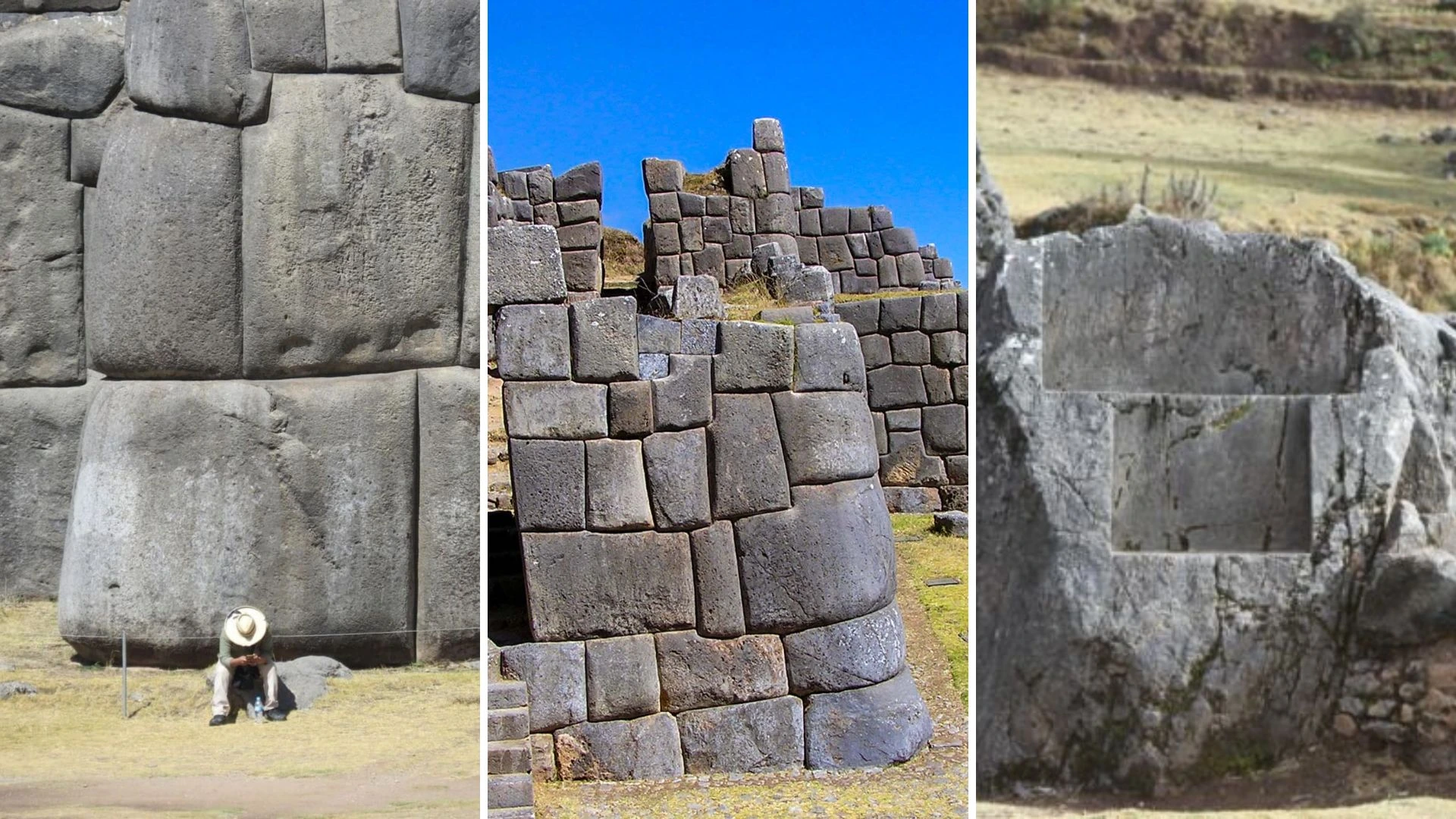
So fascinating is Sacsayhuamán in the sense that it was built without using cement or mortar. Instead, enormous slabs of andesite and limestone, even weighing over 100 tons, were cut with remarkable accuracy so that they fit together like a perfect jigsaw, forming walls that stood up to earthquakes for centuries.
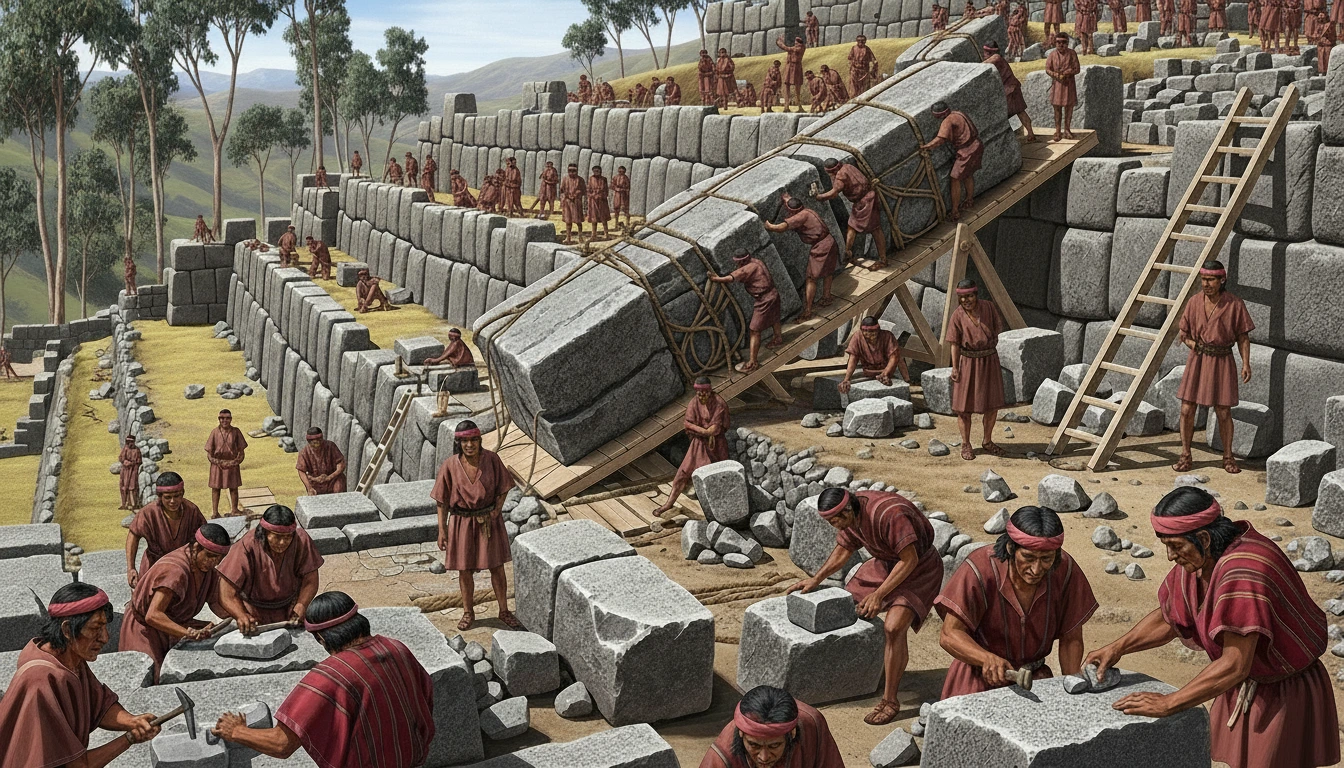
This level of precision has puzzled scientists and engineers of today. Every rock appears to have been sculpted to insert into other rocks, creating a flexible but not penetrable framework. Scientists hypothesize that the builders utilized some type of wooden levers, ropes, and ramps to move these enormous rocks, though methods cannot be confirmed.
The Purpose of Sacsayhuamán
The actual function of Sacsayhuamán is still questioned. Several historians characterize it as a military stronghold, constructed to protect Cusco, the capital of the Inca Empire. Other historians define it as a religious and ceremonial area dedicated to Inti, the God of the Sun. Garcilaso de la Vega, a chronicler who came from Cusco, referred to it as, the greatest overall architectural, and structural achievement ever created by incas.
Archaeologists have discovered indications of temples, canals, aqueducts, and storage rooms suggesting that the site function in different ways. It seems to be a place where religion, astronomy, and defensive purposes met, indicating that the Incas could unite science and spirituality in their architecture a hallmark of Sacsayhuaman reconstruction and design excellence.
Sacsayhuamán Architecture: Mastery in Stone
Sacsayhuamán’s architecture is one of the most impressive pre-Hispanic feats of engineering. Its design integrates both practical and symbolic considerations rooted squarely in Andean cosmology.
Cyclopean Walls and Construction Techniques
The main wall of Sacsayhuamán stretches for nearly 400 meters in a zigzag pattern that depicts lightning, one of the most potent forces in the Andean cosmos. The largest boulders stand up to 9 meters high and weigh more than 125 tons, all of them carved to fit together so precisely that not even a sheet of paper can fit between them.
What is even more impressive is that the Incas accomplished all this without the use of metal tools, wheels, or pack animals. With their deep understanding of geometry, gravity, and balance, they were able to create a structure that had withstood centuries of natural disaster an enduring example of Inca Cusco reconstruction at its best.
Sacsayhuamán Reconstruction and Preservation
The majority of Sacsayhuamán was demolished following the Spanish conquest and its stones repurposed to build colonial Cusco, government buildings, as well as churches. Despite this loss, a lot of the original shape remains.
Restoration projects in recent decades have secured stabilization of the ruins and have unveiled more regarding Inca engineering techniques. Current visitors are able to walk through the rebuilt terraces and tour sections which demonstrate how the place utilized to function as an effective ceremonial and strategic hub.
Key Structures Inside the Sacsayhuamán Complex
The Towers
Three main towers sat atop Sacsayhuamán’s upper platform: Muyucmarca, Paucamarca, and Sallaqmarca.
- Muyucmarca, also known as the Tower of Cahuide, was round and maybe used for star gazing.
- Paucamarca, on the eastern slope, was likely a ritual tower or water tank.
- Sallaqmarca, midway in between, was connected by hidden tunnels and maybe used for communication or protection.
Although the summits of these towers were demolished during colonial days, stone foundations remain. This is proof of the masterful craftsmanship and foresight of the Inca builders.
The Bastions (Las Murallas)
The most striking feature of Sacsayhuaman is its zigzagging walls of Sacsayhuamán, popularly known as bastions. Built in three massive levels of terraces, they were designed to withstand seismic shock and invasion. Built of huge stones, some over 100 tons in weight, each terrace is an engineering wonder. From the air, their shape resembles the teeth of a jaguar, the Incas’ sacred animal and a symbol of protection and strength reinforcing the spiritual symbolism of Saksaywaman Peru.
The Chincanas (Tunnels)
Beneath the complex are mysterious chincanas, or underground tunnels, carved straight into solid rock. Two big tunnels are known today. One is tiny and open to tourism, but the other is bigger and sealed for safety reasons. Local legend has it that these tunnels once connected Sacsayhuamán with Qorikancha, the Sun Temple in Cusco, suggesting an immense network of sacred tunnels beneath the ancient capital.
The Throne of the Inca
This site, referred to as K’usilluc Jink’ian, or “Where the Monkey Steepens,” has smooth stone seats hewn from the natural rock. It is thought that the Inca rulers were seated in this way when they performed ceremonies dedicated to the Sun, when observing Solstices and other astronomical occasions. The finishing and workmanship shows how highly the Incas valued a relationship between nature and the architectural realm.
Cult of the God Inti
Sacsayhuamán and the Worship of the Sun
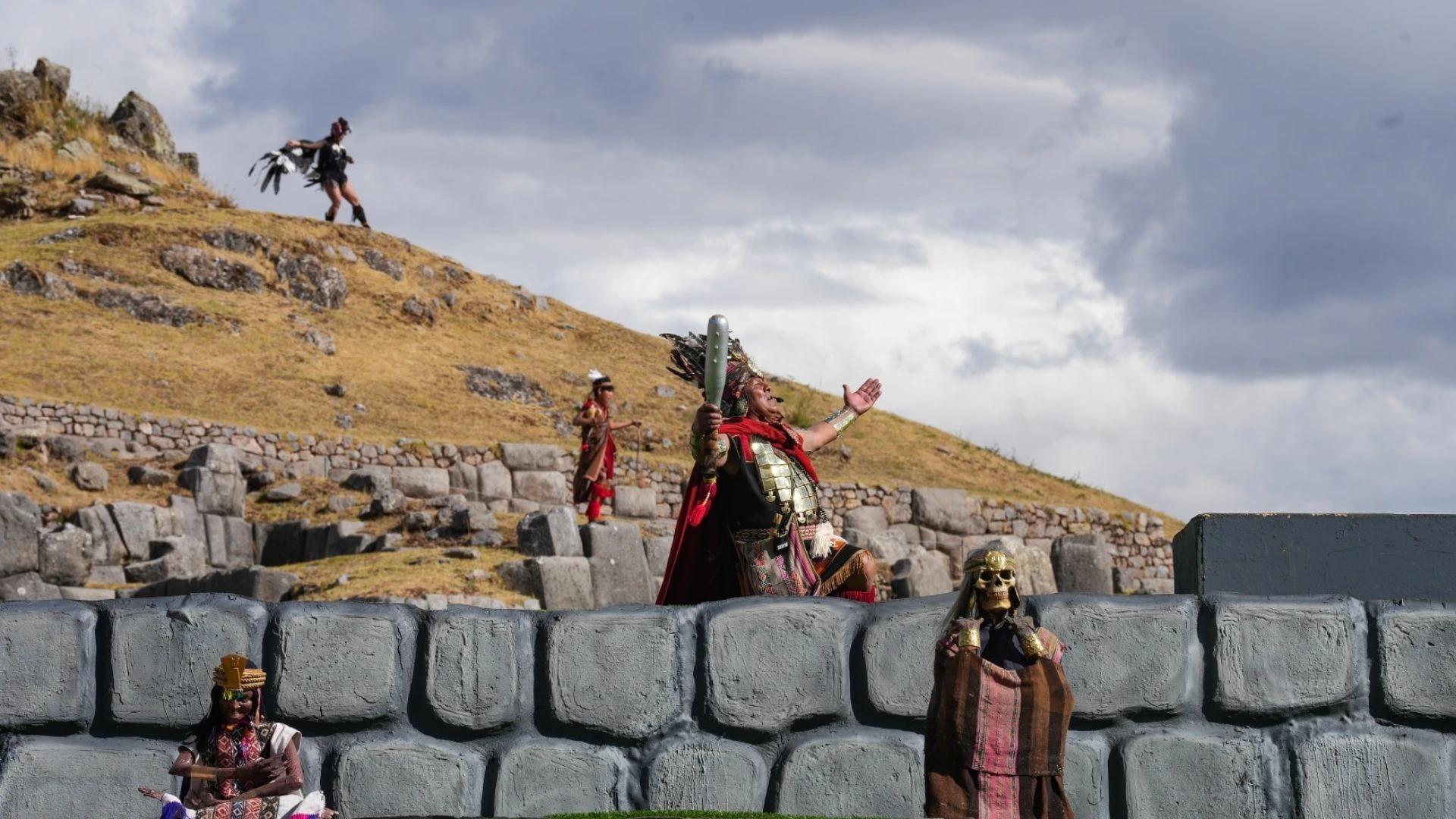
In Inca times, Sacsayhuaman was one of the most sacred places and remains as the ceremonial setting for Inti Raymi, or Festival of the Sun. Every June 24, thousands of participants come together to celebrate this ancient tradition by honoring Inti, the Sun God, through music, dances, and rituals. In Inca times, this was the most important event of the year, celebrating the winter solstice and beginning the agricultural cycle.
The festival, revived in the 20th century, attracts both locals and travelers who wish to witness a living tradition that unites history, spirituality, and cultural pride.
Meaning and Pronunciation of Sacsayhuamán
Sacsayhuamán is derived from the Quechua language meaning “the place where the falcon is satisfied.” The location was known for many hawks and falcons, which were sacred birds in the Inca world. Their were many people who were able to pronounce it correctly in English as Sak-say-wah-MAN. The meaning of Sacsayhuamán, the place, and the sight of Cusco makes this location appear to be a symbol of power, protection, and the strong spiritual bond between the Incas and their sacred surroundings.
How to get?
Reaching Sacsayhuamán, located just two kilometers from the center of Cusco, is both easy and rewarding. There are several options for getting to Sacsayhuamán:
- Walking: It takes about 30 minutes uphill from the Plaza de Armas and offers wonderful views over Cusco.
- Taking a taxi: An easy option, it costs about 15 soles from downtown.
- Taking a bus: There are local buses that leave occasionally from San Blas and nearby areas.
- Taking a tour: This is the best option if you want to learn, as local guides describe the history of Sacsayhuamán as well as how it was constructed and its cultural significance.
Frequently asked questions about Sacsayhuaman: An impressive feat of Pre-Hispanic Engineering
Sacsayhuamán is an ancient Inca fortress and ceremonial temple in Cusco, Peru. Known for its massive stone walls and precise Inca architecture, it remains one of the most impressive pre-Hispanic engineering achievements.
Its exact purpose is still debated. Some historians believe it was a military fortress, while others see it as a ceremonial site dedicated to the Sun God (Inti).
The construction of Sacsayhuamán used enormous carved stones, some weighing over 100 tons. The Incas fit them perfectly without cement, showcasing advanced architecture and stone tools from the prehistoric period.
The Sacsayhuamán pronunciation in English is Sak-say-wah-MAN. The name means “place where the hawk is satisfied,” referring to the area’s native birds.
It’s a National Historical Monument and part of Peru’s UNESCO heritage, representing the brilliance of Inca construction and the deep cultural history of the Andes.