Uncovering the Ancient Pyramids in Peru and Civilizations Before the Incas
When one thinks of Peru, the Inca culture is always at the forefront of their minds. However, the history of Peru pyramids stretches back thousands of years before the height of the Cusco empire. In the valleys of the Pacific coast, there were already civilizations building massive platforms, complex societies, and a system of worship that would define the culture of the Andes for thousands of years to come.
The ancient pyramids in Peru are not imitations of Egyptian structures, nor were they built as burial grounds for monarchs. Instead, the vast majority of them were built as centers of worship, government, and elite housing. These buildings were often added to incrementally, with each generation constructing on top of the last. This has resulted in many of the ancient pyramids of Peru being hundreds of years old.
To comprehend the pyramids, one must understand that the Inca civilization was not the start of the culture of the Andes but rather the end of a long line of cultural development.
The Sacred Caral Pyramids in Peru and the Norte Chico Civilization
The Sacred City of Caral-Supe stands as the true birthplace of monumental architecture in the Americas. Dating back to roughly 3000 BCE, these pyramids in Peru aren’t just old they rank among the most ancient large-scale structures ever found in the Western Hemisphere.
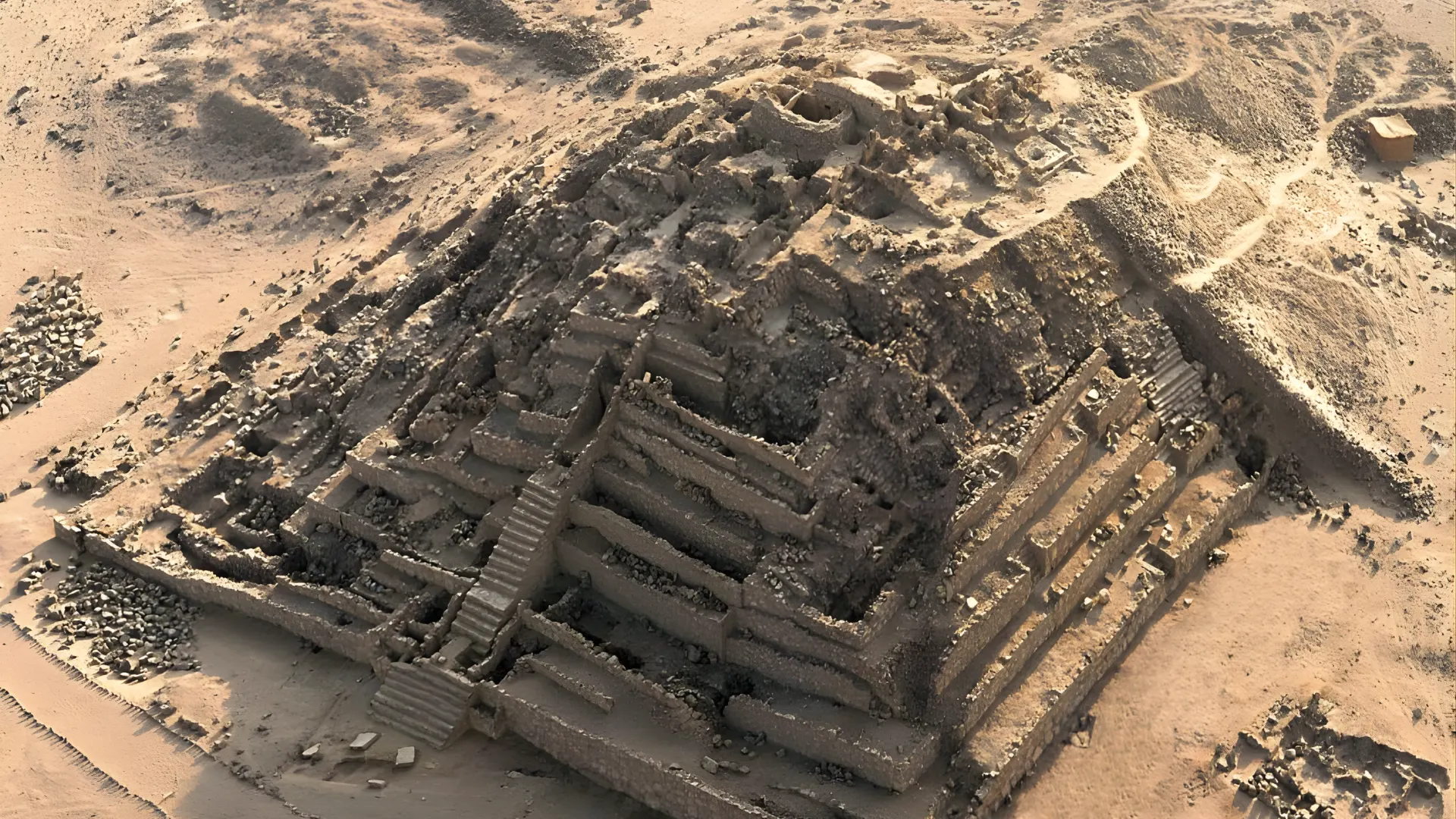
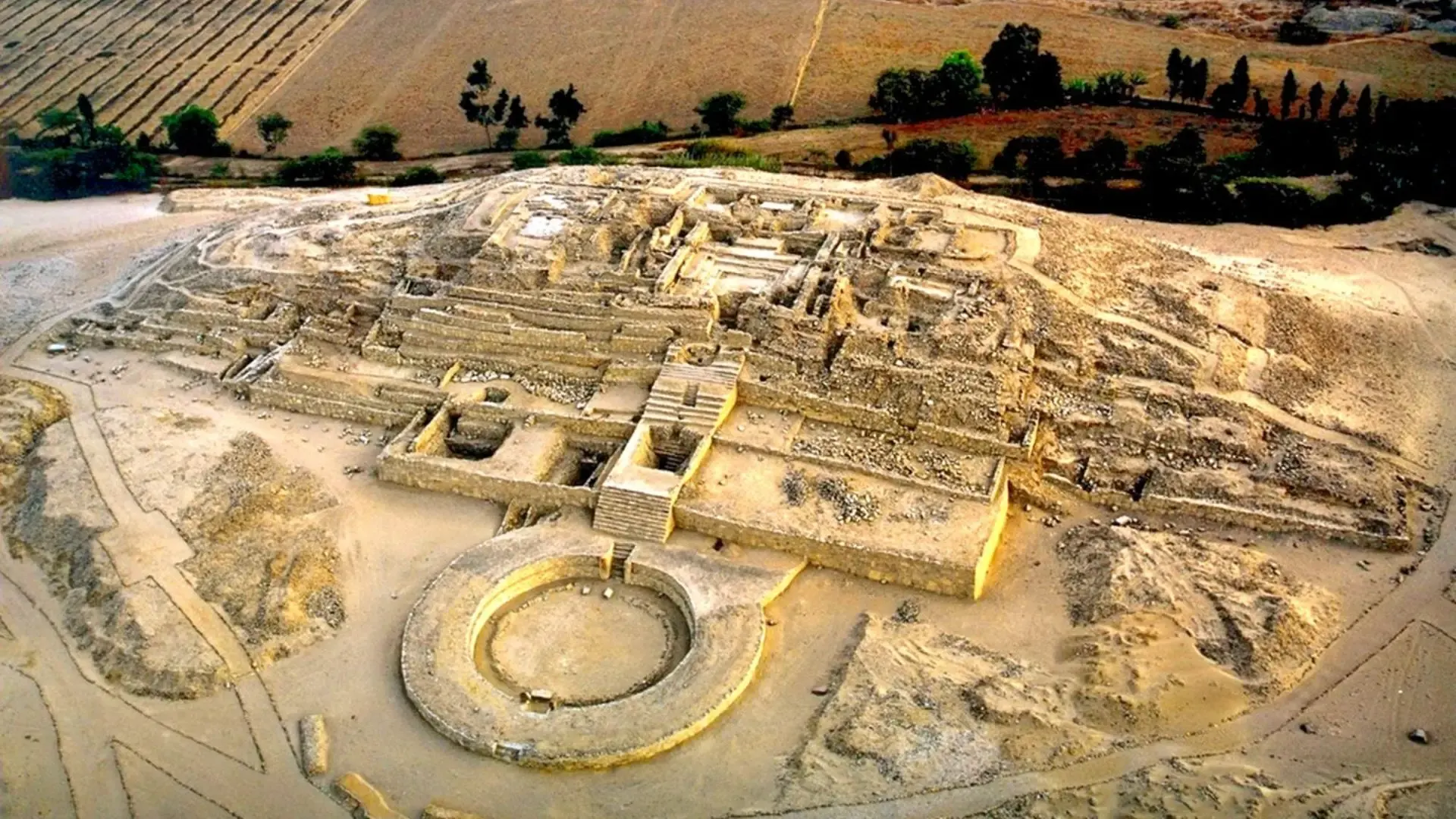
Located in the Supe Valley north of Lima, the Caral Peru pyramids were part of a fully planned urban center. The site includes large stepped platforms, circular sunken plazas, and residential sectors. The layout reflects deliberate urban planning and strong religious organization.
What makes the pyramids in Caral Peru particularly significant is the absence of fortifications or clear evidence of warfare. This suggests that social cohesion and shared religious ideology rather than military dominance may have driven large-scale construction.
Caral belonged to the Norte Chico civilization, one of the earliest known complex societies in the world. Its existence forces historians to recognize that advanced urban development emerged independently in South America at a very early date.
History of the Lost Pyramids of Caral Peru Discovered in the Desert
For centuries, the lost pyramids of Caral Peru blended into the desert landscape. From a distance, they appeared to be natural hills shaped by wind and time. Without visible stone blocks or dramatic vertical walls, the monumental scale was easy to overlook.
Systematic archaeological work in the late 20th century revealed that these “hills” were in fact massive platform structures. Excavations uncovered staircases, ceremonial rooms, and construction layers showing repeated architectural expansion.
The rediscovery of the pyramids of Caral Peru dramatically reshaped the historical timeline of the Americas. Before Caral, many scholars believed complex civilization in the region began much later. The evidence from Caral pushed that timeline back by more than a thousand years.
Why Caral Pyramids of Peru Are Considered the Oldest in the Americas
The Caral pyramids of Peru are widely recognized as the oldest pyramids in Peru and among the earliest monumental structures in the Americas. Radiocarbon dating places their construction roughly contemporary with early pyramid building in Egypt, though developed entirely independently.
The Caral Peru pyramids–Norte Chico ancient civilization demonstrate that complex social organization, large-scale labor coordination, and ceremonial architecture emerged in South America without outside influence.
Their age is not the only reason they matter. They represent the starting point of a long Andean tradition of platform construction that would later influence coastal cultures such as the Moche and Lambayeque. In that sense, Caral is not just an isolated archaeological site; it is the beginning of the architectural lineage that defines many of the most important ancient pyramids of Peru.
Exploring the Massive Tucume Pyramids Peru in the Lambayeque Region
The Túcume complex is one of the largest pyramid concentrations in South America. The Tucume pyramids Peru include more than 20 major adobe structures spread across the Lambayeque Valley in northern Peru. Built primarily by the Lambayeque (Sicán) culture around 1000 CE and later occupied by the Chimú and the Inca, the site reflects centuries of political and ceremonial importance.
The scale of the Tucume Peru pyramids is massive. Some platforms rise over 30 meters high and extend hundreds of meters in length. These were not simple temples; they functioned as administrative centers, elite residences, and ritual spaces. When analyzing Peru pyramids Tucume, it becomes clear that this region was a major power hub long before Spanish contact.
The layout also shows careful urban planning. The pyramids cluster around the sacred hill of La Raya, reinforcing the connection between architecture and natural landscape a pattern common in Andean cosmology.
The Cursed Valley of the Pyramids Peru and Local Legends
Tucume is often referred to as the Valley of the Pyramids Peru because of its dense concentration of monumental structures. But local oral tradition goes further, calling it the cursed valley of the pyramids Peru.
It is said that the ancient rulers were punished by the gods for their arrogance or sacrilege, and this led to the abandonment of the city. Although the archaeology of the region explains the decline of the city due to political changes and the expansion of the Incas, these stories are still very much a part of the region’s identity.
The Valley of Pyramids Peru nickname captures the essence of the region. The region still retains an aura that is different from other regions in the north of Peru.
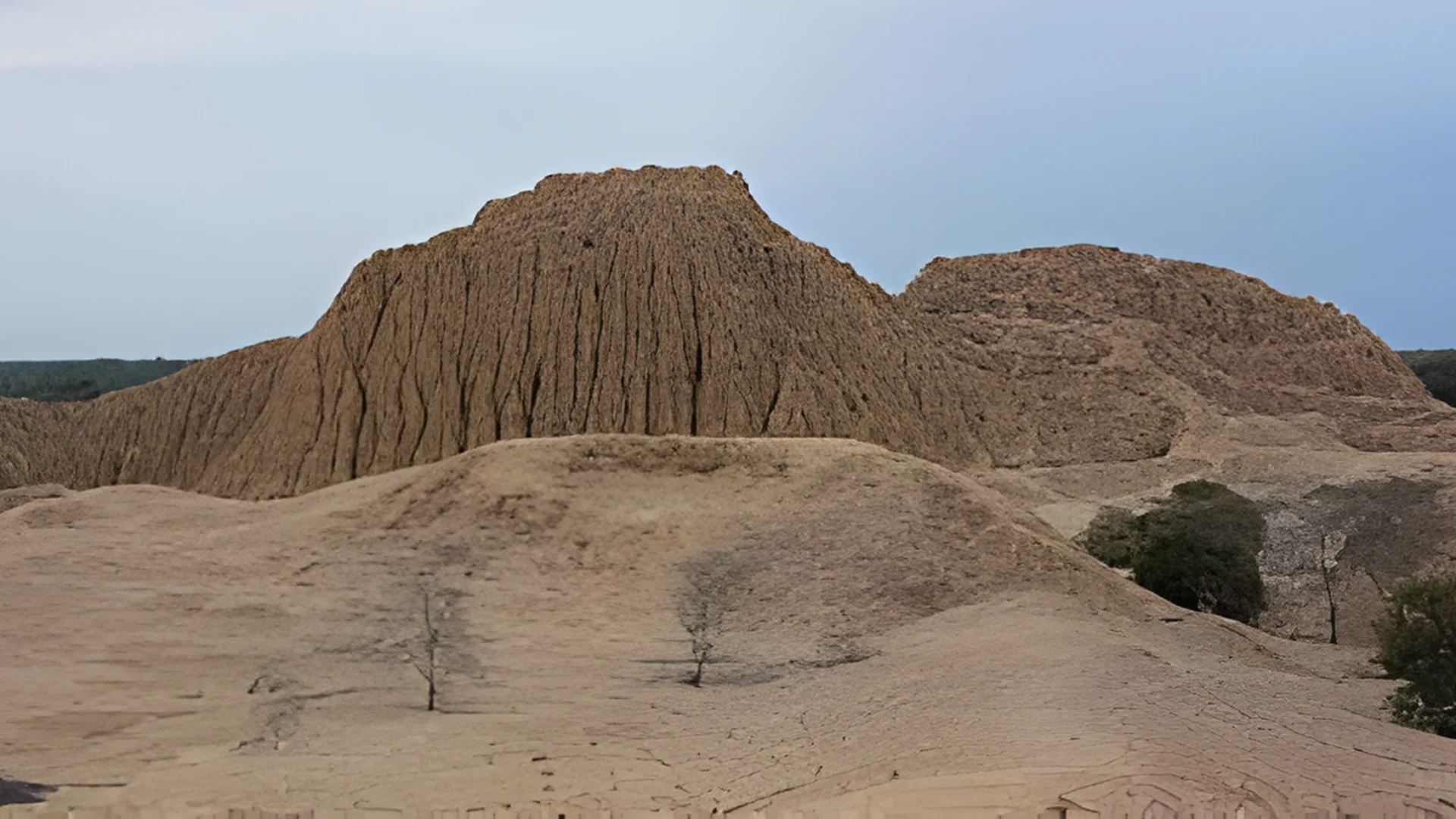
Why the Pyramids of Tucume Peru Are Made of Eroded Adobe Mud
The pyramids of Tucume Peru were made of adobe bricks, which are sun-dried mud blocks. This was ideal for the arid climate of the coastal regions. The adobe bricks were very useful for large-scale constructions.
However, this method of construction is also the reason why the structures look so worn out. The El Niño phenomenon caused heavy rains in the region, which in turn caused erosion. This has resulted in some of the most eroded pyramids of Peru being located here.
Despite centuries of weathering, the structural outlines of these northern Peru pyramids remain impressive. Archaeological excavations continue to reveal murals, elite burials, and architectural phases beneath the eroded surfaces, proving that what appears as a mud mound often hides complex ceremonial architecture underneath.
The Cahuachi Pyramids Peru and Ceremonial Center of Nazca
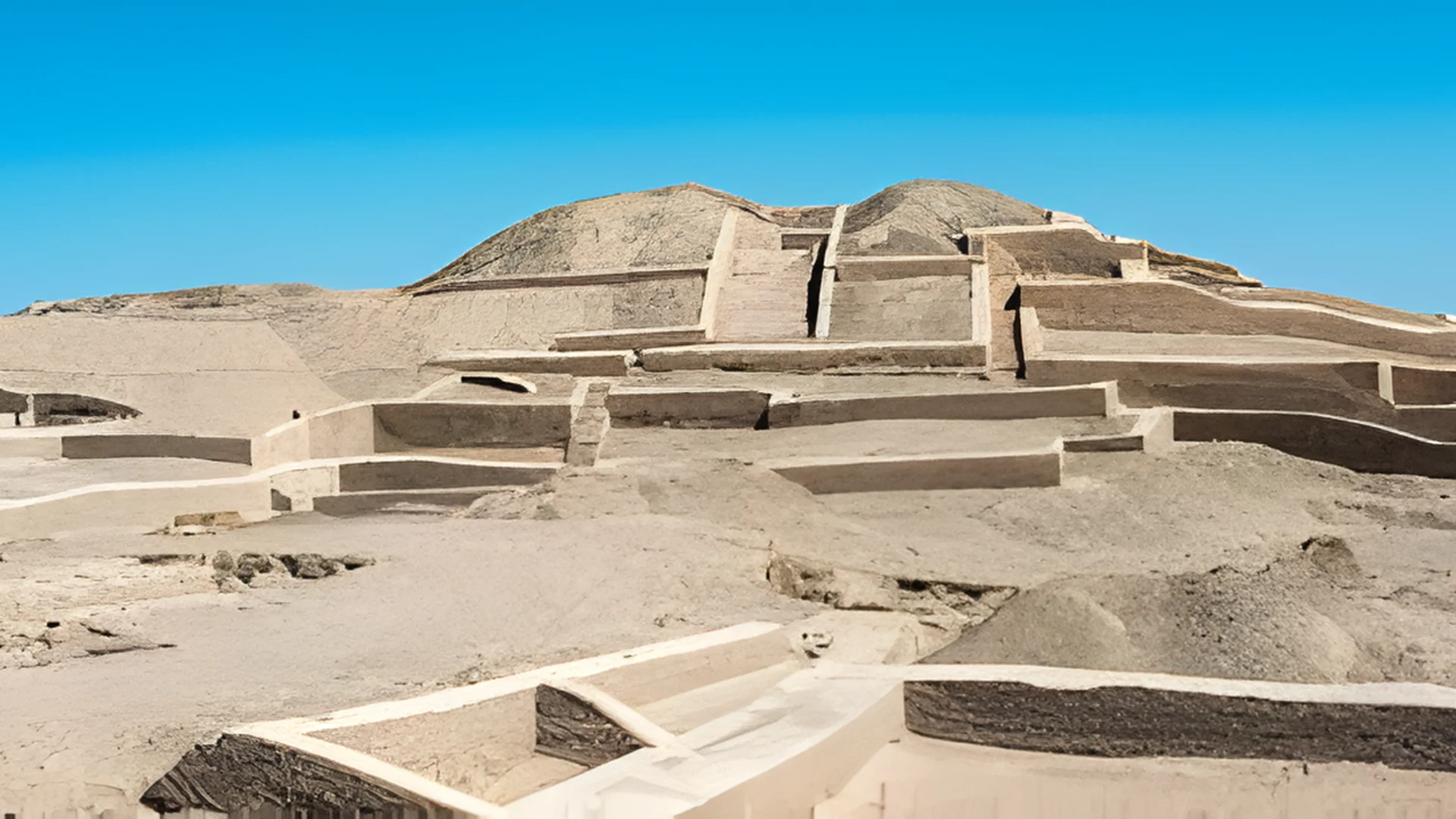
The Cahuachi complex was the largest ceremonial center of the Nazca civilization, active roughly between 1–500 CE. When people talk about Cahuachi pyramids Peru, they’re referring to a series of adobe platforms and stepped mounds that functioned as ritual and gathering spaces rather than residential buildings.
Unlike dense urban centers such as Caral or later coastal capitals, Cahuachi appears to have been a pilgrimage destination. The Nazca pyramids Peru were part of a sacred landscape in which communities gathered for ceremonies, offerings, and large-scale ritual events. Archaeological evidence suggests the population here fluctuated seasonally rather than permanently.
In the broader context of pyramids South America Peru, Cahuachi stands out because of its symbolic role. It was not about political domination alone; it was about religious cohesion and ceremonial identity in one of the driest deserts on Earth.
Connection Between the Nazca Lines and Pyramids in Southern Peru
The Nazca Lines are geographically close to Cahuachi, and many researchers believe there was a ceremonial link between the two. Processions may have moved from the geoglyphs across the desert toward the pyramidal platforms of Cahuachi.
This connection reinforces the idea that these were not isolated monuments. Instead, they formed part of a unified ritual system, making them some of the most symbolically important ancient sites in Peru.
When discussing famous pyramids in Peru, Cahuachi may not be as visually dramatic as northern coastal pyramids, but its integration with the Nazca Lines makes it archaeologically unique in South America.
Why Cahuachi Pyramids Peru Were Buried Under the Desert Sand
One of the most intriguing aspects of Cahuachi pyramids Peru is that many structures were intentionally sealed and buried. Archaeologists believe the Nazca people may have ritually closed the site before abandoning it, covering key platforms with layers of adobe and sediment.
Over centuries, wind-driven sand further concealed the complex. This natural preservation process effectively turned Cahuachi into one of the great hidden pyramids of Peru.
Today, these ancient pyramids of Peru remain partially covered, which both protects and complicates excavation. The desert environment preserved textiles, organic materials, and ritual offerings that provide rare insight into Nazca ceremonial life something far less common in wetter climates.
The Moche Pyramids Peru and the Temple of the Sun and Moon
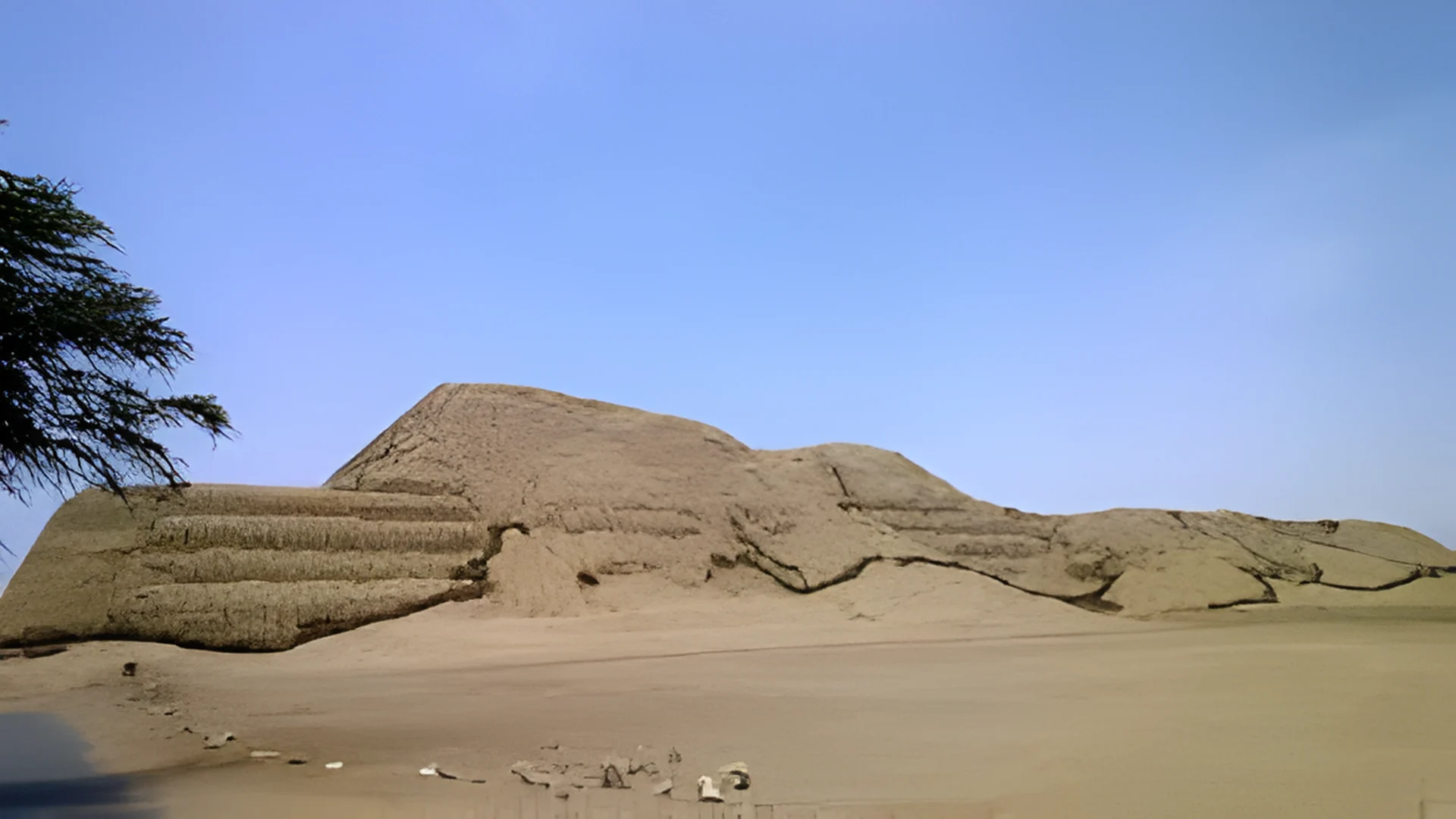
The Moche pyramids Peru especially Huaca del Sol and Huaca de la Luna mark one of the most powerful and visually striking chapters in Peru’s pre-Inca history. Built roughly between 100–800 CE, these massive adobe monuments rose in the Moche Valley near modern Trujillo, right where desert, river, and mountain meet. That geography mattered: coastal valleys produced agricultural surplus, and surplus created the labor force needed to build monumental Peru coastal pyramids.
Huaca del Sol is often linked to administration and political control, while Huaca de la Luna is strongly tied to ceremonial life. What makes the Moche pyramids Peru on top (especially from aerial views) so impressive is their sheer footprint and the way they were positioned in relation to Cerro Blanco, reinforcing the idea that Moche sacred architecture wasn’t random it was engineered to dominate the landscape and communicate authority.
Inside Huaca de la Luna, the preserved murals are a major reason these pyramids remain so important today. They depict warriors, supernatural beings, and ritual scenes that match what archaeologists have found in the architecture and burials. In other words: the art isn’t just “decoration.” It’s a visual record of Moche ideology and power.
Evidence of Human Sacrifice at These Ancient Pyramids in Peru
Excavations at Huaca de la Luna revealed strong evidence of ritual sacrifice, confirming that these ancient pyramids of Peru were active ceremonial spaces with high political and religious stakes. The archaeological finds aligned with Moche iconography scenes that show captive-taking, procession rituals, and offerings suggesting sacrifice wasn’t random violence, but structured ritual tied to authority, warfare, and cosmology.
This is why the Moche case reshaped how researchers interpret ancient pyramids in Peru in general. Instead of seeing pyramids as silent “ruins,” the Moche evidence shows them as places where major public ceremonies took place events that reinforced social hierarchy and religious legitimacy.
And while you’ll sometimes see headlines about new pyramids discovered in Peru, what’s more common (and more accurate) is that ongoing excavation keeps revealing new layers buried murals, platforms, courtyards, and phases of rebuilding that expand what we know about how these pyramids functioned over time.
Understanding the Peru Pyramids Map along the Northern Coast
A good Peru pyramids map makes one thing obvious: the northern coast is packed with monumental huacas. That clustering isn’t coincidence. Rivers cutting through desert created fertile corridors, and those corridors became political centers where competing cultures built huge adobe complexes.
Any serious list of pyramids Peru quickly grows beyond the Moche Valley. The wider zone from Lambayeque and Chiclayo to Trujillo includes major ceremonial landscapes from multiple cultures Moche, Lambayeque/Sicán, Chimú, and later Inca influence layered on top.
The Chiclayo Peru pyramids region is especially dense and diverse. You’re not looking at one “pyramid style,” but a whole coastline of different pyramid traditions some built as administrative hubs, others as ritual platforms, and many reused by later cultures. That’s what makes northern Peru one of the most important pyramid regions in the Americas.
Urban Archaeology and Pyramids in Lima Peru City Center
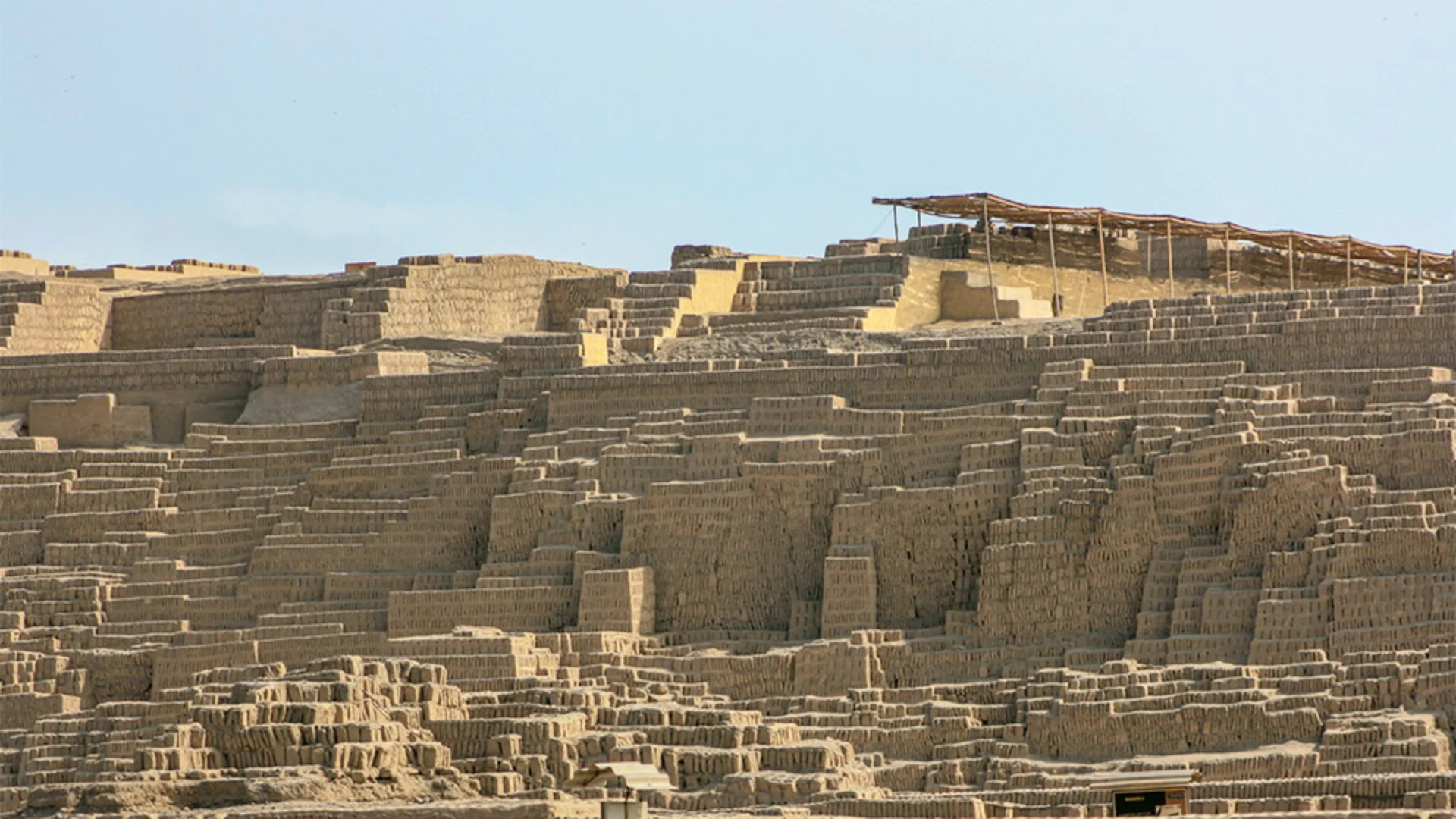
One of the most surprising facts about pyramids in Lima Peru is that they aren’t “outside the city” at all Lima expanded around them. Long before Spanish colonization, the Lima valley was already densely occupied by coastal societies that built ceremonial and administrative complexes (huacas) using adobe and clay. That’s why many ancient sites in Lima sit in the middle of modern districts, surrounded by apartments, traffic, and offices.
These Lima Peru pyramids are part of a larger network of huacas connected by ancient roads and irrigation systems that once managed water, farming, and local power. In other words, Lima isn’t just a modern capital with a few ruins; it’s a city layered directly on top of a much older ceremonial landscape.
The Huaca Pucllana and Other Ancient Pyramids of Peru in the Capital
Huaca Pucllana is the most famous example because it’s well preserved and easy to visit, but it’s not the only one. The structure is a stepped adobe pyramid complex associated with the Lima culture, used for rituals, governance, and elite activity. What makes it stand out is the construction technique: stacked adobe blocks arranged in a way that strengthened the walls and helped manage erosion.
If you’re building a list of Peru pyramids, Lima adds an important angle: these aren’t remote “lost ruins,” but active archaeological zones inside a living city. Sites like Huaca Huallamarca, Pachacamac (south of the city), and dozens of smaller huacas show that the capital region was a major cultural corridor long before the Inca expansion even if these are not the oldest pyramids in Peru overall (that title belongs to Caral).
The Myth of Machu Picchu Pyramids Peru and Jungle Structures
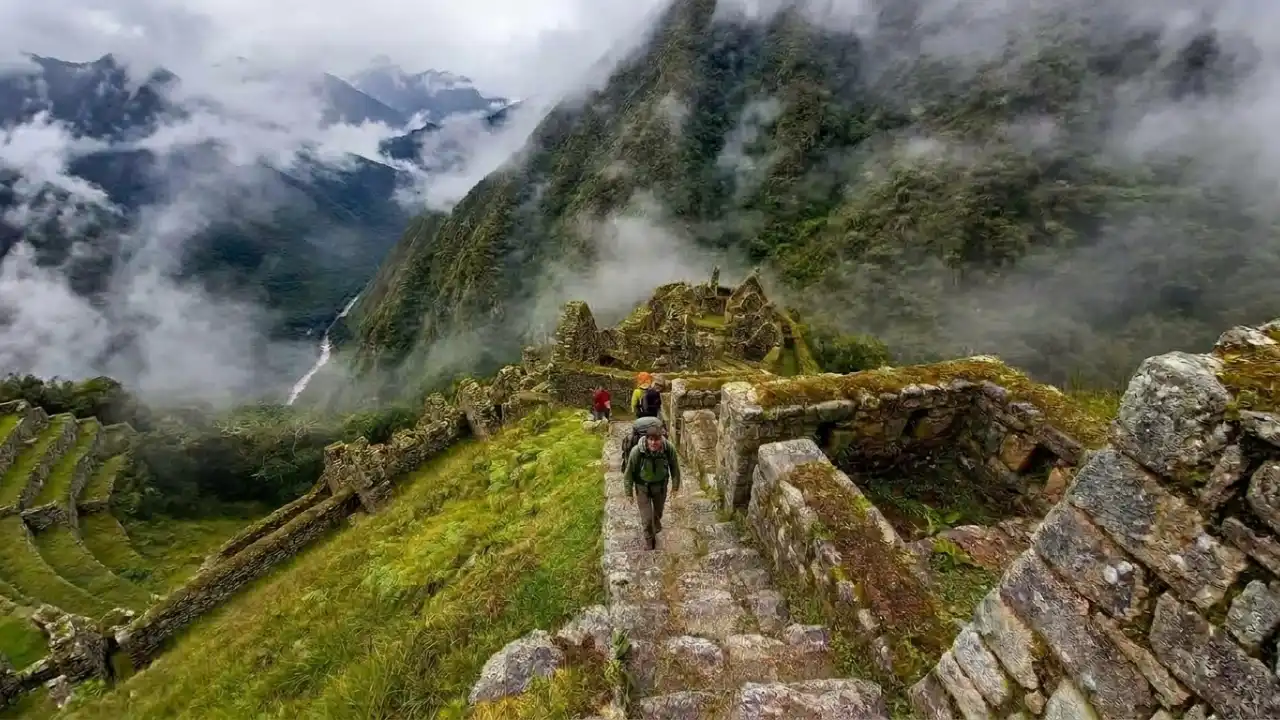
There are no actual Machu Picchu pyramids Peru and this is where a lot of online confusion starts. The iconic site of Machu Picchu is a mountaintop citadel built in the 15th century by the Inca. It consists of agricultural terraces, temples, plazas, and residential compounds not pyramid structures in the architectural sense seen on Peru’s coast.
The idea of Machu Picchu Peru pyramids usually comes from visual interpretation. From certain angles, the stepped terraces and triangular mountain backdrop create a pyramid-like silhouette. But that shape is natural topography enhanced by engineering, not a constructed pyramid platform.
Unlike coastal civilizations such as the Moche or Lambayeque, the Inca did not develop a pyramid-building tradition. Their architecture prioritized finely cut stone masonry integrated into mountainous terrain. So claims about Inca pyramids at Machu Picchu Peru don’t align with archaeological evidence.
Investigating Reports of Hidden Pyramids in Peru Jungle and Amazon
Reports of pyramids in Peru jungle periodically surface, especially after satellite imagery reveals geometric shapes in the Amazon. The most famous case involves the Pyramids of Paratoari, located in the Madre de Dios region.
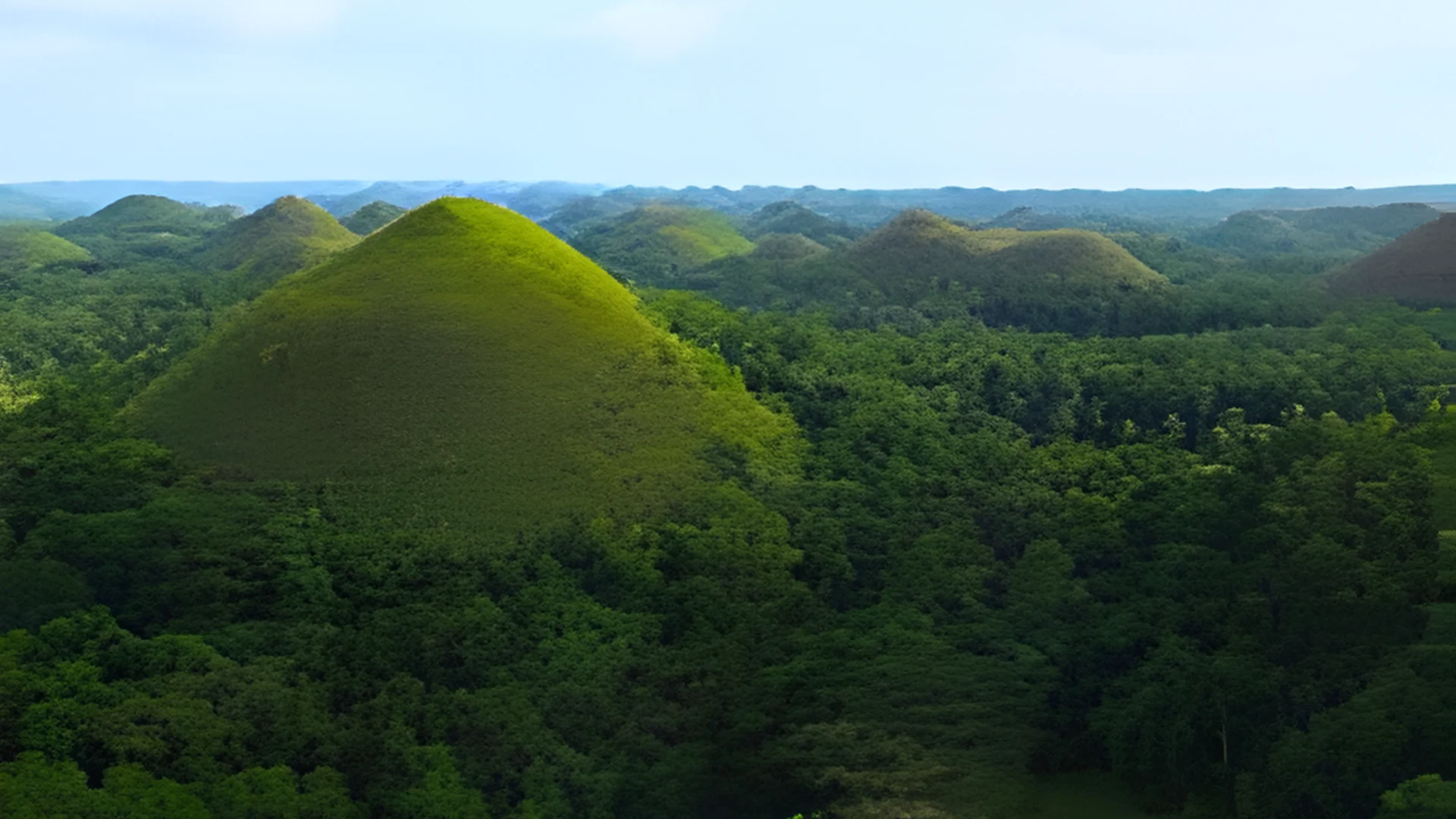
At first glance, the Paratoari hills look like stepped pyramids emerging from the rainforest. This sparked speculation about hidden pyramids of Peru built by unknown civilizations. However, geological studies indicate that these formations are natural sandstone structures shaped by erosion.
While the Amazon basin does contain significant archaeological remains such as earthworks, raised fields, and ancient settlements there is currently no confirmed evidence of large stone pyramid complexes hidden in the Peruvian jungle.
Difference Between Inca Pyramids in Peru and Natural Mountain Formations
The concept of Inca pyramids in Peru is largely a modern reinterpretation rather than a historical reality. The Inca built temples (like the Temple of the Sun), fortresses (like Sacsayhuamán), and extensive terrace systems but not true pyramid platforms similar to Caral or Tucume.
When people refer to Inca pyramids Peru, they are often describing:
- Stepped agricultural terraces
- Ceremonial platforms integrated into hillsides
- Naturally triangular mountains
The Inca architectural philosophy was adaptive. Instead of reshaping landscapes into pyramids, they worked with the terrain, enhancing natural formations with precision stonework.
Understanding this distinction is essential when evaluating claims about Inca Peru pyramids because in most cases, what appears pyramid-like is either symbolic geometry or geology, not intentional pyramid construction.
Frequently asked questions about Uncovering the Ancient Pyramids in Peru and Civilizations Before the Incas
Yes. There are many Peru pyramids, especially along the coastal valleys. Most are stepped platforms (huacas) used for ceremonies, administration, and elite activities not tombs like in Egypt.
The Caral pyramids in Peru are considered the oldest. They belong to the Norte Chico civilization and date back to around 3000 BCE, making them among the earliest monumental structures in the Americas.
No. The idea of Machu Picchu pyramids Peru is mostly a myth. Machu Picchu has terraces and temples, but it wasn’t built as a pyramid complex.
Many were built with adobe mud bricks, especially on the coast. Rain events (like El Niño) and centuries of wind erosion reshaped them, so some ancient pyramids of Peru now look like mounds.
Lima has several major huacas, including Huaca Pucllana and Huaca Huallamarca. These are real pyramids in Lima Peru, located inside modern districts, showing how ancient sites in Lima coexist with the city today.