Peru Independence Day: Fiestas Patrias Events and Traditions
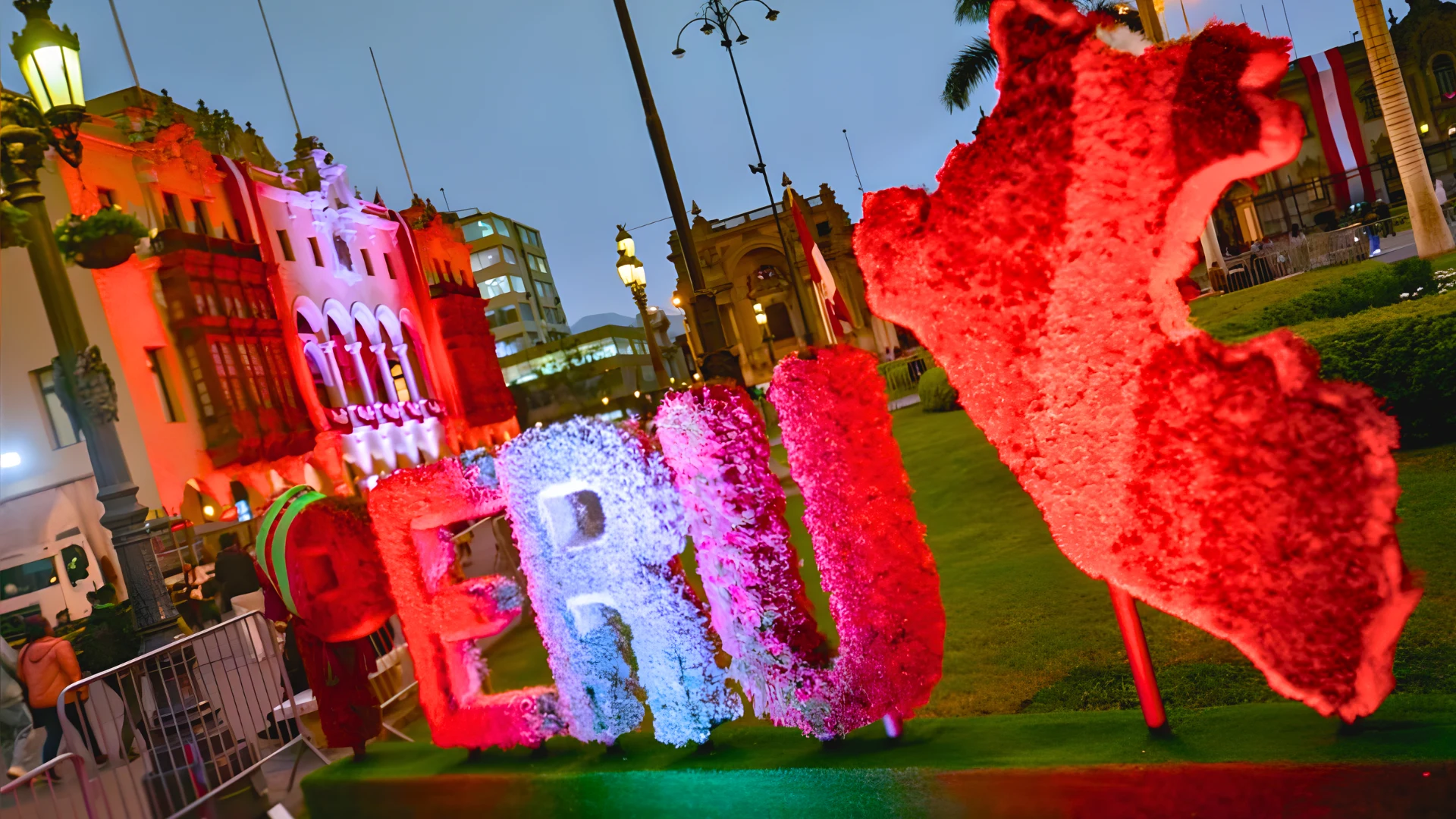
If you find yourself in Peru during the end of July, you will notice it right away. The streets are painted red and white. Flags are draped from balconies. Families are on the move. Restaurants are full. And people begin to chant one phrase more frequently than usual: “¡Viva el Perú!”
Peru’s Independence Day, also known as Fiestas Patrias, is observed annually on July 28 and 29. For Peruvians, Peru’s Independence Day is more than a national holiday; it is the largest civic event in the nation, a fusion of history, politics, cuisine, culture, and family that fills two days of the year with fervor and patriotism.
Here’s exactly what it means, what it entails, and how you can live it the Independence day Peru.
What Is Fiestas Patrias in Peru?
Peru independence day in Spanish (Fiestas Patrios) is the official National Independence Day of Peru, celebrated over the two days of July 28 and July 29. Most tourists look for it as Peru National Independence Day, but for Peruvians, it is simply known as Fiestas Patrios and celebrated as a two-day national season.
- July 28: Celebrates the declaration of independence in 1821.
- July 29: Celebrates the Armed Forces and National Police, with a large civic-military parade.
These two days combined are the most celebrated national holidays in Peru. You will commonly hear Peruvians just say el 28 or veintiocho, as it is widely known what that day is.
The History Behind July 28
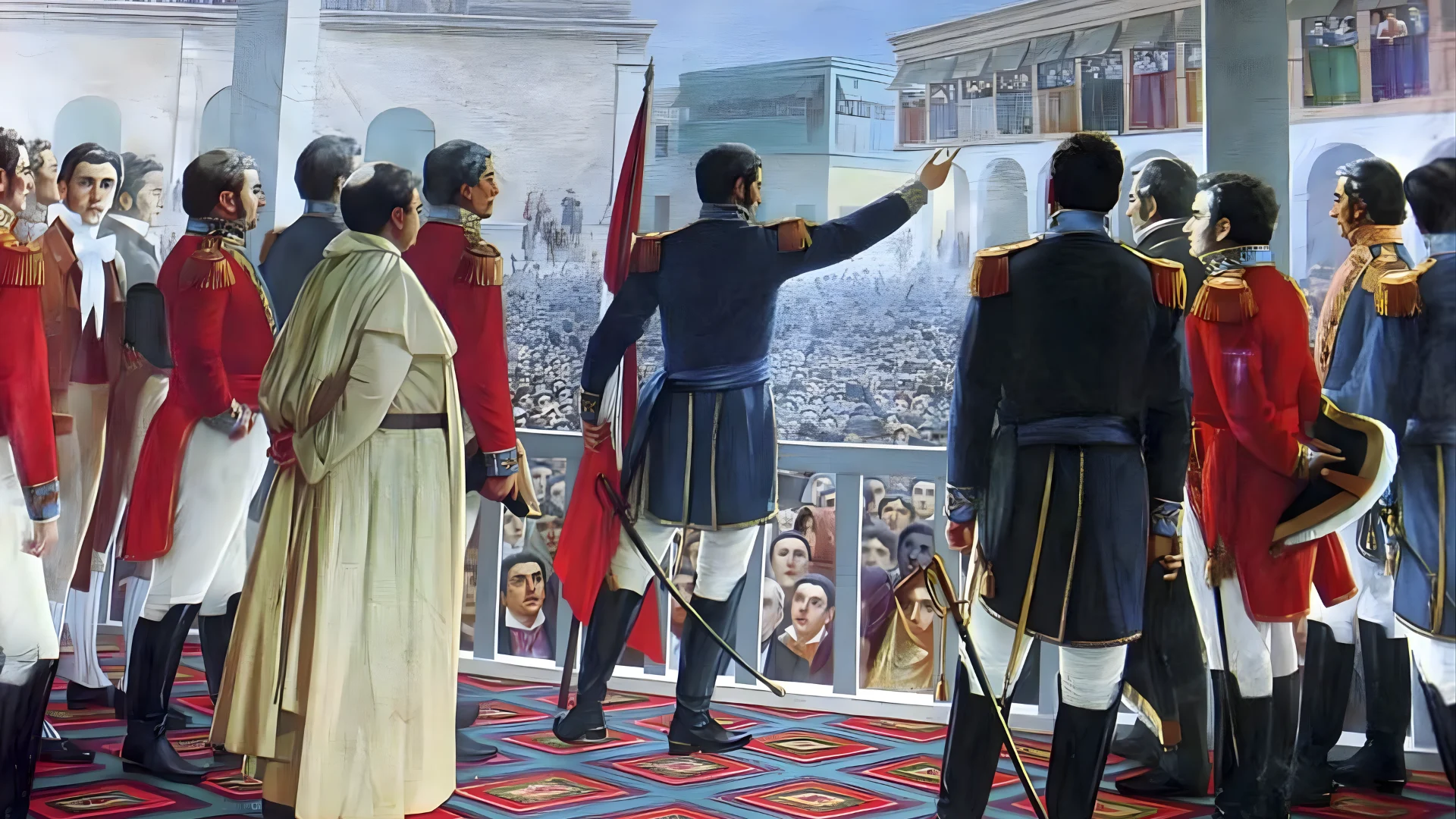
The history of Peru’s independence day is linked to July 28, 1821, when independence from Spanish domination was finally declared in Lima by José de San Martín. This declaration was a turning point in Peru’s long independence struggle, and it eventually became the birthday of the Republic of Peru.
This declaration was a turning point in Peru’s long and complicated independence struggle. Although military actions continued after this declaration, July 28 became the birthday of the Republic of Peru. This explains why this day has both emotional and political significance, as it is not only a party but also a reminder of national sovereignty.
The Build-Up Week: Why July 27 Matters
Fiestas Patrias is a two-day celebration, but it actually begins before that. July 27 is like the opening night because that’s when people usually start vacations, head out to visit family, or start preparing for celebrations the following day.
In Lima and other cities, the celebrations usually begin the night of July 27 with serenades, public music events in parks and plazas with folk and Creole music.
This eve of the 28th atmosphere is a major reason why this celebration feels like a season, not just a day.
When is Peru’s Independence Day?
One of the most common questions asked on the internet is when is Peru’s Independence Day. The answer to this question is very simple: it is observed on July 28-29, every year. If you’re looking for the exact phrase: july 28 peru independence day is the core date, with July 29 as the second official day.
What Happens on July 28?
The most important day is July 28, and it combines state ceremonies with a people’s celebration that takes place all over Peru.
Flag-Raising and Patriotic Rituals
Flag-raising and patriotic events are an important tradition that establish the tone for the rest of the day. Some of the official events include official salutes and ceremonies in Lima.
You will also notice that there is a people’s version of this everywhere: flags on balconies, shops, taxis, street vendors—anything that can hold a flag decoration with red and white stripes.
The Te Deum Ceremony
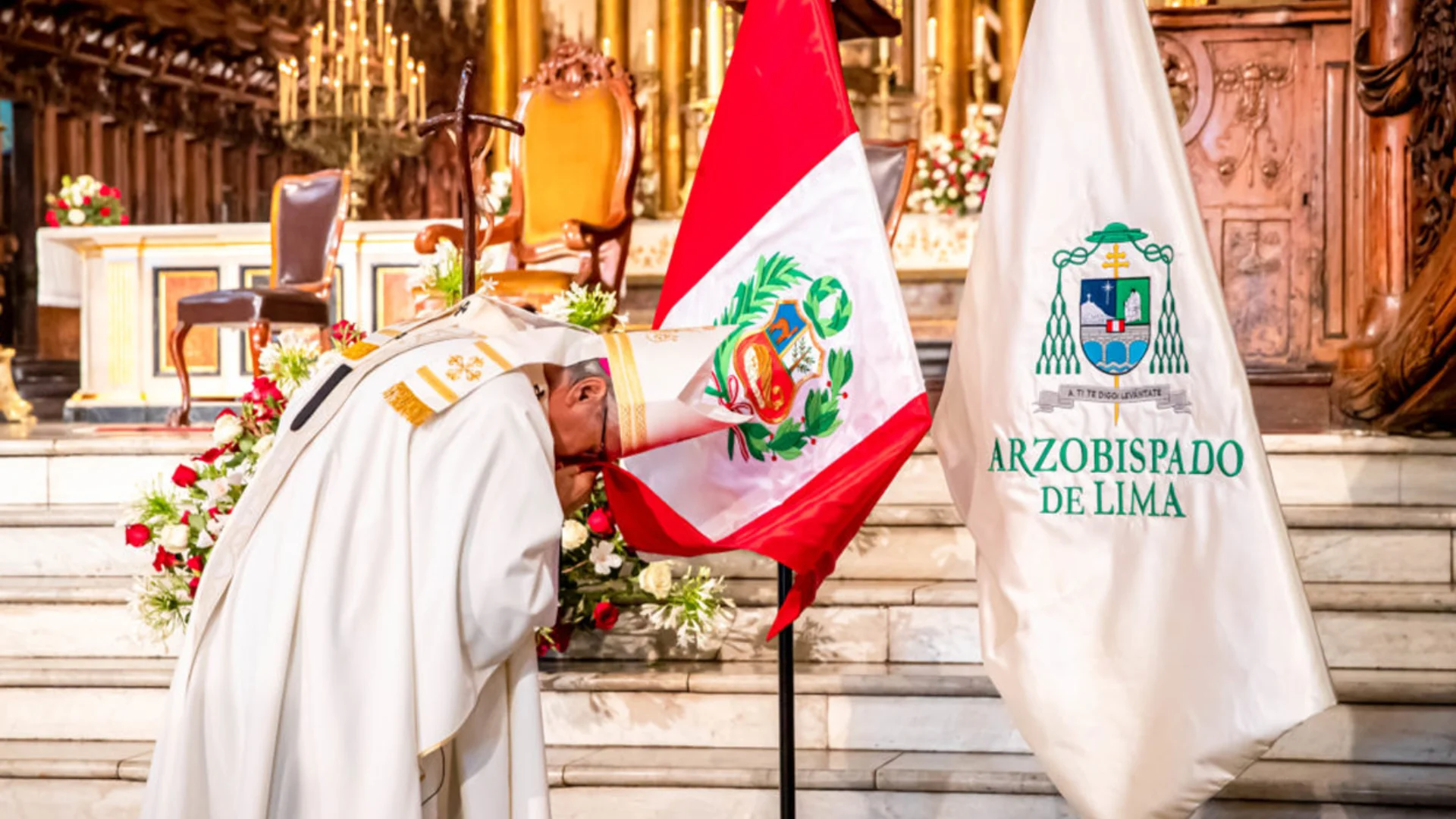
There is a formal religious ceremony called the Te Deum in Lima. It is attended by high government officials and represents the historical link between state tradition and Catholic heritage in Peru.
The President’s Annual Address (Mensaje a la Nación)
One of the most important traditions of July 28 is the President’s annual speech before Congress. The address outlines the country’s current situation, achievements, and priorities for the coming year.
It is a nationally televised event and the most significant political event of the year.
Flags Everywhere
The display of the Peruvian flag takes place in July, and it is especially widespread during the last week of the month. The flag is displayed in homes, businesses, schools, and government offices.
In some areas, it is not optional in spirit, as the display of the flag is a sign of respect and pride.
Civic Parades and Community Marches
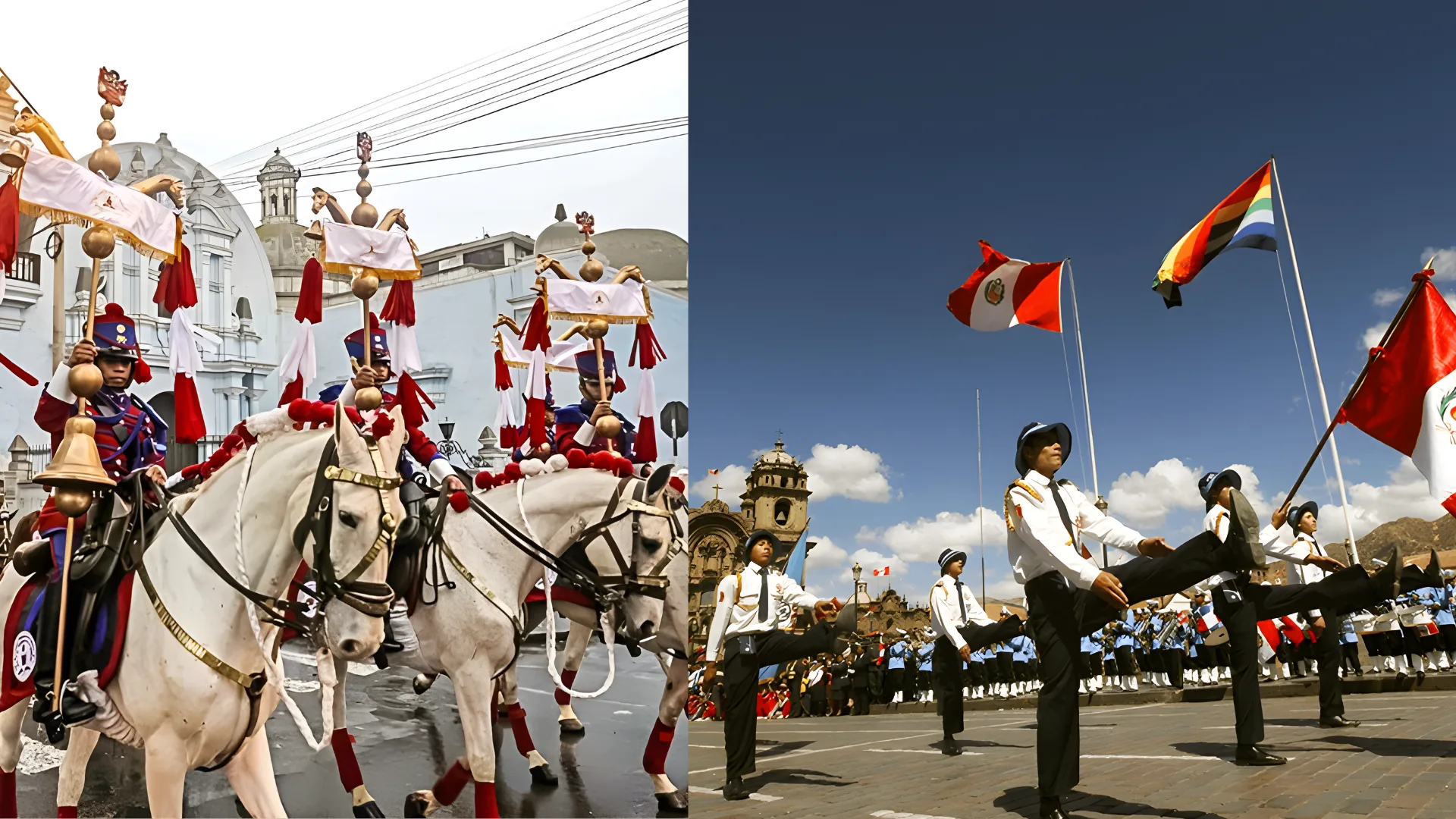
Outside of Lima, there are civic parades that include schools, community groups, and other institutions. People march in uniforms or traditional clothing, waving flags and other symbols of patriotism (including rosettes/cockades)
Peru Independence Day Parade (What Happens on July 29)
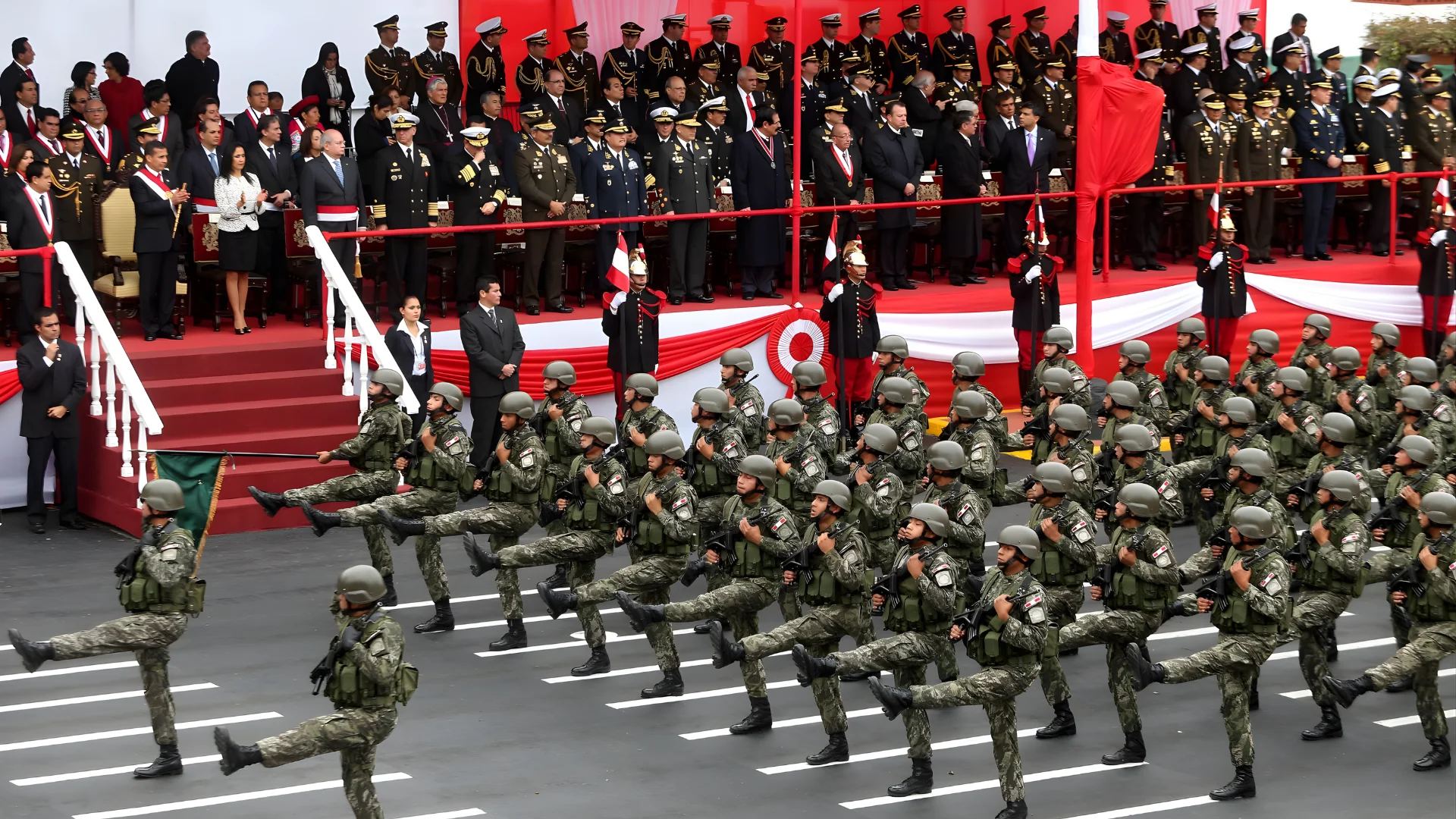
July 29 is all about the Armed Forces and National Police, and it is when the most dramatic spectacle takes place: the Peru independence day parade.
The Grand Military Parade (Gran Parada Militar)
The main attraction is the Gran Parada Militar, which takes place in Lima. There is a massive parade of military units, police, and delegations in front of thousands of people and millions more on television. For most tourists, the Peru independence day parade is the most obvious big spectacle moment of the whole celebration.
This is the most visually dramatic event of Fiestas Patrias.
National Symbols You’ll See Everywhere
Fiestas Patrias is also one of the few occasions when the national symbols are everyday visible in a way that they are not at other times.
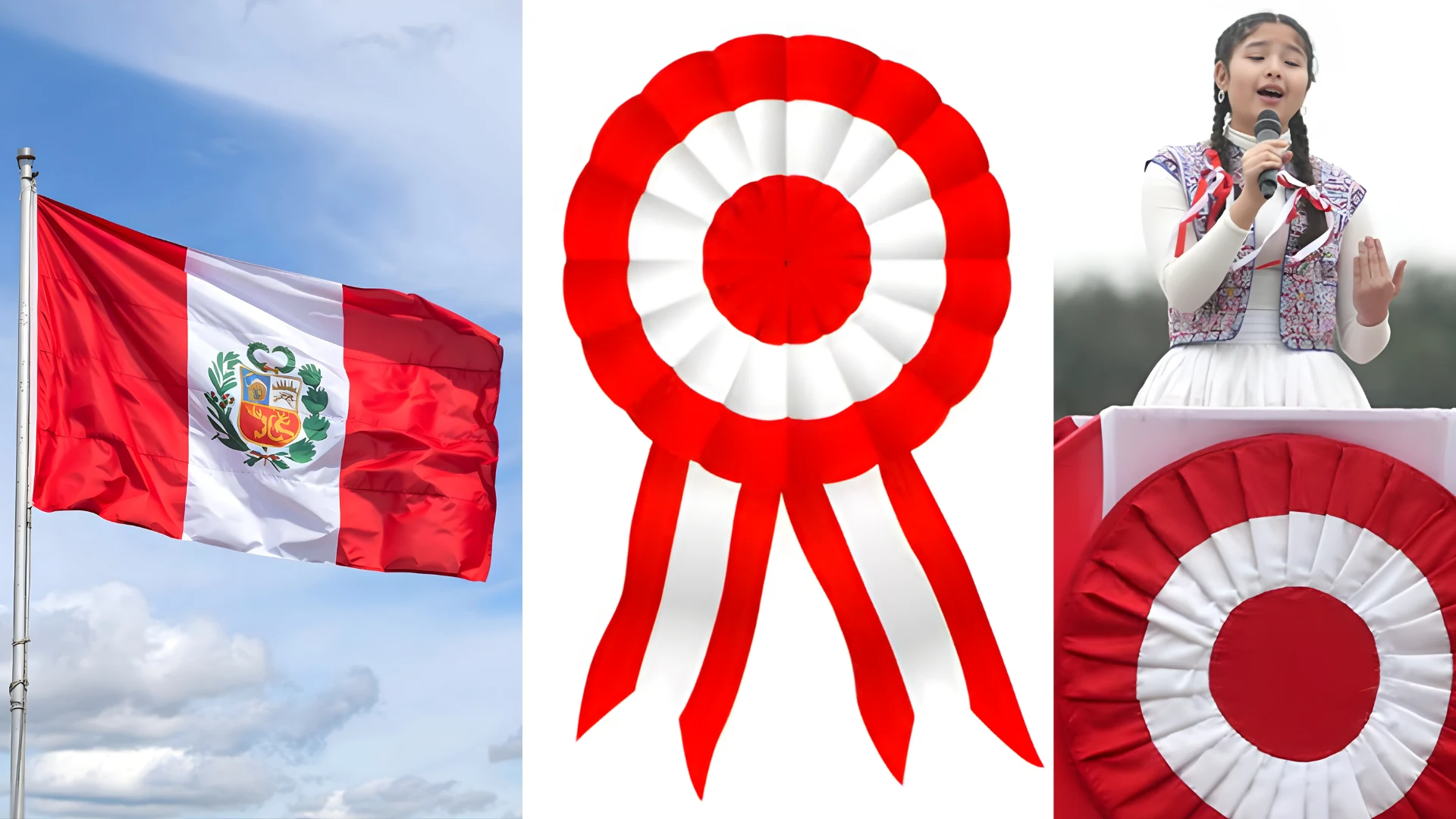
The Peruvian Flag
The flag with red and white colors is very important to the holiday, and there are several official versions of the flag used by the state.
The Escarapela (Rosette/Cockade)
You will notice that people, especially children, wear a red and white rosette on their chest during school functions and civic events. It is one of the most identifiable Fiestas Patrias elements in real life.
The National Anthem
During official events and public functions, the national anthem of Peru is played as part of the program, which is another reason why the holiday is serious and emotional at the same time.
How Peruvians Really Celebrate (Beyond the Official Ceremonies)
The government events are important but it is the unofficial celebrations of Fiestas Patrias that are most indicative of what this holiday is all about.
Family Gatherings
For many Peruvians, this is a weekend about family. Families travel to visit, have lunch, barbecue, or have large meals together. It’s kind of like a combination of Independence Day and a big family holiday.
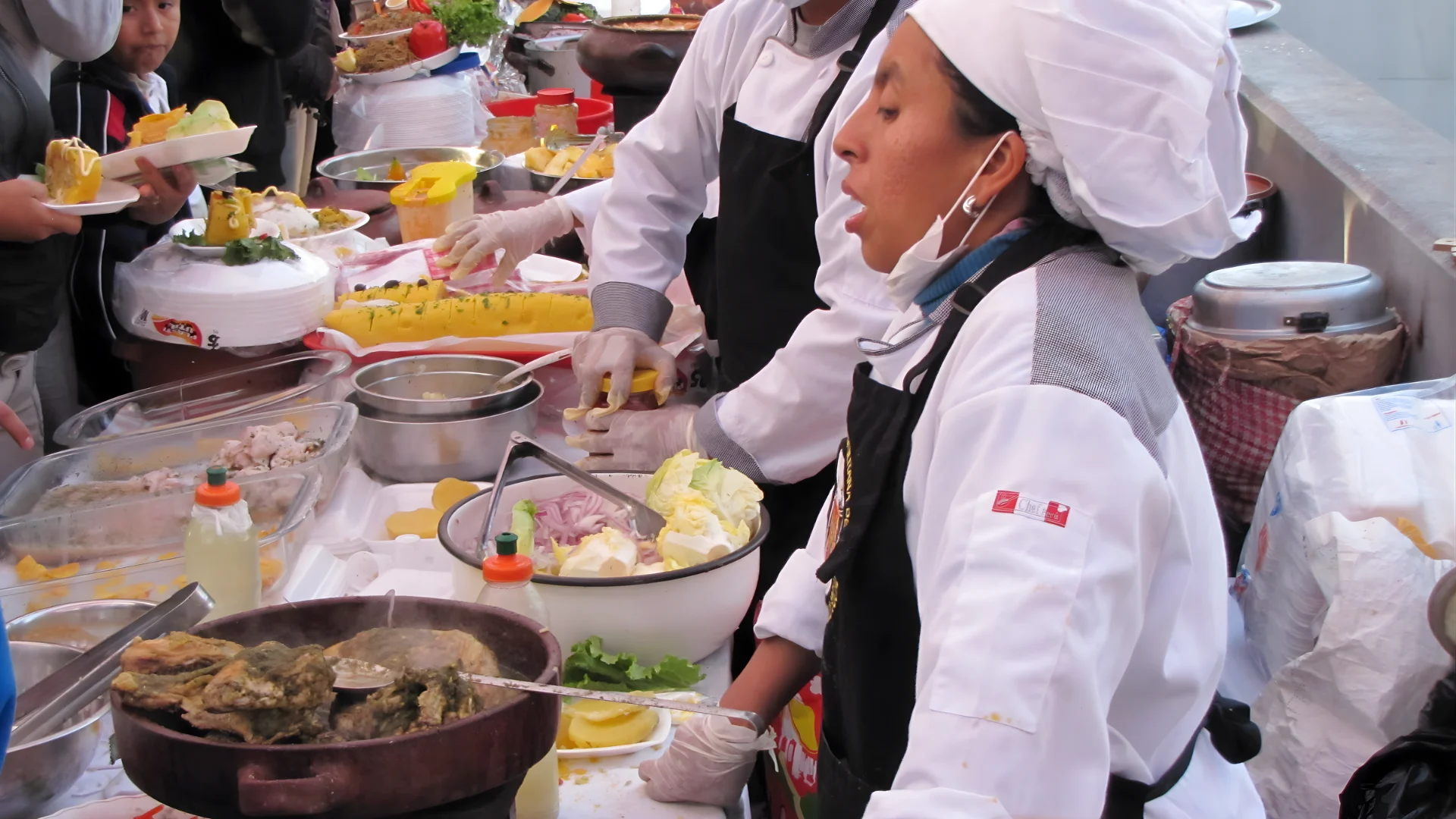
Food Becomes the Centerpiece
Fiestas Patrias is one of the biggest food holidays of the year. Special menus are offered at restaurants, and homes cook up traditional meals, with large helpings. Whether it’s traditional coastal, Andean, or Amazonian cuisine, food is the way to celebrate identity.
Music and Cultural Pride
Music is a huge part of this holiday. In coastal , you may hear música criolla; in Andean regions, huayno rhythms and brass bands are common; and in jungle cities, you’ll catch Amazon-influenced celebrations depending. Each region celebrates the nation by showcasing its own local identity.
Where to Experience Fiestas Patrias
Lima
As the capital, Lima hosts the main official ceremonies, the presidential address, and the July 29 parade route on Avenida Brasil. If you want the most formal, nationally significant version of the holiday, Lima is the center.
Cusco
Cusco blends patriotic celebration with strong cultural expression. It commonly features civic parades, delegations from provinces, and traditional dance presence. Typical regional foods may appear during the celebrations as well.
Arequipa
Arequipa celebrates national holidays too, but it’s also in a festive period because regional events connect with the city’s broader seasonal calendar. You’ll see parades, fairs, and concertsoften with a strong local flavor.
Puno
Puno adds its own identity to the holiday with civic activities and regional traditions connected to Lake Titicaca and local communities.
What It Feels Like on the Street
The spirit of Fiestas Patrias is unmistakable.
- More people outside
- More music in the air
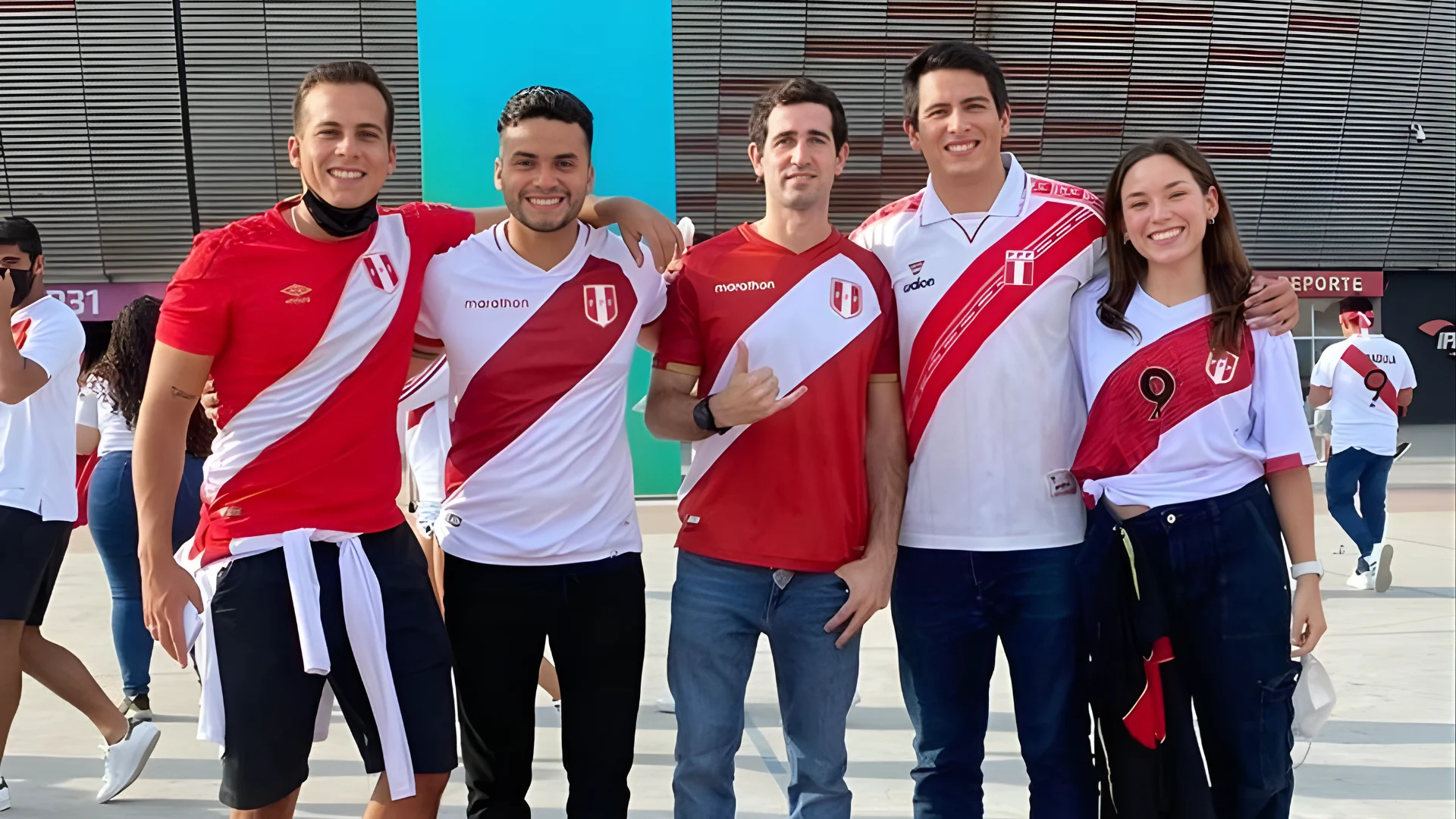
- Red-and-white clothing everywhere
- Families walking together in plazas
- Markets busier than usual
It is patriotic, but it is also a celebration. There is a feeling that the country is celebrating itself, not in a political sense, but in a social sense.
Travel Tips
Travel Tips for Visiting During July 28–29
If you’re planning to be in Peru during Independence Day, here’s what you need to know:
- Book early: Land and air transportation gets full because many Peruvians travel during this time.
- Expect crowds: Tourist spots and major plazas are packed, especially during July 27-29.
- Check schedules: Some services may close or run limited hours during the holidays.
- Plan flexible transportation: Roads get congested in major cities such as Lima and Cusco.
- Watch for bridge holidays: In some years, an additional holiday might be declared to bridge the holiday and a weekend (this is subject to annual policy changes).
- If you want the parade in Lima: Arrive early and be prepared for the sun and crowds.
The upside? You get to see Peru at its peak energy and cultural expression.
How to Celebrate Respectfully as a Visitor
You don’t need to do anything elaborate to join in the spirit of the holiday:
- Wear red and white: This is a simple yet appreciated way to participate in the holiday.
- Learn the phrase: Saying “¡Viva el Perú!” during the celebrations goes a long way with the locals.
- Be patient: Recognizing that the city is moving at a slower pace because of the crowds is a sign of respect
Most Peruvians are very proud of their heritage and are more than willing to share their celebration with foreigners who are interested.
Why Fiestas Patrias Matters Today
Fiestas Patrias is more than a nostalgic celebration of 1821. It is a celebration of contemporary Peru, its diversity, its strength, and its incredible richness of culture.
In these two days, you get a packed dose of the country’s identity:
- History and military tradition.
- Political significance.
- Regional pride and folk dances.
- World-class gastronomy.
- Strong family culture and unity.
It is a national identity that is expressed publicly and unapologetically. If you want to experience Peru, beyond the usual tourist attractions, then July 28-29 is definitely one of the best times to do it.
Frequently asked questions about Peru Independence Day: Fiestas Patrias Events and Traditions
It’s celebrated on July 28 and July 29, together known as Fiestas Patrias.
Major traditions include patriotic ceremonies, the Te Deum service in Lima, and the President’s annual Address to the Nation delivered from Congress.
July 29 honors Peru’s Armed Forces and National Police and is marked by a major civic-military parade, traditionally on Avenida Brasil in Lima.
Many people begin celebrations the night of July 27 with serenades and also start vacations and travel plans before the official holiday dates.
Yes, if you like high energy and cultural atmosphere. Just plan ahead because travel demand and crowds increase around the holiday.