Pacaya Samiria National Reserve: everything you need to know
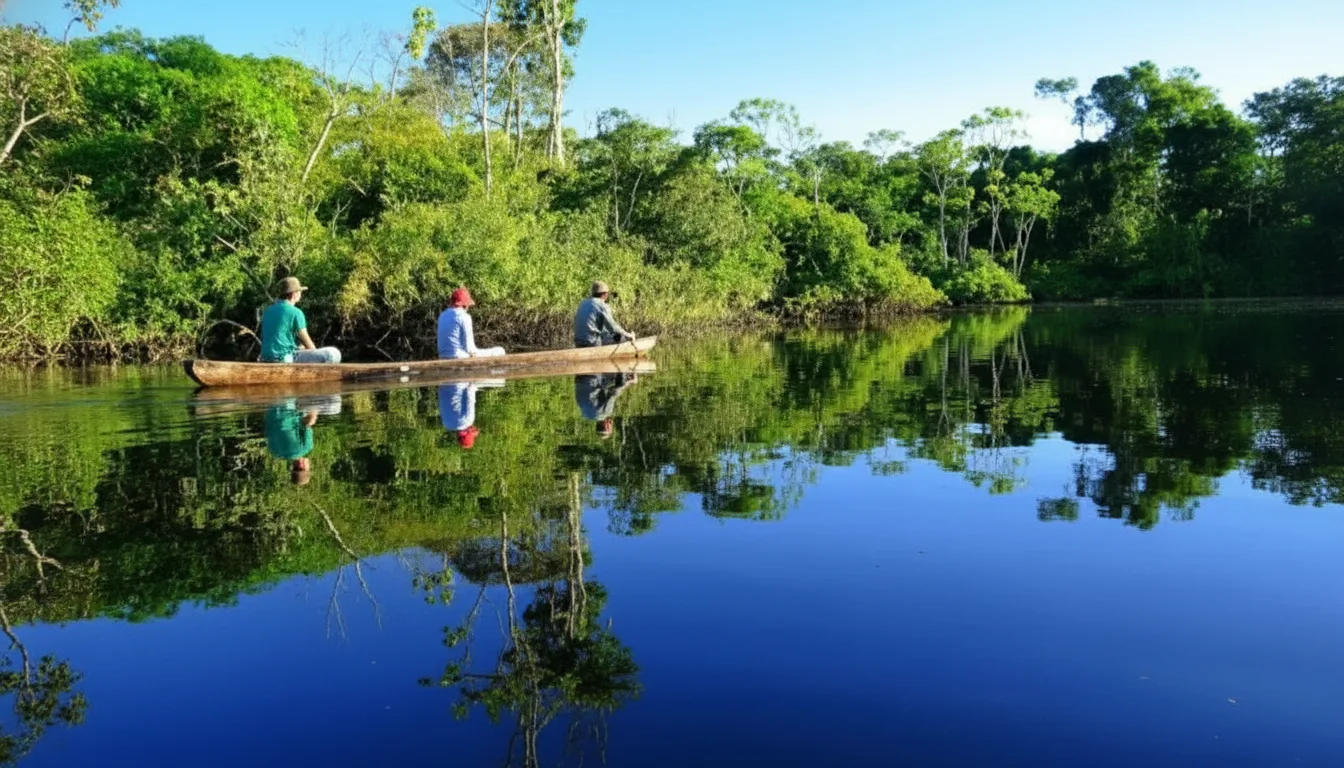
Deep in the Peruvian Amazon, the Pacaya Samiria National Reserve often referred to simply as Pacaya Samiria is one of South America’s most remarkable natural treasures. Dubbed the “jungle of mirrors,” because of its perfectly calm, reflective watersm this enormous ecosystem is one of the few remaining true wilderness rainforest on Earth. Stretching over 20,000 square kilometers, it is the second largest protected natural area in Pacaya Peru and is one of the most biodiverse locations in the entire Amazon Basin.
UNESCO recognizes its ecological and cultural importance, and the reserve is home to thousands of plant, mammal, reptile, and bird species. The most incredible part is that indigenous communities have peacefully lived with the forest for generations. For those who would like to experience the real Amazonian jungle, Pacaya Samiria Reserve is a spectacular combination of wildlife, adventure, and cultural experiences.
Where is Pacaya Samiria located?
The Pacaya Samiria National Reserve is situated in the Loreto region of northeastern Peru, about 308 kilometers south-west of Iquitos, Peru’s largest Amazon city. The reserve is situated between the Marañón and Ucayali rivers, two of the main tributaries that make up the Amazon River.
Visitors to Pacaya Samiria will take a boat or road transfer from Iquitos to Nauta, a small port that is the main access to Pacaya Samiria. After Nauta, travelers will navigate the Marañón River and enter the flooded forest that marks this unique natural sanctuary.
In 2015, Pacaya Samiria National Reserve was recognized internationally as the second-best place in the world for wildlife observation. The designation attracted eco-tourists, scientists, photographers, and other interested parties who wanted to experience one of the richest ecosystems on the planet.
What Makes Pacaya Samiria National Reserve Special?
What sets Pacaya Samiria apart from other natural parks and preserves is that it is a flooded tropical rainforest. Every year, seasonal rains cause the rivers to spill over their banks, inundating enormous portions of the jungle, and creating lagoons and waterways of lake-like proportions. And this makes it one of the most visually stunning and biologically diverse places in South America.
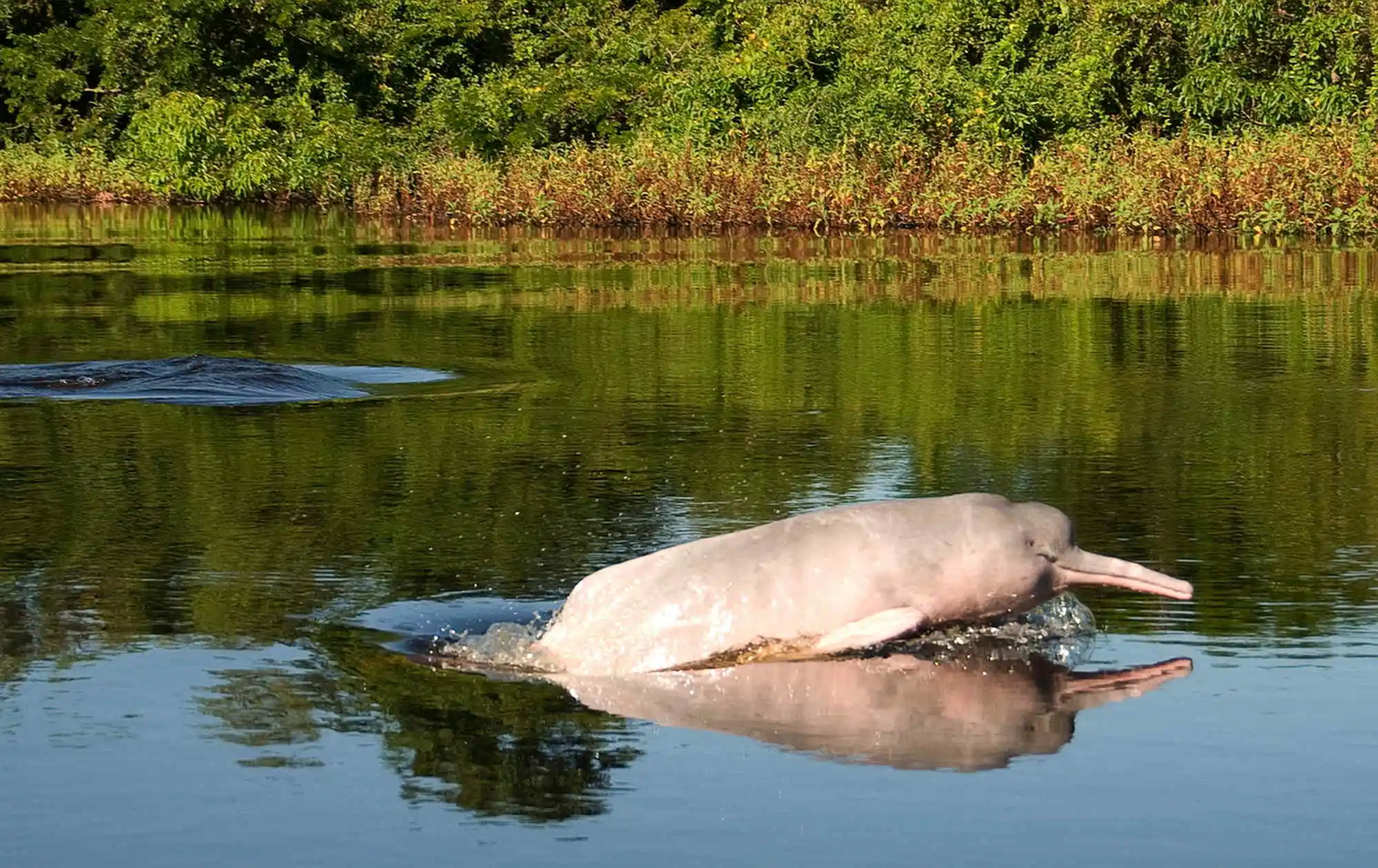
It is known as the Amazon of water and light, as the reflection of the trees and sky create a surreal world within its boundaries. Pacaya Samiria Natural Reserve is home to more than 1,000 animal species, as well as more than 965 types of wild plants. Some of the species include pink and gray river dolphins, giant otters, black caiman, monkeys, turtles, and the paiche, one of the world’s largest freshwater fish, reaching over 3 meters long.
Many of the natural attractions are exceedingly popular, and include:
- El Dorado Lagoon, known for its serene waters and golden sunsets.
- Yarina, Fortuna, and Ungurahui Lakes, all offering extraordinary birdwatching and wildlife experiences as well.
- Flooded forests and oxbow lakes, where visitors can quietly paddle among towering trees, getting a close-up of the rhythm of the Amazon.
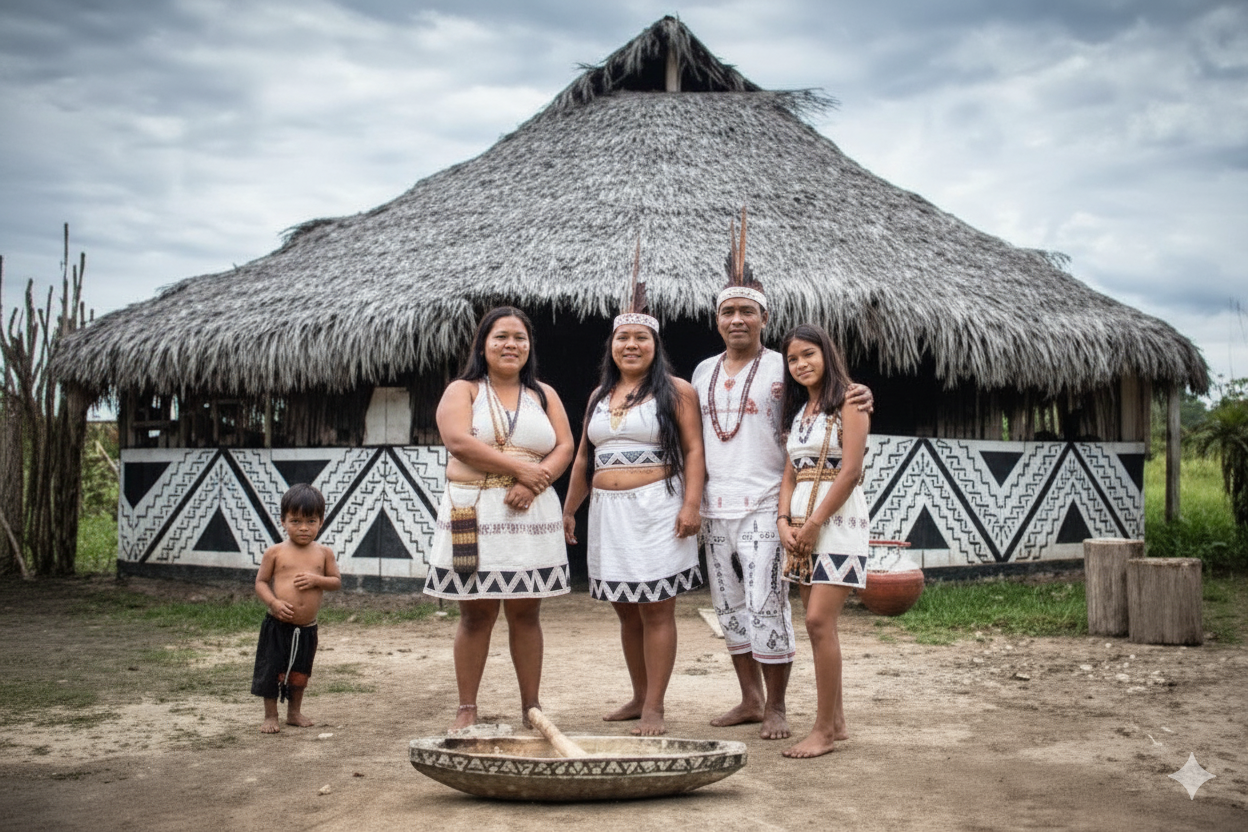
In addition, the reserve is home to dozens of native Amazonian communities, including the Kukama-Kukamilla, who engage in sustainable farming and fishing. This adds a cultural aspect to Pacaya Peru, showing how native communities can utilize traditions that have lasted for generations and continue to do conservation in modern times.

Things to Do in Pacaya Samiria
Visiting the Pacaya Samiria National Reserve is a journey through one of the world’s most dynamic natural ecosystems. Activities allow travelers to engage with the rainforest in distinctive ways, from navigating rivers, to taking night excursions.
Navigate the Marañón River
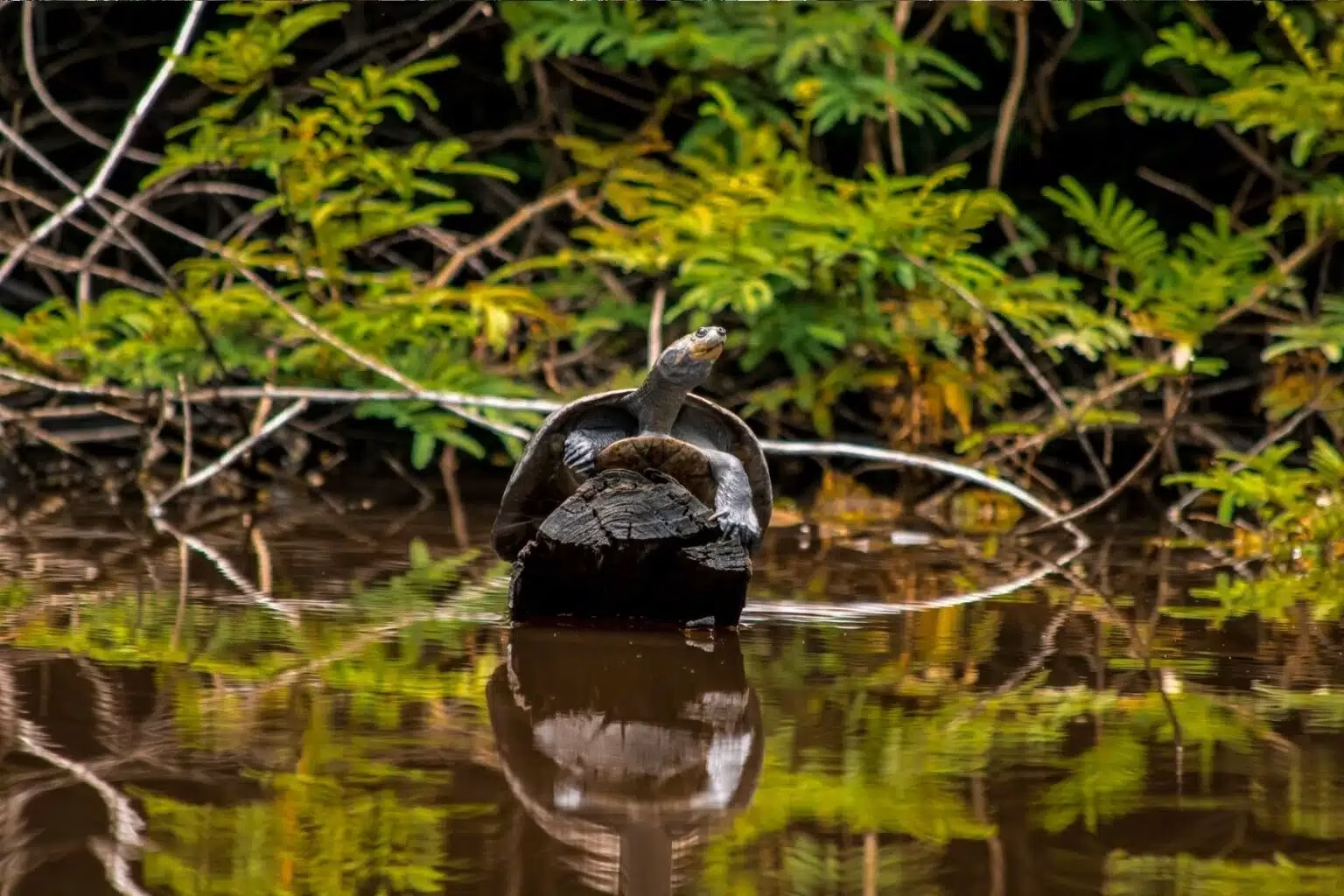
The Marañón River is the primary access river into the reserve and serves as your transitory route from the river to the inland zone of the jungle. From your transit on the calm surface of the river, you will see caimans basking on the riverbanks, turtles resting on fallen logs and macaws soaring above the midstory. Although, a river is more than transit: it is a mode of adventure that provides the traveler with a window to observe life in motion across the Amazon basin.

Explore El Dorado Lagoon
Laguna El Dorado, often referred to as the jewel of Pacaya Samiria, is one of the reserve’s most stunning views. The lagoon’s plenty of reflections off its smooth surface create stunning mirror effects of the forest and sky, explaining the region’s nickname. The lagoon is considered one of the better areas for birdwatching, canoeing, and dolphin spotting (with best chances during sunrise or sunset) when the sun shines golden glow on the water and the jungle comes to life with sounds.
Adventure at Lake Yanta
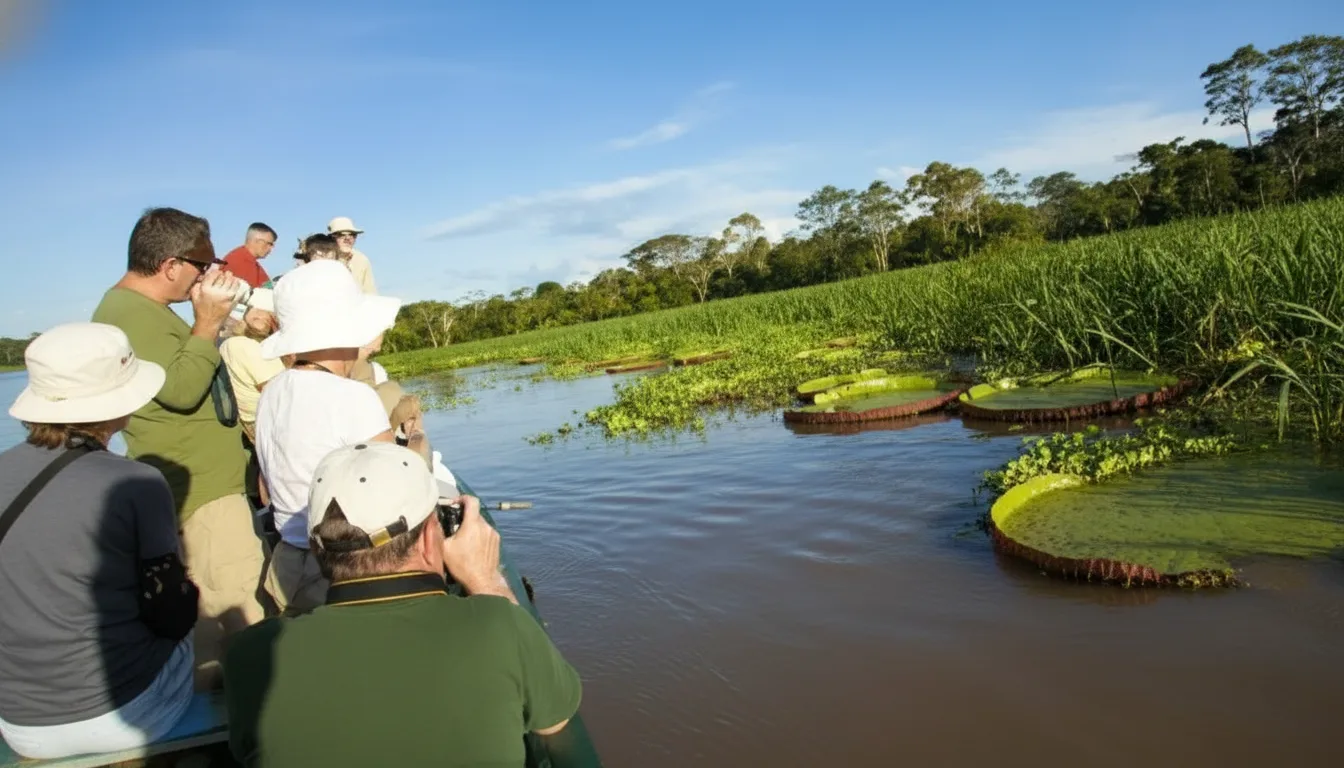
For people traveling, Lake Yanta has hiking trails, canoe trips, and swimming opportunities in the middle of dense forest. Guided walks showcase medicinal plants and local trees, while canoe rides are tranquil, and you may spot monkeys, sloths, and colorful fish in their environment.
Visit Indigenous Communities
The Pacaya Samiria National Reserve is home to more than 200 villages and approximately 120,000 people, many from indigenous backgrounds such as the Kukama-Kukamilla people, who have been living in this area for centuries. A visit to these communities is a unique opportunity to learn about sustainable living, traditional handicrafts, and the people’s rich spiritual relationship with the forest and rivers.
Tourists can also engage in cultural exchange and contribute to supporting local eco tourism and conservation initiatives.
Night Walks and Wildlife Observation
As darkness approaches, the Amazon undergoes a radical transformation. At Pacaya Samiria there are guided night walks which give you a chance to see nocturnal species like tree frogs, tarantulas, owls, and insects that glow in the dark. The sounds of the jungle become more pronounced and mystical as the stars shine above, presenting a different energy of life as the night takes hold. Several eco-lodges organize these activities to safely introduce guests to the nighttime world of the rainforest.
Tourist Circuits and Routes
To facilitate responsible tourism, the Pacaya Samiria National Reserve has designated a number of officially recognized visitation sites. Each circuit provides access to varying ecosystems and communities, and wildlife viewing opportunities.
Yanayacu-Pucate Basin
The Yanayacu-Pucate Basin is the most popular for visitors. This route originates in the community of Veinte de Enero, kilometer 31, near Nauta, and continues towards El Dorado Lagoon. Along these routes, visitors will find opportunities for eco lodges and camping areas, canoe excursions through narrow waterways lined with oversized trees, and other amenities. This circuit is excellent for observing the pink dolphin, parrots, and river turtles.
Samiria River Basin
The Samiria River Basin is located in the lower and middle part of the Samiria River, which encompasses Yarina and Fortuna Lakes. In this area, travelers can visit different lagoons, interact with communities of the Kukama-Kukamilla culture, and see different species like macaws, herons, and capuchin monkeys. Canoe rides and guided hikes are the best way for travelers to experience the biodiversity of this ecosystem.
Lower Pacaya Basin
The Lower Pacaya Basin part of the pristine heart of Pacaya Peru is considered one of the least disturbed parts of the reserve. Listed for its flooded forests, large trees grow partially immersed in water for several months of the year. This circuit will appeal to travelers looking for an immersive wilderness experience. Wildlife sightings in the area are frequent and include river dolphins, giant otters, and flocks of migrating birds.
Frequently asked questions about Pacaya Samiria National Reserve: everything you need to know
It’s located in the Loreto region of Peru, about 308 km from Iquitos, between the Marañón and Ucayali rivers in the heart of the Amazon rainforest.
You can spot pink river dolphins, sloths, macaws, caimans, monkeys, and even the giant paiche fish one of the largest freshwater species in the Pacaya Samiria Reserve.
Travelers reach it from Iquitos by road to Nauta, then continue by boat along the Marañón River. All visits must be with a licensed guide or authorized tour.
The dry season (May–October) is ideal for hiking and boat trips. The rainy season (November–April) offers lush landscapes and easier wildlife sightings.
Yes, there are several Pacaya Samiria Amazon lodges offering eco-friendly stays with guided excursions, river tours, and cultural experiences with local communities.