10 Tourist Places to Visit in Lima
The capital of Peru, Lima, is a city where its history and modern life coexist together so effortlessly. Lima is called the City of Kings and is a captivating mix of pre-Columbian ruins, colonial architecture, and modern life. Hundreds of years of tradition strive side by side with modern life; ancient temples rise next to skyscrapers, and local markets sit next to fine dining restaurants. This makes it one of the most fascinating tourist attractions in Lima Peru and among the best places to visit in Lima Peru for travelers seeking culture and contrast.
If you are a traveler asking what you should do in Lima and whether tourist attractions in Lima Peru are worth your time, this guide outlines 10 unforgettable tourist places in Lima Peru. Each tourist location offers something different, from sites of historic significance to seaside escapes, giving any traveler an all-encompassing view of what makes Lima Peru places to visit so remarkable.
The Historic Center of Lima
Lima’s Historic Center is found in the downtown area of the city and was declared a UNESCO World Heritage Site in the year of 1988 on account of its unique colonial architecture and its significance in history. Just to stroll through the Historic Center can often seem like a journey through time. The church bells ringing, the smells of roasting coffee, and the sounds associated with musicians in the streets create a special ambiance that makes it one of the most unforgettable Lima tourist attractions.
Plaza Mayor and Colonial Landmarks
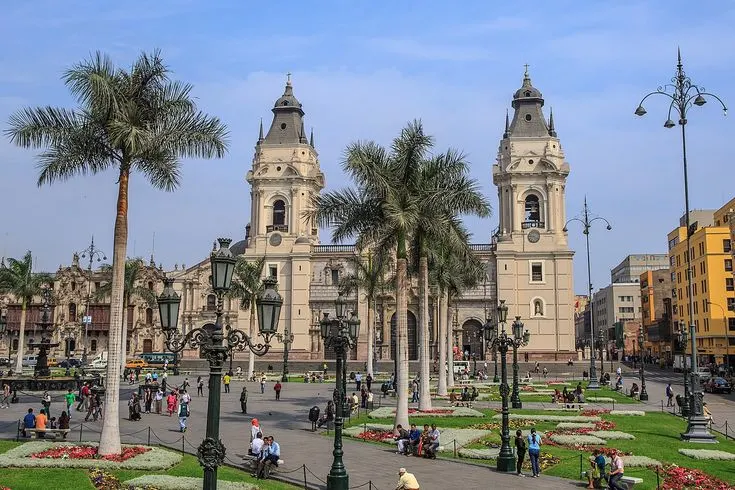
The Plaza Mayor, also called the Plaza de Armas, is surrounded by some of Lima’s most important buildings: the Government Palace, the Cathedral of Lima, and the Archbishop’s Palace. Their elegant balconies and carved wooden facades tell the story of the Spanish colonial era.
Nearby, the San Francisco Church and Convent stands out with its underground catacombs, a mysterious and fascinating site that preserves the remains of Lima’s early inhabitants. The interior holds a beautiful library with centuries old books and religious paintings that depict the deep spirituality of colonial Lima, making it one of the top attractions in Lima Peru.
Culture and Cuisine
This area of the city is also a culinary center, with traditional restaurants serving classic Peruvian food, such as anticuchos, lomo saltado, and ají de gallina. Small cafés may sell local desserts and artisan coffee. The mix of architecture, history, and gastronomy makes the Historic Center one of the most fascinating Lima Peru points of interest to walk through.
The Magic Water Circuit
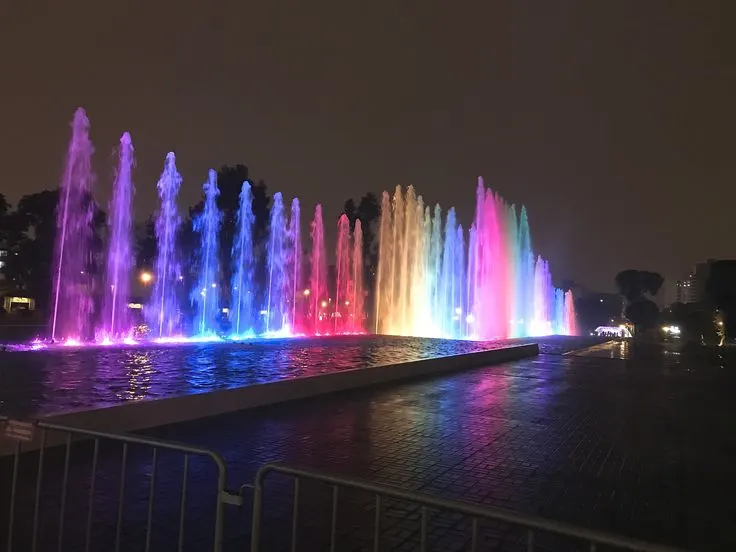
Situated within Parque de la Reserva in the Jesús María district is the Magic Water Circuit, one of the most family-friendly attractions in Peru Lima. It is a dazzling spectacle of light, color, and sound that transforms the night into an outdoor exhibition.
The park consists of 13 interactive fountains in which water, music, and lasers perform artistic shows. Some of the fountains even allow the public to traverse tunnels made of water or interact with sprays from the fountain. Therefore, it is suitable for both adults and children alike.
The entrance fee is affordable and the park is open daily from 2 p.m. to 10 p.m.. So it’s a great evening plan after visiting the museums of the city or having dinner nearby. The Magic Water Circuit is also recognized by the Guinness World Records as the largest fountain complex in the world, so it’s an attraction that should not be missed during your time in Lima tourist highlights.
The Exposition Park
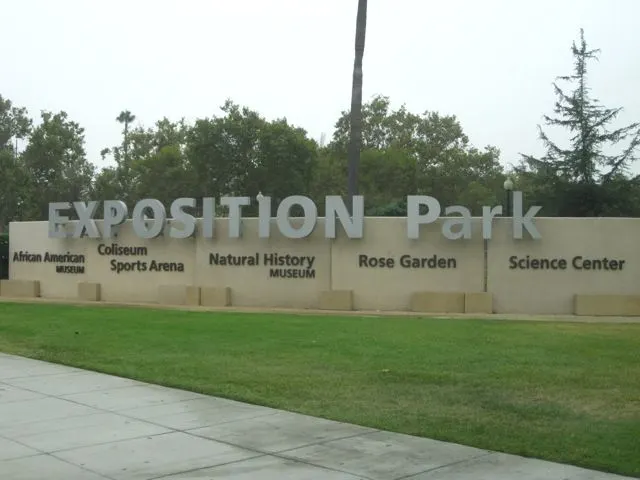
The Exposition Park, or Parque de la Exposición, is located just outside the downtown district of Lima and is a historic green space that is filled with art and architecture. It opened in 1872 to celebrate Peru’s first international exhibition and has become one of the distinguishing parks of the city, ranking high among the places to visit in Lima.
Art and Heritage
Within the park, you will notice some prominent museums, including the Lima Museum of Art (MALI). MALI displays over 17,000 pieces of art that represent a timeline of Peru’s history from pre Columbian to contemporary. Additionally, the Metropolitan Museum of Lima and the Museum of Italian Art are located in the park creating various cultural experiences.
The architecture features both republican and neoclassical styled structures with accompanying decorative pavilions, along with sculptures and gardens reminiscent of the elegance of 19th century Lima.
Cultural Importance
Designated a Cultural Heritage Site in 2006, the park retains the traditions of holding art fairs, concerts, and exhibitions outdoors. It remains an oasis of tranquility among the city’s hectic streets, while reaffirming Lima’s commitment to maintain its cultural heritage and artistic charm as part of the top attractions in Lima Peru.
The Green Coast
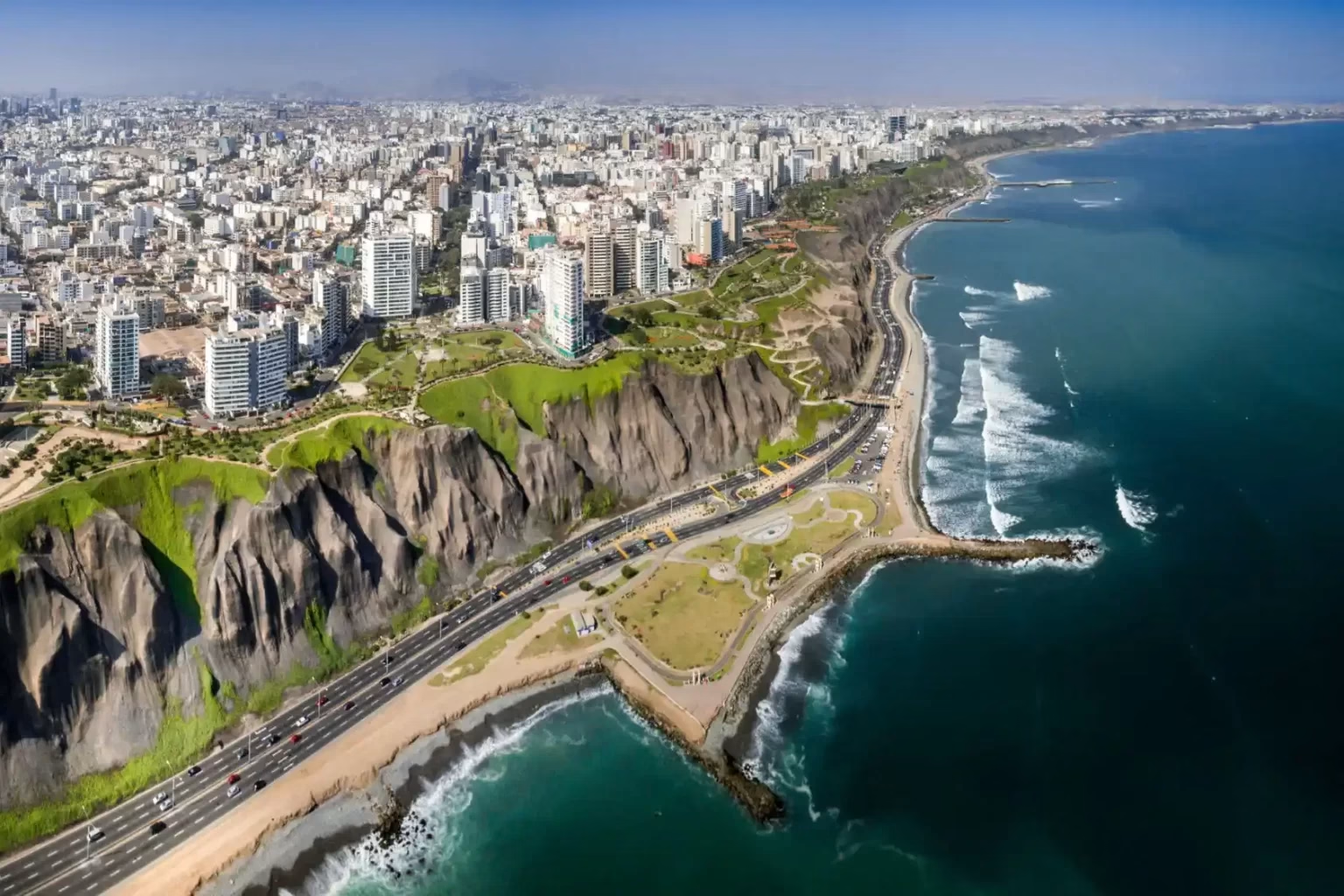
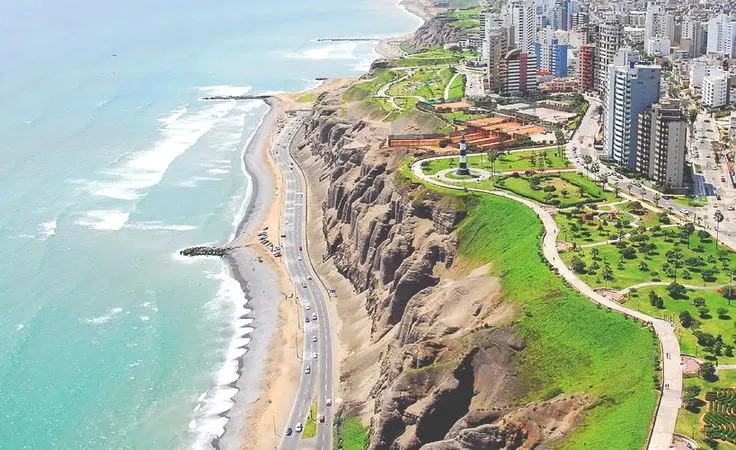
The Costa Verde is Lima’s picturesque coastal stretch that extends for miles alongside the Pacific Ocean and combines districts like Miraflores, Barranco, and Chorrillos. It’s a local hotspot for exercise and surfing, and of course, stunning ocean sunsets, one of the most scenic Lima Peru places to visit.
Beaches and Adventure
Lima’s Costa Verde beaches are some of Lima’s best areas for outdoor recreation. Surfers can catch waves year-round and paragliders can fly high above the cliffs. You can also rent bikes or simply walk along the pathway that runs parallel to the ocean, with views of the sea and fresh air all around you.
Dining and Views
Overlooking the cliffs, Larcomar is a shopping and restaurant complex built right into the side of the rock. Restaurants feature Peruvian seafood and fusion dishes, and, importantly, allow for a view to the Pacific Ocean. The sunset at Larcomar is among the best places to visit in Lima Peru. Just a short walk will lead you to Kennedy Park, a hub of activity with street music, market atmosphere, and art.
The Huaca Pucllana
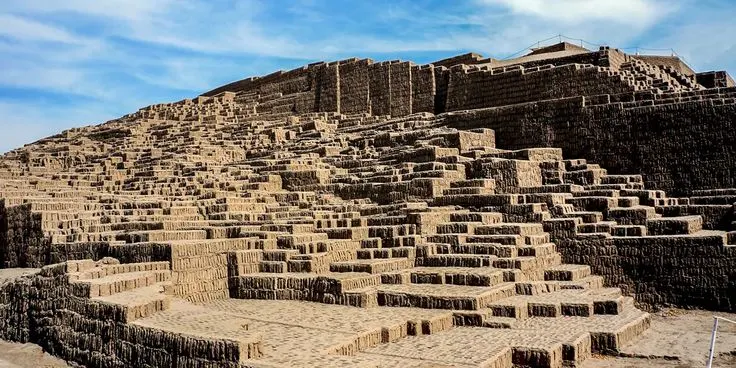
The Huaca Pucllana, one of the pre-Inca pyramids made entirely out of adobe bricks, is located in the middle of the current-day Miraflores district. The archaeological site provides an interesting window into old Lima before the Incas and the Spanish.
An Ancient Pyramid in Miraflores
This Lima Culture pyramid was constructed between 200 and 700 AD and served as a ceremonial and administrative center. The terraced pyramid was constructed of clay bricks set vertically in order to be earthquake-resistant. Archaeologists are still finding tombs, ceramics, and artifacts that give us a glimpse into the early coastal civilizations.
What You’ll Find
- Museum of Archeology, populated with the Lima culture´s artifact collection.
- Park, on native flora and fauna that conserves local species.
- Artisan store for handmade Andean artisanship.
- Restaurant offering Peruvian fare with pyramid views.
- Hours: Monday, Wednesday, Friday, Saturday, and Sunday, 9 AM – 4:15 PM.
Huaca Pucllana is an arresting archaeological site that diffuses ancient tradition and urban life, and is simply a must-see for anyone with an interest in early civilizations in Peru and in discovering true Lima tourist attractions.
Kennedy Park
Kennedy Park acts as the social heart of Miraflores, lively from sunrise to sundown. Locals flock to watch the music, buy handmade arts and crafts or luxuriate in the shade of the palm trees.
The Heart of Miraflores
Parque Kennedy, centrally located in Miraflores, is adored by locals and visitors alike. It is an excellent destination for couples, families, and anyone looking to unwind. The park is consistently surrounded by cafes, restaurants and art vendors who create a vibrant energy day and evening. Musicians, painters, and street vendors add color and sound, transforming the space into one of Lima’s most vibrant and inviting Lima tourist attractions.
What to Expect
The park is known for its sizeable number of resident cats that prowl the grounds and playground area, making it a homey and friendly environment. You will find dozens of restaurants, cafés, and street vendors selling desserts such as picarones and mazamorra morada close by. During the weekend local artists sometimes set up stalls with paintings and jewelry, creating a milieu of outdoor artwork.
Kennedy Park is also located by major hotels, so it is a natural place to meet for travelers. It is the perfect place to view Lima’s daily life and its cosmopolitan yet friendly character.

Bridge of sighs in Barranco
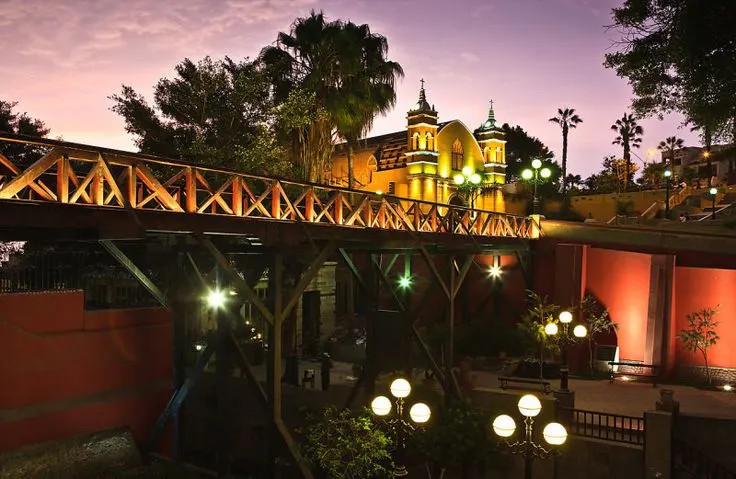
The Bridge of Sighs is undoubtedly one of the most famous and romantic top attractions in Lima Peru, reflecting all the charm and character of Barranco’s bohemian district. Surrounded by colorful colonial-style homes and street art, it embodies creative spirit of the city and the easygoing pace of life by the sea.
A Romantic and Cultural Landmark
The Bridge of Sighs (Puente de los Suspiros) is the most beautiful landmark in Lima. Built in 1876, it connects two ancient streets in Barranco, Lima’s bohemian neighborhood, renowned for its artistic culture. Legend has it that if you remain silent on crossing the bridge for the first time, your dream will come true.
Nearby Attractions
Close to the bridge, you can find the Chabuca Granda Monument, in honor of the mythical Peruvian singer, and the Catalina Recavarren viewpoint, which boasts great views of the Pacific Ocean. The nearby streets are filled with murals, museums, and cozy cafes where you can enjoy live music in the evening. This is where you find Lima’s romantic and artistic face.
Monumental Callao
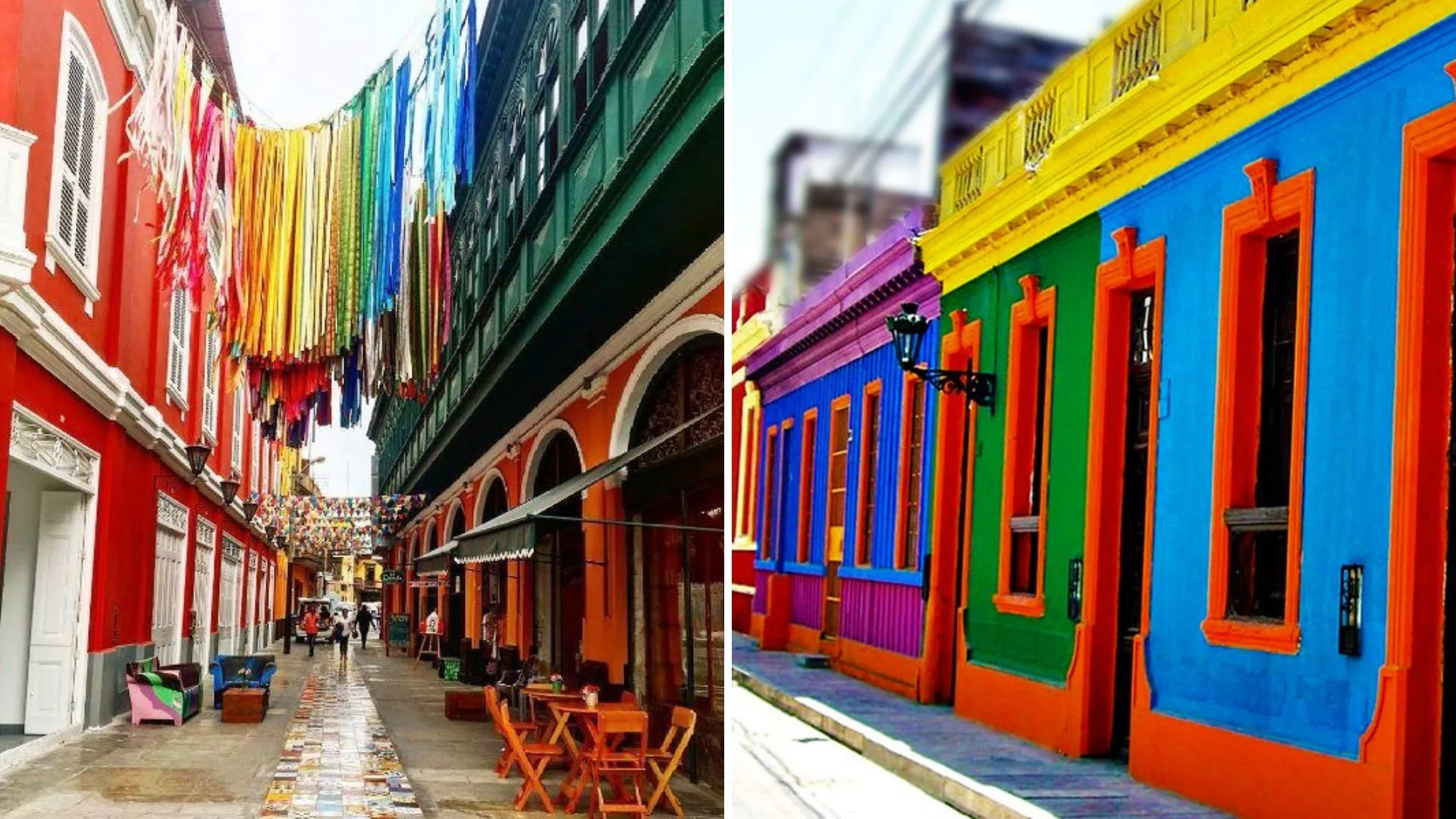
The Monumental Callao area is one of the most artistic and colorful places to visit in Lima, located right next to the Pacific Ocean. Once an isolated port neighborhood, it has become a cultural explosion of creativity, history, and art on every street. The juxtaposition of old colonial houses meets colorful contemporary murals provides a vibrant and genuine experience of the local identity.
Art and Color by the Sea
Monumental Callao is a cultural project in the port district that has transformed a once-declining neighborhood into a vibrant art community. The streets, murals, and galleries painted in many colors make this one of the most photogenic neighborhoods in Lima.
What to Do
Visitors can visit art studios, take workshops, and explore galleries featuring contemporary Peruvian art. Cafes and restaurants have seafood menus and live performances. Guided tours are also offered over the weekend, helping people learn about the local artists responsible for revitalizing the neighborhood. The neighborhood is a vibrant combination of creativity, communities, and history.
Palomino Islands and the Real Felipe Fortress
Sitting just off the coastline of Callao, this amalgam of natural and historical attractions highlights Lima’s link between ocean and colonialism. You can experience marine wildlife and explore centuries of Peruvian maritime defense, all in one day trip from your stay in the city.
Palomino Islands
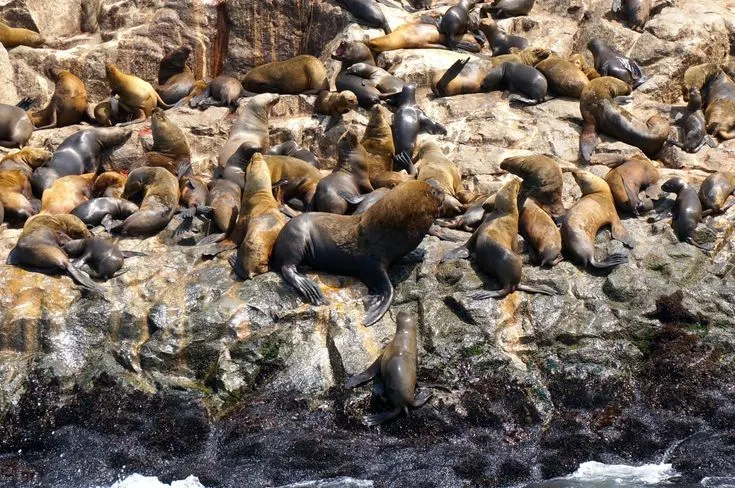
A short boat trip from the Callao pier takes you to the Palomino Islands, which are home to seabird colonies and sea lions. The three-hour tour offers close encounters with the animals and breathtaking views of Lima’s coast. Some of the tours even allow visitors to swim with the sea lions, a truly unforgettable experience with nature.
Real Felipe Fortress
Adjacent to it stands the Real Felipe Fortress, a premier specimen of South America’s colonial military architecture. Built in the 18th century to protect the port from pirates, it is now a museum. Inside can be seen ancient arms, uniforms, and exhibits that chronicle the history of Spanish defense in the Pacific. It is one of the most historic Lima Peru points of interest and a perfect blend of history and sea adventure.
Pachacamac Archaeological Complex
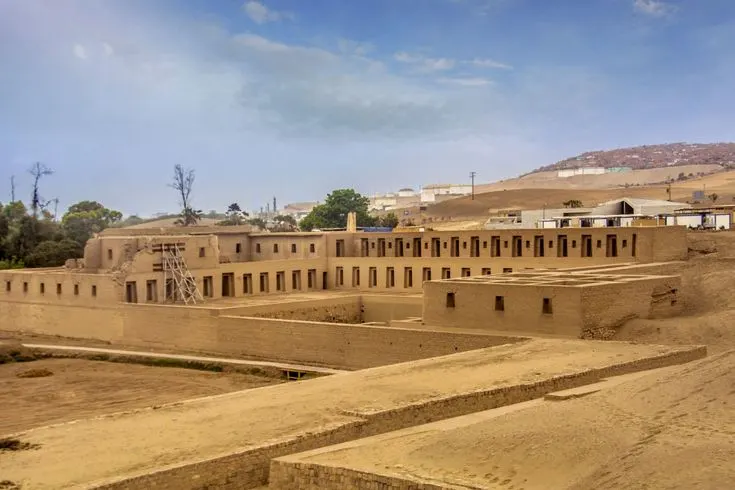
Positioned only 40 kilometers southeast of Lima, the Pachacamac Archaeological Complex is among Peru’s most significant pre-Columbian pilgrimage centers. It is a reminder of the civilizations that existed long before the Inca, where people would travel long distances to venerate the creator god, Pachacamac. The site nicely brings together history, spirituality, and impressive views of the valley and Pacific Ocean.
Attractions for Visitors
Pachacamac, located 40 kilometers (25 miles) southeast of Lima, was an important pilgrimage site long before the development of the Inca Empire, as the location of Pachacamac, the creator god of the earth. Indigenous people from multiple Andean regions traveled to Pachacamac as pilgrims.
What to See
The large ceremonial plazas, pyramids, and Temple of the Sun are the main structures that overlook the valley and the Pacific Ocean. The museum displays many artifacts, such as ceramics, textiles, and sculptures, that illustrate the site’s spiritual meaning. Visiting Pachacamac can help visitors to better appreciate the ancient cultures of Peru and their treatment of the forces of nature.
Frequently asked questions about 10 Tourist Places to Visit in Lima
The most popular include the Historic Center, Miraflores, Huaca Pucllana, Magic Water Circuit, and Barranco — all listed among the Lima top 10 attractions.
Yes! Barranco, Costa Verde, and Monumental Callao are the most popular spots for nightlife, surfing, and street art.
Yes, but it’s a long 20-hour journey through mountains. Most travelers prefer to fly.
Try Larcomar for international cuisine or Kennedy Park for street food and traditional desserts.
Exposition Park, Pachacamac, and Monumental Callao are amazing alternatives beyond the city center.