What Language Is Spoken in Peru and Bolivia and Indigenous Dialects
When people search what language is spoken in Peru and Bolivia, they usually expect a simple answer: Spanish. Technically correct but incomplete. Both countries are linguistically complex states shaped by colonial history, pre-Columbian civilizations, migration, and constitutional reforms.
The language spoken in Peru and Bolivia today reflects layers of Indigenous civilizations, especially Andean and Amazonian cultures, combined with Iberian influence. If we include the broader Andean region the language spoken in Peru, Bolivia and Ecuador we are talking about one of the most historically rich linguistic zones in the Western Hemisphere.
Spanish dominates public life. But Indigenous languages remain socially, culturally, and politically significant. Understanding why requires a deeper look at the history, demographics, and legal frameworks of both nations. The Inca Empire, which once stretched across much of western South America, left behind a linguistic legacy that survives to this day in millions of households, schools, and government institutions.
Official Languages Spoken in Peru and Bolivia Beyond Spanish
The official language spoken in Peru at the national administrative level is Spanish. However, Peru’s Constitution recognizes Indigenous languages as official in the territories where they predominate. This includes Quechua, Aymara, and more than 40 Am regions in peru where qechua is spoken azonian Indigenous languages that are protected by law and used in bilingual education programs.
In Bolivia, the situation is even more expansive and explicit. If you are asking what is the official language spoken in Bolivia, the legal answer under the 2009 Constitution is: 37 official languages. Bolivia defines itself as a Plurinational State, meaning Indigenous linguistic identity is constitutionally embedded in governance, education, and public life.
| Country | Spanish | Quechua | Aymara | Other Indigenous | Constitutional Recognition |
|---|---|---|---|---|---|
| Peru | Yes | Yes (regional) | Yes (regional) | 40+ | Official where predominant |
| Bolivia | Yes | Yes | Yes | 30+ | All recognized nationally |
What Is the Main Language Spoken in Peru and Government Status
If you are asking what is the main language spoken in Peru from a strictly demographic standpoint, the primary language spoken in Peru is Spanish. Approximately 80% of the population speaks Spanish as their native language, and it is the most widely used language in government, media, business, and academia.
However, Spanish is not the only language of national significance. The second most widely spoken language in the country is Quechua, which is a co-official language in many Andean provinces. The Peruvian government has made concerted efforts to promote bilingual education in Indigenous-majority provinces, particularly in the highland provinces of Cusco, Ayacucho, Apurímac, Huancavelica, and Puno.
The main language spoken in Peru also varies by generation. In rural highland communities, the predominant language spoken by senior citizens may be Quechua or Aymara, while their grandchildren may speak only Spanish. This is a characteristic feature of the language preservation dilemma in the country.
What Language Is Spoken in Bolivia and its Plurinational Constitution
If you search what language is spoken in Bolivia, Spanish is listed first. However, Bolivia’s 2009 Constitution, which declared the country a Plurinational State, represents one of the most radical linguistic recognitions in Latin American history.
The official framework now includes 36 Indigenous languages alongside Spanish, bringing the total to 37 official languages. This means that government bodies, public services, and educational institutions are legally required to operate in at least two official languages typically Spanish plus the dominant regional Indigenous language.
In practice, Spanish dominates in cities like Santa Cruz, La Paz, and Cochabamba. But Quechua is widespread in Cochabamba and Potosí; Aymara dominates the Altiplano; and Guaraní holds strong in the eastern lowlands.
What Type of Spanish Is Spoken in Peru and Bolivia Compared to Spain
If you are asking what type of Spanish is spoken in Peru, it is a part of the Latin American Spanish dialects. Peruvian Spanish is widely regarded as one of the clearest and most neutral varieties in Latin America, which makes it particularly attractive for language learners.
Key features include clear enunciation and strong lexical influence from Quechua (words like choclo, pampa, and cancha are widely used). Bolivian Spanish is similarly influenced by Indigenous languages; highland varieties are shaped by Aymara phonetics, while eastern dialects (Santa Cruz) are closer to Paraguayan and Argentine varieties.
Neither country uses the Castilian pronunciation from Spain (the distinctive ‘th’ sound for ‘c’ and ‘z’). The clear and well-enunciated variety spoken in Peru is considered highly accessible for students of the language.
What Languages Are Spoken in Peru by Region and Population
If you are analyzing what languages are spoken in Peru, geography is essential. Peru is one of the most geographically diverse countries in the world, and it is broken down into three main areas: the Costa (coast), the Sierra (highlands), and the Selva (jungle), each of which has its own unique linguistic makeup.
The spoken languages in Peru reflect this diversity profoundly. Spanish is the dominant language in the coastal regions and in the cities, while Quechua and Aymara are still widely spoken in the highlands, and numerous Amazonian languages are still spoken in the jungle regions. This naturally means that when one asks about languages spoken in Peru, a regional division must be taken into account.
| Region | Primary Language | Secondary Languages | Indigenous Presence |
|---|---|---|---|
| Coast (Lima, Trujillo) | Spanish | — | Low |
| Andes (Cusco, Ayacucho) | Spanish + Quechua | Aymara (south) | High |
| Amazon (Loreto, Ucayali) | Spanish | 40+ Indigenous languages | Very High |
| Puno / Lake Titicaca | Spanish + Aymara | Quechua | High |
Regions in Peru Where Quechua Is Spoken and Indigenous History
If you are looking for the regions in Peru where the Quechua language is spoken, the answer would be the entire Andean corridor. Quechua is primarily concentrated in Cusco, Ayacucho, Apurímac, Huancavelica, Puno (northern zones), and Ancash. These departments in the highlands have the largest percentage of Quechua speakers, with some areas where Quechua is the main language spoken.
Quechua was the language of administration in the Inca Empire. When the Spanish colonized Peru in the 16th century, Quechua was actually employed by Catholic missionaries as a lingua franca to communicate with the Indigenous peoples, which inadvertently spread the language to new territories.
Modern Quechua is actually a group of related languages. It is classified into Quechua I (highlands of central Peru) and Quechua II (southern and northern dialects). These dialects are not necessarily mutually intelligible, making it more complicated to preserve.
Difference Between Language Spoken in Lima Peru and Cusco Highlands
The language spoken in Lima is predominantly Spanish. As the political and economic capital, it is almost entirely Spanish. Although there are Indigenous languages because of migration, they are not commonly spoken in public administration and business.
Conversely, the language spoken in Cusco is a reflection of a strongly bilingual culture. In the city proper, Spanish is dominant, but in the surrounding countryside and the Sacred Valley, Quechua is widely spoken as the primary and, in some cases, only language.
This is a huge difference for the traveler or professional. A service delivered in only Spanish may be adequate for the residents of Lima but potentially ineffective for communicating with Cusco residents who speak Quechua.
Other Languages Spoken in Peru Amazon and Jungle Communities
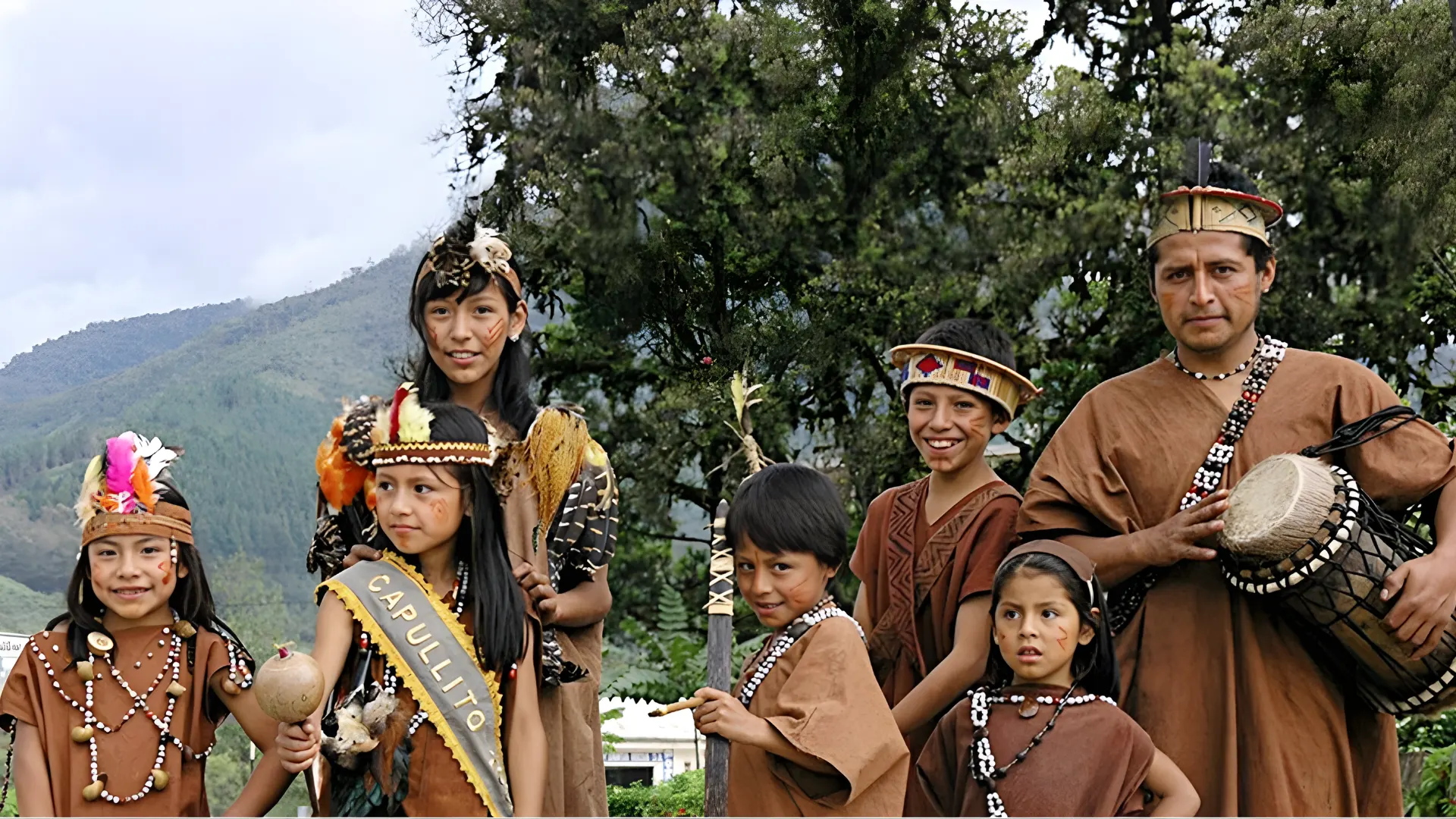
The jungle areas of Peru, which constitute more than half of Peru’s territory, are home to dozens of different Indigenous language-speaking communities. The main Amazonian languages are Asháninka, Shipibo-Konibo, Awajún, Yine, and Matsés.
These languages are seriously endangered. The number of speakers of most of them is less than 10,000, and some of them have fewer than 1,000 speakers. Urbanization and Spanish-dominated education systems have contributed to the loss of these languages in the past decades.
It is estimated that at least 15 Amazonian languages in Peru are critically endangered. These languages contain unique knowledge of the Amazon basin’s ecology and history.
What Languages Are Spoken in Bolivia and Indigenous Diversity
If you search what languages are spoken in Bolivia, the official answer is 37. But understanding how many languages are spoken in Bolivia in practical everyday terms requires looking at regional demographics, urbanization patterns, and political dynamics.
Bolivia has one of the highest percentages of Indigenous self-identification in all of South America. According to national census data, more than 40% of Bolivians identify as belonging to an Indigenous people or nation. Unlike many countries where Indigenous language use declined sharply after independence, Bolivia’s strong movements helped maintain multilingualism as a national value.
The languages spoken in Bolivia can be broadly grouped by geography. Western highland languages (Spanish, Quechua, and Aymara) are the most widely spoken, while Eastern lowland languages (Guaraní, Chiquitano, and Mojeño) are significant in the Santa Cruz, Beni, and Chuquisaca departments.
| Language | Region | Approx. Speakers | Status |
|---|---|---|---|
| Spanish | National | ~7–8 million | Official |
| Quechua | Highlands (Cochabamba, Potosí) | ~2.5 million | Official |
| Aymara | Altiplano (La Paz, Oruro) | ~2 million | Official |
| Guaraní | Eastern lowlands | ~150,000 | Official |
| Chiquitano | Santa Cruz dept. | ~60,000 | Official |
| Mojeño | Beni dept. | ~30,000 | Official |
The Important Indigenous Language Spoken in Bolivia and Parts of Peru
The most important Indigenous language spoken in Bolivia and parts of Peru beyond Quechua is Aymara. Aymara is the dominant language of the Bolivian Altiplano and the regions around Lake Titicaca, which lies on the border of both countries.
Historically, the Aymara language was spoken over a much larger region before the Inca expansion. Today, speakers of Aymara continue to have a strong cultural identity that is inextricably linked to the Altiplano environment and the spiritual traditions of the Aymara cosmology.
In Bolivia, the election of Evo Morales in 2005 provided massive symbolic and political recognition to the Aymara-speaking population, promoting Indigenous languages in the country’s education reforms.
What Language Is Spoken in La Paz Bolivia and Lake Titicaca
If you are asking what language is spoken in La Paz, the answer depends on the district. Central La Paz is primarily Spanish-speaking, especially in government and commercial areas. However, the city of El Alto the sprawling urban center adjacent to La Paz is predominantly Aymara-speaking.
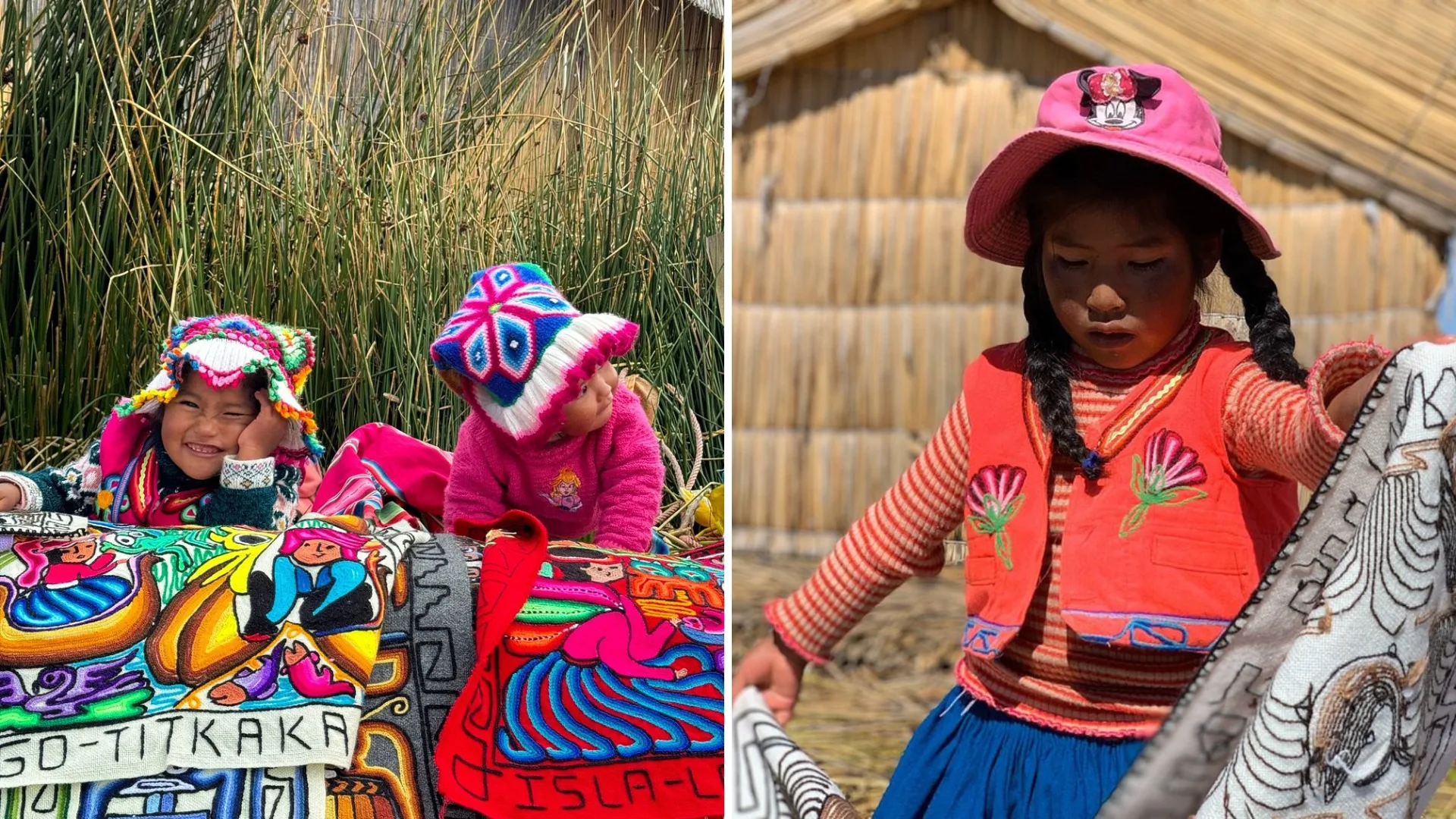
The language mainly spoken in Bolivia near Lake Titicaca is Aymara. The communities around the lake, both on the Bolivian side and the Peruvian side (Puno), have maintained Aymara as their primary household language for generations. The lake itself is considered the birthplace of the sun according to traditional cosmology.
List of Languages Spoken in Bolivia Recognized by the State
The official list includes all 37 languages with constitutional recognition. While not all are widely spoken, each has legal protection. The most significant include:
- Spanish — Dominant in urban and administrative contexts.
- Quechua — Widespread in highland departments.
- Aymara — Dominant in the Altiplano region.
- Guaraní — Strong in the eastern lowlands.
- Chiquitano — Spoken in Santa Cruz department.
- Mojeño — Spoken in the Beni department.
- Uru — Ancient language of Lake Titicaca communities.
- Tacana — Spoken in northern Bolivia.
- And 29 additional recognized Indigenous languages.
Bolivia’s approach demonstrates that linguistic recognition can be constitutionally ambitious. The country’s policy serves as a model for Indigenous language rights in Latin America.
Is English Spoken in Peru and Bolivia for Tourists and Travelers
If you are wondering is English spoken in Peru or is English spoken in Bolivia, the answer is partial but useful for tourism. English is not commonly spoken as a native language in either country, but in the tourism industry, it is becoming more common.
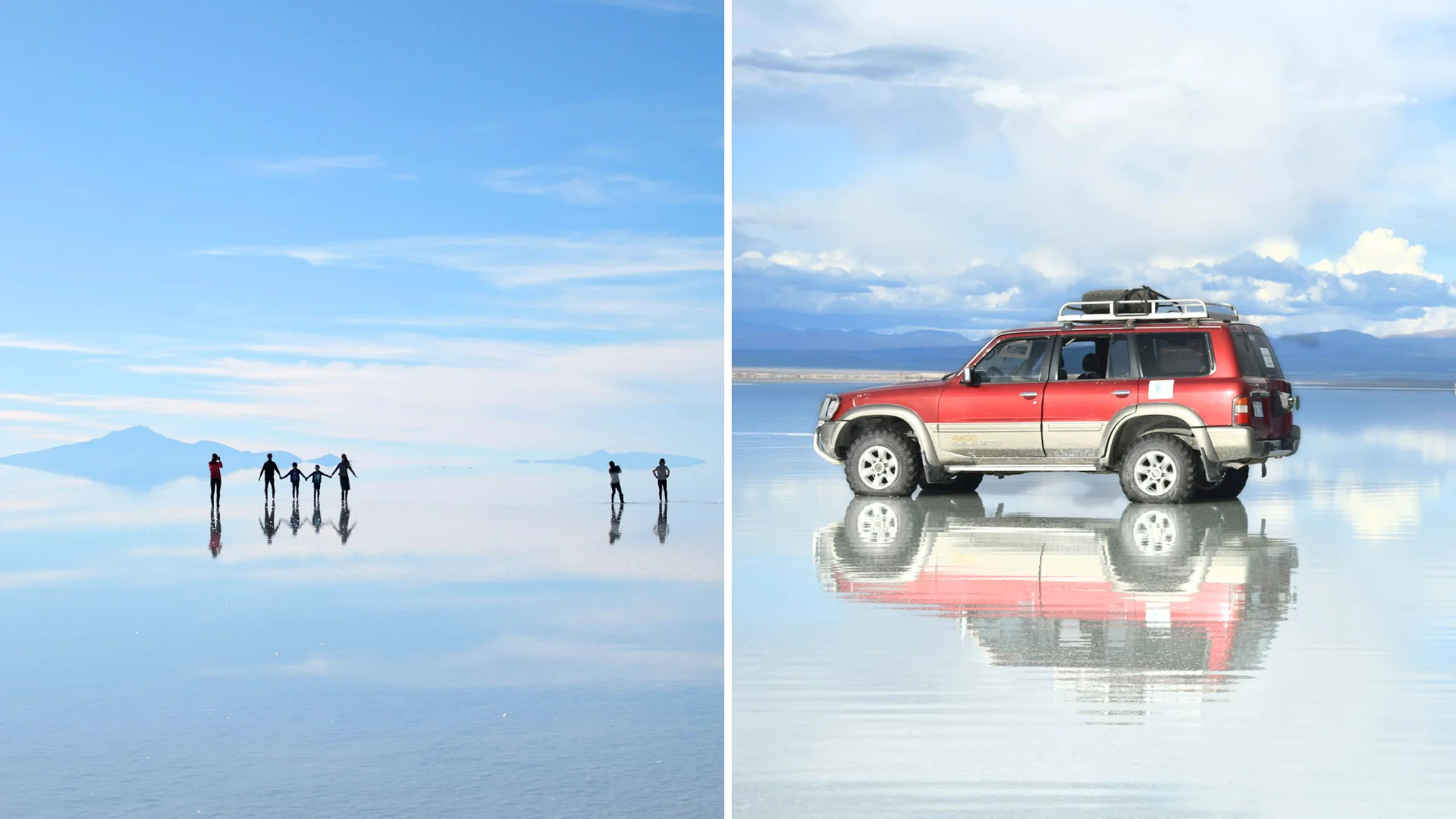
Peru is more English-friendly for international tourists, especially in Lima and Cusco, which get millions of tourists per year. Bolivia, while becoming more popular with tourists for the Uyuni Salt Flats and La Paz, is likely to have lower English proficiency levels in general, outside the tourist circuits.
If you are planning to travel independently outside the main tourist areas, it is highly recommended that you learn some basic Spanish phrases or hire a guide. The farther away you are from the main tourist areas, whether in the Andes or the Amazon, the less likely you are to encounter English speakers.
How Much English Is Spoken in Peru Hotels and Tourist Areas
If you ask how much English is spoken in Peru, the response depends on the situation and location. In five-star hotels, international restaurants, and large tour companies in Lima and Cusco, English language proficiency is high. Employees are usually trained to serve foreign visitors, and menus and signs are bilingual.
At Machu Picchu and other large Inca ruins, tour guides are commonly conversant in English, Spanish, and sometimes other languages. This is a necessary skill for licensed tour guides in UNESCO World Heritage sites.
But is English spoken in Peru, in Lima in a regular, everyday situation? The response is not as clear in the non-tourist world. Although young, educated Peruvians are learning English in increasing numbers, English language proficiency is low in working-class and rural areas.
| Location | English Level | Notes |
|---|---|---|
| Lima (luxury hotels) | High | Professionally trained staff |
| Cusco (tourist zones) | Moderate to High | Guides often multilingual |
| Machu Picchu | High | Licensed guides required |
| Rural Andes | Low | Spanish/Quechua essential |
| Amazon lodges | Moderate | Eco-tourism staff trained |
| Bolivia (La Paz hotels) | Moderate | Tourism-focused areas |
| Uyuni Salt Flats | Moderate | Tour agencies prepared |
Language Barriers and If French Is Spoken in Peru or Bolivia
If you are asking is French spoken in Peru, the answer is: not practically, outside of academic or diplomatic contexts. French is occasionally taught in private schools and universities, but it is not a functional language for everyday communication.
The same applies to Bolivia. The languages spoken in Peru other than Spanish are overwhelmingly Indigenous Quechua, Aymara, and Amazonian languages not European. French, German, or Italian may be encountered in international business settings, but they play no significant role in daily life.
For travelers from French-speaking countries, the practical language for communication will be Spanish. Other languages spoken in Bolivia include only Indigenous varieties alongside Spanish at the national level. Language learning resources for Quechua and Aymara are increasingly available online for those who want to connect more deeply with local communities.
Statistics on How Many Languages Are Spoken in Peru and Bolivia
If you want precise numbers: how many languages are spoken in Peru? Around 48 Indigenous languages plus Spanish, for a total of approximately 49 recognized languages. Approximately 47 Indigenous languages remain actively spoken, though many are critically endangered.
In Bolivia, there are 37 officially recognized languages under the Constitution. Both countries are home to remarkable linguistic diversity that is increasingly recognized as a cultural treasure and a subject of urgent preservation concern.
The number of languages spoken in Peru has been declining over the past century due to urbanization and the dominance of Spanish. Peru’s Ministry of Culture maintains an official registry and has classified many as vulnerable or endangered based on speaker population trends.
Percentages of Languages Spoken in Peru and the Top 3 List
These are the top 3 languages spoken in Peru by population, representing the vast majority of the country’s speakers:
| Rank | Language | Approximate % of Population | Speaker Estimate |
|---|---|---|---|
| 1 | Spanish | ~80% | ~25 million |
| 2 | Quechua | ~13% | ~4 million |
| 3 | Aymara | ~2% | ~630,000 |
| 4+ | Amazonian Languages | ~1–2% combined | ~300,000–600,000 |
These percentages reflect first-language usage. Bilingualism is common in many regions, meaning the number of people who speak Quechua or Aymara as a second language is significantly higher.
What Are the Top 3 Languages Spoken in Bolivia by Percentage
In Bolivia, bilingualism is extensive, so percentages often overlap. National surveys provide the following distribution:
| Rank | Language | Estimated % of Population | Primary Regions |
|---|---|---|---|
| 1 | Spanish | ~65–70% | National (urban dominant) |
| 2 | Quechua | ~20% | Cochabamba, Potosí, Oruro |
| 3 | Aymara | ~15% | La Paz, Oruro, Altiplano |
| 4 | Guaraní | ~2% | Santa Cruz, Chuquisaca |
| 5+ | Other Indigenous | <1% each | Various regions |
Many Bolivians speak both Spanish and an Indigenous language at home, which is why the percentage total exceeds 100%.
Second Most Spoken Language in Peru and Endangered Dialects
The second most spoken language in Peru is Quechua. It occupies a special place as the dominant language of the pre-Columbian period and a contemporary language of education, media, and music.
However, many Indian languages in Peru face great risk. Amazonian languages with small speaker communities, like Taushiro, are considered functionally extinct. Others, such as Urarina, Kakataibo, and Arabela, are seriously endangered.
Final Perspective: A Multilingual Andes
Spanish is the majority language in both countries, used in government, commerce, and education. But the deeper answer is that both Peru and Bolivia are profoundly multilingual nations built on Indigenous foundations that predate European arrival by thousands of years.
Quechua, Aymara, Guarani, and scores of Amazonian languages are not dead languages of the past but are living languages that are part of the identity, cosmology, and dignity of the people.
The Plurinational Constitution of Bolivia is one of the most sophisticated models of linguistic recognition in the world. The bilingual education initiatives and Indigenous language registry of Peru are steps in the right direction. Both countries are walking the tightrope between modernization and preservation.
When you travel to the Andes, you will hear Spanish all around you. However, if you go beyond the capital cities, into the highlands of Cusco, the Altiplano around Lake Titicaca, or the Amazonian regions, you will experience living languages that hold the memory of ancient civilizations.
Frequently asked questions about What Language Is Spoken in Peru and Bolivia and Indigenous Dialects
Spanish is the main official language in both countries. Peru also recognizes Quechua and Aymara regionally, while Bolivia’s 2009 Constitution officially recognizes 37 languages, including Spanish and 36 Indigenous languages.
Yes. Quechua is spoken by approximately 4 million people in Peru and 2.5 million in Bolivia, making it the most widely spoken Indigenous language in the Americas. It remains active in schools, media, and daily life in highland communities.
English is spoken in tourist areas, major hotels, and sites like Machu Picchu and Uyuni, but it is not common in everyday life. Outside tourist hubs, basic Spanish is essential for communication.
Quechua was the language of the Inca Empire and is spoken across the Andes from Ecuador to Argentina. Aymara is a separate language concentrated around Lake Titicaca and the Bolivian Altiplano, the two are not mutually intelligible.
Peru has at least 15 critically endangered Amazonian languages with fewer than 100 speakers each. Both countries have revitalization programs, but urban migration and Spanish-dominant education continue to threaten smaller Indigenous languages.