
Huánuco, Peru: History, Tourism, and Unique Experiences
Huánuco, Perú, holds hidden corners that few travelers dare to discover, and today we share them with you openly. In this blog, I’ll explain why this valley has the most pleasant climate in the country and how its history can change the way you see the Andean world. Additionally, we provide tips so you can explore its breathtaking landscapes without complicated routes or strenuous treks. So, if you’re looking for a destination that blends calm and genuine adventure, stay with us this journey is just beginning.
Huánuco Peru: Journey from the Temple of the Crossed Hands to the Central Jungle.
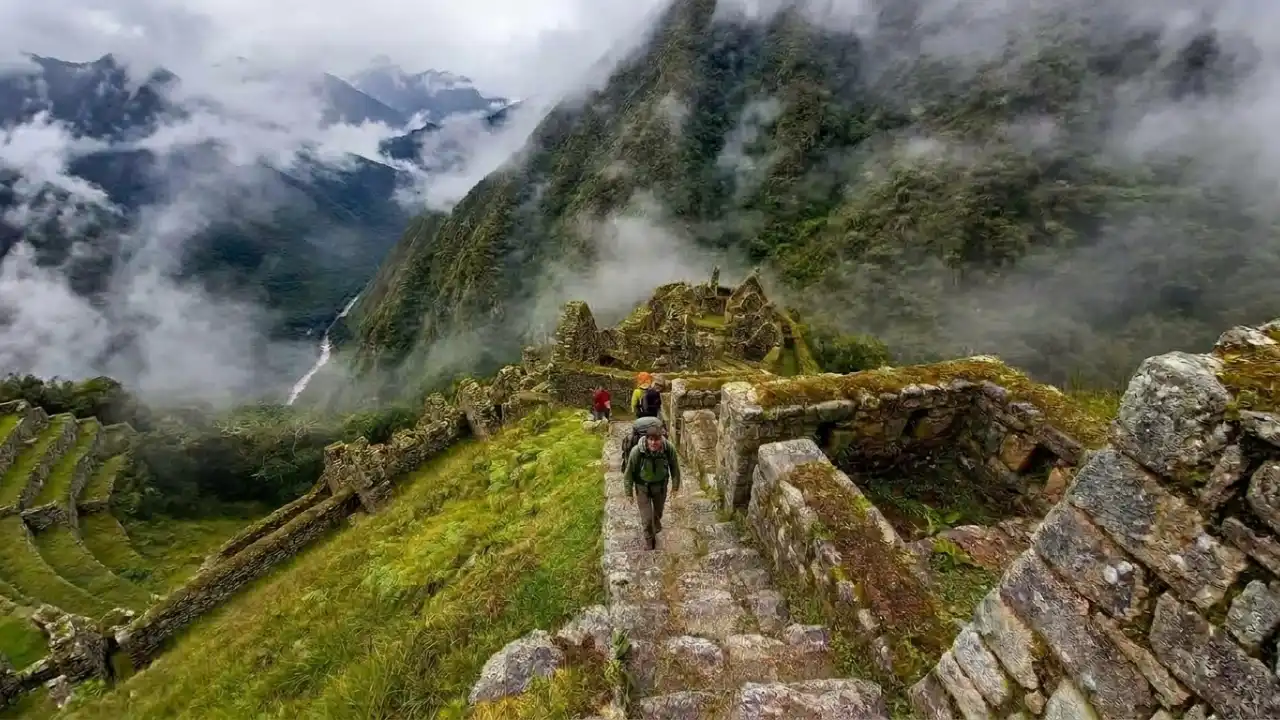
Huánuco, Peru offers a cultural experience that ranges from the Temple of the Crossed Hands in Kotosh to the Inca grandeur of Huánuco Pampa. Here, you’ll learn everything from how to get there safely to which trails will reward you with the best photos of your life. Plus, we’ll reveal the secrets of its lagoons, archaeological sites, and the traditional dishes that will delight your palate. So pack your backpack and join us in exploring this springlike land.
What does the name Huánuco mean?
The origin of the name “Huánuco” has several interesting explanations.
- On one hand, Fray Martín de Morua links it to the Quechua words “huanu” or “guano,” which mean “remains of an ancient civilization.”
- On the other hand, Guamán Poma de Ayala recounts that in Huánuco Viejo, the festival “uaco” was celebrated in honor of the “guanaco,” an animal native to the region.
Strategic location of Huánuco
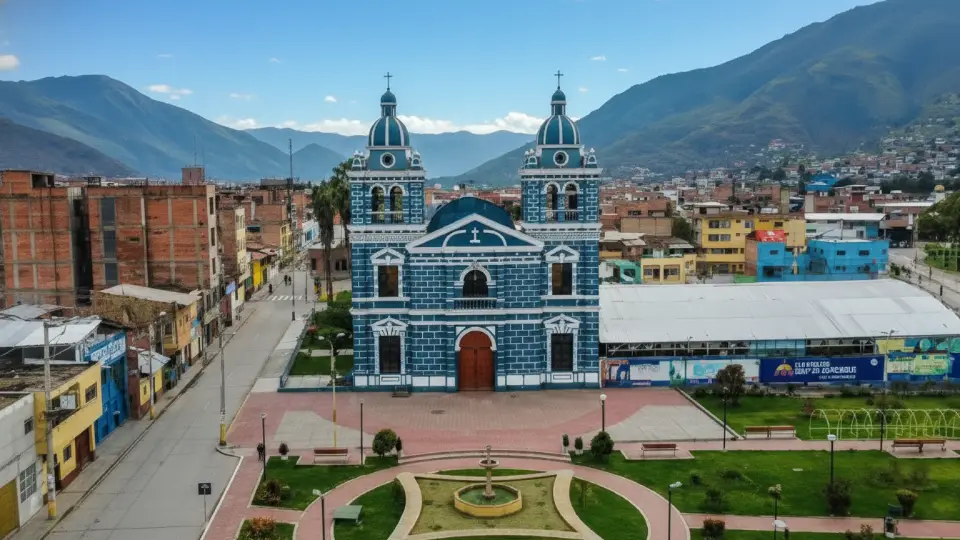
Huánuco is located in the central part of the country and also serves as a natural bridge between the highlands and the jungle. It currently has around 721,000 inhabitants distributed across 9 provinces. It also borders Áncash and Ucayali, which contributes to its rich natural diversity. On top of that, its territory is organized around three major rivers: the Marañón to the west, the Huallaga in the center, and the Pachitea to the east.
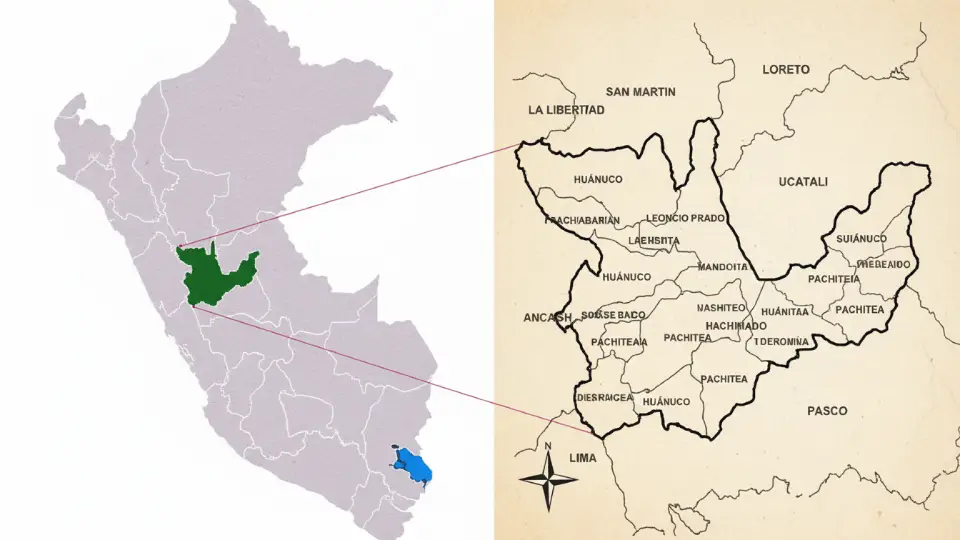
Altitude and acclimatization tips in Huánuco, Peru
The city sits at 1,894 meters (6,214 feet) above sea level. Compared to other Andean cities, this is a fairly comfortable altitude. That’s why most travelers hardly feel altitude sickness. As a result, you can adapt quickly and start exploring without difficulty. Even so, it’s always a good idea to stay well hydrated and take it easy on your first day.
What is the weather like in Huánuco, Peru?
Huánuco has a mild, semi-warm climate ranging between 64°F and 72°F (18°C to 22°C), ensuring ideal conditions for capturing spectacular photos year-round, with one main season to consider.
- Rainy season: It begins in October and lasts through April, which can affect visibility in the mountains.
When is the best time to visit Huánuco, Peru?
I recommend planning your visit between May and October to enjoy clear skies and better conditions for exploring the surrounding areas. This way, you can make the most of every activity.
Will I feel the effects of altitude in Huánuco?
In the city, hardly at all. However, if you plan to visit higher places like Huánuco Pampa (close to 3,700 meters / 12,139 feet), it’s best to acclimatize for at least a day. Also, drinking coca leaf tea and avoiding heavy meals at the beginning can help quite a bit.
How can I safely get to Huánuco from Lima?
By land
You can depart from the Plaza Norte Terminal in Lima and take the central highway. During the journey, you’ll pass through places like Ticlio, La Oroya, and Cerro de Pasco. Then you’ll descend into the Huánuco valley. The trip takes approximately 8 hours.
Important note…
Companies such as Bahía Continental, Cruz del Sur, and Oltursa offer safe routes. If you prefer, traveling overnight is a great option so you can arrive in the morning feeling refreshed.
By air
You can also fly from Lima, the capital of Peru. The flight takes less than an hour and lands at Alférez FAP David Figueroa Airport. Airlines such as LATAM, Star Perú, and ATSA Airlines operate this route. Plus, during the flight, you’ll be able to see the Cordillera Blanca before arriving in the valley.
Did you know…
Huánuco’s airport (code: HUU) is the main air access point. You can also travel from cities like Cusco, Arequipa, or Iquitos by connecting through Lima, which makes it easy to plan your route.
History of Huánuco, Peru: From Lauricocha to the Republican Era
Discover the past of this region through a journey back in time. To begin with, you’ll learn about the earliest inhabitants who shaped this valley, and gradually, you’ll understand how their cultures developed.
Earliest inhabitants of the Huánuco Valley
More than 10,000 years ago, the so-called Lauricocha Man lived in these lands. These groups were hunters and nomadic gatherers who occupied caves and left behind rock art that still survives today. Later, around 4200 BC, the Kotosh culture emerged. This site stands out for the “Temple of the Crossed Hands,” considered one of the oldest structures in the Americas.
Important fact…
- Lauricocha Man domesticated the guinea pig around 5000 BC. In other words, they were already beginning to better organize their food sources.
- Considered “the cradle of the oldest man in the Americas” as recognized by the regional government.
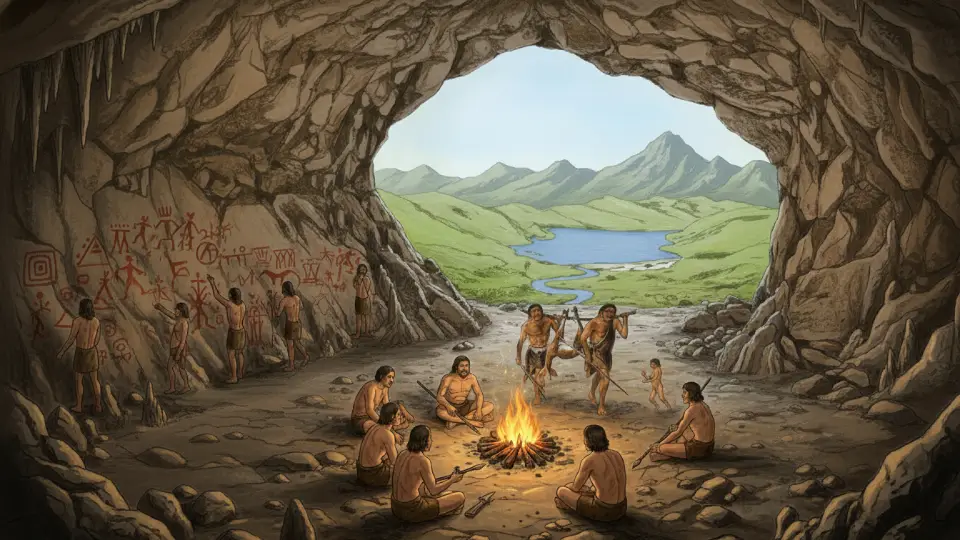
Local chiefdoms of Huánuco
Over time, the territory began to organize into different groups, such as the Wanucos, Chupachos, Huacrachucos, and Panatahuas. In addition, many of them were part of the Yarowilca dynasty, who promoted agriculture and established settlements in the Huallaga and Marañón valleys. In this way, the region gradually consolidated its cultural identity.
Wanucos or Huanucos
First, the Wanucos occupied areas that today correspond to the provinces of Dos de Mayo, Huamalíes, and part of Huánuco. According to various accounts, they arrived from the jungle through continuous migrations. They were mainly engaged in herding and agriculture. They also developed skills in ceramics, textiles, and metallurgy. During this period, they were organized under the leadership of Apo Chaua.
Important fact…
The Wanucos were a warrior people. For this reason, they built fortresses on hilltops. Today, you can still see remains of temples and tombs in the provinces of Dos de Mayo and Huamalíes.
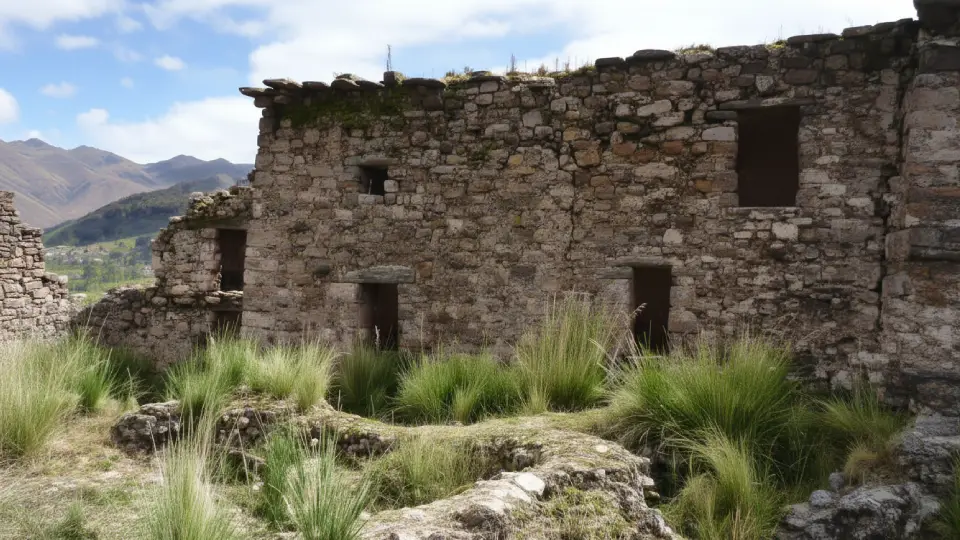
Chupachos
The Chupachos lived along the Huallaga River and its tributaries, from San Rafael to areas such as Acomayo and Pillao. It is believed that they descended from the Chupacanos and were organized into ayllus led by a curaca. They also worshipped the mountains (jircas), the forces of nature, and the stars. In addition, they revered a bird known as Pillco.
Did you know…
In terms of their way of life, they were sedentary farmers. They cultivated corn, beans, chili peppers, cotton, and other crops. However, they did not build large temples or develop extensive urban centers.
Huacrachucos
Likewise, the Huacrachucos occupied territories on the eastern side of the Marañón River, from Singa northward. They were a numerous and warlike group. They were known for wearing a headdress adorned with a deer horn, which gave rise to their name, meaning “horned hat” in Quechua. They were governed by curacas known as Campis. They also worshipped the serpent, the condor, and their ancestors.
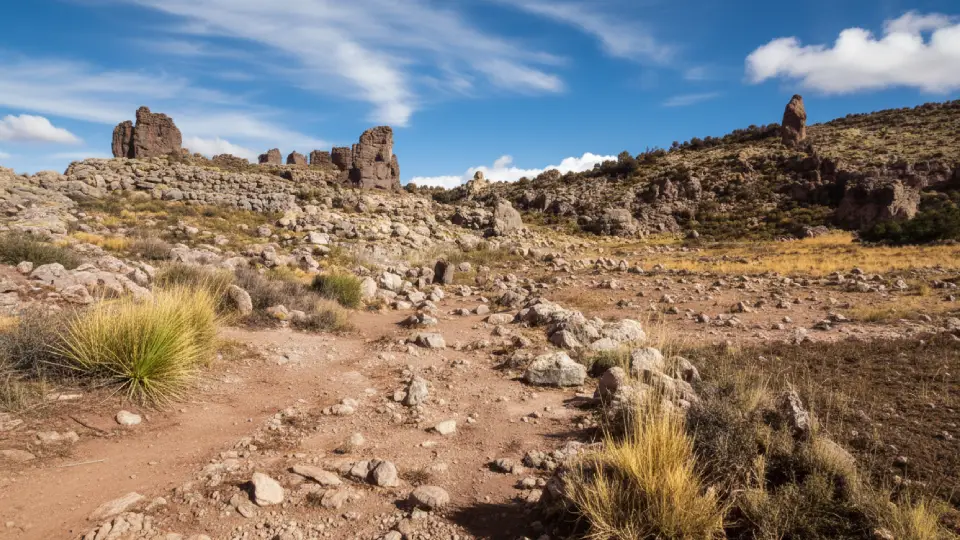
Panatahuas
Finally, the Panatahuas inhabited jungle areas along the banks of the Huallaga River, beyond Pillao, extending toward rivers such as the Panao, Tulumayo, Jaupar, and Monzón. In this context, they are described as a group that maintained simpler ways of life during the pre-Inca period. Even in the 17th century, they still preserved customs such as the use of facial paint for warfare and the use of bows and arrows.
Important fact…
Lauricocha Man was discovered by archaeologist Augusto Cárdich. According to studies, he came from the Amazon and moved toward the highlands of Huánuco. In this way, he populated the valleys of the Huallaga, Pachitea, and Marañón rivers.
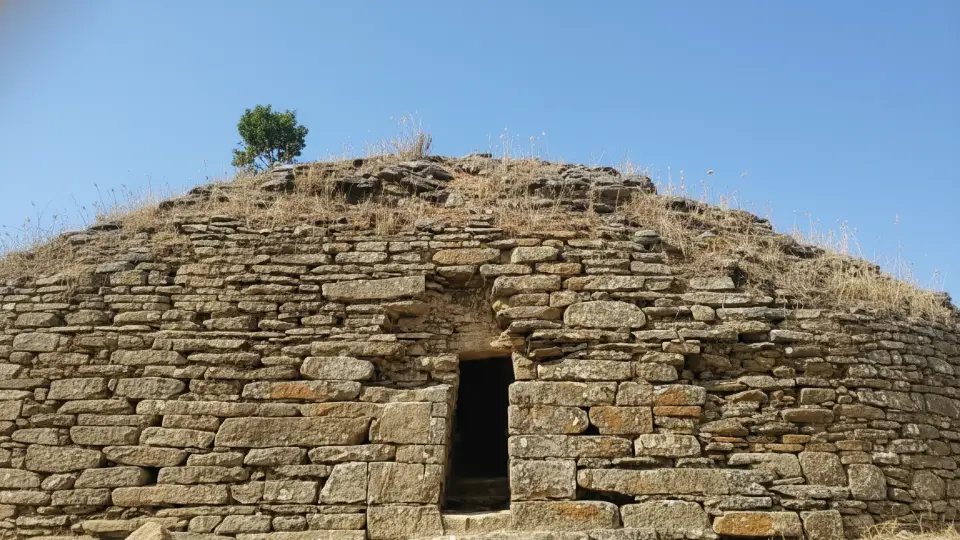
The Inca Empire in Huánuco, Peru
During the expansion of the Inca Empire, toward the Chinchaysuyo, the Inca Pachacútec incorporated this region into the empire. Later, under the rule of Túpac Yupanqui and Huayna Cápac, the Incas reorganized the territory and transformed the former Yarowilca capital into Huánuco Viejo. This important administrative center came to house more than 10,000 families.
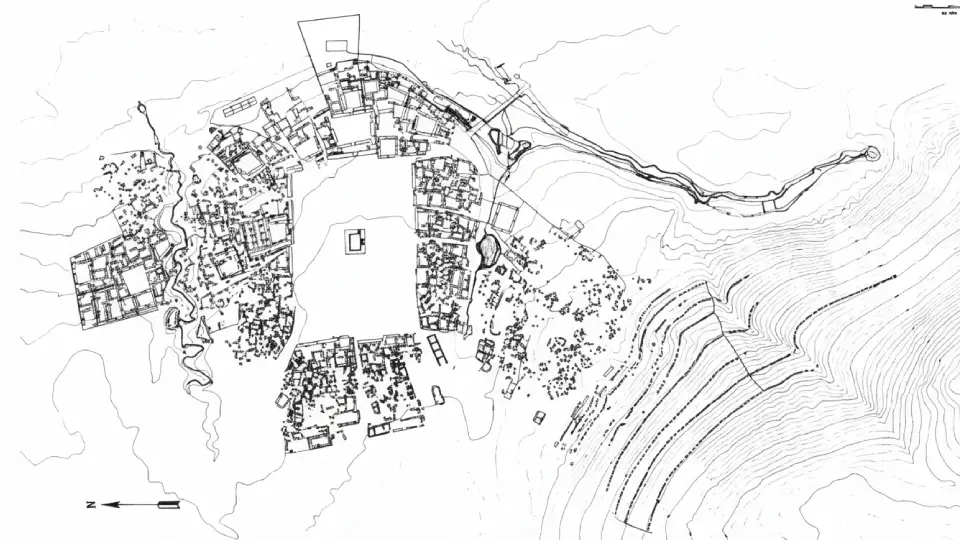
Huánuco Pampa: Center of power
Huánuco Pampa was a key city for Inca administration. Today, when you visit this archaeological site, you can explore different areas that show how life was organized at the time. For example, you’ll find a royal palace, the Temple of the Sun, the Acllahuasi (Houses of the Chosen Women), the Yachayhuasi (center of learning), and the usno, a ceremonial platform.
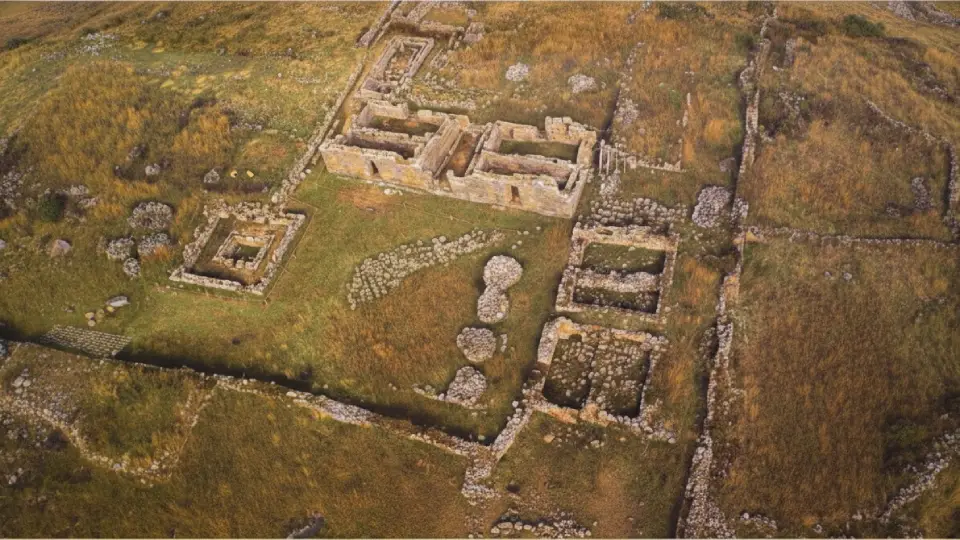
The importance of Huánuco Pampa’s plaza
The central plaza of Huánuco Pampa played a key role. Important activities took place there that strengthened imperial control:
- Ceremonies were held where goods were collected and then redistributed.
- Initiation rituals for elite youth, known as Warachicuy, took place.
- Public sentences were issued and crimes were punished.
- Offerings and sacred items were selected for ceremonies in other regions.
- Authorities and members of the Inca elite were received.
- Finally, public events were organized where local communities were integrated into the imperial system.
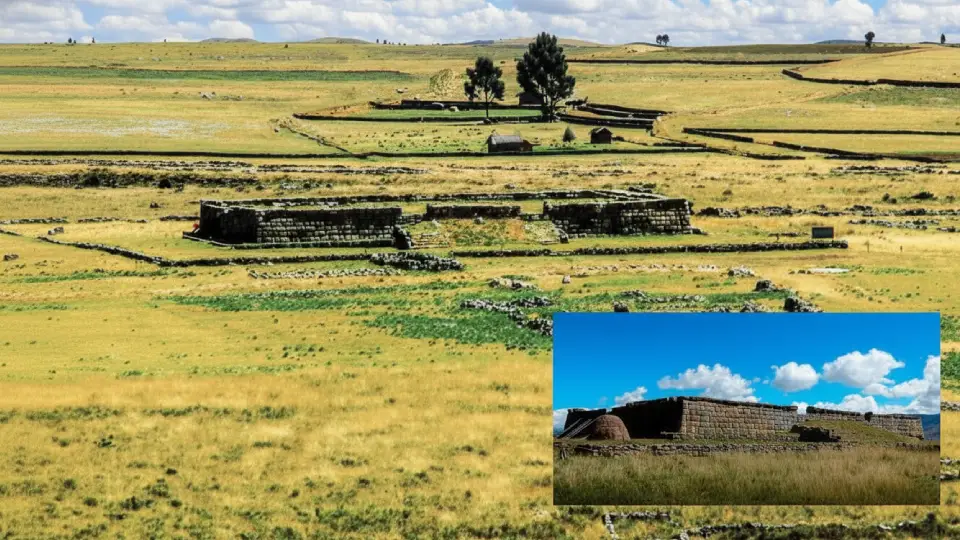
Power and organization
If you look at its architecture, you’ll notice that everything was designed for administration. The large plazas and storehouses show that an important part of the empire’s production was managed here. Therefore, Huánuco Pampa played a strategic role within the Andean world.
Important fact…
- At this site, ceremonies were held where goods arriving via the Qhapaq Ñan were distributed. As a result, it was not only a political center but also an economic and social one.
- Huánuco Pampa, or Huánuco Viejo, functioned as a key control point within the Qhapaq Ñan, the vast network of imperial roads. For this reason, it became one of the main cities of Chinchaysuyo.
Colonial period of Huánuco, Peru
With the arrival of the Spanish, history took a turn. After the capture of the Inca Atahualpa, Francisco Pizarro ordered all the gold and silver of the empire to be gathered. At that time, Hernando Pizarro led an expedition to the south. Along the way, he passed through areas such as Pachacámac and Jauja. Later, on his return to Cajamarca, he passed through Huánuco Viejo around 1535.
Spanish foundation and resistance of Inca Illathupa
After Spanish domination was established, resistance soon emerged. The Inca Illathupa, son of Inca Túpac Yupanqui, led uprisings against the Spanish. Because of this, Pizarro sent Pedro Gómez de Alvarado y Contreras to capture him. After the confrontation, the Spanish founded a city on August 15, 1539 on Inca territory, naming it “The Very Noble and Loyal City of the Knights of León.” Thus, colonial rule in the region was officially established.
Attempts at liberation
Despite Spanish control, several resistance movements arose:
- In 1732, Indigenous people from Baños and Jesús rebelled against high tribute demands.
- Later, in 1777, another uprising took place in the town of Espíritu Santo de Llata, led by residents of Huamalíes.
- Finally, in 1812, the Huánuco Rebellion occurred, in which Indigenous people from Huamalíes rose up against Spanish rule.
Republican period
Independence of Huánuco
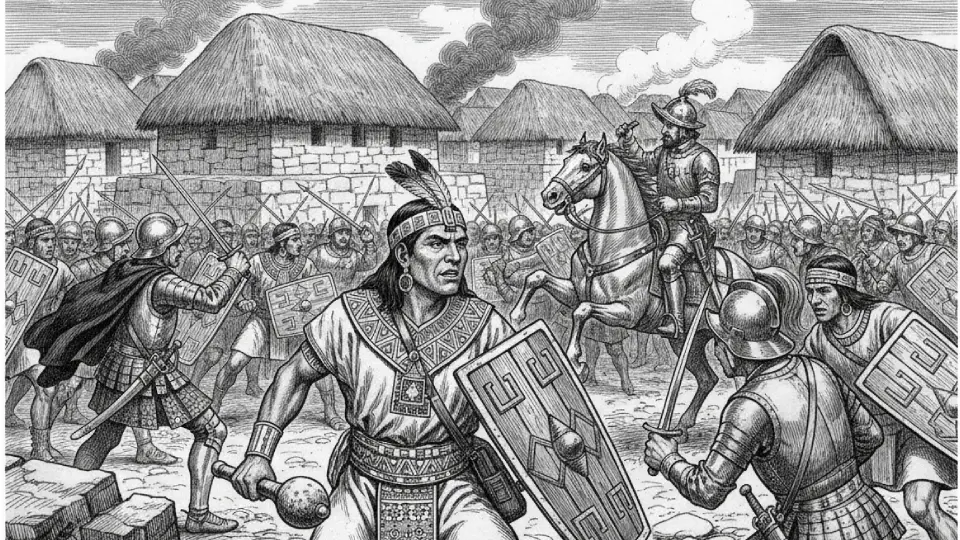
Huánuco was one of the first cities to rise up against the colonial government. On February 22, 1812, the Creole Juan Crespo y Castillo led an Indigenous and civilian uprising. Alongside him was the curaca Norberto Haro. Together, they managed to take control of the city, driven by discontent over high taxes and abuses of the time.
Important fact…
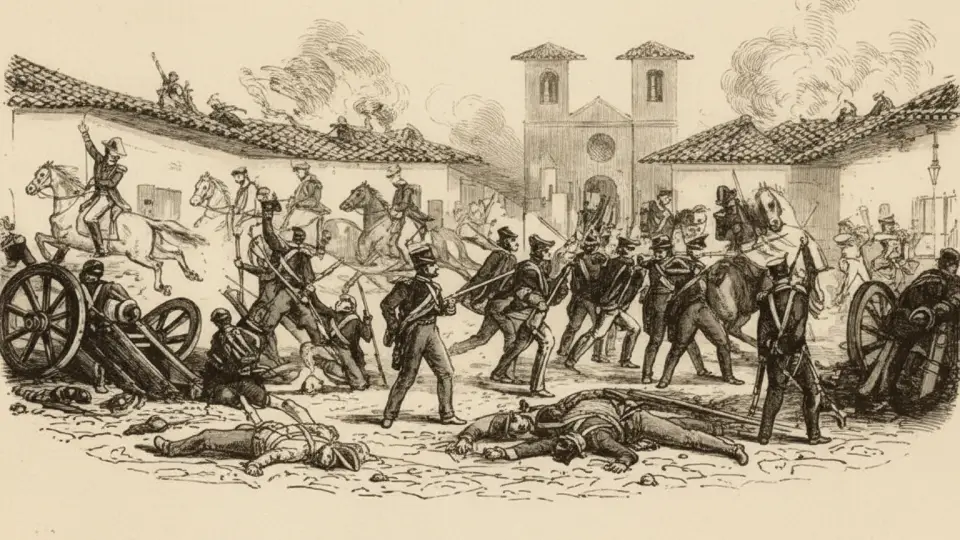
- On December 15, 1820, Huánuco proclaimed its independence. This occurred before Peru’s official declaration, demonstrating its early role in the fight for freedom.
- Later, the department of Huánuco was officially created on January 24, 1869.
- Huánuco supported the war efforts during the War of the Pacific, led by Commander Leoncio Prado.
Notable figures from Huánuco, Peru
- Hermilio Valdizán Medrano (1885–1925): physician and pioneer in mental health studies in Peru.
- Daniel Alomía Robles (1871–1942): composer of the renowned piece El Cóndor Pasa.
- Leoncio Prado Gutiérrez (1835–1883): military hero during the War of the Pacific.
- Felipe Guamán Poma de Ayala: Indigenous chronicler, author of “Nueva crónica y buen gobierno,” a key work for understanding colonial history.
- Javier Pulgar Vidal (1913–2003): geographer and politician, known for his proposal of Peru’s eight natural regions.
Architectural and cultural manifestations of Huánuco, Perú
Getting to know Huánuco also means connecting with its traditions and the way its ancient inhabitants understood the world—from their architecture to their festivals.
Architecture
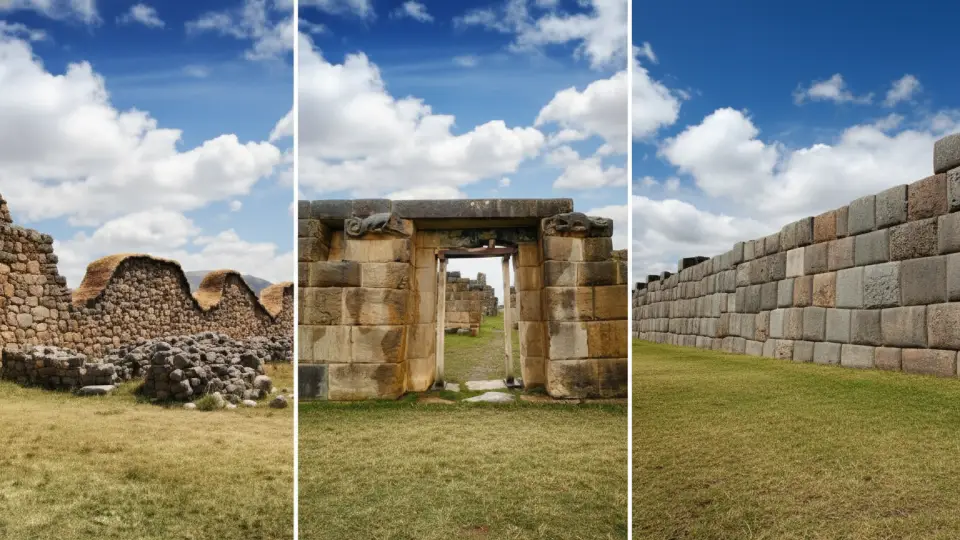
The ancient civilization of Huánuco achieved a high level of architectural development, using the so-called false vault, a technique that allowed them to build larger and more functional spaces. In addition, they organized their constructions across different levels or floors, making better use of the terrain. Many of these structures follow the imperial Inca style. As a result, they display order, planning, and durability. In fact, they were designed to withstand seismic activity.
Ceramics
In daily life, the inhabitants used ceramics in colors such as ochre red, black, brown, and gray. Using these tones, they created various everyday items such as pots, pitchers, and vessels, most of them in a single color.
Important fact
The ancient inhabitants of Huánuco domesticated animals such as the llama, alpaca, and guinea pig. In addition, their main deity was Pachacamac.
Festivities in towns near Huánuco, Peru
If you choose to travel during festive dates, you’ll find celebrations full of tradition such as:
Panao and the native potato festival
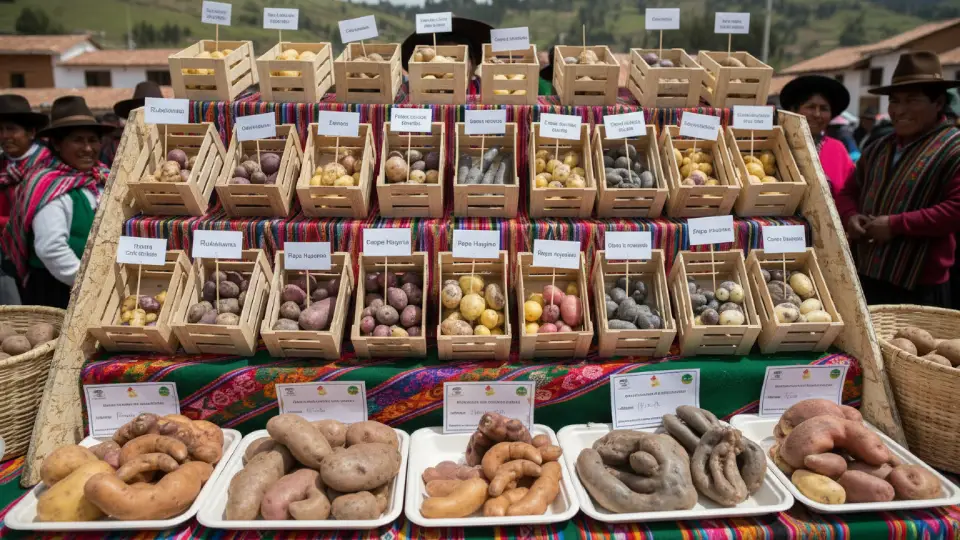
In Panao, a festival dedicated to native potatoes is held. During this event, farmers showcase more than 80 varieties. In addition, a multi-sector fair is organized where different communities participate. In this way, farming families share their knowledge and highlight their role as guardians of agricultural diversity.
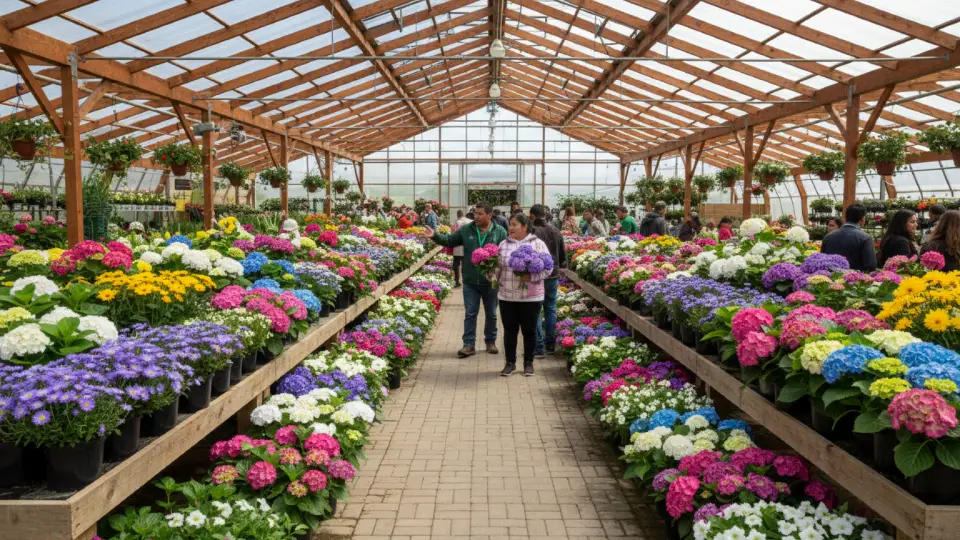
Flower Festival
Every September 15, 16, and 17, the Flower Festival takes place in Cancejos, in the district of Chinchao. During this celebration, the town fills with color thanks to the production of ornamental flowers. Therefore, it’s a great opportunity to experience the region’s most vibrant and joyful side.
Did you know…
- August 14: Eve of the Virgin of the Assumption
- August 15: Anniversary of Huánuco
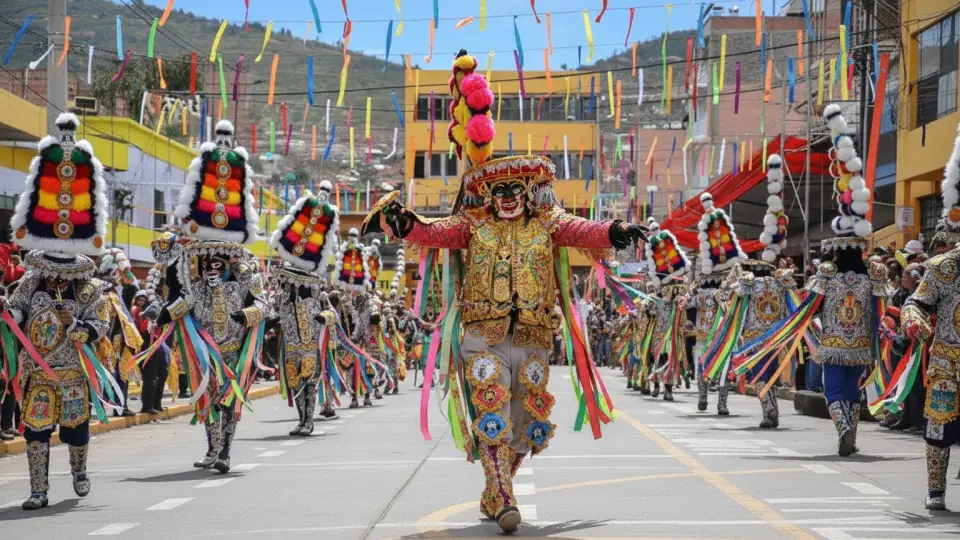
Traditional dances of Huánuco, Peru
- Los Negrillos: recalls the colonial era and the lives of enslaved people on haciendas.
- Tuy Tuy: showcases strength and skill through energetic movements.
- Apu Inca: associated with figures of Andean authority.
- Huancas: connects with the earliest inhabitants and their beliefs.
Tourism in Huánuco: Must-see places to visit
Huánuco blends history, culture, and nature, offering experiences for every taste. Below, you’ll find the must-visit places in the city and its surroundings—enjoy them!
Tours within the city of Huánuco
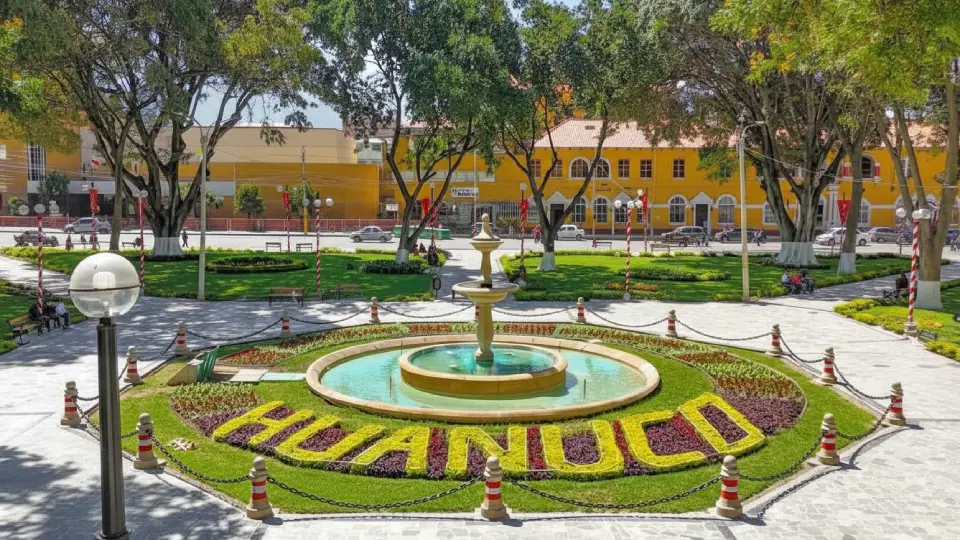
Explore the historic Plaza de Armas
Originally, this site served as a sacred area for the pre-Inca Chupaichos culture. Later, around 1845, Italian artist Pedro Caretti began building this colonial space. The project was finally inaugurated in 1880, featuring a fountain carved from a single block of granite that today serves as the main meeting point for locals and visitors.
Admire the Cathedral and its religious art
Right across from the plaza, you’ll find the Cathedral, built in 1618 by the German architect Kuno. Its two white towers and distinctive style make it stand out immediately. Inside, it houses valuable colonial-era artwork. It is also home to the image of the Lord of Burgos, the most important symbol of faith in the city.
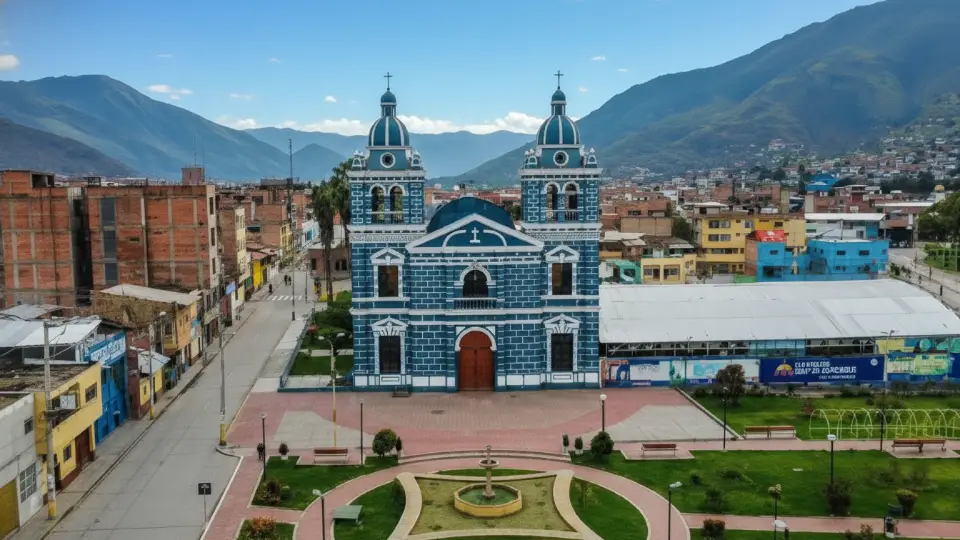
Discover the elegance of the San Sebastián Temple
Just a few steps from the main square, this temple stands out for its refined design and interior adorned with detailed sculptures. These pieces clearly reflect the cultural heritage and devotion of the Huánuco region.
Spot the San Teodoro Seminary
Located on Dos de Mayo Street, this former Dominican convent was home to Fray Diego de Ojeda. Here, he wrote *La Cristiada*, a literary work of 15,000 verses considered by experts to be a true gem of Spanish literature.
Visit the Convent of the Immaculate Conception
Founded in 1596 on Leoncio Prado Street, this site historically housed both noblewomen and women of limited means. Fortunately, it still preserves its original architecture, allowing visitors to imagine what mystical life was like during the colonial period.
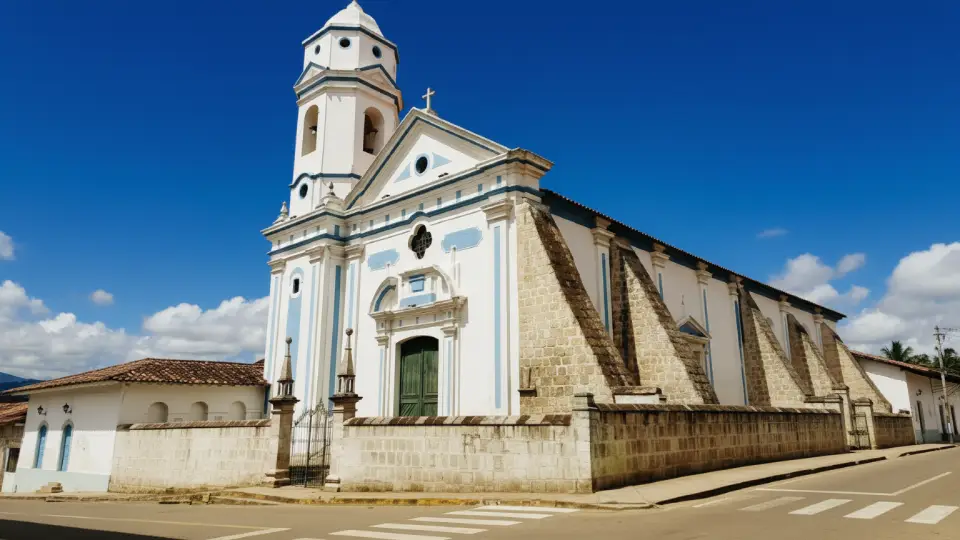
Appreciate biodiversity at the Science Museum
Located behind Leoncio Prado School, this center displays more than 10,000 specimens of wildlife from Peru’s three regions. It also features fossils, ceramics, and mummies, making it an engaging learning experience for the whole family.
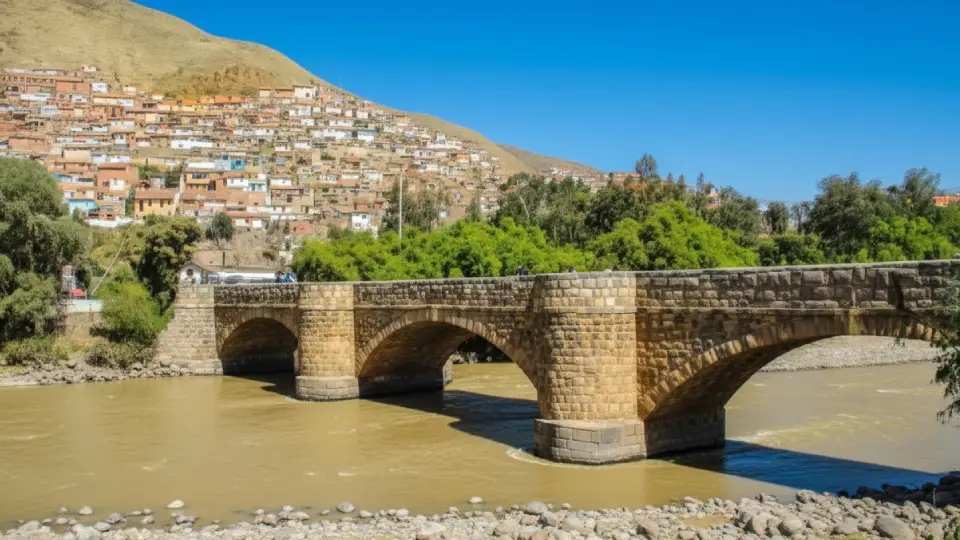
Walk across the iconic Calicanto Bridge
This 60-meter structure has spanned the Huallaga River since the late 19th century. Builders used a unique mixture of river stones, lime, and egg whites to bind the structure together. Its balconies offer beautiful views of the river and the city skyline at sunset.
Natural spaces in Huánuco
Be amazed at Tingo María National Park
At first glance, you’ll see the famous “Sleeping Beauty,” a mountain range that perfectly outlines the silhouette of a woman resting over the jungle. You should also visit the Cave of the Owls, a stone sanctuary where stalactites and stalagmites create whimsical shapes. Inside, the sounds of parrots, parakeets, and swallows echo through the cavern, offering a unique sensory experience in the dim light surrounded by wildlife.
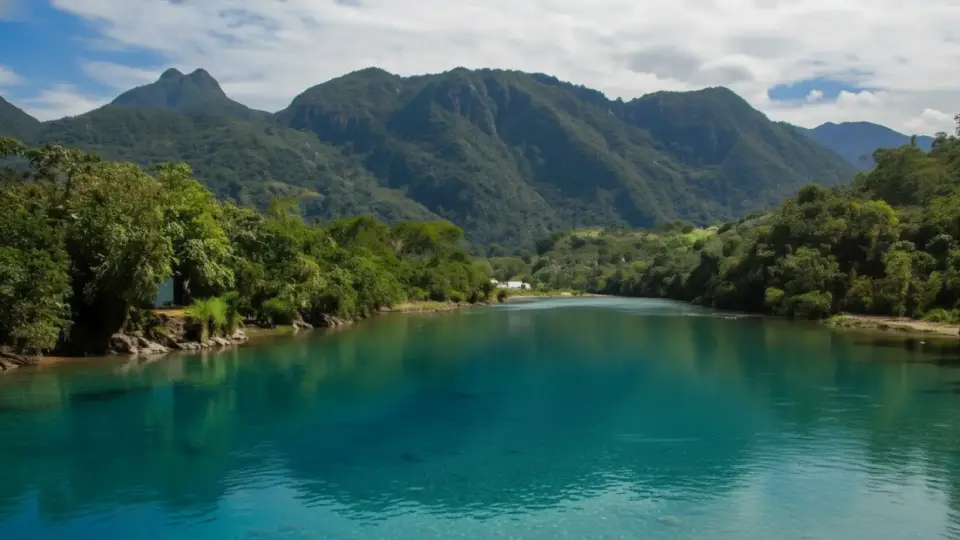
Cool off at Cueva de las Pavas
Located just 14 km south in the Lucumyupe ravine, this spot is a paradise of crystal-clear waters. Once there, you’ll find natural pools surrounded by lush vegetation, perfect for a refreshing dip and connecting with the Amazon’s freshness. It’s an ideal destination for those looking to explore a pristine environment and recharge.
Discover Puerto Inca
On the banks of the Pachitea River, you’ll explore what was once a key state warehouse of the Inca Empire. Imagine this settlement filled with corn, quinoa, and coca, functioning as a vital distribution hub throughout the Tahuantinsuyo. Today, the riverside landscape reminds visitors of the commercial importance this port—formerly called Puerto Leguía—still holds thanks to its strategic location.
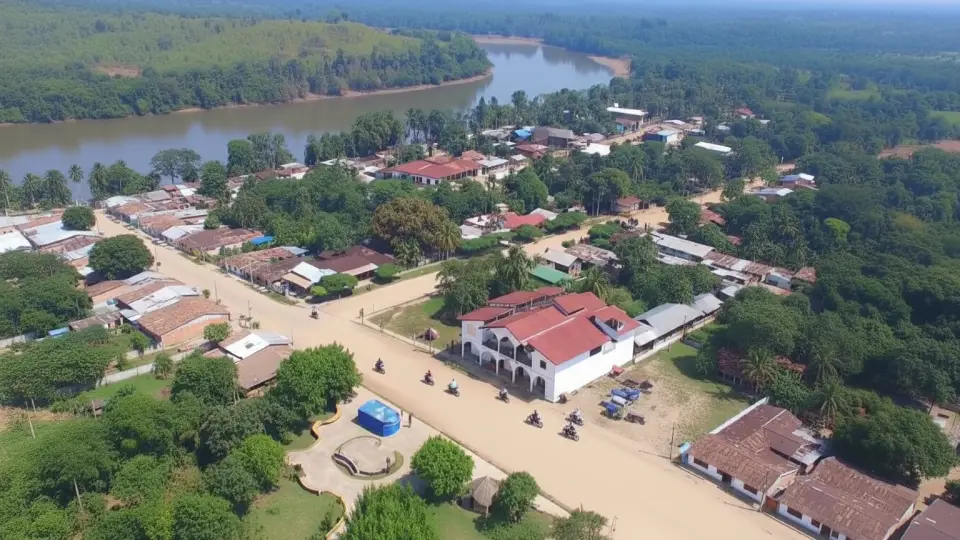
Explore the Lauricocha Caves
Located in San Miguel de Cauri, these caves hold more than 9,500 years of history. As you look into their three-meter depth, you’ll be stepping into the home of the valley’s first nomadic hunters. Therefore, this site is not just a geological formation, but a direct window into the lives of the earliest inhabitants of the Andes.
Look up to the guardian Pillco Mozo
Just 3 km from the city, look up toward the hills to spot the figure of a man lying across the rock. This is Pillco Mozo, a natural formation that seems to watch over the people of Huánuco. Locals respect it as an eternal protector, and you’ll feel a sense of calm and security across the valley.
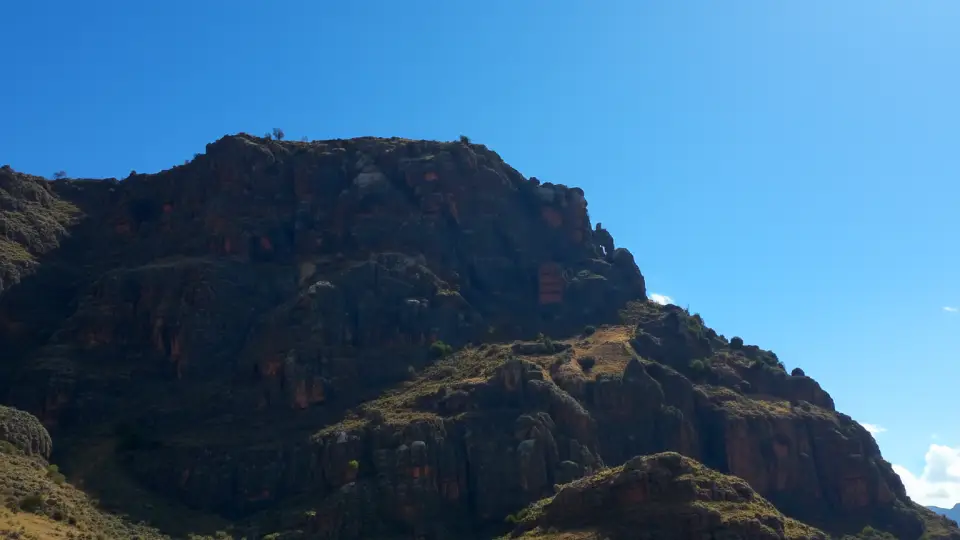
Relax in the town of Huácar
Just 30 km from the regional capital, you’ll reach this small town where time seems to stand still. Walking through its streets, you’ll feel a deep sense of peace—perfect for disconnecting from modern noise. It’s an ideal destination for experiencing authentic rural life, connecting with locals, and enjoying landscapes that have preserved their essence.
Explore archaeological sites in Huánuco
Identify Patahuasi and Warampay
Very close to Kotosh, you’ll find Patahuasi, which functioned as a key hub for organizing resources and storing regional goods. Likewise, in Warampay, you’ll see stone structures very similar to those in Kotosh, confirming that this entire area shared advanced architecture and highly efficient planning for its time.
Admire the Quilla Rumi rock art
At 2,300 meters above sea level, in the Higueras River basin, you’ll find five sectors with rock art. Take a close look at the geometric shapes and animals painted in ochre red and black—these figures represent the worldview of the valley’s earliest inhabitants. It’s an open-air art gallery that has endured for thousands of years.
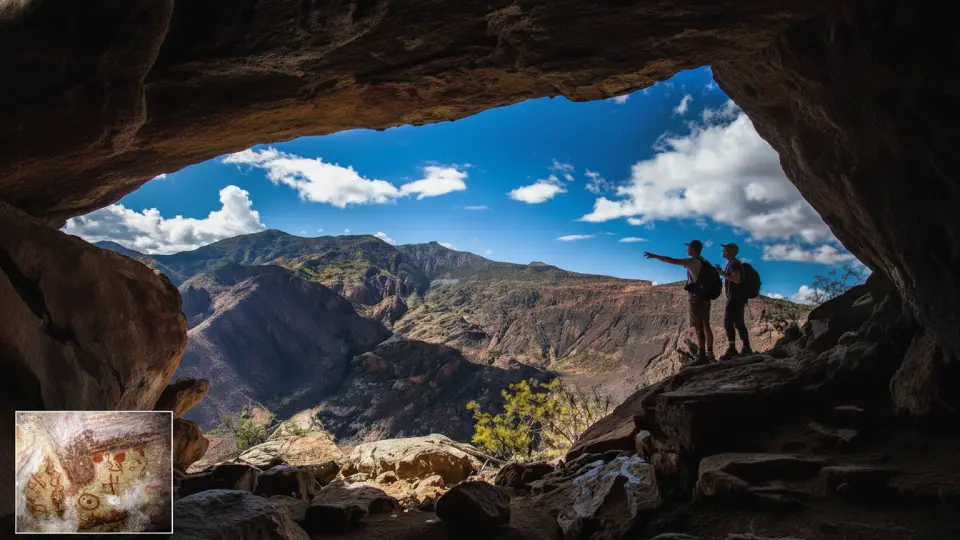
Take a break in Pachagoto
From this strategic point in Cochabamba, you’ll enjoy a wide view of the region’s heritage. Its location also allows you to see nearby complexes such as Achasgoto and Tullushunto, offering a broader perspective on how ancient Peruvians mastered every corner of this valley.
Walk through the villages of Lacshamaray and Achasgoto
In the town of Punchao, you’ll discover around 200 stone houses with circular and oval shapes that reflect a close-knit community life. Similarly, in Achasgoto, you can walk through five hectares of pre-Inca constructions where the layout of streets and plazas reveals an impressive level of social organization.
Appreciate the craftsmanship at Papahuasi and Auquimarca
Along the riverbank, Papahuasi will surprise you with its semi-polished stone walls, showing that its builders mastered fine finishing techniques. Then, at Auquimarca, you’ll have the opportunity to observe a pre-Inca cemetery, considered one of the last remnants of the regional Inca period in this part of the country.
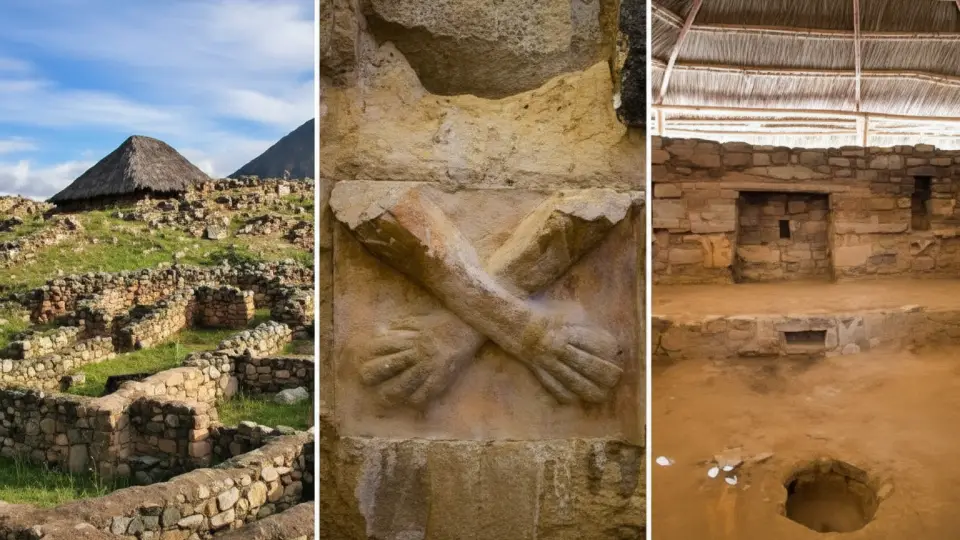
Discover the mysteries of the Kotosh Temple
Just 5 km from the city lies the oldest temple in the Americas. Here you’ll find the famous “Crossed Hands” sculpture, over 4,000 years old. Note that the complex has six distinct construction phases, demonstrating the valley’s long-standing spiritual importance. Nearby, you can also visit the “White Temple” and better understand how Andean spirituality evolved.
Important fact…
Kotosh is considered the oldest temple in the Americas, featuring the first “crossed hands” sculpture, which is over 4,000 years old.
Observe the vastness of Atash.
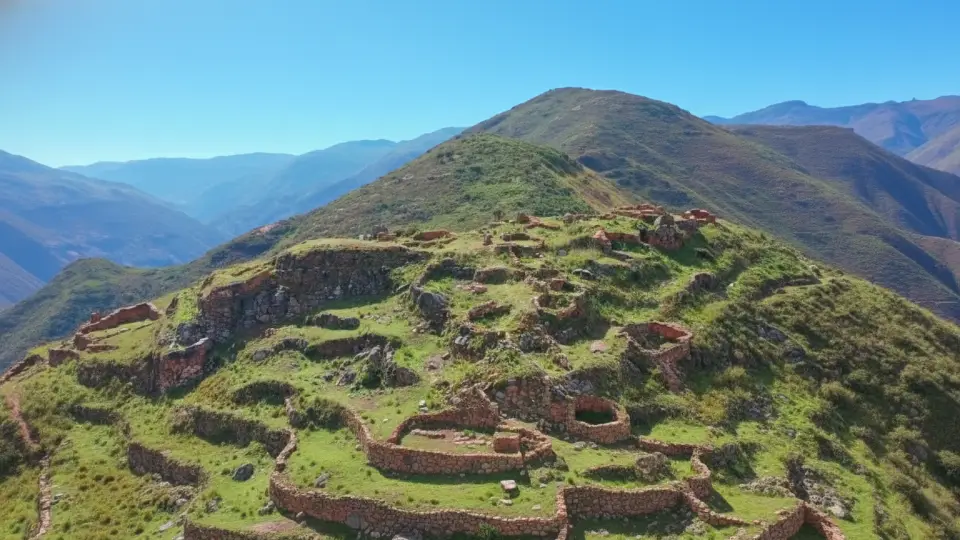
Explore Huácar
When you arrive at this site in Huácar, you’ll understand why it’s called the “Machu Picchu” of the area. You’ll encounter four hills filled with stone and adobe dwellings, along with thousands of terraces that seem to defy gravity. Today, it’s one of the best places to see how ancient Peruvians transformed mountains into productive cities.
Climb Auquimarca
An Inca city where you can observe a pre-Inca cemetery, considered one of the last from the regional Inca period.
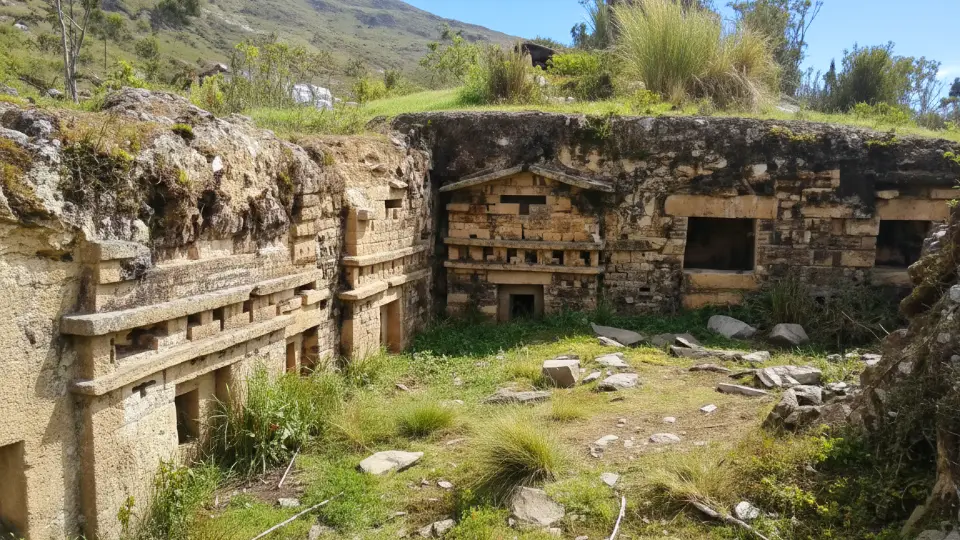
Huánuco Viejo or Huánuco Pampa
Known by the Incas as Wanuko Marka, Huánuco Pampa served as an administrative and tribute center, acting as the capital of the Yarowilca nation or Chinchaysuyo. When you arrive at the plaza, you’ll be amazed—it measures 540 meters long by 365 meters wide, and at its center stands a usno measuring 48 by 32 meters. Surrounding it are the House of the Inca, the Inca Baths, and the Palace of the Three Doors.
Important facts…
Other archaeological sites you can visit include: Chiquía, Garu, Matawara (Sahuay), Mazur, Piruro, Quenac, Selmin, Susupillo, Tacaj, Urpish (Cruzpampa), Villa de Manta, and Huata.
Explore the lagoons of Huánuco
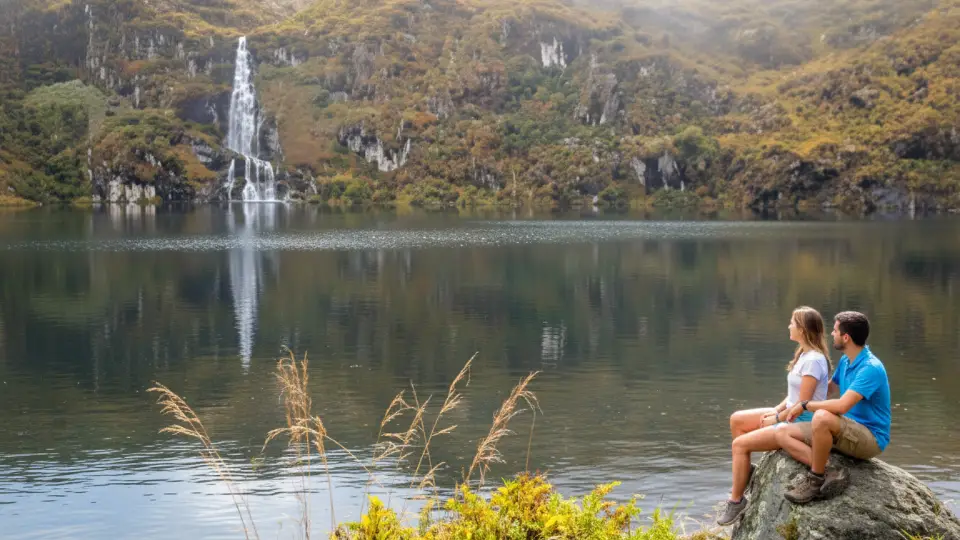
These lagoons are located between 3,500 and 4,100 meters above sea level and are natural attractions where you can capture stunning landscape photos. Ideal for exploration and relaxation.
- Mancapozo Lagoon: Located in the Amarilis district, in the town of La Esperanza.
- Rumichaca: In the western mountain range, 13 km from Ambo; its waters are very pure and used for carbonated beverages.
- Pichgacocha: A group of five lagoons connected by waterfalls, located in the district of Conchamarca.
- Carpa Lagoon: In the province of Huamalíes, Tantamayo district.
- Carhuacocha Lagoon: In the district of Llata, Huamalíes province.
- Susucocha Lagoon: In the same district and province as the previous one.
- Lauricocha, Chuspicocha, Tinquicocha, Taulicocha, Niñococha, and Caballococha Lagoons: Located in the province of Lauricocha, district of San Miguel de Cauri.
- Pichgacocha Lagoon: Located between the districts of Conchamarca and Amarilis, it’s a natural setting ideal for combining a lagoon visit with nearby hot springs.
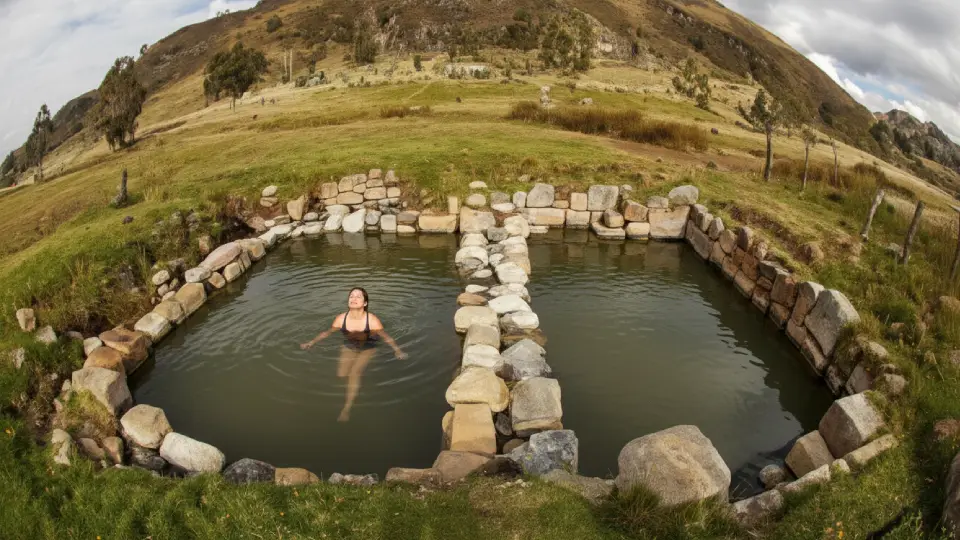
Relax in the hot springs of Huánuco
- Tauripampa: These thermal-medicinal waters flow naturally and are used for saunas and relaxation spaces. Located just 2 km from the city of La Unión.
- Conoc: Located 2 km from the district of Ripán, along the Vizcarra River, this area offers five individual pools and two large ones. Its waters are recommended for treating rheumatic conditions and relieving muscle tension.
- Calientes: This site features pools and springs reaching up to 70°C (158°F), known for their benefits for the stomach, liver, skin, and rheumatism. Because of these properties, they are popularly known as “healing waters.”
- Conoc Gucho: Located 5 km from the town of Baños, offering a शांत and relaxing thermal experience.
- Inca Pool: 4 km from the city, this site features two Inca-built pools made of polished stone and fed by natural hot water.
Observe the guardian Apus of Huánuco
| Name | Type | Mountain Range | Province | District |
| Yerupajá | Snow-capped peak | Huayhuash | Lauricocha | Qeropaca |
| Silla Grande | Snow-capped peak | Huayhuash | Lauricocha | Jesús |
| Jirishanca | Snow-capped peak | Huayhuash | Lauricocha | Qeropaca |
| Jurao | Snow-capped peak | Huayhuash | Lauricocha | Jesús |
| Rondoy | Snow-capped peak | Huayhuash | Lauricocha | Qeropaca |
Top must-do activities in Huánuco, Peru
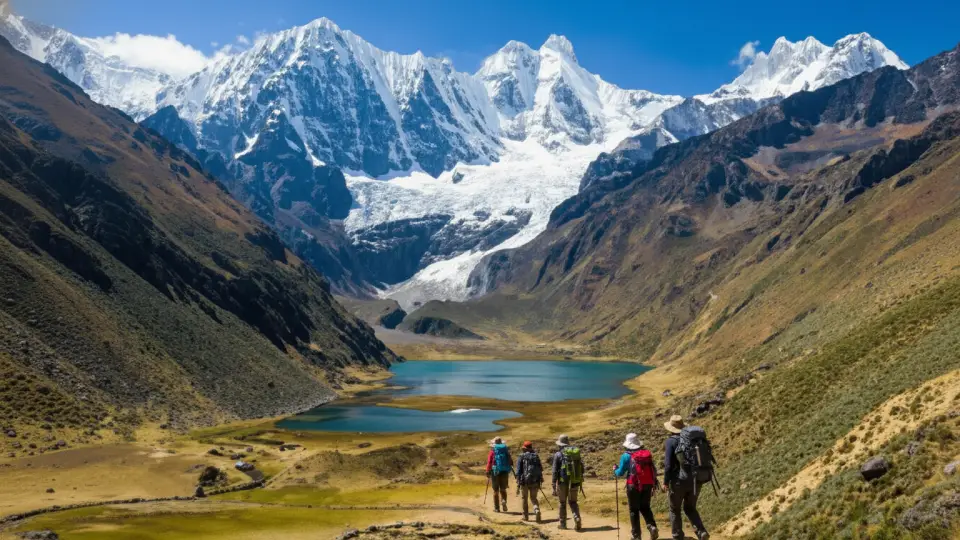
Go trekking in the Huayhuash Mountain Range
Located south of the Cordillera Blanca, this route stretches for 30 km and crosses rivers, turquoise lagoons, and diverse ecosystems. It is also home to Yerupajá (6,634 m / 21,765 ft), the second-highest mountain in Peru—perfect for those seeking adventure and close contact with nature.
Visit agricultural research sites in the highlands
There, you’ll discover a wide variety of native potatoes and learn about their production, cultivation methods, and modern processes that bring them to your table.
Shop for maguey fiber handicrafts
In local markets, you’ll find products made from cabuya fibers, such as handbags, wallets, and placemats—showcasing Huánuco’s rich artisan traditions.
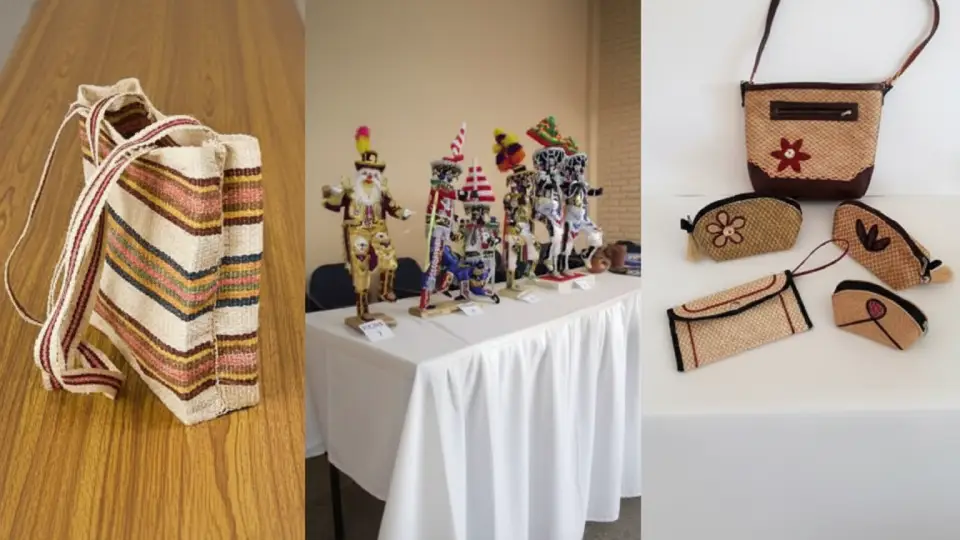
Explore nearby towns
Places like Huácar, Punchao, and Tingo María offer a chance to experience local life, discover traditions, and enjoy landscapes that feel frozen in time.
Recommended tours and places
Explore the churches, museum, and Calicanto Bridge (one day)
- Start at the Plaza de Armas and take in the granite fountain.
- Then visit the Huánuco Cathedral and learn about its history and religious art.
- Finish at the Natural Sciences Museum, where more than 10,000 specimens and fossils are on display.
Explore the archaeological sites: Khillacoto, Kotosh, Quillarumi, and Pillco Mozo
- Explore Khillacoto, followed by the ceremonial center of Kotosh, home to the famous crossed hands.
- Walk 1 km to Quillarumi and observe its rock art.
- Return to Pillco Mozo and wrap up by tasting a local artisanal wine.
Venture to Tingo María and its caves
- Explore Tingo María National Park and admire the Sleeping Beauty mountain formation.
- Visit the Cave of the Owls, home to birds and bats, and observe stalactites and stalagmites. Alternatively, you can follow a route that includes Cueva de las Pavas, Cueva de los Tambos, and Vuelo de las Ninfas—ideal for adventure tourism and hiking.
Walk through Huánuco Viejo or Huánuco Pampa
Explore this ancient Inca administrative center, known as Wanuko Marka, which preserves plazas, temples, and structures from the Tahuantinsuyo.
Tips and recommendations
Enjoy traditional dishes:
- Pachamanca: Cooked with aromatic herbs such as chincho.
- Spicy guinea pig (Picante de cuy): Golden-fried guinea pig served with potatoes and rice.
- Chicken locro: A traditional chicken soup.
- Spicy cheese with Tocosh, part of the local culinary tradition.
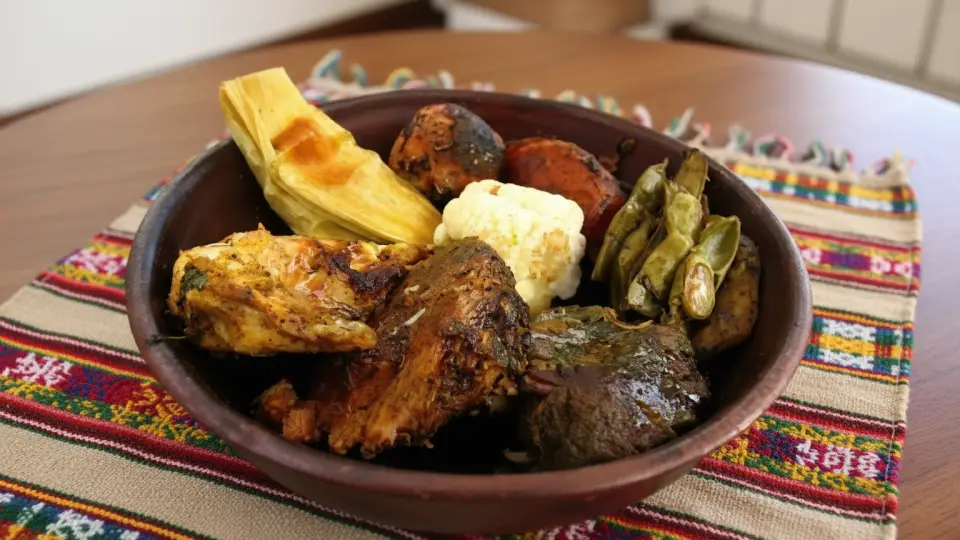
Recommended drinks:
- Shacta: Sugarcane liquor.
- Homemade chicha de jora.
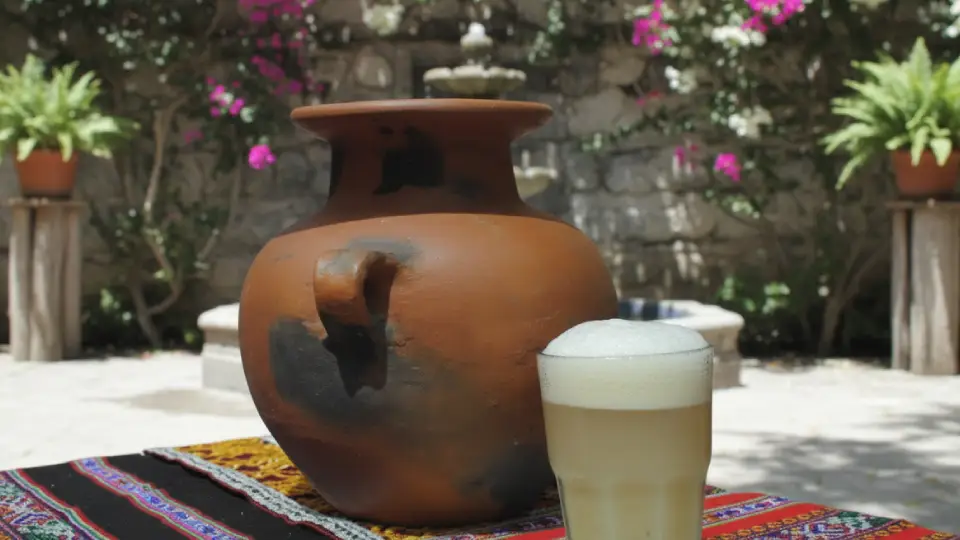
Where to eat in Huánuco, Peru?
- Tradiciones Huanuqueñas: Located on Jirón Huallayco 2444 (approximately at Km 1 on the road to the airport).
- Recreo Falcón: Located on Jirón 2 de Mayo 190.
- La Estancia: Located on Jr. Los Manglares S/N, Amarilis District (about 3 km from downtown).
- Shamiro Restobar: Located on Jr. Buenos Aires 119 (central area).
Important note…
It is recommended to visit these places between 12:00 PM and 3:00 PM to enjoy freshly prepared traditional dishes, especially Pachamanca and Locro, which tend to sell out early.
Hotels in Huánuco, Peru
- Grand Hotel Huánuco: The most iconic option, located right in front of the Plaza de Armas.
- El Real: Known for its personalized service and peaceful atmosphere.
- Shushupe: Ideal for those looking to stay close to nature.
- Kotosh: Practical and centrally located, perfect for business travelers or backpackers.
- El Viajero: Budget-friendly without sacrificing cleanliness and safety.
Don’t forget to bring…
- Your original ID or passport.
- Sunscreen, UV-protection sunglasses, and a wide-brim hat.
- A windbreaker jacket and long-sleeve layers.
- Insect repellent.
- A power bank or portable charger.
- A camera or fully charged phone.
- Cash.
Always remember…
- Plan your trip with authorized agencies.
- Book hotels and flights in advance.
“Huánuco, Peru, gives you the perfect excuse to trade routine for endless horizons and ancient temples. Remember, the best journeys are the ones that reconnect us with our roots and bring us peace under an eternal sun. Don’t think twice—pack your backpack now and set out to discover the magic of our land with Uros Expeditions.” If you’ve already experienced this adventure, share your story below to help other travelers dreaming of exploring this destination.
Frequently asked questions about Huánuco, Peru: History, Tourism, and Unique Experiences
If your plan is limited to the city of Huánuco and Andean areas, it’s not required. However, if you decide to head down to the jungle in Tingo María, the yellow fever vaccine is strongly recommended. Make sure to get it at least 10 days before your trip to ensure it’s effective.
It’s very close to the city center just about 5 kilometers away. A mototaxi or taxi will get you there in roughly 15 to 20 minutes. Admission for adults is usually around S/ 8.00, which gives you access not only to the famous crossed hands but also to the entire Kotosh archaeological complex.
Absolutely! That’s one of the region’s biggest highlights. The city of Huánuco is only about 2 to 3 hours from Tingo María by car or shared transport. You can have breakfast in the Andes and lunch in front of the Sleeping Beauty mountain formation, surrounded by lush tropical vegetation.
You have to try Huánuco-style Pachamanca, known for its unique flavor thanks to chincho (a local herb). Another must is Locro de gallina, a hearty and comforting chicken stew with deep cultural roots. To finish on a sweet note, look for traditional treats like local plantain chips (chifles) or the delicious queso humacha.
In the urban area of Huánuco, mobile signal and Wi-Fi work very well. You’ll also find ATMs from major banks (BCP, BBVA, Interbank, Banco de la Nación). That said, if you’re heading to more remote villages or archaeological sites, be sure to carry cash in soles, as digital payments are less common there.
Huánuco is generally a welcoming and peaceful city. As anywhere, it’s best to stick to well-lit and busy areas like the Plaza de Armas and the riverside promenade. Mototaxis are the most common form of transportation just make sure to use ones that are properly identified.