
Machu Picchu Legend & Mythology: The Stories Behind the Sacred Stones
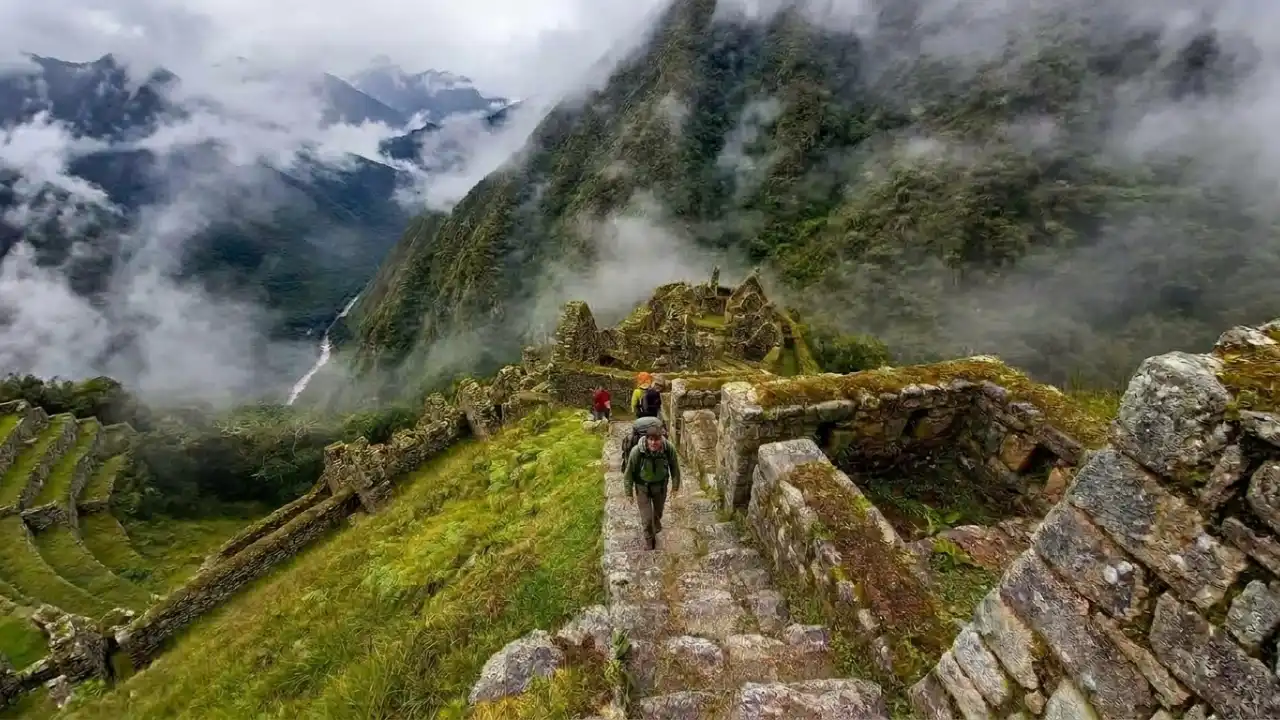
Machu Picchu is a 15th-century Inca citadel built high in the Andes Mountains of Peru, and its legends and mythology are as remarkable as the stone walls themselves. The Inca people who built it didn’t see it simply as an architectural achievement. They saw it as a sacred meeting point between the earthly world and the divine, a place chosen by gods, protected by mountain spirits, and inhabited by women who tended eternal fires for the Sun God.
Machu Picchu Legends & Mythology: History, Theories, and the Secrets of Huayna Picchu
Machu Picchu stands as one of the most fascinating places on Earth, not only because of its architectural brilliance but also because of the mystery that surrounds it. Despite decades of research, many aspects of its origin and purpose remain uncertain. This lack of definitive answers has opened the door to a rich blend of theories, historical interpretations, and legends that continue to shape how we understand this iconic Inca site.
For travelers and researchers alike, Machu Picchu is not just a destination it is a place where history and mythology coexist.
The Main Theories About Machu Picchu and Huayna Picchu
Machu Picchu is often surrounded by myth, but historians and archaeologists have also developed several theories about what the site was really meant to be. Instead of rejecting the legends, these ideas help us see that Machu Picchu may have been both sacred and functional.
A Sacred Pilgrimage Site
One popular theory suggests that Machu Picchu was the final destination of a ceremonial journey. In this view, getting there was part of the experience. The route itself may have been designed to prepare people spiritually before reaching the citadel.
A Place Tied to Inca Identity
Some researchers believe Machu Picchu may have had symbolic value connected to Inca origins, memory, and royal identity. Even if it was not literally the birthplace of the Inca people, it may still have served as a place that reinforced power and sacred ancestry.
A Site Built in Harmony with Nature
Another strong idea is that Machu Picchu was chosen because of its natural setting. Surrounded by mountains, water, and celestial alignments, the site reflects the Inca belief that nature was alive and deeply sacred.
More Than One Purpose
Machu Picchu may also have worked as a ceremonial, agricultural, and administrative center all at once. Its design suggests that religion, politics, and daily life were closely connected there.
Huayna Picchu and Its Sacred Role
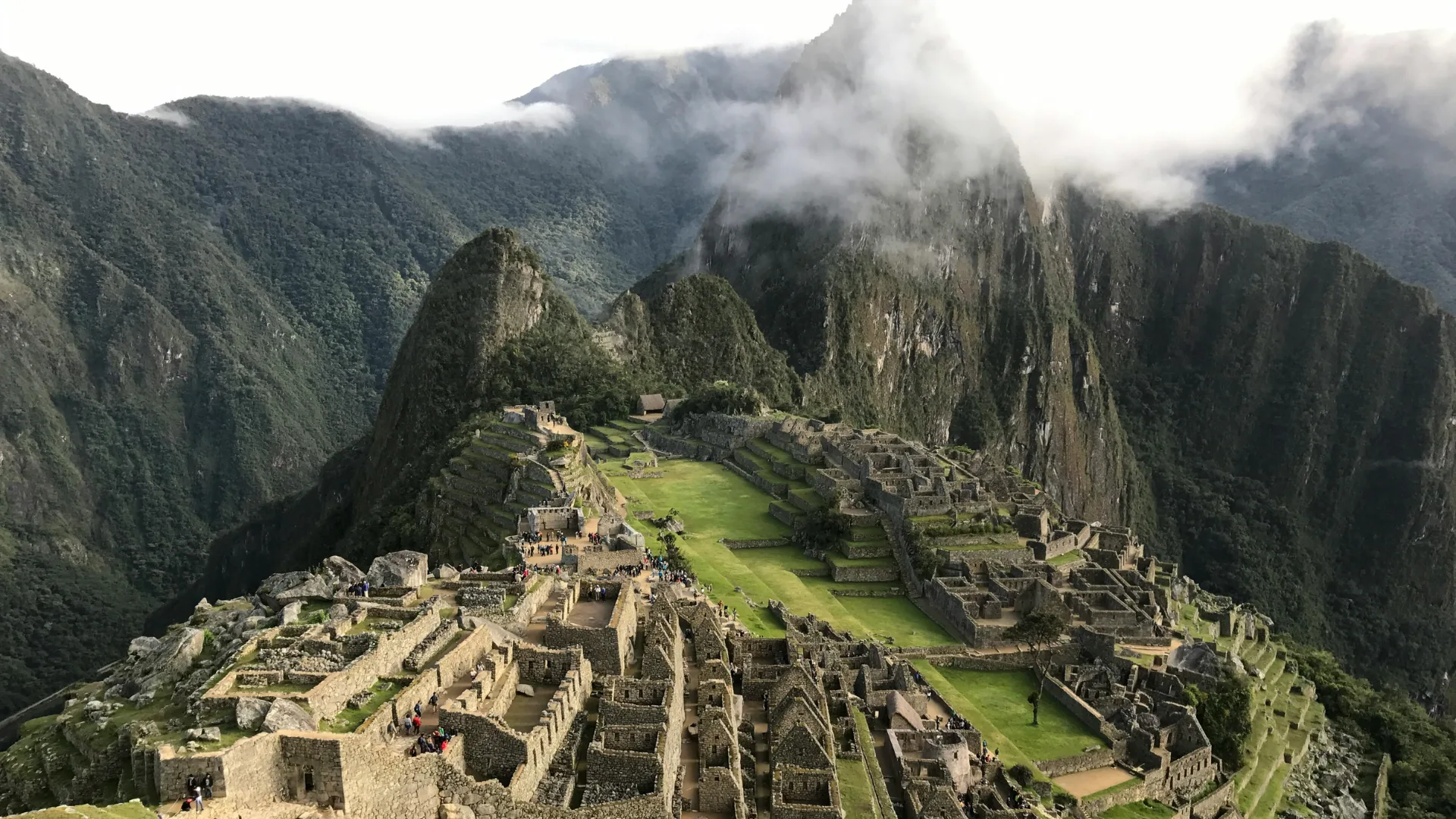
Huayna Picchu is not just the mountain behind Machu Picchu. It was likely an important part of the site’s meaning and function.
More Than a Backdrop
For the Incas, mountains were sacred beings. That means Huayna Picchu was probably seen as a spiritual presence, not simply part of the scenery.
A Strategic and Ceremonial Space
Because of its height, the mountain likely served as a lookout point. But it also had a religious role. Places like the Temple of the Moon show that ceremonies were held there, linking the mountain directly to the sacred life of Machu Picchu.
A Complete Sacred Landscape
Together, the citadel, Huayna Picchu, the river, and the surrounding peaks created a single sacred setting. That is part of what makes Machu Picchu feel so intentional and powerful even today.
The Apus Sacred Mountain Gods Watching Over Machu Picchu
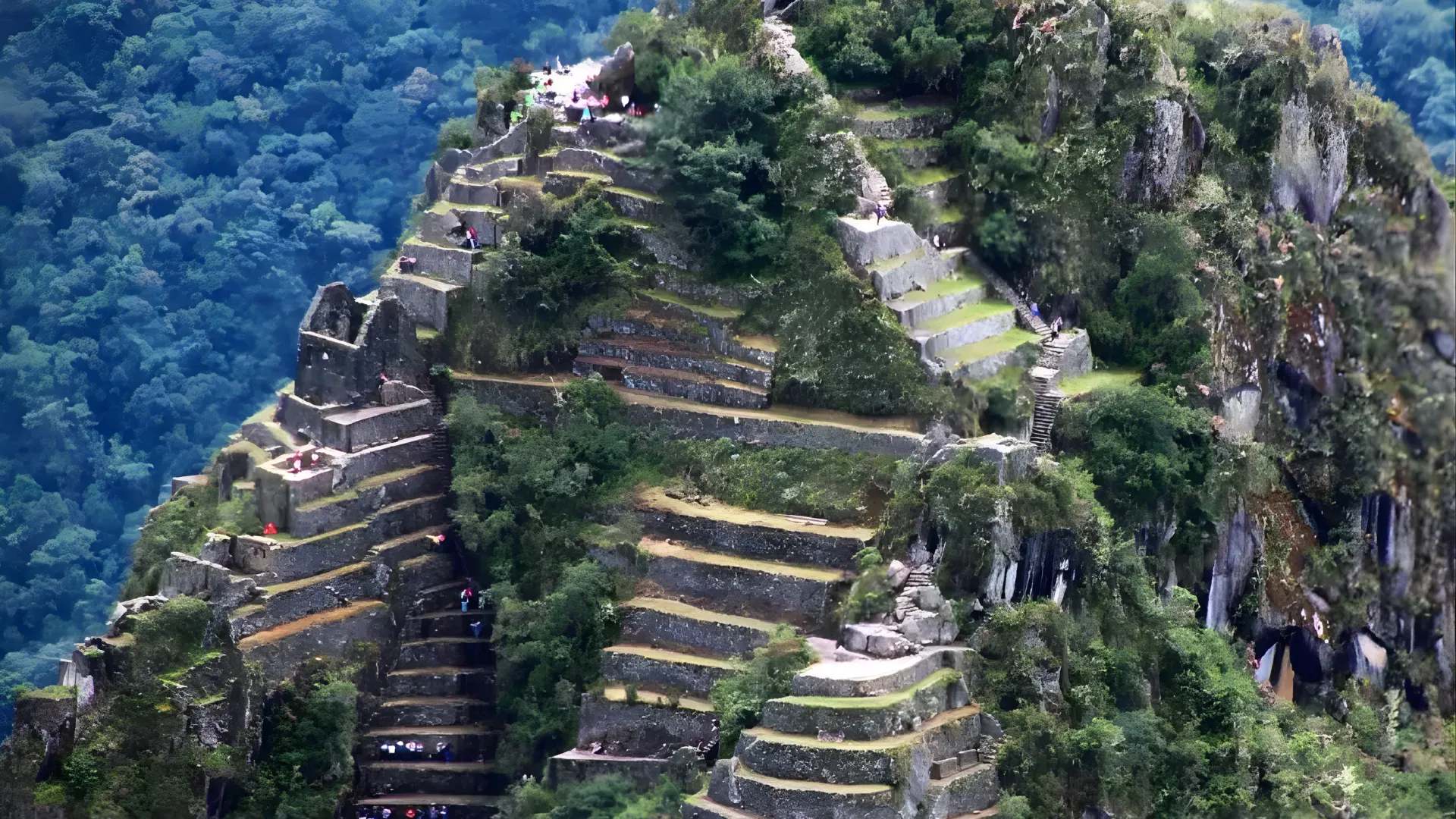
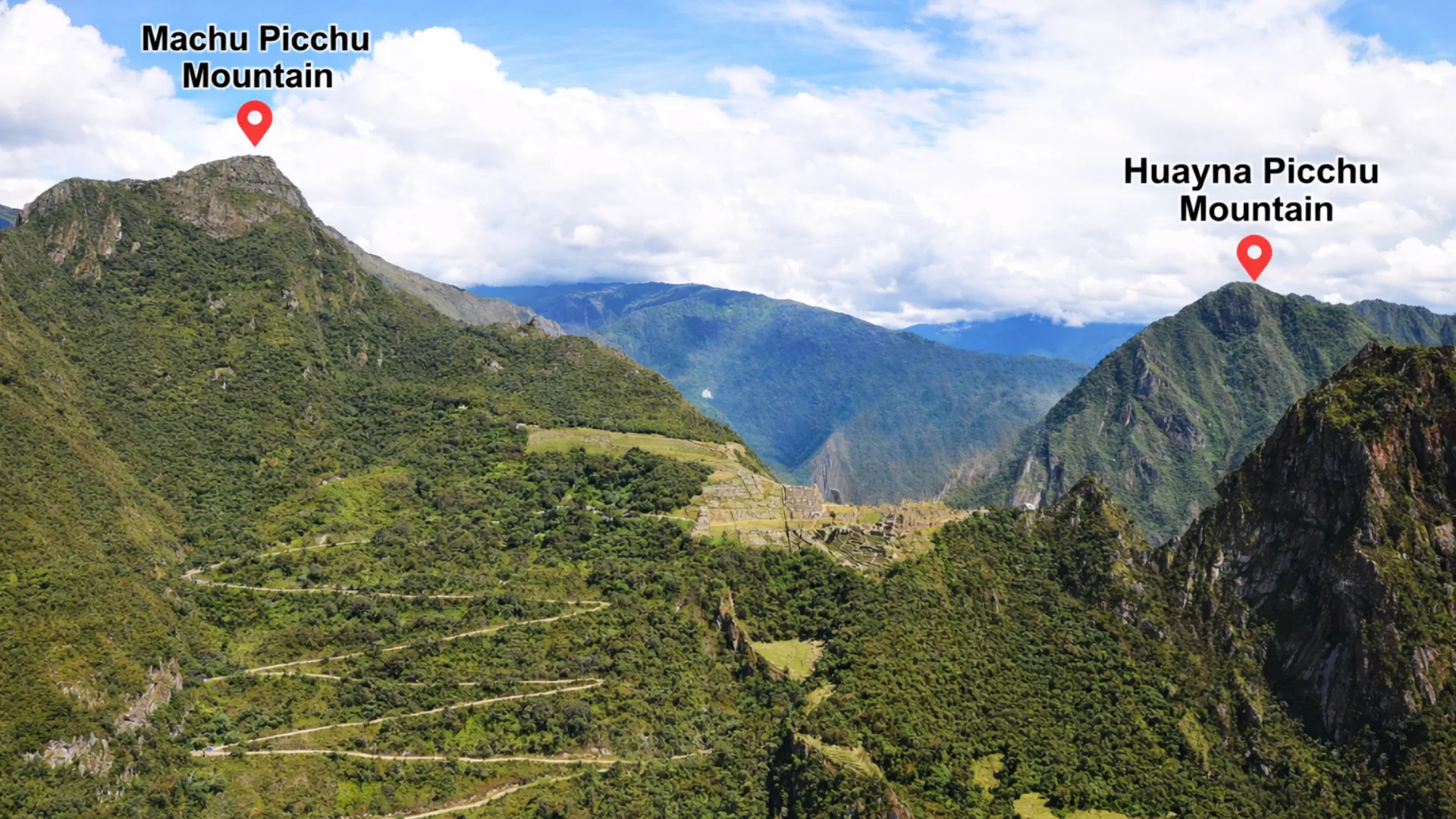
For the Incas, mountains were not just geographical features. They were living spiritual beings, known as Apus, with consciousness, power, and personalities. Choosing to build Machu Picchu in this specific location was, at least in part, a decision based on which Apus were present.
Three primary Apus watch over the Machu Picchu citadel, and they form a spiritual triangle of protection around the site:
- Apu Machu Picchu: The “Old Mountain,” the ancient guardian. His presence gives the site its name and its gravitas.
- Apu Huayna Picchu: The “Young Mountain,” rising sharply above the citadel. Considered more dynamic and powerful, particularly important for ceremonial purposes.
- Apu Putucusi: The mountain that rises on the opposite side of the valley. Often overlooked by tourists but spiritually significant in Andean tradition as a balancing force.
In Andean belief that continues to this day, Apus are consulted through pagos, ritual offerings made by curanderos or spiritual practitioners. The fact that Machu Picchu sits in the embrace of three major Apus was not just spiritually reassuring. It was considered a sign of divine selection. The mountains themselves had chosen this place.
The Virgins of the Sun (Acllas) and the Keepers of the Sacred Fire
One of the most enduring and evocative of all the Machu Picchu legends is that of the Acllas, the Chosen Women, or Virgins of the Sun. Archaeological evidence actually supports a significant female presence at the site, lending this legend unusual credibility.
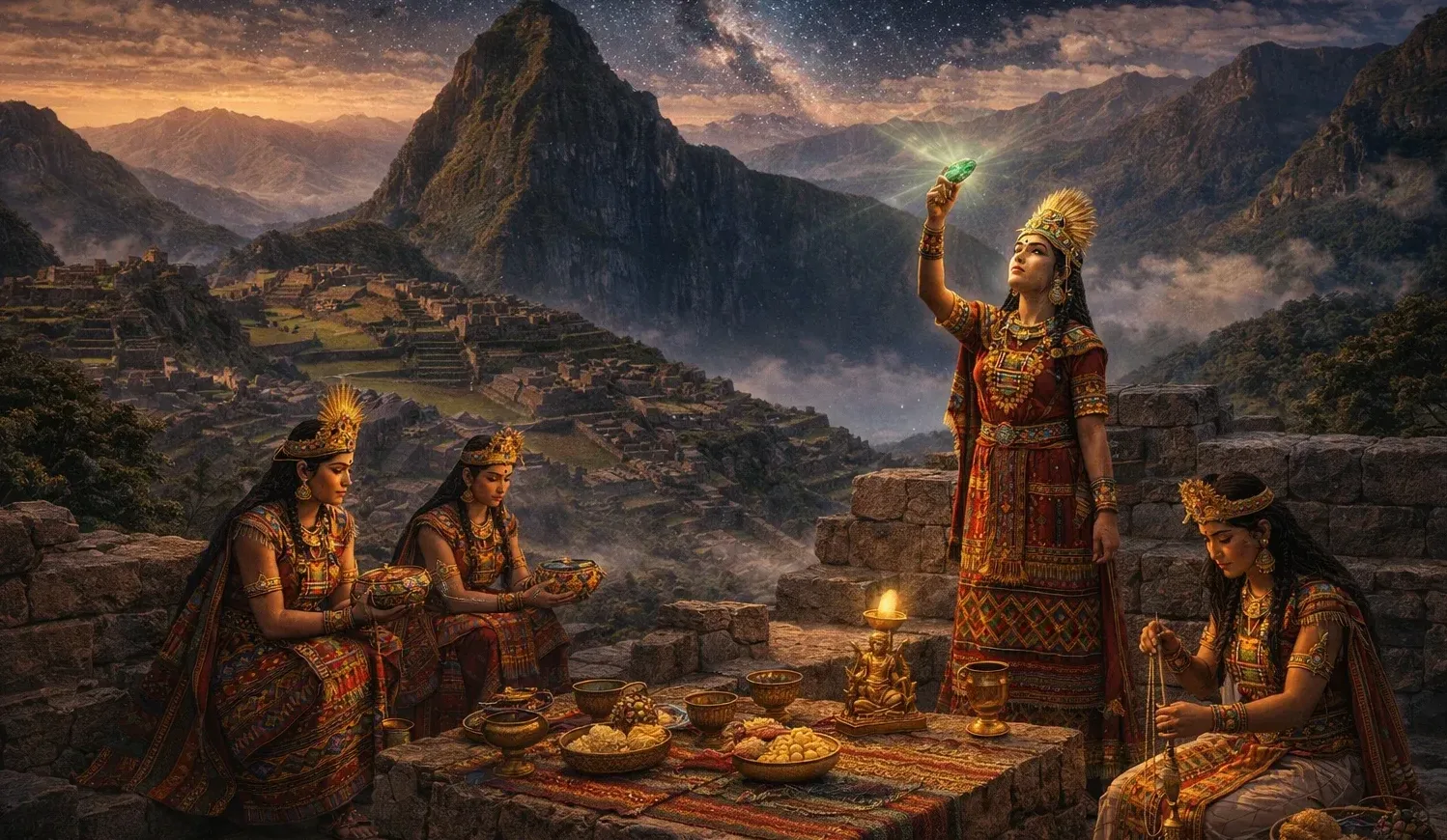
According to the legend, Machu Picchu was home primarily to women who had been selected from across the empire for their beauty, intelligence, or spiritual gifts. These women were dedicated to Inti, the Sun God, and were charged with an extraordinary responsibility: maintaining the eternal sacred fire.
What the Acllas Actually Did
Their role went far beyond tending a ceremonial flame. On certain evenings, using stones of the emerald type, the Acllas would capture the light of the stars, essentially using reflective or refractive stones as a kind of early optical instrument to focus starlight. This practice was believed to harness cosmic energy, and it was said that some of the Acllas developed the gift of clairvoyance as a result of their deep connection to celestial forces.
They lived in a specific section of the citadel, wove textiles of extraordinary quality for religious use, and prepared food offerings for ceremonial occasions. Their lives were considered sacred, dedicated entirely to the divine, and only the Sapa Inca himself had the authority to select Acllas as wives.
What Skeletal Evidence Tells Us
When Hiram Bingham first excavated Machu Picchu after 1911, his team found that a disproportionate number of the skeletal remains at the site appeared to be female. This was immediately interpreted as evidence of the “Virgins of the Sun” legend. Later osteological analysis has complicated this picture somewhat, but the female presence at the site remains significantly higher than you’d expect from a typical Inca settlement, keeping the legend very much alive in archaeological discussion.
The Legend of the Ayar Brothers and the Birth of the Inca Civilization
This is one of the most important origin myths in all of Andean culture, and it connects directly to the sacred geography of the region surrounding Machu Picchu. If you’re looking for the most interesting legend about Machu Picchu that traces the very roots of the civilization that built it, you’ve found it. The story of the Ayar Brothers is where the Inca world begins.
- Ayar Manco (Manco Cápac)
The leader of the group. He and his wife Mama Ocllo were the wisest and most strategic of the siblings. He eventually founded Cusco and became the first Sapa Inca.
- Ayar Cachi
The most powerful of the brothers, capable of throwing stones so hard they toppled mountains. His own siblings feared his strength and tricked him into re-entering a cave, sealing him inside.
- Ayar Uchu
The brother who could communicate directly with Viracocha. He transformed into stone on the sacred hill of Huanacauri to become a divine idol, sacrificing his human form to become an eternal protector.
- Ayar Auca
The last brother, who transformed into stone to mark the sacred spot where Cusco would be built. His transformation was seen as a divine act that consecrated the land.
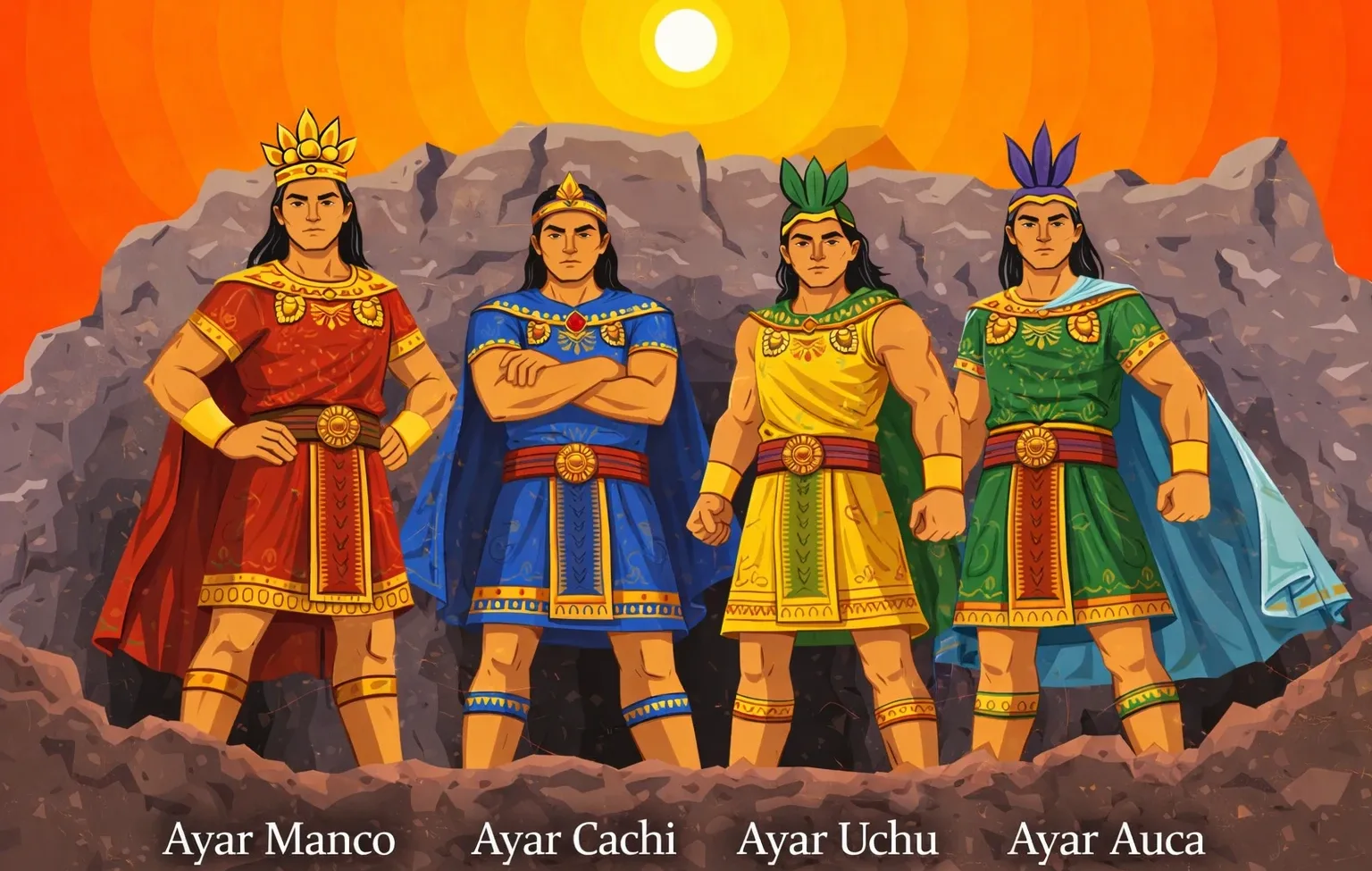
What’s particularly striking about this myth is the concept of transformation into stone. This is central to the legend of Machu Picchu as a whole: the Incas believed that powerful beings could become part of the rock itself, merging with the physical landscape to serve as eternal guardians. Given that Machu Picchu is built from and into the mountain, this reflects a deep theological belief about the relationship between stone, divinity, and permanence.
The Origin of Manco Cápac and Mama Ocllo in Lake Titicaca
There’s a parallel origin legend, and this one is even more poetic. According to this version, the sun god Inti looked down at humanity and saw people living in darkness and hardship. Taking pity on them, he sent two of his children, Manco Capac and his wife Mama Ocllo, from the waters of Lake Titicaca, rising out of the sacred lake like children of light.
Inti gave them a golden scepter with a specific instruction: travel until the scepter sinks into the earth on its own. That spot would be the location of the great empire. When the golden scepter finally sank into the earth at the hill of Huanacauri, near the valley of Cusco, they knew: this is where the empire begins.
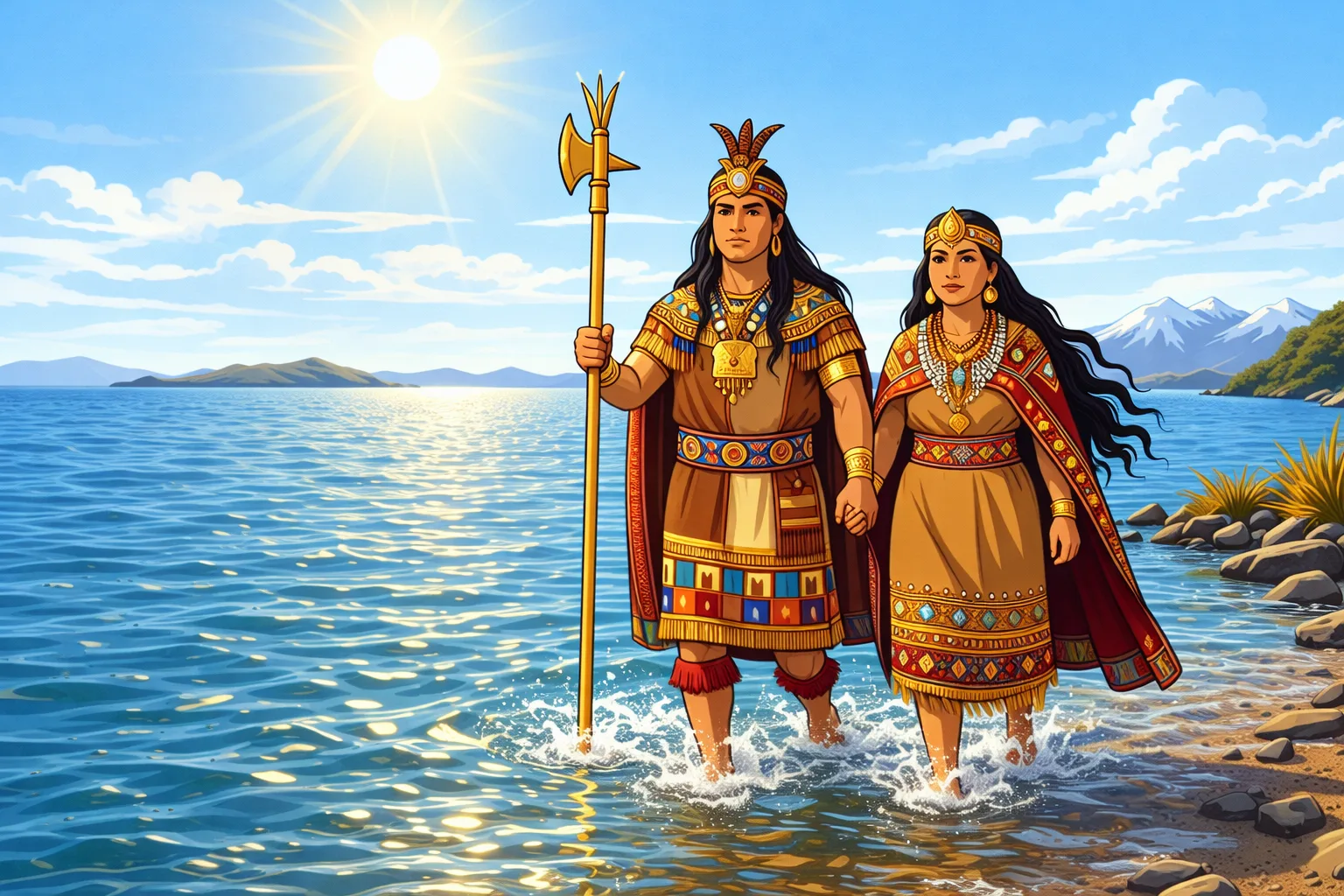
“The place where the golden scepter sank into the earth was not chosen by man. It was chosen by the Sun himself. Every stone laid at Cusco, every road built through the Andes, every temple raised at Machu Picchu, it all began with that single divine sign.”
— Andean Oral Tradition, as recorded by Spanish chroniclers
Pachacutec: The Emperor Who Ordered Machu Picchu Built
If there’s one historical figure whose story is inseparable from the Machu Picchu legends and myths that have come down to us, it’s Pachacutec, the ninth Sapa Inca, known as “Transformer of the World.” Most historians and archaeologists now agree that Machu Picchu was built under his orders, around 1450 CE, at the very height of the Inca Empire’s power.
The Battle of the Chancas and the Miracle of the Sun
The story goes like this: a powerful rival group called the Chancas were advancing on Cusco with overwhelming force. The reigning Inca, Viracocha, was so terrified that he fled the city. His son, a prince named Kusi, refused to abandon Cusco. He stood his ground and rallied an army.
According to the legend, when the battle seemed lost, Inti, the Sun God, intervened directly. The stones surrounding the city transformed into warriors and joined the fight alongside Kusi’s forces. The Chancas were utterly defeated. When Viracocha returned and saw what his son had accomplished, he gave him the name Pachacutec, meaning Transformer of the World.
From that moment, Pachacutec’s authority was considered not just political, but divine. He had the explicit favor of Inti, and it was this favor, this direct connection to the sun god, that he sought to commemorate by building Machu Picchu.
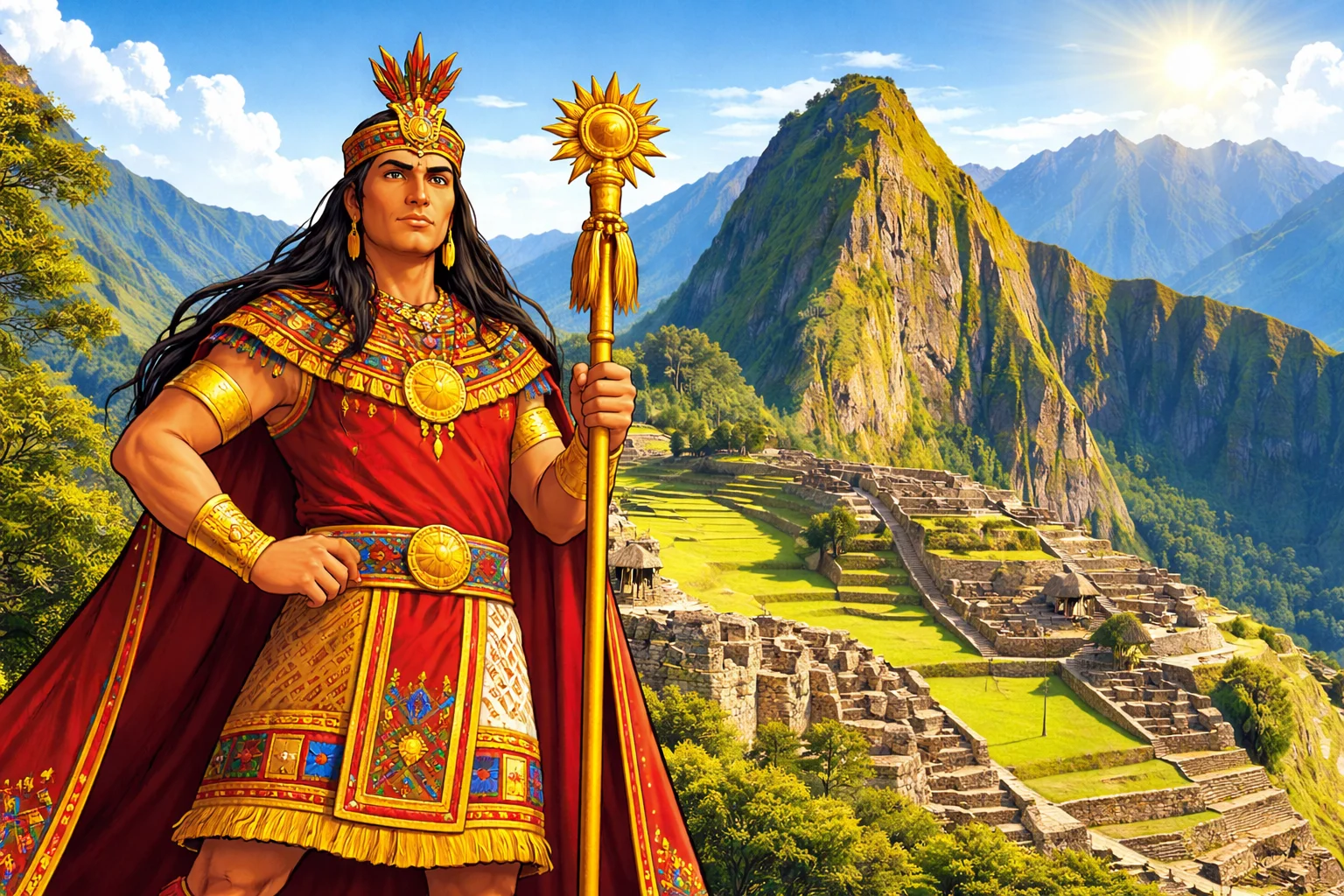
“Machu Picchu was not merely a royal estate. It was a statement about the relationship between the emperor and the divine. Every alignment, every temple, every carved stone was meant to say: The Sun God favors us.”
Why Pachacutec Chose This Specific Location
The site wasn’t chosen at random. The Incas believed that certain geographic locations held more spiritual power than others, what they called huacas, or sacred places. The ridge between the mountains Machu Picchu and Huayna Picchu, sitting above the rushing Urubamba River with three mountain Apus surrounding it, was considered one of the most spiritually charged locations in the Andean world.
The alignment of the site with celestial bodies, particularly the sun during solstices and equinoxes, was not accidental. The Incas were advanced astronomers, and Pachacutec’s architects built Machu Picchu as a place where the earthly and divine could literally meet.
The Inca Worldview and the Origins of Sacred Myths
Before you can understand any specific legend about Machu Picchu, you need to understand how the Inca people saw the universe itself. And this is where things get genuinely fascinating. The Machu Picchu myths and legends we know today are rooted in a cosmological framework that shaped every stone, every ritual, and every breath of the civilization that built this place.
The Incas didn’t separate religion from daily life. For them, every mountain, every river, every stone had a spiritual presence. The sun wasn’t just a star. It was Inti, the father of the Inca people and the supreme deity of the empire. The Earth wasn’t just soil. It was Pachamama, a living being that gave life, sustenance, and care to every living thing.
The Three Worlds of the Inca Universe
Inca cosmology divided existence into three realms, and this framework appears throughout Machu Picchu’s architecture and symbolism:
- Hanan Pacha: The upper world, the realm of the gods, the sun, moon, stars, and celestial beings.
- Kay Pacha: The middle world, the realm of the living, where humans, animals, and plants exist.
- Uku Pacha: The lower world, the realm of the dead and of things yet to be born.
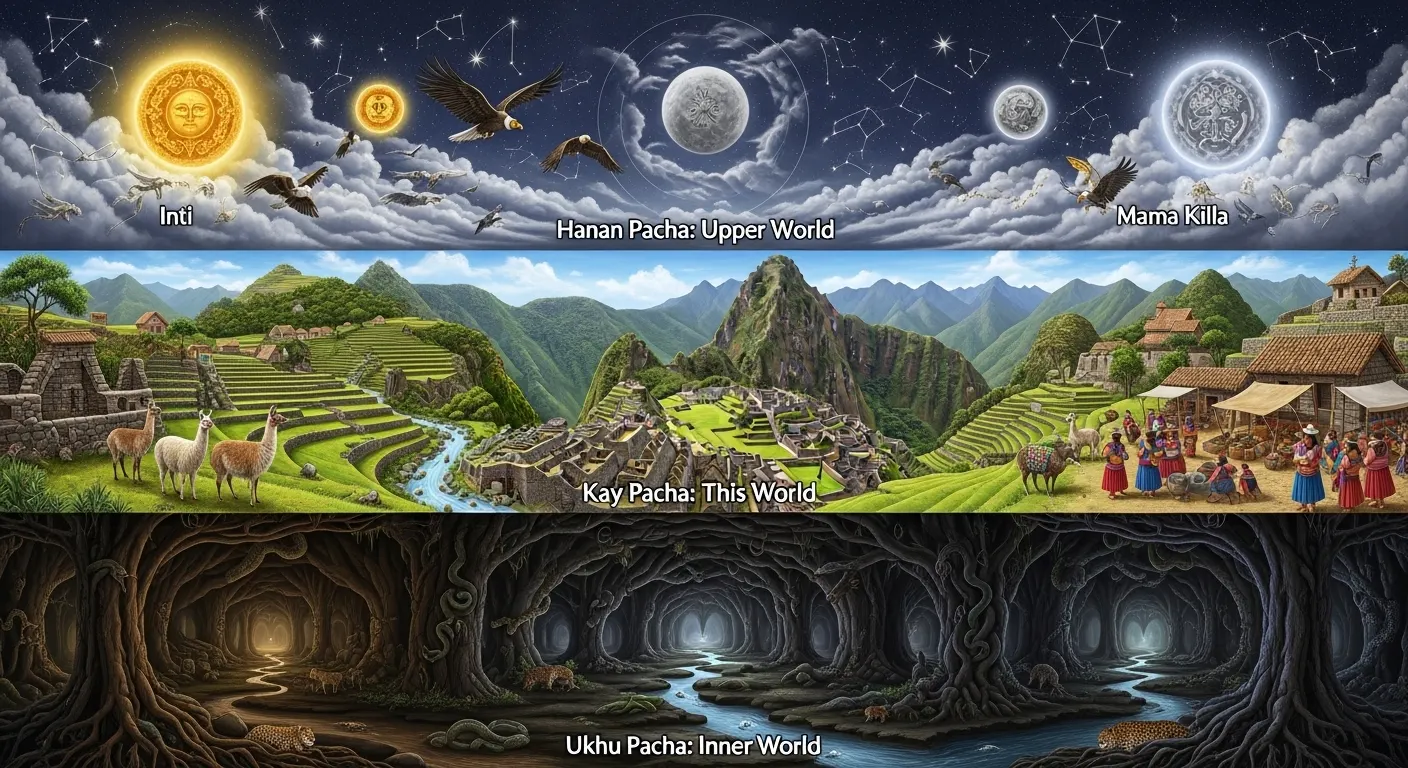
These three worlds were represented symbolically by three sacred animals: the condor (upper world), the puma (living world), and the serpent (underworld). Machu Picchu itself is said to reflect the shape of these animals when viewed from above.
The Main Inca Deities Tied to Machu Picchu
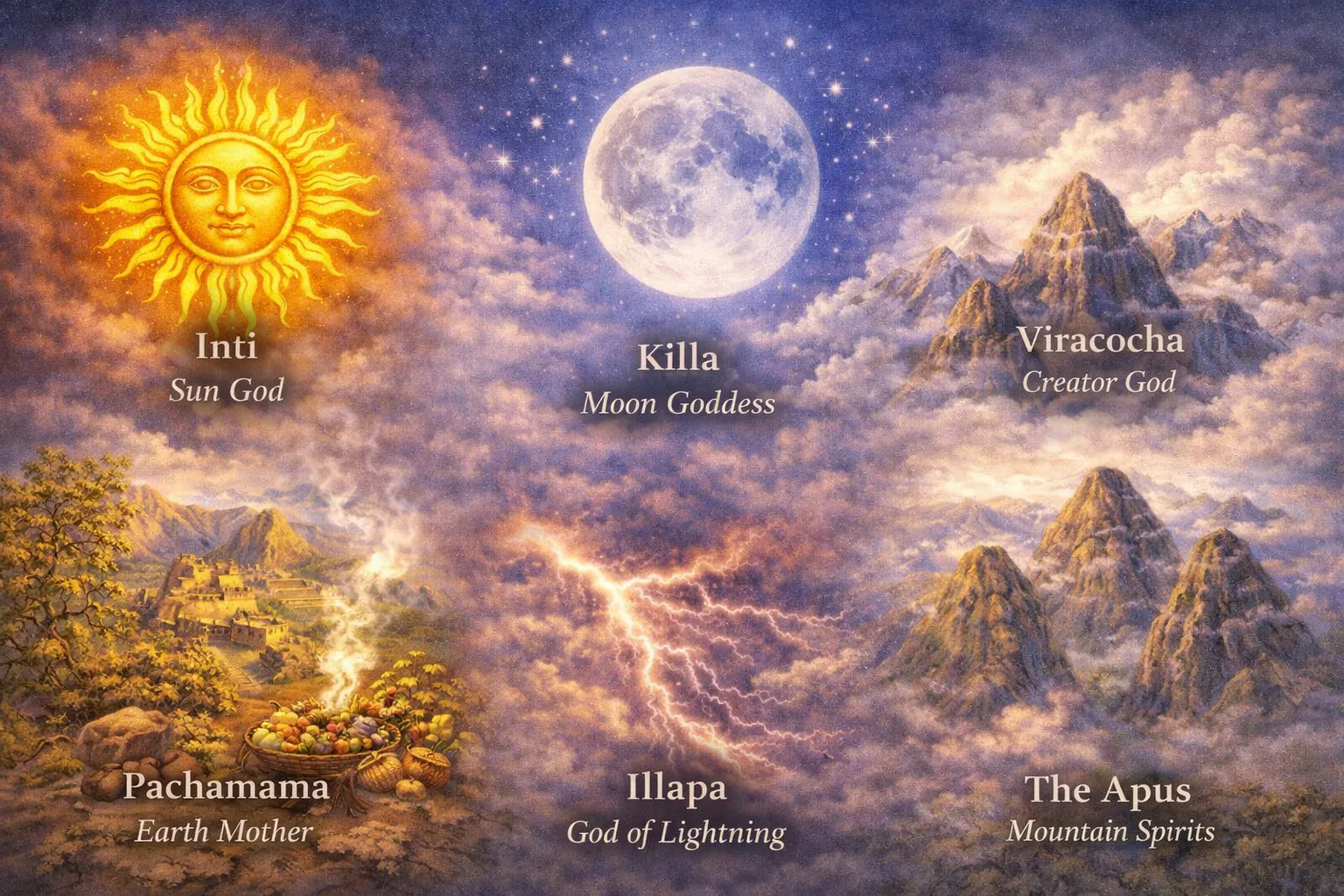
The site’s spiritual identity was shaped by a specific set of gods whose influence you can still see carved into its temples and plazas:
Key Deities in Mythology
- Inti (Sun God): The supreme deity. The Temple of the Sun is dedicated entirely to him. During solstices, sunlight passes through specific windows with near-perfect alignment.
- Pachamama (Earth Mother): The living earth. Revered as a nurturing force that sustained all life, honored through offerings and rituals.
- Killa (Moon Goddess): Wife of Inti. Associated with time, agriculture cycles, and female power.
- Viracocha (Creator God): The god of creation who shaped the universe and humanity. Some legends claim Machu Picchu itself was shaped by his divine hands.
- Illapa (God of Lightning): A feared and respected deity associated with storms and divine power.
- The Apus (Mountain Spirits): Sacred mountain gods who protected specific territories. Three major Apus watch over Machu Picchu.
Popular Myths About Machu Picchu a nd What's Actually True
Alongside genuine Inca mythology, Machu Picchu has accumulated a fair amount of modern mythology, claims and assumptions that sound plausible but don’t hold up to scrutiny. When you’re researching the legends about Machu Picchu, it’s worth knowing how to separate ancient sacred tradition from bad information that has crept in over time.
| The Myth | The Reality |
|---|---|
| Machu Picchu was the “Lost City of the Incas” | The actual “Lost City” historians sought was Vilcabamba. Machu Picchu was never truly “lost” because local farmers knew of its existence for centuries. |
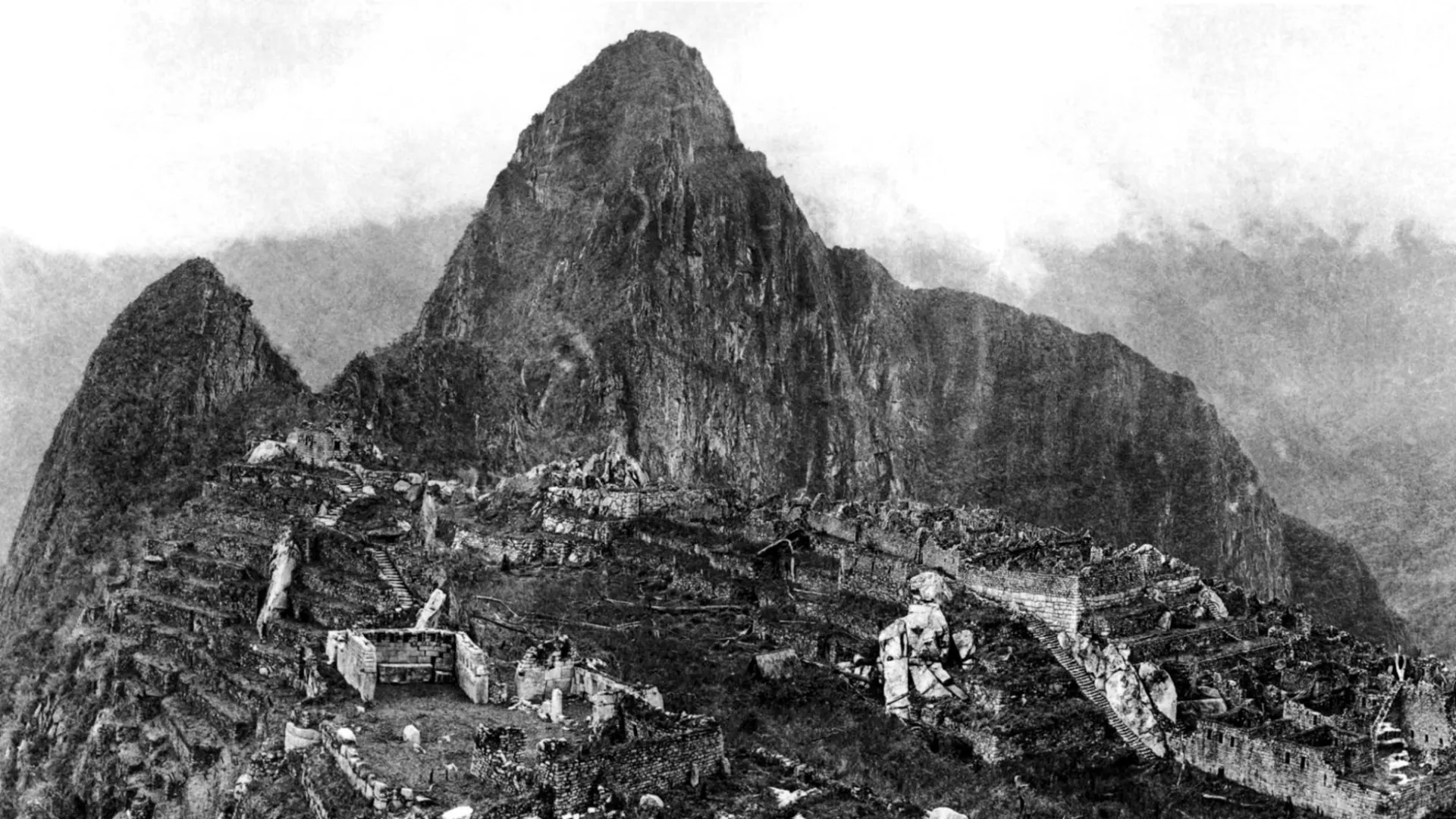
| Hiram Bingham “discovered” Machu Picchu in 1911 | Bingham brought international attention to the site, but indigenous communities knew of it long before. He was guided to it by a local farmer named Melchor Arteaga. |
| It was built by aliens or extraterrestrial technology | The Incas were extraordinarily skilled stonemasons. Ramps, levers, water channels, and a massive organized workforce explain the construction. |
| Machu Picchu is “El Dorado,” the Lost City of Gold | The site was never covered in gold. El Dorado was a separate legend with no connection to Machu Picchu. |
| The Spanish never knew Machu Picchu existed | There is documentary evidence suggesting the Spanish were aware of the site. Its survival is partly due to its remote location. |
Where History and Legend Meet
What makes Machu Picchu so compelling is that history and mythology do not compete here. They overlap. Archaeology helps explain how the citadel was built, how its spaces functioned, and how its people may have lived. Legend, meanwhile, explains how the Incas may have understood those same spaces through faith, symbolism, and cosmic meaning.
That is why Machu Picchu continues to feel larger than a ruin. It is a place where sacred geography, political power, celestial observation, and oral tradition all come together. The stones remain, but the stories are what continue to give them life.
Frequently asked questions about Machu Picchu Legend & Mythology: The Stories Behind the Sacred Stones
Some top titles include Lost City of the Incas by Hiram Bingham, Turn Right at Machu Picchu by Mark Adams, and The Ancient Kingdoms of Peru by Nigel Davies. All cover Inca mythology and the spiritual history of the site in depth.
Among them, 3 were those who ruled in a primordial way the coexistence of the Incas: Ama Sua (do not be a thief). Ama Llulla (do not be a liar). Ama Quella (do not be idle).Aug 16, 2017
The most famous is the legend of Emperor Pachacutec, who built the citadel after the Sun God Inti granted him a miraculous victory over the Chanca people. Another key legend holds that the stones themselves were shaped and moved with divine guidance from the creator god Viracocha.
Several Cusco-based operators offer spiritual and mythology-focused tours, including Apus Peru and Andean Travel Web, which pair archaeologist guides with sacred site visits. Many include stops at the Intihuatana stone and the Temple of the Sun with detailed mythological explanations.