The Vicuna Animal and Everything You Need to Know About It
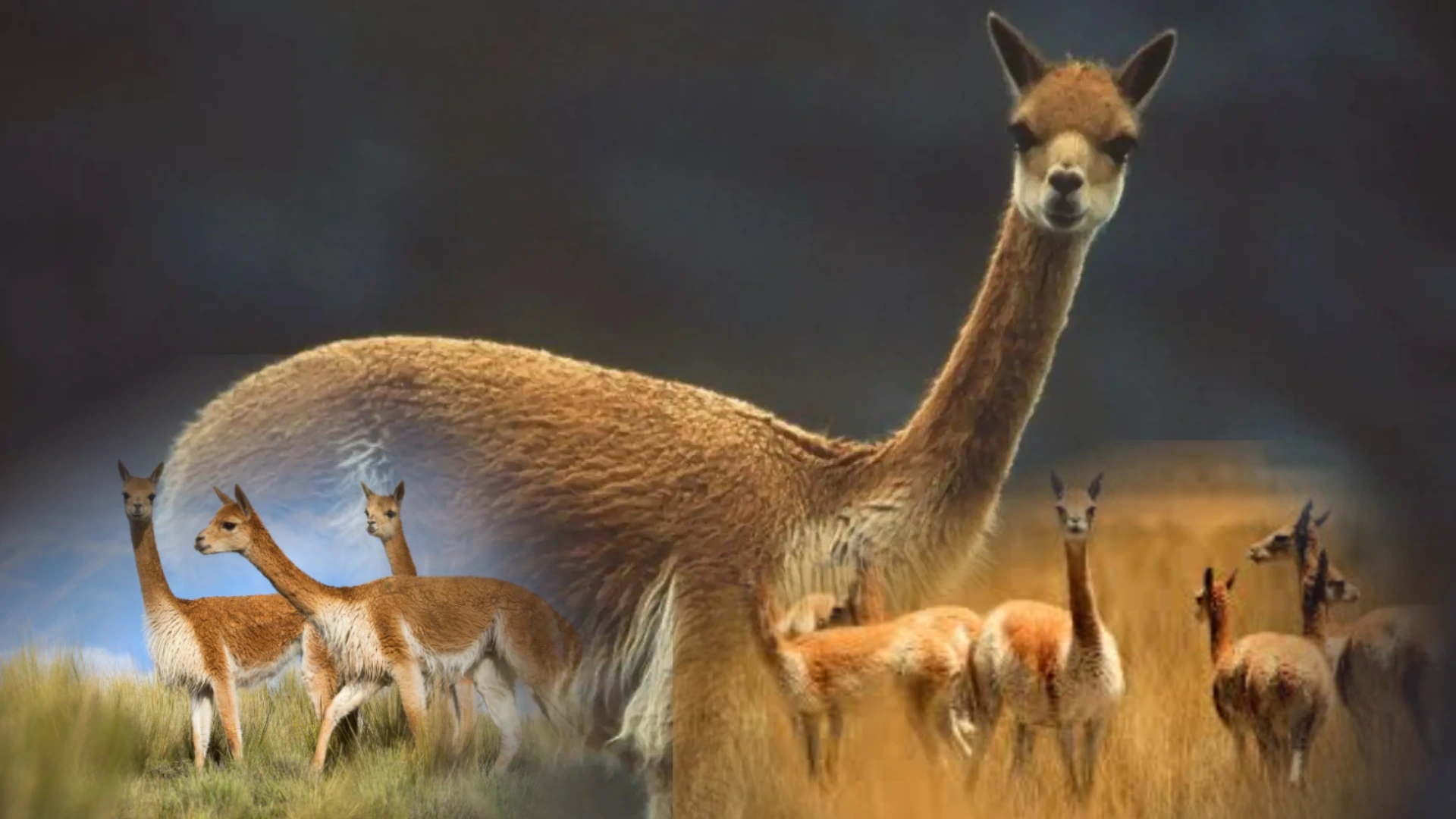
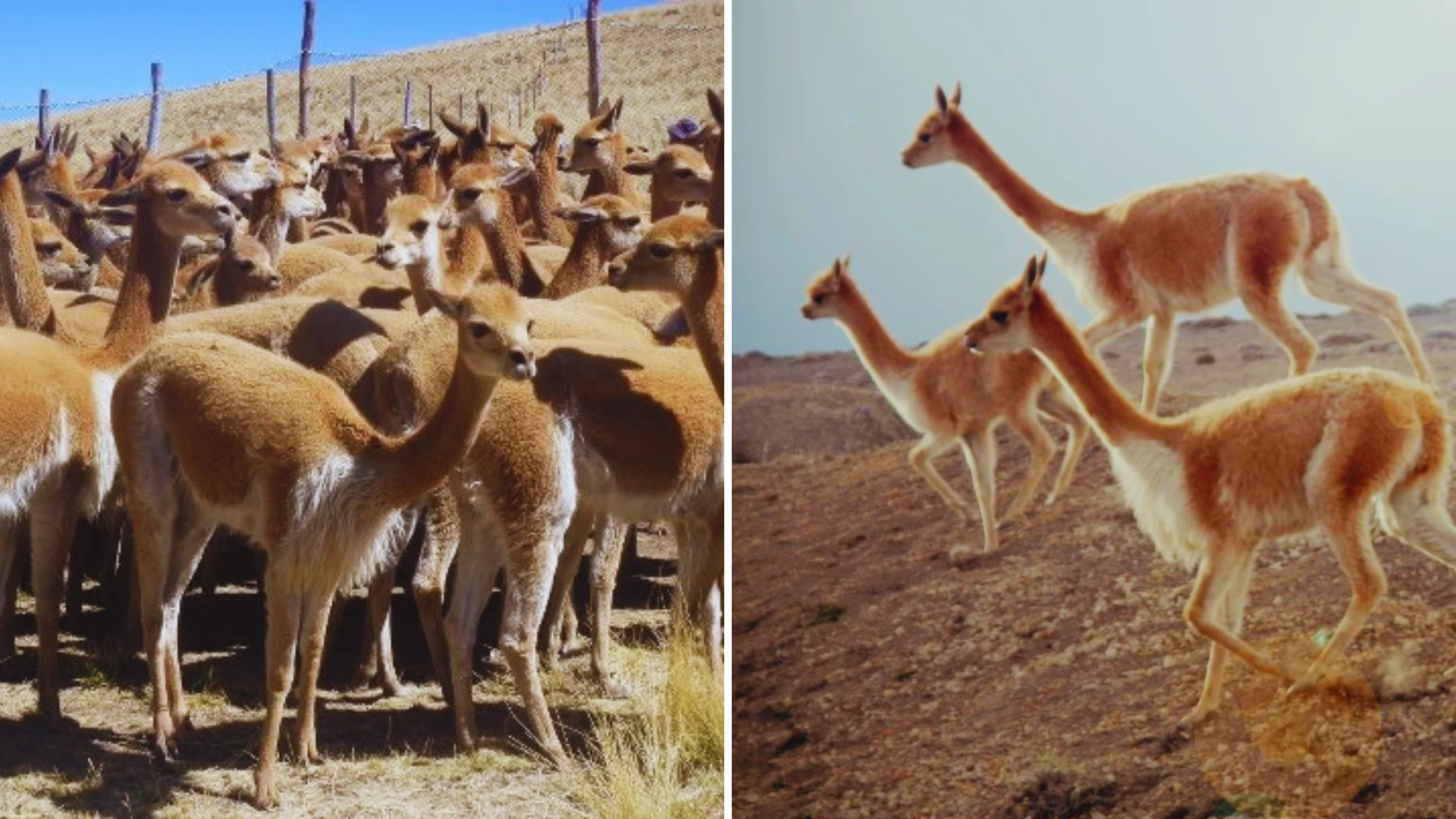
The Vicuña is one of the most unique animals in South America. If you aren’t familiar with the Vicuña, think of a small, elegant, and nimble member of the camel family, which is a native of the cold, wind blown high altitude areas of the Andes. The Vicuña is the wild ancestor of the Alpaca, and is known around the world for producing the rarest and the most sought after type of fiber on Earth Vicuña Wool. Many travelers looking to understand the vicuna animal often begin by asking what is a vicuna or what is a vicuña, since the species is so distinct from domesticated camelids.
For ecological and cultural reasons the Vicuna has been protected since the time of the Inca Empire. At that time, injuring a Vicuña was a crime, and garments made from Vicuña wool could only be worn by the nobility. Even today, people do not only admire the vicuña for its beauty but also for the way it demonstrates how Andean communities and their people are able to develop sustainable livelihoods based on their ability to utilize the natural resourcesof the vicuña animal without putting the species at risk of extinction.
The Main Differences Between a Vicuña and Other Camelids Like Llamas and Alpacas
Many people search for comparisons such as alpaca vs vicuna, vicuna vs alpaca, or broader explanations like llama alpaca vicuna differences. All four South American camelids were developed from the same parent stock, so it’s easy to see how they differ but if you learn a little bit about how they are used and how they are built, the differences become apparent. These questions often arise when someone is first learning about vicunas and wants to understand what is a vicuña in comparison to other camelids.
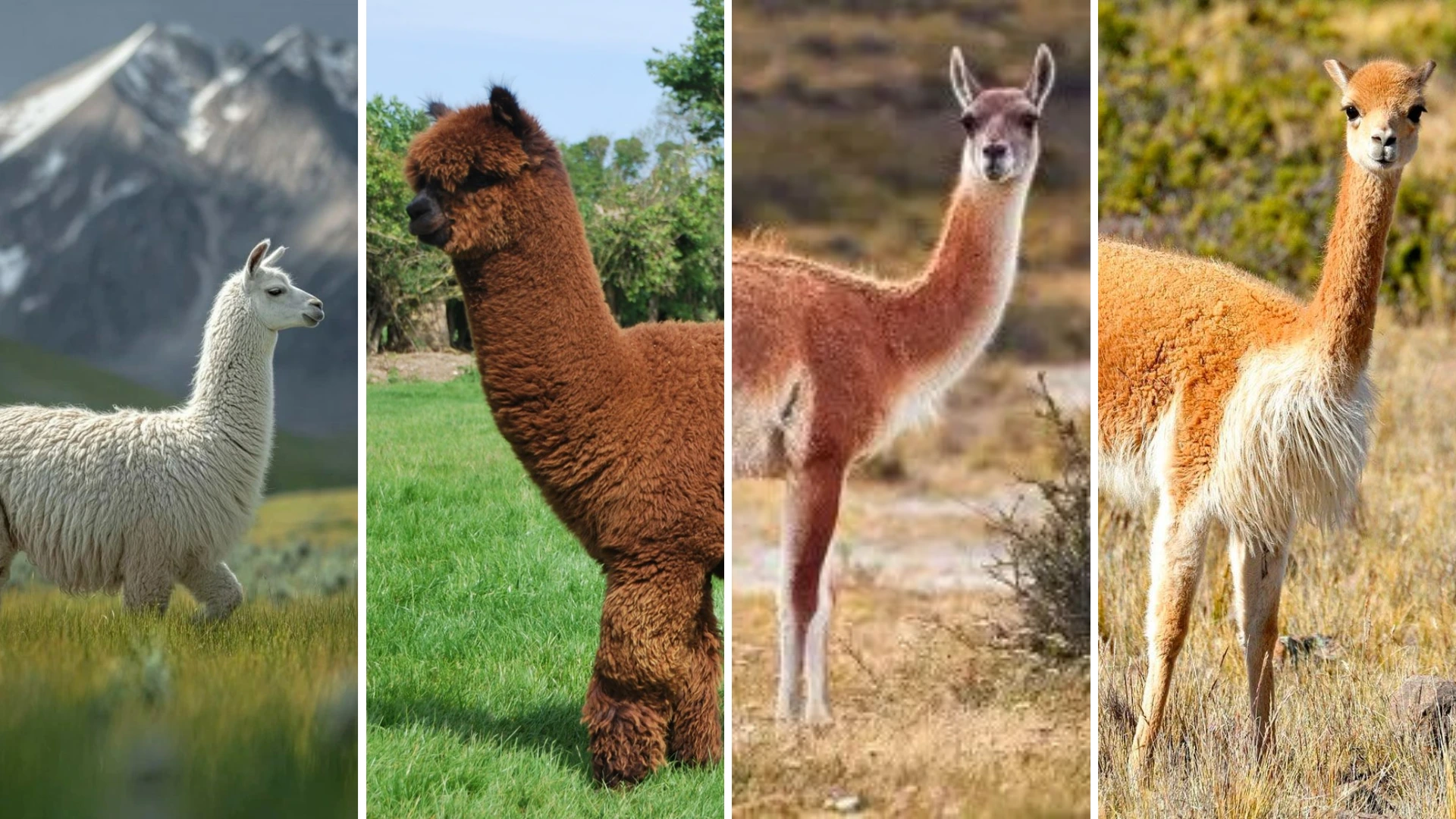
Llamas are the largest camelid breed and the majority of them were domesticated as pack animals. Alpacas are much smaller than llamas and are primarily bred to produce soft wool. There are two types of alpaca wool; Huacaya and Suri. Vicuñas, unlike llamas and alpacas, have not been domesticated, and they produce the absolute finest quality fiber of any camelid.
The difference between llama alpaca and vicuna can also be seen in the social behaviour of the animals; Llamas and alpacas are comfortable with human interaction and live in domestic herds, while Vicuña live in extreme shyness and avoid human contact, preferring to live in wide open areas at higher altitudes. Their shy nature and the fact they do not allow human interaction makes managing the animals very difficult, which adds to the fact that the wool is very rare.
Differences Between Llama, Alpaca, Vicuña, and Guanaco
| Camelid | Size | Wool Quality | Domestication | Key Traits |
| Llama | Large | Coarse | Fully domesticated | Used as pack animals; strong and social. |
| Alpaca | Medium | Soft | Fully domesticated | Bred mainly for fiber; calm and easy to manage. |
| Guanaco | Large wild | Medium-soft | Wild | Strong and resistant; ancestor of the llama. |
| Vicuña | Small & slender | Finest fiber in the world | Wild (not domesticated) | Extremely shy, golden color, produces rare vicuña wool. |
Physical Characteristics That Distinguish the Vicuña from Guanacos
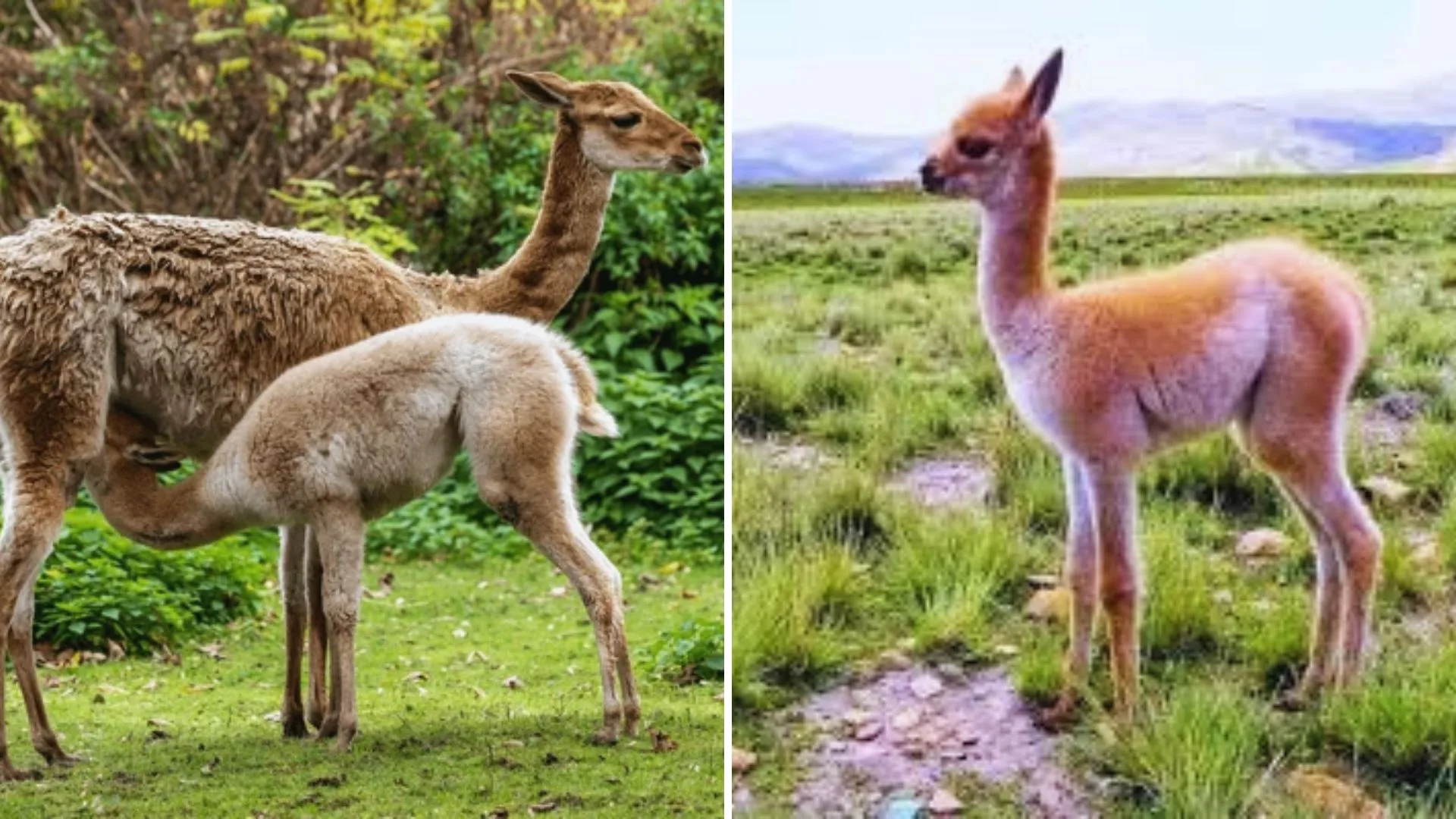
Another important comparison is guanaco vs vicuña. The guanaco is the larger, more robust cousin of the vicuña and has a thicker coat that protects it from harsher climates. In contrast, the vicuña animal has a slender body, long neck, delicate legs, and a luxurious golden cinnamon fleece that allows it to regulate temperature in freezing Andean nights.
The vicuña domesticated relative is believed to be the alpaca. Genetic studies confirm that ancient Andean cultures selectively bred wild vicuñas to produce what eventually became the modern alpaca. Although guanacos also contributed to the camelid family, the vicuña’s refined fiber and delicate build set it apart from all others.
Where Vicuñas Live in the High Andes of Peru and Chile
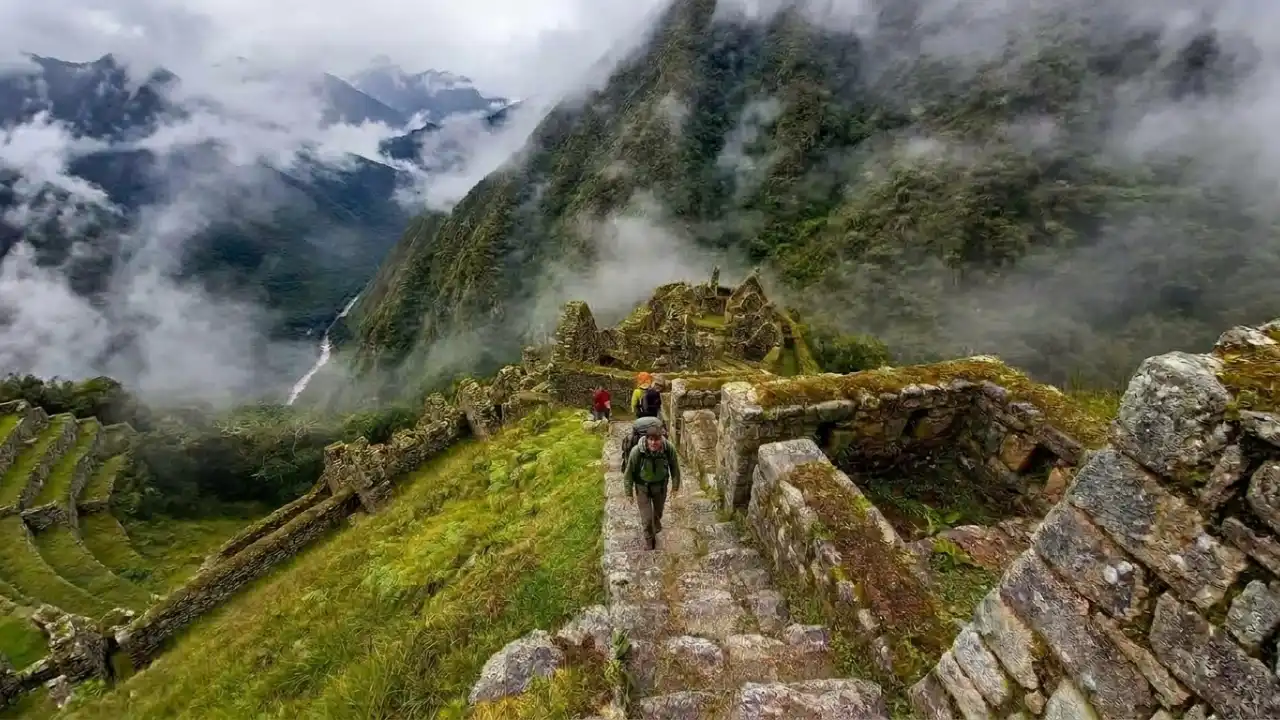
To understand where do vicuñas live or where are vicuñas found, you need to look at the geography of the Andean highlands. Vicuñas inhabit altitudes between 3,500 and 5,000 meters (11,480-16,400 ft), where temperatures drop dramatically at night and oxygen levels are low.
In vicuña Peru, they are commonly found in Pampa Galeras (Ayacucho), Salinas y Aguada Blanca (Arequipa), Pampas de Junín, the highlands of Puno, and parts of Cusco. In vicuña Chile, they are protected in reserves like Lauca National Park and other areas of the Chilean altiplano.
So, where does the vicuna live? Only in areas that possess open grasslands, have little vegetation, receive high levels of ultraviolet radiation and have extreme temperature fluctuations that very few other mammals can survive in. As a result, each time one travels into the wilds of South America to see a vicuna animal is quite special.
Where Do Vicuñas Live? (By Country)
| Country | Regions Where Vicuñas Are Found |
| Peru | Pampa Galeras, Arequipa (Salinas y Aguada Blanca), Junín, Puno, Cusco |
| Chile | Lauca National Park, Surire Salt Flat, the northern altiplano |
| Bolivia | Eduardo Avaroa Reserve, Oruro highlands |
| Argentina | Jujuy, Salta, Catamarca Plateau |
Altitude Range: 3,500-5,000 m (11,480-16,400 ft)
Reasons Why Vicuña Wool Costs Significantly More Than Cashmere
People often ask why is vicuna wool so expensive or whether vicuna is softer than cashmere? Is that vicuña fiber is the finest, warmest, and rarest type of animal fiber on the planet.
A single vicuña produces only about 120-150 grams of fleece suitable for use, every 2-3 years. In contrast, cashmere goats can generate multiple times the amount of fiber each year. Vicuñas are also a wild animal, and therefore cannot be raised in the same manner as cashmere goats or alpacas. Everything must be done in accordance with strict conservation laws, which contribute to the overall cost of vicuña wool.
Because of this scarcity, the price of vicuña wool price. Even a small accessory made from pure vicuña can cost thousands of dollars, which is why is vicuna so expensive across the global fashion industry by luxury brands and high-end clientele throughout the fashion landscape.
Why Vicuña Wool Is So Expensive
| Reason | Explanation |
| Finest Fiber on Earth | Vicuna fleece measures about 12 microns, making it much fine than luxurious cashmere. Because of that fine micron diameter, vicuña wool feels softer than cashmere. |
| Low Yield | Each vicuña produces only 120-150 g of usable fleece every 2-3 years. |
| Wild Animal | Farming vicunas is not as simple as herding sheep. As such, vicuña fleece comes exclusively from controlled collections called roundups of wild vicunas. |
| Strict Laws | Vicuña fleece can only be collected through government-regulated Chaccu ceremonial practices. |
| High Processing Costs | To turn vicuña fleece into thread, it requires specialized cleaning, dehairing, and spinning machinery. |
| Global Luxury Demand |
Since almost every luxury fashion house produces garments using vicuña wool, that has contributed to the overall increase in price amongst vicuña wool.
|
The Traditional Chaccu Method for Harvesting Wool Ethically
To understand how is vicuna wool harvested, we must look at ancient Andean techniques. The Chaccu is a ritual based method where communities form large human chains to gently surround wild vicuñas, guide them into corrals, shear them, and then release them unharmed. This sustainable practice, dating back to Inca times, ensures animal welfare while supporting rural economies.
Because of the respect shown towards the animals during shearing, shearing vicuñas is governed by strict regulations. Each Chaccu is monitored and controlled by Government Agencies and Conservation Agencies to ensure the appropriate capture and release of the animals. The high cost associated with vicuña wool is largely attributable to the deliberate and controlled manner of harvesting and the ethical approach employed in the process.
Vicunas shearing under strict government and conservation regulations that ensure that both capture and release are done in a humane and ethical manner. This attention to animal welfare is part of the reason for the vicuna wool cost, as the entire shearing process is very slow and deliberate.
The Chaccu: Ethical Harvesting of Vicuña Wool
The Chaccu is the traditional Andean method used in harvesting vicuña wool without harming the animals. Rooted in Inca heritage and still practiced today, this ritual brings local communities together in safely capturing, shearing, and releasing wild vicuñas according to strict conservation guidelines. It ensures ethical treatment, sustainable use, and direct economic benefits for high Andean villages.
| Aspect | Details |
| Origins | Ancient Inca method preserved for centuries. |
| How it Works | Communities gently gather wild vicuñas, shear them, and release them back to the wild. |
| Frequency | Every 2-3 years per animal to allow fleece to regrow. |
| Ethics | No harm to animals; supervised by government and conservation agencies. |
| Benefits | Provides income for Andean communities while supporting conservation. |
Understanding the Market Value of Raw Vicuña Fiber and Fabric
If you are researching how much is vicuna wool or what defines quality vicuna fabric, it’s important to know how the market works. The price of raw vicuña fiber can exceed hundreds of dollars per pound, depending on elements like purity level, source location, and whether the product comes with a legal document stating that the vicuña was harvested legally. The cost goes up dramatically when the raw vicuña fiber has been converted into vicuña yarn, especially because vicuñas are wild animals and protected, leading many to wonder are vicunas endangered due to their high value.
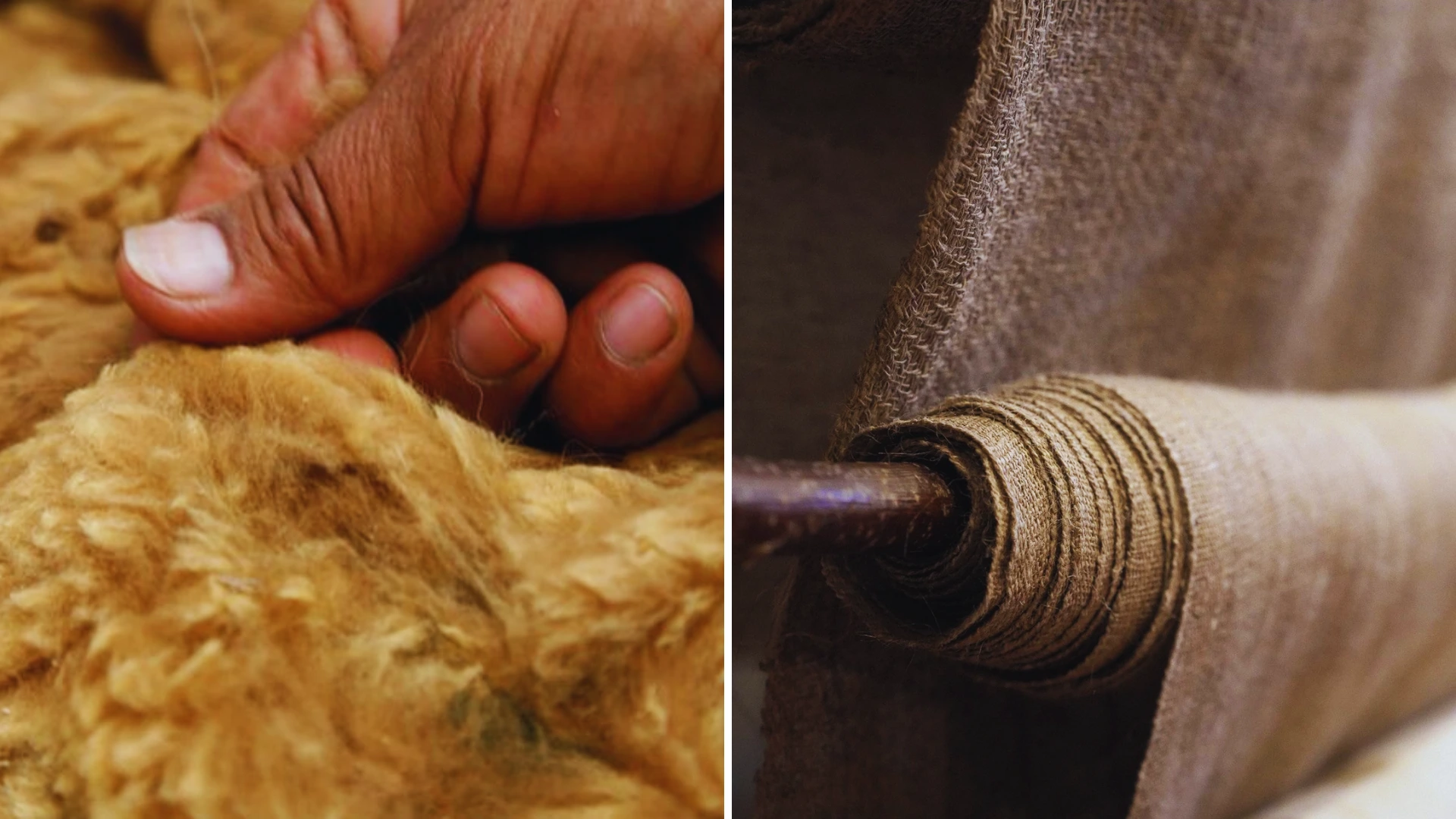
Turning raw fiber into vicuna cloth involves, there are many stages, including washing, dehairing, combing, spinning, and weaving with specially designed machinery operated by skilled workers. Each step requires significant labor and this is why many vicuña textiles are priced so high. Understanding these steps also helps anyone researching what is a vicuña or what color is vicuna since the natural fleece tone and fiber fineness directly influence the market value of the vicuña animal in textile production.
Vicuña Wool Prices (Reference Guide)
| Product Type | Approximate Market Price |
| Raw Fiber (washed) | $400-$600 per pound |
| Vicuña Yarn (spun) | $300-$500 per 100 g |
| Vicuña Fabric | $3,000-$5,000 per meter |
| Scarves & Shawls | $1,500-$4,000 |
| Coats (Loro Piana, Brioni, etc.) | $12,000-$40,000+ |
Values vary by season, purity, brand, and legal certification.
Top Luxury Brands That Use Vicuña Wool in Their Clothing Lines
Vicuña fiber has a limited supply, so it can only be made into apparel by a select number of luxury fashion houses. These high end fashion houses that manufacture collections of clothing made from vicuñas are:
- Loro Piana vicuna collections
- Brioni vicuna menswear
- Brunello Cucinelli vicuna outerwear
- Selected lines from other top tier Italian and European designers
These brands invest heavily in conservation programs and work directly with Andean communities to ensure that vicuna clothing is ethically sourced, traceable, and legally certified. Purchasing a garment made from the vicuña from an accredited luxury brand means that a customer is not only participating in an industry segment that has been defined as a commodity by society but also respecting the history and culture of the indigenous peoples who live in the Andean region.
Luxury Brands Using Vicuña Wool
The luxurious nature of Vicuña Wool is what has made it a worldwide luxury brand, and relatively few fashion houses have the privilege to use this rare material for their collections. These select brands have created a small quantity of unique garments that are carefully manufactured to showcase the properties of the wool; they are incredibly soft, keep you very warm, and are extremely rare.
| Brand | Specialty |
| Loro Piana | Iconic Loro Piana vicuna puffer coats, scarves, and suits. |
| Brioni | High-end menswear using certified vicuña yarn and fabric. |
| Brunello Cucinelli | Ultra luxury sweaters, jackets, and outerwear. |
| Ermenegildo Zegna | Limited edition coats, suiting, and accessories. |
Popular Garments Like the Loro Piana Vicuña Puffer Coat and Scarves
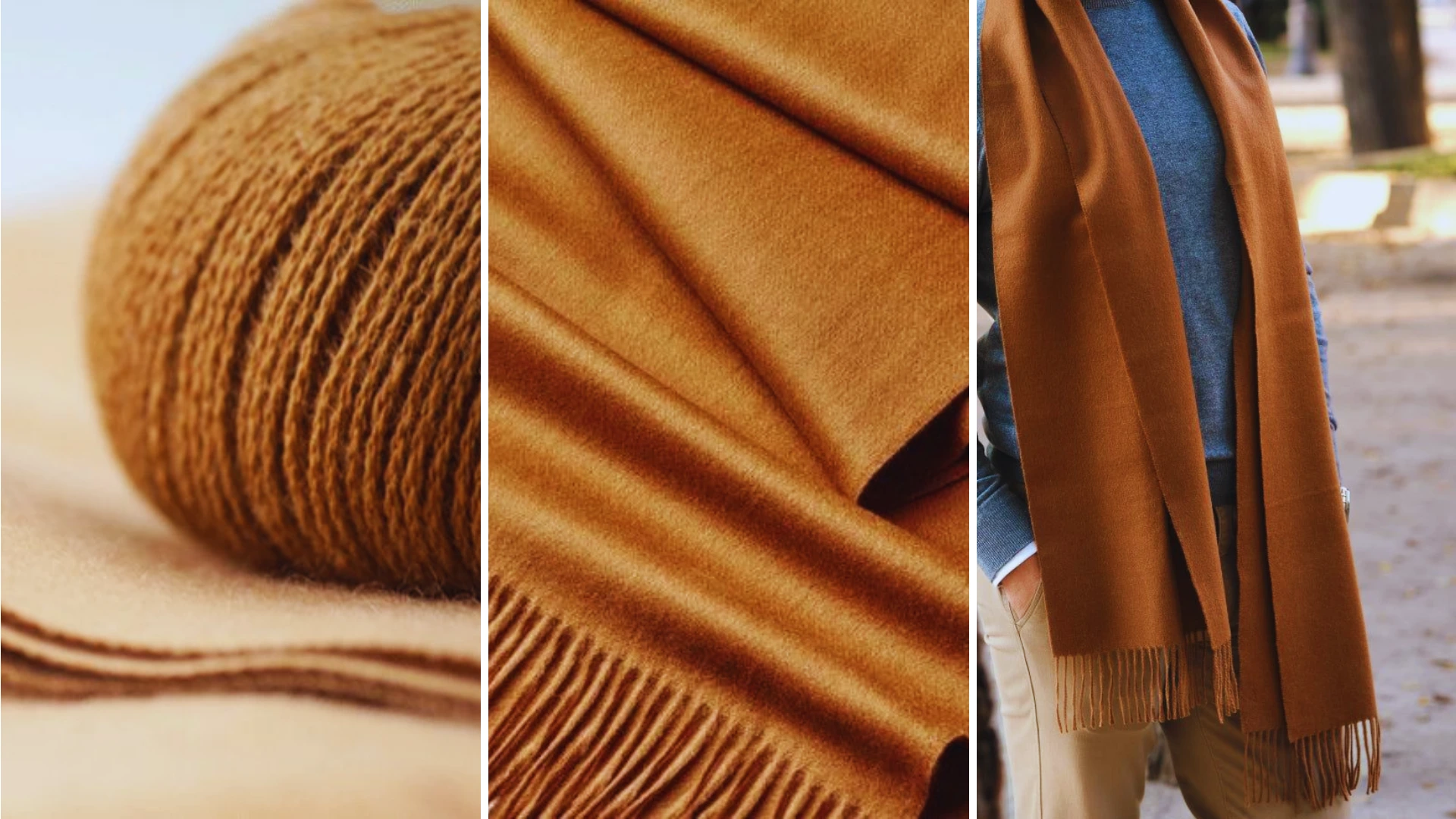
Loro Piana’s collection of garments made from Precious Vicuña animal fiber includes some of the most desirable pieces in the world such as a Vicuna Coat, Vicuna Sweater and Light Weight Vicuna Scarf, but there is one item that is the most unique and rare: The Loro Piana Vicuna Puffer Coat, which has been regarded as the rarest and most expensive puffer coat in existence.
Vicuna garments are known for their thermal efficiency, the unparalleled softness they provide, their ability to withstand wear, and luxurious feel. A true Vicuna Puffer Coat is not only a symbol of extreme luxury but is also a status symbol due to its extremely limited production and certified Vicuna wool used for the coat’s construction.
How to Tell If a Vicuña Coat Is Authentic and Legally Sourced
When you buy a vicuña garment, you want to be sure that it is authentic. An authentic vicuna garment will have documentation from the government as well as a traceability code and certification provided by CITES (the Convention on International Trade in Endangered Species).
Regarding vicuna colour, natural vicuña fibres are a warm golden-cinnamon to light tan, often with a creamy white chest area, and are rarely dyed as the natural colour is the most desirable A vintage vicuña coat will show evidence of age, but the softness, warmth and characteristic colour will remain present.
If the price of a garment seems too good to be true, it does not have the proper documentation, or it has an unnatural colour, it is likely to be a fake vicuña garment.
How to Identify Authentic Vicuña Garments
Genuine vicuña products are very difficult to come across due to their rarity and strict regulations, therefore, it is vitally important to identify them correctly. Real vicuñas can be identified by their unique attributes that distinguish them from imitations, as highlighted in the checklist below. The key indicators to check for are the documentation, texture, colour and pricing associated with an authentic vicuña garment.
| Checkpoint | What to Look For |
| Certification | CITES documents and traceability codes from origin country. |
| Fiber Texture | Ultra soft, warm, with a natural matte finish. |
| Natural Color (Vicuña Colour) | Golden cinnamon body with cream chest; rarely dyed. |
| Country of Origin Tag | Typically Peru or Bolivia when using wild vicuña fiber. |
| Price Warning | Very low prices are a strong sign that it is not real vicuña. |
| Vintage Indicators | Aged but still soft; color remains warm and uniform. |
Common Questions About Vicuña Behavior and Conservation Status
Vicunas are social animals, and therefore people place significance on finding out about their temperament and how they are protected. Vicunas live in family units consisting of 1 male with several females plus offspring. When vicunas detect a predator, they warn each other via whistling, using vocalizations, and communicating through body language signals.
Is the vicuna an endangered species? How endangered is it today?
The vicuna nearly went extinct due to poaching, and its population dramatically decreased during the 20th century, placing the species on the brink of extinction. As a result of strong conservation programs, strict prohibitions on hunting, and community-based conservation efforts, vicunas have been recovering significantly and now fall under the “Least Concern” category, although they continue to be protected by various national and international laws at all levels including local, state, and federal governments.
Behavior and Conservation Status
Vicuñas live very successfully under extreme conditions of the high Andes and are highly social animals that tend to live in family groups and exhibit predictable daily activity patterns. Vicuña populations have been successfully rehabilitated through stringent conservation practices.
| Topic | Summary |
| Family Groups | One male, several females, and their young form stable units. |
| Communication | Whistles, hums, and body posture to signal danger or stress. |
| Daily Routine | Feeding at dawn and dusk, resting during the harsh midday sun. |
| Are vicunas endangered? | No, currently “Least Concern,” but still strictly protected. |
| Main Threats | Poaching, habitat loss, and climate change affecting high Andean grasslands. |
The Correct Way to Pronounce Vicuña in English
Because the word contains the Spanish “ñ,” many English speakers ask how to pronounce vicuna or how do you say vicuna properly.
The correct pronunciation is: vee-KOO-nya
The pronunciation as listed below, adheres both, phonetically, and linguistically, to the original Spanish sound of vicuna, and in most English Language documentaries, museums, and wildlife encyclopedias are often referred to as Vicunas. Therefore, it is important that when describing the vicuna, one uses a pronunciation which honours its origin.
Laws Regarding Owning a Vicuña as a Pet or Farm Animal
Many people are online searching for information on can you buy a vicuna, can you own vicunas, or even vicuna animal for sale. The answer is quite straightforward: it is not possible to keep vicuñas as pets or farm them as other animals, such as alpacas or llamas. They are wild animals and are protected by international treaties, such as CITES, and by strict national laws in Peru, Bolivia, Chile, and Argentina.
So, can I keep a vicuña? No, it is illegal, in nearly all circumstances, to own live vicuñas. Protection for the vicuña depends on keeping them in the wild, where they belong. The only legal trade allowed is controlled, certified fiber, and finished products deriving from registered conservation and Chaccu programs.
Pronunciation and Legal Restrictions
It is vital to comprehend both how to pronounce “vicuña” and the legal restrictions which apply to vicuñas, which is among the most extensively protected species of animal found in the Andes region of South America.
| Category | Information |
| How to pronounce vicuña | “vee-KOO-nya” (with the “ny” sound for the ñ). |
| What color is vicuna? | Natural cinnamon gold body with a cream-colored chest. |
| Can you buy a vicuna? | No buying live vicuñas is prohibited by international law. |
| Can I keep a vicuna? | No vicuñas are wild, protected animals and cannot be kept as pets. |
| Vicuna animal for sale warnings | Online offers are almost always illegal or fraudulent. |
Frequently asked questions about The Vicuna Animal and Everything You Need to Know About It
Vicuña wool is extremely rare because each wild vicuña produces only a small amount of fine fiber every two to three years. It is softer than cashmere, harvested only through ethical Chaccu ceremonies, and strictly regulated factors that make vicuña wool so expensive compared to other luxury fibers.
The vicuña is a wild camelid that lives in high-altitude regions and produces the finest natural fiber on Earth. Alpacas, on the other hand, are domesticated animals bred for their wool. While alpaca fleece is soft, vicuña fiber is significantly finer, rarer, and more valuable.
Vicuñas live in the Andean highlands between 3,500 and 5,000 meters. In Peru, they are found in regions such as Pampa Galeras, Arequipa, Junín, Puno, and Cusco. In Chile, they inhabit areas like Lauca National Park and the northern altiplano. Their habitat is cold, dry, and extremely challenging.
Vicuñas were once on the brink of extinction due to poaching, but thanks to strict conservation laws and community programs, they are now listed as “Least Concern.” Even so, they remain heavily protected, and hunting or capturing them is illegal across all Andean countries.
No. It is illegal to buy, own, or keep a vicuña as a pet. Vicuñas are protected under international agreements like CITES, and only their certified fiber can be traded. Any advertisement offering a “vicuña for sale” is almost always illegal or fraudulent.