Cusco Culture and Traditions
Deep in the Andes, the city of Cusco remains the beating heart of Andean civilization. Once the capital of the vast Inca Empire, it is now a vibrant blend of Cusco culture and Cusco traditions that continue to thrive in its streets, festivals, and daily life. From the colorful festivals of Cusco to millennia old textile traditions petrified in the classical textile center of Cusco, every alley of this UNESCO World Heritage city murmurs a story of continuity between past and present.
Festivals in Cusco
Inti Raymi (The Festival of the Sun)
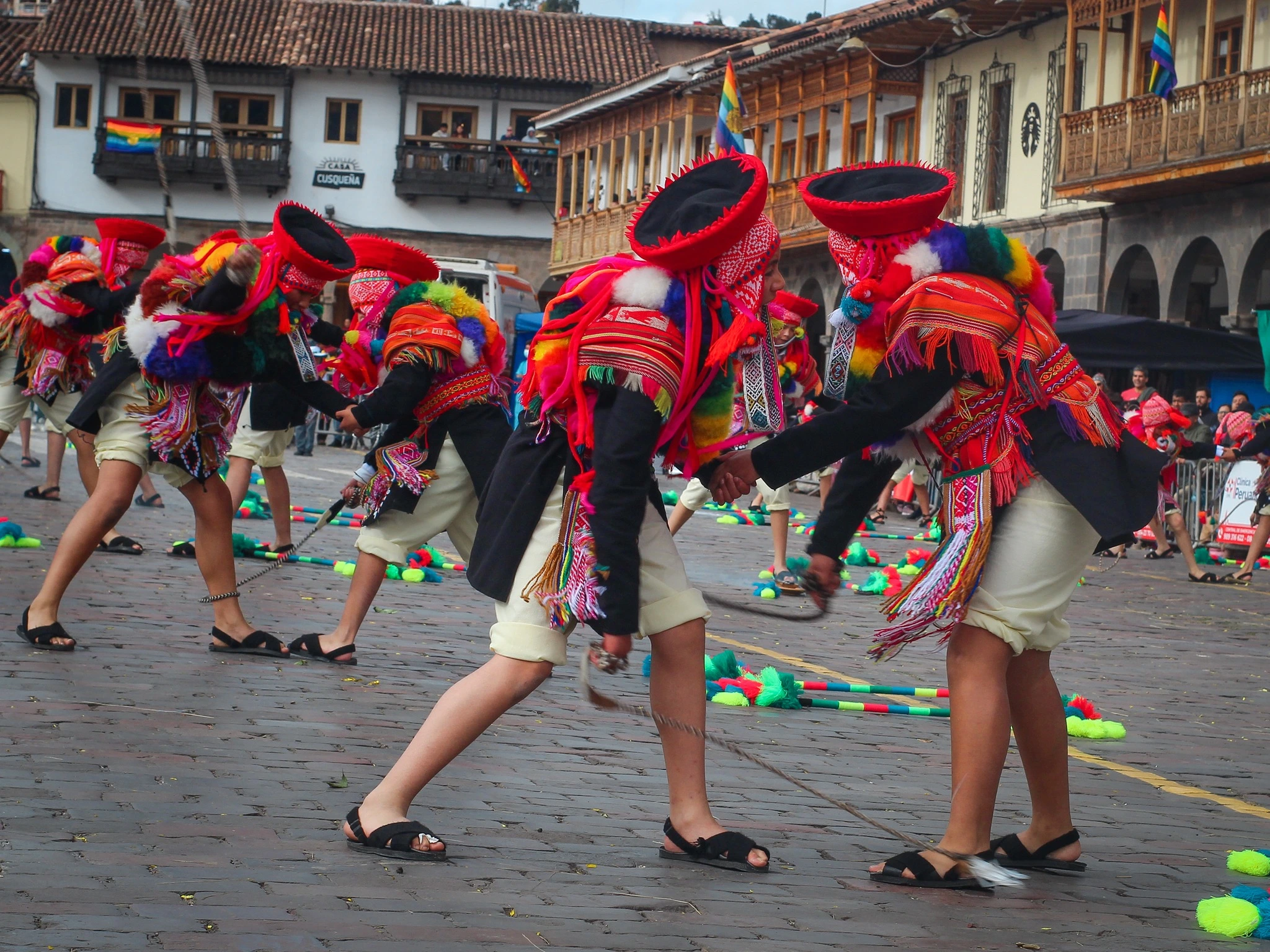
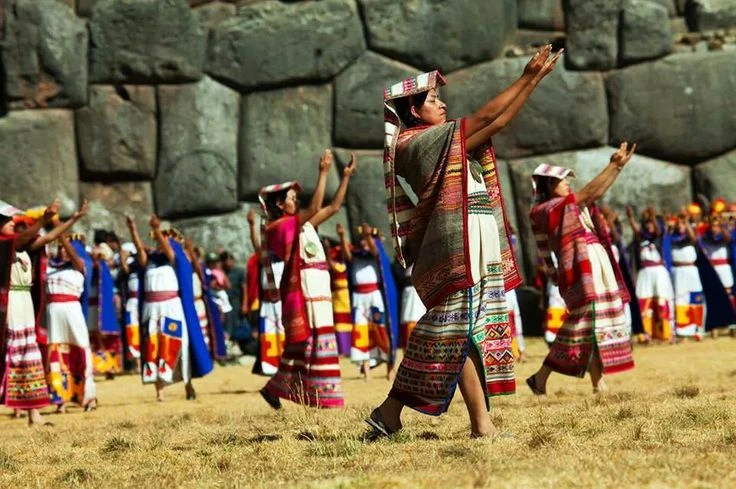
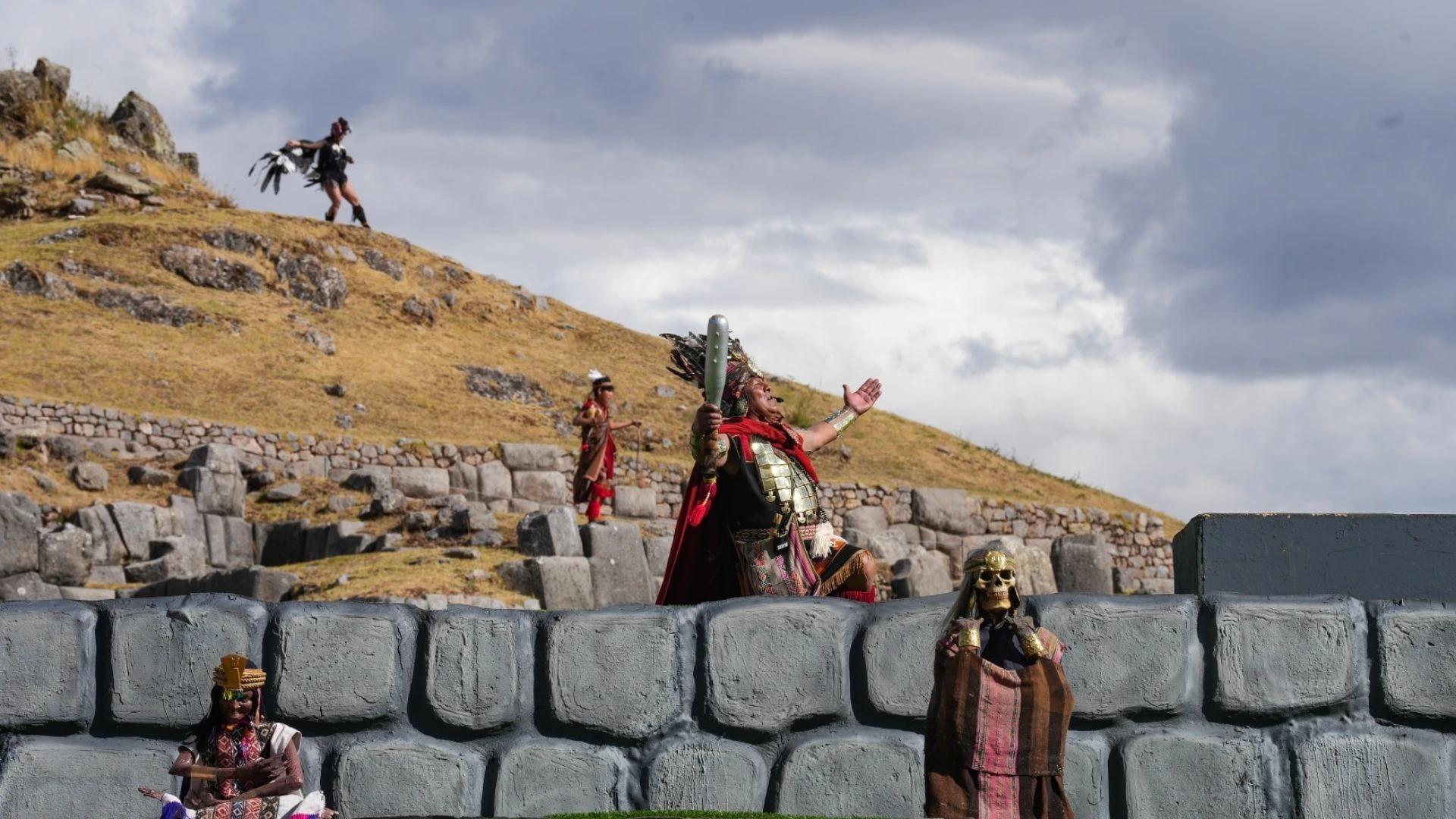
The Inti Raymi festival, or Festival of the Sun, is the most important festival in Cusco and the biggest celebration in Peru. It is held annually on the 24th of June and is a re-creation of an ancient Inca ritual to honor Inti, the Sun God. It involves hundreds of performers dressed in Cusco traditional costumes marching through the city, representing the Sapa Inca, his court, and the four regions of the empire. The grand ceremony is held at Sacsayhuamán, where offerings are made to bless the harvest and the people.
The Inti Raymi (Festival of the Sun) in Cusco attracts thousands of tourists annually. It is not just a spectacle but also a powerful reminder of how Cusco traditions remain very much alive over the centuries. Inti Raymi Peru offers visitors an opportunity to witness authentic Cusco culture and local religiosity amidst one of the most fascinating historical settings on the planet.
Holy Week, New Year’s, and Other Cusco Holidays
Aside from Inti Raymi, the city celebrates numerous Cusco holidays that reflect Catholic and Andean faith. During Holy Week, or Semana Santa, citizens honor the Lord of the Earthquakes with processions, music, and Cusco, Peru traditional foods, such as the famous “12 traditional dishes” consumed during Good Friday. Other holy week traditions in Cusco include sharing bread, cheese, and tamales with family and neighbors.
Cusco’s New Year’s traditions are equally unique. People wear yellow for good luck, circle the Plaza de Armas at midnight, and burn old dolls to eliminate negative energy. Each Peruvian holiday in Cusco is more than just a fiesta; it’s an act of identity that unites people in dance, religion, and celebration.

The Rainy Season and Cultural Diversity of Cusco
The Lowdown on the Cusco Rainy Season
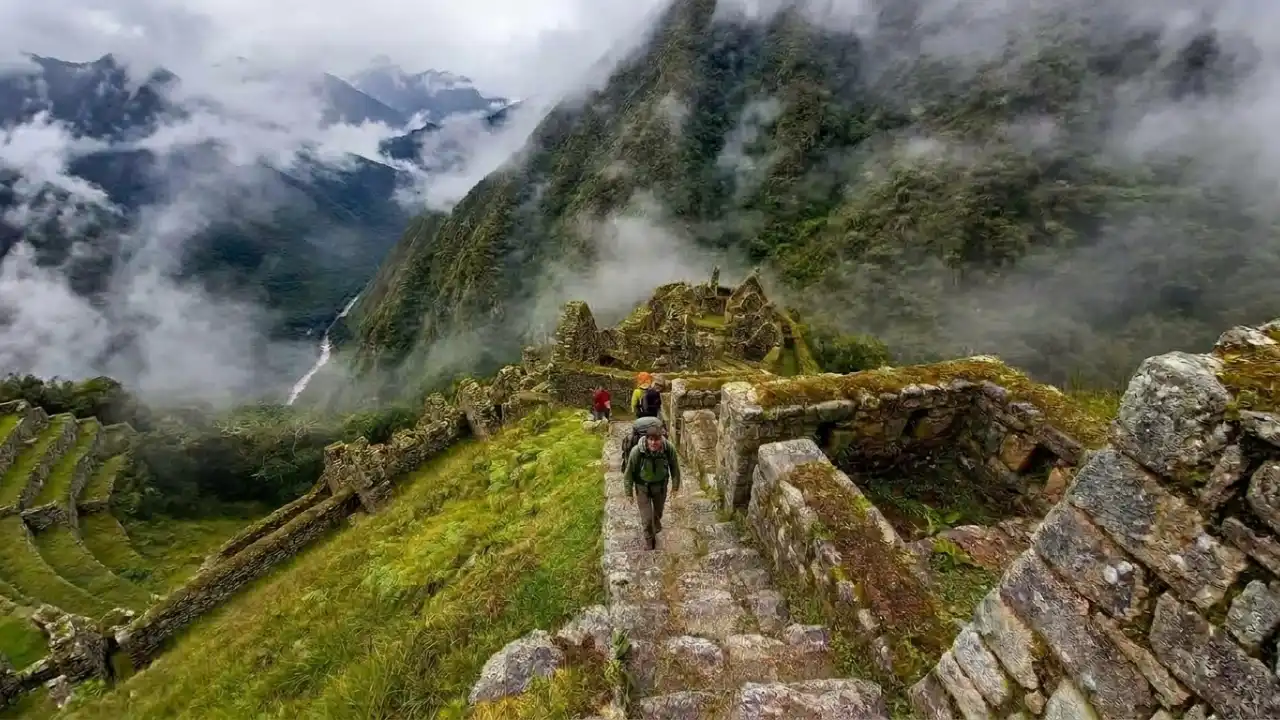
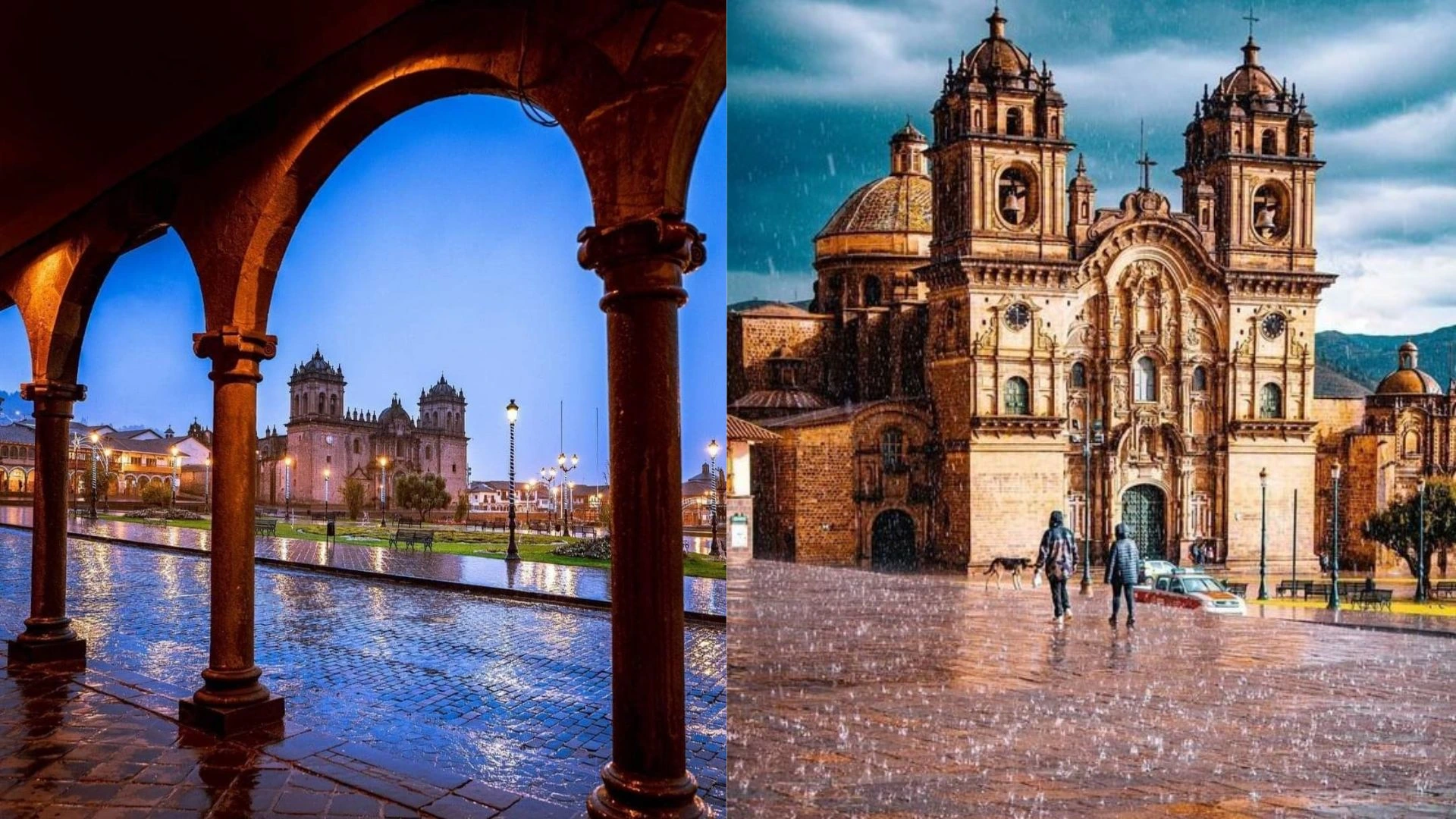
The rainy season of Cusco takes place around November to March, bringing with it lush green landscapes and unpredictable rains. It influences the timing of festivals, agricultural planting, and even tourist routes. The majority of the traditional festivals are held after the rains, in commemoration of fertility, rebirth, and the human connection to Pachamama, the Earth Mother.
Population of Cusco, Peru, and Its Cultural Diversity
The population of Cusco, Peru, is home to some 430,000 residents, but it is the cultural diversity of the city that is astounding. Indigenous Quechua speaking communities are living alongside mestizo families and travelers from around the world. Together, they form the mosaic of Cusco characters, farmers, artisans, dancers, and musicians who give the ancient traditions life.
Through their work in markets, fields, and textile cooperatives, these people are the living pulse of Cusco traditions. Whether selling potatoes at the traditional San Pedro Market in Cusco or weaving at the center for traditional textiles of Cusco, these people bring centuries-old traditions into modern-day Peru.
Textiles, Clothing, and Traditional Artistry
The Center for Traditional Textiles of Cusco
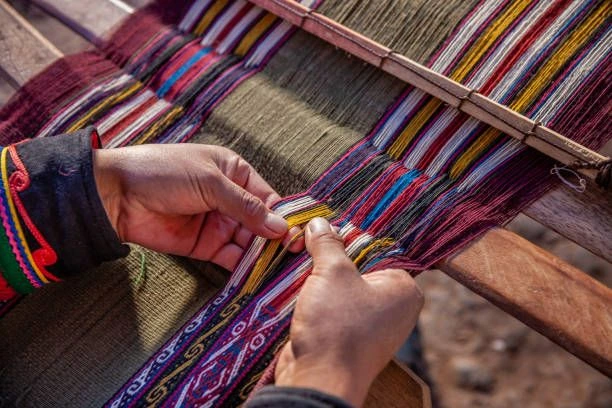
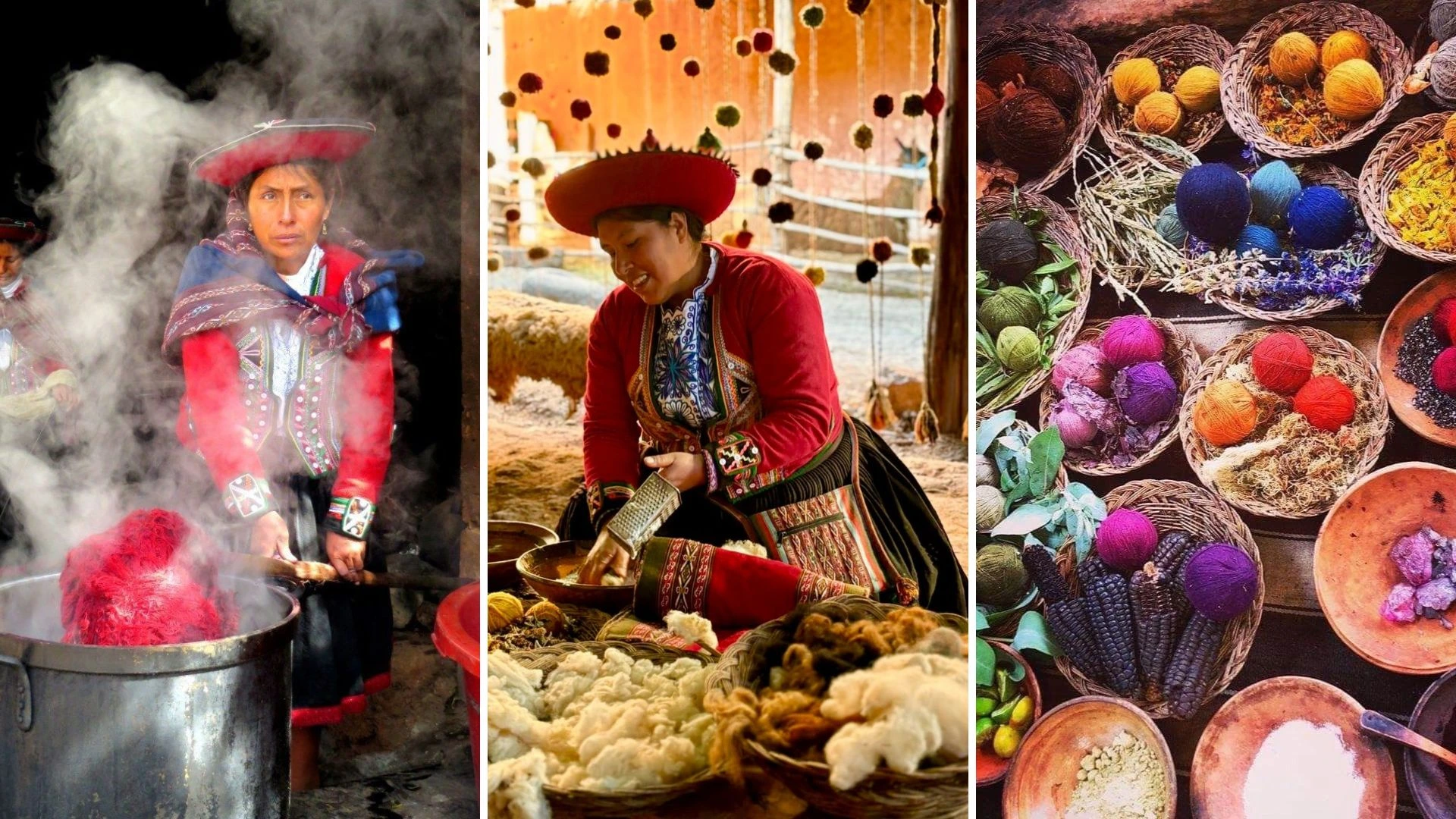
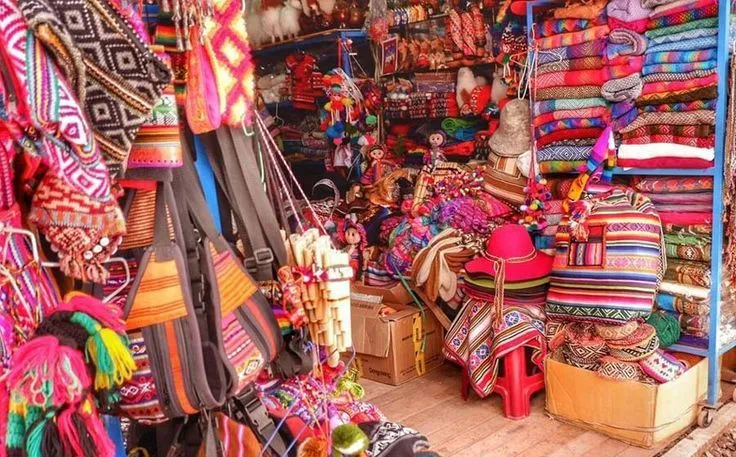
The Center for Traditional Textiles of Cusco is a non-profit organization dedicated to preserving Andean weaving traditions. It’s also referred to as the traditional textile center of Cusco or the traditional textiles center Cusco, where one can see women spinning alpaca yarn, dyeing using natural dyes, and weaving on backstrap looms. Every piece has a story to tell about the weaver’s village, her ancestry, and the Inca heritage in the design.
This is also a traditional textile center, Cusco, which serves as a bridge between the generations, so that the younger artisans continue the Peruvian Cusco tradition of weaving. It’s a site that no one should miss who loves real Cusco culture and Andean people’s craftsmanship.
Traditional Clothing in Cusco
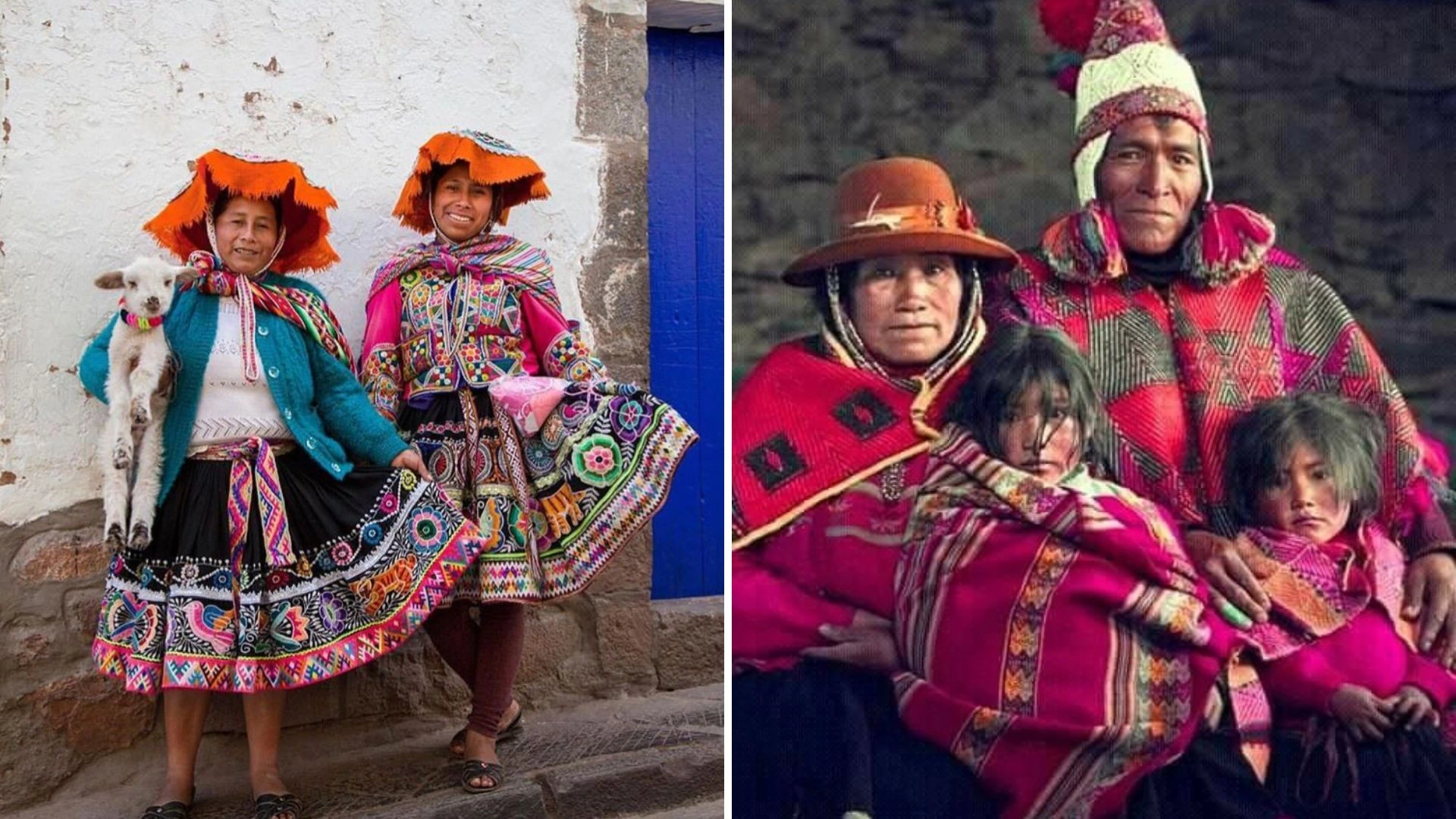
The traditional clothing of Cusco differs from region to region but always includes vibrant colors and intricate embroidery. Women’s clothing often consists of layered skirts, shawls, and hats, whereas men’s traditional clothing comprises ponchos and wool hats called “chullos.” Tourists can take photos with girls in street traditional clothing, a photo opportunity in the Plaza de Armas that benefits local women.
Traditional dress is also at the center of festivities like Inti Raymi or Cusco’s holy week celebrations, with each community showcasing special designs symbolizing their tradition. The Cusco traditional textile center highlights how, in the Andes, fashion becomes narrative.
Traditional Dance and Music
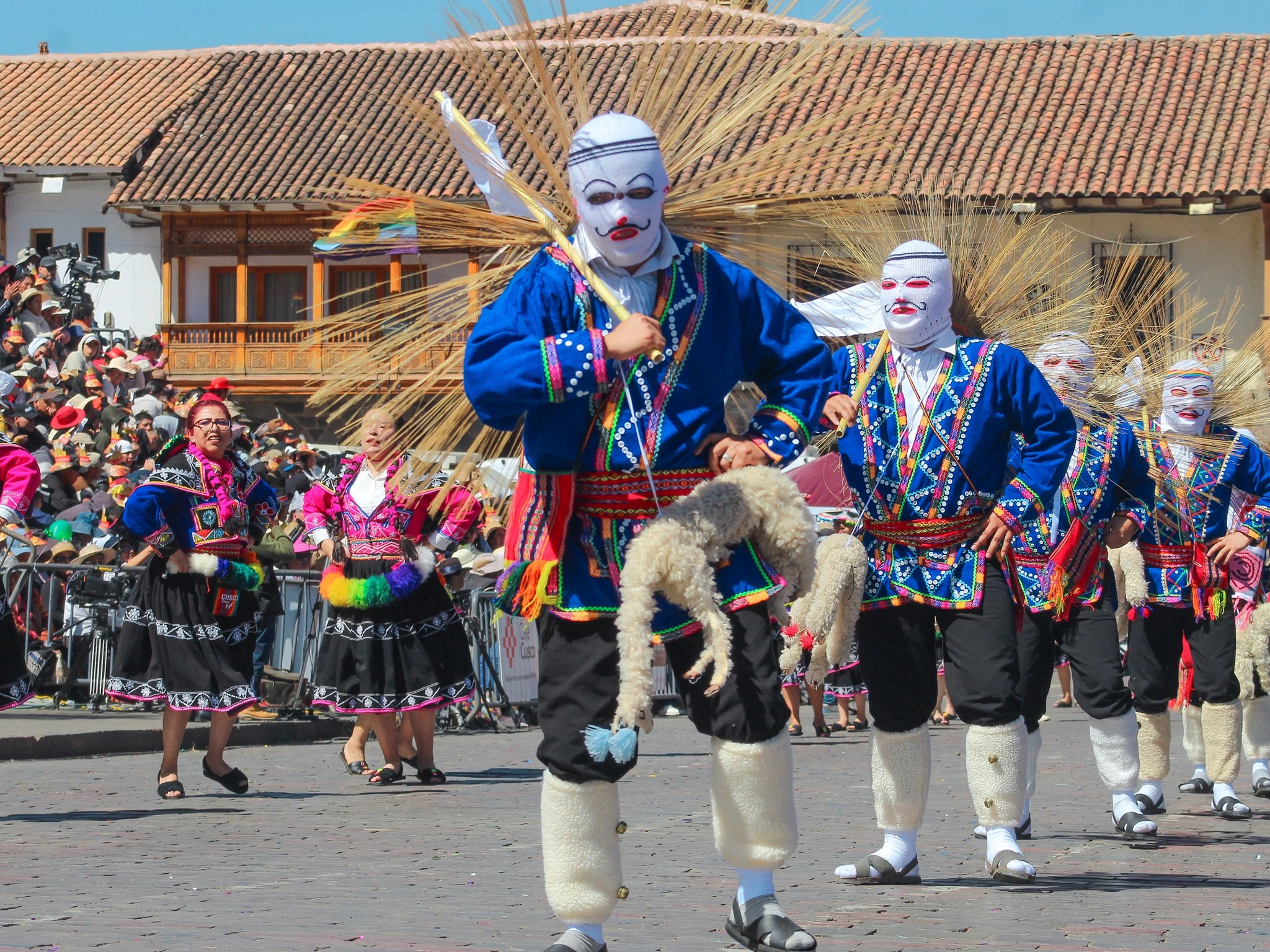
Music and dance are inseparable components of Cusco traditions. Traditional Cusco dances such as Huayno, Marinera, and Qhapaq Qolla are performed at Cusco festivals to honor the agricultural calendar and the spirits of the mountains. Dancers wear masks, bells, and woven attire representing mythical and historical characters.
From rural village landscapes to urban plazas, these performances span the Peruvian Cusco narrative legacy of rhythm and movement. They illustrate how pre-Columbian Andean spirituality still survives through cultural expression.
Traditional Food in Cusco, Peru
Local Dishes and Flavors
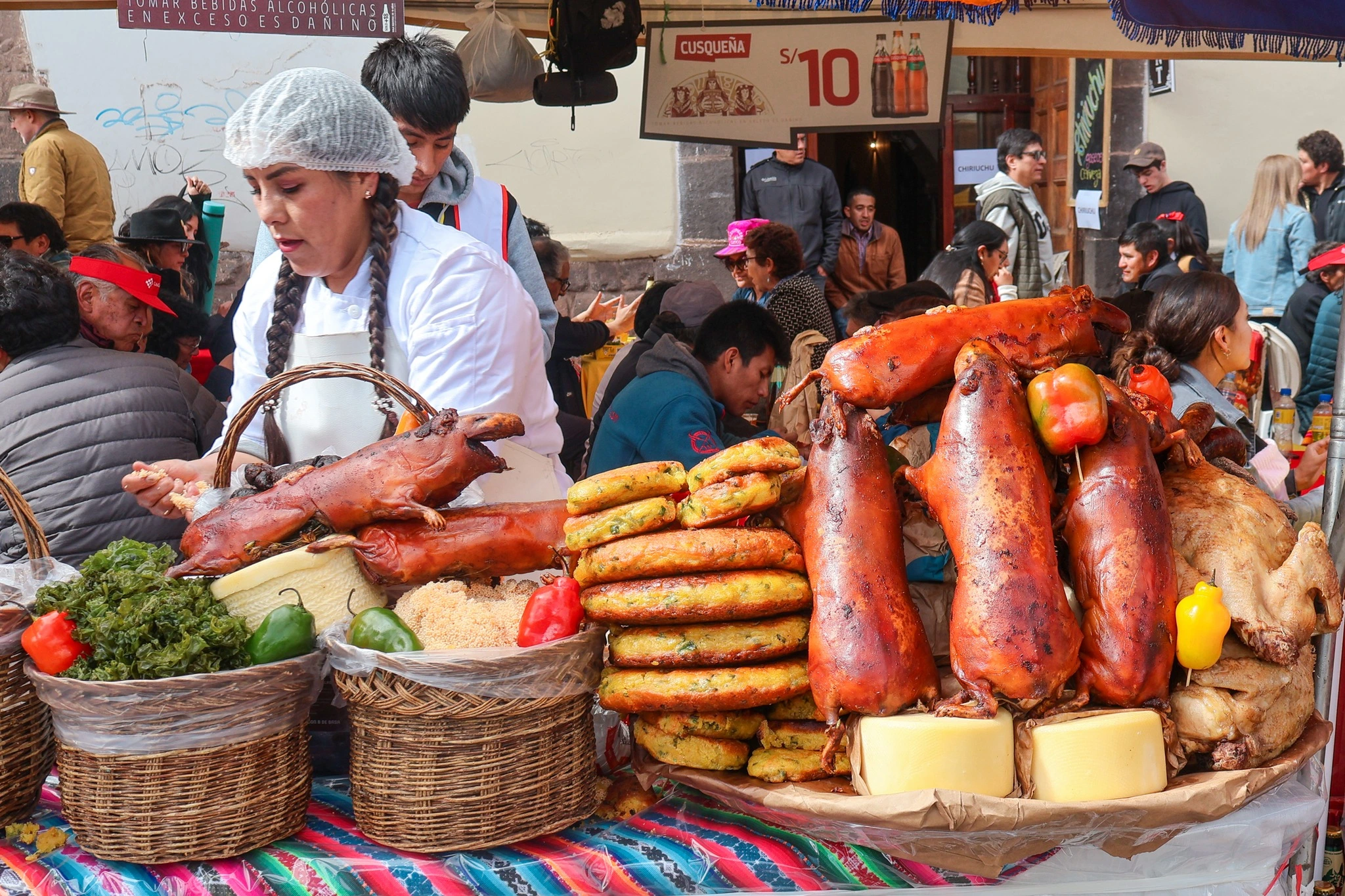
The traditional food in Cusco, Peru, reflects the city’s Andean heritage and rich agricultural climate. A few of the most popular dishes are cuy chactado (fried guinea pig), chiri uchu (a cold dish comprised of cheese, corn, chicken, and peppers served during Corpus Christi), and adobo (pork stew). The majority of tourists agree that it’s the best traditional Peruvian cuisine Cusco has to offer.
San Pedro markets are full of traditional Peruvian restaurants in Cusco, where locals start their day with the traditional Cusco, Perú, breakfast hot soups, tamales, or fresh fruit juices. Food here is not just nutrition; it is a cultural link that connects generations.
Food and Ritual During Festivals
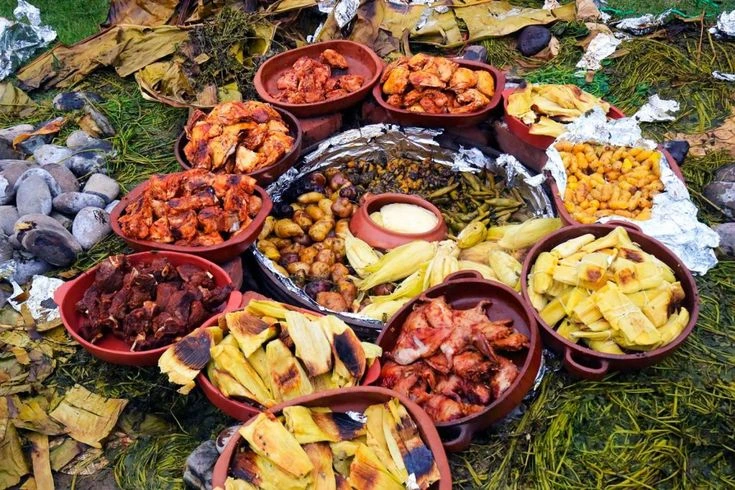
In Cusco holidays, food takes on a ritual character. During the Inti Raymi festival, for example, families share a Pampamesa a meal prepared on the bare earth as an offering to Pachamanca. Similarly, 12 traditional foods of Cusco, Perú. Good Friday is a highly regarded tradition that intermingles religion and culture.
Sampling the traditional dishes in Cusco, Peru, is one of the most delicious ways to become acquainted with the city’s cultural richness and understand how the celebration of Peru extends beyond rituals into everyday life.
Preserving Cusco Traditions in Modern Times
Revival of Inti Raymi and Cultural Identity
The modern Inti Raymi Peru festival resumed in 1944 to help restore national pride and reestablish the connection to ancestral traditions. Today, it is among the most well-known Cusco holidays and a celebration of indigenous resilience. It also fosters cultural tourism, encouraging tourists to explore real Cusco culture outside Machu Picchu.
Challenges and Future of Tradition
Cusco traditions are endangered by urbanization and globalization, but grassroots projects like the traditional Cusco farm for weaving and Cusco’s traditional textile center ensure that knowledge is not lost. Tourism can also assist ethical visitors can go to the traditional textiles center Cusco Museo Quechua and purchase directly from artisans, benefiting entire communities.These programs continue to make the Cusco Peru traditions viable, incorporating respect for the past with promise for the generations to come.
Frequently asked questions about Cusco Culture and Traditions
The most common festivals in Cusco are the Inti Raymi Festival of the Sun, Corpus Christi, and Holy Week celebrations. They all incorporate ancient Inca ceremonies and Catholic celebrations, making Cusco holidays an expression of the rich ethnic diversity of the nation.
Inti Raymi, or the Festival of the Sun, is Cusco’s biggest festival and Peru’s most important celebration. It honors Inti, the Sun God, and reconstructs the old Inca customs with parade-like spectacles, traditional dance, and Sacsayhuamán offerings.
Cusco traditional dress is characterized by bright colors and complex patterns. Women dress in multiple layered skirts, shawls, and hats, while men prefer ponchos and woolen hats known as chullos. All of these pieces express the uniqueness of every Andean community.
Cusco Peru traditional cuisine includes dishes such as cuy chactado (fried guinea pig), chiri uchu, and adobo. Local people prepare special foods such as Good Friday 12 traditional dishes, representing abundance and thankfulness, during celebratory periods such as Inti Raymi and Holy Week.
The best time to visit Cusco is from April to October when the weather is dry and there are most of the festivals. Cusco’s rainy season is from November to March and has green surroundings and fewer tourists.