Everything You Need to Know Before Ascending Huayna Picchu
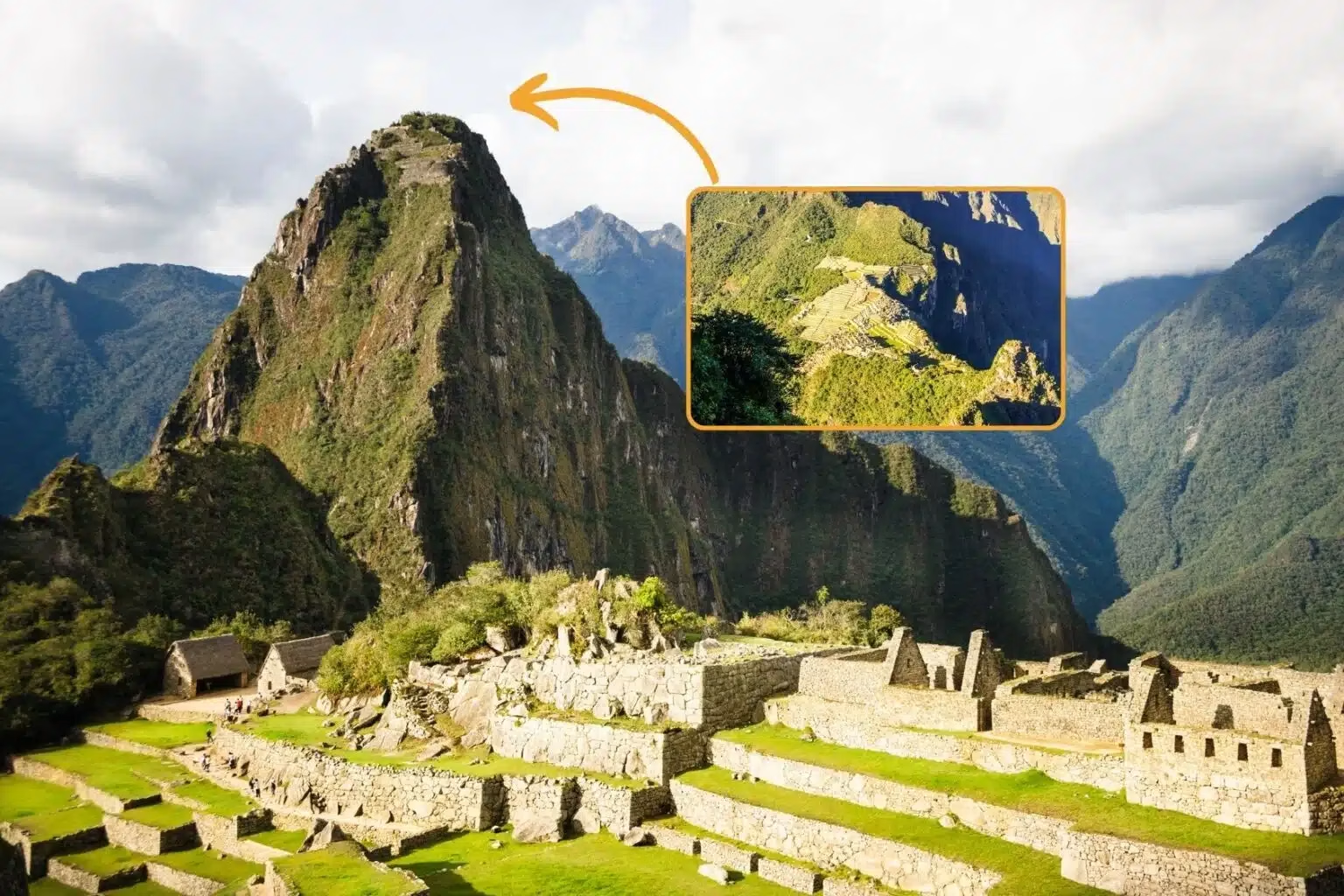
Huayna Picchu or Wayna Picchu in Quechua, looming over the famed Machu Picchu citadel, is among the most recognizable mountains in Peru. Its steep slopes, weathered stone trails, and stunning vista are an attractive spot for both hikers and history enthusiasts alike. Climbing this sacred mountain is not only an expedition, but a journey within many of us into the center of the Inca world.
What is Huayna Picchu Mountain?
Before you step onto the trail, it’s good to be aware of what makes Huayna Picchu so noteworthy.
Meaning and Description
Huayna Picchu means “young mountain” in Quechua, while Machu Picchu is “old mountain.” The name reflects the fact that the two peaks complement each other in the Andean landscape. Huayna Picchu rises to 2,693 m (8,835 ft) above sea level and has truly unique views of the ruins and surrounding valleys.
Archaeologists believe that narrow terraces, temples, and stairways were wrestled into the rock by the Incas, to create a place for ceremonial and astronomical purposes where priests could observe the stars and perform rituals for their gods. The view from the top of Huayna Picchu is one of the most amazing in the Andes, overlooking the Urubamba River.
Where Is Huayna Picchu Located?
In the Cusco region of Peru, Huayna Picchu is situated within the Machu Picchu Archaeological Park. Huayna Picchu’s trails to the summit begin within the main complex of Machu Picchu, close to the Sacred Rock area.
Even though Machu Picchu itself can feel crowded, Huayna Picchu trails feel more remote. It gives travelers that chance to see the ancient citadel from a genuinely different perspective framed by steep mountains and rich cloud forest.
History and Cultural Importance
The historical and spiritual significance of Huayna Picchu is among the most captivating aspects of the Inca heritage.
Origins and Function
The Incas built stairways, terraces, and shrines that were carved into the mountain. This reflects their magnificent engineering. Many historians believe Huayna Picchu served both as a lookout post and place of worship. Its strategic location allowed guards to survey the valleys below with ease, while the priests performed religious ceremonies at the peak.
Within its slopes is the Temple of the Moon, a finely construct building inside a natural cave. Scholars believe the temple served for ceremonies relating to the worship of the moon and fertility, further illustrating the connection the Incas had with celestial cycles
Huayna Picchu and Machu Picchu Connection
Together, Machu Picchu and Huayna Picchu were designed as one sacred landscape.While Machu Picchu was probably designed as a royal residence and ceremonial centre, Huayna Picchu served as its guardian spirit. The relationship of the two mountains, and the two temples, signifies an Inca mastery in architecture, astronomy, and religious symbolism.
How to Hike Huayna Picchu
Hiking Huayna Picchu is undoubtedly one of the most exciting things to do in Peru, but preparation and respect for the territory is essential.
The Huayna Picchu Hike Route
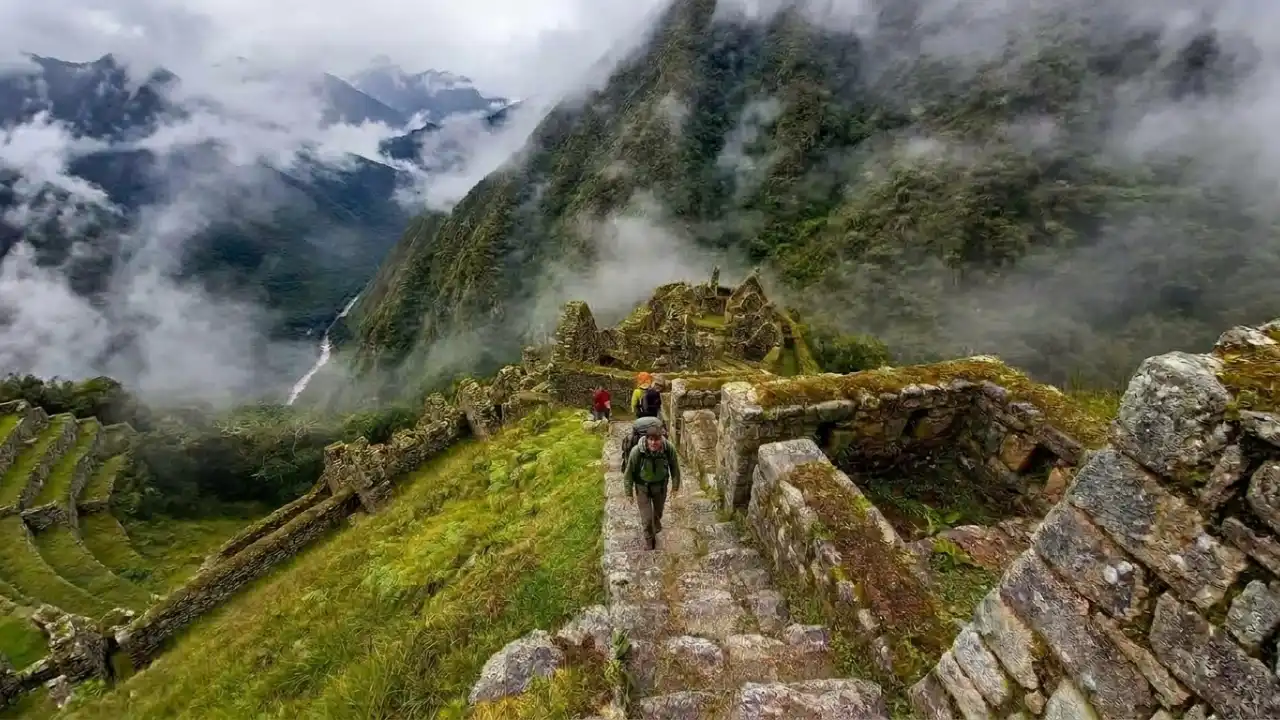
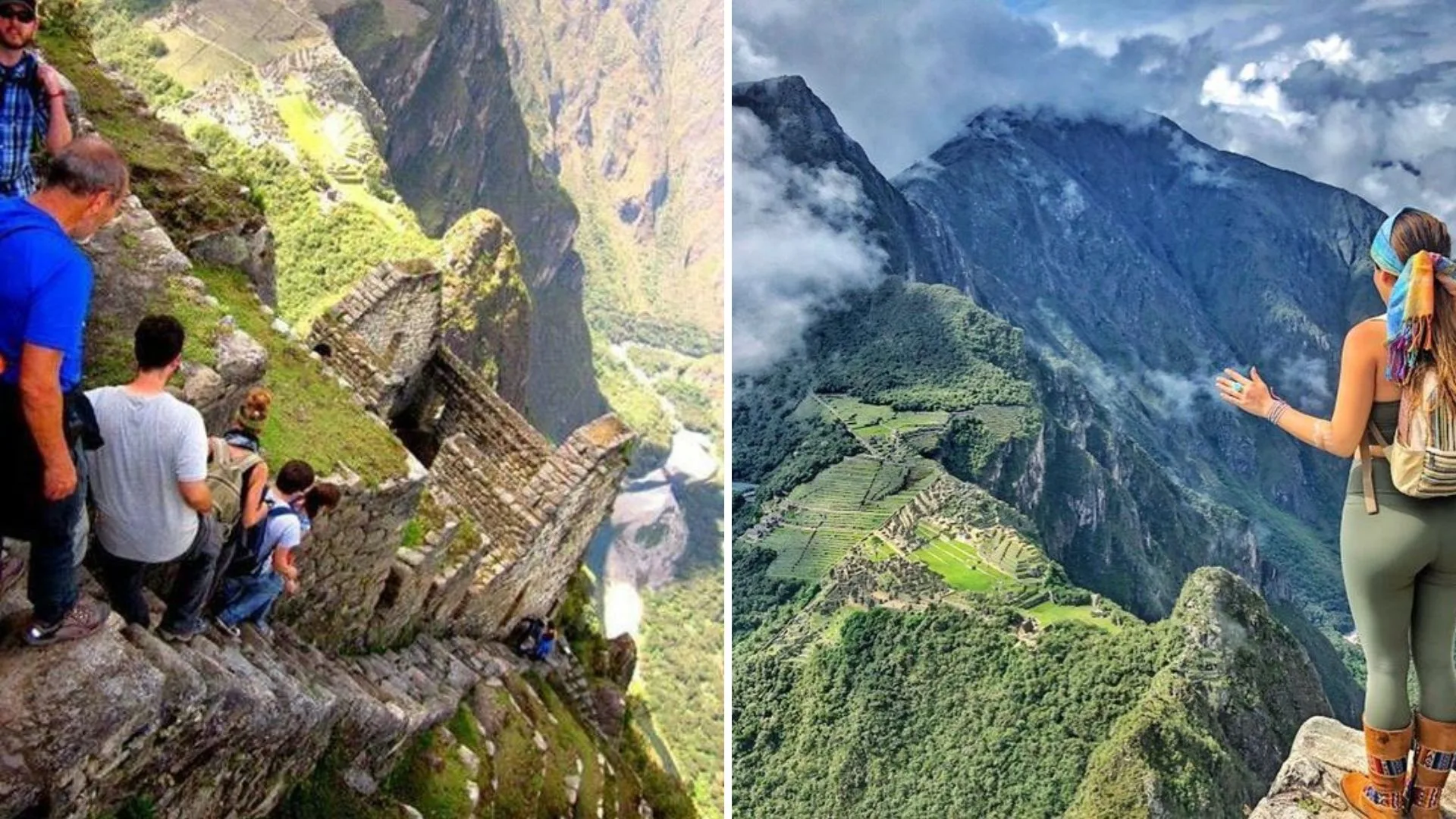
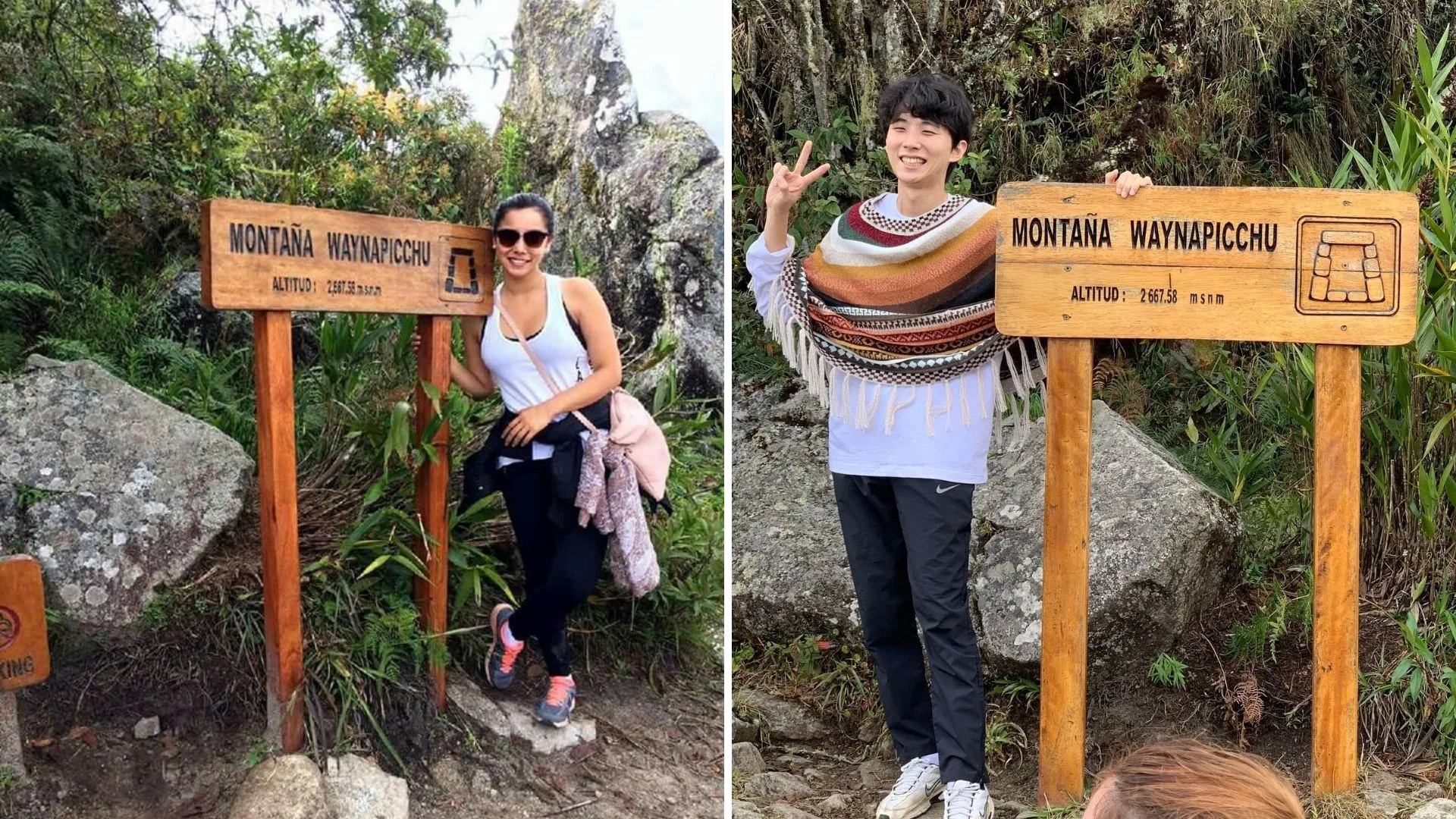
The trail is steep, narrow, and lies cut into the mountain. The trail has become known for its ‘stairs of death’, requiring careful steps and attention, but attends to far less risk than its title implies. Expect to reach the top in roughly an hour and 45 minutes, though your rate will vary by your pace.
The trail gets you through terraces and small Inca structures before leading you to the top where you can view the complete beauty of Machu Picchu sprawling out in front of you. The way down is just as steep, but you have different perspectives for incredible photographs.
Difficulty and Elevation
While having an elevation of 2,720m (8,920ft) may not seem extreme, Huayna Picchu has steep slopes that will make the climb feel demanding. The trail difficulty ranges from moderate to challenging for travelers who are in good physical shape. Because the paths are narrow, visitors must use one-way paths that contribute to safety and efficient movement along the path.
Entry Tickets and Schedules
Because Huayna Picchu is one of the most sought-after experiences at Machu Picchu, tickets are limited and must be obtained well in advance.
Ticket Information
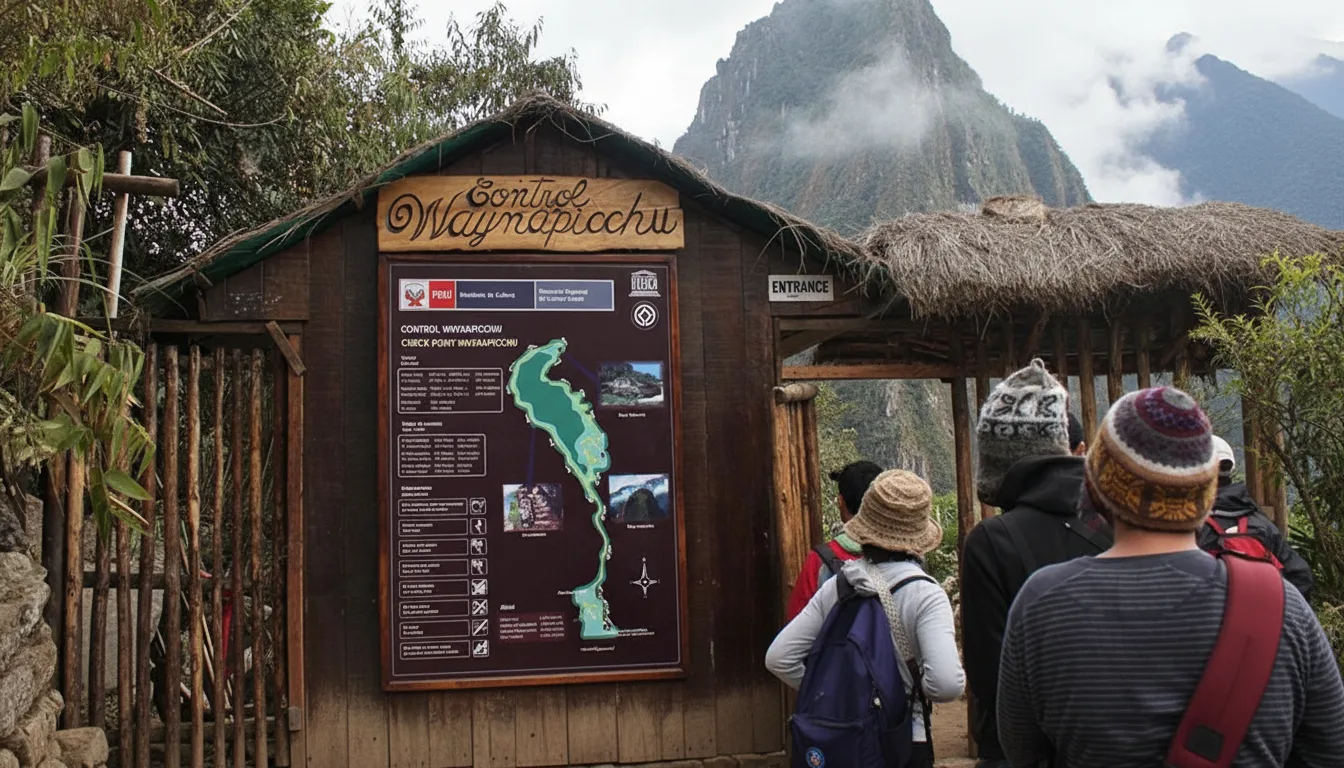
There are a maximum of 400 visitors allowed per day, and they are divided into groups to preserve the trail and safety. Tickets are sold as “Machu Picchu + Huayna Picchu” on the official site ticketmachupicchu
It is best to purchase your ticket at least two to three months in advance, as well as during the high tourist season from June to August.
Entry Groups and Schedules
- First Group:
- Entry to Machu Picchu: from 6:00 a.m.
- Entry to Huayna Picchu: between 7:00–8:00 a.m.
- Second Group:
- Entry to Machu Picchu: from 8:00 a.m.
- Entry to Huayna Picchu: between 9:00–10:00 a.m.
- Third Group:
- Entry to Machu Picchu: from 9:00 a.m.
- Entry to Huayna Picchu: between 10:00–11:00 a.m.
Each group allows about four hours in total, giving visitors enough time to explore both the citadel and the mountain comfortably.
Preparing for the Huayna Picchu Trek
Proper preparation can make your climb safer and more enjoyable.
Physical Preparation
While not requiring technical climbing skills, the Huayna Picchu trail necessitates that you be reasonably fit for the challenging hike that has steep steps and uneven footing. As a general rule, if you can walk comfortably for three or four hours, you should have no trouble on the trail. Taking a couple of days in Cusco or Aguas Calientes before the hike will give your body a chance to adjust to the elevation, making for a smoother trek. Light physical activity such as walking or using stairs, and cardio training can improve your endurance pre- and would improve your experience on the mountain.
What to Bring
Packing the right items ensures a safe and enjoyable hike. Bring:
- Comfortable, sturdy hiking shoes
- Lightweight and breathable clothing
- Sunscreen and insect repellent
- Refillable water bottle and snacks
- A light rain poncho (especially during rainy season)
- A camera for photos of the panoramic views
Avoid bringing heavy bags or tripods, as large items are not allowed on the trail.
Best Time to Visit Huayna Picchu
The dry season between April and October is the best time of year for clear skies and stable weather. On average, daytime temperatures are around 20° C (68° Fahrenheit) with cooler mornings and evenings.
The rainy season, between November and March gives you lush and green views, but can make the trail slippery underfoot. If you don’t mind a little rain and don’t mind the possibility of more clouds and fewer crowds, these months offer the opportunity for a unique but equally beautiful Huayna Picchu experience.

Safety and Alternative Hikes
Climbing Huayna Picchu is safe if done carefully and with respect for the environment.
Is It Safe to Climb Huayna Picchu?
Visitors are considered safe so long they stay on the marked trail and follow the guidelines. The trail has some handrails and cables in steep sections. People with extreme vertigo or heart conditions may struggle but nearly all hikers complete the hike without issue. If you desire a less steep and wider path, Machu Picchu Mountain is a great option that is equally awe-inspiring.
Temple of the Moon
The Temple of the Moon is one of the most mysterious structures at Machu Picchu, located on the far side of Huayna Picchu. The Temple was created in a natural cave structure, and it assembles complex and fine stonework with ceremonial niches. The Temple is currently closed to visitors while it undergoes conservation work, but much like other structures built by the Incas, the Temple of the Moon was a symbol of Inca spirituality and lunar worship.
Alternatives if Tickets Are Sold Out
If you can’t get tickets to Huayna Picchu, book Machu Picchu Mountain instead. It is higher, but it is not steep, and it overlooks the Inca citadel and valleys where they are located. Another option is Huchuy Picchu which is a shorter, more gentle option located at the base of Huayna Picchu.
About Huayna Picchu
| Data | Information |
|---|---|
| Altitude: | 2,693 m / 8,835 ft |
| Location: | Cusco Region, Urubamba Province, Peru |
| Hike Duration: | 1.5 to 2 hours |
| Trail Length: | Approximately 2 km |
| Difficulty: | Moderate to challenging |
| Max Visitors per Day: | 400 people |
Ascending Huayna Picchu Mountain encompasses more than simply getting exercise, it is a pilgrimage through time, faith, and Nature. Each step connects you with the ancient roads created by the Incas and provides a perspective shared with few travelers. Whatever you define it as, adventure or pilgrimage, Huayna Picchu is still one of the most awe-inspiring destinations on the planet.
Frequently asked questions about Everything You Need to Know Before Ascending Huayna Picchu
Huayna Picchu, or Wayna Picchu, is the mountain behind Machu Picchu, known for its steep trail and panoramic views of the citadel and Sacred Valley.
The Huayna Picchu hike takes about 1.5 to 2 hours round trip, depending on your pace and fitness level.
The Huayna Picchu elevation is 2,693 meters (8,835 feet), offering a unique vantage point above Machu Picchu.
The trail is safe if you follow the rules and stay alert. However, it’s not recommended for those with a strong fear of heights
Tickets for Huayna Picchu Mountain Peru must be booked in advance through https://tuboleto.cultura.pe/ Availability is limited to 400 people per day.