


National Geographic Pays Tribute to Peru’s Extraordinary Beauty and Cultural Richness
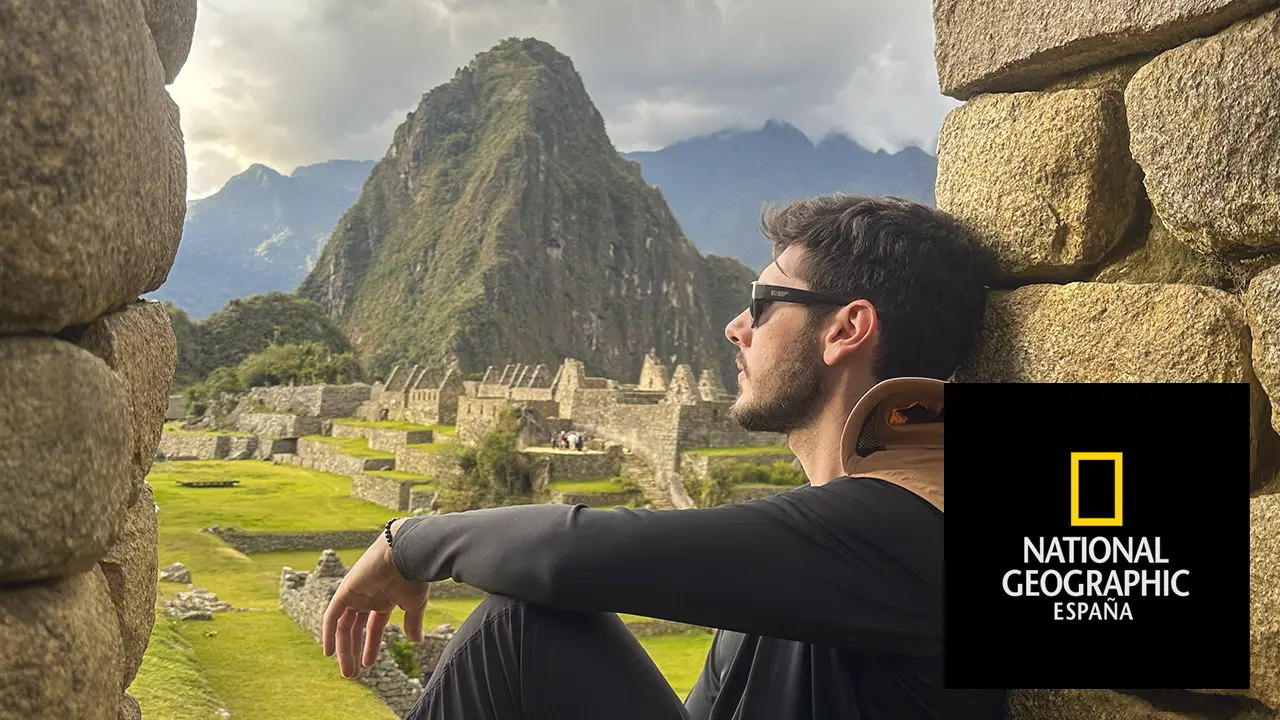

Machu Picchu isn’t everything. National Geographic Spain reminds us that it’s just the beginning. In its latest report, the magazine invites us to travel beyond the ruins. Peru has it all, according to the magazine.
National Geographic Spain’s Viajes magazine, famous for its incredible photos and reports, has published a very special article. It’s called “Journey to the heart of South America: how to discover Peru in all its facets.” In it, it tells how travelers can learn all the secrets of Peru: its history, its mountains, and its peruvian food.
A country full of surprises
The article explains that Peru is not just Machu Picchu. It is a huge country with very different landscapes and adventures around every corner. For those who love to explore, Peru is a destination full of magic and authenticity.
Hiking in the mountains
In the Andes, the trails cross snow-capped mountains and ancient forests. There, the air is pure and history can be felt in every stone.
One of the most famous places is Laguna 69, in Huascarán National Park, in Áncash. Its emerald green color seems like something out of a dream.
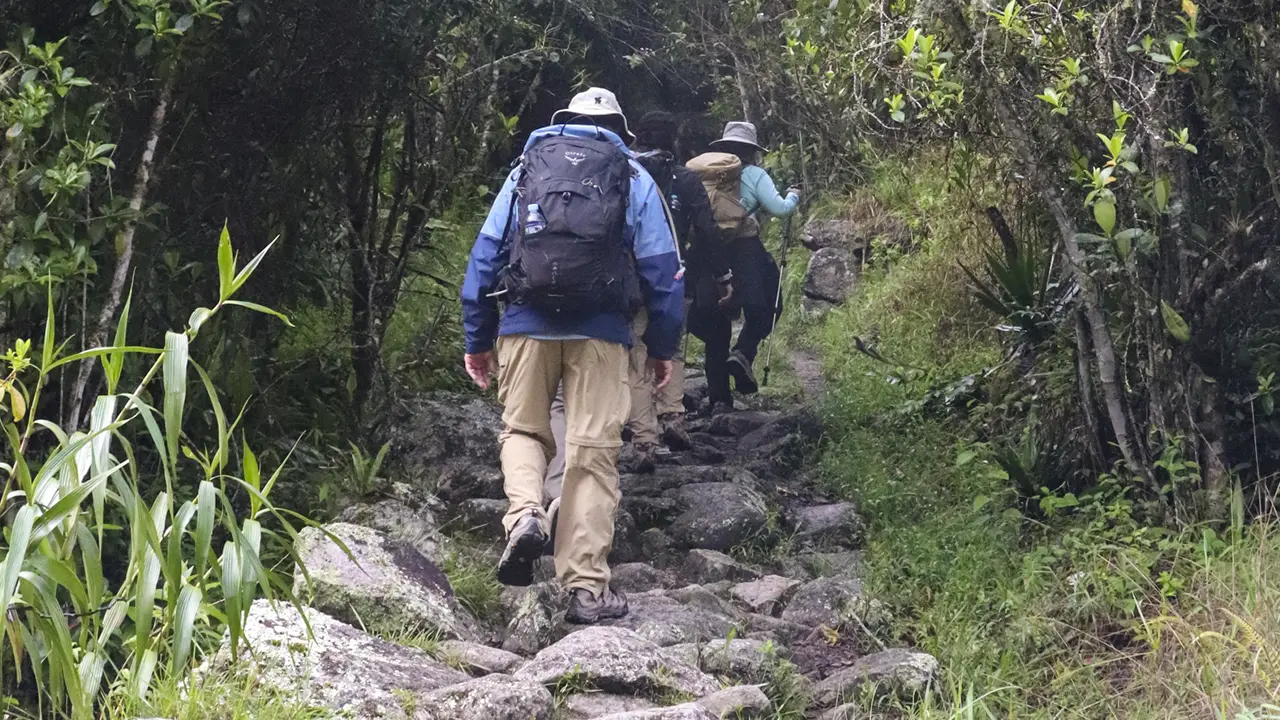
The most adventurous travelers can continue on the Santa Cruz Trek, a four-day hike through mountains and glaciers. From there, you can see the snow-capped Alpamayo, known as one of the most beautiful mountains in the world.
Another noteworthy route is the Colca Valley in Arequipa. Here you can see condors flying and breathtaking landscapes. As the magazine says, “Peru is a vertical canvas that invites you to touch the sky.”
Treasures of the past
Peru has a very ancient history. Its ruins and temples are gateways to the past.
In Cusco, for example, there is Choquequirao, known as “the golden cradle.” To get there, you have to walk for several days along steep paths, but the view is worth it. You can also visit Vilcabamba and Espíritu Pampa, other archaeological sites shrouded in mystery.
Deserts, coastlines, and magical jungles
Peru is not just mountains. It also has deserts, beaches, and jungles. On the coast, the Nazca Lines, the Ballestas Islands, and the Huacachina oasis, surrounded by giant dunes, stand out.
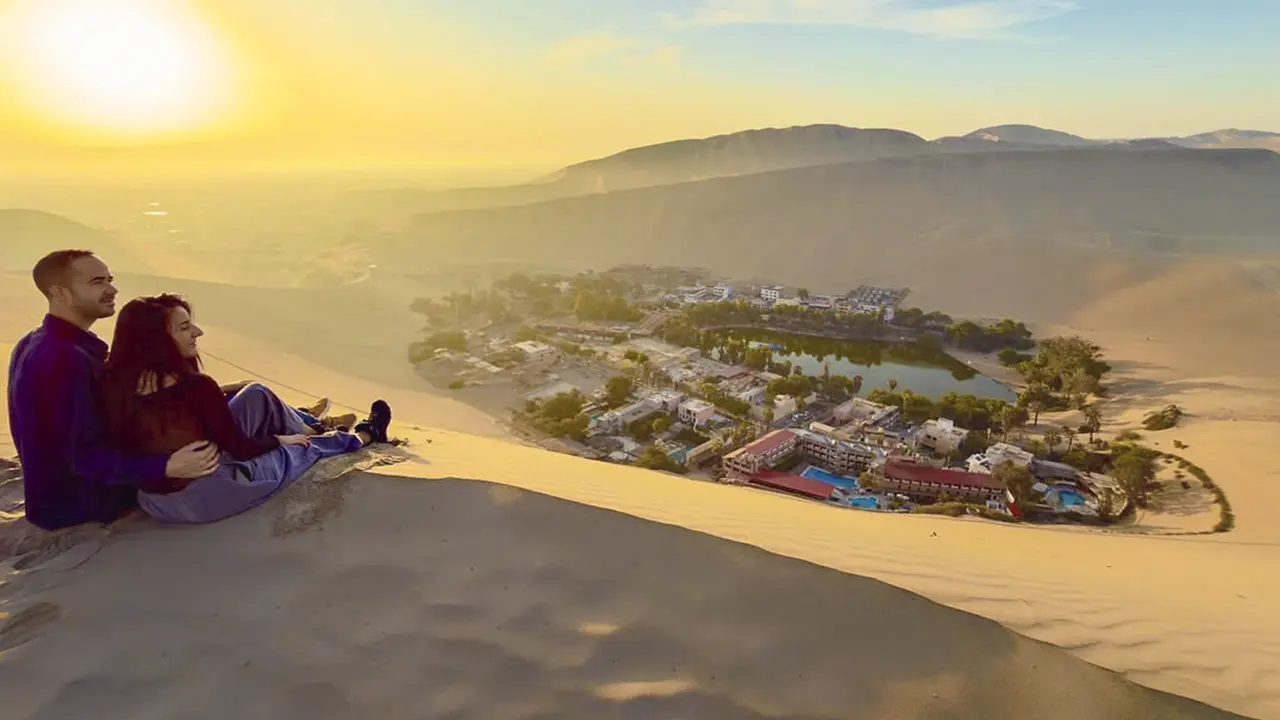
Huacachina in Peru
Further east, the Peruvian Amazon shines with its amazing nature. In the Tambopata Reserve and Manu National Park, visitors can see colorful animals and plants.
In Loreto, cruise ships sail along the Amazon River, where pink dolphins jump at sunset.
Cultures that live on through time
National Geographic reminds us that Peru is a country with many cultures, not just the Inca.In the north, the Kuélap complex rises high above the jungle. There is also Chan Chan, the largest mud city in America.
Lambayeque, the Royal Tombs Museum houses the treasures of the Lord of Sipán, with gold jewelry and shiny shells.
In addition, festivals keep traditions alive. In Puno, the Virgin of Candelaria fills February with music, dancing, and colorful costumes.
Flavors that tell stories
The magazine dedicates a special section to Peruvian cuisine, one of the richest in the world. Its cuisine blends flavors from many cultures: indigenous, European, African, and Asian.
Ceviche and lomo saltado are already well known in Spain, but there is much more.
In the jungle, people eat juane; in the Andes, pachamanca is cooked underground with aromatic herbs. On the north coast, rice with seafood combines chili peppers and cilantro. In Lima, chefs use Andean ingredients such as kiwicha and mashua to create modern dishes.
There are also delicious drinks and desserts: camu camu, chicha morada, and Andean breads such as pan chuta and wawa de Cusco.
When to travel
According to National Geographic, Peru can be visited all year round. Between May and September, the weather is dry and perfect for exploring the Andes or the Amazon.
From December to March, however, the coast is sunny, warm, and has ideal waves for surfing. Each region has its own rhythm, history, and flavor. That’s why every trip is different.
Source: Andina.pe