


Lord of Qoyllur Rit’i 2026: Dates Announced for Cusco Celebration
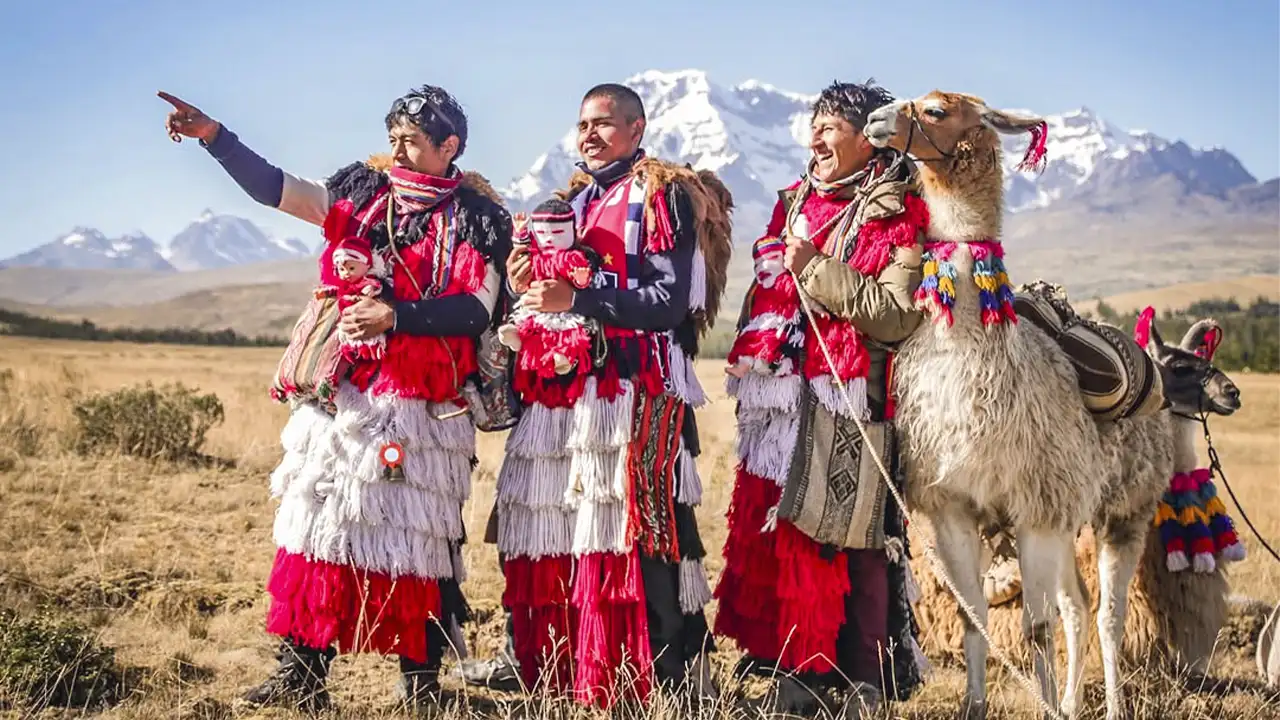

Faith, tradition, and color filled the historic center of Cusco. They also reached the Plaza Mayor. There, the festival of the Lord of Qoyllur Rit’i—which means “snow star”—was announced. This year, the celebration will take place from May 30 to June 4.
The Council of Pilgrim Nations confirmed the festival. Furthermore, this council brings together eight nations: Paucartambo, Quispicanchi, Canchis, Acomayo, Paruro, Anta, Urubamba, and Tahuantinsuyo. The news came after a Mass in the Plaza Mayor and a grand parade.
As every year, many families will walk in faith toward the sanctuary. First, they will depart from their provinces. Then they will proceed along the Cusco-Brazil Interoceanic Highway until they reach the town of Mahuayani, in Ocongate. This pilgrimage preserves the ancient customs of each community.
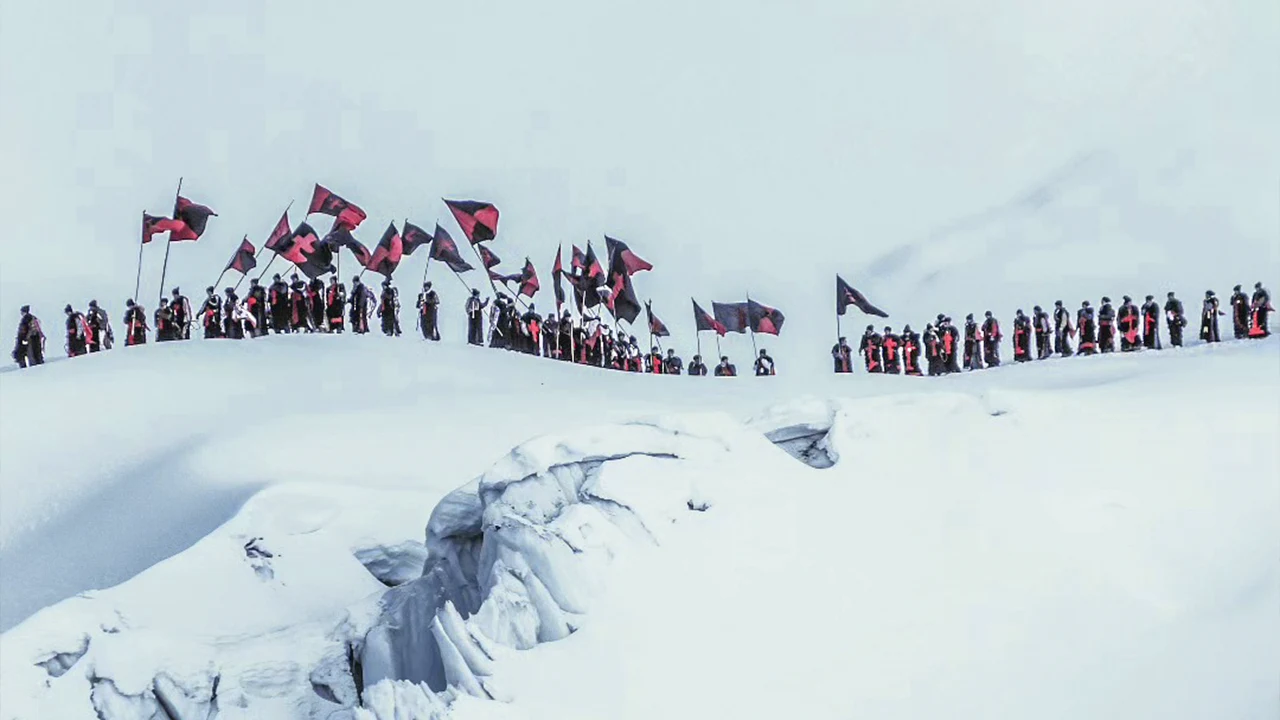
From Mahuayani, the pilgrims will ascend toward the sanctuary. Furthermore, they will depart from a location situated 4,221 meters above sea level. Along the way will be the ukumaris or pablitos, who respectfully care for “Papito Qoyllur Rit’i.” Dancers such as the Qapaq Qollas, Qapaq Chunchos, and Wayrichunchos will also walk, guided by caporales and mayordomos to Sinakara.
The main day will be June 2. On the eve of the festival, thousands of ukumaris will make their way up to Apu Colquepunku. According to tradition, these figures represent beings that are half-human and half-Andean bear. There, on that sacred mountain, the faithful honor the image of the Lord of Qoyllur Rit’i.
During the festival, there will be Masses in Quechua during the day and at dawn. The Lord of Tayankani and Our Lady of Sorrows will also be carried in procession. In addition, dances will fill the area around the sanctuary with music and color before and after the main Mass on June 2.
Afterward, a 24-hour pilgrimage will begin. The faithful will walk from the sanctuary to the Tayankani chapel and the town of Ocongate. Along the way, they will perform the “Inti lavado,” which is a worship of the sun. They will also perform the traditional simpa, a large formation of dancers resembling a braid.
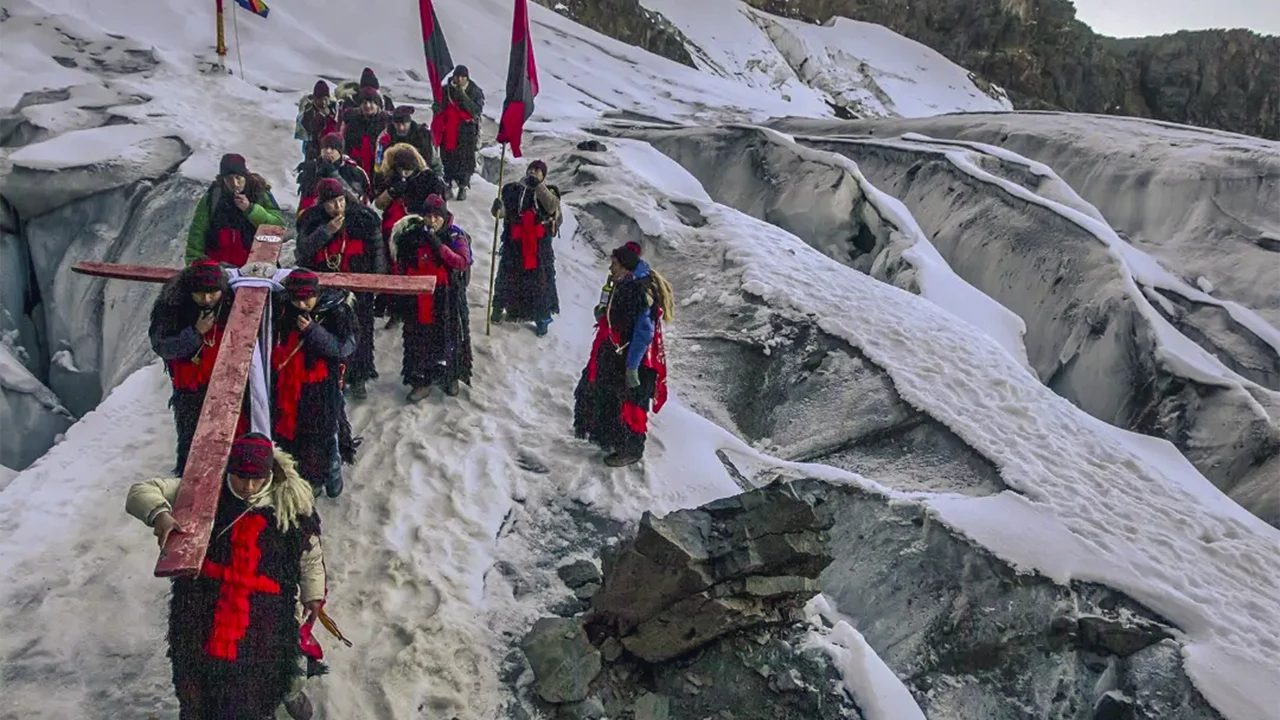
Oral tradition tells us that this festival originated many centuries ago. Even before the Incas, groups from the Paucartambo valleys would walk to the sacred rock at the foot of Kolquepunku. They sought the source of water, because they saw it as a source of life.
In 1780, tradition speaks of a great miracle. A child appeared before Marianito Mayta, a young peasant boy who was tending his camelids. The two played together while Marianito’s older brother was away. However, when the adults returned, the strange child had vanished. Then, from a rock in the ravine, the sacred image of Christ crucified shone forth.
Since then, the pilgrimage has continued uninterrupted. Every year, more worshippers and tourists visit the shrine. More than 140,000 visitors are expected during the festival. For many, standing before the rock and “Papito Qoyllur Rit’i” is a unique experience, as they feel a sense of blessing, strength, and deep emotion.