
Cusco City: History, Culture and Complete Travel Guide
Are you planning your trip to Cusco and feeling like you don’t have enough time? Don’t worry. Beyond being the ‘Navel of the World’ and gateway to Machu Picchu, Cusco is a place brimming with history and culture. In this guide, I’ll tell you exactly what to do, where to try the typical dishes, and most importantly, my secrets to prevent the dreaded altitude sickness from ruining your trip. Get ready to experience Peru’s historic capital up close and enjoy every moment without missing a thing!
Cusco: Complete travel guide, recommendations and culture
Discover Cusco up close and experience its history in every street. In this blog, I’ll tell you everything you need to know, from its earliest inhabitants and the arrival of the Incas to the Spanish influence and how the city transformed over time. You’ll also find recommendations on what to see, where to eat, where to stay, and what to pack to make the most of your trip. Get ready to discover the essence of Cusco and enjoy every moment!
What is the city of Cusco?
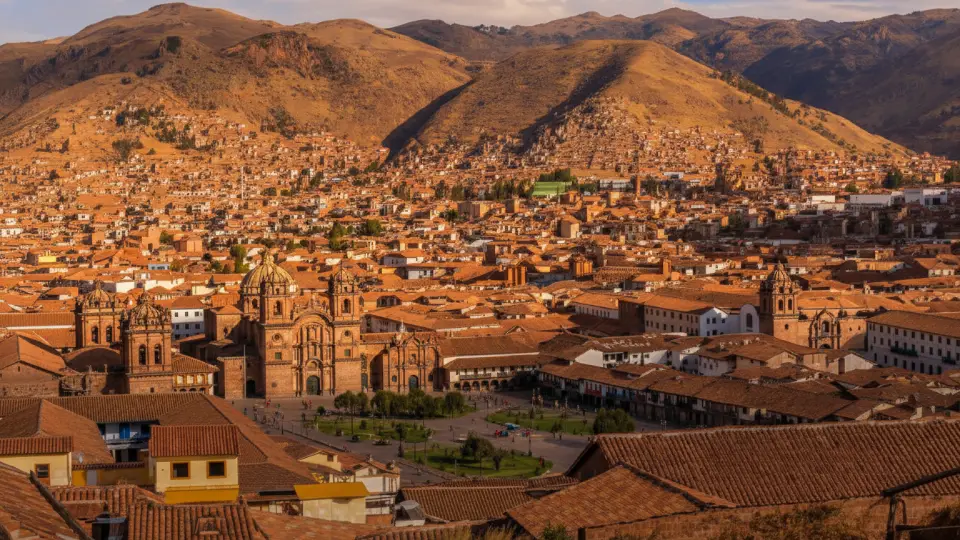
The city of Cusco, also spelled Cuzco or Qosqo in Quechua, meaning “navel of the world“, is the capital of the region of the same name and one of the oldest and most important cities in the Americas. Over the centuries, it was the political, religious, and cultural heart of the Inca Empire, known as Tawantinsuyo.
Location of the city of Cusco
Cusco is located in southeastern Peru, in the Andean region, within a valley surrounded by the Andes Mountains. At an altitude of 3,399 meters above sea level (11,152 feet), it is one of the highest historic cities in the world, which influences both its climate and the experience of exploring its streets and plazas.
What language is spoken in Cusco?
In Cusco, the main languages spoken are Spanish and Quechua, while English is commonly found in shops, restaurants, and bars in the city center. Quechua is still very present in daily life, so learning a few basic phrases in Quechua can enhance your experience:
- Allillanchu = hello
- Sulpayki = thank you
- Imaynalla = how are you?
How to get to Cusco?
Getting to Cusco is easy and depends on how you want to experience the journey:
- By plane: The fastest and most convenient option. The Alejandro Velasco Astete International Airport (CUZ) receives direct flights from Lima in about 75 minutes and is just 15 minutes from the city center.
- By bus: There are services from Lima (22 h), Arequipa (10–12 h), and Puno (6–7 h). Premium buses allow you to sleep during the journey thanks to their reclining seats.
- By train from Puno: The Belmond Andean Explorer crosses the high plains and offers views of Lake Titicaca and the Andean landscapes, making the journey an unforgettable experience.
What is the weather like in Cusco?
Cusco is located in the Peruvian Andes, which means the weather changes quickly and can feel more intense. It has a cold and dry climate. During the day, the weather is usually sunny and quite pleasant, with temperatures between 15 °C and 22 °C. However, at night, the cold becomes noticeable, sometimes dropping to 0 °C or lower so be sure to dress warmly.
There are two defined seasons
| Season | Months | Weather | Recommendations |
| Dry | May – October | Sunny days, cold nights (-2 to 3 °C). No rain. | Trekking, Inti Raymi, archaeological visits |
| Rainy | November – April | Frequent rain, 10–15 °C during the day | Green landscapes, fewer tourists, lower prices |
When is the best time to visit Cusco?
The perfect weather in Cusco for exploring the city is between May and October, especially in June and July, when the days are usually clear and daytime temperatures are pleasant. That said, nights are always cold, so don’t forget to bring warm clothing regardless of the season.
History of Cusco
Origin of Cusco
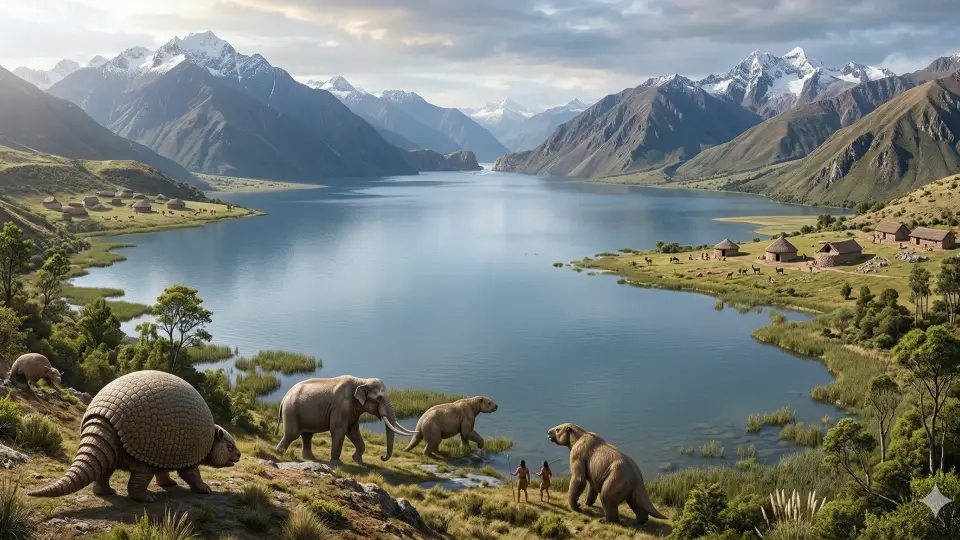
Thousands of years ago, the valley where Cusco now stands was covered by a large lake called Morquil, identified in 1911. It stretched across what are now the districts of Cusco, Wanchaq, Santiago, San Sebastián, and San Jerónimo. This lake was home to fish, mollusks, and megafauna mammals, whose remains, including a mastodon and a glyptodont, can now be seen at the Regional Historical Museum of Cusco, located in the House of Inca Garcilaso de la Vega.
Important fact…
Over time, the lake drained through Angostura, and today the wetlands of Huasao and the Huacarpay lagoon still remain.
First inhabitants of Cusco
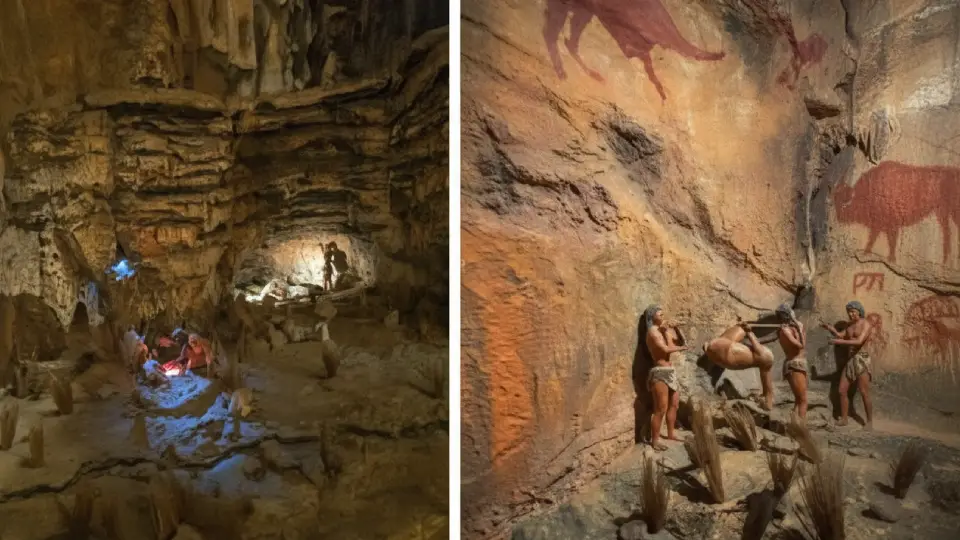
The earliest inhabitants of Cusco date back between 12,000 and 5,000 BC. This pre-ceramic period is known thanks to the rock art left by the people of Qorka, Chauaytire, Canchis, Yauri, Tinta, and Chumbivilcas, who lived in the highlands of the Cusco region, leaving evidence of their way of life.
Early ethnic groups of Cusco
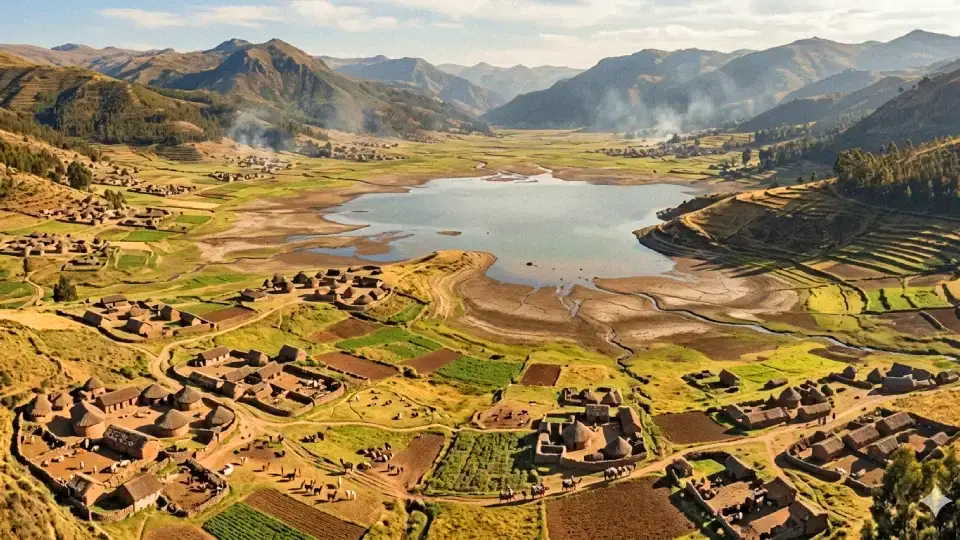
The first ethnic groups to settle in Cusco were the Quechuas, including the Ayarmaca, Marcavalle (1000 BC), Chanapata (800 BC), Qotacalle (600 AD), Killke (800 AD), Lucre (100 AD), and Wari. Their knowledge of construction and urban planning was advanced for the time, laying the foundations that the Incas would later perfect.
Did you know…
The Wari culture had a significant presence in the area, whose influence can be seen at the archaeological site of Pikillaqta, located 30 km southeast of the city.
Arrival of the Incas to Qosqo or Cusco
The origin of the Inca Empire is told through the legends of Manco Cápac, Mama Ocllo, and the Ayar Brothers, who arrived in Cusco around the 12th century following the instructions of the god Inti. It is said they traveled from Lake Titicaca carrying a golden staff, which sank into the ground at Huanacauri, where they then founded the city.
Expansion and reorganization of Cusco
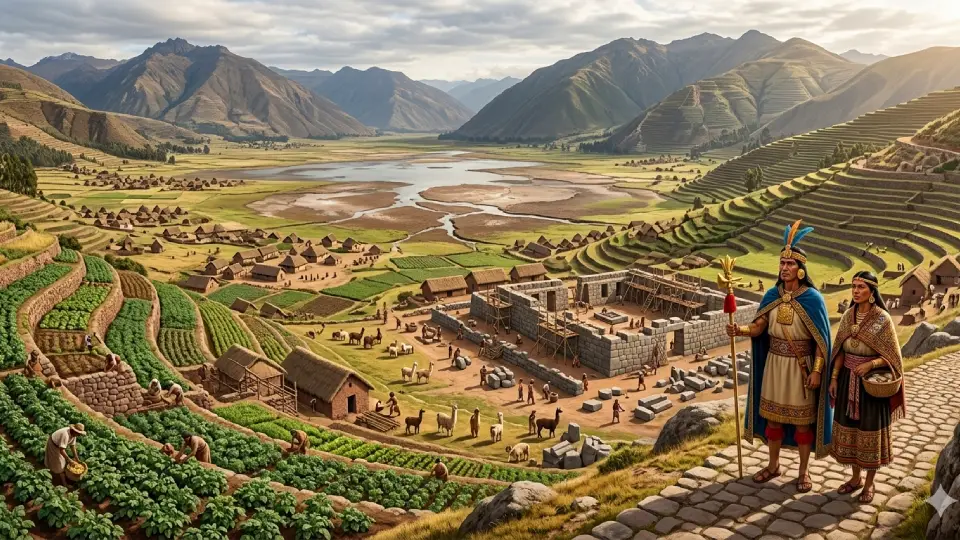
After two centuries of consolidating their presence in Cusco, the great expansion of the empire began in 1438 under the rule of Inca Pachacutec. A powerful army was formed, expanding the empire’s territory across present-day Colombia, Chile, Bolivia, and Argentina, establishing a social system that emphasized mandatory labor, solidarity, reciprocity, a single language, and a unified religion.
Important fact…
- Cusco experienced its most radical transformation under Pachacutec, who built some of the most impressive temples and palaces on the continent and expanded the reach of the Tawantinsuyu.
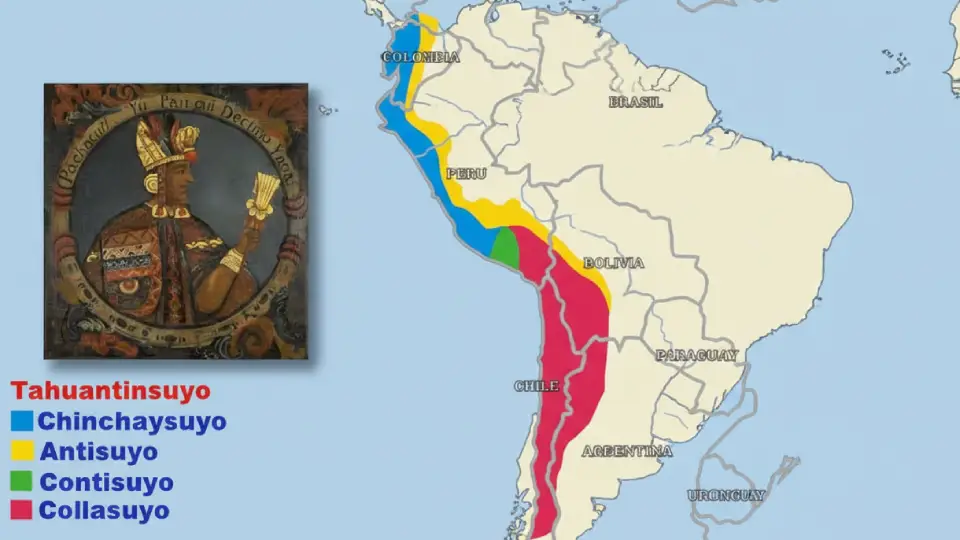
Peak of the city of Cusco
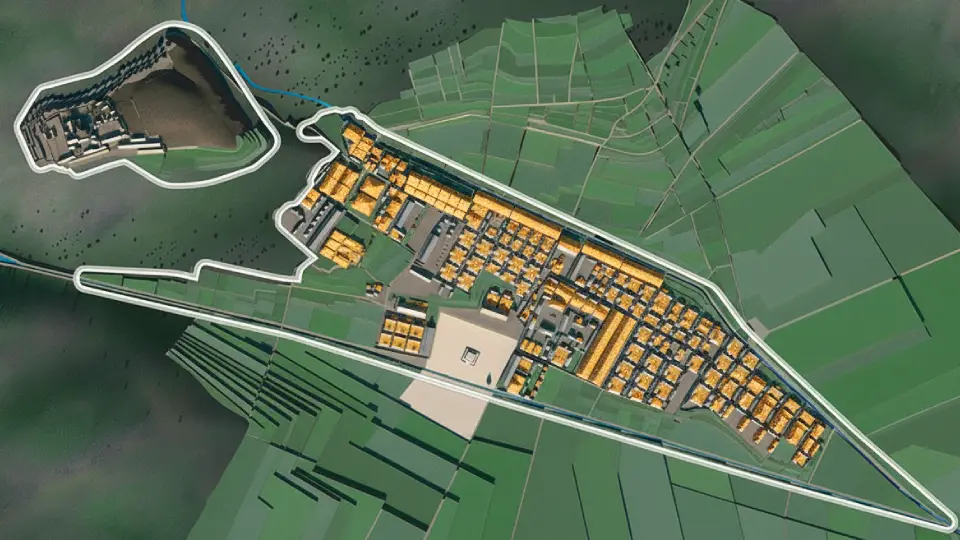
At its height, Cusco was one of the largest and most powerful cities in the world, with a population between 100,000 and 200,000 inhabitants. It was Pachacutec who designed the sacred city in the shape of a feline, with Sacsayhuamán as the head (symbol of leadership), Huacaypata as the heart, Pumakurku as the backbone, and the tail of the puma ending where the statue of Pachacutec stands today.
The golden age of Cusco
During these golden years, Cusco was home to the Temple of the Sun (Qoricancha), whose walls were literally covered in gold, the Ajllawasi or House of the Chosen Women, palaces for the nobility, gardens, irrigation systems, and thousands of kilometers of roads, the legendary Qhapaq Ñan that connected the entire empire.
Cusco in the colonial era
In 1533, the troops of Francisco Pizarro took Cusco, then home to around 100,000 buildings and between 125,000 and 300,000 inhabitants—bringing an end to the Tawantinsuyo. The Spanish demolished Inca temples to build churches and convents on their foundations, aiming to erase the memory of the Andean civilization.
- Soon after, Francisco Pizarro officially founded the city of Cusco on March 23, 1534, following Spanish colonial practices.
Transformation of the city of Cusco
During the colonial period and the redistribution of land, Cusco underwent major structural changes. Inca walls were used as foundations for new colonial buildings, giving rise to a unique hybrid architecture in which precisely fitted stone walls support Baroque churches, convents, and colonial mansions that still stand today.
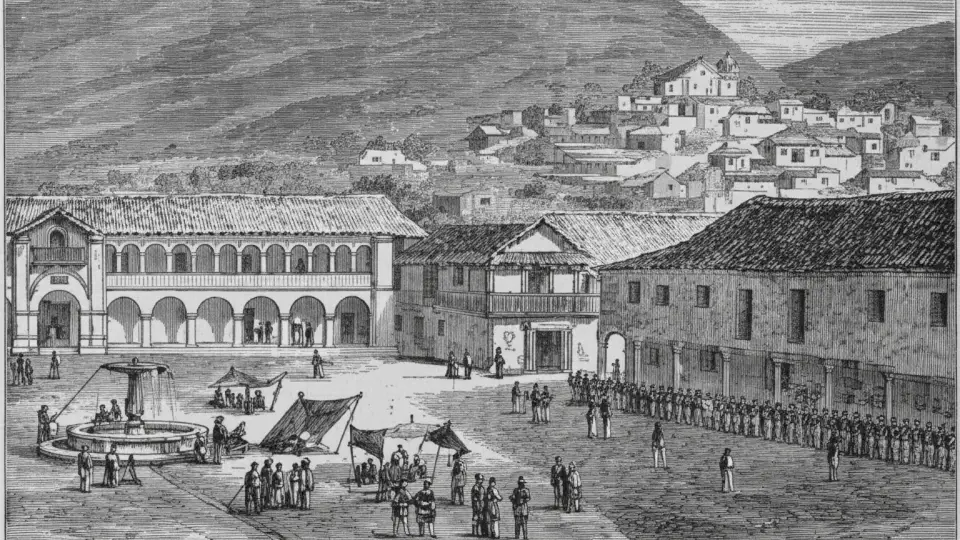
Cusco in the 20th century
The most important turning point for modern Cusco came in 1911, when American explorer Hiram Bingham brought Machu Picchu to the world’s attention. Since then, the city has transformed into a must-visit tourist destination.
Cusco today
Today, Cusco is the most visited city in Peru and the gateway to Machu Picchu, one of the most iconic destinations in the world. Here, history and modern life coexist: its historic neighborhoods are preserved, its archaeological sites inspire pride, and its culture remains alive in markets and festivals.
Recognitions of Cusco
- In 1933, Cusco was declared the Archaeological Capital of South America.
- In 1978, it received the title of World Cultural Heritage.
- In 1993, UNESCO recognized it as a World Heritage Site.
- In 2024, TripAdvisor ranked it as the second-best cultural destination in the world, after Cuba.
- In 2026, TripAdvisor included it in its “Travelers’ Choice – Best of the Best” list, as the only South American representative and the second in Latin America alongside Cabo San Lucas, Mexico.
What to see in Cusco: the best tourist attractions
I could spend days writing about the places to see in Cusco and still feel like something’s missing. Let me organize it so you have everything clear before you arrive and can enjoy your trip without surprises.
The historic center of Cusco
Huacaypata or Plaza de Armas
In Inca times, Huacaypata was the heart of the city, surrounded by palaces, temples, and plazas where great rituals were held. Today, colonial buildings, Baroque churches, and restaurants with balconies surround the square, which remains the place where everyone gathers.
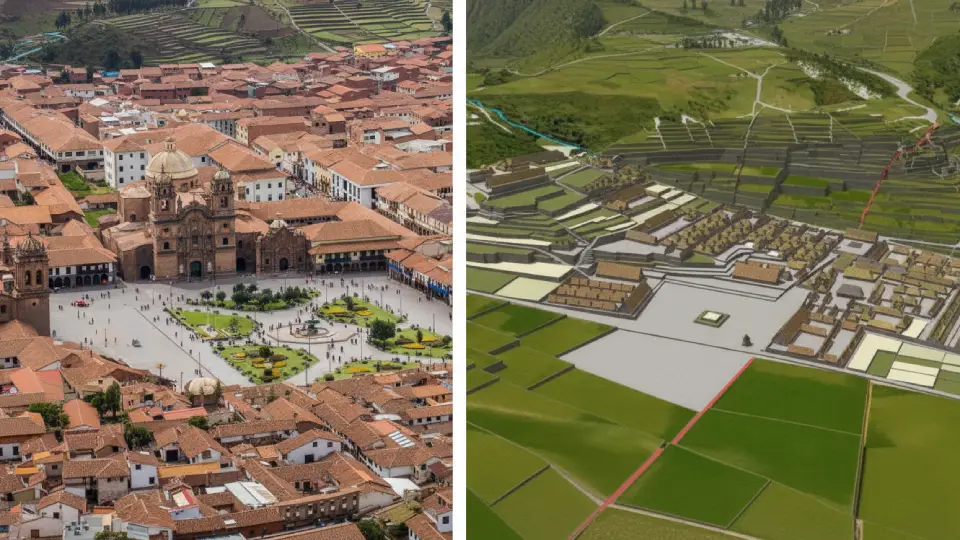
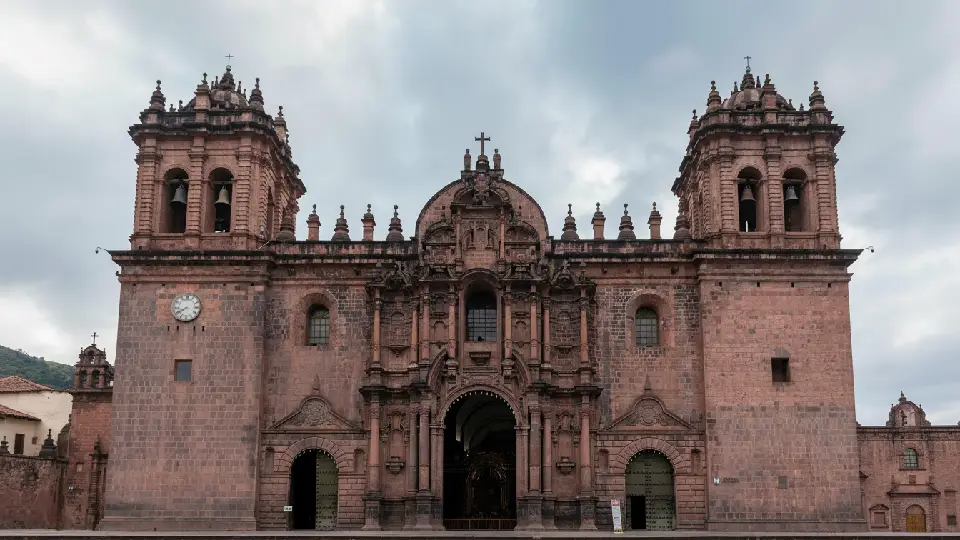
The Cathedral of Cusco
The Cathedral of Cusco, built between 1559 and 1654 on top of the palace of Inca Viracocha, is a place you can’t miss. Inside, you’ll find colonial art that blends European tradition with Andean details. If you look closely, you’ll see the Last Supper by Marcos Zapata, where, surprisingly, a guinea pig appears at the center of the table. Every corner tells the story of how two worlds came together in one space.
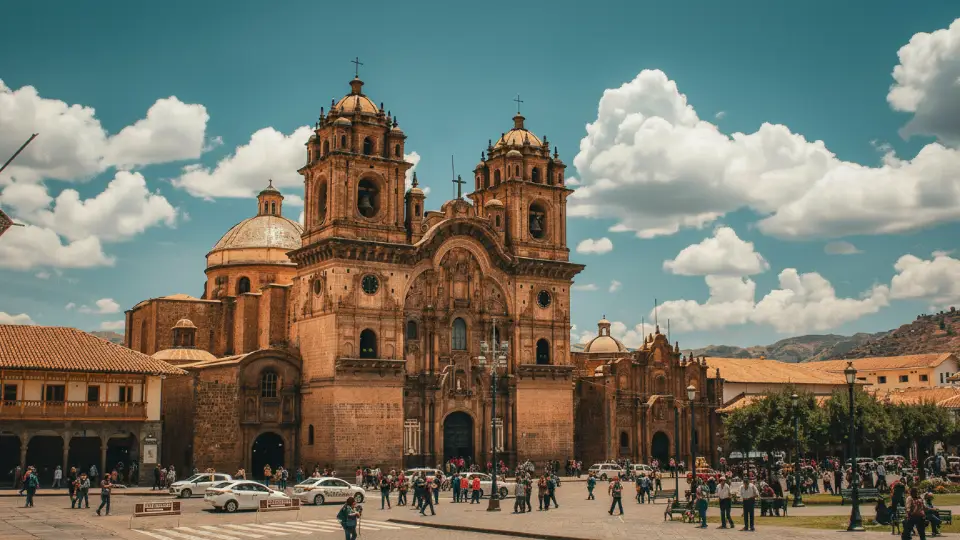
Church of the Society of Jesus
With its detailed façade and Baroque ornamentation, this church clearly reflects Jesuit influence in Cusco. As you step inside, you’ll notice how every altarpiece and sculpture is carefully crafted, and little by little, you’ll understand how art and faith came together here to tell stories that can still be appreciated today.
Temple of the Sun – Qorikancha
Qorikancha was the main temple of the Inca Empire, dedicated to the Sun god. Its walls were covered in sheets of solid gold, and it even featured a garden with life-sized plants and animals also made of gold, created to honor the creator god showing how devotion and power were reflected in every detail of the temple.
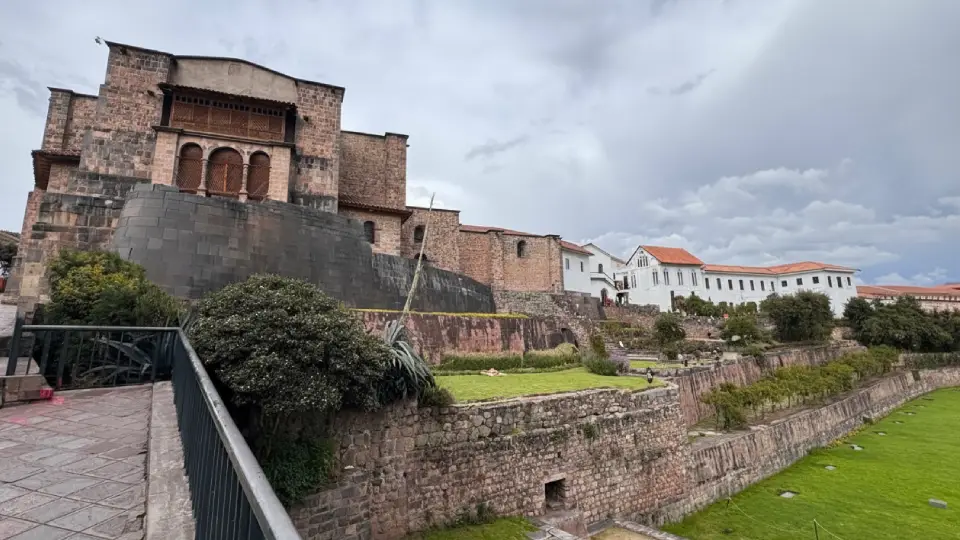
Important tip for travelers…
From Qorikancha, 41 ceques (sacred lines or pathways) extended, connecting the temple to wakas (sacred sites) throughout the valley.
The Spanish looted it and built the Convent of Santo Domingo on top of it.
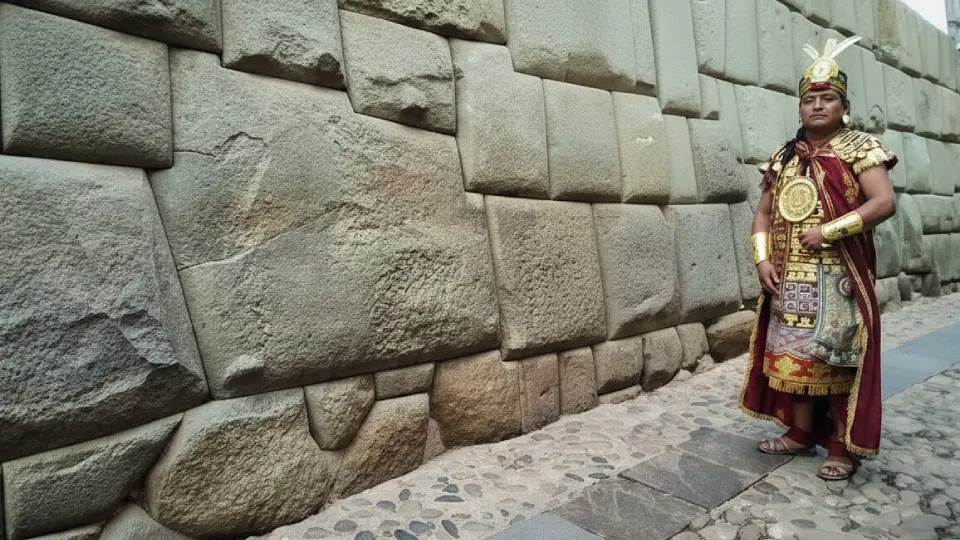
12-angled stone or Hatun Rumiyoc
On Hatun Rumiyoc Street, you’ll find the famous 12-angled stone, embedded in the wall of the palace of Inca Roca. Notice how perfectly it fits with the surrounding green diorite stones—without any mortar. This shows how skilled the Incas were in stonework and planning, and how every stone had a purpose that still amazes us today.
Sapantiana colonial aqueduct
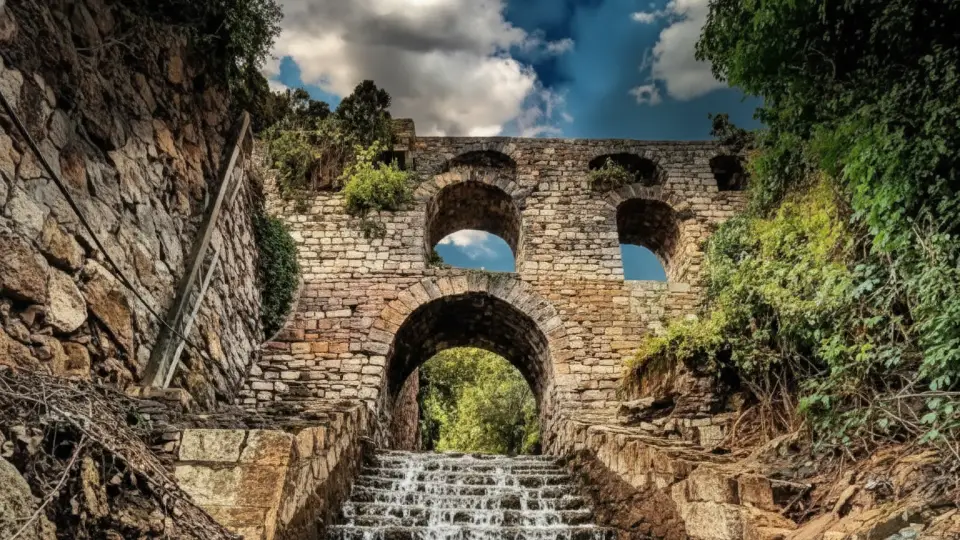
If you keep walking about 15 minutes from the Plaza de Armas, you’ll reach the Sapantiana aqueduct. It was built by the Jesuits between the 17th and 18th centuries over the P’ujru River and supplied water to the colonial city until 1950. What makes it special is that it’s tucked away between the neighborhoods of San Blas and San Cristóbal—perfect for great photos.
Traditional San Blas neighborhood
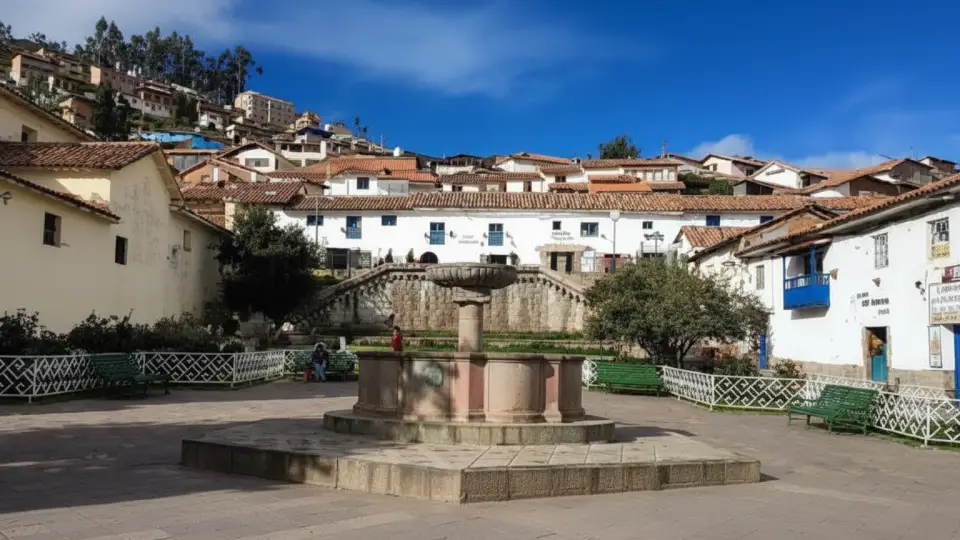
Climbing up these cobblestone streets from the Plaza, you’ll reach San Blas, the artisans’ neighborhood. Here, workshops of sculptors, ceramic artists, and weavers coexist with cafés, terrace bars, and art galleries. If you want to escape the tourist crowds for a while, this is the perfect place to sit, observe, and feel how tradition is still alive.
Historic streets
As you continue walking, pay attention to the narrow stone streets: Siete Angelitos, Siete Diablitos, Siete Borreguitos, Calle Ataúd, or Calle Desamparados. Each one has its own stories and secrets, along with small artisan shops and cozy cafés. And don’t forget Resbalosa Street, famous for its slippery stones.

Archaeological sites of Cusco
Sacsayhuaman archaeological park
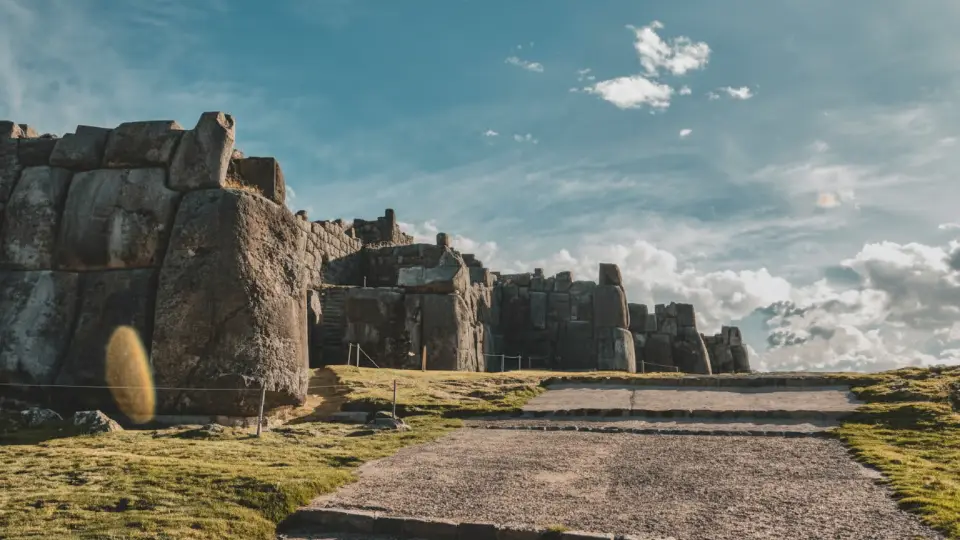
Can you imagine moving 125-ton stones without any modern machinery? That’s exactly what was done here at Sacsayhuamán, a ceremonial temple built to honor the god Inti. Its three zigzag terraces stand out from any angle, and if you climb to the top, you’ll get a view of the entire city. Every June 24, this place comes alive with Inti Raymi, the great Festival of the Sun.
Qenqo ceremonial center
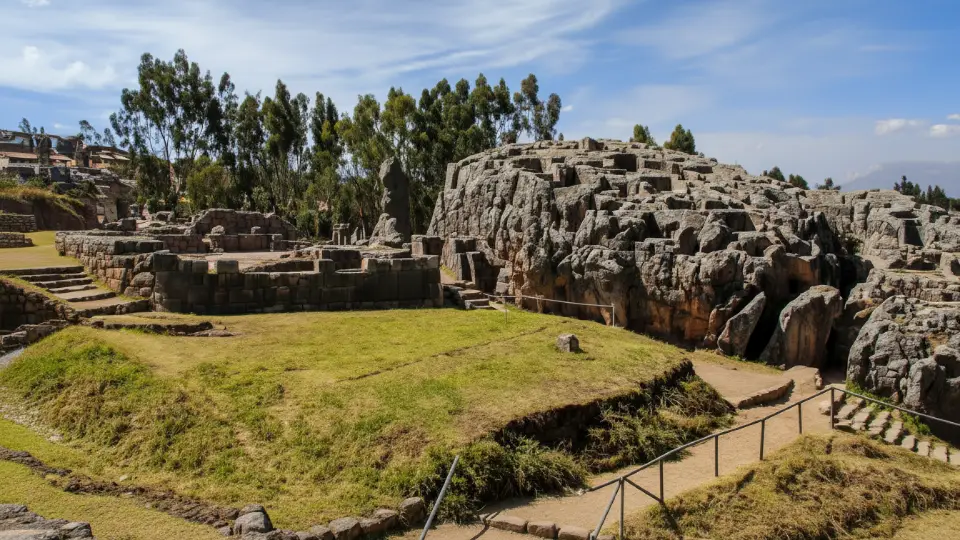
Just a short walk from Sacsayhuaman is Qenqo, which in Quechua means “Labyrinth or Zigzag.” This ceremonial center was dedicated to Pachamama and also used for funerary rituals. What’s most interesting is that a sacred wanca was worshipped here, which you can still see today.
Red fortress of Puca Pucara
After Qenqo, I recommend continuing to Puca Pucara, or “red fortress.” This site functioned as a tambo and military control point. Notice how its stones turn a warm reddish color at sunset. Walking its paths makes it easy to imagine how the city was once guarded and protected.
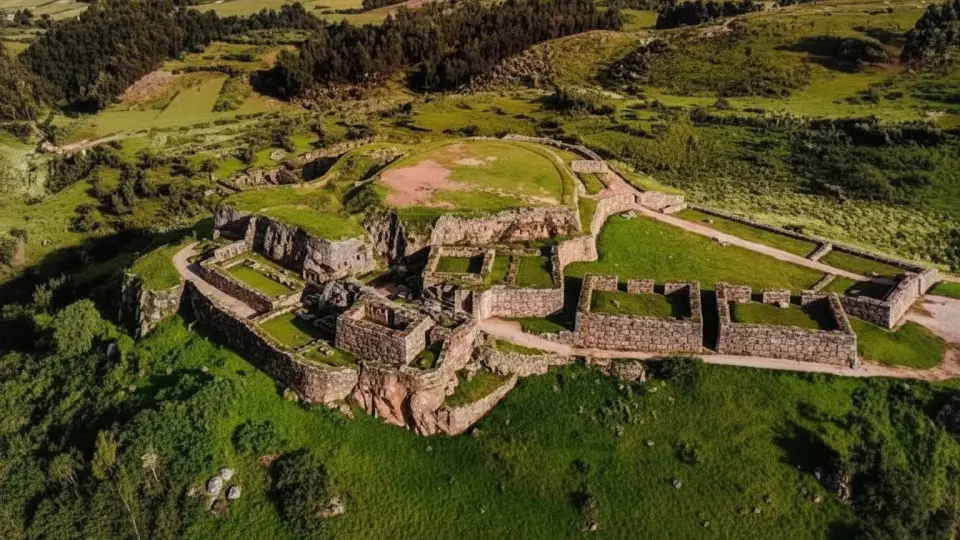
Tambomachay archaeological site
About a five-minute walk away, you’ll reach Tambomachay, known as the “Baths of the Inca.” What’s most fascinating is that water has been flowing continuously for centuries, and seeing how the Incas achieved this hydraulic engineering is still impressive. You can sense how carefully they managed water, which was essential for both rituals and daily life.
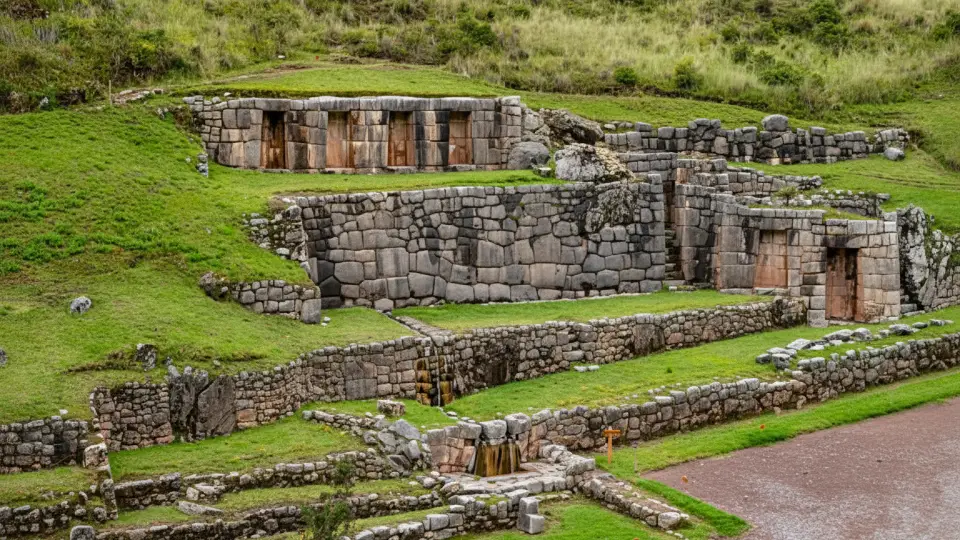
Museums of Cusco: living culture within four walls
And finally, you can’t skip Cusco’s museums. Trust me this is where you’ll truly understand the city: what a quipu means, how Qorikancha functioned, how weavers worked. Everything starts to make sense, because history stops being just information and becomes something you can experience as you explore the city.
Main museums of Cusco
| Museum name | What to see | Admission cost | Opening hours |
| Museo Inka | Inca artifacts: textiles, ceramics, quipus, mummies. | 10 soles foreigners | Mon-Sat 8-18h |
| Museo de Arte Precolombino (MAP) | Pre-Columbian art from 10 cultures of Peru. Gold and silver collection from the Larco Museum. | 20 soles adults | 8-22h daily |
| Museo Casa Concha (Machu Picchu) | 360 pieces returned by Yale University. Augmented reality. | 20 soles foreigners | Mon – Sat 9 – 17h |
| Museo Histórico Regional | History of Cusco from pre-Inca to colonial times. Cusco School art. | Tourist Ticket | Mon – Sat 8 – 17h |
| Museo de Arte Religioso | Viceroyal art and Cusco School. Located in the 16th-century archbishop’s palace. | Approx. 10 soles | Mon – Sat 8 – 11:30h |
| ChocoMuseo | History of native cacao and Peruvian chocolate. Workshops and tastings. | Free (workshops extra) | Daily 9 – 20h |
| Museo de la Coca | Cultural history and Andean importance of the coca leaf | Free entry | Daily |
| Museo de Sitio Qoricancha | Archaeological objects from the Temple of the Sun. Mummies and trepanations. | 15 soles / Tourist Ticket | Mon – Sun 9 – 18h |
Discover the Sacred Valley of the Incas
If you’ve already explored Cusco’s center, the next natural step is to visit the Sacred Valley, located about an hour away by road. This valley was the most fertile and sacred place for the Incas, thanks to the Urubamba River, and today it has become an archaeological, cultural, and scenic route that helps you understand how its inhabitants lived and worked.
Visit the mystical and unexplored ruins of Raqaypata
We hike up to the Perolniyoc waterfall and reach Raqaypata. There are no crowds here, just nature and ruins that seem to whisper ancient stories. The stones and structures show how the Incas built their temples, and the hike is worth every step because it connects you directly with the energy of the Andes.
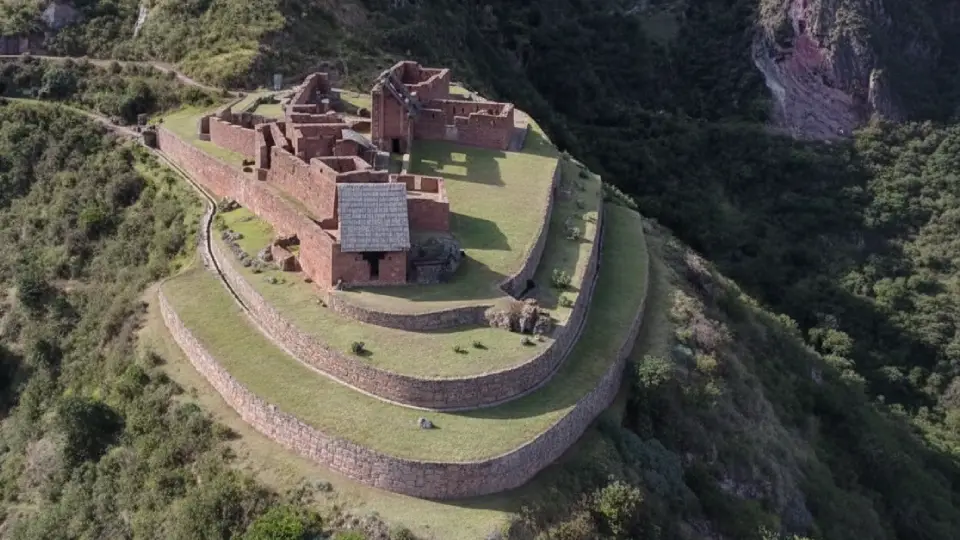
Discover the enigmatic and hidden Inca temple of Ñaupa Iglesia
A true portal to mystery. This ancient huaca or Inca ceremonial center, hidden near the town of Pachar, will leave you breathless with its finely carved rock altars and unmistakable mystical atmosphere. If you’re passionate about Inca history and architecture beyond the usual circuit, this place will blow your mind.
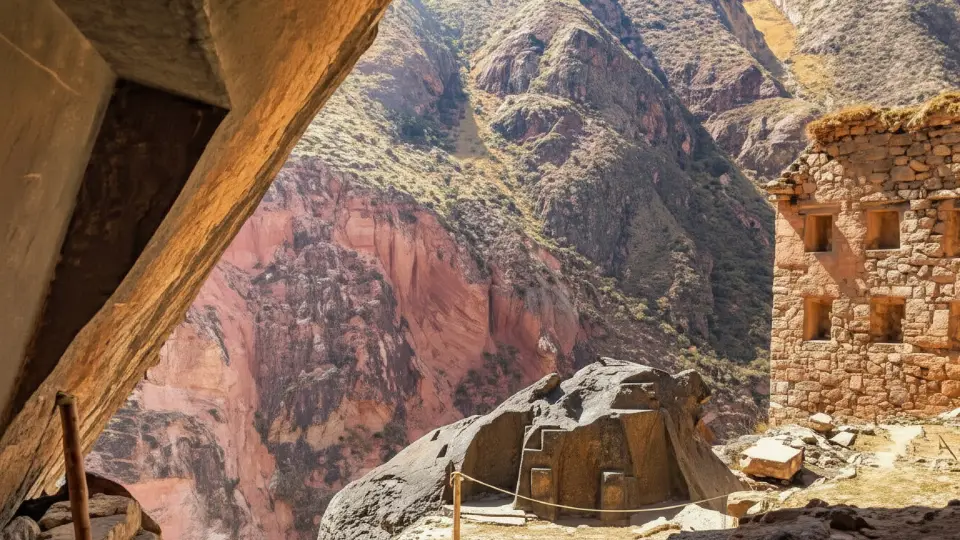
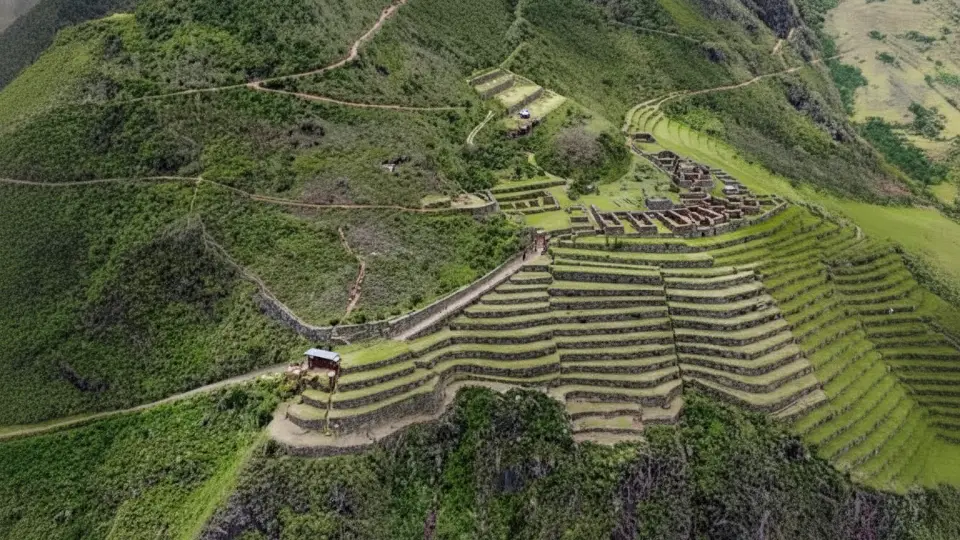
Explore the impressive terraces of Pisac
When you arrive in Pisac, the first thing you’ll notice is its market full of colors, textiles, and handicrafts made using ancestral techniques. Then I recommend heading to the Pisac archaeological park, where everything changes: agricultural terraces, temples, and the Intihuatana will show you how the Incas made use of every part of the valley, combining practicality with ceremony.
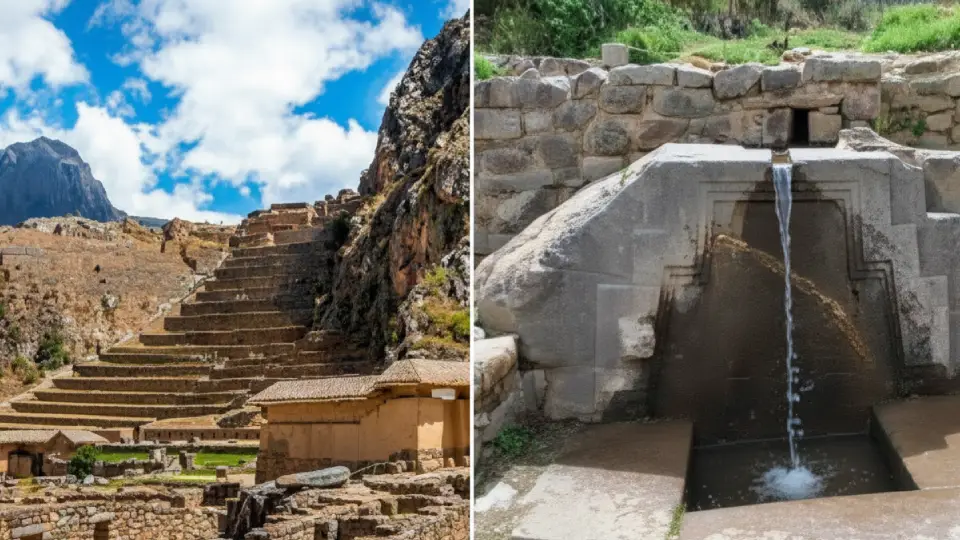
Explore Ollantaytambo: the epic and undefeated living town
Next, continue to Ollantaytambo. This town is special because it preserves its original Inca layout. Battles were also fought here—the Incas managed to defend themselves against the Spanish in 1537. The fortress tells stories of strategy and planning, and walking through its streets feels like reading an open history book.
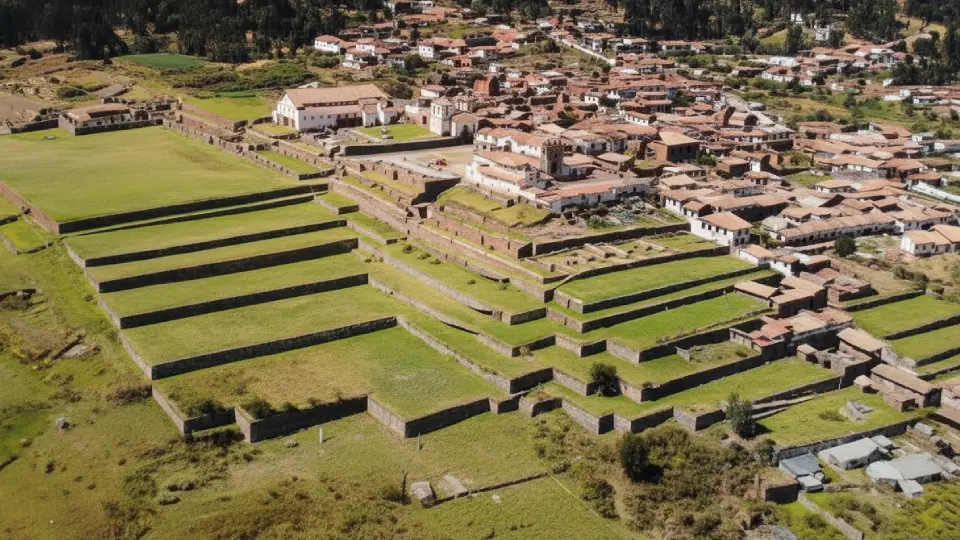
Visit Chinchero: the ancestral Andean town
Climb a bit higher and you’ll reach Chinchero, at over 3,700 meters. Here, the Sunday market is a window into the past, where women weave and sell textiles using ancient techniques, and still practice barter, just like in Inca times. It’s a place that blends tradition, color, and everyday life.
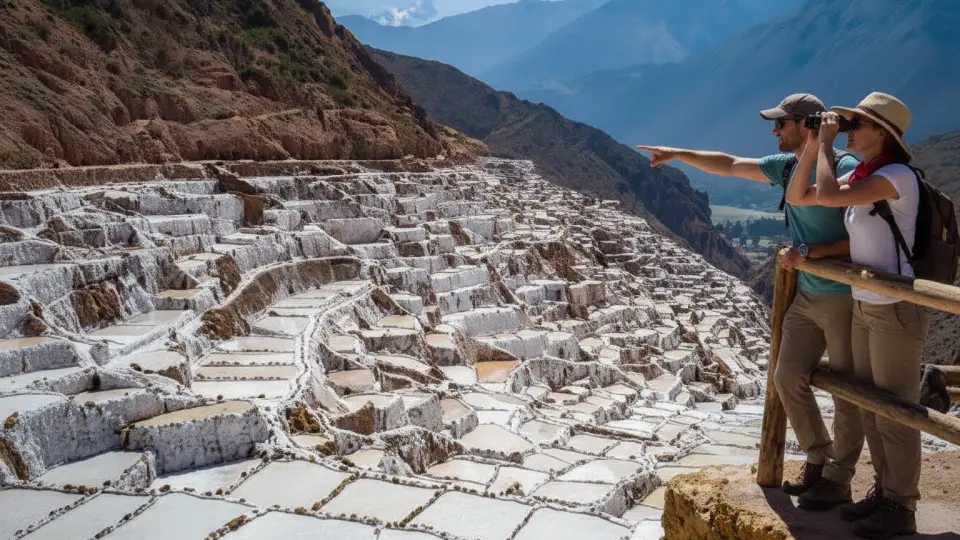
Be amazed by Maras: the fascinating salt mines
Next, head to Maras, where you’ll see countless salt pools, thousands of small ponds that locals have used since Inca times. Here, you can watch how people work with nature to create sustainable resources.
Explore Moray: the incredible Inca laboratory
Finally, the circular terraces of Moray were an experimental agricultural laboratory where the Incas adapted crops to different temperatures by taking advantage of the natural geography.
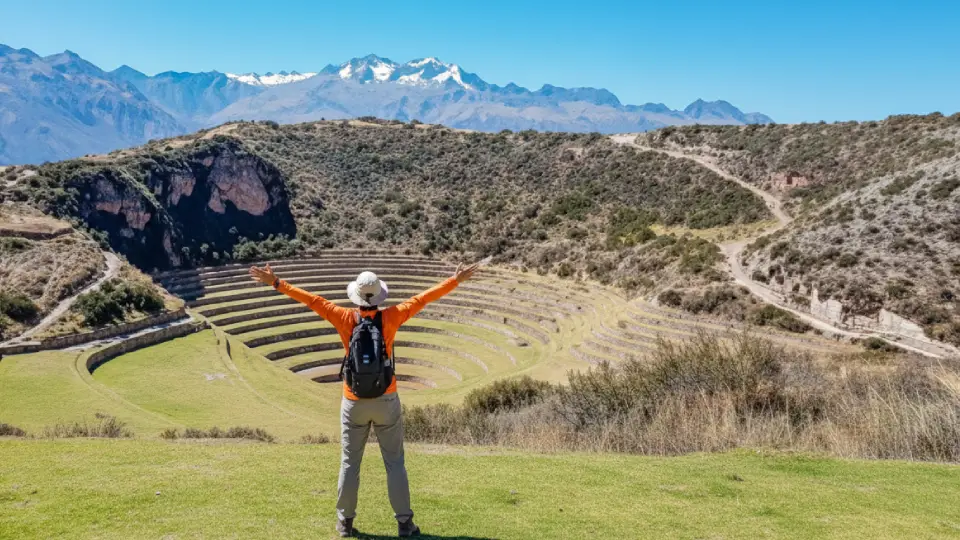
Machu Picchu: the wonder of the world
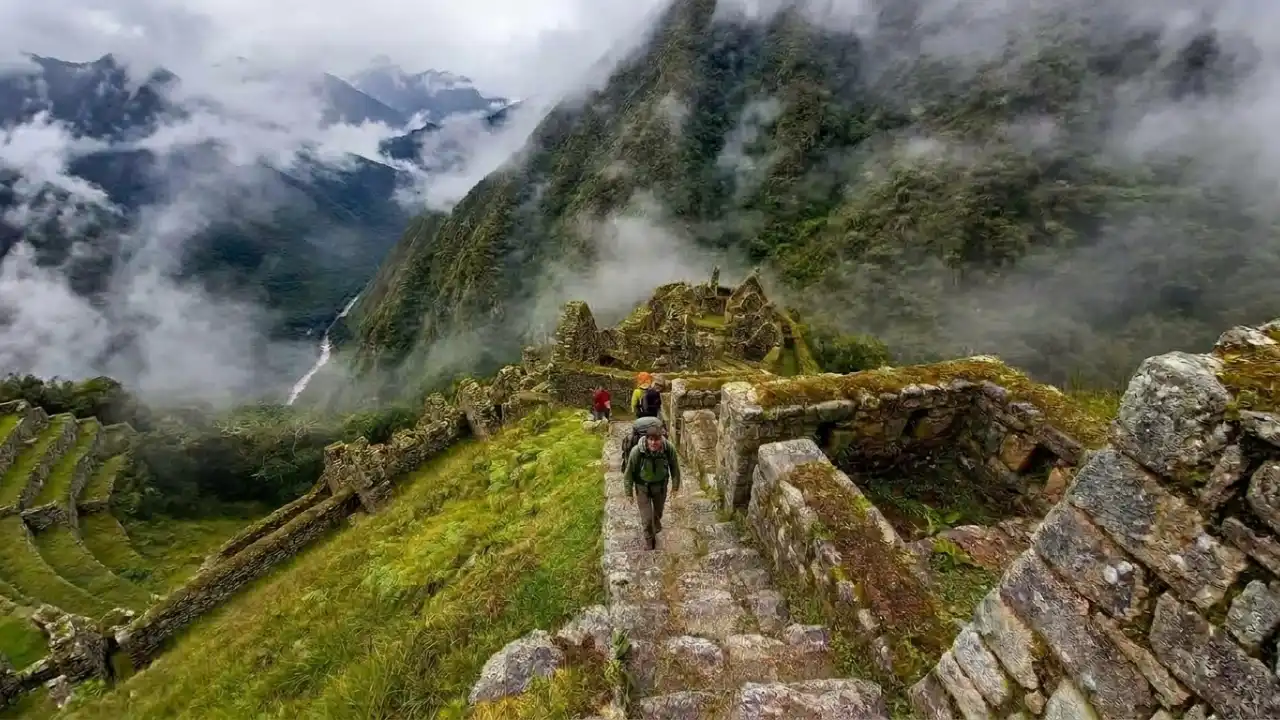
Talking about Cusco without mentioning Machu Picchu simply doesn’t make sense at some point, every journey leads you there. This Inca citadel, built around the 15th century and later abandoned during the conquest, was rediscovered in 1911 and has been attracting travelers ever since, all eager to understand its history.
How to get to Machu Picchu?
To reach Machu Picchu, you can take the train from Cusco, Poroy, or Ollantaytambo to Aguas Calientes, and then a bus up to the entrance. If you’re looking for a more immersive experience, you can hike the four-day Inca Trail—but in that case, you’ll need to book in advance.
Did you know…
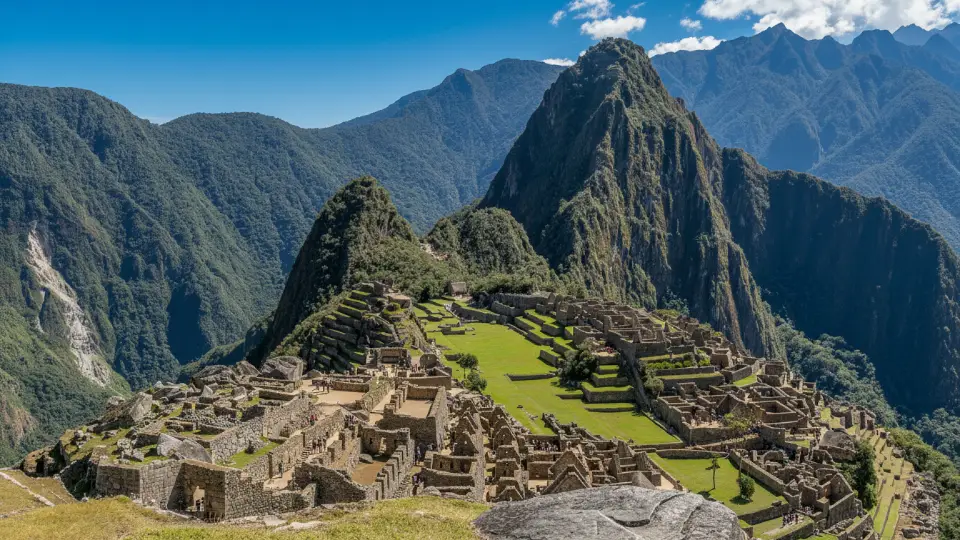
Machu Picchu was declared a UNESCO World Heritage Site and one of the New Seven Wonders of the World. It sits high on a mountain above the Urubamba River canyon, about 80 km from Cusco.
Cusco gastronomy: flavors that tell a story
Cusco’s cuisine is one of those rich, ancestral, and surprising traditions that has managed to preserve its essence over time. It comes directly from the Incas, using native ingredients such as native potatoes, giant corn, quinoa, ají peppers, and meats from Andean animals.
Famous traditional dishes you shouldn’t miss
If you want to experience Cusco with all your senses, there are some dishes you simply have to try:
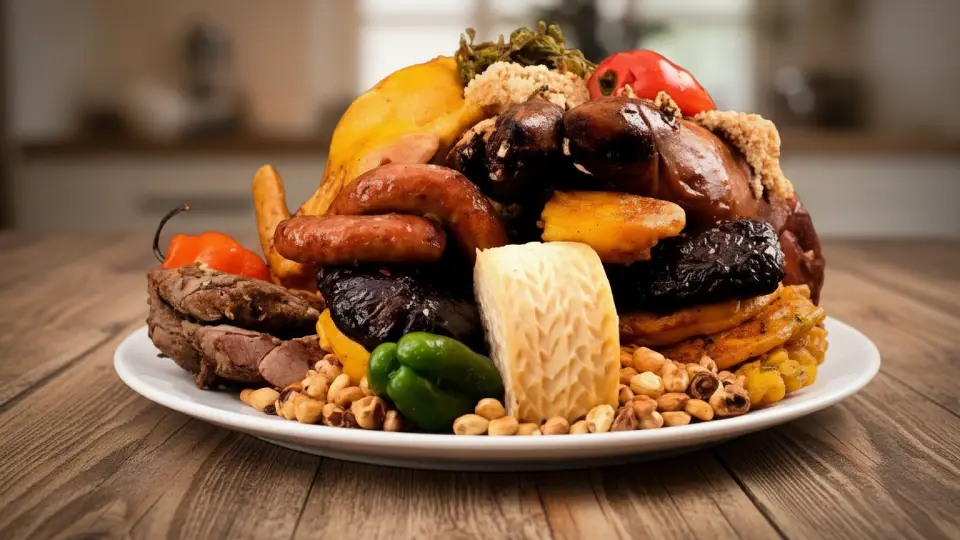
Chiri Uchu: Cusco’s signature dish
If you want to try a dish that truly captures the essence of Cusco, you have to start with Chiri Uchu. Its name means “cold chili” in Quechua, and every bite is a journey through Andean flavors: roasted guinea pig, boiled chicken, Andean sausage, cheese, toasted corn, rocoto pepper, trout roe, blood sausage, seaweed, and dried meat. The best time to try it is during the Corpus Christi festivities in June.
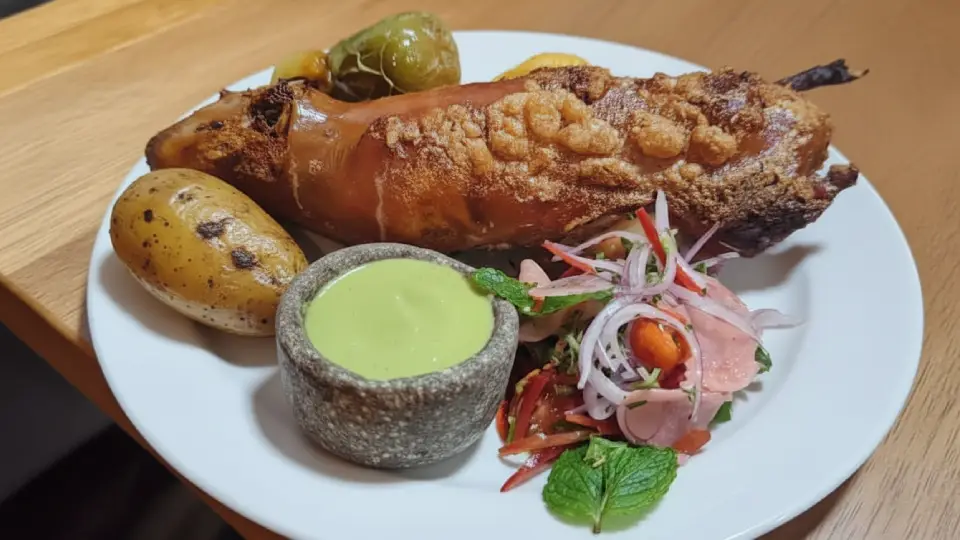
Delicious and crispy roasted guinea pig
You can’t leave Cusco without trying roasted guinea pig. This food, highly valued in Andean culture, is marinated with garlic, cumin, ají panca, and local herbs, then roasted until the skin turns golden and crispy. It’s served with potatoes, corn, and rocoto sauce. “Would you dare to try roasted guinea pig? Leave your thoughts in the comments!” I promise that, even if it seems bold, it’s a culinary experience you’ll remember.
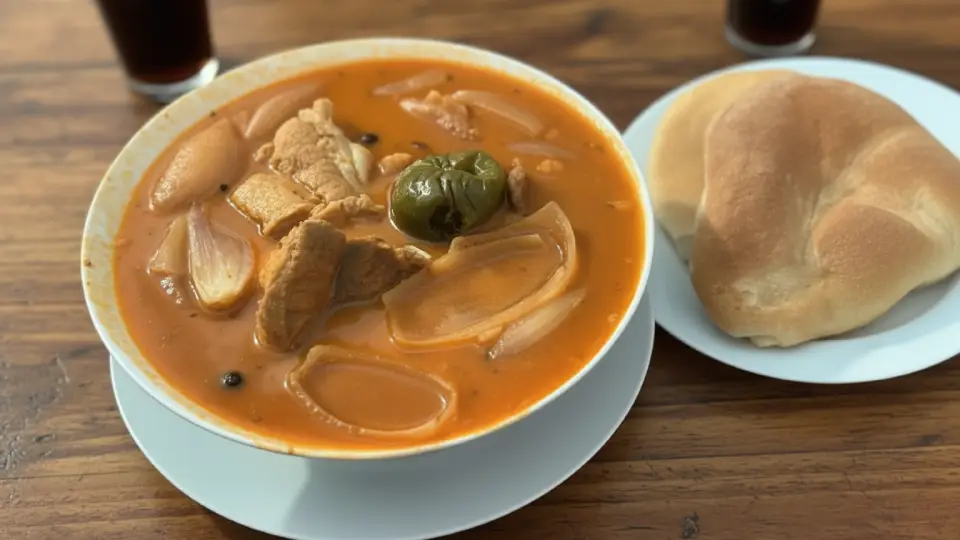
Hearty Cusco-style adobo
Cusco-style adobo starts with pork marinated in chicha de jora (a fermented corn drink), ají panca, garlic, and local spices. It’s then slow-cooked until the meat becomes tender and the flavors fully blend. Interestingly, in Cusco this hearty dish is enjoyed as a Sunday breakfast. That’s why it’s known as the “hangover cure“, perfect for cold Andean mornings.
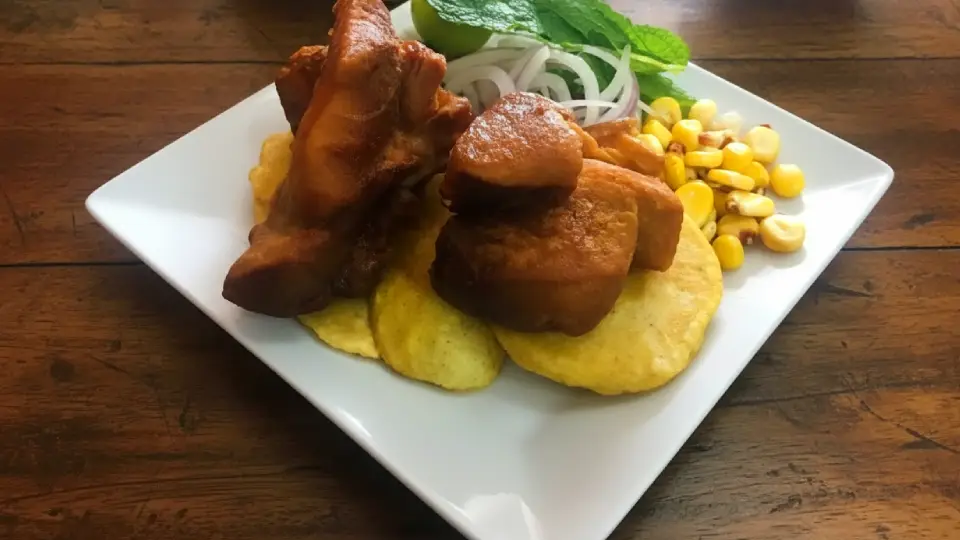
Flavorful Cusco-style pork crackling
Unlike other Peruvian versions, Cusco-style pork crackling is prepared by cooking pork pieces in their own fat. This makes the meat tender on the inside and crispy on the outside. It’s served with hominy corn, criolla salad, and potatoes. To enjoy it the right way, the best option is to visit San Pedro Market early in the morning, around 6 a.m.
Pachamanca: an ancestral Andean dish
Pachamanca is much more than a dish it’s a ritual. It involves cooking meats along with potatoes, sweet potatoes, and beans in a pit dug into the ground, using stones that have been preheated over fire. Its name means “earth oven” in Quechua. Today, it is still prepared during family gatherings and festivities, preserving a cooking technique passed down directly from the Incas.
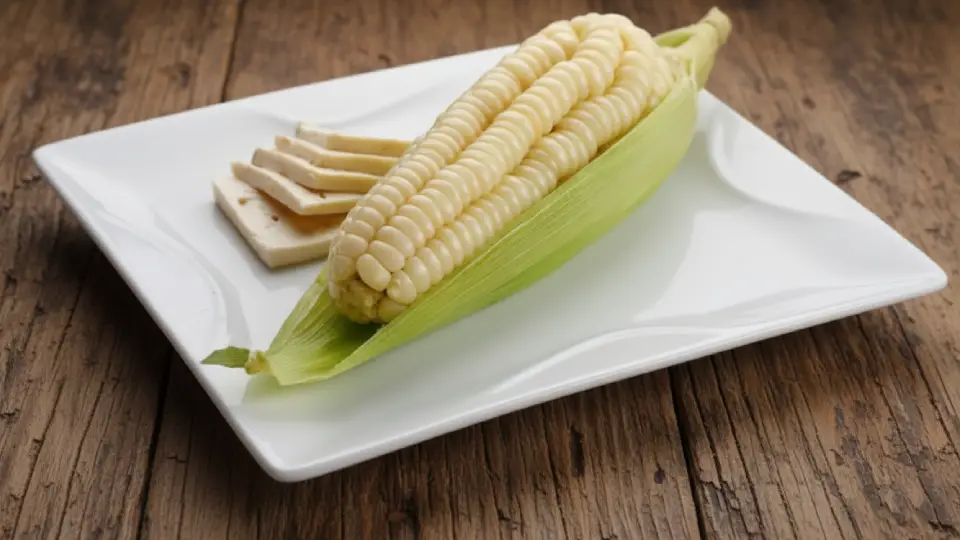
Traditional corn with cheese
Corn with cheese is simple, affordable, and hard to resist. It’s made with Cusco’s giant white corn—one of the largest grains in the world boiled with salt and served with fresh salty cheese. You can find it on almost any market corner or street stand, making it perfect for a quick snack.
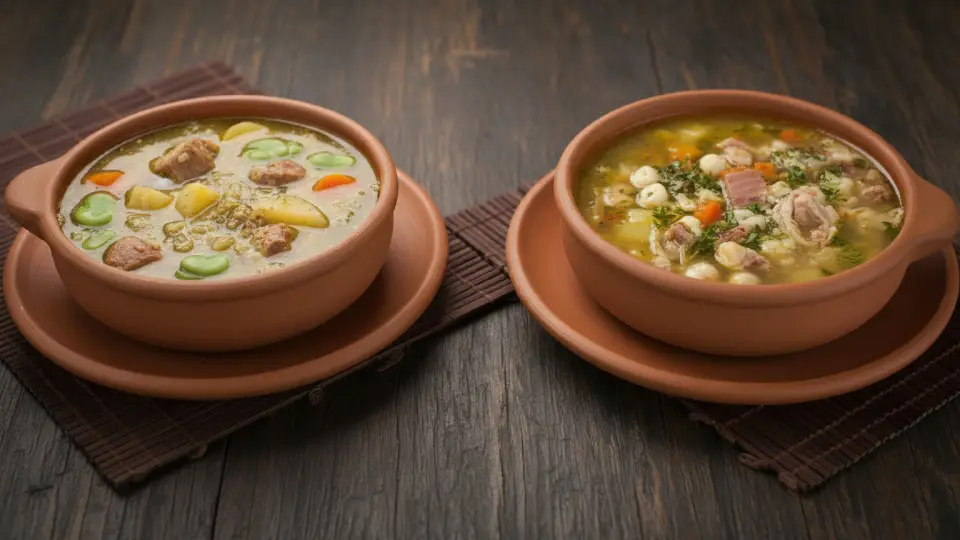
Quinoa soup and chairo: Andean superfoods
Quinoa, considered by the Incas as the “mother of all grains“, is the base of nutritious soups that also help with altitude acclimatization. Chairo, a thick soup made with chuño, meat, and vegetables, is perfect for cold Andean nights, providing both warmth and nutrition.
Traditional drinks of Cusco
- Ancestral chicha de jora: A fermented drink made from germinated corn, of pre-Hispanic origin, served in traditional chicherías. Slightly sour and thick.
- Delicious chicha morada: A refreshing drink made from purple corn, cloves, cinnamon, and fruits. Non-fermented, it’s the non-alcoholic version.
- Authentic coca tea: An infusion made from coca leaves, essential for coping with altitude sickness (soroche). It’s offered in almost all hotels upon arrival.
- Iconic Pisco Sour: Peru’s national cocktail, made with pisco, lime juice, egg white, and Angostura bitters.
Recommended markets
- Traditional San Pedro Market: Ideal for buying fruits, vegetables, herbs, handicrafts, and trying street food.
- Local Wanchaq Market: Less touristy, offering fresh local products and a great place to observe everyday life.
- Charming San Blas Market : This small market in the heart of the artisan neighborhood is perfect for finding affordable set menus, fresh fruit juices, and excellent vegan options. A great spot to recharge after climbing the steep streets of San Blas!
- Authentic textile centers textiles of Chinchero: Here you can see the process of dyeing and weaving alpaca and sheep wool, and buy authentic pieces.
Best restaurants in Cusco
Cusco is considered the second-best city in Peru for gastronomy, just behind Lima. The city has evolved from a destination known for traditional cuisine into a true culinary epicenter, where chefs reinterpret Andean flavors using modern techniques, while classic spots remain favorites among travelers from all over the world.
- From the restaurant of one of Latin America’s top chefs (Virgilio Martínez) to neighborhood picanterías, Cusco has something for every taste and budget.
Comparison table of recommended restaurants
| Restaurant name | Concept | Location | Approx. price per person |
| MIL Centro (Virgilio Martínez) | High-altitude fine dining: tasting menus based on Andean ecosystems. One of the best in Latin America. | Moray, Sacred Valley | Luxury / Reservation required |
| Chicha (Gastón Acurio) | Reinvented Cusco cuisine. Modern and casual Andean cooking. | Plaza Regocijo 261 | Mid-high price |
| Cicciolina | Novo-Andean and international cuisine. House-made bread. A pioneer. | Calle Triunfo 393 | Mid-high price |
| MAP Café (inside the museum) | Author’s cuisine in a colonial museum setting. Ideal for romantic dinners. | Plazoleta Nazarenas 231 | Luxury |
| Limo | Nikkei fusion (Peruvian-Japanese). View of the Plaza de Armas. | Portal de Carnes 236 | Mid-high price |
| Limbus Resto Bar | Peruvian cuisine with the best panoramic view of the city. | Meson de la Estrella 136 | Mid-range |
| Pachapapa | Traditional Andean cuisine: guinea pig, pachamanca, ancestral soups. Authentic atmosphere. | Plazuela San Blas 120 | Affordable |
| Incanto | Italian-Peruvian fusion. Pasta and pizza in a wood-fired oven. Inca stone walls. | Santa Catalina Angosta 135 | Mid-range |
| Inka Grill | Peruvian and international cuisine. View of the Plaza de Armas. +13 years. | Portal de Panes 115 | Mid-range |
| Morena Peruvian Kitchen | Authentic Peruvian cuisine from all regions. Fresh local ingredients. | Calle Palacio 135 | Affordable |
Best hotels in Cusco: where to stay based on your budget
The city has something very special that few places in the world can offer: its best hotels are not modern glass-and-steel buildings, but former monasteries, 16th-century colonial mansions, and viceroyal palaces that have been carefully restored and turned into luxury accommodations. Staying in one of them is, in itself, part of the cultural experience of Cusco.
Comparison table of recommended hotels
| Hotel name | Category | Main feature | Approx. price per night |
| Palacio Nazarenas (Belmond) | 5-star luxury | 55 suites. Outdoor pool. The only hotel with a pool in the historic center | From $350 USD |
| Belmond Hotel Monasterio | 5-star luxury | 16th-century monastery. Baroque chapel. Oxygen-enriched rooms. Cusco icon. | From $300 USD |
| JW Marriott El Convento | 5-star luxury | 16th-century convent. Spa, pool, original Inca walls. Historic center. | From $250 USD |
| Inkaterra La Casona | Luxury boutique (Relais & Chateaux) | Only 11 suites in a 16th-century manor. Fireplace. Fully personalized service | From $400 USD |
| Palacio del Inka (Luxury Collection) | 5-star | Built on Inca foundations across from Qorikancha. 203 rooms. Living history. | From $130 USD |
| Aranwa Cusco Boutique Hotel | 5-star boutique | Restored 16th-century colonial mansion. Viceroyal art. Smart oxygen system. | From $130 USD |
| Casa Cartagena Boutique & Spa | Luxury boutique | Only 11 suites. Rated 9.7/10. Exclusive spa. 2 blocks from Plaza de Armas. | From $284 USD |
| Antigua Casona San Blas | Mid-high boutique | 26 rooms. Colonial courtyard, fireplace. Excellent breakfast. In San Blas neighborhood. | From $120 USD |
| Hotel Boutique Casa San Blas | Mid-range boutique | Carved wood, stone walls, terrace with fireplace. Romantic and cozy. | From $76 USD |
| Casa Andina Premium Cusco | 4-star | View of Limacpampa square. Colonial courtyard. Great value for money. | From $105 USD |
Important note…
But there are options for every budget, and the city offers a wide and diverse range of quality accommodations. The most important thing is to choose based on your travel style and keep in mind that location matters a lot in a city where altitude can make walking more challenging.
Colorful festivities of Cusco
Una de las cosas que más sorprende a quien visita Cusco por primera vez es que la ciudad parece estar celebrando algo prácticamente todo el año. Sus festividades son una mezcla extraordinaria de tradición andina y devoción católica, fundidas en siglos de historia compartida.
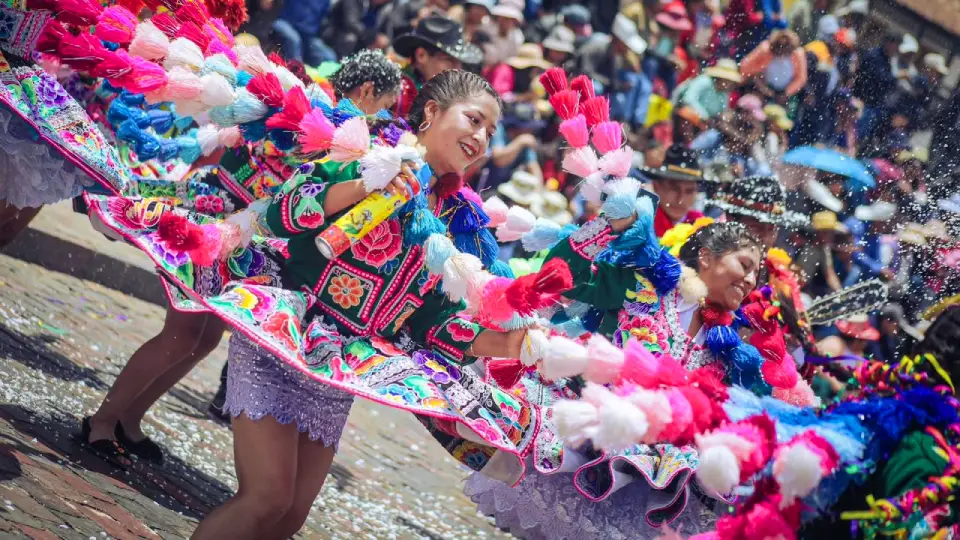
Tradicionales fiestas Cusqueñas
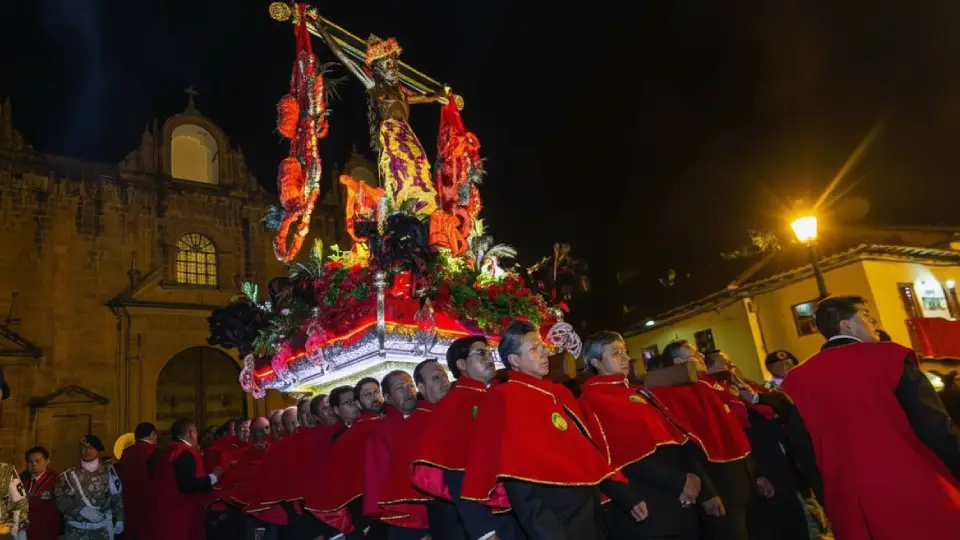
Emotiva semana santa cusqueña
La Semana Santa Cusco tiene una intensidad y belleza propias. Las procesiones del Señor de los Temblores (Taytacha Temblores), el patrón de Cusco, son especialmente emotivas, con enormes multitudes que acompañan la imagen por las calles históricas entre flores de ñucchu lanzadas desde los balcones.
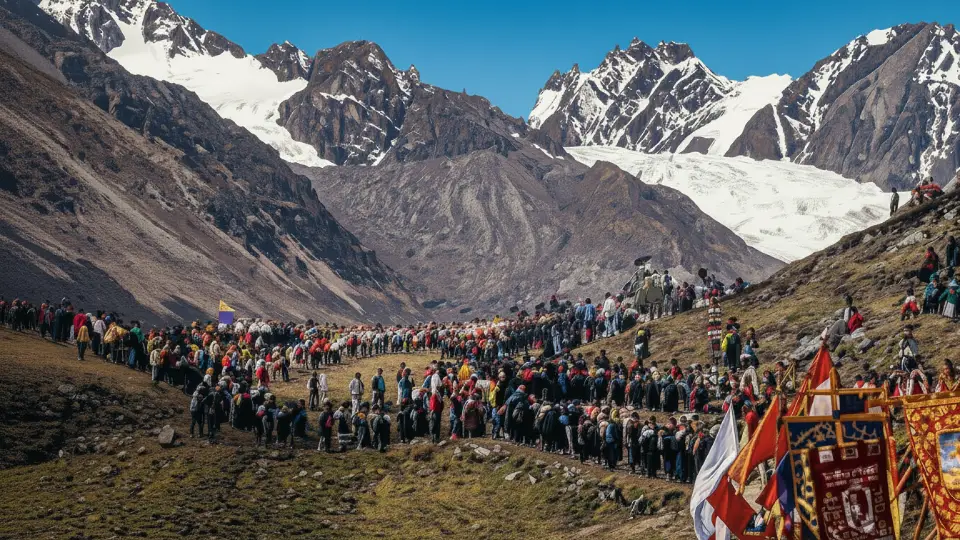
Peregrinación del Señor de Qoyllority
Sabias que, la peregrinacion del señor de Qoylloriti, es considerada como una de las caminatas más extremas, antiguas y místicas de toda América. Entre los meses de mayo y junio, decenas de miles de devotos soportan temperaturas bajo cero para ascender a más de 4,800 metros de altura, al pie del imponente nevado Ausangate. Es la muestra más cruda y hermosa del sincretismo andino, donde la devoción católica se funde con el respeto absoluto a los Apus.
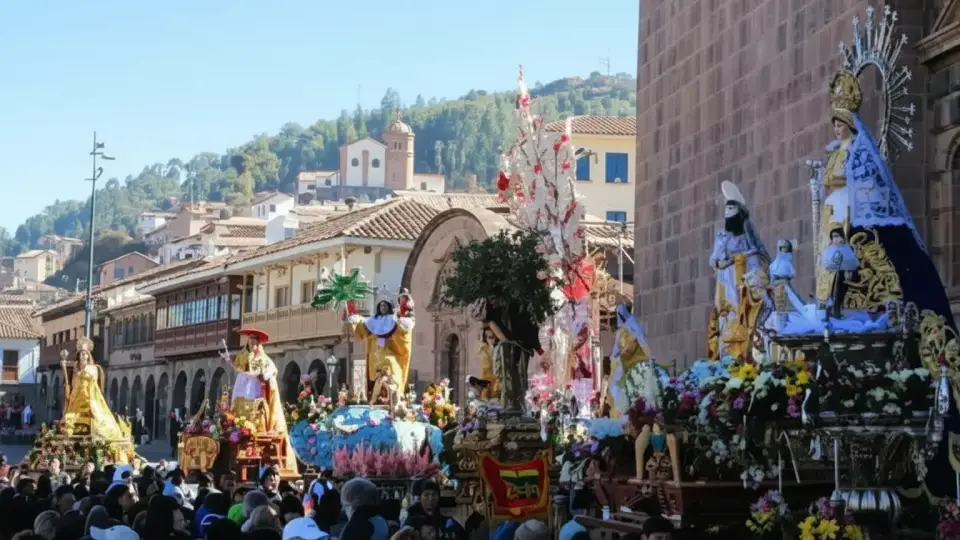
Histórico Corpus Christi
Durante el Corpus Christi, las imágenes de 10 santos y 5 vírgenes de todas las iglesias de Cusco son sacadas en procesión hacia la Catedral. Muchos historiadores sostienen que esta festividad católica se superpuso intencionalmente sobre el antiguo ritual inca de sacar las momias de los Incas para celebrar con ellas.
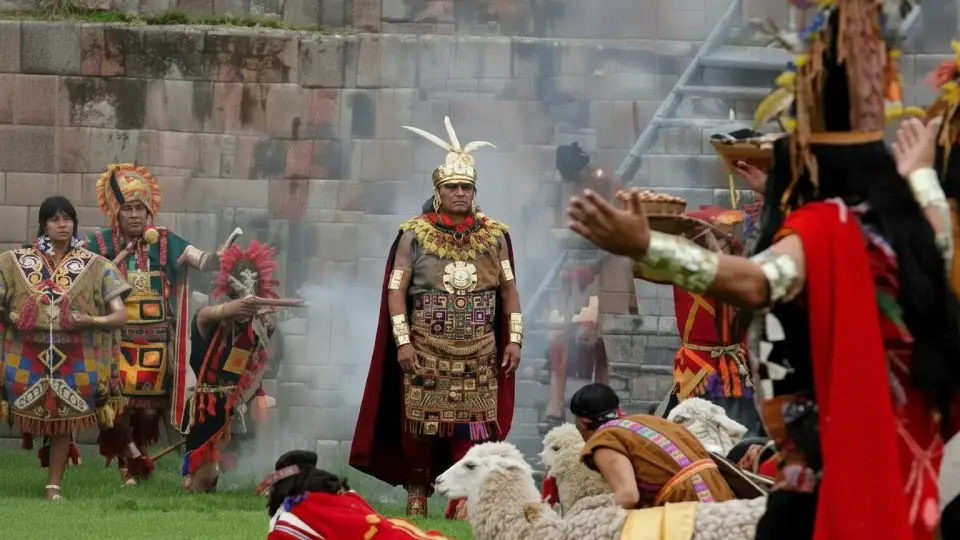
Inti Raymi: la Fiesta del Sol
El Inti Raymi es la celebración más importante de Cusco y una de las más espectaculares de toda América del Sur. Se celebra cada año el 24 de junio, en el solsticio de invierno del hemisferio sur, fecha en que los Incas adoraban a su dios Sol.
Sabías que…
- El Inti Raymi fue prohibido por los españoles en 1572. Se mantuvo en clandestinidad y fue recuperado públicamente recién en 1944. Hoy convoca a más de 100.000 espectadores cada año.
- La ceremonia comienza en el Qoricancha, recorre la Plaza de Armas y culmina en la explanada de Sacsayhuaman. Es el segundo espectáculo cultural con más aforo del mundo, después del Carnaval de Río de Janeiro.
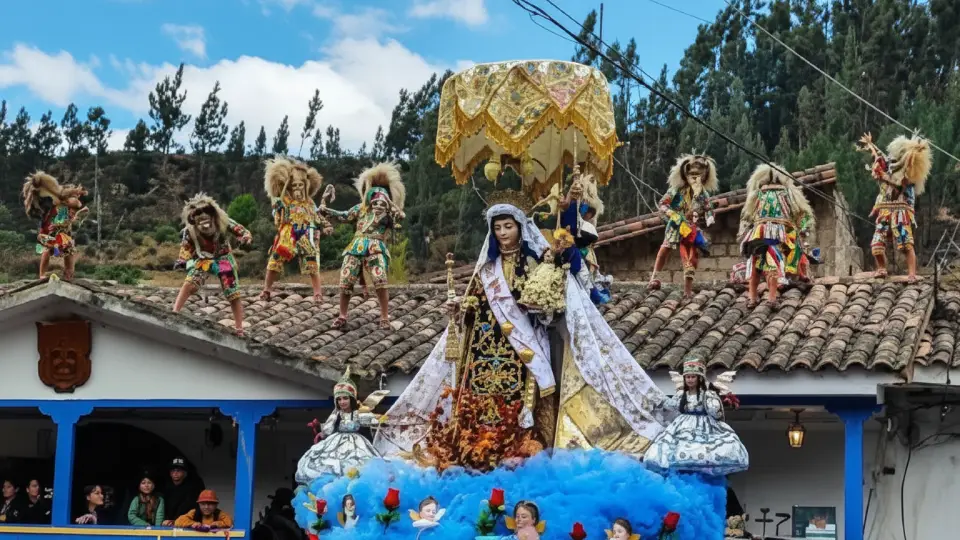
Colorida y alegre festividad de la Virgen del Carmen
Festividades religiosas que se realizan en Paucartambo, cerca de Cusco, donde la danza y el color toman protagonismo.
Autenticas artesanía y textiles cusqueños
Pueblos como Chinchero, Chahuaytire, Keeros y Patabamba mantienen técnicas ancestrales de tejido. Los textiles cuentan historias mediante patrones y colores naturales obtenidos de plantas, insectos y minerales. Comprar directamente a los artesanos apoya la economía local y permite conocer la historia detrás de cada pieza.
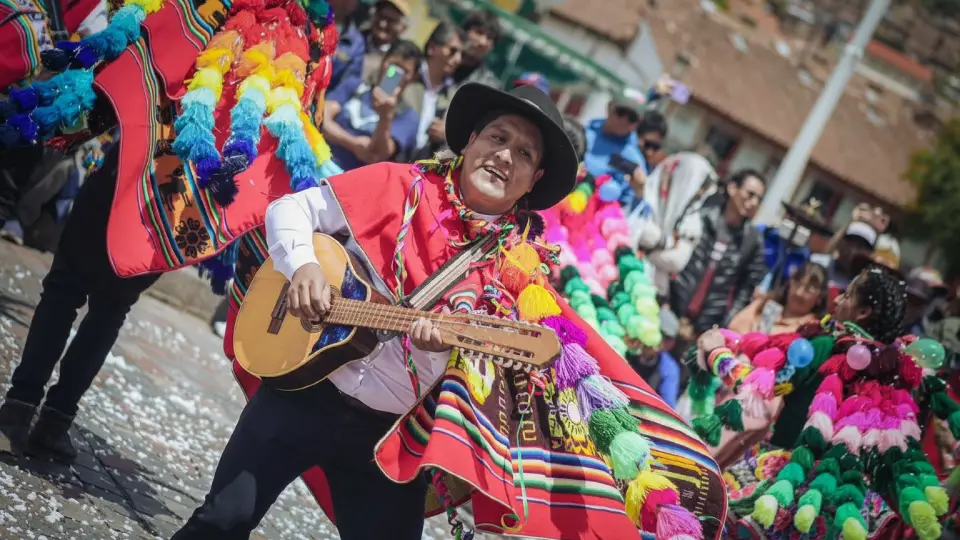
Contagiosas danza y música andina
Grupos locales interpretan danzas tradicionales acompañadas de instrumentos como quenas, charangos y bombos. Participar o ver estas presentaciones ofrece una experiencia auténtica de la vida cotidiana y las celebraciones en Cusco donde destacan las danzas típicas del Cusco como carnaval cusqueño, capac Qolla, Qollacha, Magueño y otros.
Practical tips for your visit to Cusco
Why is the Cusco Tourist Ticket (BTC) important?
The tourist ticket is almost essential for visiting the main archaeological sites. There are three circuits that include different combinations of sites (Sacsayhuaman, Qenqo, Puca Pucara, Tambomachay, Pisac, Ollantaytambo, Chinchero, Moray, etc.).
How to get around the city of Cusco?
Cusco’s historic center is compact and walkable, although the uphill streets can feel more exhausting than expected due to the altitude. For longer distances, taxis are cheap and widely available. They don’t use meters, so it’s best to agree on the fare before getting in.
Traveler tips
What to bring to Cusco?
- Layered clothing: the weather can change dramatically between day and night
- High-SPF sunscreen (UV radiation at 11,150 ft is very intense)
- Comfortable walking shoes for cobblestone streets
- A reusable water bottle
- Altitude sickness medication (acetazolamide/Diamox, if recommended by your doctor)
- Passport or ID (required to enter archaeological sites)
Recommendations
- Take the time it deserves
- Walk without a map. Get lost in the narrow streets of San Blas
- Sit in the Plaza de Armas at sunset when the mountains turn orange
- Try adobo on a Sunday morning
- Listen to Quechua being spoken
- And let Cusco tell you its story at its own pace.
How to prevent altitude sickness?
Upon arriving by plane directly to Cusco (11,152 ft), many people experience soroche or altitude sickness: headache, dizziness, fatigue, or nausea. The best approach is to take it easy on your first day, drink coca leaf tea or muña, stay well hydrated, avoid alcohol for the first 24 hours, and avoid intense physical activity until you acclimate.
If there’s one place in the Americas you must visit before you die, many will say it’s Machu Picchu. I say it’s Cusco. Because Machu Picchu is the masterpiece; Cusco is the artist. “Do you have any questions about your itinerary? Drop them in the comments and I’ll help you plan it. And don’t forget to save this guide to your favorites!”
Frequently asked questions about Cusco City: History, Culture and Complete Travel Guide
2 to 3 days is enough to see the Plaza de Armas, churches, markets, Sacsayhuamán, and other nearby ruins. More days allow for trips to the Sacred Valley or Machu Picchu.
The official currency is the Peruvian sol (PEN). It’s recommended to exchange money at authorized exchange offices or use ATMs located inside banks.
Alpaca textiles, ponchos, scarves, ceramic crafts, and handmade souvenirs from local communities.
This is also essential. Immigration authorities state that your passport must be valid for at least six months. Additionally, citizens of the Andean Community and Mercosur countries may enter using a national ID, depending on their nationality.