Best Time to Hike the Luxury Inca Trail
Choosing the best time to hike the luxury Inca Trail is one of the most important aspects of planning your visit to Machu Picchu. The weather, rainfall, trail access, and visitor numbers vary throughout the year, so learning about the specifics of each season will help you better plan your trip to the citadel of Machu Picchu.
In general, the dry season, from May to October, offers the best conditions for hiking, with less rain and better views for enjoying the scenery or taking photos. However, you can also hike this ancient trail during the transitional months, such as April and October, and enjoy all the attractions it has to offer.
In this guide, you’ll learn the best time to hike the Luxury Inca Trail, how the weather changes month by month, which months are in highest demand, and which season to choose based on whether you plan to hike the 2, 4, or 5-day Luxury Inca Trail.
Month-by-Month Guide
February is the rainiest month. Machu Picchu remains closed during this month for a period of rest and maintenance. Maintenance often continues into the first few days of March.
The Inca Trail reopens in March, and rainfall decreases through the end of April.
May and October are the best months to hike the Inca Trail, as there is no rain and the weather is cool at night, making them ideal for trekking and enjoying the scenery.
The dry season begins in May. During this month, the skies are clear, the vegetation becomes greener, and the nights are cool, ideal for trekking and photography.
In June and July, Peru celebrates Inti Raymi and its national holidays, so many domestic tourists visit the city to travel on to Machu Picchu. These are favorable months despite the drop in temperature.
From August through October, still during the dry season, you can visit Machu Picchu, although September and October may bring cloud cover and occasional rain.
In November, the rainy season begins again, with more frequent showers and the vegetation starting to turn green.
December and January are rainy months. The holiday season attracts large numbers of local tourists, so prices for lodging and flights go up.
Weather on the Inca Trail
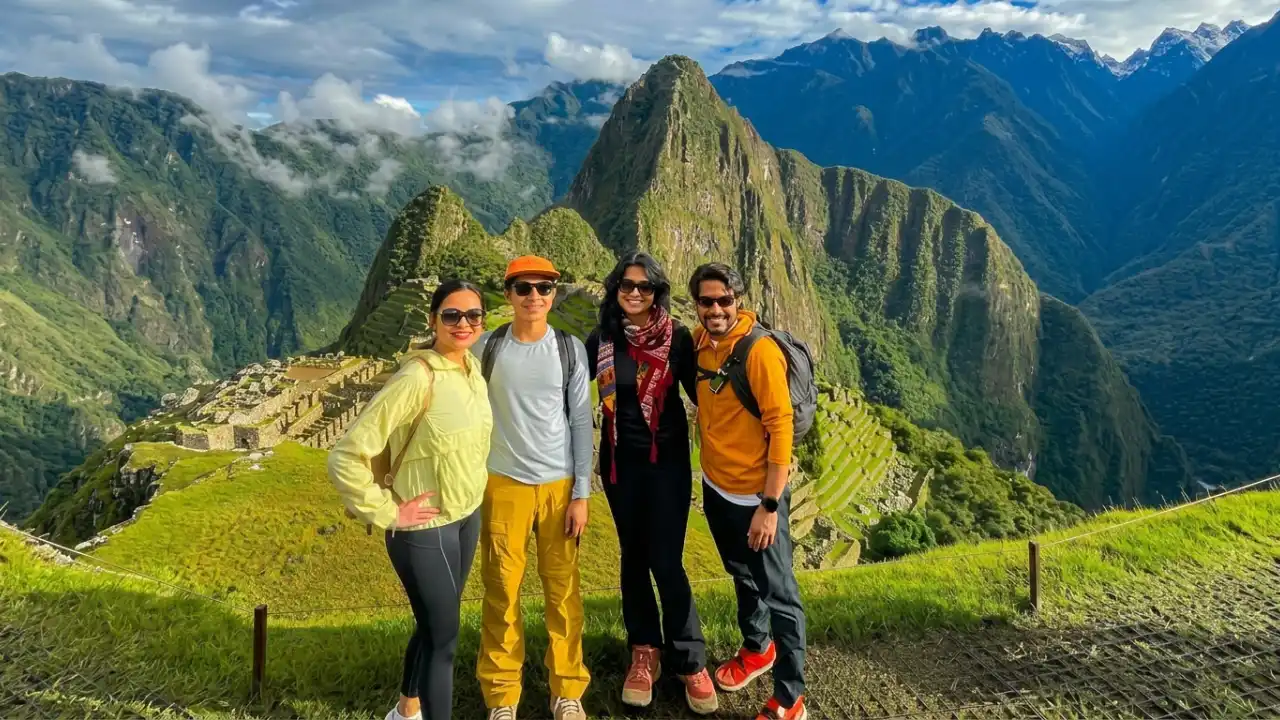
The weather on the Inca Trail (and in Machu Picchu) is mild and humid year-round, with warm days and cool nights; it is divided into two distinct seasons: a dry season (May through October) and a rainy season (November through April).
The average annual temperature ranges from 12 °C to 24 °C. It reaches 25–26 °C during the day, while at night it drops to 9–12 °C.
The Inca Trail is located in the jungle foothills, so it has constant humidity, and clouds often gather along the trail’s slopes. Humidity is high almost year-round (77% during the dry season and up to 91% during the rainy season).
Rainy season (November–April): greater availability of tickets.
Dry season (May–October): This is the best time for trekking and photography.
Recommendation: Along the Inca Trail, the UV index is very high (up to 12) for most of the year; sun exposure can cause burns even when temperatures are moderate.
We recommend that you always carry sunscreen with you and stay well-hydrated throughout the hike.
Microclimates on the Inca Trail
The Machu Picchu Sanctuary and the surrounding areas have distinct microclimates due to significant variations in elevation, the orientation of the slopes, and the proximity to the Urubamba Valley. As a result, travelers experience varying temperatures and humidity levels along the trail to the citadel.
The Machu Picchu Historic Sanctuary ranges from nearly 2,000 meters above sea level at the bottom of the canyon to over 6,000 meters on the surrounding snow-capped peaks (such as Salcantay). The area’s complex topography, including steep slopes, ridges, ravines, and the sanctuary itself, creates differences in sunlight exposure, ventilation, and humidity among its structures.
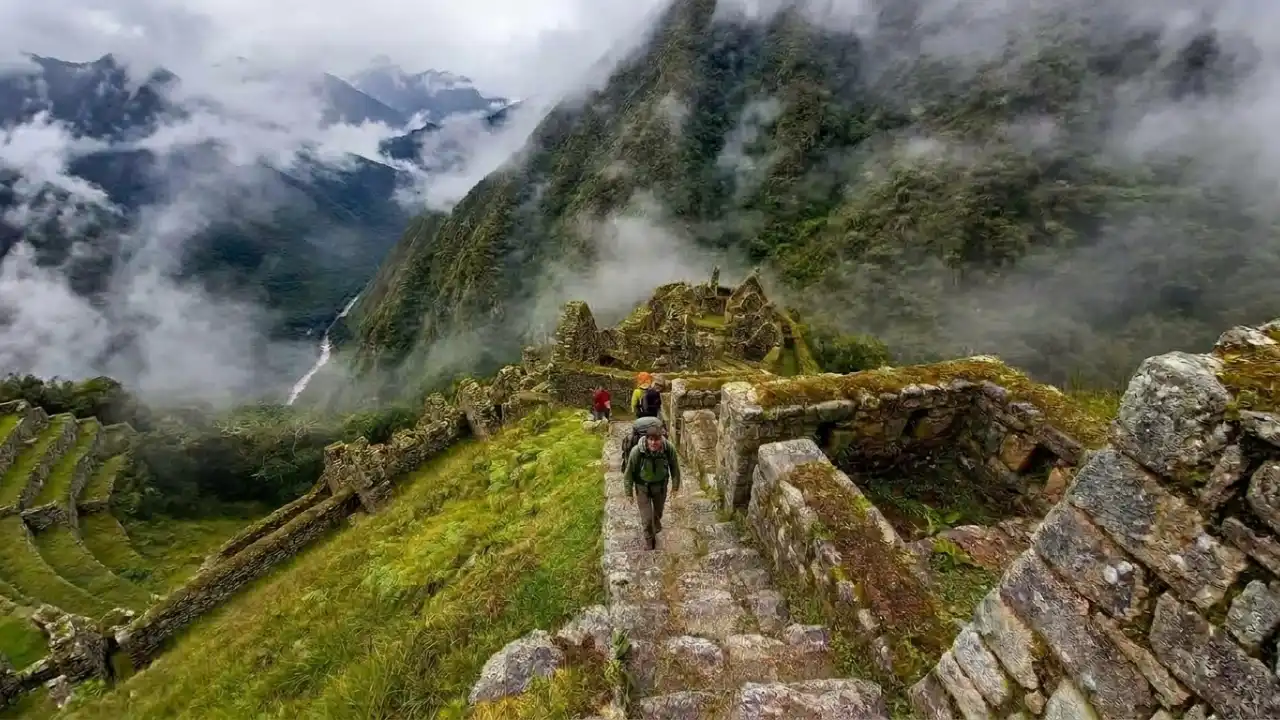
Much of the Inca Trail passes through areas at the edge of the cloud forest, so it is common to encounter fog along the trail, along with constant humidity.
Given its geography, the Inca Trail has the following characteristics:
Barrier effect: the mountains create microclimates
Cloud forest: constant humidity in certain areas
Temperature inversion: warmer nights in the valleys
Rapid changes: the weather can change in a matter of minutes
Rain on the Inca Trail
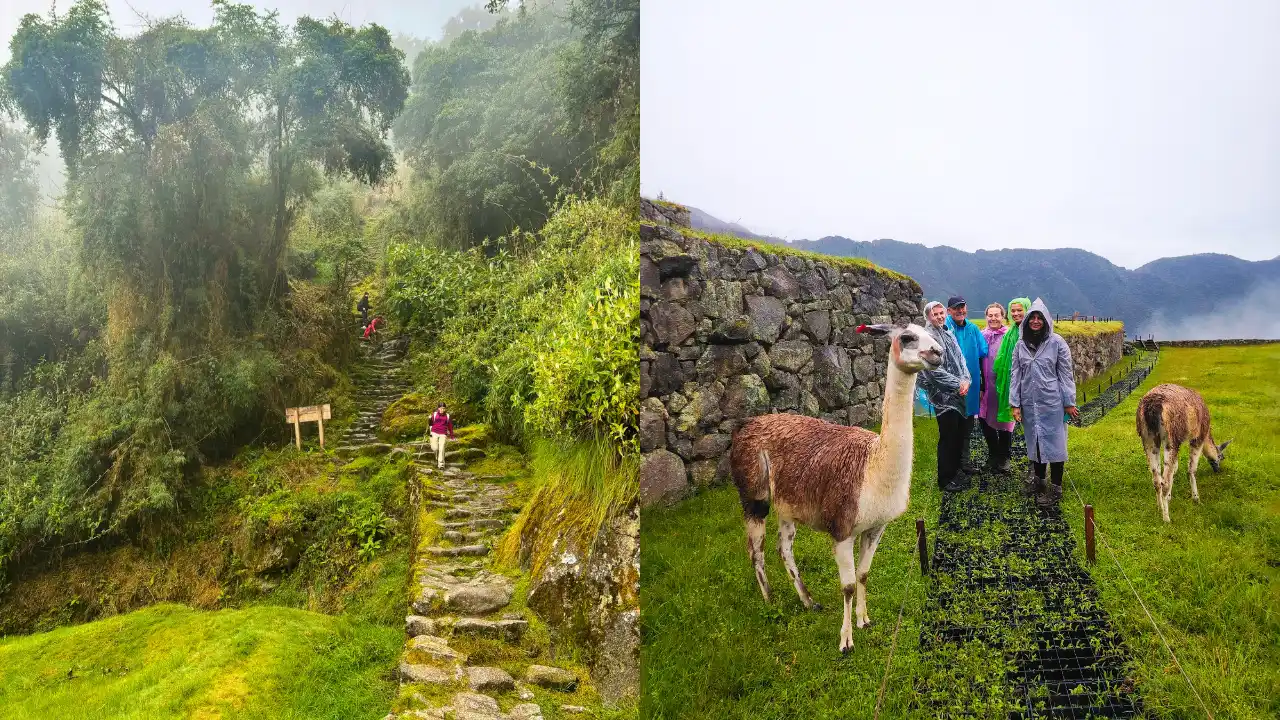
The rainy season runs from November through April; heavy rains and downpours are common, and temperatures range from 22 °C to 5 °C at night. During this season, tickets are more readily available.
The heaviest rainfall occurs in December, January, and February. During the rainy season, there are fewer tourists. Remember that the trail closes in February for maintenance.
During this period, the landscape is more lush, offering a unique visual experience.
Keep in mind that rain can make trails muddy and slippery, with an increased risk of landslides in some sections. Cloud cover in some areas may also limit visibility.
The El Niño Phenomenon on the Inca Trail
The El Niño Phenomenon is an anomalous warming of the waters of the tropical Pacific, which manifests itself in Peru in two main ways:
Coastal El Niño: primarily affects the Peruvian coast, altering local rainfall and temperatures.
Global El Niño: has varying impacts on different regions of Peru.
In the southern highlands (especially in high-Andean areas such as Cusco), it causes reduced rainfall and severe droughts, as well as a temporary decrease in the intensity of frosts due to warmer air masses.
The El Niño Phenomenon has moderate effects on temperatures; however, experts note that these effects are not significant in the Peruvian highlands.
From January through March, a reduction in rainfall and an increase in daytime temperatures begin to be noticeable.
From April through December, rainfall deficits continue, and the rise in temperature remains stable. Frosts in high-altitude areas may decrease in intensity.
Tourist Traffic and Availability of Spots on the Inca Trail
April and May are the busiest months, as they mark the start of the dry season and temperatures are more pleasant; during these months, the landscape is characteristically lush, and fog is rare—a combination that’s irresistible to travelers looking to capture the best photos.
During this time, tourist traffic increases, so if you plan to hike the Inca Trail during this period, be sure to reserve your permit at least 6 or 7 months in advance.
Tip: Keep in mind that since this is peak season, lodging costs may rise, so it’s best to book your hotel well in advance.
Permit Availability
The daily limit for permits on the Classic Inca Trail is 500. Meanwhile, the daily limit for the Short Inca Trail is 250.
Permits for the Inca Trail typically go on sale in November. Permits for the Classic Inca Trail (or 5-day route) usually sell out within days, especially for May and April.
Tip: Contact an agency authorized to operate the Inca Trail to book your spot in early November. Spots for the best months sell out quickly.
Sometimes you can find spots up to two months before your trip, but this is usually during the rainy season, which isn’t ideal for trekking or enjoying the scenery.
Advantages of the Shoulder Months
Shoulder Months (April and October)
These months offer a balance between weather and visitor numbers. In April, the vegetation is still lush, rainfall is moderate, and temperatures have not yet dropped.
The tranquility and leisurely pace of the tour appeal to some travelers.
Best Luxury Itinerary on the Inca Trail
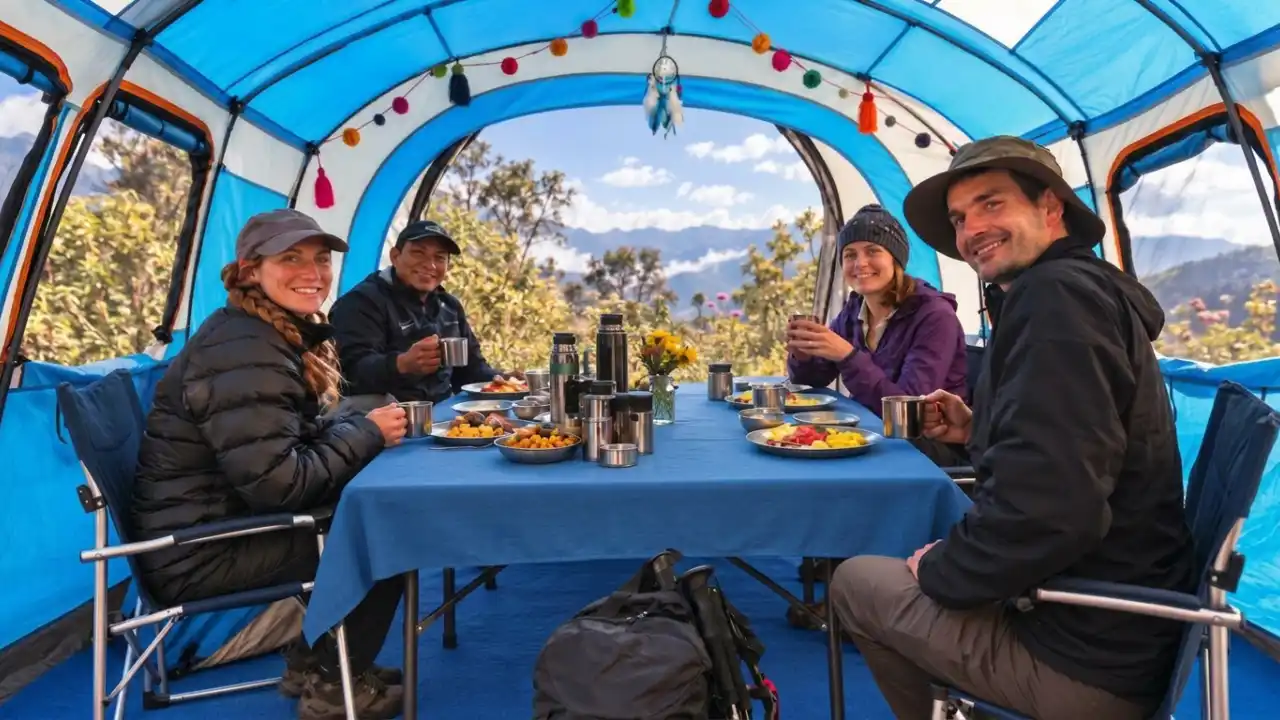
The Luxury 5-day Inca Trail itinerary offers the best experience, as it allows you to cover the route at a more leisurely pace, which is perfect for trekking enthusiasts who want to fully appreciate the scenery, enjoy the trail with its best views, or capture the best photographs.
The Inca Trail can be completed in 2, 4, or 5 days.
2-Day Luxury Inca Trail
The luxury Short Inca Trail route (2 days) covers the final stretch to Inti Punku and then on to the Machu Picchu citadel—from km 104 until you finally reach the entrance to the citadel. This itinerary is not affected by weather conditions, as you visit only two archaeological sites in one day and explore the citadel the following day.
It can be done year-round; in December and January, the rains are heavier, so some areas may have slippery terrain. Avoid the month of January, as access may be suspended due to severe weather. Remember that in February, the Inca Trail is closed for maintenance.
Classic Luxury Inca Trail (4 days)
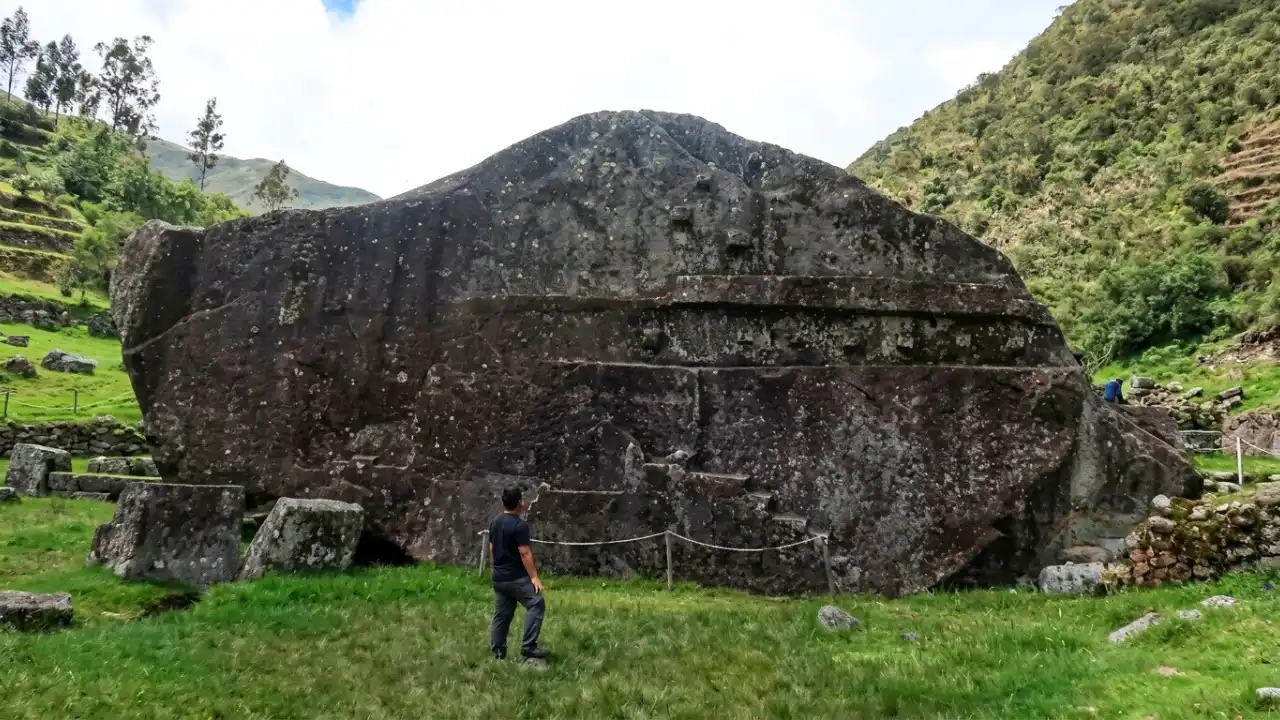
The luxury Classic Inca Trail (4 days) takes you through various archaeological sites and geographical passes along the Qhapaq Ñan before reaching Machu Picchu. This experience offers everything a traveler could hope for: a journey through history, breathtaking landscapes, and photo opportunities at the most iconic sites.
Choose to take this itinerary between April and October, as rainfall is very light and the landscape remains clear of fog. Ideal for trekking and taking great photos.
Ideal time to visit: May and October.
5-Day Luxury Inca Trail
The 5-day luxury Inca Trail route follows the same path but includes an additional day. Stops along the way are spaced out so you can spend more time at archaeological sites, learn more about cultural landmarks, take in the scenery, or have extra time to capture the best photos.
This is the best itinerary for the luxury Inca Trail—you’ll deepen your knowledge of Inca history, enjoy the tranquility and mystique of the Andes, and take home the most exclusive experience, filled with luxury and comfort.
Choose the months of April through October for this route. You can see the surrounding area in vibrant colors even as late as August. Perfect for trekking and photography enthusiasts.
Ideal time to visit: May and October.
Weather Tips for the Inca Trail
Avoid traveling in February due to the trail being closed for maintenance.
In December and January, heavy rains can cause unexpected closures along the route.
Book at least 6 months in advance: ticket sales begin in November, so contact a travel agency well in advance.
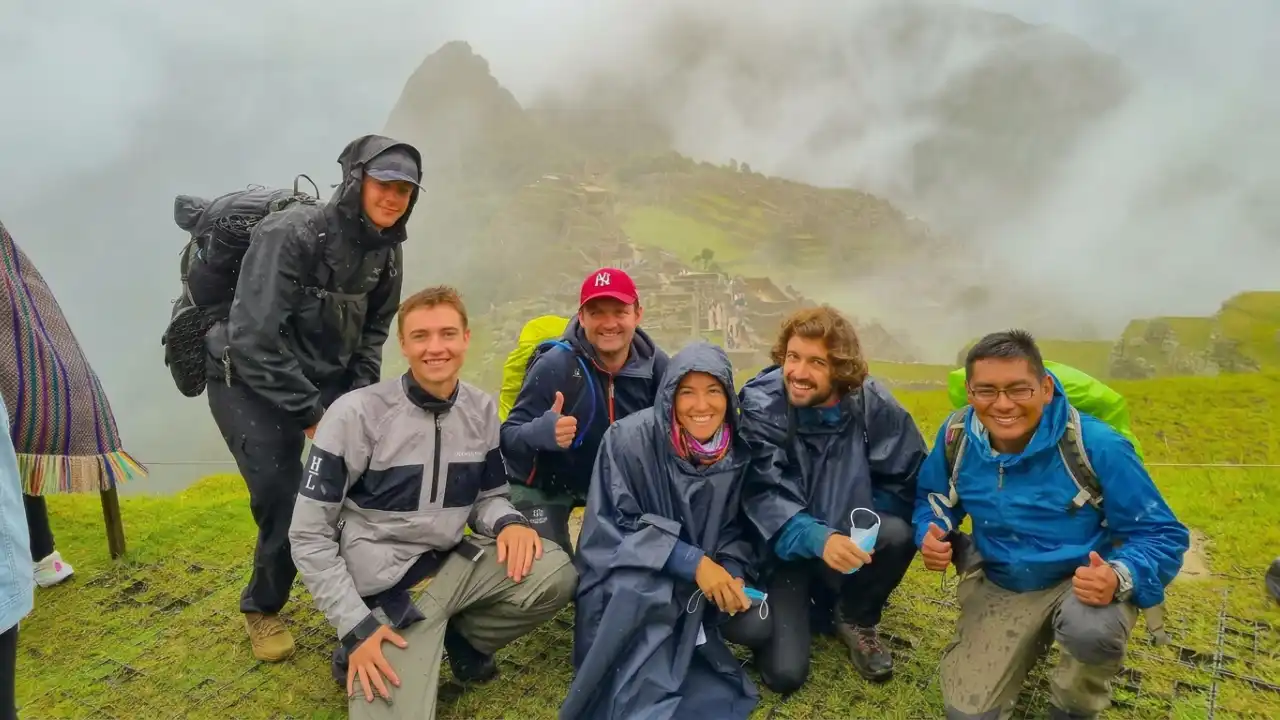
Bring waterproof clothing; rain is unpredictable.
Bring appropriate hiking gear; keep in mind that unexpected rain may occur.
Always follow your guide’s instructions along the way; their experience on this route gives them the knowledge to provide you with the best advice.
Risks of Hiking the Inca Trail During the Rainy Season
Hiking the Inca Trail during the rainy season (November–March), as well as during periods of atypical rainfall, poses real safety, health, and logistical risks.
These events can cause landslides and flash floods; to ensure visitor safety, authorities may temporarily close areas at risk.
It is common for trails to become slippery and the terrain to become unstable; for this reason, we recommend that you follow the safety instructions provided by your guide and, most importantly, the instructions issued by the relevant authorities.
The combination of polished stone, stairways, and mud makes these sections very slippery, especially stone stairways, narrow paths on the hillsides, and areas along the trail and its edges.
Always bring the proper hiking gear (such as trekking poles, rain gear, or a flashlight), and take special care to choose hiking boots that are best suited to this type of terrain and your foot type.
Essential Gear for the Inca Trail During the Rainy Season
Essential gear for the Inca Trail during the rainy season (November through March) includes three-layer waterproof clothing, hiking boots with good traction, and dry bags to protect your belongings from mud and moisture, among other items.
Essential Gear:
Choose a suitable backpack: 20 to 30 liters with a built-in rain cover.
Three-layer waterproof clothing.
Hiking boots with good traction.
Dry bags or Ziploc bags: Essential for protecting your passport, money, electronic devices, and a change of clothes inside your backpack.
Headlamp with spare batteries.
Trekking poles: Help maintain stability on sections made slippery by rain (remember that regulations require rubber tips). They also reduce the impact on your knees while walking.
High-SPF sunscreen (SPF 50+).
Sunglasses with UV protection category 3 or 4.
Important Dates and Closures of the Inca Trail
The Inca Trail is temporarily closed in February for maintenance.
The city of Cusco celebrates holidays throughout the month of June: the Inti Raymi festival is the highlight of Cusco’s festivities. During this time, the city’s streets are filled with dancers and domestic and international tourists, many of whom also choose to visit Machu Picchu.
In July, school vacations and Peru’s national holidays attract local visitors.