Basic Quechua Phrases to Know Before Visiting Cusco
If you’re headed to Cusco, you’ll hear Spanish everywhere but Quechua (Runasimi) is still very present, especially in markets and in smaller communities around the city. You don’t need to learn Quechua. What helps is knowing a handful of phrases that feel natural, are easy to remember, and make day-to-day moments (buying something, ordering food, saying thanks) a lot smoother.
Quechua in Cusco: what it’s like in real life
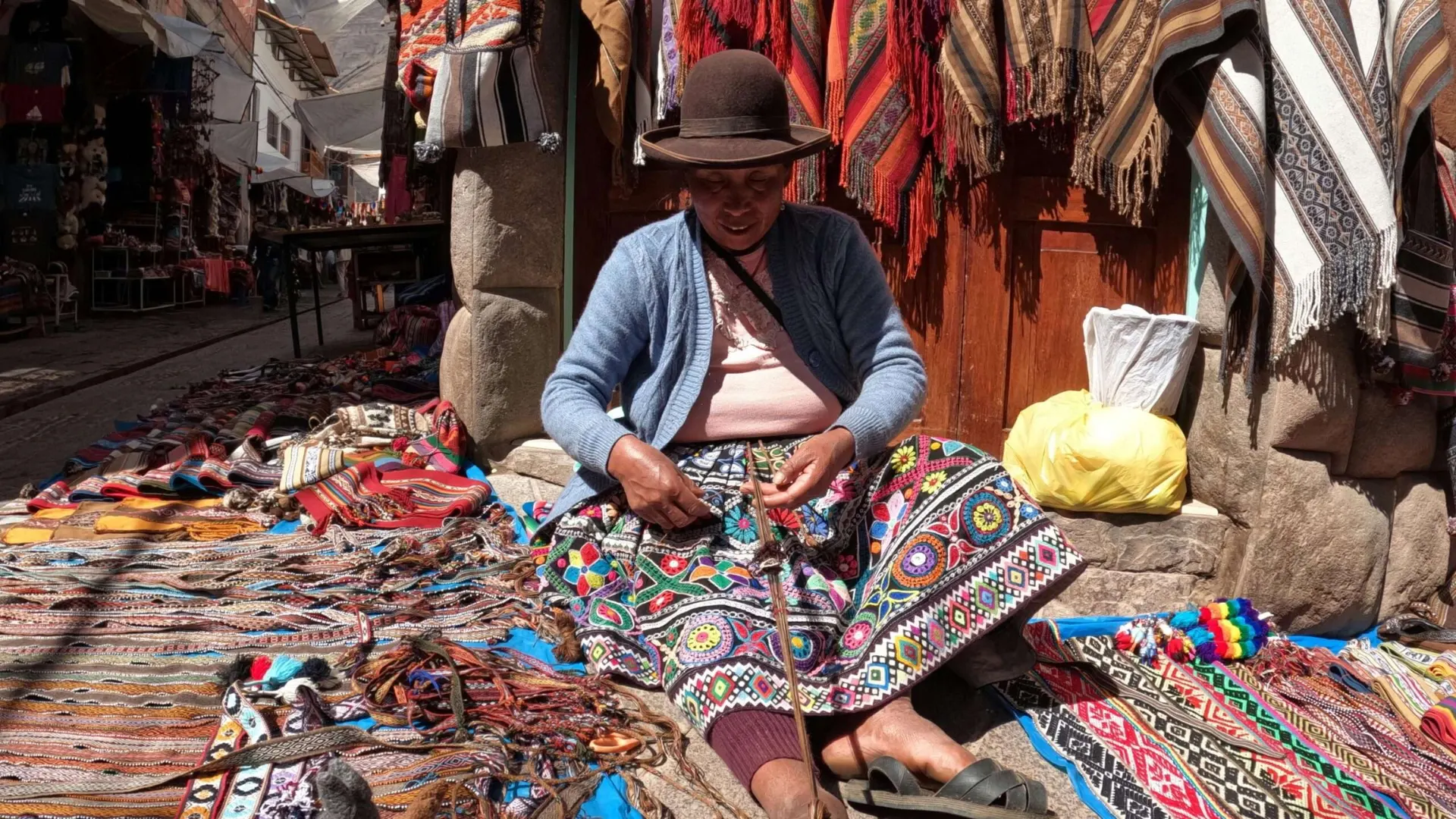
You’ll mostly speak Spanish (or English in tourist spots), but Quechua pops up constantly especially when locals are chatting among themselves or when you’re shopping in markets. Even dropping a simple greeting or “thank you” can change the vibe. People tend to soften, smile more, and meet you halfway.
Pronunciation tips (just enough)
Don’t stress about pronunciation. If you say it slowly and confidently, you’ll be understood. These little tips just help you avoid the most common stumbles.
| Tip | What it sounds like |
|---|---|
| Q | A deeper “k” from the back of the throat |
| Ch | Like “church” |
| Ñ | Like “canyon” |
| Best move | Say it clearly and don’t rush |
Quechua phrases for travelers in 2026
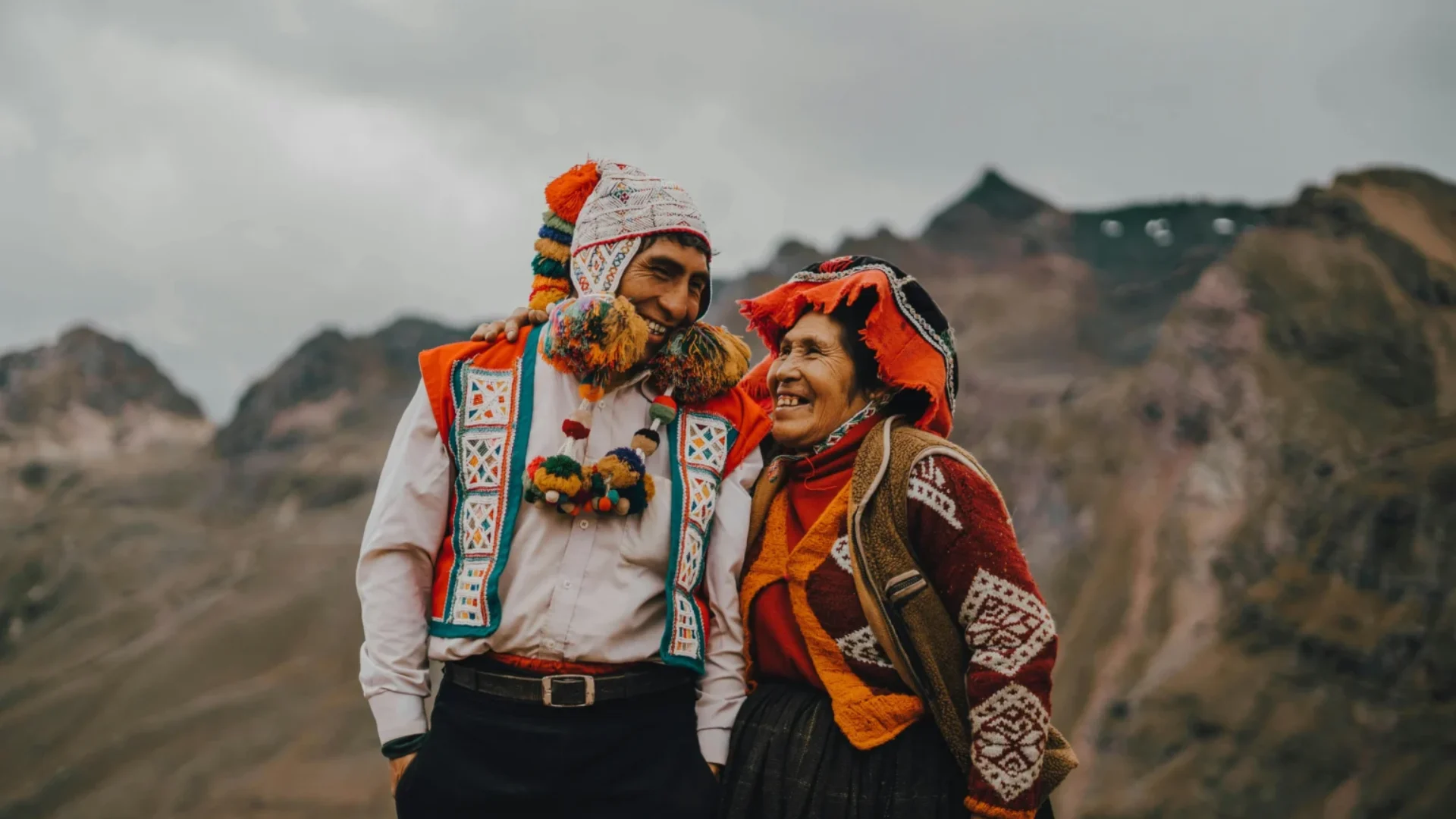
Quechua, an ancient language and cultural heritage of the Andes, is still alive in the streets, markets, and communities of Cusco. Learning a few basic phrases will not only help you communicate with the locals, but also allow you to immerse yourself in the rich Andean culture and win the hearts of its inhabitants.
Greetings and small talk
This is where you get the biggest payoff. A quick greeting in Quechua feels respectful and personal especially in markets and smaller shops.
| Quechua | English (US) | When you’d use it |
|---|---|---|
| Rimaykullayki | Hello (polite) | Your safest, most respectful “hello” |
| Allin p’unchay | Good day / good morning | Daytime greeting |
| Allin sukha | Good afternoon | Afternoon |
| Allin tuta | Good night | Night |
| Allinllachu? / Allillanchu? | How are you? | Friendly check-in |
| Allinmi / Allillanmi | I’m good | Reply |
| Iman sutiyki? | What’s your name? | Meeting someone |
| Noqaq sutiymi ____ | My name is ____ | Introducing yourself |
Goodbyes
Goodbyes are easy to remember and they sound great, even if your Quechua is minimal.
| Quechua | English (US) | When you’d use it |
|---|---|---|
| Tupananchiskama / Tupananchikama | See you later / until we meet again | Works anytime |
| Paqarinkama | See you tomorrow | When you’ll likely see them again |
Polite phrases (the ones that matter)
If you learn nothing else, learn “thank you” and “excuse me.” In Cusco, that’s the difference between a quick transaction and a genuinely friendly interaction.
| Quechua | English (US) | When you’d use it |
|---|---|---|
| Añay / Sulpayki | Thank you | Constantly |
| Anchata sulpayki | Thank you very much | When someone helps you |
| Pampachaway / Pampachaykuway | Excuse me / sorry | Crowds, mistakes |
| Ari | Yes | Simple yes |
| Manan | No | Simple no |
| Manan yachanichu | I don’t know | When you’re unsure |
| Manan intindiquichu | I don’t understand | When it’s too fast |
Friend or “brother” in Quechua
You’ll hear people use warm, relationship style words in daily conversation kind of like saying “buddy,” “my friend,” or “bro.” In Cusco, it’s usually friendly, not super formal. Just don’t overuse it with strangers in serious situations.
| Quechua | English (US) | Notes |
|---|---|---|
| Masikuna | Friend / buddy | Very common and safe |
| Wawqi | Brother (male sibling) | More literal “brother” |
| Ñaña | Sister (female sibling) | More literal “sister” |
How it sounds in real life: If someone helps you and you want to be friendly, you can say something like Añay, masikuna. (Thanks, friend.)
Numbers for money
Numbers are super useful in markets. Even if everything else is Spanish, knowing 1–10 helps you catch prices and quantities.
| Quechua | Number | English (US) |
|---|---|---|
| Huk | 1 | one |
| Iskay | 2 | two |
| Kimsa / Kinsa | 3 | three |
| Tawa | 4 | four |
| Pichqa / Pisqa | 5 | five |
| Soqta | 6 | six |
| Qanchis | 7 | seven |
| Pusaq | 8 | eight |
| Isqon | 9 | nine |
| Chunka | 10 | ten |
| Iskay chunka | 20 | twenty |
| Kimsa chunka | 30 | thirty |
| Pachak | 100 | one hundred |
Shopping phrases
This is the section you’ll use the most in Cusco: souvenirs, textiles, fruit, snacks anything in a market.
| Quechua | English (US) | When you’d use it |
|---|---|---|
| Hayk’a? / Hayka? | How much? | The #1 shopping phrase |
| Hayk’a chaniyki? | How much does it cost? | Clearer question |
| Kayta munani | I want this | Point and say this |
| Hukta quway | Give me one | Buying one |
| Iskayta quway | Give me two | Buying two |
| Aswan pisi-ta | A little less, please | Polite bargaining |
| Pisi pisi | A bit less | Casual bargaining |
| Añay / Sulpayki | Thank you | Even if you don’t buy |
Food phrases
Cusco food isn’t only restaurants markets and tiny local spots are a big part of the experience. These phrases help you order without guessing and handle everyday food situations.
| Quechua | English (US) | When you’d use it |
|---|---|---|
| Yarqani | I’m hungry | Casual |
| Mikhuyta munani | I want food | Simple and direct |
| Ima mihunacha kashan? | What is there to eat? | Asking options |
| Ch’akipaq imachan kashan? | What is there to drink? | Asking drink options |
| Somaq mihuna | This is delicious | Compliment |
| Mana uchu-ta | Not spicy (no chili) | Very useful in Peru |
| Uchu pisi | A little spicy | If you want just a bit |
| Yaku | Water | Always useful |
Extra food expressions (useful in markets)
These are short and practical when you’re buying fruit, bread, snacks, or ingredients.
| Quechua | English (US) | When you’d use it |
|---|---|---|
| Mast’ariy | Show me / open it up | When you want to see an item |
| Sumaq | Tasty / nice / good | Simple compliment |
| Chayta munani | I want that | Pointing to a specific item |
Getting around
Most directions will still happen in Spanish, but these short words help when you’re clarifying or pointing things out.
| Quechua | English (US) | When you’d use it |
|---|---|---|
| Maypi? | Where? | Quick “where is it?” |
| Mayman? | Where to? | You might hear this in taxis |
| Imainatan chayayman ____? | How do I get to ____? | Asking directions |
| Kaypi | Here | Pointing |
| Chaypi | There | Pointing |
Health basics
Hopefully you never need these, but they’re short and helpful if something hurts or you need attention fast.
| Quechua | English (US) | When you’d use it |
|---|---|---|
| Nanay | It hurts | Pain |
| Yanapay | Help | Getting help quickly |
| Hampiy | Medicine / treatment | Asking for medicine |
Quick cheat sheet (the “memorize these” list)
If you want a tiny list you can learn before you land, this is the one.
| What you need | Quechua |
|---|---|
| Hello | Rimaykullayki |
| Thank you | Añay / Sulpayki |
| Excuse me | Pampachaway |
| How much? | Hayk’a? |
| I want this | Kayta munani |
| Not spicy | Mana uchu-ta |
| Where? | Maypi? |
| Goodbye | Tupananchiskama |
Why Learn Quechua Phrases Before Your Trip to Cusco?
Learning a few Quechua phrases before you arrive in Cusco is an easy way to travel with more respect and fewer awkward moments. It helps you connect beyond the tourist bubble, especially in markets and local communities where Quechua still shows up naturally. Even if you mostly speak Spanish, a simple hello, thank you, or “how much?” in Quechua can instantly warm up the interaction.
What Is Quechua?
Quechua, also called Runasimi, is a living Indigenous language family of the Andes. Many people link it only to the Inca past, but it’s not a “dead” language. It’s spoken today in homes, markets, and communities and passed down across generations.
Which Countries Speak Quechua?
Quechua is mainly spoken in the Andean region of South America. Peru has the largest number of speakers, and there are also major Quechua-speaking communities in Bolivia and Ecuador. Smaller groups and related varieties exist in parts of Colombia, Argentina, and Chile.
The Impact of Quechua on Tourism and Conservation
Quechua adds cultural depth to travel in the Andes. When it’s treated as a performance, it can feel like a “tourist extra.” But when visitors show real interest, tourism can support pride and visibility for living culture. Language also carries traditional knowledge about land, seasons, and local ecosystems, so supporting it helps protect more than words.
Supporting Quechua Culture Through Tourism
The best support is practical: buy from local artisans, hire local guides, and choose community-based experiences when you can. On a personal level, use the courtesy phrases you learned, stay curious, and treat Quechua as something realnot a prop for photos.
Frequently asked questions about Basic Quechua Phrases to Know Before Visiting Cusco
Yes especially in markets and surrounding communities. In the historic center you’ll hear more Spanish, but Quechua is always around.
Hayk’a? (“How much?”). If you can say that plus numbers 1-5, you’re set.
In markets, yes. Keep it polite and light. If it doesn’t feel right, say thanks and walk away.
Mostly Southern Quechua. You may still notice small variations in spelling and pronunciation depending on the town or region.
No. Spanish is usually enough, but a few Quechua phrases can make interactions friendlier and easier especially when shopping.