Tumbes: Must-See Attractions in the City of Eternal Summer
Located in the northern region of Perú, near the Ecuador border, Tumbes is a tropical paradise called “The City of Eternal Summer.” With its golden beaches, warm waters, and unique ecosystems, it is a great destination for travelers looking for tranquility or adventure because of its moderate climate. In addition, the area is also noteworthy for its seafood, local culture, sunny weather year-round, and welcoming culture that you won’t find similar anywhere in Perú.
If you’re organizing a trip to northern Perú, this is your complete guide to the most beautiful and vibrant places to experience Tumbes.
The Best Beaches in Tumbes Peru
The coastline beaches in Tumbes are among the best on the Peruvian coast. With their soft sand, turquoise waters, and plenty of sun, these beaches attract travelers from around the world. You may either seek solitude or a vibrant beach atmosphere; Tumbes has something for everyone.
Punta Sal Beach
Punta Sal is considered the crown jewel of Tumbes and one of the best beaches in the entire Peru. It’s about two hours from the city center and is broken down into two main areas, Punta Sal Chico and Punta Sal Grande.
Punta Sal Grande is characterized by modern beachfront hotels and spacious bungalows that are perfect for families or couples looking for comfort and quick access to the ocean. At the same time, Punta Sal Chico has a much more tranquil environment for travelers who want privacy, gentler waves, and long walks on the beach.
Visitors can enjoy swimming, surfing, kayaking, and jet skiing, and the gentle waters of the beach give parents a safe option for their children to play. Local restaurants offer fresh ceviche and seafood platters from the catch of the day. And the sunsets are magnificent with sky colors of pink and gold reflecting over the ocean.

Zorritos Beach
About an hour south of Punta Sal, Zorritos Beach provides a more tranquil, natural environment. It is one of the most tranquil coastal places in northern Peru, with a long, golden stretch of sand and gentle waves.
The unique experience in Zorritos is the thermal baths known locally as “Los Hervideros”. The pools are filled with warm water with minerals, and many of the locals believe the water is healing for the skin and body. After a long day of sunning or swimming, relaxing in warm thermal waters is a great way to unwind.
Zorritos also offers a number of small eco-lodges and family-run guesthouses for travelers who want a more tranquil experience while traveling through Tumbes.

Nature and Adventure in Tumbes
In addition to its coastline, Tumbes has distinctive ecosystems and conservation areas that highlight Peru’s tropical diversity. For nature lovers and adventure travelers, these preserved areas have unforgettable opportunities amidst wildlife and vegetation.
Manglares de Tumbes National Sanctuary
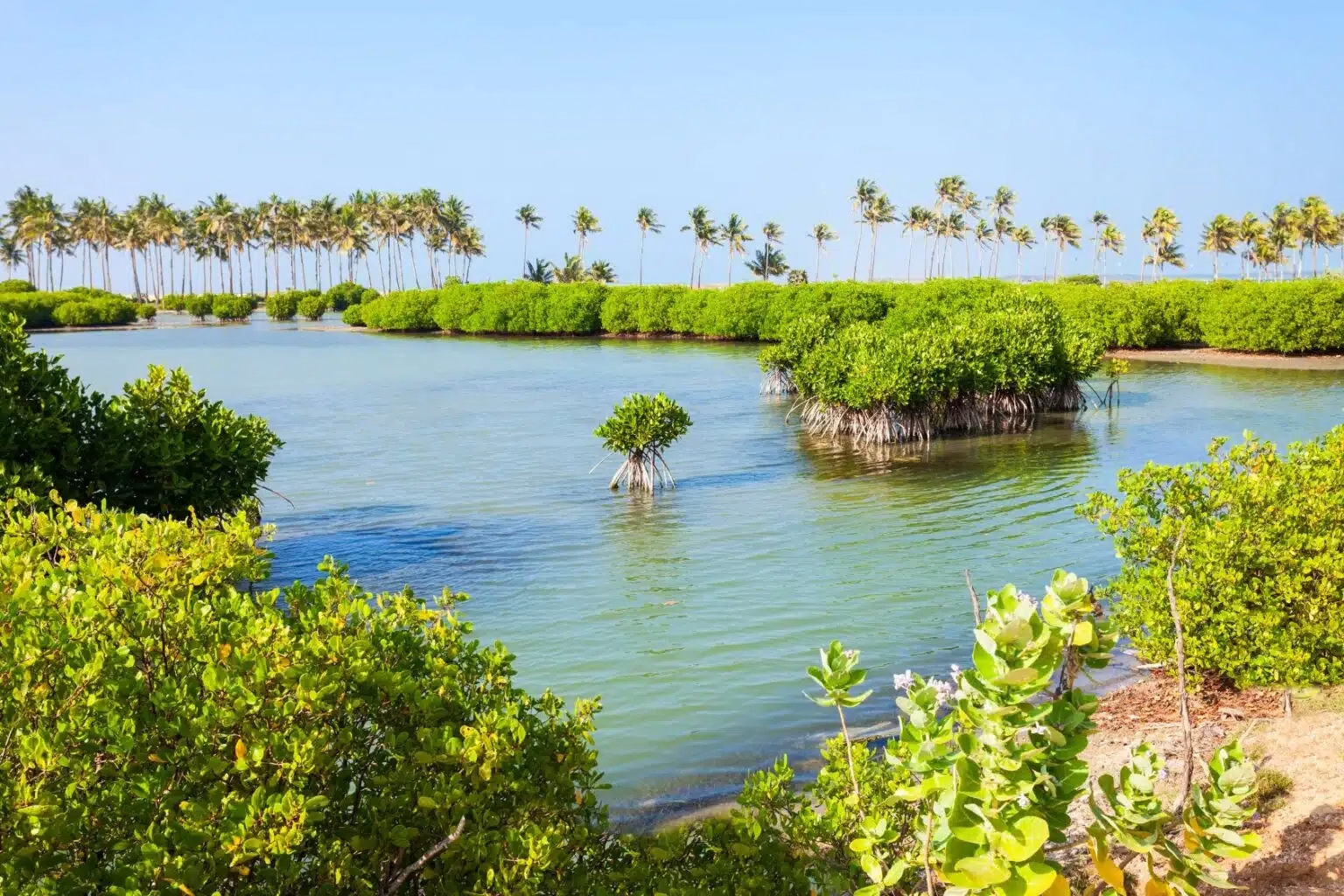
The Manglares de Tumbes National Sanctuary is one of the most important ecological zones in South America. Located near Zarumilla Province, it protects a vast network of mangrove forests that serve as a refuge for countless species of fish, birds, and reptiles.
One of the best features of Tumbes is paddling in canoes or motor boats through mangroves. As you navigate through the narrow channels surrounded by mangrove roots, you may see cranes, herons, iguanas, and maybe some small crocodiles. The sanctuary is also a necessary breeding habitat for many marine species, emphasizing its need in the coastal ecosystem.
The town of Puerto Pizarro offers guided tours to Love Island and Bird Island for visitors to watch the animals closely. They also have a Crocodile Zoo dedicated to raising awareness about the American crocodile and protecting one of Peru’s most threatened reptiles.
Cerros de Amotape National Park
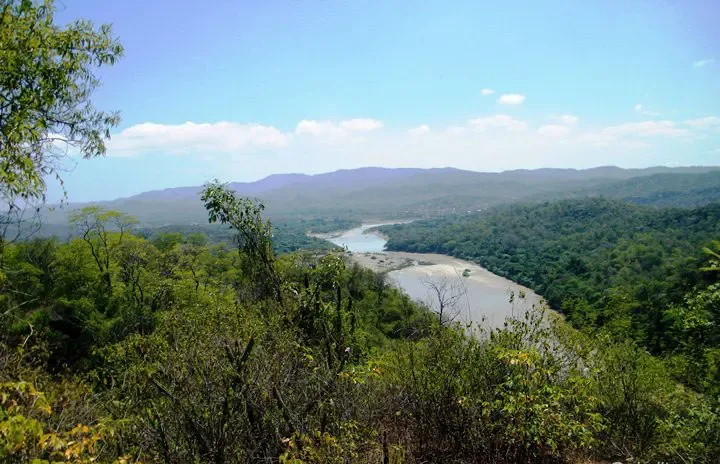
For those who enjoy hiking and adventure, the Cerros de Amotape National Park provides a completely different landscape. This park protects one of Peru’s last tropical dry forests, a peculiar ecosystem where the desert and jungle mix.
The trails meander through rolling hills, ravines, and forests of carob trees. During guided tours, one may find panoramic views of the Tumbes River Valley. Common sightings include white-tailed deer, parrots, and howler monkeys.
Due to the biodiversity and accessibility of Cerros de Amotape, it is a favorite site for eco-tourists, photographers, and researchers studying the dry forest ecology of Peru.
Main attractives
Tumbes is not just beaches and nature; it’s also a highly cultural and historic region. Centuries old civilizations once thrived here, leaving archaeological remnants and legacies that continue to shape the identity of the locals.
Culture and History of Tumbes
Tumbes played an important role in pre-Inca and Inca times; it was one of the first places that the Spanish explorers came across, a crossroads of ancient and colonial cultures. Many archaeological findings continue to bring to light its past, with modern museums that keep artifacts narrating the story of its inhabitants.
Cabeza de Vaca Archaeological Zone
The Cabeza de Vaca Archaeological Zone is another interesting site in the State of Tumbes, and it’s located near the city center. It features structures made out of adobe and stones that once belonged to pre-Inca cultures and later to the Incas themselves.
Visitors can walk through ancient temples, ceremonial platforms, and storerooms that once belonged to early inhabitants of the region. According to archaeologists, this was part of the Qhapaq Ñan: the huge Inca road system connecting different parts of the empire. This place gives insight into the cultural and architectural heritage of northern Peru.

Tumbes Plaza de Armas
In the middle of the city is the Plaza de Armas, a lively public square surrounded by buildings from the colonial and republican eras of the country. The highlights are the Cathedral of Tumbes, featuring a beautiful neoclassical façade, along with the Municipal Palace.
In the evening, it is a meeting point for locals and visitors alike. The place is surrounded by street food vendors who sell traditional snacks; there are live musicians and families walking around the well-lit park. It’s a perfect place to experience the rhythm and hospitality of Tumbes.

Gastronomy: The Flavor of Northern Peru
Tumbes is known for having some of the finest seafood in Peru. Its location on the Pacific puts fresh ingredients at the heart of the region’s food culture.
Dishes from Tumbes use traditional ingredients paired with coastal flavors for recipes that are simple yet have lots of character.
Must-Try Dishes in Tumbes
One of the most distinct dishes is Ceviche de Conchas Negras (ceviche with black shells), which is made from a type of shellfish that grows in the mangroves. The strong flavor and black color have defined Tumbes’ food and culture.
Additionally, a thick stew called Majarisco, made from shrimp, crabs, and other shellfish and cooked in a thick sauce seasoned with local herbs, is a well-loved local dish. Visitors should try Chupe de Cangrejo, a creamy crab soup, and a refreshing Chilcano de Pescado, a light fish broth enjoyed in the afternoon.
For seafood, Tumbes will not disappoint and offers options for everyone, from a nice classy restaurant to small beach tents serving fresh fish from the day before.

How to Get to Tumbes Peru
Travelers can easily reach Tumbes, whether by air or land, depending on their budget and time.
By Air
The Capitán FAP Pedro Canga Rodríguez Airport in Tumbes has flights from Lima daily. The flight takes about one hour and forty five minutes, making it the quickest and easiest option. From the airport, taxis and private transfer services can take you straight to your hotel or a nearby beach like Punta Sal or Zorritos.
By Land
If you prefer to travel by land and appreciate the beauty of the scenery, you can drive or take a bus from Lima or another northern town. The route is along the Pan-American Highway, passing Piura, Máncora, and Zorritos before reaching Tumbes. The drive is long, but the views of magnificent coastal deserts and fishing villages are well worth it!

Frequently asked questions about Tumbes: Must-See Attractions in the City of Eternal Summer
Tumbes is known for its warm climate, stunning beaches, and delicious seafood dishes like black shell ceviche. It’s also famous for its mangrove forests, tropical wildlife, and friendly coastal communities.
The most popular Tumbes beaches are Punta Sal and Zorritos, both offering calm, clear waters and golden sand. These resorts are ideal for swimming, surfing, or relaxing in oceanfront hotels.
Some of the best things to do in Tumbes Peru include exploring the Manglares de Tumbes National Sanctuary, visiting the Cabeza de Vaca archaeological site, and trying fresh seafood along the coast. Boat rides through Puerto Pizarro are also a highlight.
You can fly directly from Lima to Tumbes Airport in about 1 hour and 45 minutes. Buses also connect Lima and Piura to Tumbes en Peru, offering scenic views of Peru’s northern coast.
The best time to visit Tumbes Peru is during the dry season, from December to April, when the weather is hot and perfect for beach activities. However, the region’s tropical climate makes it enjoyable year-round.