How to Book an Amantani Island Tour From the US
US travelers planning a guided tour to Amantani Island usually book through licensed operators based in Puno or Cusco. The most popular option is a 2-day, 1-night homestay tour, which typically includes round-trip boat transportation from Puno, visits to Uros and Taquile, meals, and an overnight stay with a local family. This guide compares tour operators, explains the booking process, and helps travelers choose the best option for their schedule and budget.
What Makes Amantani Island Different From Uros and Taquile
Puno Lake Titicaca tours generally have three main destinations: Uros, Taquile, and Amantaní. All three offer distinct experiences, and understanding their differences makes choosing the right tour itinerary much simpler.
Location and Geography on Lake Titicaca
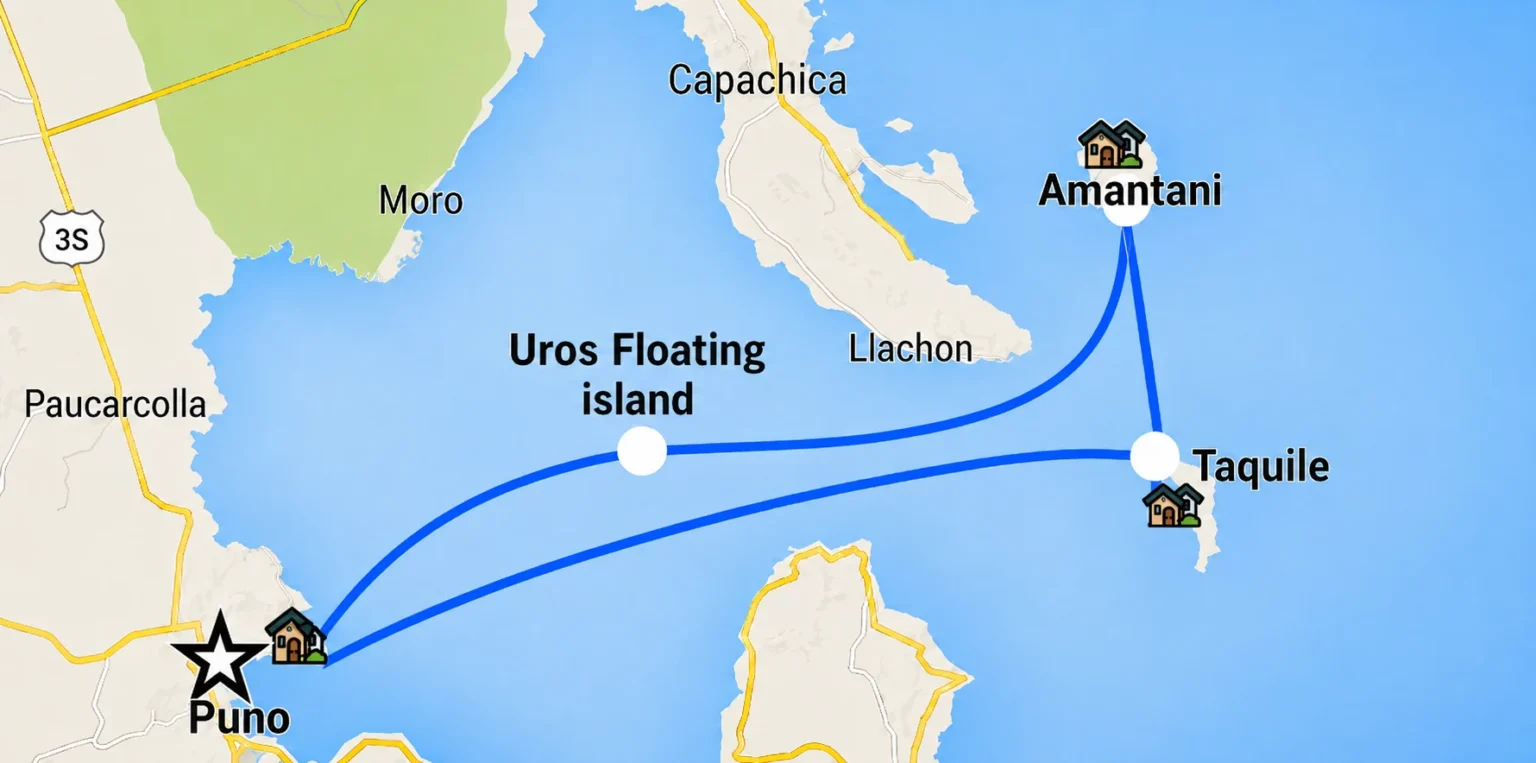
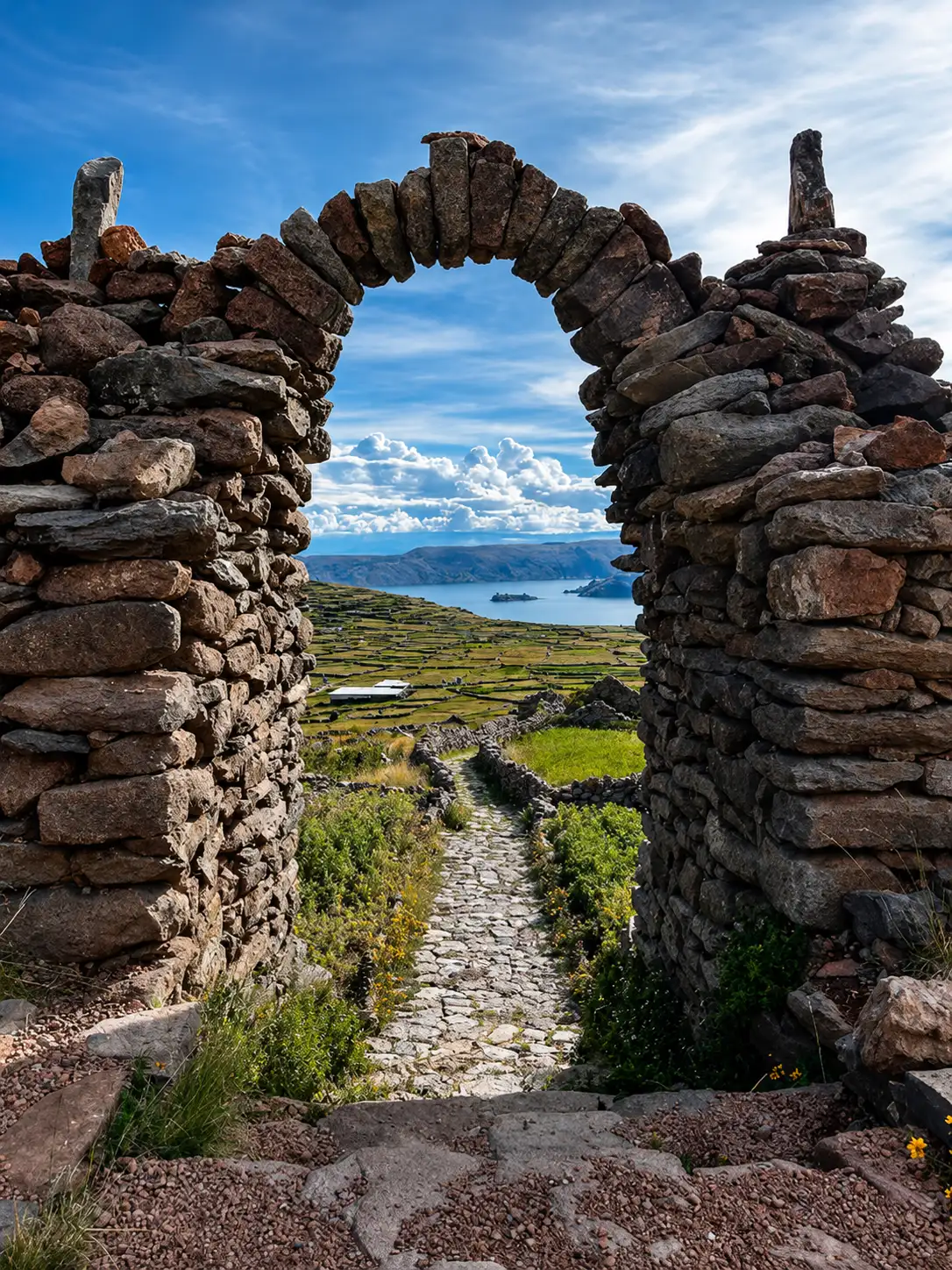
Amantaní is located approximately 38 kilometers (24 miles) from the port of Puno on the Peruvian side of the lake and is accessible only by boat. Spanning an area of roughly 9.3 square kilometers, the island is characterized by two prominent mountain peaks, Pachatata and Pachamama, which contrast sharply with the flat, man-made reed platforms of the Uros Islands.
The Ten Communities and Local Culture
The island is organized into ten distinct agricultural communities that share local resources, hosting responsibilities, and agricultural duties. While the islanders primarily speak Quechua, the local culture retains strong historic ties to Aymara traditions. Agriculture remains central to daily life, with terraces cultivated for crops like potatoes, oca, quinoa, maize, and beans, alongside traditional stone masonry and textile weaving.
Pachatata and Pachamama Ceremonial Sites
Rising above the island are the pre-Inca ceremonial temples of Pachatata (Father Earth) and Pachamama (Mother Earth). These sacred sites remain active places of ritual and deep cultural significance for the local communities. Most multi-day tour itineraries schedule an afternoon hike to one of these summits to observe traditional Andean customs and take in panoramic views of the lake at sunset.
How to Book an Amantani Island Tour From the United States
Since there is no tourist infrastructure independent of Amantani, all trips must go via a tour company. There are usually two options for Americans traveling to Amantani; pre-arranging the trip from the US, or organizing the trip when they reach Puno.
Booking in Advance vs. Booking On-Site in Puno
The safest bet is to book in advance from the US, especially during the high season between June and August, where accommodation for homestay becomes scarce very fast and flights to Juliaca get fully booked. Advance booking will also allow the agency to arrange the whole tour in accordance with the entire trip plan of the traveler within Peru.
Many travelers start their research on online booking platforms, though reaching out to an operator directly usually leads to a more accurate quote than a generic listing. Package tours from America will always suit best because one can combine a stay in Amantani with flights, hotel stays in Cusco, and tickets to take the Inca Trail. It is possible to book while you are on the spot in Puno, but that limits choices and does not offer any guarantee of getting something in high season.
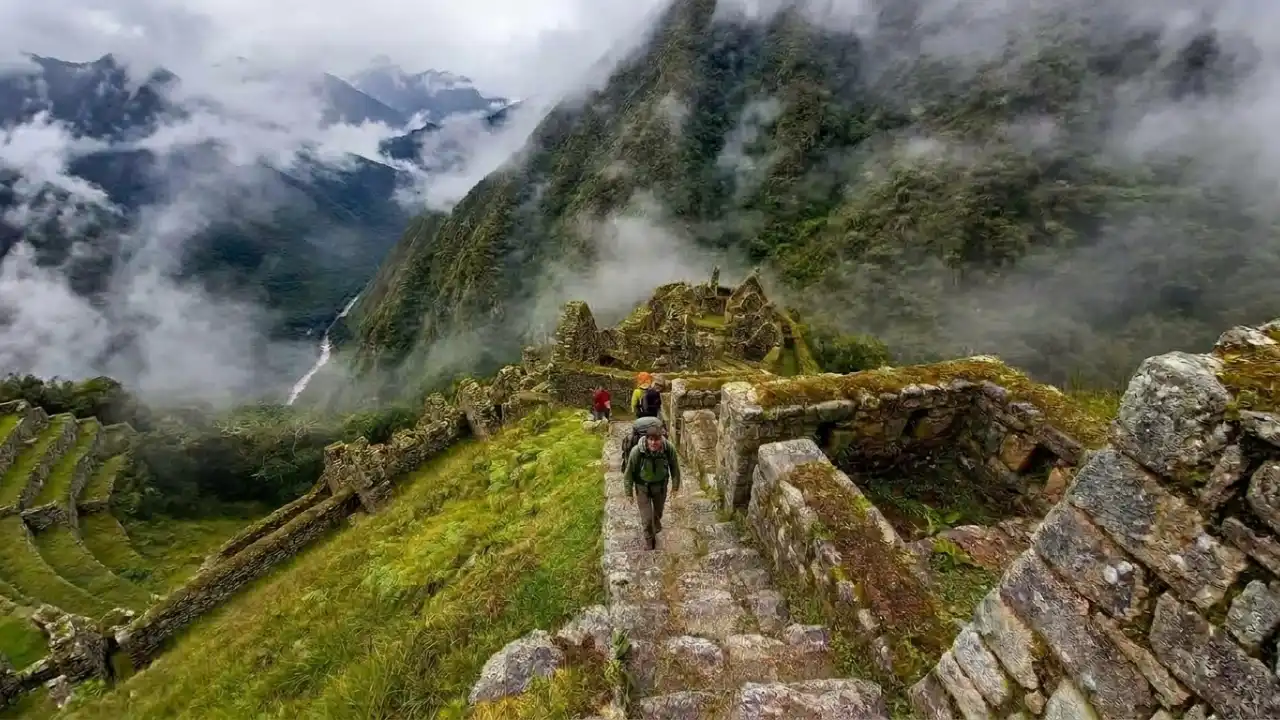
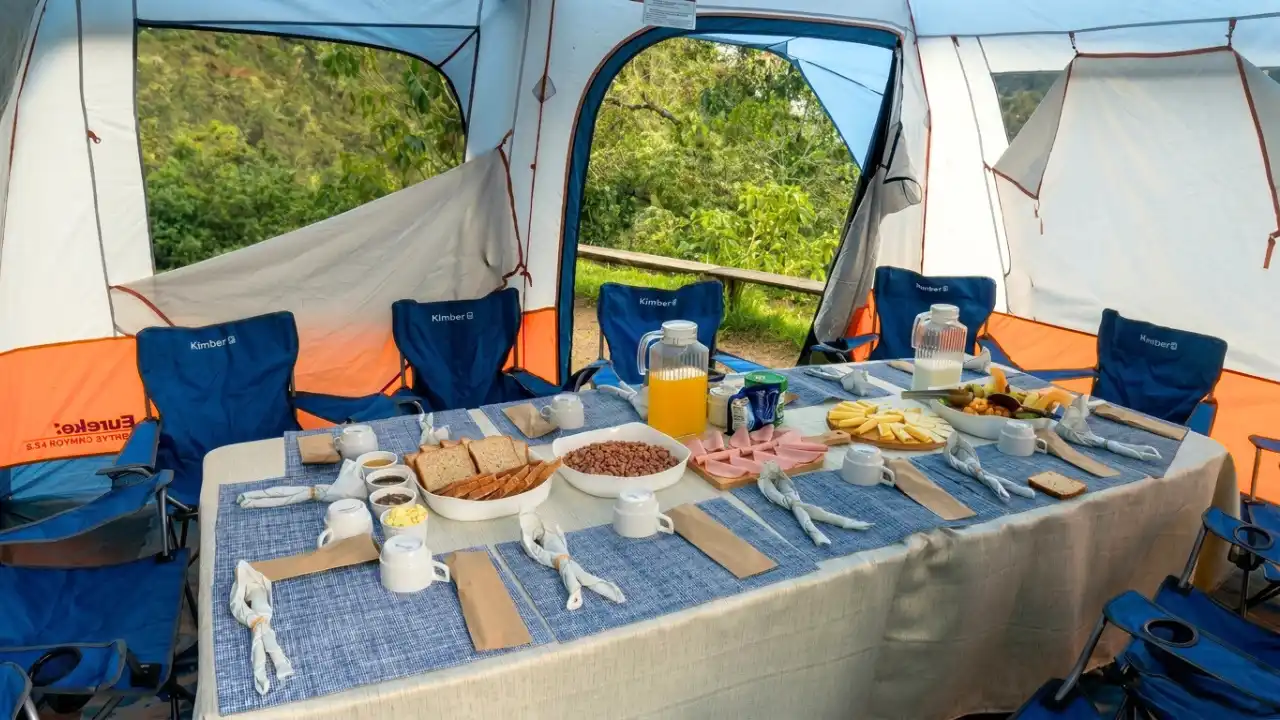
Be amazed by the beauty of southern Peru with our Route of the Sun & Lake Titicaca Tour from Cusco for 3 Days which offers a mix of intriguing archaeological sites, magnificent... 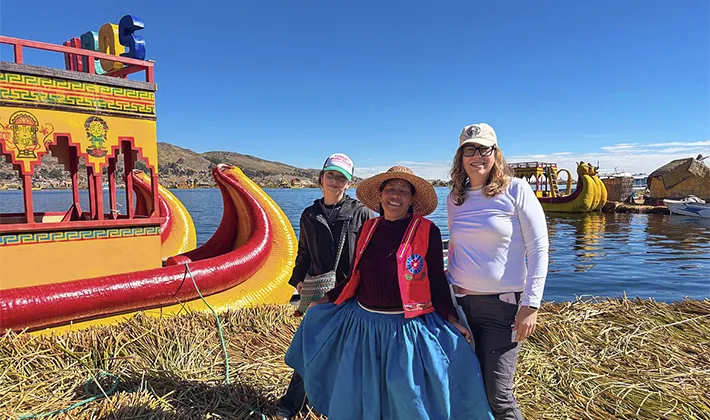
Route of the Sun & Lake Titicaca Tour from Cusco – 3 Days
What Information US Travelers Need Before Requesting a Quote
Prior to getting in touch with the operator, some information would be useful:
- The dates of the trip and number of people traveling together
- Whether a group tour or individual tour is desired
- Travel arrangements, such as coming from Cusco or Lima
- Dietary concerns or mobility issues because the homestay includes a hike at high altitude on rough terrain
Payment Methods and Confirmation Process
Most agencies dealing with international visitors accept payments through bank transfers or credit cards, and some insist on a deposit to book a stay in a homestay arrangement because the family is selected beforehand. The written confirmation should show the detailed itinerary, meals included, and the pickup point at Puno. Visitors who plan their visits through a US-based agency must ask for written confirmation first.
Tour Operator Directory for Amantani Island
Tour companies offering trips to Amantani Island may differ in guide language, group size, boat service, hotel pickup, and homestay coordination. These differences are especially important for the 2-day, 1-night tour, where transportation, meals, and accommodation with a local family must be arranged in advance.
Tour Operators Offering Amantani Island Tours
Travelers can book Amantani Island tours through either Cusco-based operators or local agencies in Puno. Cusco-based companies are usually more convenient for international visitors combining Lake Titicaca with Machu Picchu, the Sacred Valley, or the Inca Trail, while Puno agencies focus more directly on Lake Titicaca, boat services, guides, and coordination with host families.
Uros Expeditions is a Cusco-based operator that can coordinate the Amantaní portion as part of a wider Peru itinerary through local tourism partners in Puno. All Ways Travel and Edgar Adventures are established Puno-based agencies offering locally coordinated tours to Amantaní and Taquile.
| Operator | Base | Suitable for |
|---|---|---|
| All Ways Travel | Puno | Travelers seeking a locally coordinated Lake Titicaca tour |
| Uros Expeditions | Cusco | Travelers combining Amantaní with a wider Peru itinerary |
| Edgar Adventures | Puno | Travelers booking directly with a local Puno operator |
Before booking, travelers should confirm the guide language, group size, boat service, meals, entrance fees, hotel pickup, homestay arrangements, and whether Taquile is included on the second day.
What to Look for in a Reputable Operator
There are a number of factors that make an efficient operator stand out from those that consider the homestay program an afterthought:
- Licenses in place for running a tourist business, and an actual physical office or local presence in either Puno or Cusco
- Fair pricing that clarifies which services are provided
- Host families on a rotation basis, rather than relying on the same family regardless of compatibility
- Recent, verifiable traveler reviews that mention guide names and specific logistics
Typical Amantani Island Tour Itineraries
Most agencies sell one of two standard itineraries, depending on how much time a traveler has available.
1-Day Itinerary: Uros and Taquile
The full day tour starts by boat from Puno to the floating Uros Islands, where travelers learn about their construction using totora reeds. The trip continues across Lake Titicaca to Taquile Island for a guided hike, an introduction to UNESCO-listed local textiles, and lunch with panoramic views. The group returns to Puno late in the afternoon. This option is ideal for travelers on a tight schedule who want to see the lake’s primary highlights in a single day.
2-Day, 1-Night Itinerary: Uros, Amantaní, and Taquile
This is the most popular program offered by travel agencies for a more immersive experience:
- Day One: Depart Puno harbor to visit the floating islands of Uros, then continue on to Amantaní Island for lunch. Spend the afternoon with your host family and hike to one of the island’s mountain summits (Pachatata or Pachamama) for sunset and traditional cultural activities.
- Day Two: Enjoy breakfast with the host family before taking a short boat ride to Taquile Island. After exploring the island and having lunch, return to Puno by early afternoon.
This multi-day itinerary is recommended for visitors seeking a deeper cultural connection and more time exploring Lake Titicaca.
The Homestay Experience: What to Expect
Meeting Your Host Family
Upon arriving at the port of Amantaní, travelers are assigned in pairs or small groups to local host families. Hosts are chosen on a community rotation system to ensure that tourism income is distributed equitably among island residents. Because of this rotating assignment structure, travelers cannot select or request specific families in advance.
Meals, Traditional Dress, and Evening Festivities
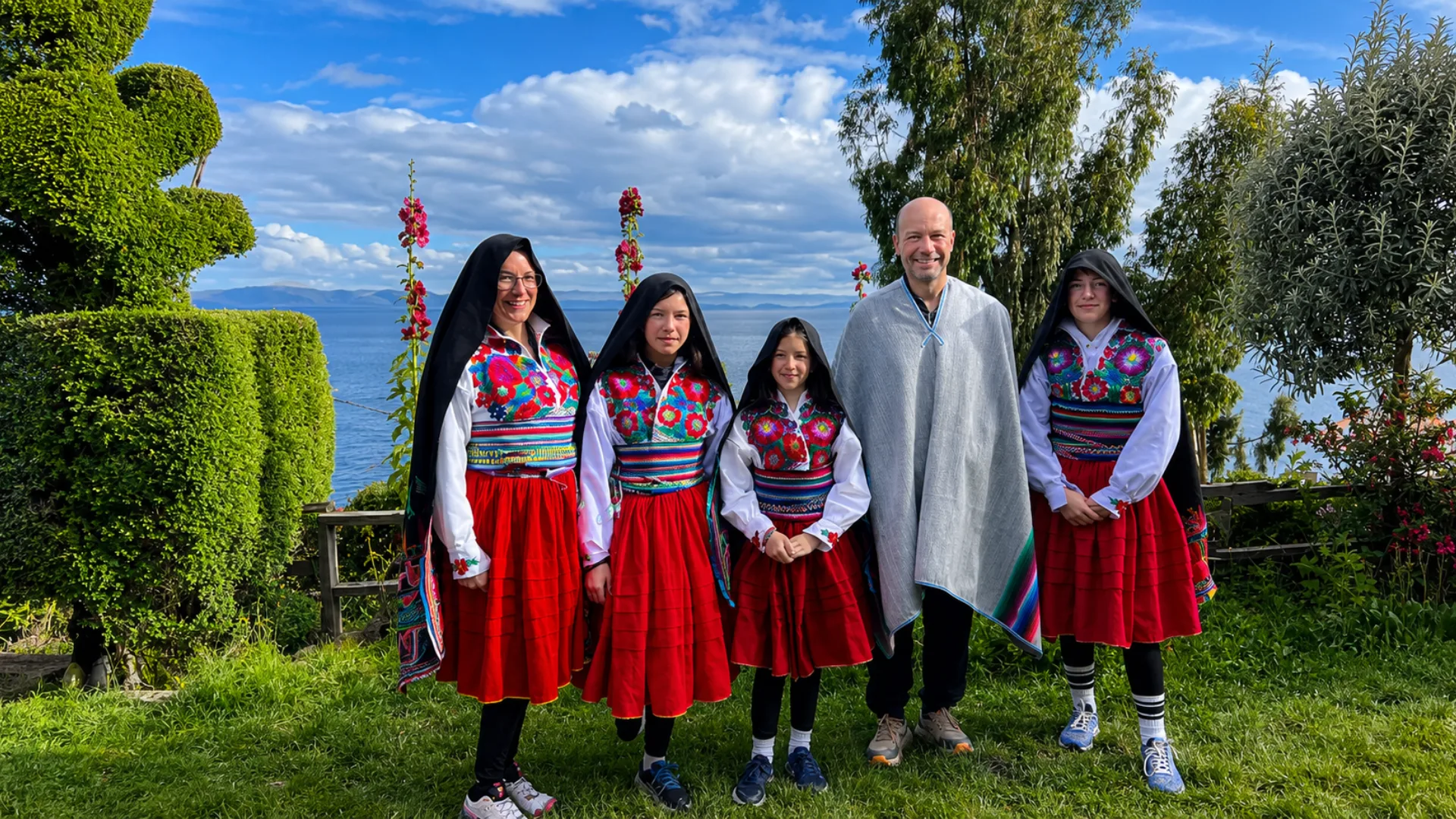
Host families prepare simple, home-cooked meals featuring local agricultural staples such as potatoes, quinoa, oca, and vegetable soups. In the evening, hosts often share traditional garments with their guests and accompany them to a community gathering featuring local Andean music and dance. Many visitors cite this shared cultural exchange as a highlight of their time in Peru.
Sleeping Arrangements and Basic Amenities
Accommodations are simple and authentic: a private bedroom in the family home with comfortable beds, thick blankets, and often solar-powered lights or candles instead of grid electricity. Bathroom facilities are usually shared and basic compared to standard hotel accommodations. Travelers should bring a flashlight or headlamp, warm clothing layers for cold nights, and small non-monetary tokens of appreciation for the host family, such as school supplies or non-perishable pantry items.
Pricing Guide for US Travelers
Pricing varies by operator, group size, and season, but the following ranges reflect what most US travelers can expect to pay per person:
| Tour Type | Typical Price (USD) | Duration |
|---|---|---|
| Uros half-day tour | $12 – $20 | 3 – 4 hours |
| Uros and Taquile full-day tour | $25 – $45 | 8 – 9 hours |
| Uros, Amantani, Taquile (2D/1N, shared group) | $50 – $90 | 2 days, 1 night |
| Uros, Amantani, Taquile (2D/1N, private tour) | $120 – $180 | 2 days, 1 night |
What’s Typically Included vs. Extra Costs
The standard package usually includes boat transfers, entrance fees to all islands, a bilingual tour guide, and homestay meals. However, some expenses are typically paid out-of-pocket:
- Pickup and drop-off from Puno hotels, if not explicitly specified in the package
- Optional rides on traditional totora reed boats at the Uros Islands
- Bottled water, drinks, and personal snacks
- Tips for the tour guide, boat captain, and host family
Tipping and Gift Etiquette for Host Families
While tipping is optional, giving a modest gratuity to both your guide and host family is customary and appreciated. Useful staples like cooking oil, rice, fresh fruit, or educational supplies for children are often more practical for island families than monetary tips alone, making them thoughtful tokens of gratitude.
Best Time to Visit Amantani Island
Dry Season vs. Rainy Season Considerations
The period between May and October offers the best conditions, with stable waters and clear skies that provide exceptional views of the sunsets over Pachatata and Pachamama. Conversely, the months from November to March bring unpredictable weather and occasional rough waters. While rainfall is more frequent during this period, the island becomes lush and green with significantly fewer visitors.
Altitude and Weather Preparation Tips
Lake Titicaca sits at approximately 3,812 meters (12,507 feet) above sea level, and climbing to the peaks on Amantaní requires notable physical exertion. Travelers should dedicate one to two days to acclimatize to the altitude in either Puno or Cusco before setting off on the lake tour. Additionally, packing warm thermal layers is essential, as temperatures drop significantly once the sun goes down.

How to Get to Amantani Island From Cusco or Lima
Cusco to Puno Travel Options
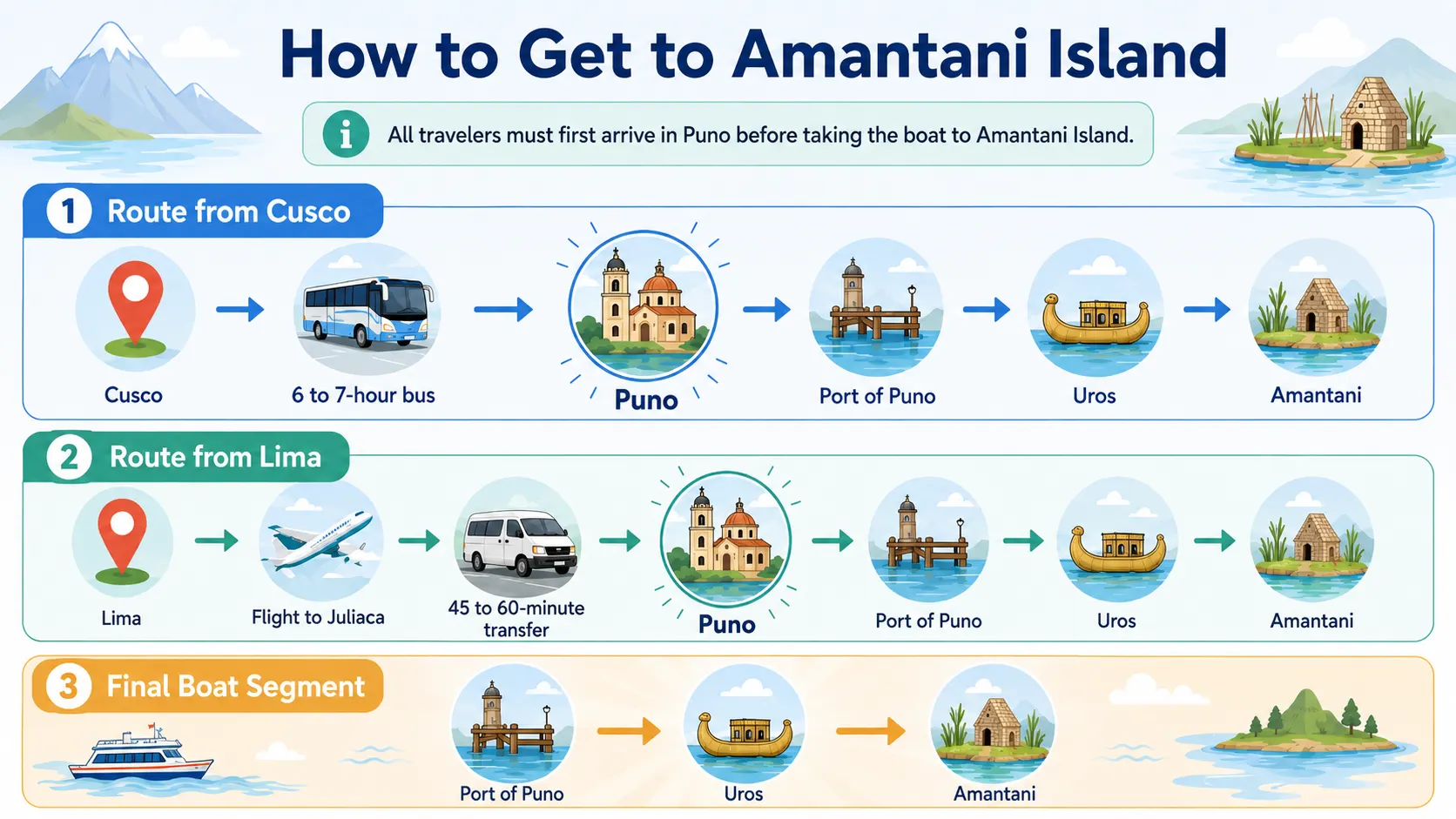
Most travelers journeying from Cusco to Puno travel by road. Direct intercity buses take approximately six to seven hours, while guided tourist buses take longer to allow for stops at historical and archaeological sites along the “Route of the Sun“. Direct overnight buses are also widely available for those looking to arrive in Puno early in the morning.
Lima to Puno Flight Connections
Travelers flying from Lima typically land at Inca Manco Cápac International Airport in Juliaca, the closest commercial airport to Puno. From Juliaca, it is approximately a 45-to-60-minute land transfer by taxi or shuttle to the lakeside city of Puno. Booking early morning flights from Lima is recommended for those hoping to connect directly to a morning boat departure on Lake Titicaca.
Boat Transfer From Puno to Amantaní
The standard boat journey from the port of Puno to Amantaní Island takes approximately three hours each way, usually including a 30-to-45-minute stop at the floating reed islands of Uros along the route. Shared and private boats depart daily from Puno’s main harbor, and full-service tour operators handle all boat ticket reservations and transfers as part of their multi-day packages.
Frequently asked questions about How to Book an Amantani Island Tour From the US
Yes. Solo travelers commonly visit Amantani through organized tours. Local guides and host families coordinate the experience, which helps travelers feel supported throughout the stay.
Yes. There are no ATMs and card payments are generally unavailable. Bring small denominations of Peruvian soles for tips, handicrafts, drinks, or other personal expenses.
The visit includes walking on uneven terrain, and many itineraries feature a hike to Pachatata or Pachamama. The distance is manageable for most travelers, but the high altitude can make the hike feel more difficult. Mention any mobility concerns when booking so the operator can adjust the pace.
The boat journey from Puno to Amantani usually takes around three hours, including a stop at the Uros floating islands. Travel time may vary depending on the boat type and weather conditions.
Bring warm layers, comfortable walking shoes, sunscreen, a hat, a flashlight or headlamp, bottled water, and small denominations of Peruvian soles. Nights can be cold, even during the dry season.