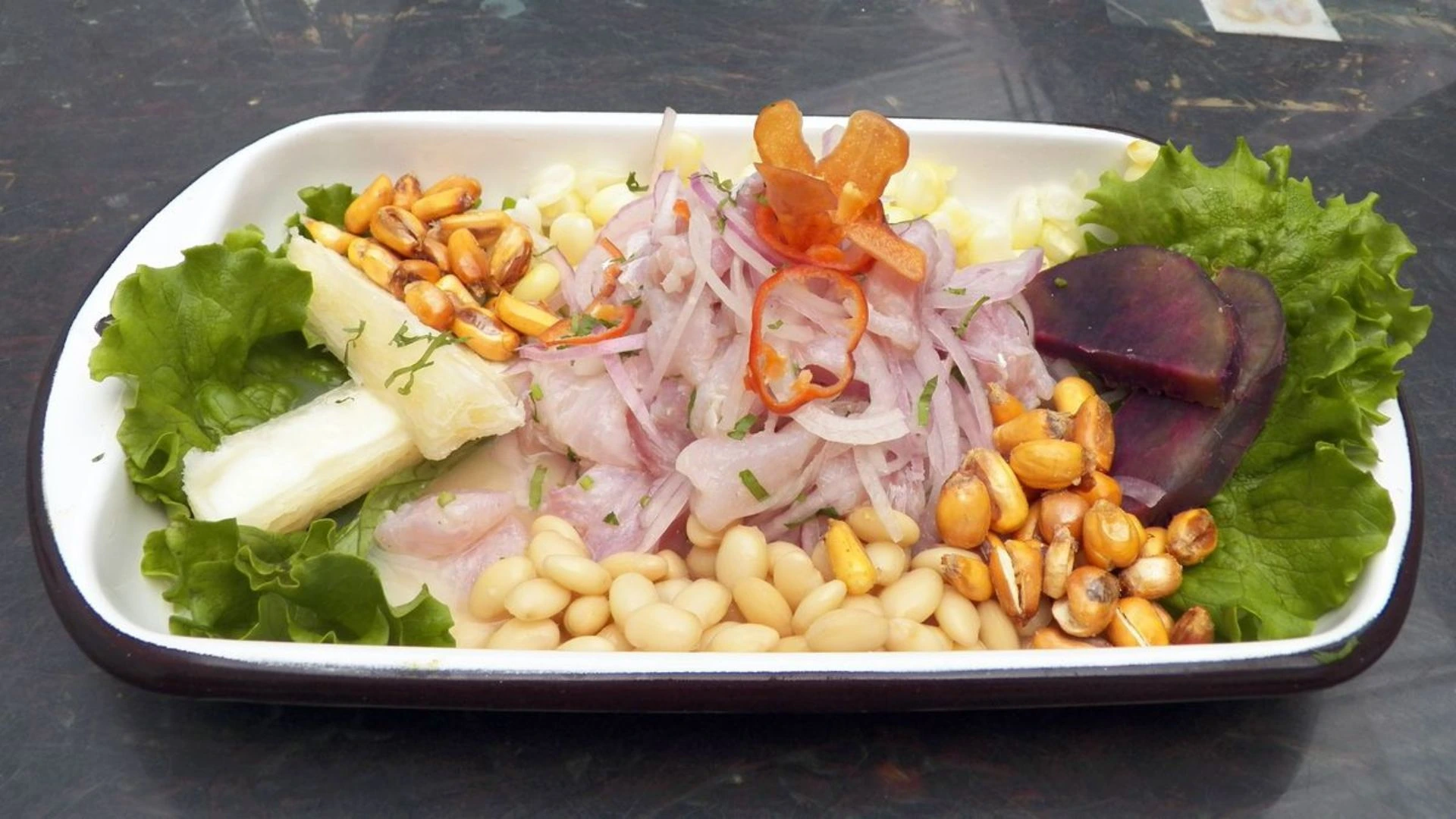
Is Ceviche Healthy? Nutrition, Calories, Benefits, and Authentic Peruvian Recipe
Ceviche is a dish that can instantly attract attention because it combines freshness, tradition, and cultural identity in a single bowl. When people research the history of ceviche, the first thing they notice is that ceviche has existed for centuries along the Pacific coast. By understanding the original location of ceviche, one can better understand how truly significant ceviche represents coastal culture. Most historians agree the classic ceviche originates from Peru. Ancient coastal civilizations utilized the local fruit for marinating raw fish long before the arrival of citrus. Once limes came into widespread use, ceviche was then transformed into the bright and refreshing dish we experience all over Latin America today.
Because it’s simple and fresh, many people today question, is ceviche healthy? or they look to understand ceviche nutrition on a deeper level. These questions often pop up because of its raw preparation, its lean ingredients, and its cultural importance as a clean, simple meal. Understanding whether ceviche is good for you requires delving into its history, nutrient content, calories, and the peculiar way its ingredients interact.
Understanding the Origins and Cultural Legacy of Ceviche
Ceviche is one of those dishes that commands attention, as it brings freshness, tradition, and cultural identity together into a single bowl. The history of ceviche has taught many that this dish, in some form or another, has been around for centuries along the Pacific coast. Understanding where ceviche is originally from helps explain why it is such a powerful symbol of coastal culture. Most historians consider Peru the birthplace of what the world knows as classic ceviche. Long before the arrival of citrus, ancient coastal civilizations used local fruits to marinate raw fish. But when limes became widely available, ceviche evolved into the bright and refreshing dish celebrated across Latin America today.
After mixing with the local ingredients of different countries all over the world, ceviche was uniquely modified and adjusted to work better for the people and culture of that country. This explains why questions such as is Peruvian ceviche healthy or is Mexican ceviche healthy are so common. Although each country has developed its own signature way of preparing ceviche, the basic premise surrounding ceviche is in the same manner as other countries; the marinades use citrus fruit to infuse flavor into the seafood being marinated. Though each style is unique, they all share the idea of marinating seafood in citrus. And because ceviche uses raw or lightly marinated fish, people naturally search for ceviche nutrition facts, ceviche nutritional value, and how healthy is ceviche to understand its place in a balanced diet.
Nutritional Profile and Specific Health Benefits of Ceviche
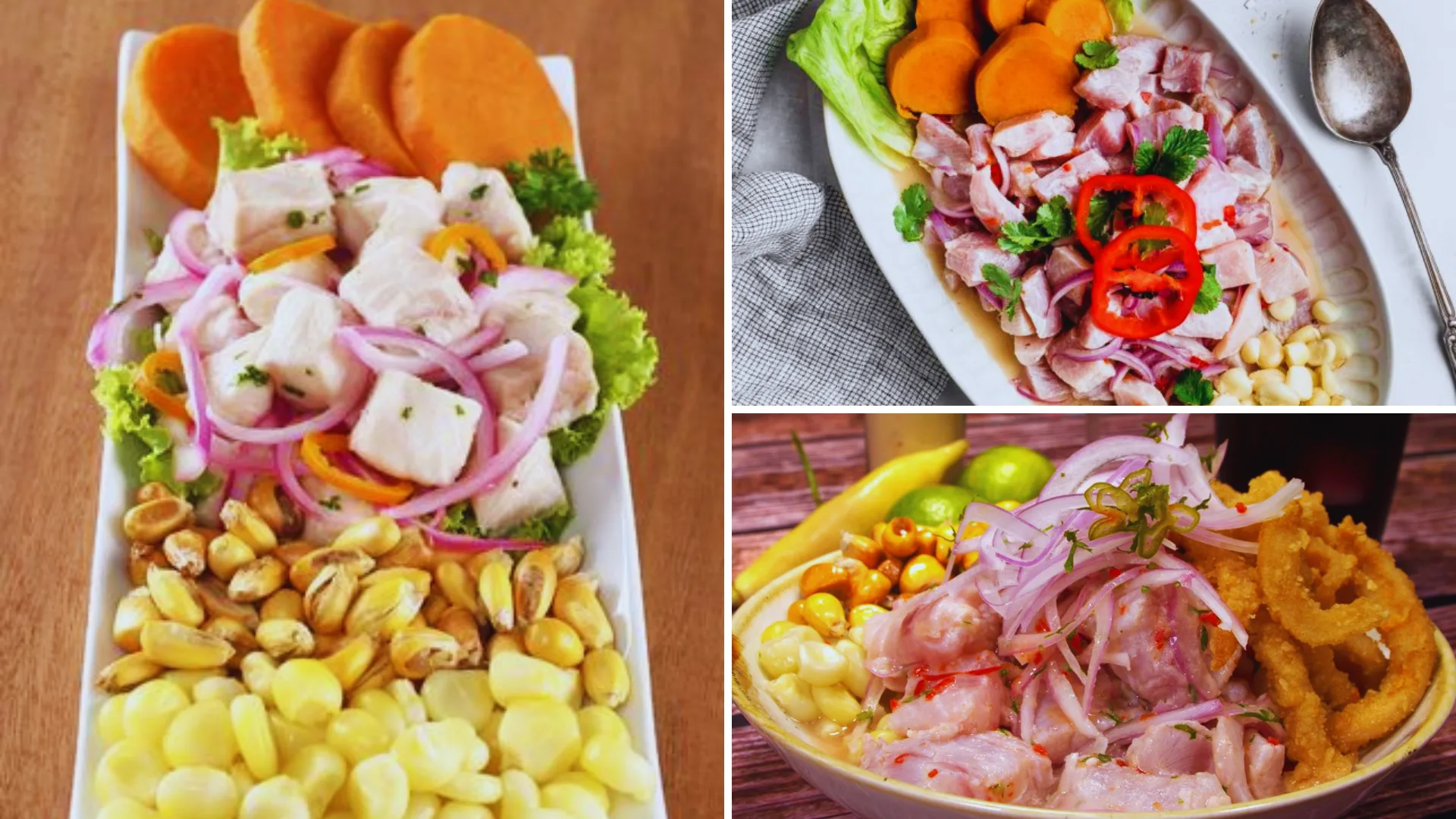
Ceviche is prepared using straightforward ingredients: fish or seafood, lime juice, onion, chili peppers, cilantro, and salt. These components create a dish rich in lean protein and antioxidants. This is why so many people ask is ceviche a good source of protein or how much protein does ceviche have. Fish contributes iodine, selenium, phosphorus, and omega fatty acids, while lime juice provides vitamin C that helps the body absorb these nutrients.
Seafood contributes iodine, selenium, phosphorus, and omega fatty acids. Lime juice provides vitamin C, which helps the body absorb all of these nutrients. Onions and cilantro provide antioxidants that promote digestive health and overall well being. These are some of the components that explain why so many people seek health benefits of ceviche and why this dish also tends to stay naturally light and refreshing.
The nutritional value in the ceviche remains high because the dish does not rely on heavy oils, creamy sauces, or frying to prepare it, while its calorie load remains moderate. According to many nutritionists, meals prepared with lean seafood and vegetables can definitely help with balanced eating patterns, provided the ingredients are fresh.
To answer the question, is ceviche healthy?, we have to refer back to its simplicity, no excess fats, and nutrient dense composition. For the most part, yes, ceviche is healthy and a good addition if it has been prepared in a safe manner.
Protein Content in Ceviche: How Much Protein Does It Have?
One frequent question about the food is ceviche protein content. Depending on the fish, a 100 gram serving of ceviche provides 15 to 20 grams of lean protein on average. Many ask how much protein in ceviche or how much protein in ceviche in comparison with seafood based meals. Because the fish is not cooked with fats, the protein remains clean and easily digestible, reinforcing ceviche’s reputation as a nutritious, energy lifting dish.
Nutritional Estimate Table for a Typical Ceviche Portion
The following table provides a general estimate per 100 grams of ceviche made with white fish. It helps clarify ceviche calories, ceviche protein, how many calories does ceviche have, how much protein in ceviche, and even does ceviche have carbs.
Nutrient Typical Amount
| Nutrient | Typical Amount (per 100 g) |
| Calories | 90 to 120 calories |
| Protein | 15 to 20 grams |
| Fat | 1 to 3 grams |
| Carbohydrates | 3 to 6 grams |
| Omega Fatty Acids | Small but beneficial amounts |
Values depend on the type of fish and quantity of vegetables used. These natural variations explain why searches about ceviche nutrition, ceviche nutritional value, and how many carbs in ceviche often show slightly different figures but consistently indicate a lean profile.
Is Ceviche Healthy for Weight Loss and Management?
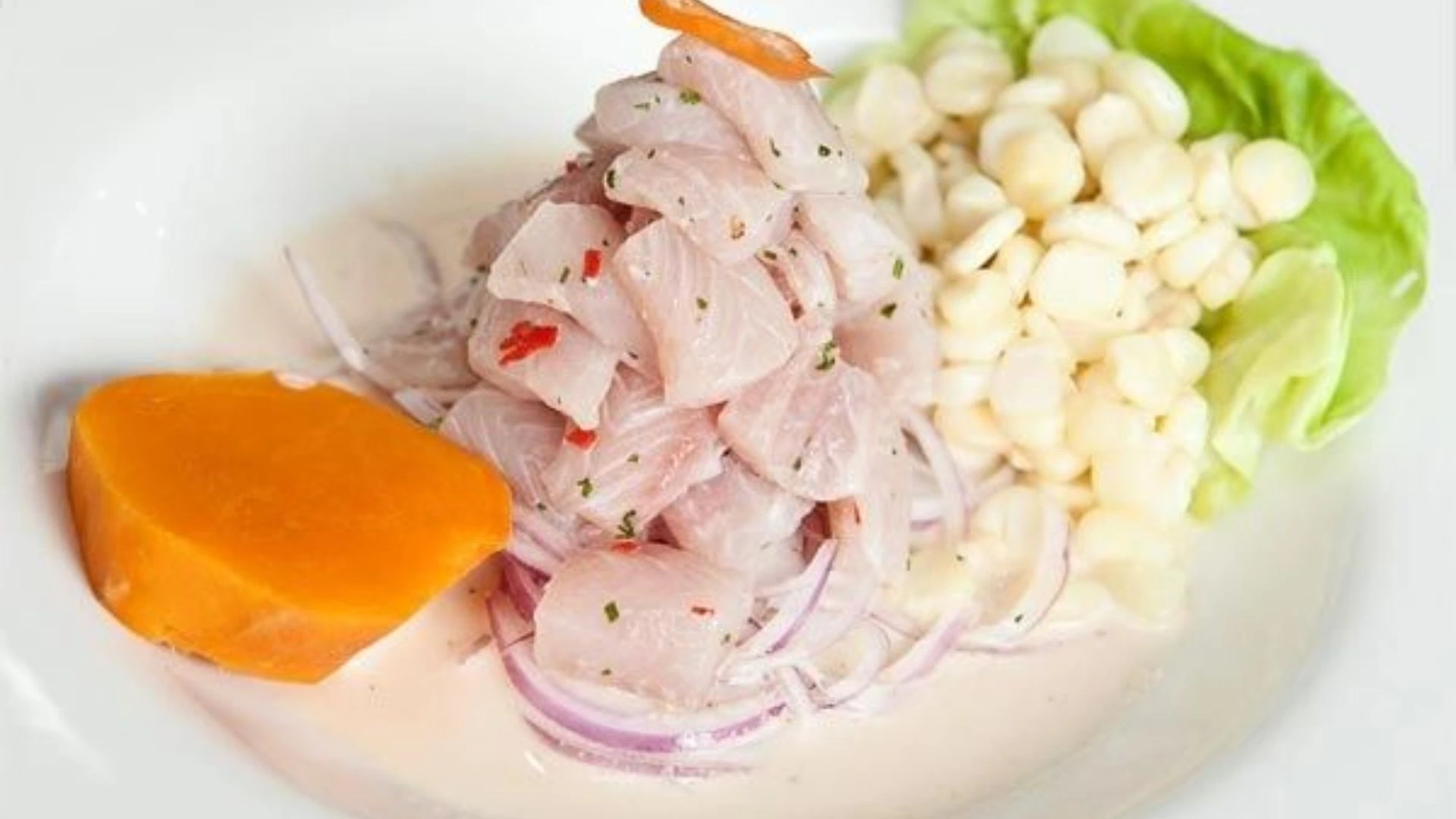
The most common questions being asked related to ceviche are: is ceviche healthy to lose weight or is ceviche good to lose weight. Overall, it is yes because, by nature, ceviche is a low calorie dish with lean protein that can support satiety without excess energy intake.
Whenever one compares how many calories does ceviche have versus grilled or fried fish, ceviche almost always contains fewer calories, thus being favorable for weight management. According to the USDA, raw sea bass is listed at about 97 calories per 100 grams, which shows why ceviche remains one of the lighter seafood dishes available.
Protein helps keep you full longer, which is why many people exploring seafood based diets ask is ceviche healthy for weight loss or is ceviche fattening. Ceviche is not fattening in its traditional form, since it lacks oil or deep frying steps. Only when served with calorie dense sides or creamy sauces would calories increase noticeably.
Ceviche Calorie Content Explained
Understanding the nutritional properties of ceviche gives us a better idea of its flavor and freshness while allowing us to appreciate the simplicity of ceviche. When considering ceviche calories, one can really see that ceviche stays naturally light from its lean fish, citrus marinade, and crunchy vegetables. This is especially evident for people comparing calories in ceviche fish, since most white fish used in ceviche are naturally low in fat and very high in protein. The calories in ceviche come from high quality protein and small amounts of natural carbohydrates, giving us a very suited plate that is refreshing rather than heavy.
If you are wondering how much calories in ceviche or how many calories does ceviche have, or even how many calories un ceviche depending on the type of fish used, a traditional serving of ceviche in Peru will typically stay on the low side of that scale especially if no creamy sauces are involved or fried sides accompany it.
Because ceviche remains so naturally lean, many people looking up peruvian ceviche calories are relieved to find it is one of the lowest-calorie seafood preparations available. Ceviche is a great choice for anyone who enjoys a clean, fresh meal that is still nutritious and flavorful, supporting many of the reasons people look up ceviche nutritional value when choosing healthier dishes.
Because ceviche remains so naturally lean, many people searching is ceviche low calorie or is ceviche high in calories also ask does ceviche have a lot of sodium. In most traditional recipes, sodium stays moderate as long as salt is used sparingly.
| Nutrient | Amount (Approx.) | %DV |
|---|---|---|
| Calories | ~340 kcal | – |
| Fats | 9 g | 12% |
| Saturated fats | 2 g | 9% |
| Trans fats | 0 g | 0% |
| Cholesterol | 80-90 mg | 26% |
| Sodium | 900-1300 mg | 40-55% |
| Carbohydrates | 18 g | 6% |
| Net carbs | 12-14 g | – |
| Fiber | 4-6 g | 16-24% |
| Sugar | 3-4 g | – |
| Protein | 38-45 g | – |
| Calcium | 80-100 mg | 8-10% |
| Iron | 1-2 mg | 10-15% |
| Potassium | 1000–1400 mg | 20-30% |
| Vitamin C | High (from lime) | 100%+ |

Is Ceviche Heart Healthy?
Another very frequent question is, is ceviche healthy for your heart, and that’s mostly because it’s described often as a clean, fresh dish. The fish generally used in ceviche do contain omega fatty acids, which promote heart rhythm and may reduce inflammation, , and this leads many people to ask is ceviche high in cholesterol. Lime juice and onions add antioxidants that have a positive effect on cardiovascular health, which explains why most of those who look into the question of is ceviche healthy or is fish ceviche healthy find out its heart friendly profile.
Research summarized by the National Heart, Lung, and Blood Institute (NHLBI) found that higher fish consumption correlated with a nineteen percent reduction in major cardiovascular events. This lends evidence that ceviche made from omega rich fish can potentially be part of a heart healthy dietary pattern, reinforcing why ceviche appears in so many discussions surrounding health benefits of ceviche.
In considering the question again, is ceviche heart healthy, the oils and saturated fats also considered absent or low in ceviche are more evidence that ceviche can support long term cardiovascular health.
Is Ceviche Healthy for Diabetics and Liver Health?
Individuals who have diabetes may wish to know if ceviche is healthy for diabetics. Because ceviche is low in carbohydrates, it can provide an option that doesn’t cause rapid spikes or dips in blood sugar levels. Dietitians frequently recommend meals combining lean protein with fresh vegetables because they digest more slowly, which aligns well with the overall ceviche nutrition profile.
Regarding whether ceviche healthy for diabetics, we can confidently say that ceviche can be fine for most people as long as it does not involve sugary sauces or excessive salt. Its simplicity is one of the reasons many people looking for lighter meals gravitate toward ceviche when managing blood sugar.
Another frequent inquiry on ceviche is it nutritious for the liver. With lean protein and fresh citrus, ceviche is more liver friendly than fried or heavily seasoned foods. The acidity of lime juice and natural antioxidants can be found in lime, onions and cilantro support overall digestive health and make the dish easier on the body compared to heavier seafood preparations.
When one asks is ceviche healthy for the liver, simplicity, freshness, and low fat are usually the main considerations. These qualities place ceviche in the gentle and refreshing category, which is why many people exploring whether ceviche is healthy often find it to be a favorable option.
Nutritional Profile and Specific Health Benefits of Ceviche
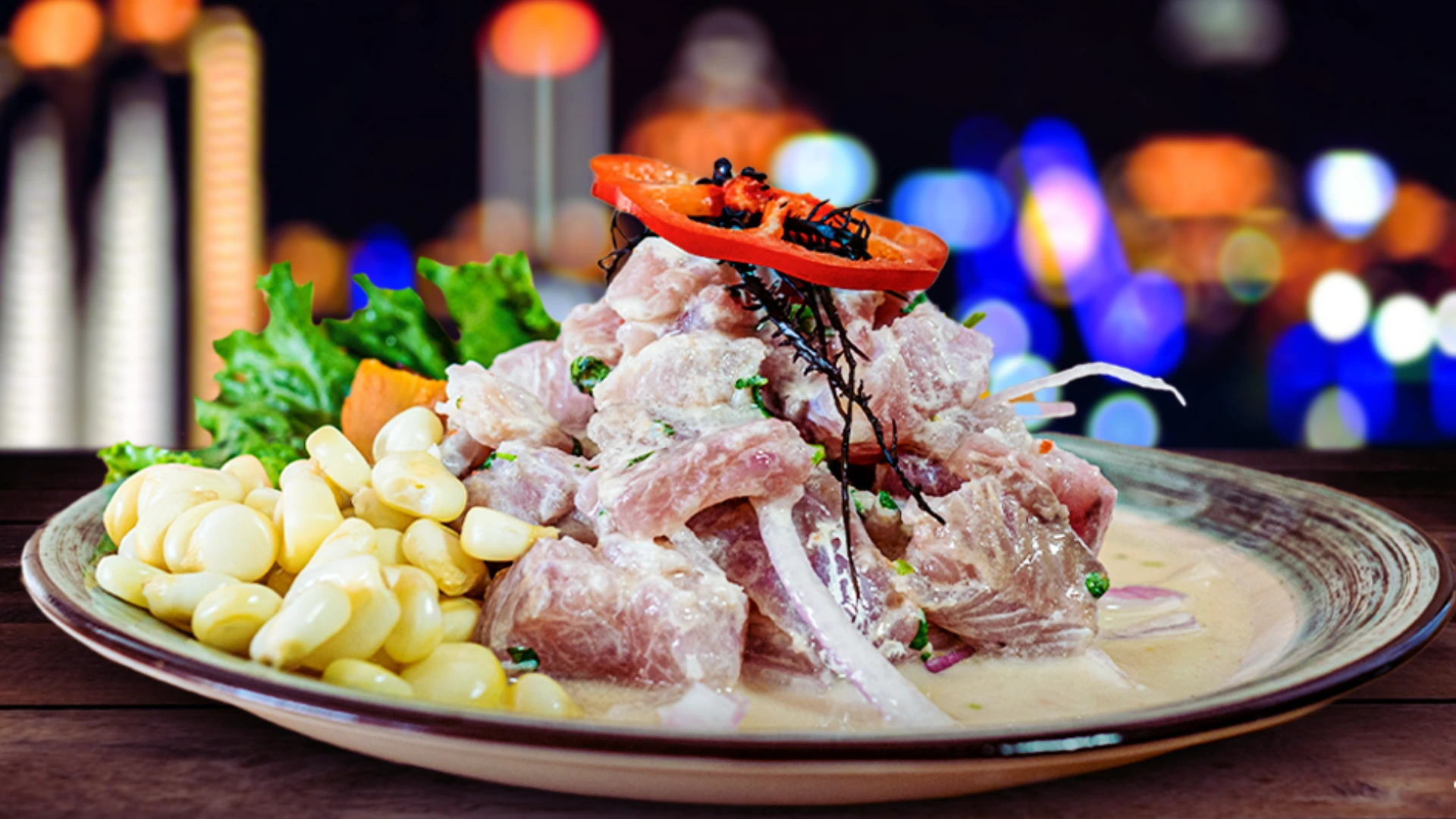
Ceviche is prepared using straightforward ingredients: fish or seafood, lime juice, onion, chili peppers, cilantro, and salt. These components create a dish rich in lean protein and antioxidants. This is why so many people ask is ceviche a good source of protein or how much protein does ceviche have. Fish contributes iodine, selenium, phosphorus, and omega fatty acids, while lime juice provides vitamin C that helps the body absorb these nutrients.
Seafood contributes iodine, selenium, phosphorus, and omega fatty acids. Lime juice provides vitamin C, which helps the body absorb all of these nutrients. Onions and cilantro provide antioxidants that promote digestive health and overall well being. These are some of the components that explain why so many people seek health benefits of ceviche and why this dish also tends to stay naturally light and refreshing.
The nutritional value in the ceviche remains high because the dish does not rely on heavy oils, creamy sauces, or frying to prepare it, while its calorie load remains moderate. According to many nutritionists, meals prepared with lean seafood and vegetables can definitely help with balanced eating patterns, provided the ingredients are fresh.
To answer the question, is ceviche healthy?, we have to refer back to its simplicity, no excess fats, and nutrient dense composition. For the most part, yes, ceviche is healthy and a good addition if it has been prepared in a safe manner.
Protein Content in Ceviche: How Much Protein Does It Have?
One frequent question about the food is ceviche protein content. Depending on the fish, a 100 gram serving of ceviche provides 15 to 20 grams of lean protein on average. Many ask how much protein in ceviche or how much protein in ceviche in comparison with seafood based meals. Because the fish is not cooked with fats, the protein remains clean and easily digestible, reinforcing ceviche’s reputation as a nutritious, energy lifting dish.
Nutritional Estimate Table for a Typical Ceviche Portion
The following table provides a general estimate per 100 grams of ceviche made with white fish. It helps clarify ceviche calories, ceviche protein, how many calories does ceviche have, how much protein in ceviche, and even does ceviche have carbs.
Nutrient Typical Amount
| Nutrient | Typical Amount (per 100 g) |
| Calories | 90 to 120 calories |
| Protein | 15 to 20 grams |
| Fat | 1 to 3 grams |
| Carbohydrates | 3 to 6 grams |
| Omega Fatty Acids | Small but beneficial amounts |
Values depend on the type of fish and quantity of vegetables used. These natural variations explain why searches about ceviche nutrition, ceviche nutritional value, and how many carbs in ceviche often show slightly different figures but consistently indicate a lean profile.
Is Ceviche Healthy for Weight Loss and Management?
The most common questions being asked related to ceviche are: is ceviche healthy to lose weight or is ceviche good to lose weight. Overall, it is yes because, by nature, ceviche is a low calorie dish with lean protein that can support satiety without excess energy intake.
Whenever one compares how many calories does ceviche have versus grilled or fried fish, ceviche almost always contains fewer calories, thus being favorable for weight management. According to the USDA, raw sea bass is listed at about 97 calories per 100 grams, which shows why ceviche remains one of the lighter seafood dishes available.
Protein helps keep you full longer, which is why many people exploring seafood based diets ask is ceviche healthy for weight loss or is ceviche fattening. Ceviche is not fattening in its traditional form, since it lacks oil or deep frying steps. Only when served with calorie dense sides or creamy sauces would calories increase noticeably.
Ceviche Calorie Content Explained
Understanding the nutritional properties of ceviche gives us a better idea of its flavor and freshness while allowing us to appreciate the simplicity of ceviche. When considering ceviche calories, one can really see that ceviche stays naturally light from its lean fish, citrus marinade, and crunchy vegetables. This is especially evident for people comparing calories in ceviche fish, since most white fish used in ceviche are naturally low in fat and very high in protein. The calories in ceviche come from high quality protein and small amounts of natural carbohydrates, giving us a very suited plate that is refreshing rather than heavy.
If you are wondering how much calories in ceviche or how many calories does ceviche have, or even how many calories un ceviche depending on the type of fish used, a traditional serving of ceviche in Peru will typically stay on the low side of that scale especially if no creamy sauces are involved or fried sides accompany it.
Because ceviche remains so naturally lean, many people looking up peruvian ceviche calories are relieved to find it is one of the lowest-calorie seafood preparations available. Ceviche is a great choice for anyone who enjoys a clean, fresh meal that is still nutritious and flavorful, supporting many of the reasons people look up ceviche nutritional value when choosing healthier dishes.
Because ceviche remains so naturally lean, many people searching is ceviche low calorie or is ceviche high in calories also ask does ceviche have a lot of sodium. In most traditional recipes, sodium stays moderate as long as salt is used sparingly.
| Nutrient | Amount (Approx.) | %DV |
|---|---|---|
| Calories | ~340 kcal | – |
| Fats | 9 g | 12% |
| Saturated fats | 2 g | 9% |
| Trans fats | 0 g | 0% |
| Cholesterol | 80-90 mg | 26% |
| Sodium | 900-1300 mg | 40-55% |
| Carbohydrates | 18 g | 6% |
| Net carbs | 12-14 g | – |
| Fiber | 4-6 g | 16-24% |
| Sugar | 3-4 g | – |
| Protein | 38-45 g | – |
| Calcium | 80-100 mg | 8-10% |
| Iron | 1-2 mg | 10-15% |
| Potassium | 1000–1400 mg | 20-30% |
| Vitamin C | High (from lime) | 100%+ |
Is Ceviche Heart Healthy?
Another very frequent question is, is ceviche healthy for your heart, and that’s mostly because it’s described often as a clean, fresh dish. The fish generally used in ceviche do contain omega fatty acids, which promote heart rhythm and may reduce inflammation, , and this leads many people to ask is ceviche high in cholesterol. Lime juice and onions add antioxidants that have a positive effect on cardiovascular health, which explains why most of those who look into the question of is ceviche healthy or is fish ceviche healthy find out its heart friendly profile.
Research summarized by the National Heart, Lung, and Blood Institute (NHLBI) found that higher fish consumption correlated with a nineteen percent reduction in major cardiovascular events. This lends evidence that ceviche made from omega rich fish can potentially be part of a heart healthy dietary pattern, reinforcing why ceviche appears in so many discussions surrounding health benefits of ceviche.
In considering the question again, is ceviche heart healthy, the oils and saturated fats also considered absent or low in ceviche are more evidence that ceviche can support long term cardiovascular health.
Is Ceviche Healthy for Diabetics and Liver Health?
Individuals who have diabetes may wish to know if ceviche is healthy for diabetics. Because ceviche is low in carbohydrates, it can provide an option that doesn’t cause rapid spikes or dips in blood sugar levels. Dietitians frequently recommend meals combining lean protein with fresh vegetables because they digest more slowly, which aligns well with the overall ceviche nutrition profile.
Regarding whether ceviche healthy for diabetics, we can confidently say that ceviche can be fine for most people as long as it does not involve sugary sauces or excessive salt. Its simplicity is one of the reasons many people looking for lighter meals gravitate toward ceviche when managing blood sugar.
Another frequent inquiry on ceviche is it nutritious for the liver. With lean protein and fresh citrus, ceviche is more liver friendly than fried or heavily seasoned foods. The acidity of lime juice and natural antioxidants can be found in lime, onions and cilantro support overall digestive health and make the dish easier on the body compared to heavier seafood preparations.
When one asks is ceviche healthy for the liver, simplicity, freshness, and low fat are usually the main considerations. These qualities place ceviche in the gentle and refreshing category, which is why many people exploring whether ceviche is healthy often find it to be a favorable option.
Comparative Health Analysis by Ceviche Type and Ingredient
Different versions of ceviche offer their own nutritional benefits depending on the seafood and vegetables used.
Is Shrimp Ceviche Healthy?
People often ask is shrimp ceviche healthy or is shrimp ceviche good for you. Shrimp is lean, nutrient rich, and contains minimal saturated fat, although it has slightly higher cholesterol. When handled fresh, shrimp ceviche fits well into balanced diets.
Is Fish Ceviche Healthy?
Ceviche is traditionally made using white fish, such as sea bass, corvina, or flounder. When someone asks, is fish ceviche healthy, depends on the fish that is being used. The Assessment of Fish Varieties indicates that white fish is hight in protein and low in calories, while salmon based ceviche provides more omega fatty acids that support heart and brain health.
White fish like corvina or sea bass are naturally low calorie and high-protein, making them ideal for those researching is ceviche high in protein or how much protein does ceviche have. Salmon ceviche adds beneficial omega 3s, enhancing brain and heart health.
Is Peruvian Ceviche Healthy vs. Mexican Ceviche Healthy?
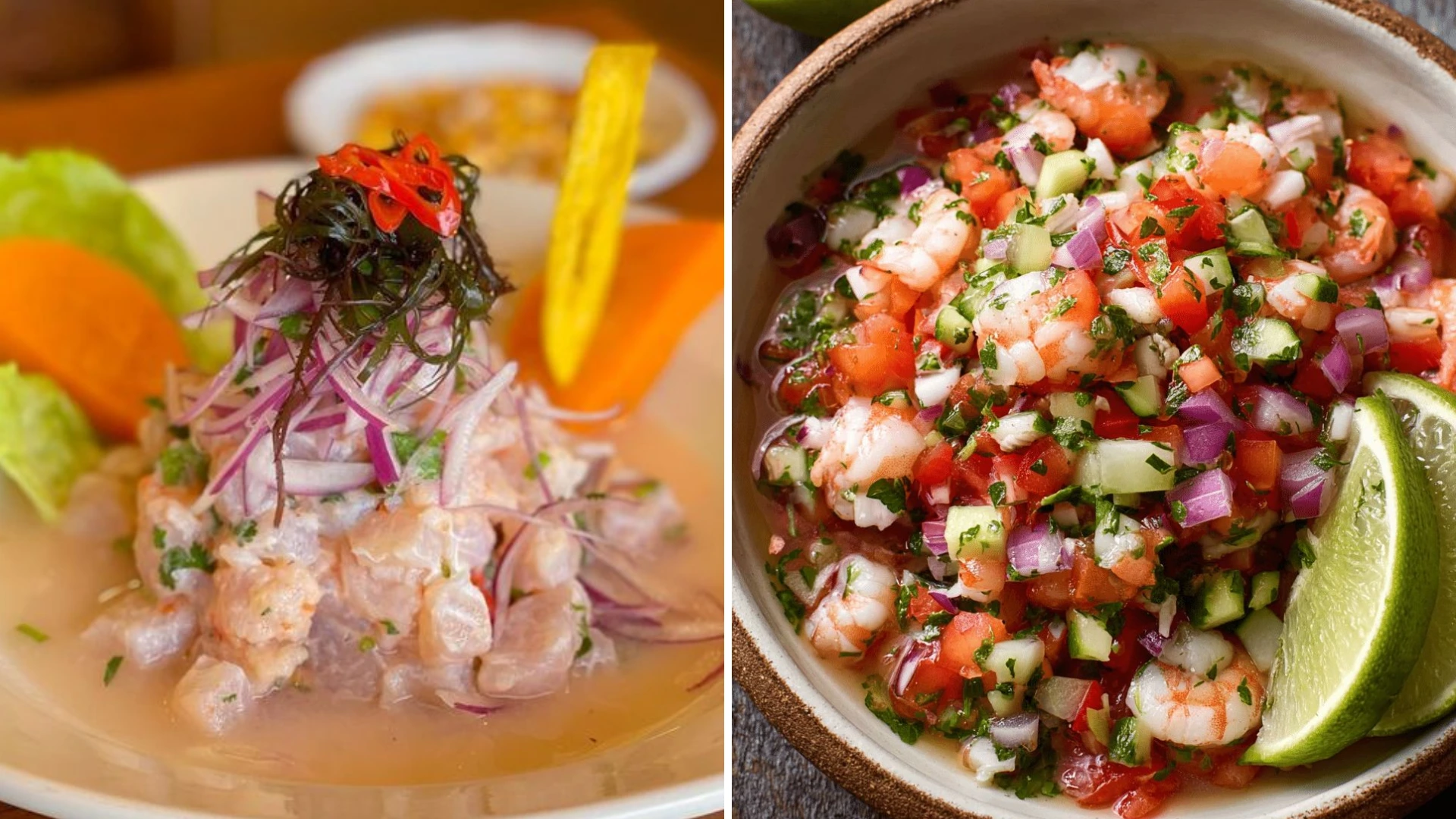
Peruvian ceviche embraces a minimalist approach with only fish, lime juice, onion, chili pepper, and cilantro, while Mexican ceviche includes tomato, cucumber, avocado, and other flavor additions. These variations are considered Regional and Shellfish Variants, which can use crab, octopus, salmon, or other types of seafood as well.
If we look at Regional Variants and Shellfish Variants again, it can be seen that both Peruvian Ceviche and Mexican Ceviche can be healthy, although each has slightly different sets of nutritional balances.
Safety, Preparation, and Frequency of Ceviche Consumption
Because ceviche is made from raw seafood, preparation safety cannot be taken too lightly. This is where most people tend to ask is ceviche safe to eat, particularly when they are experiencing ceviche for the first time or researching their options in raw seafood dishes in general. Proper handling is just as important as the freshness of the ingredients, which aligns directly with many discussions surrounding ceviche nutrition and food safety.
How to Prepare Ceviche and Its Fresh Ingredients
Preparation of food, such as ceviche, requires attention to food safety. Understanding that food safety and preparation go together is key for enjoying ceviche while minimizing risk. The seafood must be extremely fresh and kept cold at all times. All surfaces, cutting boards, and utensils should be clean. Lime juice changes the texture of the fish but does not fully kill bacteria, which is why freshness is essential when answering questions like is ceviche safe to eat.
Frequent Consumption of Ceviche
Many people like to eat ceviche on a regular basis, hence some might question if ceviche is healthy for daily consumption. While it can be part of any nutritious eating pattern due to its lean protein and fresh ingredients, which is okay, it should be eaten in moderation. The ideal would be alternating ceviche with other proteins for nutritional balance.
Pregnant individuals commonly wonder about questions like whether ceviche is safe to eat or whether ceviche is healthy during pregnancy. Due to the fact that ceviche includes raw seafood, most medical professionals tell pregnant women to avoid it. The safest thing to do is consult the healthcare provider before consuming any raw fish during pregnancy.
Peruvian Government Citation on Ceviche
Ceviche is a dish that holds cultural and nutritional significance in Peru. The Ministerio de Salud del Perú, or MINSA, highlights its benefits for health and proclaims that Ceviche has nutrients that prevent disease, which justifies the importance of this dish as a source of fresh seafood with minimal processing. This quote has been used time and again when referring to the health benefits of ceviche.
Peruvian Ceviche Recipe
Peruvian ceviche is known for its bright flavor and focus on fresh ingredients. Many food enthusiasts are looking for the best Peruvian ceviche recipe because it is a representation of Peru’s coastal cuisine.
How to Prepare Peruvian Ceviche
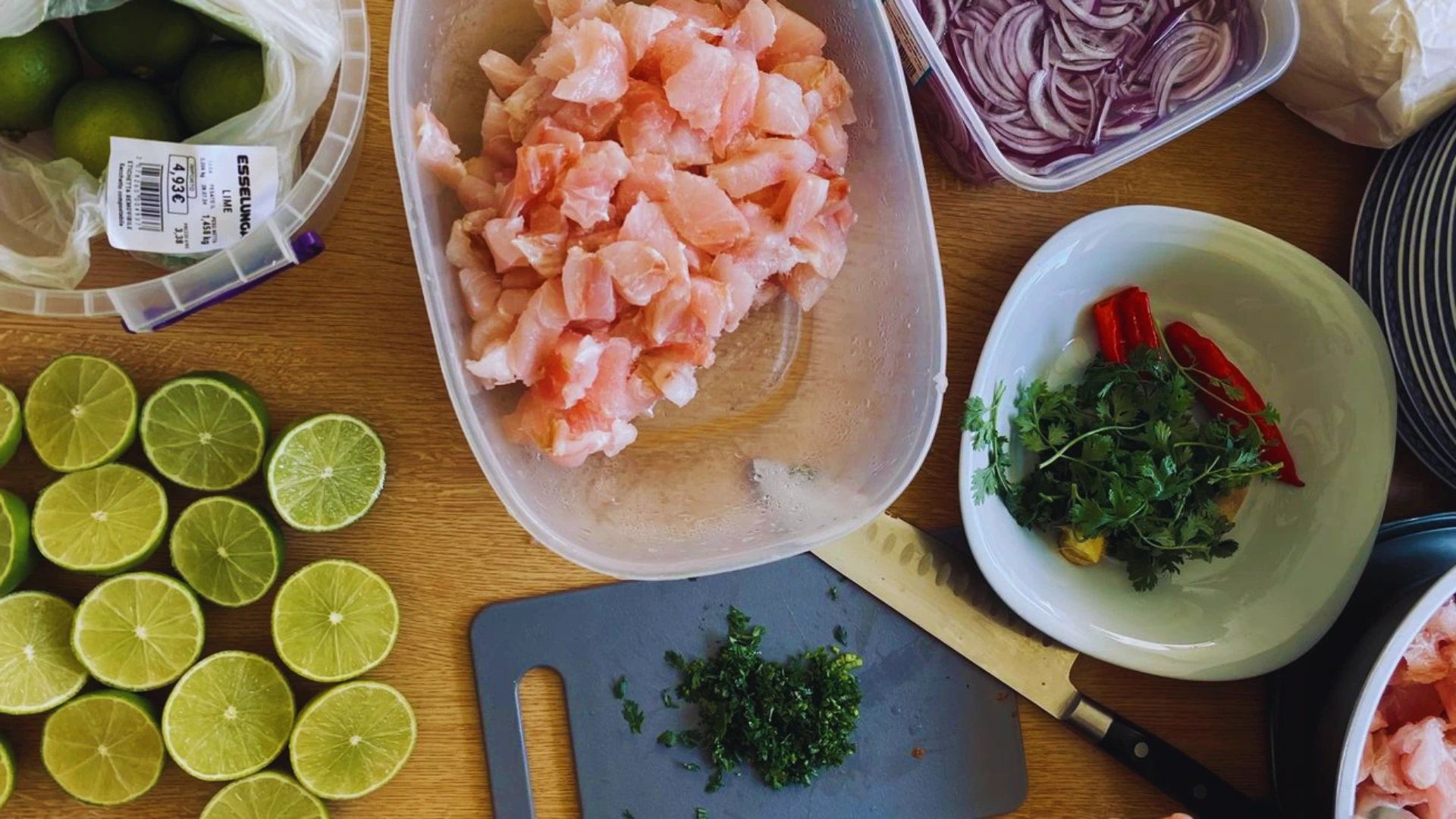
The essential ingredients of ceviche are:
Fish
• 300 g or about 10 oz of fresh white fish (sea bass, corvina, flounder, or halibut)
• Cut into small bite sized cubes
Citrus
• 12 to 14 fresh limes
• You will need about ¾ cup of fresh lime juice
Vegetables and Herbs
• 1 small red onion, thinly sliced
• A small handful of fresh cilantro, chopped
• 1 or 2 chili peppers (ají limo or red chili), thinly sliced
Seasoning
• 1 teaspoon salt
• ½ teaspoon crushed garlic
• 3 or 4 ice cubes
Optional Sides (Traditional)
• Boiled sweet potato slices
• Cooked Peruvian corn (choclo)
• Lettuce or plantain chips
How to make Peruvian Ceviche?
- Prepare the Fish (2 minutes)
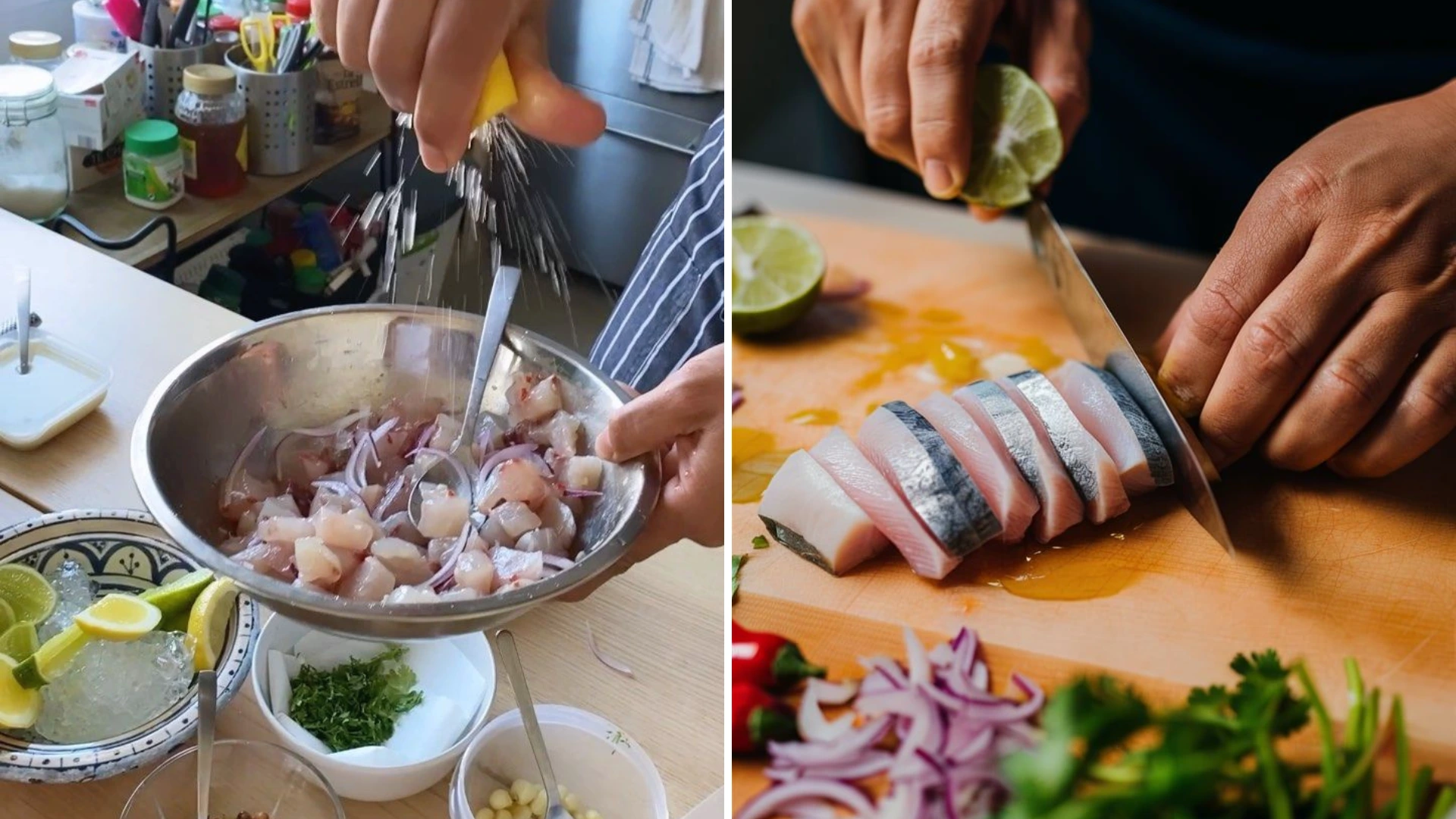
Cut the fresh fish into small, even cubes of about half an inch. The pieces should be similar in size so they marinate uniformly. Place the fish in a chilled glass or stainless-steel bowl.
- Add Salt and Garlic (30 seconds)
Sprinkle about one teaspoon of salt over the fish and add the crushed garlic. Mix gently with a spoon or your fingers. Seasoning early helps firm the fish slightly and enhances the flavor.
- Add Ice to Keep the Fish Firm (30 seconds)
Place three or four ice cubes directly into the bowl. This is a traditional Peruvian technique. It keeps the fish cool, firms the texture, and prevents the lime from “overcooking” it too fast.
- Squeeze the Fresh Lime Juice (3–4 minutes)
Squeeze your limes by hand using gentle pressure. Do not squeeze too hard or twist aggressively, as this extracts bitter oils from the skin.
You need about three-quarters of a cup of juice.
Immediately pour the lime juice over the fish. The fish will begin to turn opaque within seconds.
- Add Onion, Chili, and Cilantro (1 minute)
Add the thin slices of red onion, the chili pepper, and the finely chopped cilantro. These ingredients add crunch, heat, and freshness.
- Mix and Marinate Briefly (1–2 minutes)
Mix everything gently.
Traditional Peruvian ceviche does not marinate for long. It is served almost immediately to maintain freshness and firmness.
- Marination Time:
- Classic Peruvian style: 1 to 2 minutes
- If you prefer it more “cooked”: 5 minutes max
More than that and the fish becomes mushy and overly acidic.
- Taste and Adjust (30 seconds)
Remove the ice cubes.
Taste the liquid (leche de tigre). Adjust salt, lime, or chili as needed.
- Serve Immediately
Serve the ceviche right away, ideally chilled.
For a traditional presentation, pair it with:
-
- Sweet potato
- Choclo corn
- Lettuce
- Plantain chips
Leche de Tigre (Bonus Traditional Preparation)
If you want a more intense and creamy version of the marinade, blend the following:
- 2 tablespoons of diced fish
- ¼ cup lime juice
- 2 tablespoons fish stock or cold water
- 1 slice of ají limo
- A few cilantro stems
- Salt to taste
- A few ice cubes
Blend for 10-12 seconds and strain.
This is the concentrate often served in a shot glass.
Peruvian Shrimp Ceviche Recipe
In this Peruvian shrimp ceviche recipe, shrimp is substituted for the fish. After cleaning and placing it in the refrigerator to cool, the shrimp is then mixed with freshly squeezed lime juice, finely diced onions, chopped chili peppers, chopped cilantro, and salt. As a result, the final product is a slightly sweeter and firmer version of traditional ceviche.
Peruvian Mixed Seafood Ceviche Recipe
In the Peruvian style of mixed seafood ceviche recipe, fish, shrimp, octopus, scallops, and sometimes squid are combined. Compared to the shrimp ceviche recipe, this version offers a range of textures and a distinctive flavor. It is important to remember that keeping everything fresh is the best way to stay safe and to ensure quality.
Frequently asked questions about Is Ceviche Healthy? Nutrition, Calories, Benefits, and Authentic Peruvian Recipe
Ceviche is safe to eat when it is made with very fresh seafood and handled properly. The fish must be kept cold and prepared with clean tools. Lime juice changes the texture of the fish but does not fully eliminate bacteria, so freshness is essential.
A typical one hundred gram serving of white fish ceviche contains about ninety to one hundred twenty calories. The exact amount depends on the type of fish and added vegetables.
Yes, ceviche is naturally low in calories and rich in lean protein. These qualities support fullness without adding extra fats, making it a comfortable option for people seeking lighter meals.
Ceviche made with omega rich fish can support cardiovascular wellness. Fish contains omega fatty acids, and the vegetables and lime juice offer antioxidants that contribute to overall heart health.
Most people can enjoy ceviche regularly when it is prepared safely. Choosing fish with lower mercury levels and alternating seafood types helps maintain balanced consumption.
Yes, Peruvian ceviche and Ecuadorean ceviche are quite different in flavor, preparation, and ingredients. Peruvian ceviche is served very fresh and is marinated for only one or two minutes in lime juice with red onion, cilantro, salt, and spicy ají limo. It has a bright, clean, citrus forward taste. In contrast, Ecuadorean ceviche is more like a seafood cocktail. It is usually marinated longer, often includes tomato, orange juice, ketchup, mustard, or oil, and has a sweeter and more saucy flavor. While both versions are delicious, Peruvian ceviche focuses on simplicity and freshness, while Ecuadorean ceviche has a richer, more complex sauce.