Tambopata National Reserve: The Natural Treasure of Madre de Dios
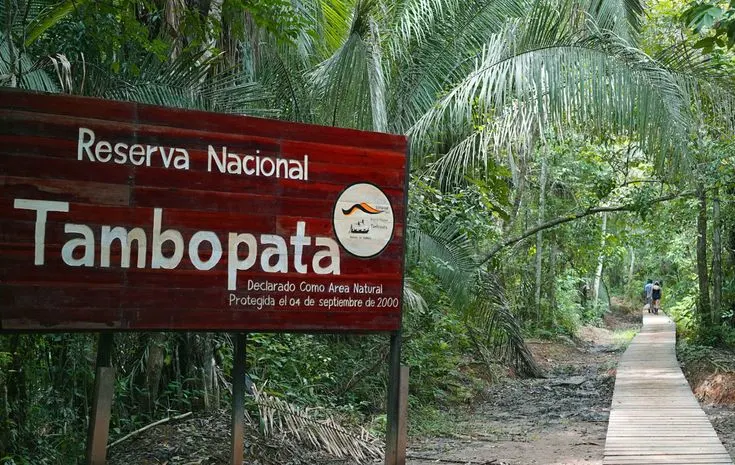
Concealed behind the Amazon jungle of southern Peru lies the Tambopata National Reserve, a truly remarkable region of South America. This colossal reserve in the Madre de Dios region shelters an astounding range of animal and plant life that makes it one of the world’s most biologically diverse areas. With vertical trees, meandering rivers, and a symphony of noises that fill the jungle during the day and night, Tambopata is a true paradise for nature enthusiasts, biologists, photographers, and tourists who wish to live in the Amazon in its original state.
Spanning more than 274,000 hectares, the reserve provides a sanctuary for threatened species and the atmosphere for scientific exploration. For the visitor, it provides the rare opportunity for deep environmental engagement, with every step exposing new life and color.
History of Tambopata National Reserve
The Tambopata National Reserve was established in 1989 with the intention of protecting the ecologically unique ecosystems of the Tambopata River basin. This awareness of the need to start an effort to preserve the Amazon rainforest from cutting and hunting and illegal mining by the Peruvian government at that time. Today, it is one of the areas of high conservation value in Peru, and the second largest after the Manú National Park.
This area has long been used by local communities that include the Ese Eja, Pukirieri, and Harakbut peoples. These communities maintain a spiritual and practical link to the forest they sustainably live from the resources of the forests while keeping it in balance. Their traditions passed on for generations through time, continue to be essential for modern conservation in Tambopata.
The reserve has a variety of habitats that include floodplain forests, palm swamps, bamboo forests and oxbow lakes. This variety of habitats provides optimal conditions for many animal and plant species, making Tambopata one of the most biodiverse ecosystems on the planet.
A Paradise of Biodiversity
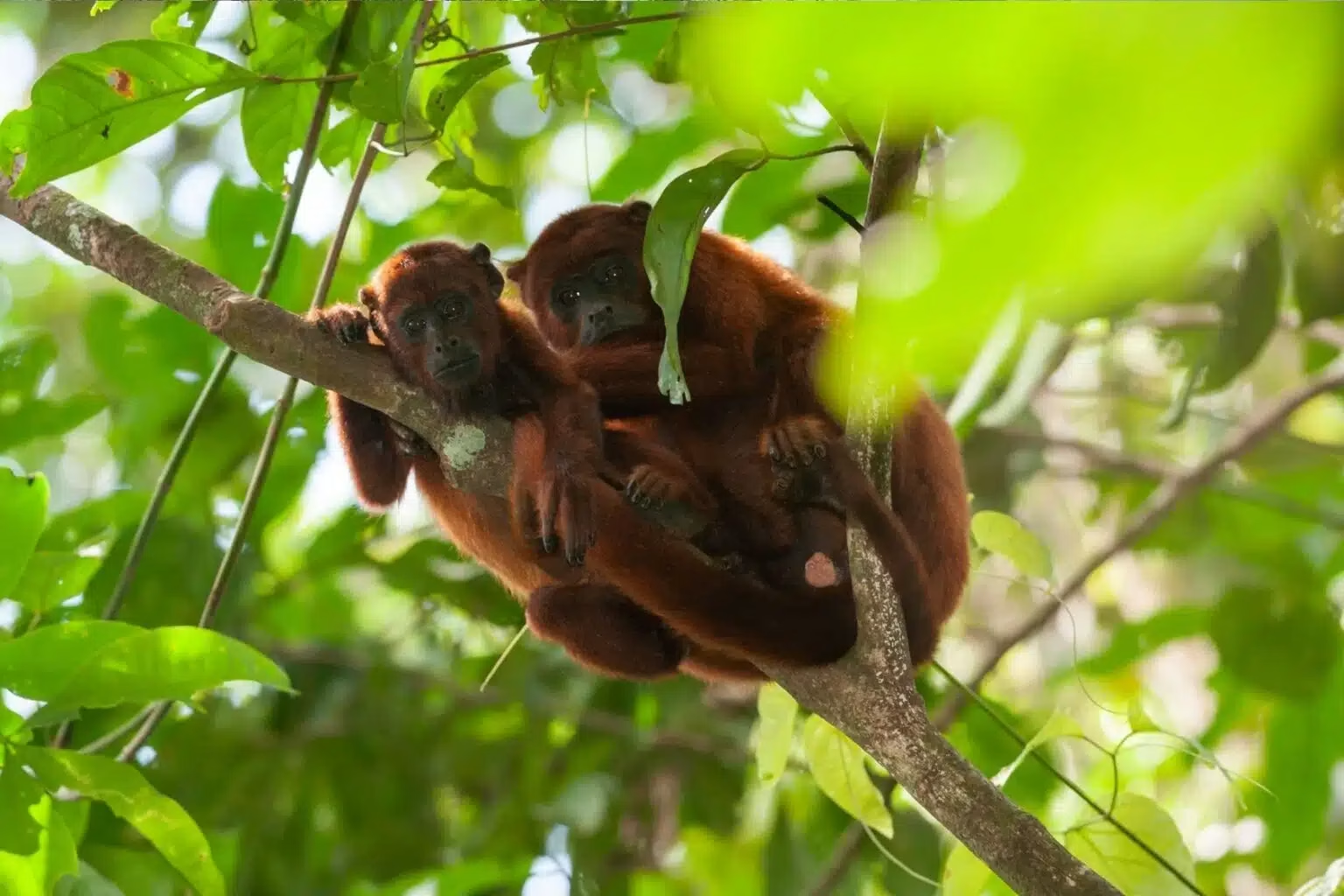
The biodiversity in Tambopata is incredible. More than 600 species of birds have been documented, which include macaws, toucans, and harpy eagles. There are also over 160 species of mammals in the reserve, which include jaguars, giant river otters, tapirs, and several species of monkeys. More than 1,000 species of butterflies have been documented in the region as well. Which add a tremendous amount of color to the forest canopy.
The flora is also incredible. Over 1,700 plant species are native to the reserve, some of which are not formally described or named by science. The area also has giant ceiba trees that surpass 30 m in height. And the thick green corridors of palm trees and ferns are host to a variety of forest wildlife.
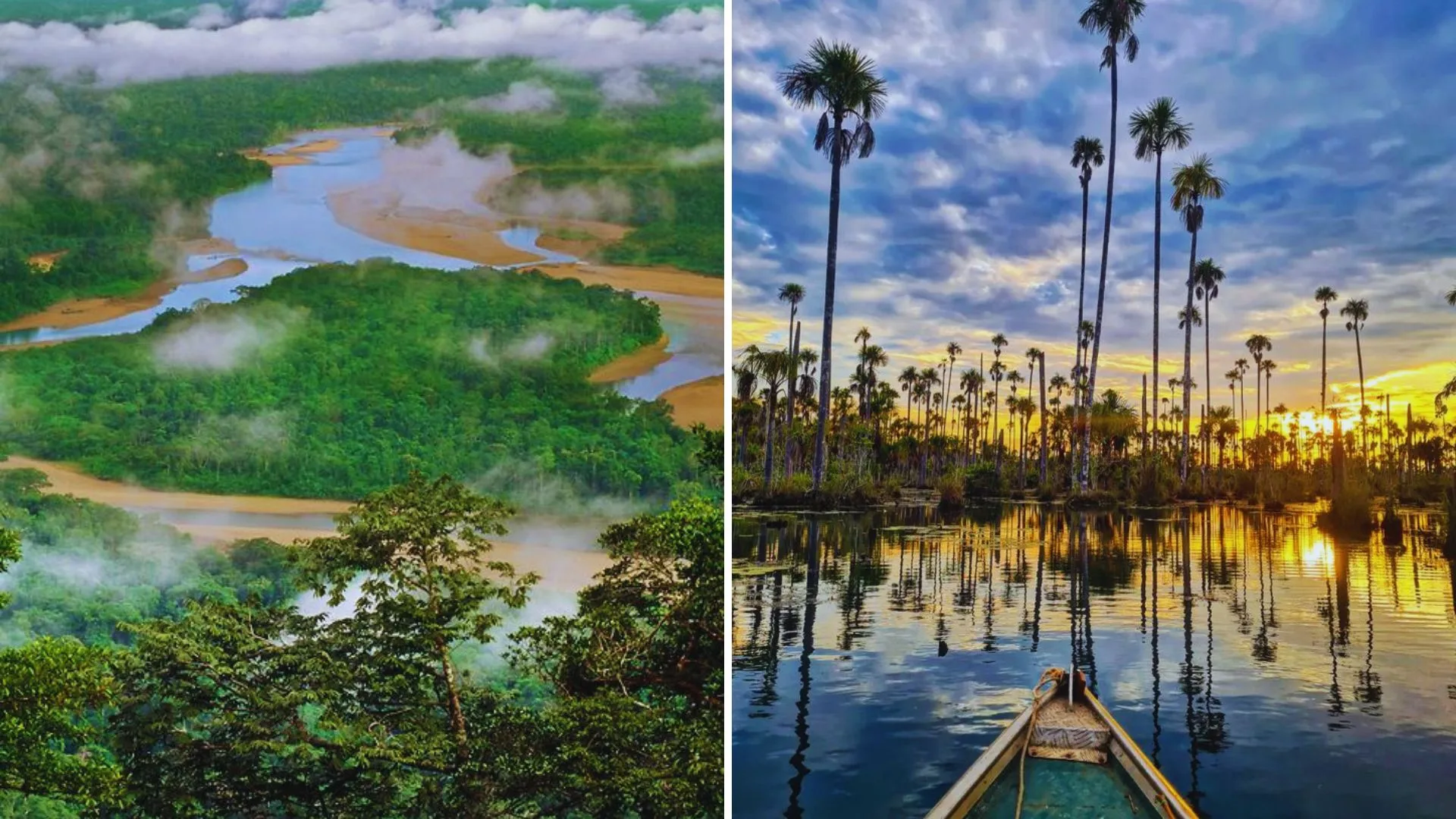
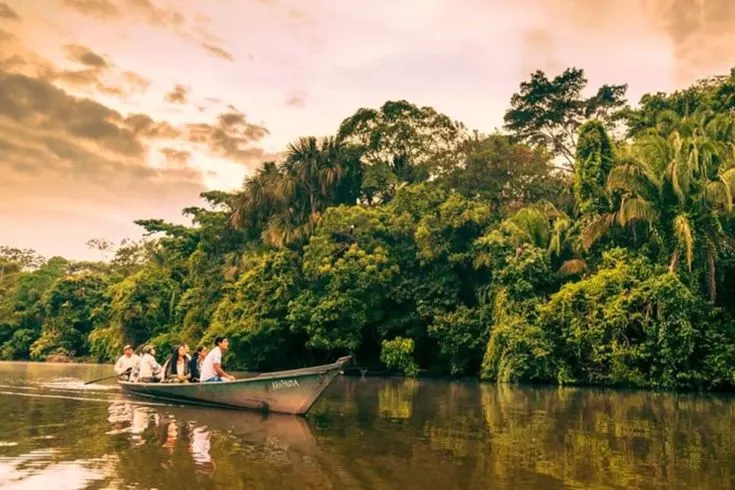
The Tambopata River meanders soothingly through the reserve and is the primary lifeblood of this immense natural environment. The river interconnects isolated neighbors, conveys nutrients to the land, and continues to be the avenue for explorers and researchers to travel to the heart of the rainforest.
Main Attractions and Experiences
A trip to Tambopata National Reserve is a captivating experience which combines exploration, relaxation, and learning. Each corner of the reserve reveals the complexity and beauty of the Amazon ecosystem.
Macaw Clay Licks
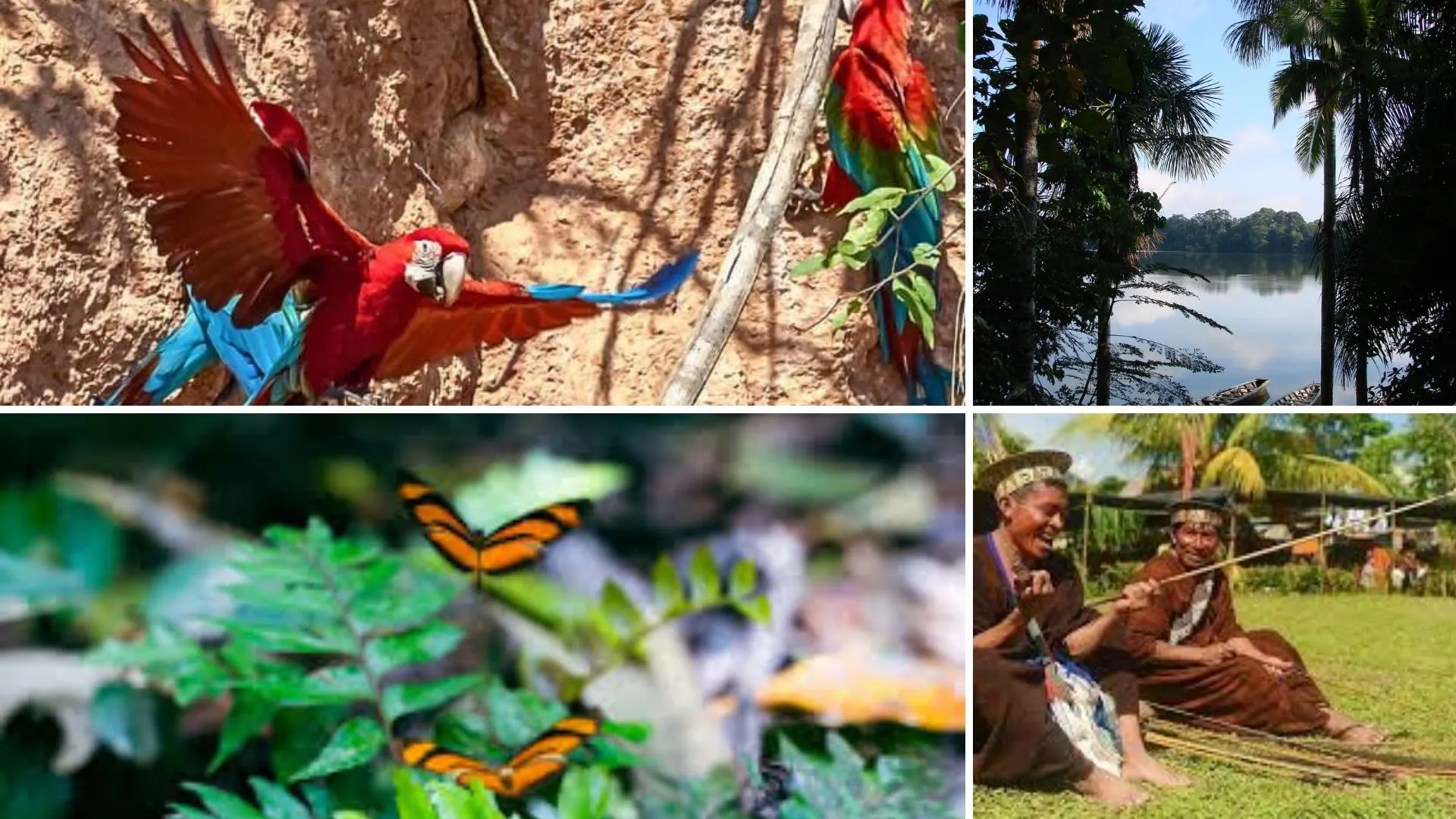
An awesome natural spectacle occurs in Tambopata when the macaw clay licks which are generally called “collpas” are in full effect. These clay walls lining the river banks draw hundreds of colorful macaws, parrots, and parakeets each morning. The birds come to ingest the mineral rich clay to help them digest the toxins from the fruits they eat. It is an incredible moment for travelers to witness such color and diversity of birds at sunrise while the forest is filled with their calls!
Lake Sandoval
A short boat ride from Puerto Maldonado, Lake Sandoval is one of the most beautiful oxbow lakes in the Amazon. Serene and calm, the surface of the lake is a perfect mirror for the palm trees and sky. This tranquility is a stark contrast to the wildlife that inhabits the lake area. Tourists have a chance to see giant otters, black caiman, turtles, and capybaras. In the early morning the mist sets the mood for mystical actions and adventure, nothing is more magical as a backdrop for wildlife photography or quiet observation, than a misty ambere lake.
Butterflies and Flora
Tambopata is a dream destination for people who love butterflies. More than one thousand species fly around the reserve, each with its own unique patterns and color. The area is perfect for these seasonal insects because of a combo of sun, humidity and many diverse plants. You will come across clusters of butterflies perched at a riverbank licking the minerals from the soil along the forested banks.
The vegetation found in the reserve is just as fascinating. Visitors will discover medicinal plants, huge trees like the Brazil nut tree, and vines that healers have been using for centuries. Guides will often explain how traditional knowledge has aided scientists in understanding the ecological balance of the Amazon.
Native Communities
As much as anything else, visiting the Ese Eja people is the highlight of your time in Tambopata. Their villages are the oldest to be established in the area. The cultural tours that are led by guides involve learning about their traditional culture, fishing sustainably, and using medicinal plants. Most visitors claim this is the highlight of their visit, for it humanizes the untouched beauty of the Tambopata industry by taking you through the stories of people who have actually lived there for generations.
How to get?
How to Get to Tambopata National Reserve
Traveling to Tambopata in itself is an experience. Travelers begin their journey in the Andean highlands and then descend to the tropical lowland jungle. The journey begins with a flight to the town of Puerto Maldonado, capital of Madre de Dios. Flights from Lima (90 minutes) and Cusco (30 minutes) are offered daily.
Starting from Puerto Maldonado, travelers will take a road journey of nearly 25 kilometers to the small community of Infierno, where they will get into a motorized canoe. The boat journey along the Tambopata River takes approximately two hours and provides the first opportunity to catch sight of wildlife along the banks.
For foreigners, entrance fees to the reserve are 30 soles and for Peruvian nationals, they are 15 soles. Visitors should try to take their passport with them, and a copy of their vaccination card; proof of the yellow fever vaccine may be asked for. It is ideal that visitors also book entry through an authorized tour operator, not only for your own safety, but also in helping contribute to conservation efforts.
Weather and Best Time to Visit
Tambopata experiences a tropical climate with warmth and humidity throughout the year, with temperatures ranging from 17°C to 39°C (62°F to 102°F). The dry season (from May to November) is usually regarded as the best time to travel, with fewer mosquitoes and easier access to trails and observation points.
In the durability and annual rainfall periods of December to April, the foliage becomes more green, waterways come up, and extra options for canoeing in flooded forests happen. Although it rains, these months will offer some extraordinary opportunities for photography and enjoyment of the rainforest at its most plush and lush form.
Lodges and Responsible Tourism
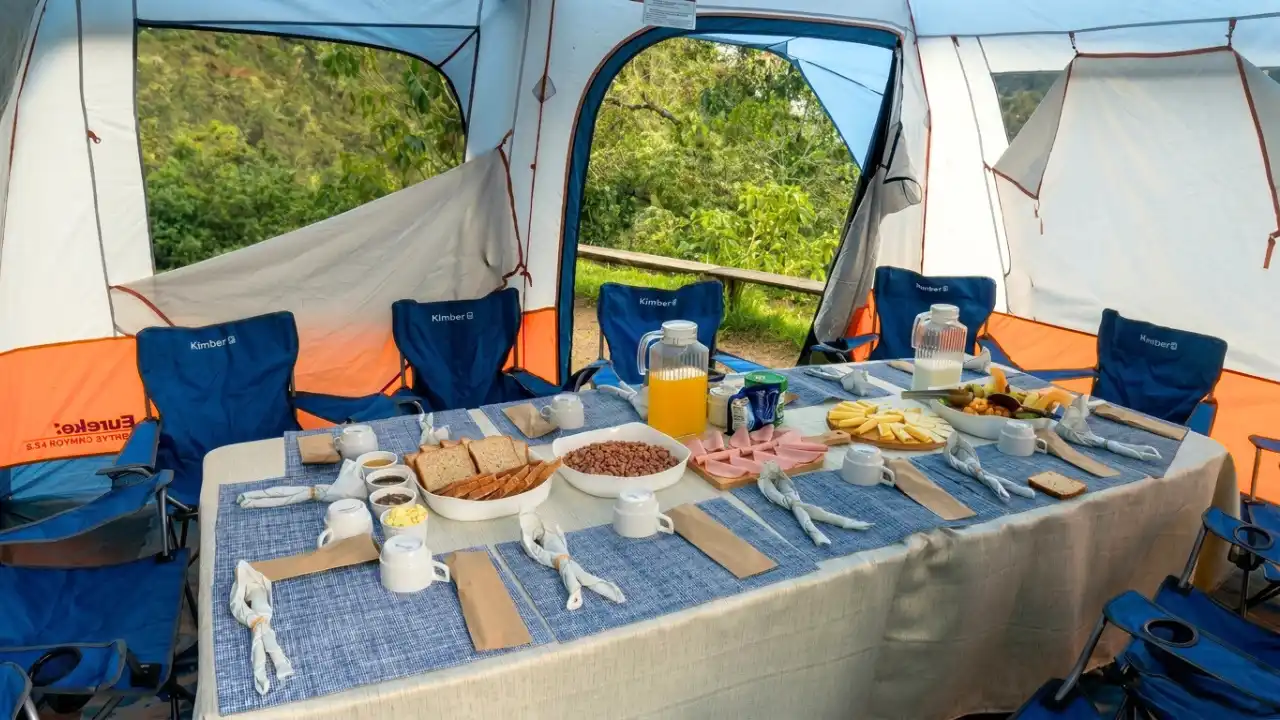
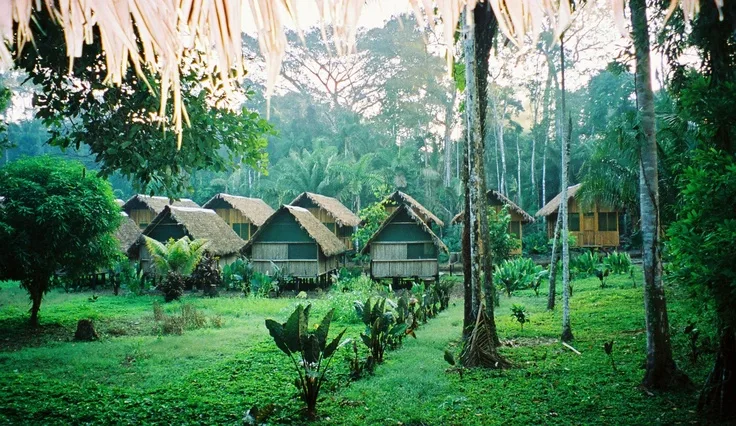
Tambopata National Reserve is an excellent example of sustainable tourism. There are several eco-lodges located in or nearby the reserve which offer a comfortable place to stay while harmonizing with nature. The lodges utilize solar power, biodegradable products, and other locally based materials to minimize their ecological footprint while contributing to the local community.
A number of lodges provide guided excursions with local naturalists who have rich backgrounds in the flora and fauna of the area. Evening walks, canopy towers, and river safaris are some of the most popular activities, taking visitors to search for caiman, monkeys, and nocturnal birds.
Tambopata is also known for encouraging inclusive tourism among senior travelers, families, and persons with disabilities. By supporting responsible tourism practices, the reserve protects wildlife and continues to bring this experience of wonder to generations to come.
Frequently asked questions about Tambopata National Reserve: The Natural Treasure of Madre de Dios
Tambopata National Reserve is located in the Madre de Dios region of southeastern Peru, near the city of Puerto Maldonado, right in the heart of the Amazon rainforest.
You can fly from Lima or Cusco to Puerto Maldonado, then take a short car ride and a boat trip along the Tambopata River to reach the reserve’s main entrance.
It’s famous for its incredible biodiversity, including macaws, jaguars, monkeys, and giant otters, as well as its pristine Amazon rainforest and sustainable eco-lodges.
The best time to visit Tambopata is during the dry season, from May to November, when trails are easier to access and wildlife viewing is at its peak.
Yes, visitors should have the yellow fever vaccine and carry an entry permit, which costs 30 soles for foreigners and 15 soles for Peruvians. It’s also best to visit with an authorized tour agency.