
What to Wear at Machu Picchu: Complete Packing List & Outfit Guide
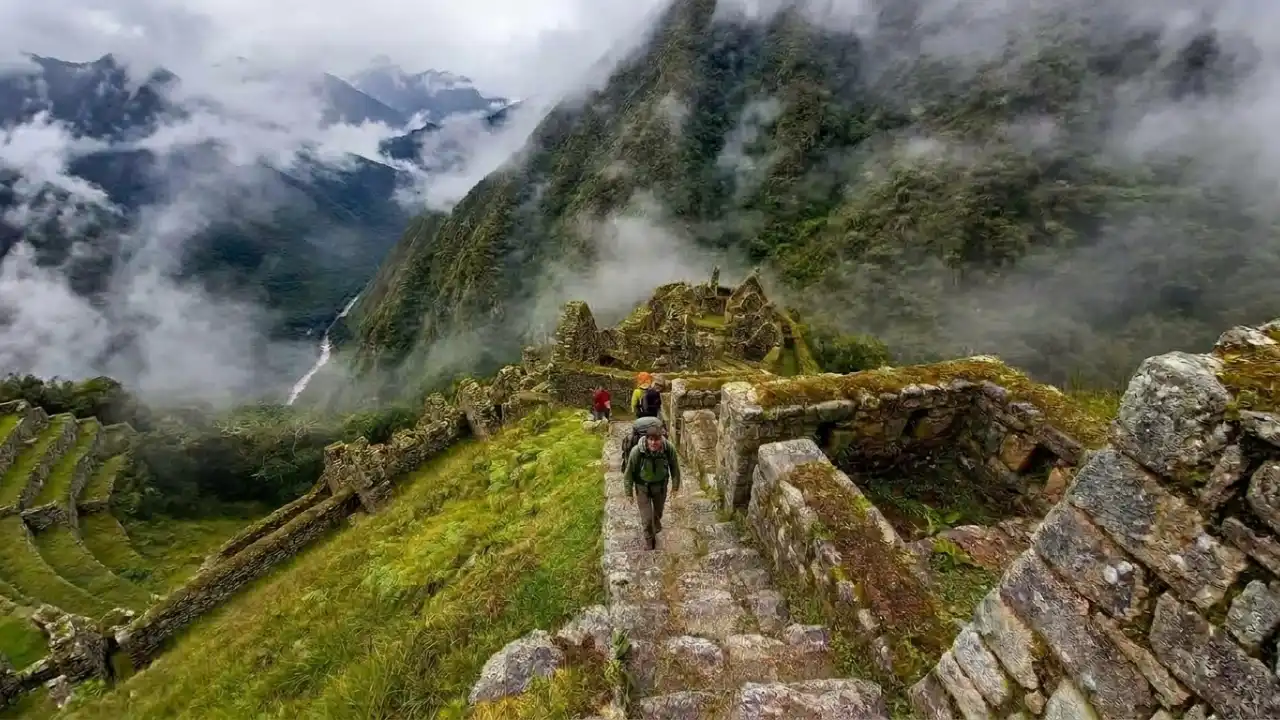
If Machu Picchu is on your dream list and you’re about to check it off I know exactly how you feel. The anticipation is real. But so is the rain, the wind, and that mist that rolls in without warning at 11 in the morning. The Inca architecture that smells of history when rain soaks the stones. The mountains wrapped in green clouds. The strange silence you feel among the stone terraces at 7,970 feet of altitude. If you don’t prepare for the climate you won’t be able to enjoy any of that and that would be a huge waste.
According to one traveler, Machu Picchu has always been on my bucket list. And when I finally visited for the first time, I realized I had no idea what to wear. I literally stood among the ruins soaking wet in a cotton t-shirt that had doubled in weight. Since then I keep coming back each visit teaches me something new and what I learned about the climate and clothing changed everything.
Why the Layering System Is the Key to Dressing at Machu Picchu
Machu Picchu (7,970 ft / 2,430 m above sea level) sits in the Peruvian Andes within a cloud forest. That combination of altitude and ecosystem creates a microclimate that even experienced travelers constantly underestimate. It’s normal to have clear skies at 10 am, be sweating in your fleece, and by 11:30 am be caught in heavy drizzle. And by 3 pm the sun returns like nothing happened.
The solution is not to pack your entire wardrobe. The answer every experienced traveler gives is always the same: layers. A base layer to manage sweat moisture, a mid-layer to retain body heat, and an outer layer to protect from water. Master that combination and you’ll be comfortable no matter what the mountain throws at you.
TECHNICAL TIP
Don’t use weather apps to plan your outfit at Machu Picchu they are notoriously inaccurate for this specific microclimate. Your best option is always to come prepared for every possible scenario and adjust clothing on-site based on the conditions you find.
Essential Clothing: What to Pack for Machu Picchu
If you’re looking for the perfect Machu Picchu outfit, here’s the reality: there is no single look that works. The clothing that really serves you here is functional, flexible, and prepared for the climate not for Instagram photos. Here’s each layer explained in detail.
Base Layer: The Layer Against Your Skin
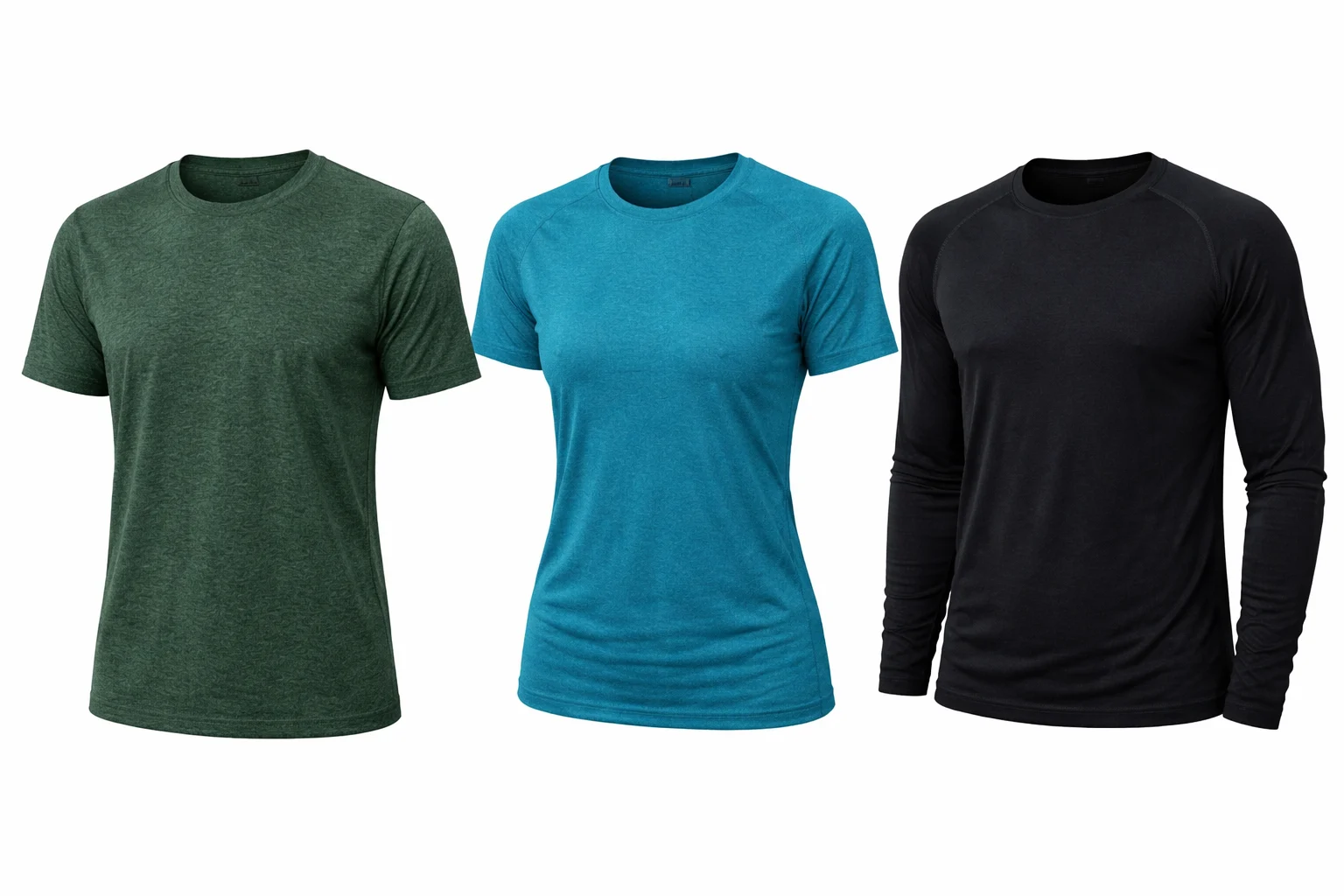
Your base layer is the first line of defense against moisture. Completely discard cotton once it gets wet it won’t dry and will make you cold immediately. The options that work are:
- Merino wool t-shirts or tops regulate body temperature naturally, resist odor even after hours of hiking, and dry much faster than any cotton garment. This is the premium option.
- Synthetic moisture-wicking t-shirts lighter and generally cheaper than merino. Excellent for warm days when the sun beats down on the stone terraces.
- Long-sleeve base layer very useful if you plan to hike to the Sun Gate or if you arrive in the early entry slot when the cold still dominates.
Pack two to three base layer tops. You’ll sweat on the trails especially on the steep steps climbing toward Huayna Picchu or Machu Picchu Mountain and having a fresh garment is essential if you stay several days in Aguas Calientes (2,040 m / 6,693 ft above sea level).
Mid-Layer: Fleece or Insulating Jacket for Cold Mornings
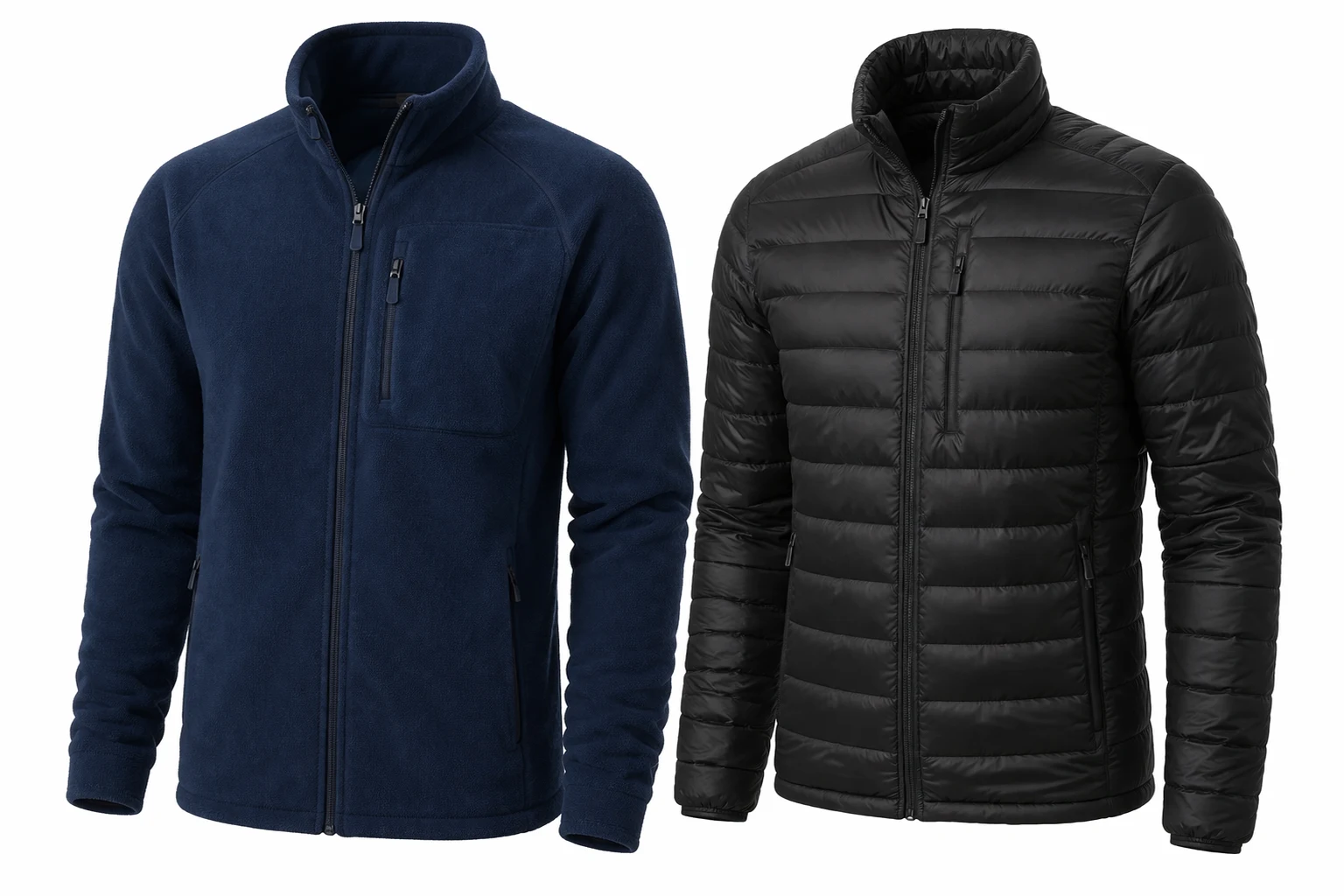
Morning temperatures at Machu Picchu range between 50–60°F (10–15°C). A mid-layer traps body heat and makes an enormous difference when clouds arrive and the sun disappears in minutes.
- Lightweight fleece breathes well, compresses into little space in the pack, and is incredibly versatile for layering. A 100g or 200g fleece is the ideal weight for Machu Picchu.
- Down or synthetic jacket excellent for very cold mornings or if you visit between May and August when skies are clearer but nights and early mornings are colder.
Outer Waterproof Layer: The Rain Jacket You Can’t Leave at Home
This is the most important garment in your luggage. A truly waterproof jacket not a plastic poncho, not a windbreaker, but a technical jacket with sealed seams and at least 10,000mm waterproof rating is your best friend at Machu Picchu.
IMPORTANT WARNING: The cheap plastic ponchos sold at the site entrance are better than nothing but breathe absolutely nothing. They leave you sweaty inside and you end up wet anyway. If you can bring a technical rain jacket from home, do it it’s one of the investments you’ll be most grateful for.
Pants and Bottoms: Function Over Aesthetics
For bottoms, comfort and functionality always win over style. Your outfit in Machu Picchu must be completely practical:
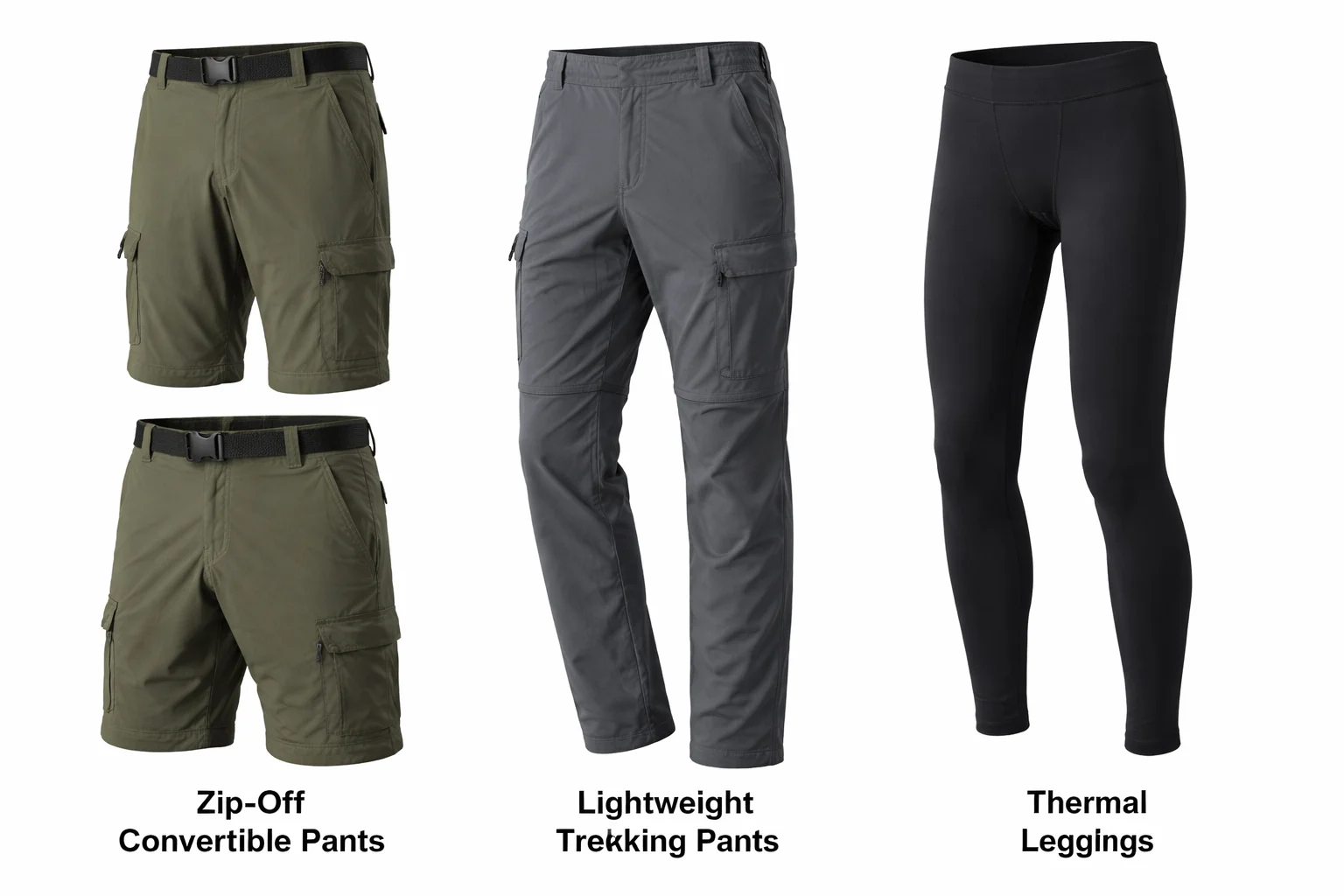
- Zip-off convertible pants convert to shorts when the temperature rises. The most versatile option for a day in the ruins where the weather can change several times.
- Lightweight trekking pants quick-dry fabric with some stretch for climbing the steep stone steps without restricted movement.
- Leggings or thermal tights excellent as an additional layer under pants for very cold mornings, especially if you enter on the first 6am slot.
- Avoid jeans they weigh a lot when wet, take hours to dry, and are uncomfortable for long walks across steps and uneven terrain.
Recommended Outfits by Weather
| 🌞 Warm Days (Dry Season) | 🌧️ Rainy Days (Wet Season) | 🌄 Early Entry (6am) | 🥾 Inca Trail |
|---|---|---|---|
|
|
|
|
Technical Footwear for Machu Picchu: The Most Important Gear Decision
Choosing what footwear to bring to Machu Picchu may be the most important gear decision you make for this trip. The trails inside the archaeological site are ancient stone irregular, slippery when wet, and full of steep steps. The right footwear can be the difference between an incredible day and a painful one.
Best Hiking Footwear Options for Machu Picchu
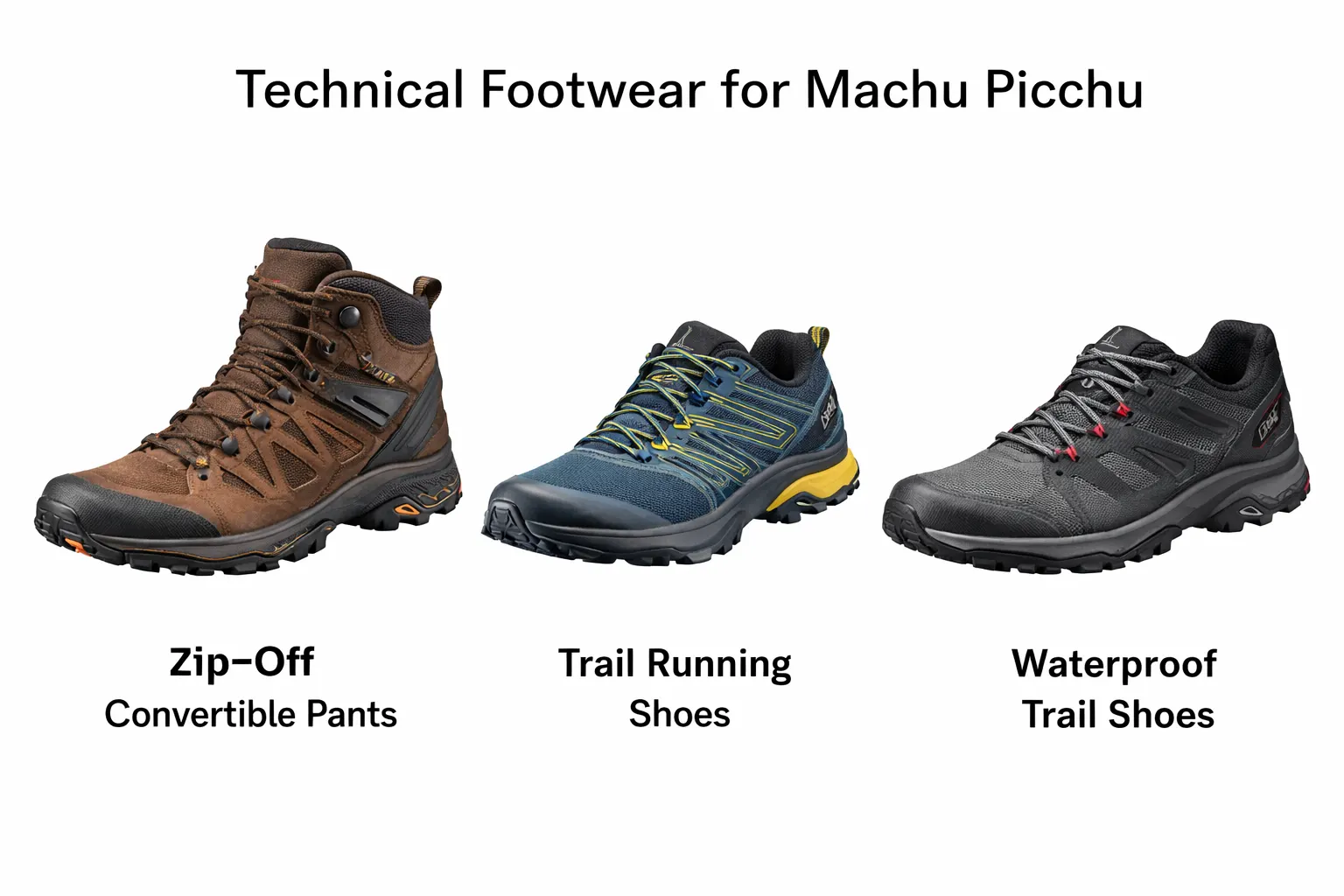
- Waterproof low-to-mid cut hiking boots the gold standard for Machu Picchu. Ankle support is especially useful if you plan to climb Huayna Picchu (2,720 m / 8,924 ft) or Machu Picchu Mountain (3,082 m / 10,111 ft).
- Trail running shoes lighter than boots but still with good grip. Work well for the main ruins circuit in dry season.
- Waterproof trail shoes an interesting middle ground. Easier to pack and wear on travel days but with real water protection.
Footwear to Avoid at Machu Picchu
- Flip-flops or open sandals prohibited on most trails and dangerous on wet stone.
- Flat-sole shoes like Vans or Converse zero grip on stone steps. You will likely slip.
- Brand new unworn boots break them in at home before traveling. Blisters at altitude without a pharmacy nearby is a genuinely bad situation.
TECHNICAL FOOTWEAR TIP: If you can only bring one pair of shoes, make them waterproof hiking boots or trail shoes with a Gore-Tex membrane. They’ll work both at the ruins, on the hike up, and on the cobblestone streets of Cusco without any problem.
Socks: The Detail That Changes Everything
Merino wool or technical synthetic socks not cotton, not cheap ones are worth every cent they cost. They cushion the foot, reduce friction, and stay relatively warm even when wet. Bring two or three pairs for any trip over two days. For the Inca Trail bring a minimum of four pairs.
Accessories That Really Matter at Machu Picchu
High-Altitude Sun Protection
At high altitude UV radiation is significantly more intense than at sea level. The difference is real: at 7,970 feet the atmosphere filters much less solar radiation and you can burn even on cloudy days because clouds don’t block UV rays. Don’t skip any of these:
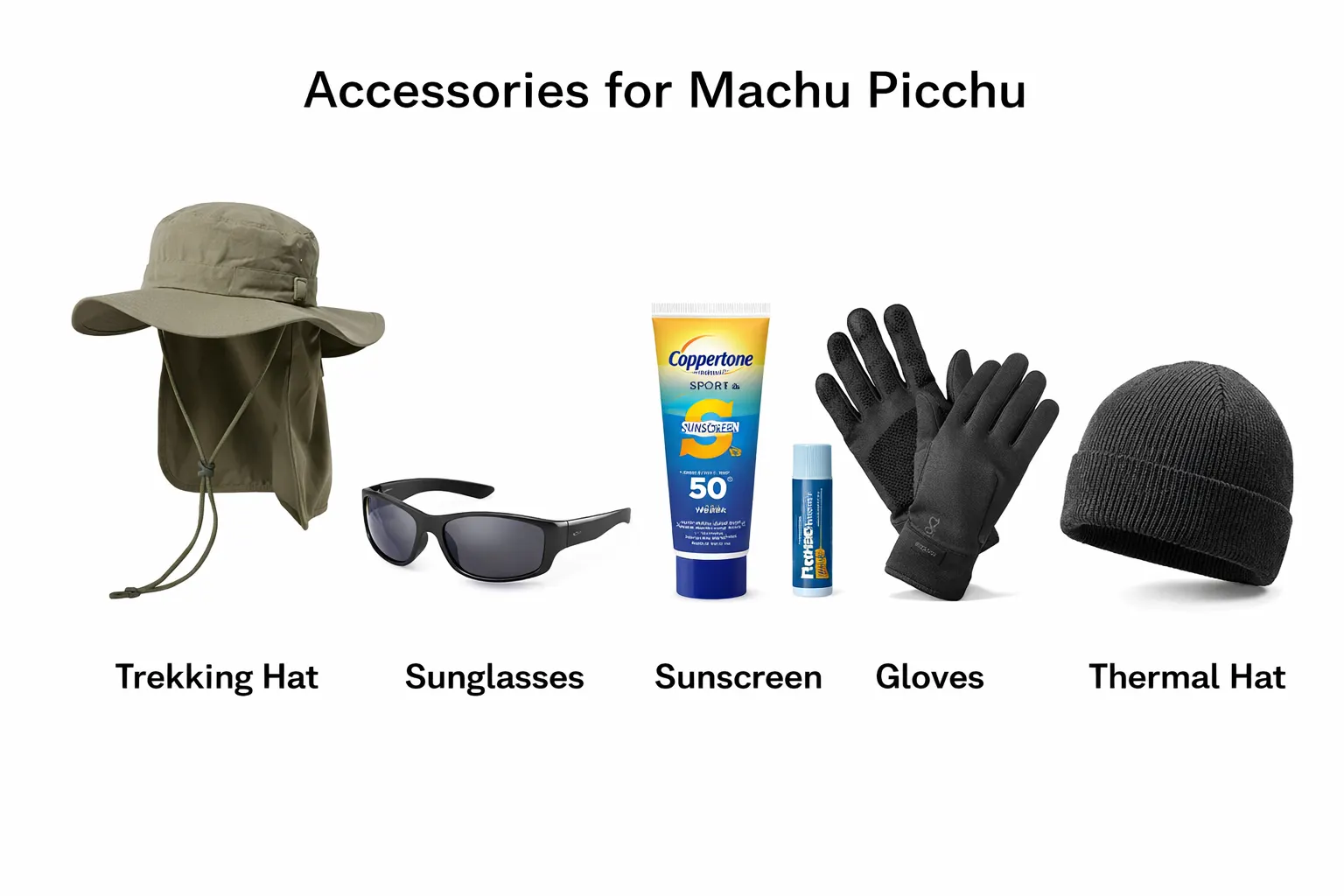
- Wide-brim hat or trekking hat with neck protection direct protection is more effective than any sunscreen.
- Sunglasses with UV400 protection not just for comfort but real eye protection at this altitude.
- Sunscreen SPF 50+ reapply every two hours or after heavy sweating. Altitude and the reflection from the white stone make it indispensable.
- Lip balm with SPF lips are among the first to burn and the most forgotten in packing.
Gloves and Thermal Hat for Cold Mornings
If you’re entering in the first morning slot, especially between May and September, a lightweight hat and thin gloves are worth it. Morning temperatures can drop to 45°F (7°C) and when you’re waiting for the gates to open at 6 am without moving, that cold feels much more intense than you’d imagine.
Day Pack: Right Size and Weight
A 20–25 liter pack is the ideal size for Machu Picchu. It’s large enough to store all your layers, water, snacks, and camera without being so bulky as to be annoying on narrow trails. Large suitcases and rolling luggage are not permitted inside the archaeological site. Leave your main luggage at your hotel in Aguas Calientes before taking the bus up.
What to Wear in Machu Picchu by Month and Season
One of the most frequent questions is what to wear in Machu Picchu depending on the month of visit. What you bring in May, July, or August in peak dry season is very different from what you need in November, December, or February. April sits right at the transition point. Here’s the complete technical breakdown.
| Season | Months | Conditions | Key Clothing |
|---|---|---|---|
| Dry Season | May – October | Clearer skies, cold nights, morning mist, high tourist season Jun–Aug | Layers, fleece, light rain jacket, hat, sunscreen |
| Wet Season | November – April | More rain, intensely green ruins, fewer tourists, more challenging Inca Trail sections | Waterproof everything, quick-dry pants, gaiters, membrane boots |
| Transition Season | April & November | Mix of both conditions can be spectacular or unpredictably difficult | Full layering system bring everything and adjust on the spot |
Month-by-Month Breakdown: What to Wear in Machu Picchu
April: transition month between wet and dry season. The full layering system is essential because anything can happen in the same day.
July and August: cold mornings, frequently beautiful afternoons with clear skies. Fleece and rain jacket in the pack are your base combination.
December and February: intense wet season. Waterproofs are the absolute priority. The ruins look incredible in thick mist but the wrong clothing completely ruins the experience.
November: very similar to April. Unpredictable. Pack for every possible scenario.
Is It Worth Visiting Machu Picchu in Rainy Season?
Completely. The ruins look absolutely stunning in the mist there’s a mystical atmosphere you simply can’t get in dry season when thousands of tourists share the same space. Prices tend to drop and the experience is much more peaceful. You just need to respect the weather conditions and dress correctly. A good technical rain jacket and waterproof boots close practically the entire comfort gap.
What to Pack for the Inca Trail: Clothing and Gear List
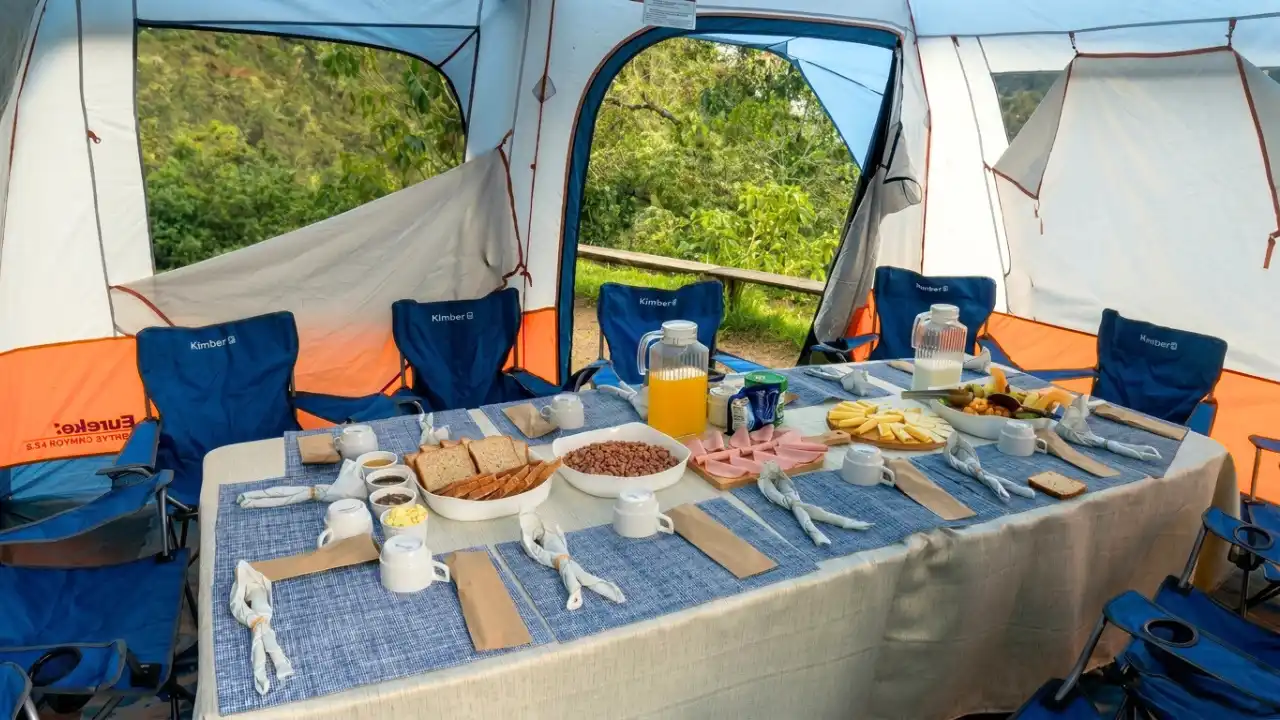
The Inca Trail is a completely different experience from a day visit to the archaeological site. It’s 3 nights camping at high altitude, crossing multiple climate zones, and 26 miles (42 km) on foot over varied terrain. Your clothing list needs to expand significantly.
Essential Additional Layers for the Inca Trail
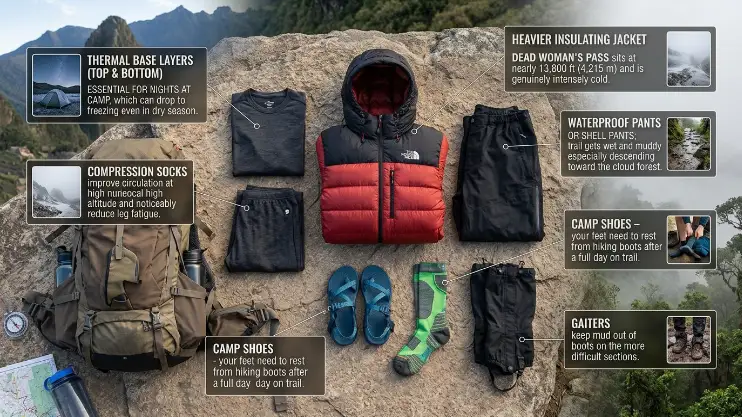
- Full thermal base layer (top and bottom) essential for nights at camp which can drop to freezing temperatures even in dry season.
- Heavier insulating jacket Dead Woman’s Pass sits at nearly 13,800 ft (4,215 m) and it is genuinely intensely cold even in good conditions.
- Waterproof pants or shell pants the trail gets wet and muddy in several sections especially on the descents toward the cloud forest.
- Camp shoes your feet need to rest from hiking boots after a full day on trail.
- Compression socks improve circulation at high altitude and noticeably reduce leg fatigue.
- Gaiters keep mud out of boots on the more difficult sections.
PORTER WEIGHT LIMIT: Your porter has a weight limit of approximately 6 kg (13 lbs). Every clothing item needs to justify its place in the pack. Prioritize function and choose garments that do double duty merino base layers that work both as base layer and light mid-layer are perfect for this.
What NOT to Wear at Machu Picchu
- Heels or dress shoes genuinely dangerous on stone steps. Leave them at the hotel.
- Overly revealing clothing Machu Picchu is a UNESCO World Cultural Heritage site and authorities expect a respectful dress code.
- Large backpacks over 25 liters restricted on certain trails inside the site and inconvenient in narrow spaces.
- White or very light-colored clothing you will get dirty from mud, dust, and water. Light colors show absolutely everything.
- Perfume or strongly scented products you’re in a sensitive ecological zone and strong scents can attract insects or affect the local ecosystem.
What to Wear in Cusco: The City You Visit Before Machu Picchu
Most travelers pass through Cusco first. But many people don’t think about Cusco clothing separately from Machu Picchu clothing and they should. Cusco (11,152 ft / 3,400 m above sea level) is significantly higher than Machu Picchu and much more exposed to sharp temperature changes between day and night.
During the day Cusco is quite pleasant around 60–68°F (15–20°C) in dry season. But once the sun goes down, the temperature drops quickly. At night it regularly falls to 35–45°F (2–7°C) and in peak dry season between June and August you may find real frost on the streets.
Recommended Clothing Specifically for Cusco
- Thermal or down puffer jacket non-negotiable for the nights. The Plaza de Armas feels dramatically colder after 6 pm when the sun disappears behind the hills.
- Sweaters or warm mid-layers alpaca wool sweaters sold in local markets are excellent and a purchase that doubles as a functional travel souvenir.
- Long pants jeans are fine here. Dress pants work for the more formal restaurants in the Historic Centre.
- Comfortable walking shoes or light boots Cusco’s cobblestone streets are uneven. You need something with good grip especially when it rains.
- Thermal underwear if you arrive between June and August and plan to go out at night to explore the city, it’s completely worth it.
- Rain jacket your Machu Picchu rain jacket works perfectly in Cusco too.
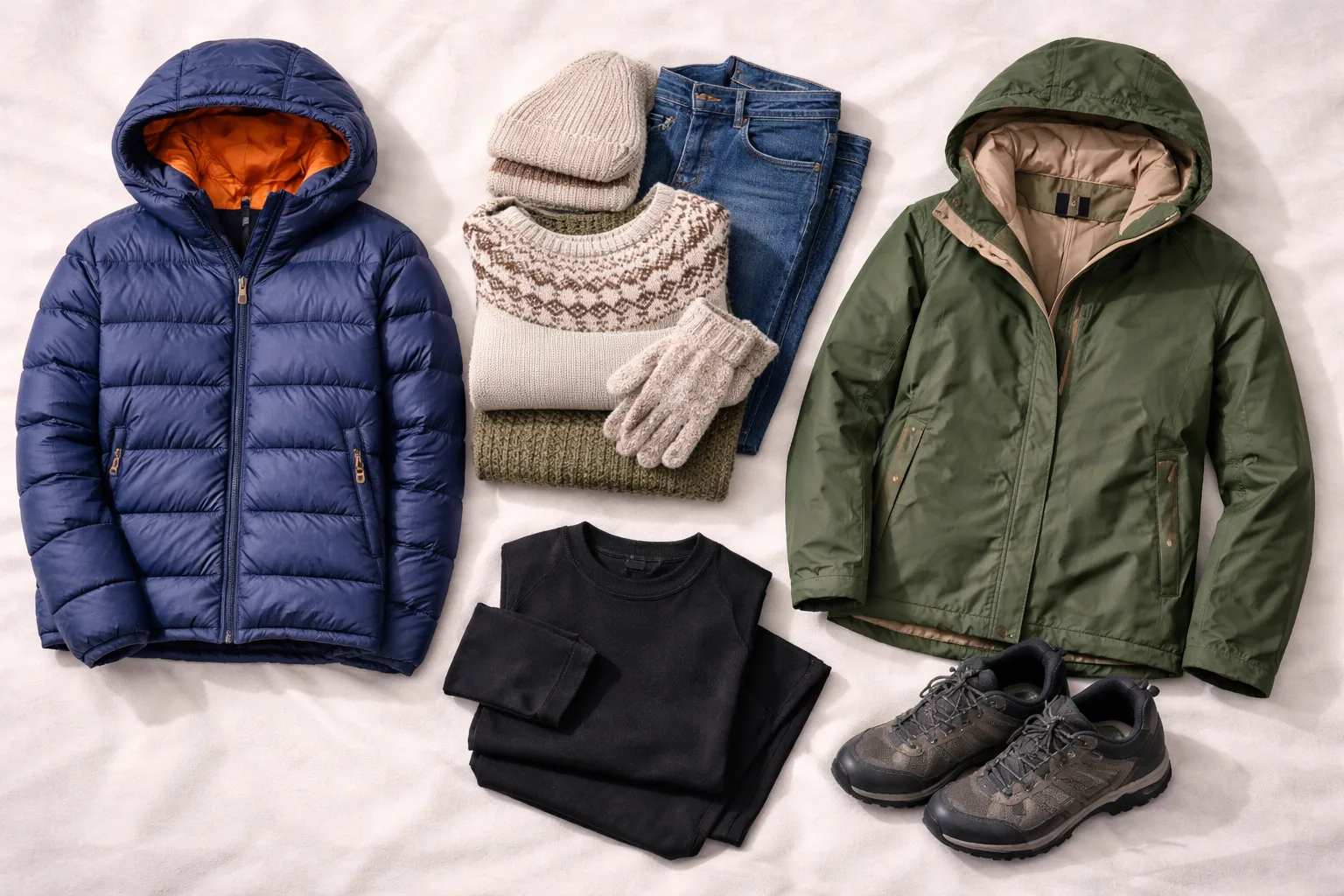
LOCAL CUSCO TIP: Cusco markets sell hats, gloves, scarves, and alpaca wool sweaters of very good quality at reasonable prices. Buy them when you arrive and use them throughout the trip instead of packing everything from home. They’re also the best souvenirs you can bring back.
Key Difference Between Dressing in Cusco vs. Machu Picchu
Cusco requires warmer clothing for the nights while Machu Picchu demands waterproofs and an effective layering system for the day. A good layering system covers both destinations. The only thing specific to Cusco that you don’t need at Machu Picchu is greater thermal insulation for nighttime outings when you’re exploring restaurants and the city not hiking.
What to Bring to Machu Picchu Beyond Clothing: Essential Gear
Clothing gets all the attention but knowing what to bring to Machu Picchu beyond what you’re wearing is equally important. There are no convenience stores once you pass through the entrance gate. Here’s everything you need in your pack.
| Essential Items | Health & Safety | Tech & Comfort | What to Leave Behind |
|---|---|---|---|
|
|
|
|
DON’T FORGET YOUR PHYSICAL PASSPORT: A physical passport is mandatory to enter a photo of the document or a copy is not sufficient. Identity verification is strictly enforced at the entrance gate. If you leave it at the hotel you will not be able to enter the site under any circumstances.
Complete Packing List for Machu Picchu: Clothing & Gear
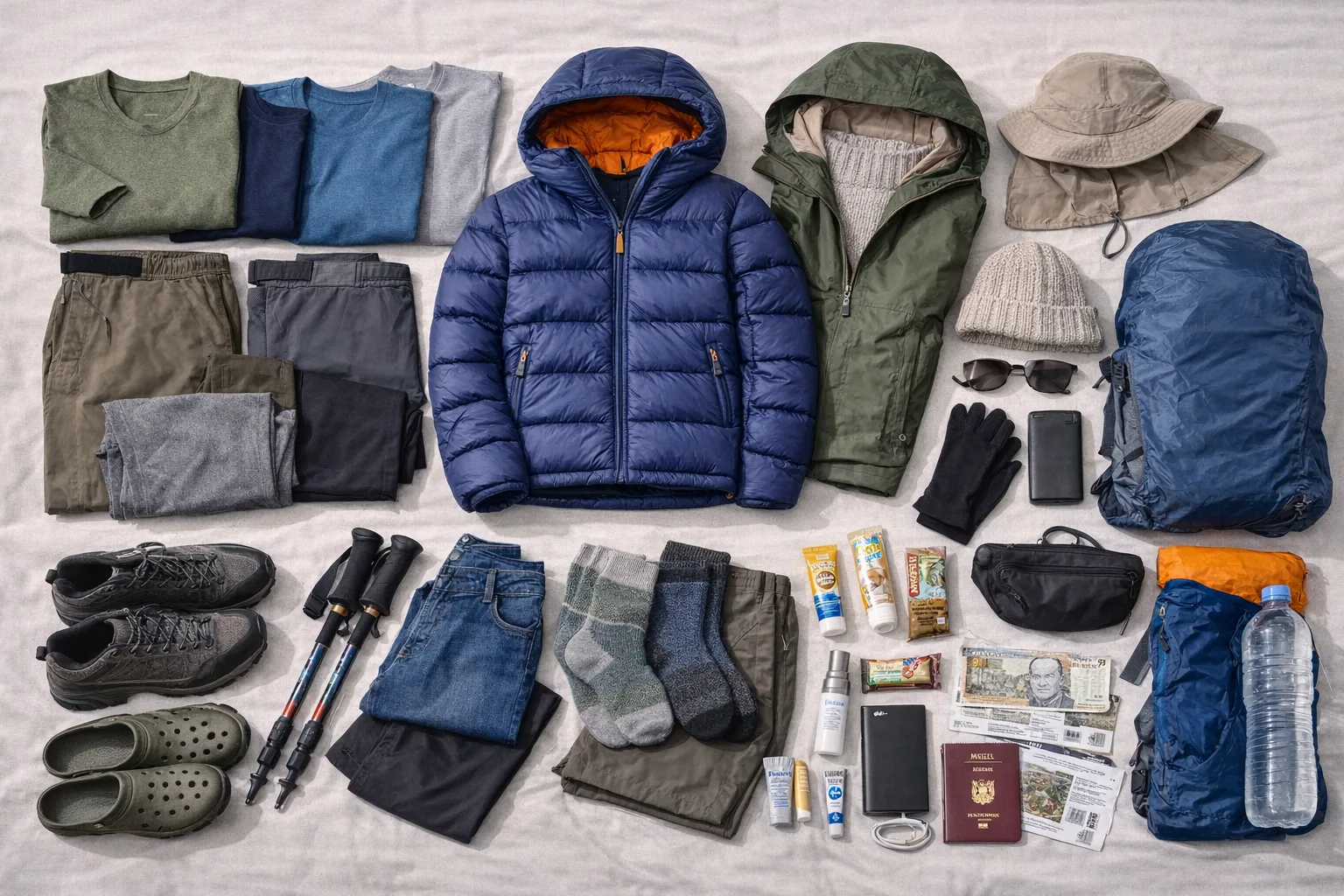
Your Complete Clothing Checklist
Tops & Upper Layers
- 2–3 moisture-wicking base layer t-shirts
- 1 lightweight long-sleeve shirt
- 1 fleece or mid-layer jacket
- 1 waterproof rain jacket (hardshell or softshell)
- 1 down or puffer jacket (cold mornings or Inca Trail)
Bottoms
- 1–2 pairs quick-dry or convertible trekking pants
- 1 pair of leggings or base layer tights
- 1 pair of shorts (dry season or warm days)
Footwear
- Waterproof hiking boots or trail shoes (already broken in)
- 2–3 pairs of wool or synthetic hiking socks
- Lightweight sandals or rest shoes (optional)
Accessories
- Wide-brim hat or trekking hat with neck protection
- Lightweight thermal hat
- Sunglasses with UV400 protection
- Thin gloves (cold mornings or dry season)
- Sunscreen SPF 50+ and lip balm with SPF
- 20–25 liter pack with waterproof cover
- Trekking poles (optional but useful for long hikes)
Essential Non-Clothing Items
- Physical passport (original document — mandatory)
- Machu Picchu ticket (printed or digital)
- Cash in soles
- Minimum 2 liters of water (reusable bottle)
- Snacks and lunch
- Portable power bank
- Sunscreen SPF 50+ and insect repellent
What to Wear in Cusco and Machu Picchu
If your trip includes both Cusco and Machu Picchu which it almost certainly will you don’t need two completely separate wardrobes. Here’s how to think about it as a single coherent packing strategy:
| Garment | Cusco? | Machu Picchu? | Notes |
|---|---|---|---|
| Moisture-wicking base layer | ✅ Yes | ✅ Yes | Base garment for both destinations |
| Fleece or mid-layer jacket | ✅ Yes (daytime) | ✅ Yes | Also use for Cusco evenings |
| Down/puffer jacket | ✅ Yes (nights) | ✅ Yes (6am) | Essential for Cusco nights |
| Waterproof rain jacket | ✅ Yes | ✅ Yes | The most important item in the entire pack |
| Trekking pants | ⚠️ Casual only | ✅ Yes | Works well for daytime tourism in Cusco |
| Dress pants | ✅ Yes (dinners) | ❌ No | Cusco only — don’t bring to the ruins |
| Waterproof hiking boots | ✅ Yes | ✅ Yes | Cusco’s cobblestones also need grip |
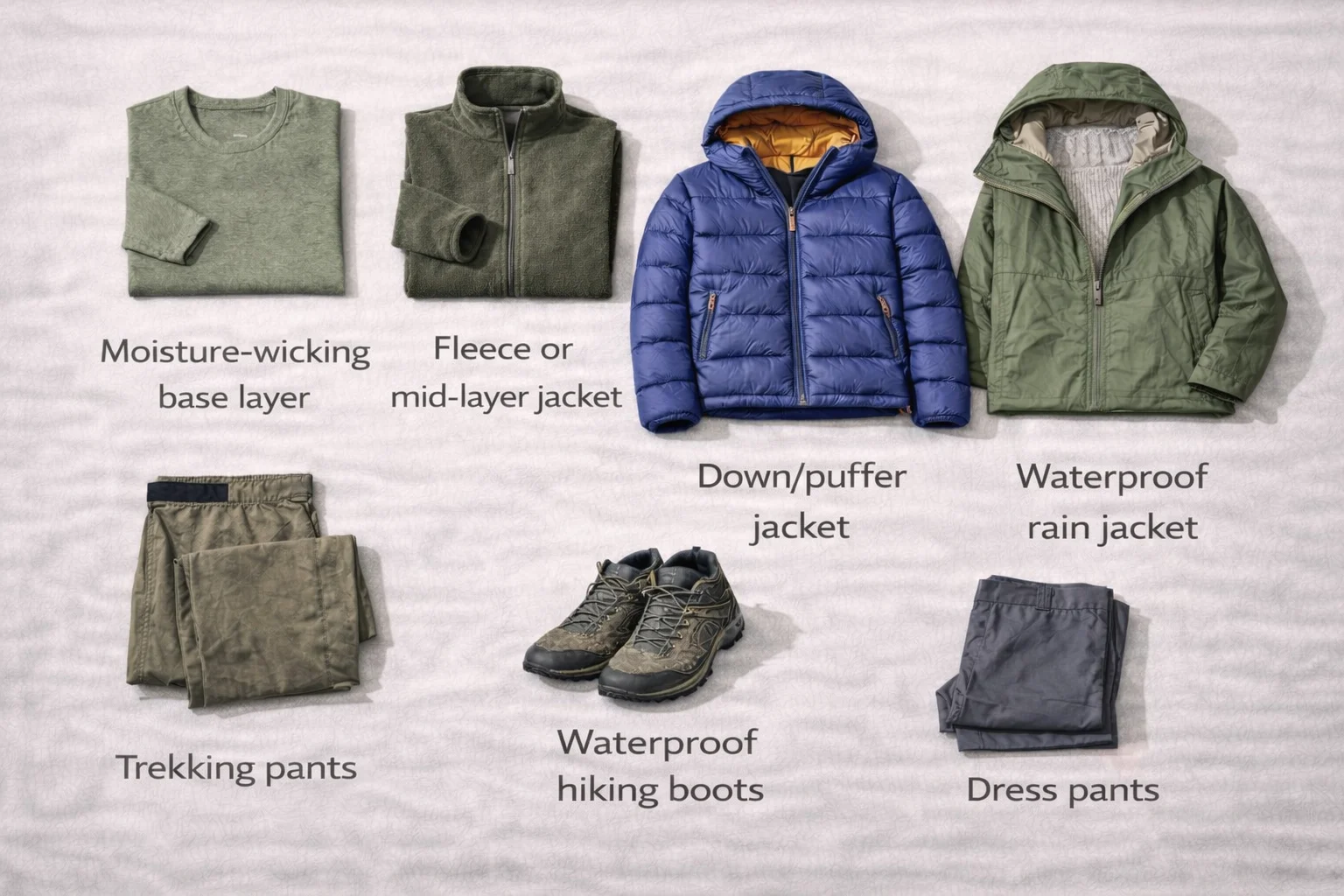
Pack with Machu Picchu in mind and add one or two warmer layers for Cusco nights. That’s all you need. You don’t have to duplicate the luggage just be intentional about which garments do double duty.
One Last Thing Before You Pack
Machu Picchu is the kind of place that stays with you long after you leave. You don’t want the memory to be ‘that time I froze in the mist’ or ‘that time I ruined my shoes on the wet steps.’ A little preparation makes all the difference.
Whether you arrived here searching for what to wear in Machu Picchu Peru, how to put together an outfit for photos, or simply what to put on for a hassle-free day visit the answer is always the same: layer up, go waterproof, and choose shoes you truly trust.
Pack smart, dress in layers, protect yourself from the sun, and wear the shoes you trust most.
Frequently asked questions about What to Wear at Machu Picchu: Complete Packing List & Outfit Guide
Technical, moisture-wicking clothing is essential. Use a layering system: a breathable base layer (merino or synthetic), a light insulating layer (fleece), and a waterproof outer layer. Avoid cotton completely.
Waterproof hiking boots or trail shoes with strong grip are ideal. If you plan to hike Huayna Picchu or Machu Picchu Mountain, choose boots with ankle support.
Reliable brands include Patagonia, The North Face, Columbia, Arc’teryx, Salomon, and Merrell. You don’t need the most expensive gear, but durability and waterproofing matter.
Lightweight hiking shoes or trail runners with good traction are best. Popular options include Salomon X Ultra, Merrell Moab, and Nike Trail models.
Start with full layers in the morning (it’s cold), then remove layers as it warms up. Always keep your rain jacket accessible in case of sudden weather changes.