How Long Does It Take to Machu Picchu Routes and Times
A common query raised by the majority of tourists who book this tour would be: how long does it take to Machu Picchu? The question may sound simple, but the answer to that is not as easy as it might appear. Usually, it takes 5 to 6 hours by road from Cusco, which includes a train trip from Cusco to Aguas Calientes and then taking a bus to the citadel entrance.
Machu Picchu is not situated on an avenue in which you pass by driving. There is also no express bus from Cusco to the entry gate. Several transportation means are required to reach Machu Picchu, ranging from trains, buses, winding roads, flights of stairs, and in some cases, days of trekking in the mountains.
In this guide, you will find different ways of getting to Machu Picchu, from traveling on the convenient train, hiking the budget-friendly path from Aguas Calientes, trekking on the well-known Inca Trail to alternative trails and other important information before reaching Machu Picchu.
Transit Times and Machu Picchu How Long to Get There
When people ask about Machu Picchu how long to get there, the question refers to the transit time to Machu Picchu by train. This is reasonable because most people arrive at Aguas Calientes via train. However, one must consider the travel time from their point of departure, the train ride, transport from Aguas Calientes to the site, and the hike to the entrance. Below is a brief summary of transit times before diving deeper into the individual sections:
| Route | Estimated Transit Time |
|---|---|
| Train from Cusco to Aguas Calientes | ~4 hrs |
| Train from Ollantaytambo to Aguas Calientes | ~1.5 hrs |
| Bus from Aguas Calientes to the Machu Picchu Entrance | 25–30 min |
| Walk from Aguas Calientes to the Machu Picchu Entrance | 1.5–2.5 hrs |
The above times do not factor in the time to wait for departures, purchase tickets, and walk from the train station to the bus station in Aguas Calientes (which takes 10–15 minutes). On a standard day trip from Cusco, one will leave early in the morning (around 5 a.m.) and return late in the evening (after 8 p.m.).
How Long Does It Take to Get to Machu Picchu by Train?
When you’re wondering about how long does it take to get to Machu Picchu by train, the critical thing to consider is the departure point. Two major points for departure are either the Poroy railway station in Cusco or Ollantaytambo station in the Sacred Valley.
From Poroy (Cusco), it will take between 3.5 and 4 hours to reach Aguas Calientes. At the start of your journey, you’ll move out of the urban area of Cusco and climb a mountain pass before descending into the valley following the Urubamba River.
The journey from Ollantaytambo station, located in the Sacred Valley, takes just under 1.5 hours. This is the best route for almost all tourist packages. Ollantaytambo is an Inca village that deserves exploration; spending a night there is beneficial for adjusting to the altitude (2,800 m compared to 3,400 m in Cusco).
| Feature | From Cusco | From Ollantaytambo |
|---|---|---|
| Departure Station | Poroy (Cusco) | Ollantaytambo |
| Travel Time | ~3.5 – 4 hours | ~1.5 hours |
| Distance | ~112 km | ~60 km |
| Best For | Travelers staying in Cusco | Those overnighting in Sacred Valley |
| First Train | Around 6:00 AM | Around 5:30 AM |
| Last Train Back | Around 8:00 PM | Around 9:00 PM |
| Scenery Highlights | Full valley + jungle descent | Jungle gorges + cloud forest |
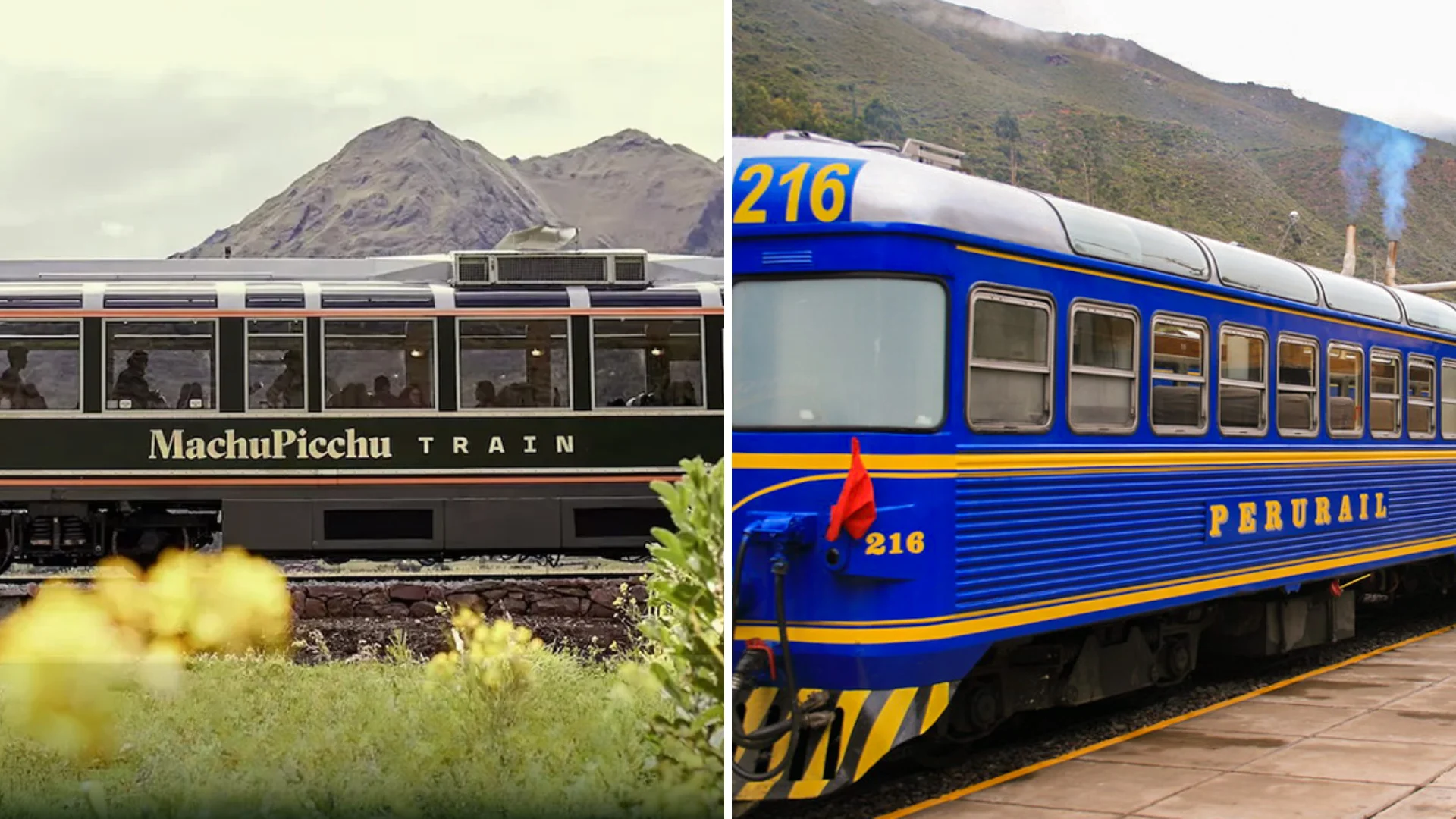
PeruRail and Inca Rail both provide several service options. The glass roof of PeruRail’s Vistadome or Inca Rail’s 360° are worth the extra expense for the view. For budget-conscious travelers, PeruRail’s Expedition train is quite comfortable.
Book Your Ticket in Advance: Train travel should be booked weeks or months in advance, especially from June to August. An important note: the train stops in Aguas Calientes, located 25 minutes by bus below the ruins; it does not go directly to the citadel.
How Long Does It Take to Get Up Machu Picchu by Bus?
The shuttle service from Aguas Calientes to the entrance of the citadel takes about 25 to 30 minutes. The bus stop is located in the south of Aguas Calientes, a 10-minute walk from the train station. The road consists of sharp hairpin bends climbing the 400-meter difference through the cloud forest.
The buses operate from 5:30 a.m. to 3:30 p.m. for the upward ride and until 5:30 p.m. for the return. During peak morning hours, queues can be lengthy. If your entry is at 6:00 a.m. or 7:00 a.m., reach the station no later than 5:15 a.m. to ensure you don’t miss your entry slot.
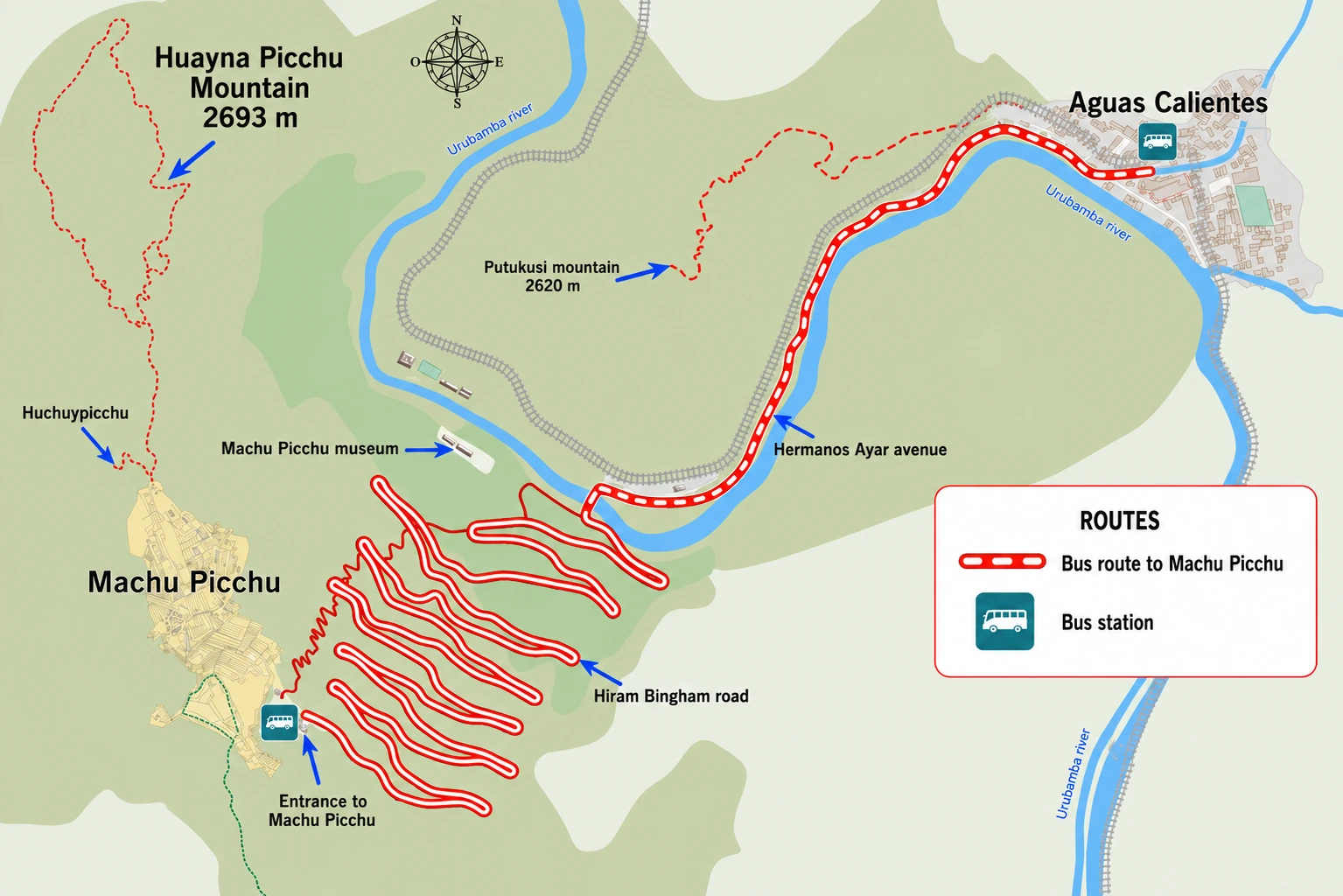
Pricing:
A return ticket costs approximately $24 USD per adult and $12 USD per child. Tickets can be purchased on-site or online.
Return strategy:
Between 1:00 and 3:00 p.m., the waiting line at the top to go back down can be 45 minutes or longer. If you have a train around 2:30 p.m. or 3:00 p.m., begin heading to the bus stop by 1:00 p.m. to avoid missing your rail connection.
Walking From Aguas Calientes Town to the Entrance
A considerable number of tourists, particularly backpackers, opt to walk to the top of the citadel instead of taking the bus up there. Understanding how long does it take to Machu Picchu by walking in order to gauge the duration of the hike.
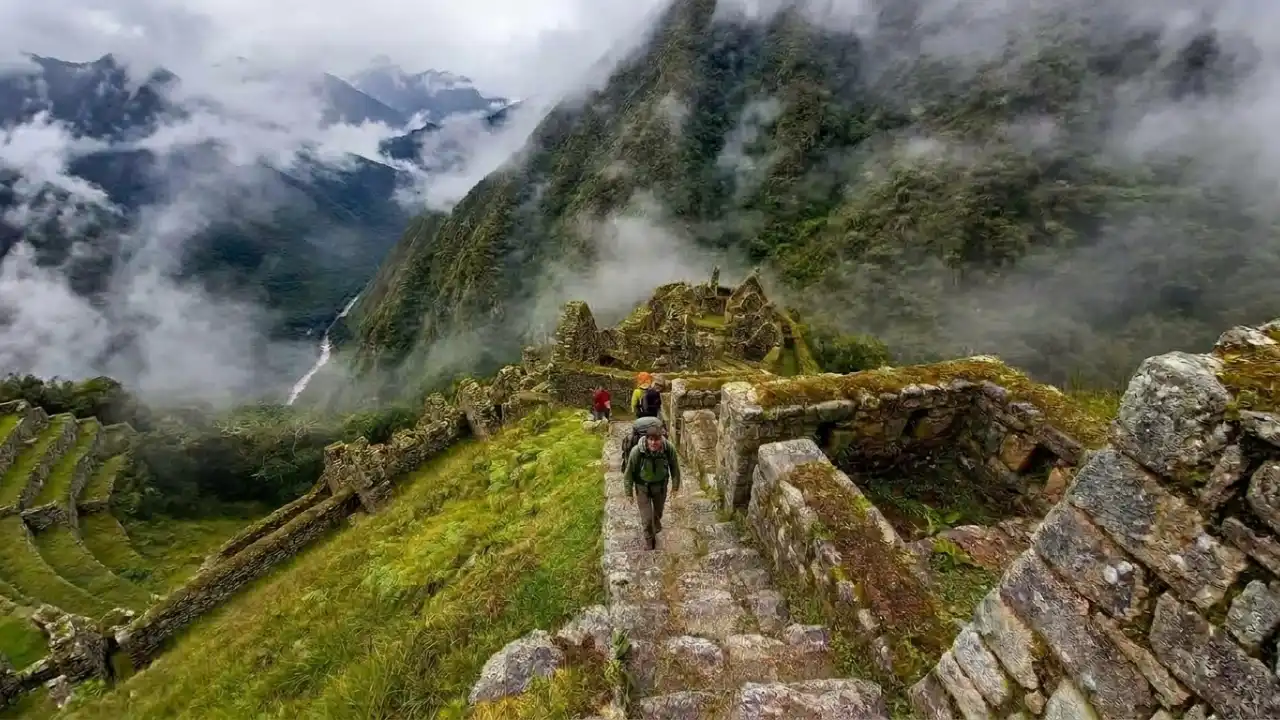
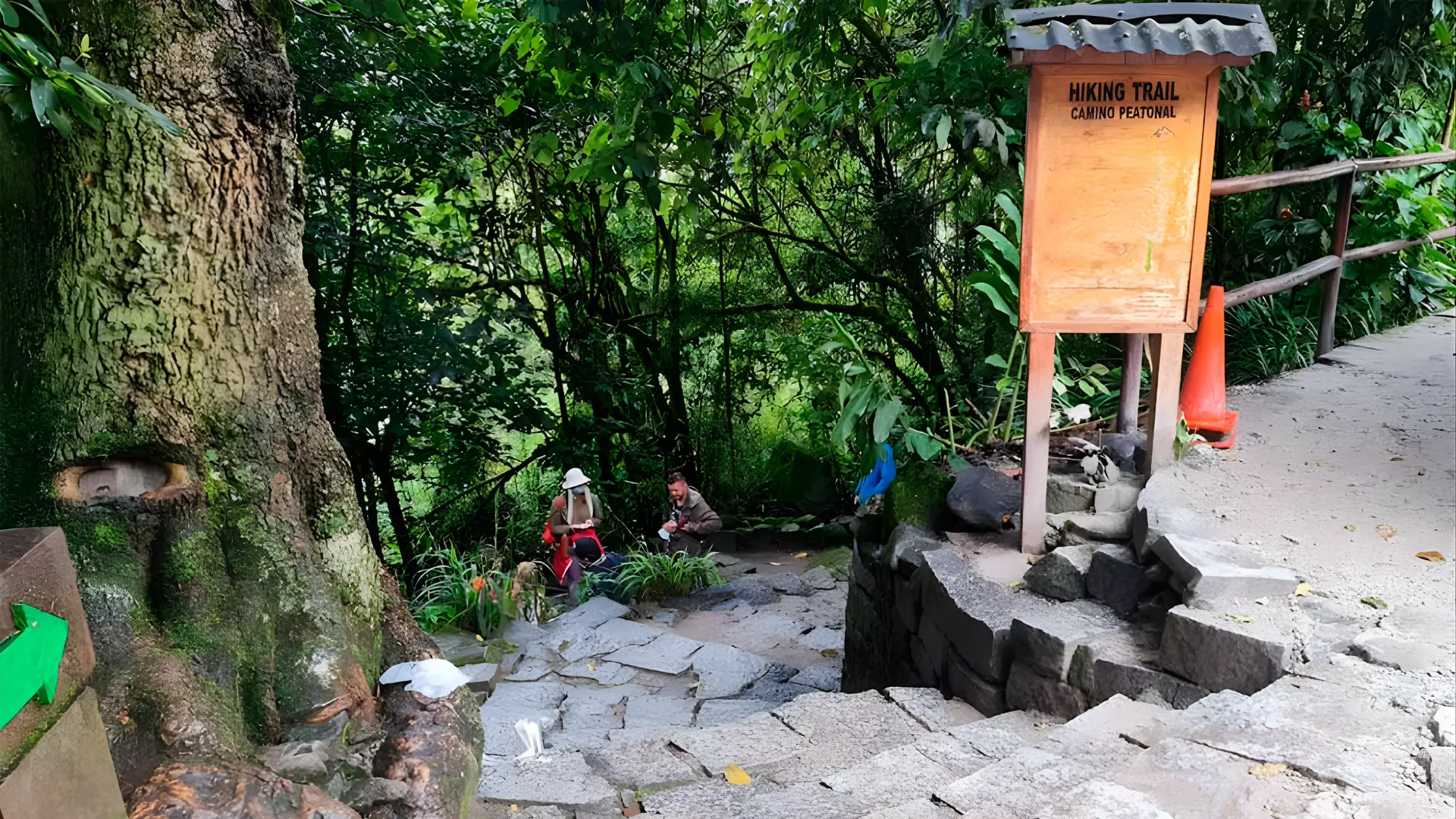
The hiking trail begins from the area near Aguas Calientes, where the bus terminal ends. The walking route is a direct course up the mountain, going through the road twists by way of stone steps and footpaths. Passing through the thick cloud forest cover, crossing the road a couple of times and steadily ascending uphill, while the river noise fades down.
How Long Does It Take to Go Up Machu Picchu on Foot?
So how long does it take to go up to Machu Picchu? Well, it usually takes anywhere from 1.5 to 2.5 hours, considering your fitness and your ability to set a fast pace. An experienced and well-trained athlete could manage it in about 75 minutes, but for someone who’s not familiar with high altitudes and steep climbs, it would take a bit more time about 2.5 hours. There’s absolutely no rush when climbing the Inca Trail, as nobody gets medals for quickness anyway.
Overall, the trek gains just under 400 meters (1,300 feet) in height over the course of about 2.5 km horizontally, and while it’s not an enormous climb for experienced hikers, one should be aware that altitude makes every staircase seem longer than it really is. Overall, this route is excellently maintained, as evidenced by the presence of stone stairs that were once part of the Incan road system. It’s also relatively safe, although wet conditions (which are frequent in Machu Picchu throughout the year, including the supposedly dry months) can be dangerous due to slippery surfaces.
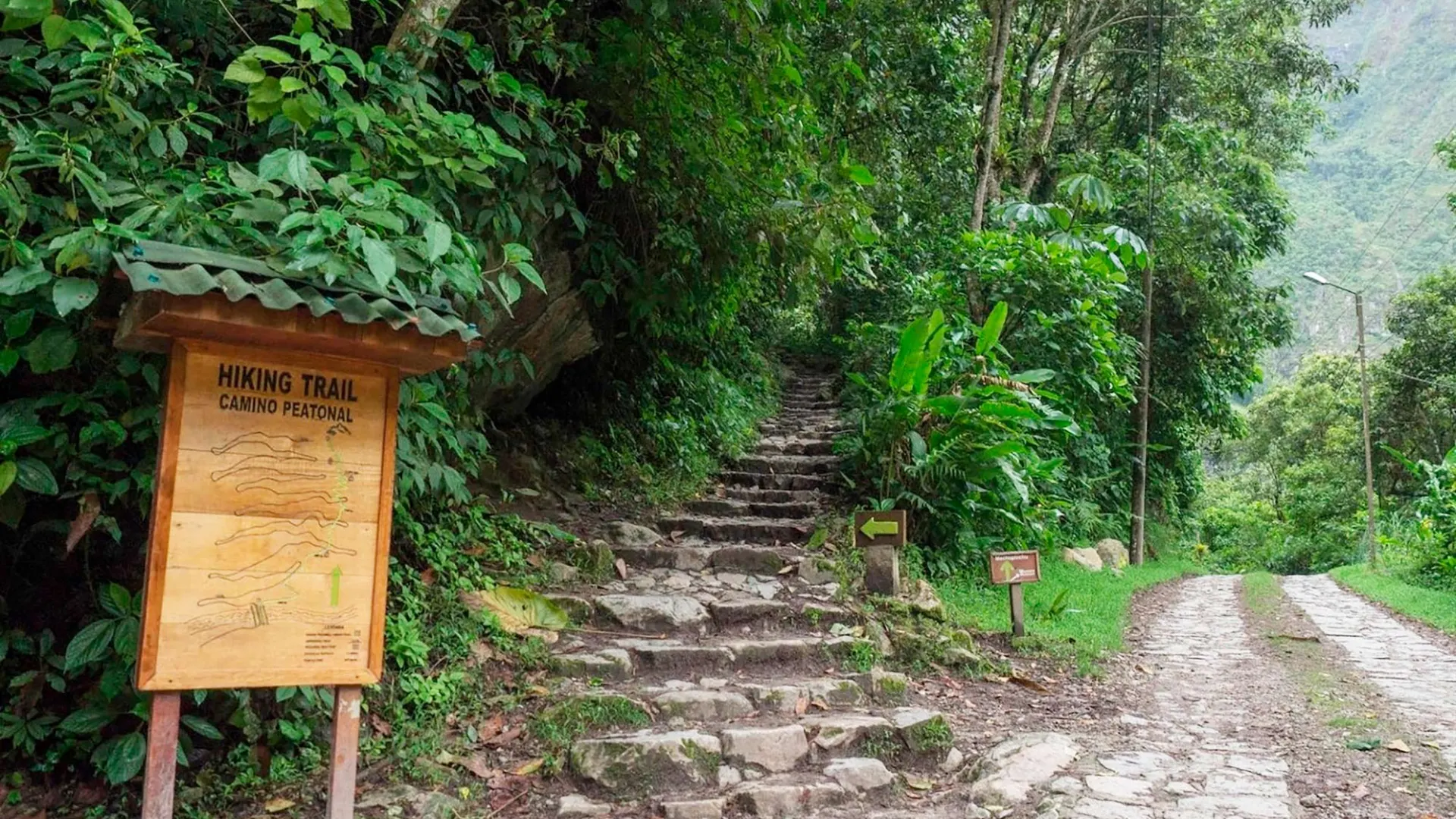
Essential Tips Before Walking Up
Recommendations regarding equipment for the ascent include bringing hiking boots rather than sneakers or sandals, a raincoat even if you don’t expect rain, and at least a liter of drinking water as well as applying sunscreen prior to the beginning of the trek despite cloudy skies. Solar radiation at such high altitudes is surprisingly intense. The use of trekking poles on the path is allowed (except for within the citadel) and helps significantly with the descent.
As for the way down, it usually takes most people around 45 to 60 minutes to hike their way down. The stairs are rough on the knees during the descent, and the floor is often slippery due to the organic material present from the cloud forest. Be patient. The line for the bus on particularly busy days can be very long, such that hiking down to town and then taking a trike back to the train station is quicker than waiting.
BUDGET TIP: Hiking up avoids the $12 one-way bus ride, adding an enjoyable experience to your day.
How Hard Is the Climb, and Is It Difficult to Get to Machu Picchu?
Whether it is difficult to get to Machu Picchu Picchu is determined by two completely unrelated factors: the logistical challenge, and the physical one.
Logistically, Machu Picchu is easy to reach. The combination of train and bus works smoothly and is designed for tourists. You don’t need any special skills or equipment; anyone who can travel to a destination via airplane and find a hotel will be able to handle the logistical aspects of getting to Machu Picchu on their own. The only real problem would be availability, since tickets need to be bought in advance.
But physically speaking, the story gets more complex. The entrance of the park is located at an altitude of 2,430 meters. The mountain peaks surrounding the area reach 3,082 meters (Montaña Machu Picchu). The city of Aguas Calientes is located at around 2,040 meters far below Cusco, at an altitude of 3,400 meters, and hence one of the reasons why visitors often feel much better once they arrive at their destination compared to how they felt in the city. Still, altitudes affect everyone differently.
So is it difficult to get to Machu Picchu? Not really, if you’re traveling by train and bus; you’ll be spending a long day, but not one that will tire you out physically. You’re going to have to climb if you want to hike from Aguas Calientes to Machu Picchu, and that will definitely be a challenge. If you’re doing the Inca Trail, you’ll be climbing for several days, and that will definitely be tough no matter what your level of physical condition.
Practical acclimatization tips:
Stay in Cusco or Sacred Valley for at least two nights before heading to Machu Picchu. Stay away from alcohol on arrival days. Have coca tea (available all over Cusco and very effective). Acetazolamide (Diamox) might be recommended by your doctor take it two days before going up in altitude. Do not arrange physical activities on the first day in altitude. The reason for these recommendations is not only comfort but the difference between having an amazing adventure or staying at your hotel bed.
Altitude tip: Machu Picchu (2,430 m) is significantly lower than Cusco (3,400 m). Most people feel better in Machu Picchu than in Cusco. It is important not to think that if you have been sick at Cusco because of altitude, you will feel equally bad in Machu Picchu.
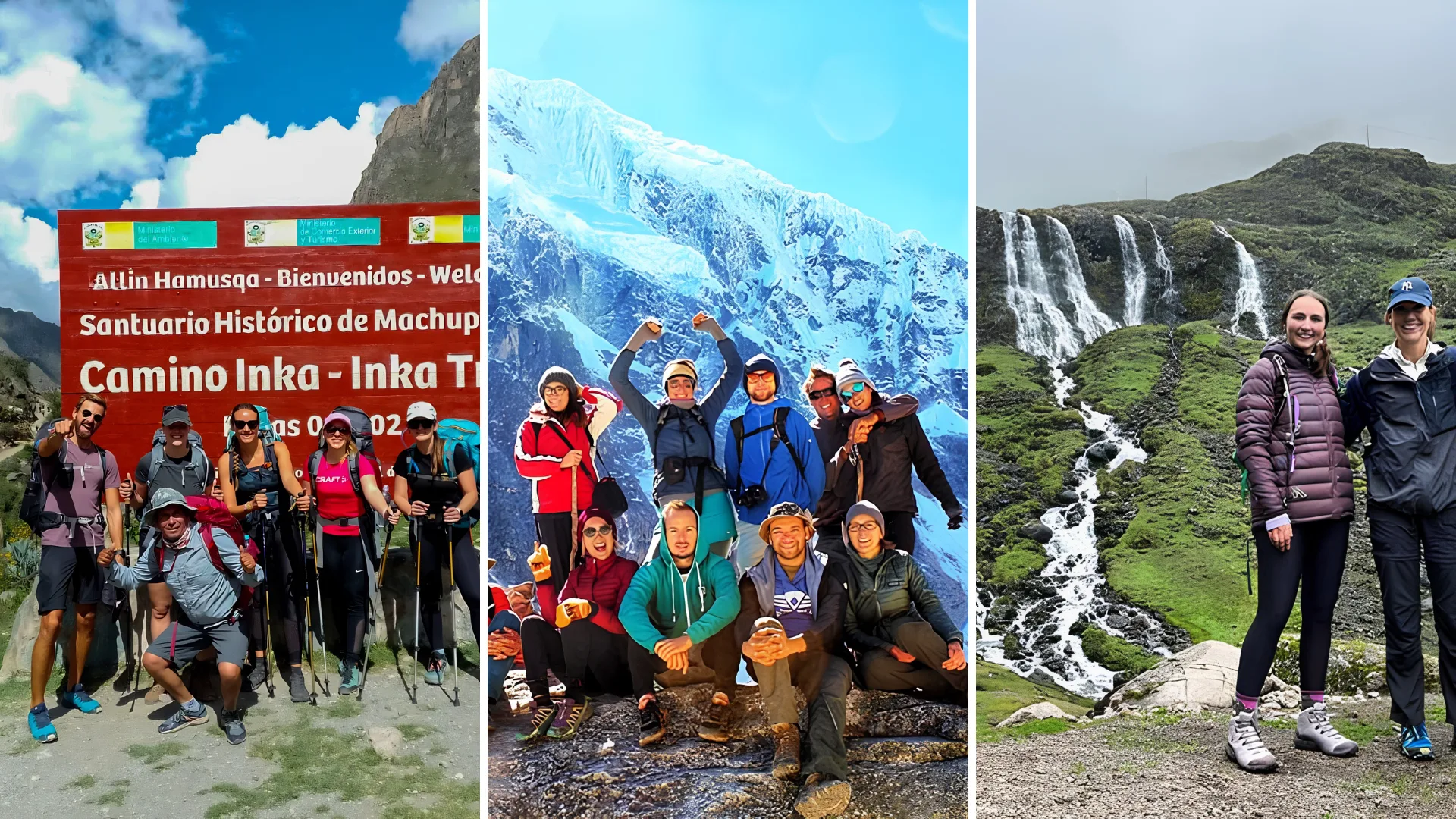
Inca Trail Trekking Options and Distances
For travelers asking about Machu Picchu how long does it take to get there via one of the trekking routes, the answer is contingent on which trekking route is chosen. All these routes have one thing in common: reaching Machu Picchu on foot, just like how the Incas had planned it.
The trekking approach appeals to travelers who value the journey as much as the destination, seeking an adventure through the Andes and the unique experience of reaching Inti Punku (the Sun Gate) to lay eyes upon the citadel for the first time.
What Is the Longest Way to Get to Machu Picchu?
If you’re looking for the most extensive journey, you have several serious contenders:
Classic Inca Trail
The Classic Inca Trail starts from Kilometer 82 and runs for 43 kilometers over four days. The toughest day is day two, crossing Dead Woman’s Pass (Warmiwañusca) at 4,215 meters—the highest point on the trek. The third day offers a reward through amazing cloud forest and Inca sites like Phuyupatamarca and Wiñay Wayna. On the fourth day, you reach the Sun Gate at dawn.
Permit System: The Classic Inca Trail is limited to 500 people per day (including staff), meaning only about 200 trekker spots are available. Permits often sell out in days for the high season (June–August). The trail closes every February for maintenance.
Salkantay Trek
The Salkantay Trek is the favored 5-day alternative. It does not require a permit and offers greater freedom. This trek crosses the Salkantay Pass at 4,600 meters higher than the Classic Trail descending through cloud forests into lowlands. While the views are more diverse and alpine, this route lacks the Incan ruins found along the classic path.
Lares Trek
The Lares Trek (4 days) traverses high-altitude Andean communities above the Sacred Valley. It focuses on living culture and native weaving traditions. This route usually ends with a train journey to Machu Picchu rather than hiking in through the Sun Gate.
| Route | Duration | Distance | Highest Point | Permit Demand |
|---|---|---|---|---|
| Classic Inca Trail | 4 days / 3 nights | 43 km | 4,215 m | Very High — book months ahead |
| Short Inca Trail | 2 days | ~12 km | 2,700 m | High — book 2–3 months ahead |
| Salkantay Trek | 5 days / 4 nights | ~70 km | 4,600 m | Moderate — more availability |
| Lares Trek | 4 days / 3 nights | ~35 km | 4,450 m | Low — less crowded route |
Note: Physical preparation is key. Exercise intensely weeks before your arrival, focusing on cardio and stair climbing. Day Two of the Classic Trail is a significant challenge even for fit hikers due to the altitude.
Short Inca Trail: How Long Does It Take?
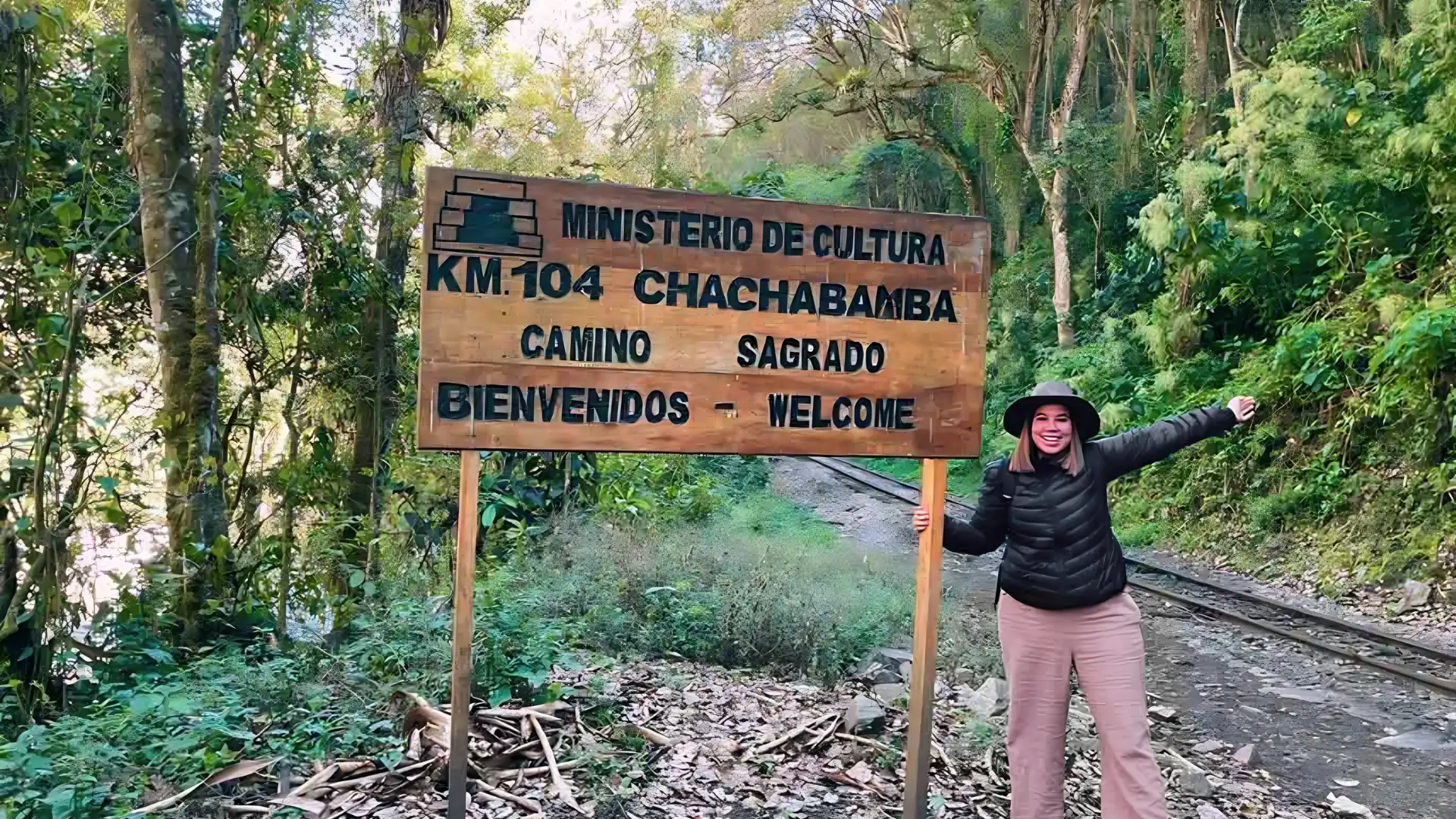
For those who want the experience without the multi-day commitment, the Short Inca Trail takes between one and two days. The trail begins at Km 104 and joins the final stretch of the classic route at Wiñay Wayna.
Short Inca Trail 1 day
The 1-day trek is approximately 12 kilometers and takes 5 to 6 hours of hiking. It is a strenuous day when considering train travel times, but reaching the Sun Gate in a single day is a major accomplishment.
Short Inca Trail 2 day
The 2-day package includes an overnight stay near Wiñay Wayna, one of the best-preserved sites. This allows for a more relaxed pace and a fresh early-morning arrival at the Sun Gate on day two. This option is recommended for those who aren’t experienced hikers.
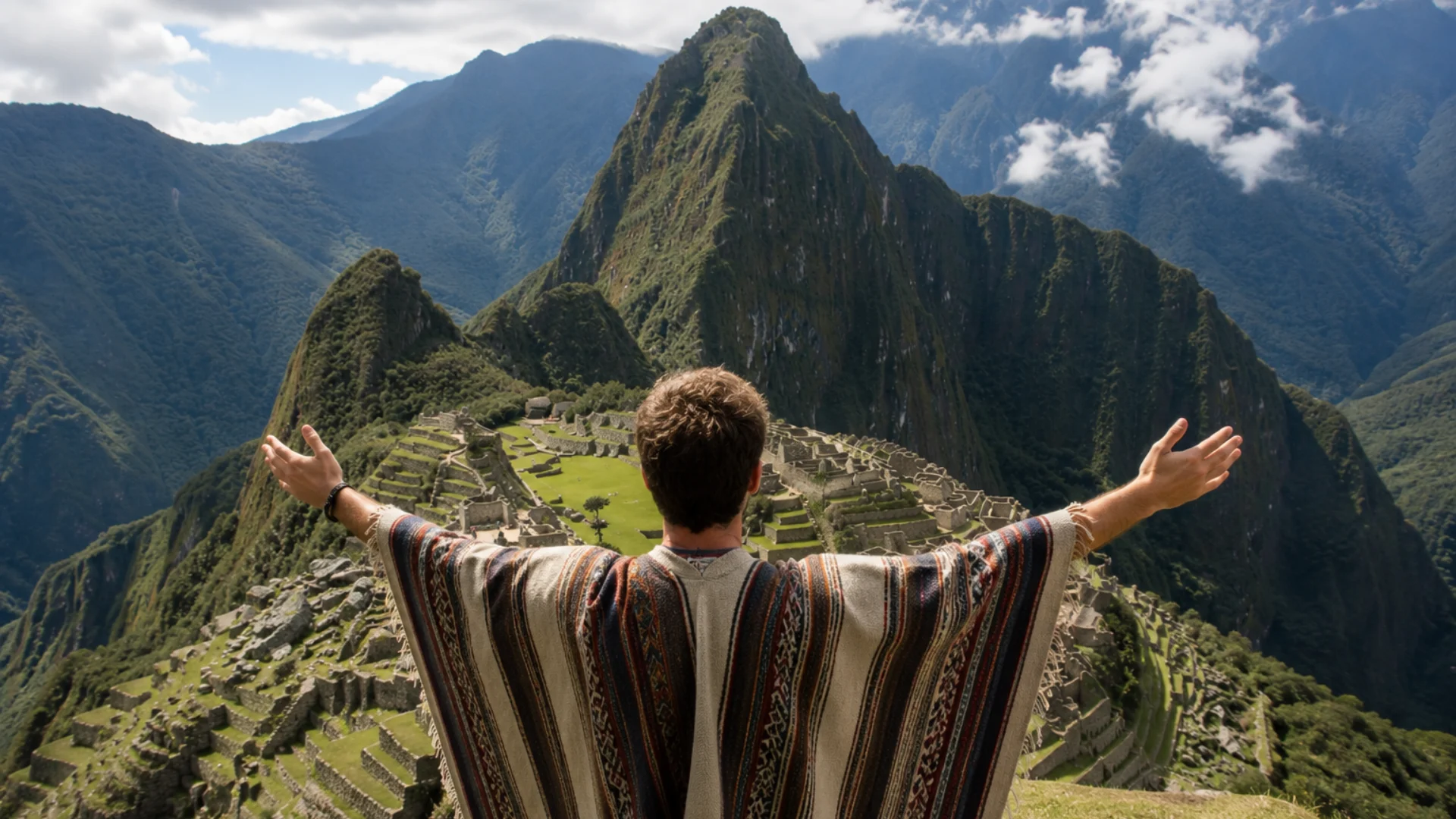
Sun Gate Arrival: Entering through the Sun Gate allows you to see the citadel from above, which is widely considered the finest first view of Machu Picchu. Aim to reach this point between 7:00 and 8:00 a.m. for the best light.
Exploring the Inca Citadel Inside
No matter if you come via train, bus, or after hiking for several days, once you have crossed the entry gate, a new kind of challenge arises: figuring out how long does it take to explore Machu Picchu itself. The citadel is much bigger and more intricate than most people imagine, and the admission system requires careful organization.
Machu Picchu is split into defined circuits with one-way traffic flow. When buying your ticket, you choose both a time slot and a specific circuit. Guards ensure you follow the designated direction, so it is vital to know which circuit you need before you arrive.
How Long Does It Take to Explore Machu Picchu?
The time needed varies based on your circuit, pace, and interests. While the official estimate for most circuits is between 2 and 3 hours, visitors who stop for photos or to absorb the atmosphere often stay longer.
| Circuit | Time | Description | Difficulty |
|---|---|---|---|
| Circuit 1 | 1–2 hrs | Upper terraces, llama fields, panoramic viewpoints | Easy |
| Circuit 2 | 2–3 hrs | Temple of the Sun, Sacred Plaza, Intihuatana stone, residential sector | Moderate |
| Circuit 3 | 2–3 hrs | Temple of the Moon, Cemetery sector, Guard House | Moderate |
| + Huayna Picchu | +1.5–2 hrs | Steep summit climb behind the citadel (separate ticket required) | Very Hard |
| + Montaña MP | +2–3 hrs | High ridge behind the site, panoramic views (separate ticket required) | Hard |
Key highlights include the Temple of the Sun, the Intihuatana stone, the Sacred Plaza, and the Room of the Three Windows. To enjoy the full scale of the site and capture the classic postcard shot, visit the upper agricultural sector early.
Tips for photography: The optimal light for the famous citadel shot is between 7:00 a.m. and 9:30 a.m. If possible, book the 6:00 a.m. entry slot.
How Long Does It Take to Go Around Machu Picchu?
If you add mountain hikes, your total time spent may range from 2 to 7 hours. Huayna Picchu is the iconic pointed peak behind the ruins; the climb is steep and technical, taking about 1.5 to 2 hours. Machu Picchu Mountain is the taller peak opposite the ruins, offering a 2 to 3-hour hike on wider, well-maintained trails.
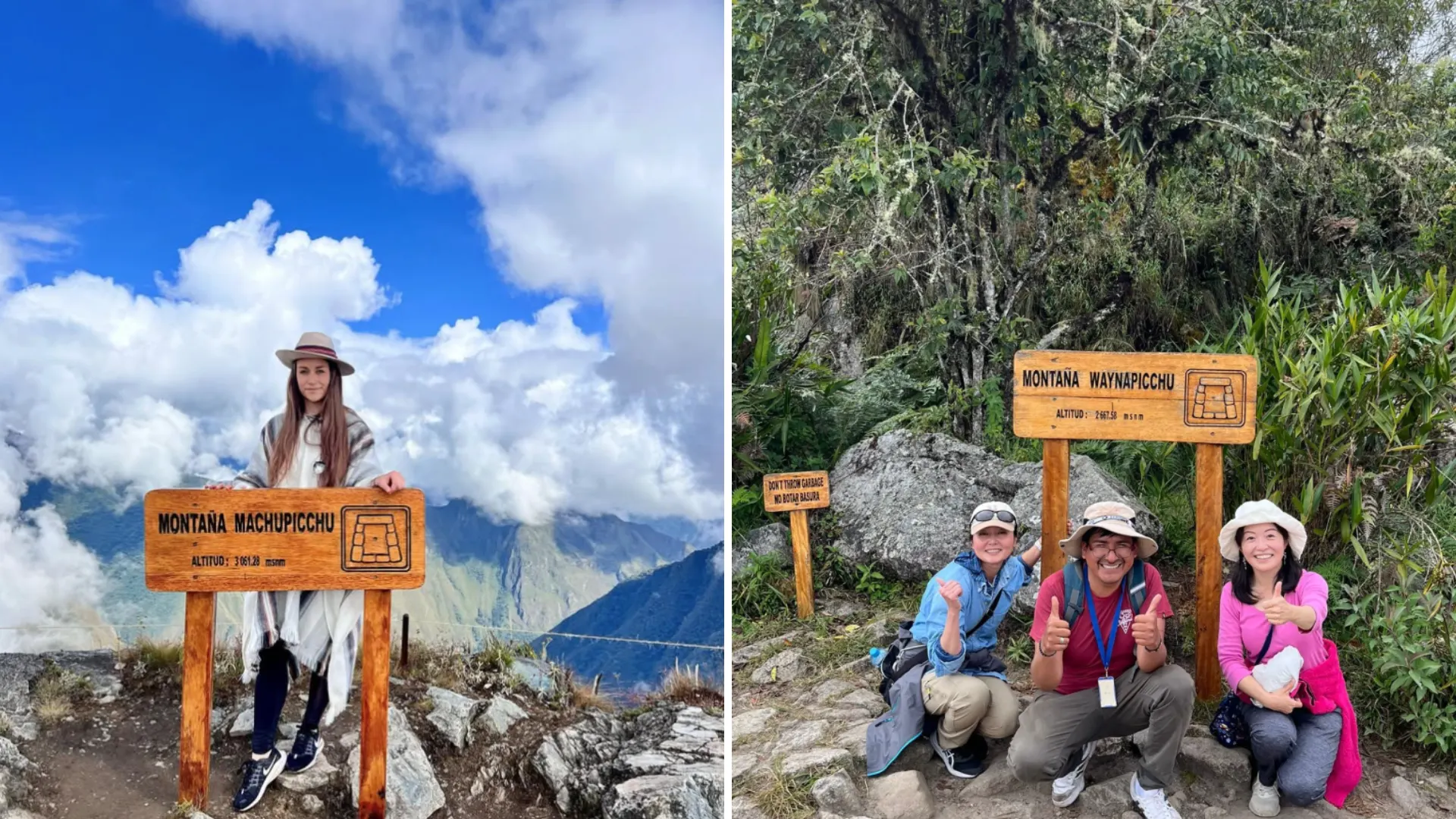
Tickets for these mountains must be purchased in advance and cannot be bought at the gate. Note that trekking poles are not allowed within the citadel or on these mountain trails; you must store them at the entrance cloakroom.
Strategy: Start with an early access slot (6:00 or 7:00 a.m.), tour the citadel quickly for about 2 hours, and then attempt your mountain ascent while your legs are still fresh and the temperature is cooler.
How Long Does It Take to See Machu Picchu? The Full Day Picture
For a standard day trip from Cusco, the “door-to-door” travel time is extensive:
| Time | Activity |
|---|---|
| 4:30 AM | Wake up in Cusco, travel to Poroy station |
| 6:00 AM | Departure of train from Cusco Poroy |
| 9:30–10:00 AM | Arrive Aguas Calientes, grab breakfast |
| 10:00–10:30 AM | Bus to Machu Picchu citadel |
| 11:00 AM | Entry of Machu Picchu – assigned circuit begins |
| 11:00 AM–1:30 PM | Explore main circuit (2 hours minimum) |
| 1:30–2:00 PM | Return bus down to town |
| 2:00–3:00 PM | Lunch in Aguas Calientes |
| 4:30–5:30 PM | Afternoon train back toward Cusco |
| 8:00–9:00 PM | Arrive back in Cusco |
| TOTAL | 14–17 hours away from hotel |
Because of this long day, many travelers prefer to spend a night in Aguas Calientes or the Sacred Valley (Ollantaytambo/Urubamba). This allows for a 6:00 a.m. entry with fewer crowds and a much more relaxed experience.
Final Tip: Make your reservations in this specific order: (1) Machu Picchu entry pass and circuit, (2) Mountain option, (3) Train tickets, and (4) Bus tickets. Ensure all times align before confirming your bookings.
Frequently asked questions about How Long Does It Take to Machu Picchu Routes and Times
Machu Picchu sits at an elevation of approximately 7,970 feet (2,430 meters), just shy of the 8,000-foot mark, where altitude sickness symptoms often intensify.
From your hotel in Cusco to the entrance gate, expect a minimum of 4.5 to 5.5 hours one way 30 minutes to Poroy station, a 3.5 to 4-hour train, and a 25 to 30-minute bus up to the entrance.
From Ollantaytambo the train drops to 1.5 hours. Round trip with a 3-hour visit inside easily makes it a 14 to 17-hour day.
Yes, but it’s exhausting. You leave before 4:00 a.m. and won’t be back until 9:00 p.m. or later, leaving only 2 to 3 hours inside the ruins.
The bus takes 25 to 30 minutes and costs $12 best if you have an early entry or a mountain climb planned. Walking takes 1.5 to 2.5 hours through cloud forest and saves the fare. Most popular option: walk one direction, bus the other.
The Classic Trail takes 4 days and 3 nights across 43 km at altitudes up to 4,215 m. Fitness matters, Day 2 over Dead Woman’s Pass is genuinely hard.
The Short Inca Trail (1–2 days from Km 104) is a far less demanding option that still delivers the iconic Sun Gate arrival.