Pan Wawa in Cusco: The Real Story of T’anta Wawa in Cusco
Cusco has plenty of iconic foods, but t’anta wawa feels different because it is tied to a specific season and a specific emotion. In t’anta wawa Cusco, this bread is not treated like a trendy snack. It is treated like a tradition. You will see t’anta wawas in markets and bakeries as November approaches, especially around November 1 and 2, when families gather for All Saints’ Day and All Souls’ Day season in t’anta wawa Peru.
The name itself explains a lot. In Quechua, wawa means baby and t’anta means bread. That is why pan t’anta wawa is often described as “bread baby.” But the look is only the surface. The t’anta wawa meaning comes from what it represents during this season: family connection, memory, and respect. When people ask what t’anta wawa means on All Saints’ Day, the answer is found in the way the bread is shared, gifted, displayed, and sometimes included as part of offerings in t’anta wawa Cusco.
What Is T’anta Wawa (Pan T’anta Wawa) in T’anta Wawa Peru?
T’anta wawa is a traditional sweet bread shaped like a baby or small child. In t’anta wawa Peru, the bread appears most strongly in Andean regions, but t’anta wawa Cusco is one of the places where the tradition is most visible, most artistic, and most rooted in the calendar of early November. The bread is commonly called pan t’anta wawa, and it can be simple and homemade or highly decorated and elaborate.
T’anta Wawa Meaning and the Meaning of T’anta Wawa
The t’anta wawa meaning is connected to life and remembrance. The meaning of t’anta wawa is not limited to taste or decoration. It is symbolic food, tied to family gatherings and the seasonal ritual of honoring loved ones who have passed away. In t’anta wawa Cusco, the meaning of t’anta wawa becomes visible in the way markets fill with baby-shaped breads and households treat them as part of the season, not as a random bakery item.
In short, t’anta wawa meaning includes memory, continuity, and togetherness. That is why t’anta wawa continues year after year in t’anta wawa Peru, especially in t’anta wawa Cusco.
The Swaddled Baby Shape and the T’anta Wawa Figures
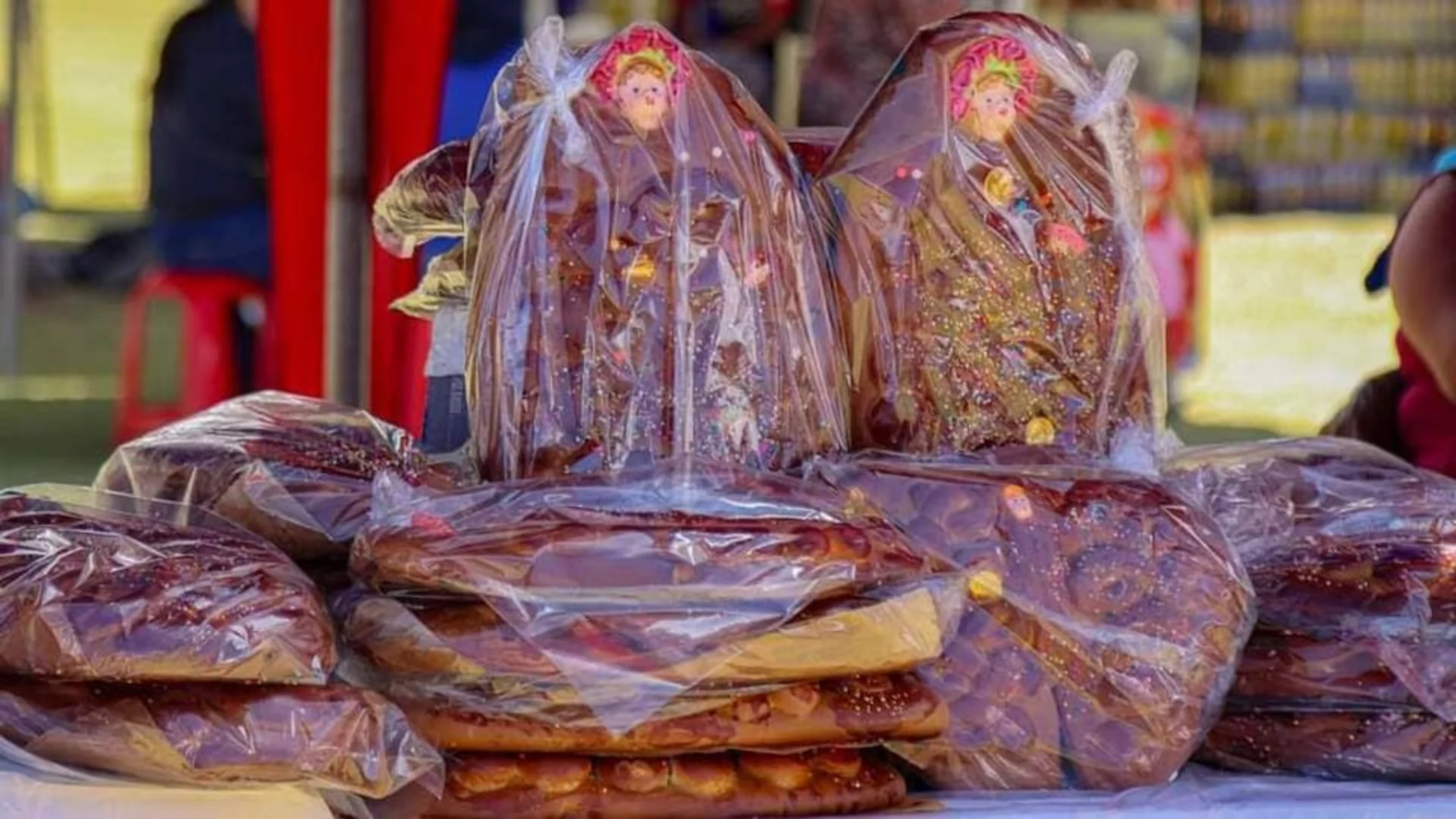
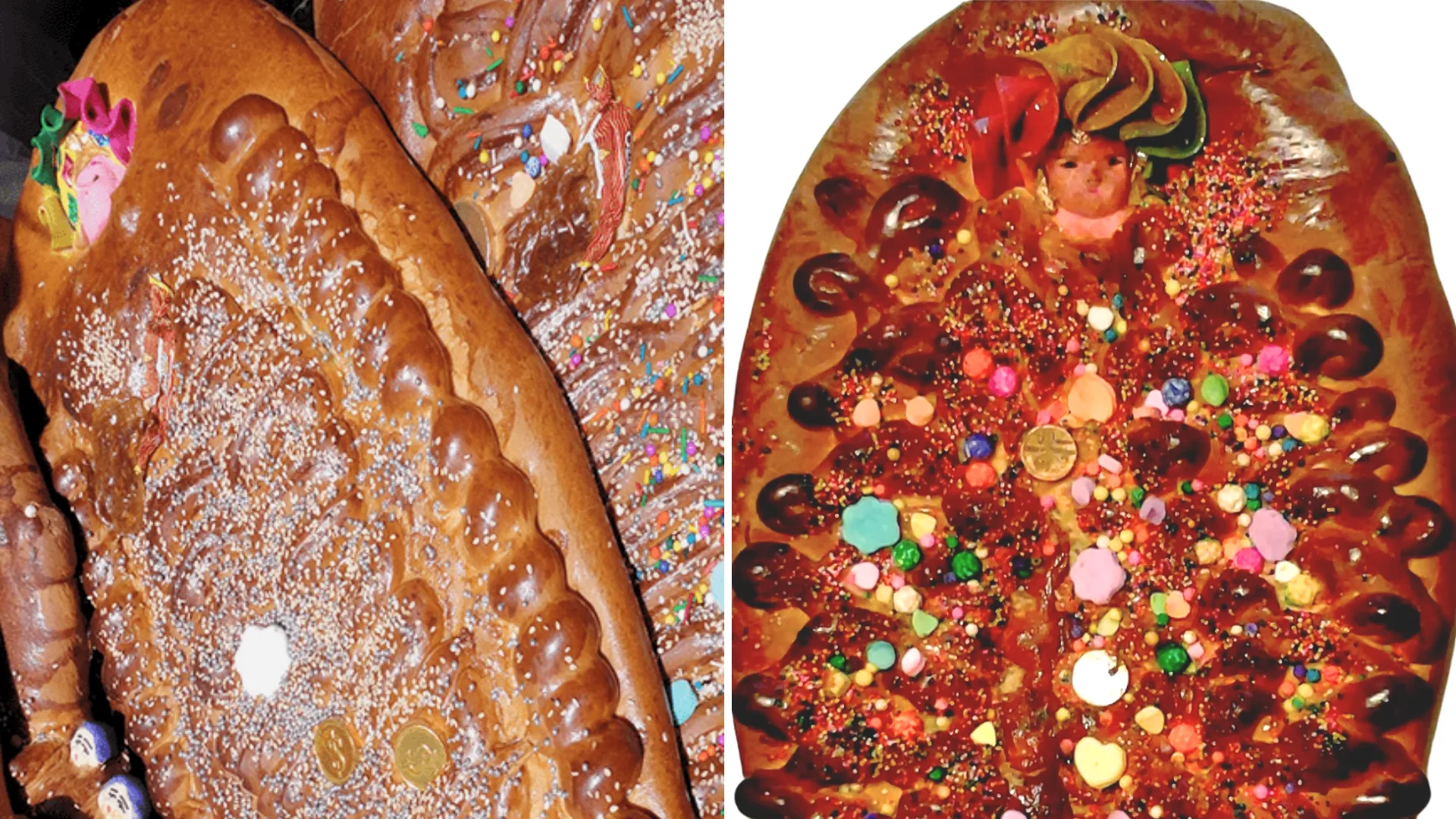
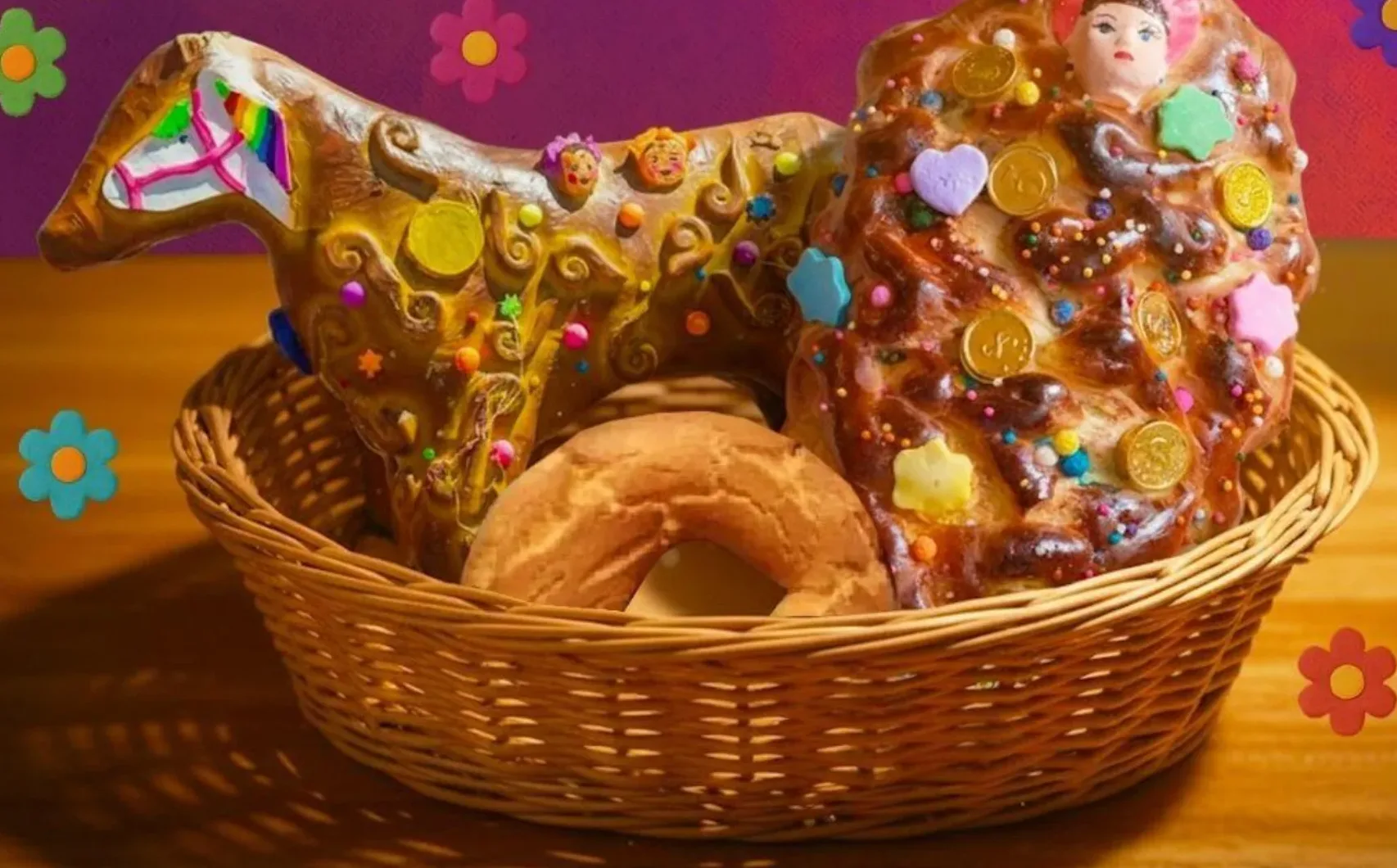
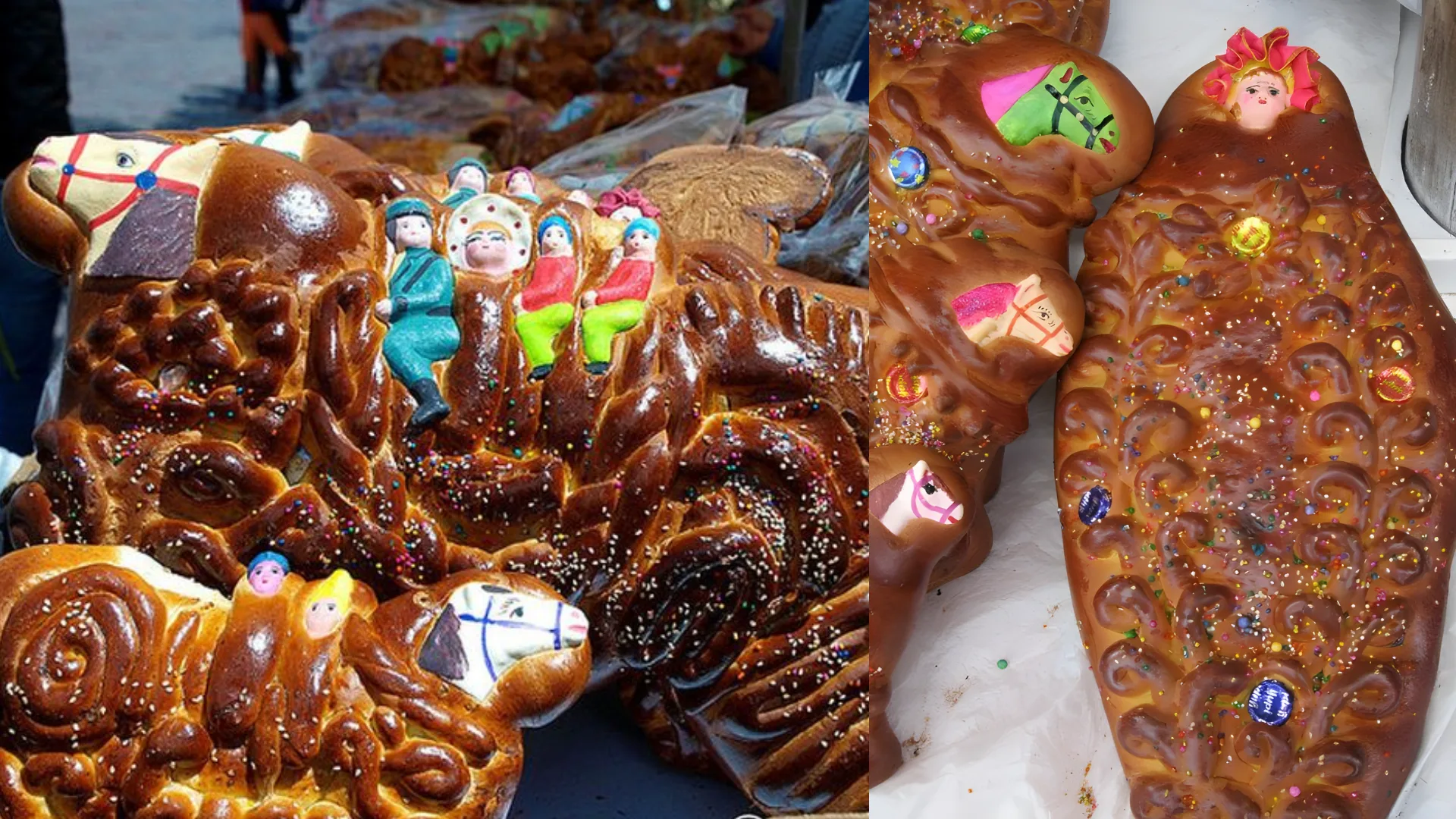
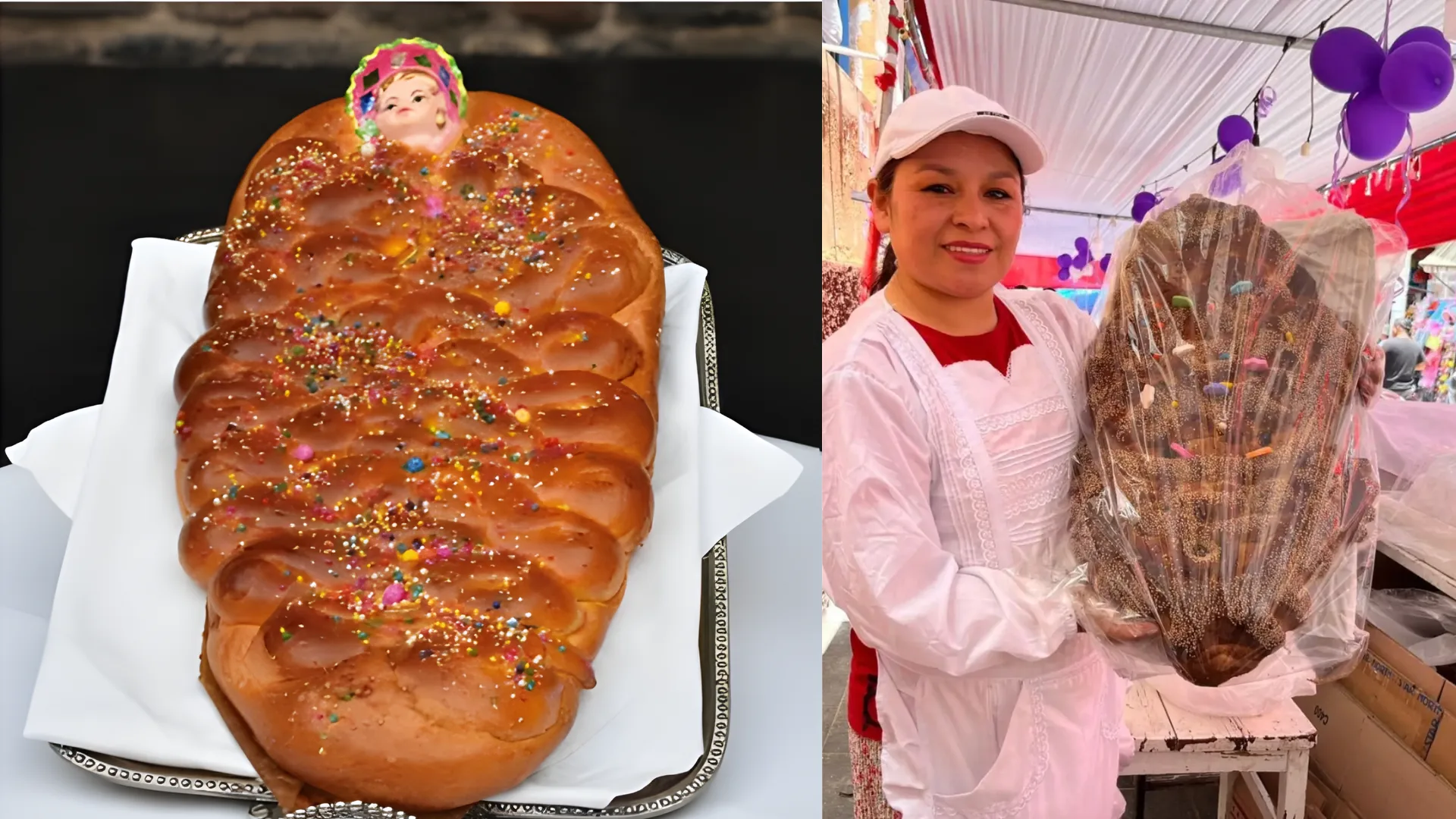
Most t’anta wawas are shaped like a baby wrapped tightly in blankets, with a visible face. These t’anta wawa figures are essential to the tradition because they make the bread recognizable immediately. In t’anta wawa Cusco, the range of t’anta wawa figures is impressive: some designs are minimal and traditional, while others are colorful, detailed, and bold.
The face is often the most striking feature. Depending on the bakery, the face can be painted, formed from molded material, or made using other creative methods. This variety is part of what makes pan t’anta wawa look like folk art you can eat.
The Flavor and Texture of Pan T’anta Wawa
Even though the tradition is the main story, the bread itself matters. Pan t’anta wawa is usually sweet, aromatic, and comforting. Some versions are soft and fluffy, while others are firmer and designed to hold their shape longer for sharing during the season. Across t’anta wawa Peru, recipes vary, but the general profile stays familiar: gentle sweetness and warm spice notes.
Traditional Notes and Seasonal Aroma
Many t’anta wawas have a recognizable aromatic touch, often linked to anise, plus optional additions like cinnamon, clove, citrus zest, raisins, or candied fruit. In t’anta wawa Cusco, bakeries put their own signature on the dough, so tasting t’anta wawa from two different places can feel like tasting two different traditions.
Ingredients to Make T’anta Wawa
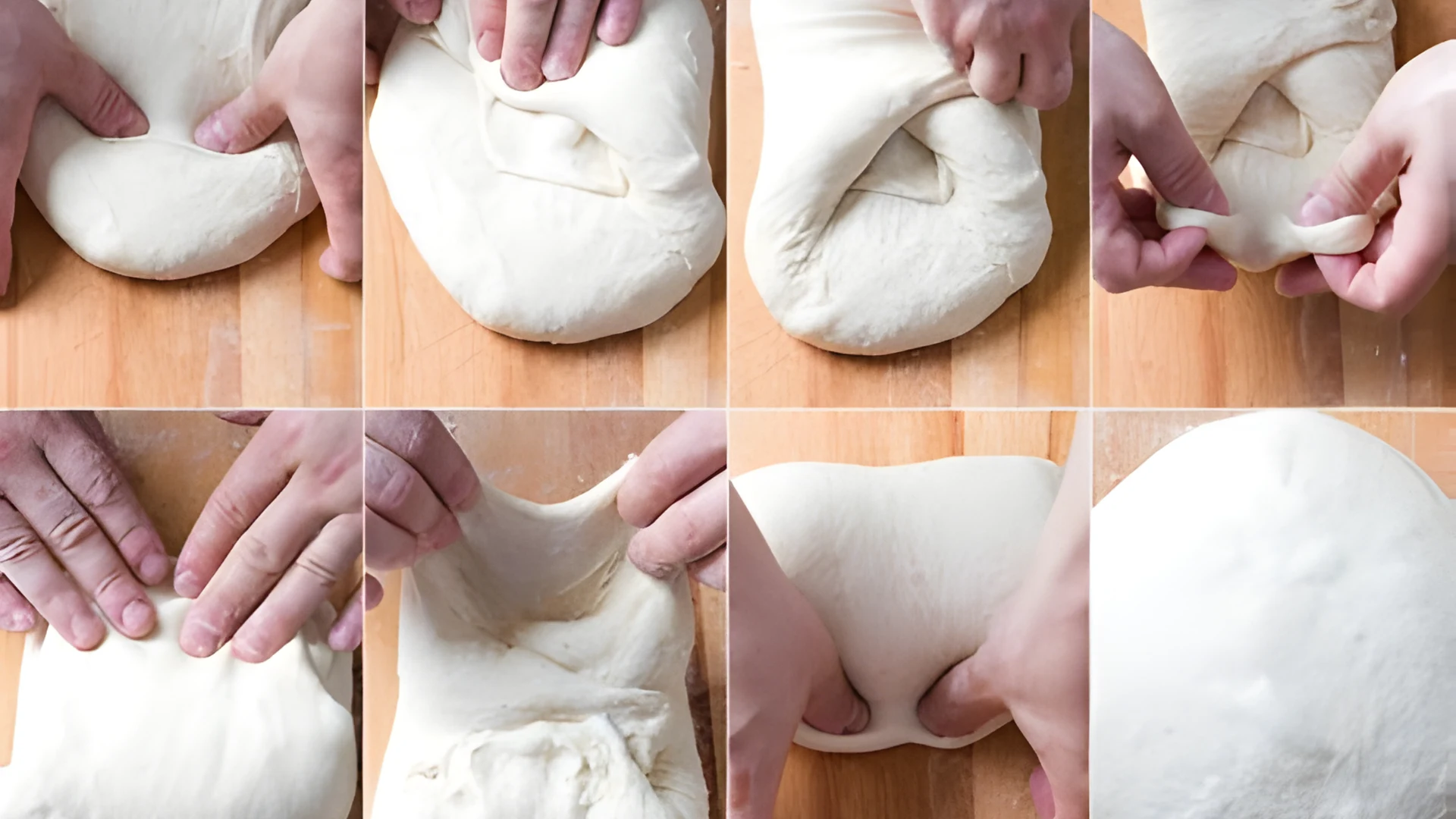
The most common ingredients to make t’anta wawa include flour, yeast, sugar, eggs, butter, and milk or water, plus aromatics like anise or citrus zest. Some versions include raisins or candied fruit. The ingredients to make t’anta wawa are similar to other enriched breads, but the shaping and decoration turn the dough into t’anta wawas with strong cultural identity.
Because recipes vary by family and bakery, the ingredients to make t’anta wawa can shift slightly, but the goal remains the same: a sweet bread that is easy to share and easy to recognize as pan t’anta wawa.
The History of T’anta Wawa in Cusco and the Andes
The history of t’anta wawa is connected to how Andean communities honor the dead while reinforcing ties among the living. In t’anta wawa Peru, early November traditions are not only private moments. They are also community moments. Food plays a major role in how people gather and remember, and t’anta wawa became one of the clearest seasonal symbols.
In t’anta wawa Cusco, the tradition is strongly visible because the city’s markets and bakeries treat the season as a cultural highlight. The bread shows up as part of the atmosphere, the economy, and the family calendar. This is why pan t’anta wawa is not simply a bakery item. It is part of the cultural rhythm.
The T’anta Wawa Tradition and Seasonal Memory
The t’anta wawa tradition is built around sharing and symbolism. Families buy t’anta wawas to share at home, to bring to relatives, and sometimes to include as part of remembrance practices. In that sense, the t’anta wawa tradition is not only about eating. It is about presence and continuity.
In t’anta wawa Cusco, the t’anta wawa tradition is easy to see in public: the seasonal displays, the family buying patterns, and the way vendors talk about the bread as part of the dates, not as a random product.
What T’anta Wawa Means on All Saints’ Day
The question comes up constantly because the date gives the bread its full context: what t’anta wawa means on All Saints’ Day. In Cusco, the meaning is tied to the season of remembrance when families honor loved ones who have passed away. T’anta wawa becomes part of that moment because it is symbolic, shareable, and visually linked to life.
So what t’anta wawa means on All Saints’ Day is not only “it is traditional bread.” It is that the bread becomes a seasonal symbol of family connection and memory in t’anta wawa Peru, especially visible in t’anta wawa Cusco. This is where t’anta wawa meaning and meaning of t’anta wawa become practical and real.
When T’anta Wawas Appear in T’anta Wawa Cusco
The most intense season for t’anta wawas is late October through early November. This is when markets fill with pan t’anta wawa and bakeries produce the widest range of sizes and styles. In t’anta wawa Cusco, the seasonal buildup becomes part of the city’s atmosphere.
The Peak Days in T’anta Wawa Peru
Across t’anta wawa Peru, November 1 and November 2 are widely linked to All Saints’ and All Souls’ traditions. In Cusco, those dates trigger a visible seasonal shift where food and gathering become central. Buying t’anta wawa at this time means buying it when it carries its strongest cultural meaning.
The Best Moment to Buy Pan T’anta Wawa
For the freshest bread and the best selection, mornings are ideal, especially near the peak dates. The most elaborate t’anta wawa figures can sell quickly. The busiest stalls often indicate which styles are most appreciated locally.
Where to Buy Pan T’anta Wawa in Cusco
Cusco offers two strong options: markets for variety and bakeries for freshness. Both are part of the experience, and both reflect how important t’anta wawa is in t’anta wawa Cusco.
Markets for Variety and Visual Culture
Markets show the full range of t’anta wawas. They also show how the tradition is lived. Families often buy more than one, sometimes in different sizes or styles. Seeing rows of pan t’anta wawa side by side makes it obvious that this is a seasonal tradition, not a single bakery’s specialty.
Local Bakeries for Flavor and Freshness
Neighborhood bakeries often focus on taste and texture. Some prefer softer dough with warm spice notes. Others make firmer breads designed to hold shape and decoration. In t’anta wawa Cusco, bakeries treat the tradition seriously, and the bread quality can be excellent.
How to Eat Pan T’anta Wawa Like a Local
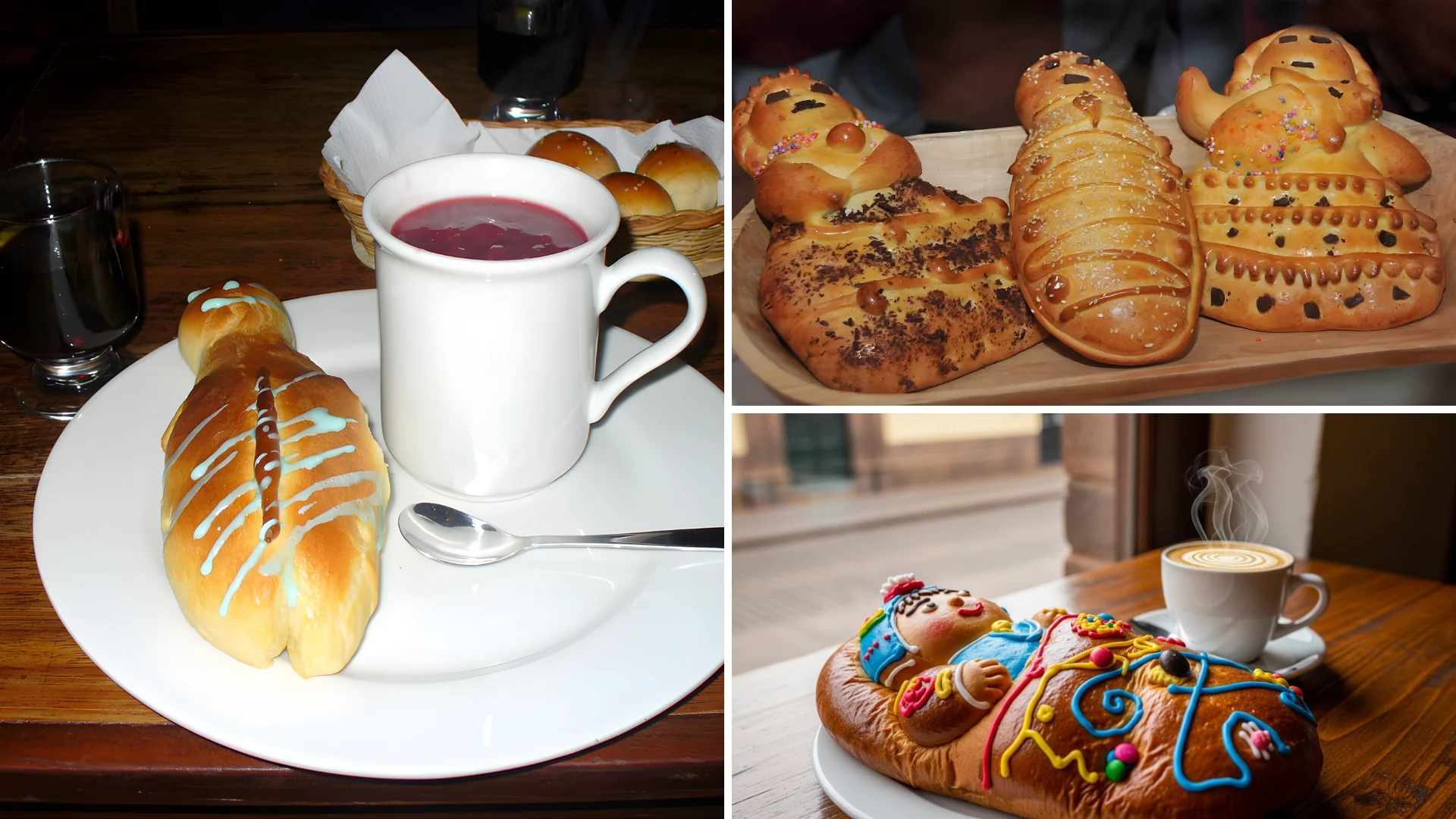
Pan t’anta wawa is meant to be shared. In t’anta wawa Peru, this bread typically appears in family contexts: on tables, at gatherings, and in moments that combine food with conversation and memory. Pan t’anta wawa pairs easily with warm drinks and works well as a centerpiece bread because it is both symbolic and practical.
Pairings and Everyday Ritual
Coffee and tea are common pairings. The bread is sweet enough to feel special but not so heavy that it becomes dessert-only. In t’anta wawa Cusco, the bread often stays on the table while people talk, visit, and spend time together.
Choosing Size and Style
Small t’anta wawas are easy to carry and taste immediately. Large t’anta wawas are better for sharing. If the goal is presentation and symbolism, the most decorated t’anta wawa figures tend to stand out. If the goal is flavor, bakery-made pan t’anta wawa with a softer crumb can be the best pick.
How to Make T’anta Wawas at Home and Pan T’anta Wawa Recipe Style Notes
How to make t’anta wawas depends on two things: the dough and the shaping. The base dough is similar to other sweet breads, and the identity comes from how the bread is shaped into a baby form and decorated. Many families have their own approach, which is why there is no single official pan t’anta wawa recipe across t’anta wawa Peru.
Ingredients to Make T’anta Wawa (Home Style Foundation)
A practical foundation for ingredients to make t’anta wawa includes flour, yeast, sugar, eggs, butter, milk or water, and aromatics such as anise or citrus. Raisins or candied fruit are common additions. These ingredients to make t’anta wawa produce a dough that can hold shape and still stay tender after baking.
Shaping and Decorating the T’anta Wawa Figures
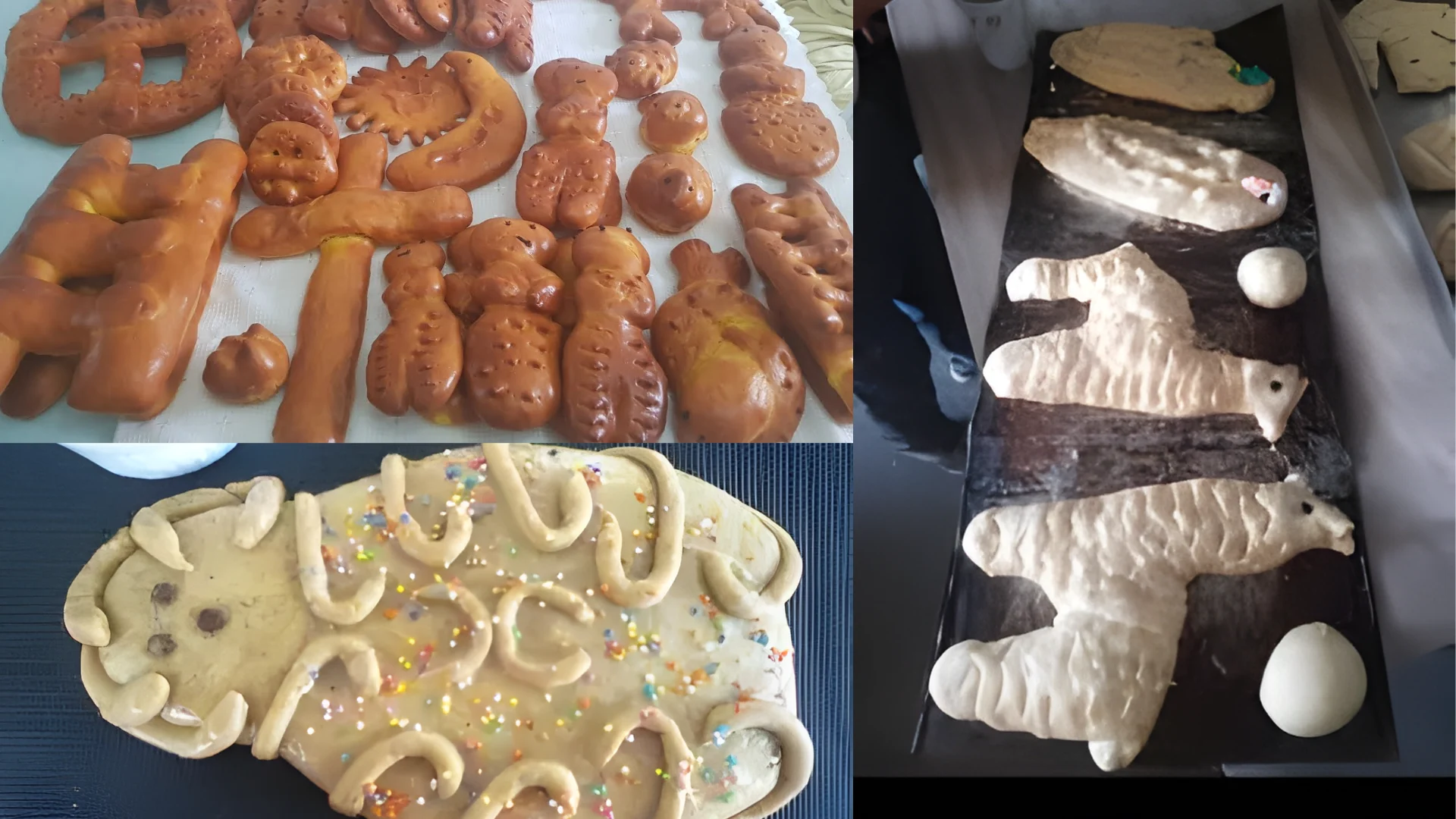
For how to make t’anta wawas, the dough is shaped into a baby form, often with a wrapped look. After baking, decoration completes the identity. The face and colorful details are what turn it into recognizable t’anta wawas. This is the part of pan t’anta wawa recipe that varies the most by region and family.
Because decoration styles differ widely, t’anta wawa figures can look traditional, playful, or highly artistic. In t’anta wawa Cusco, that variation is part of what makes the seasonal displays so memorable.
Frequently asked questions about Pan Wawa in Cusco: The Real Story of T’anta Wawa in Cusco
The t’anta wawa meaning is tied to life, family, and remembrance during early November traditions. The meaning of t’anta wawa is cultural and symbolic, not only culinary.
In Cusco, what t’anta wawa means on All Saints’ Day is directly linked to the seasonal tradition of honoring loved ones who have passed away and gathering as families. The bread becomes part of the t’anta wawa tradition in t’anta wawa Peru, especially strong in t’anta wawa Cusco.
Most pan t’anta wawa is sweet and aromatic, often with anise and optional dried fruits. Sweetness varies by bakery and family recipe across t’anta wawa Peru.
There is no single official pan t’anta wawa recipe because recipes vary by family, community, and region. The core pattern stays similar, but details shift across t’anta wawa Peru.
The t’anta wawa figures carry the identity of the tradition. The shape makes it symbolic, and the decoration makes it recognizable. In t’anta wawa Cusco, the variety of t’anta wawa figures is part of what makes the season feel special.