
Chiriuchu: The sacred dish of Cusco
Chiriuchu is the signature dish of Cusco: a dish that brings together the Andes, the coast, and the jungle in a single bite. With over 500 years of history, it was part of the celebrations of the Inca Empire and continues to delight palates today. As a proud Cusqueña, I want to invite you to discover its secrets, its history, and why this iconic dish of Cusco will surprise you from the very first bite. Welcome, and enjoy!
Cusco style Chiriuchu: History, recipe and where to eat it
Chiriuchu is an Inca culinary tradition passed down through generations. In this blog, you’ll discover how this unique dish originated, what its name means, and why its combination of ingredients is so special. I’ll also show you how to prepare it, share some tips to help you feel like a true Cusco local, and point you to the best places to try it. Get ready because Chiriuchu isn’t just eaten… it’s experienced.
What is Chiriuchu?
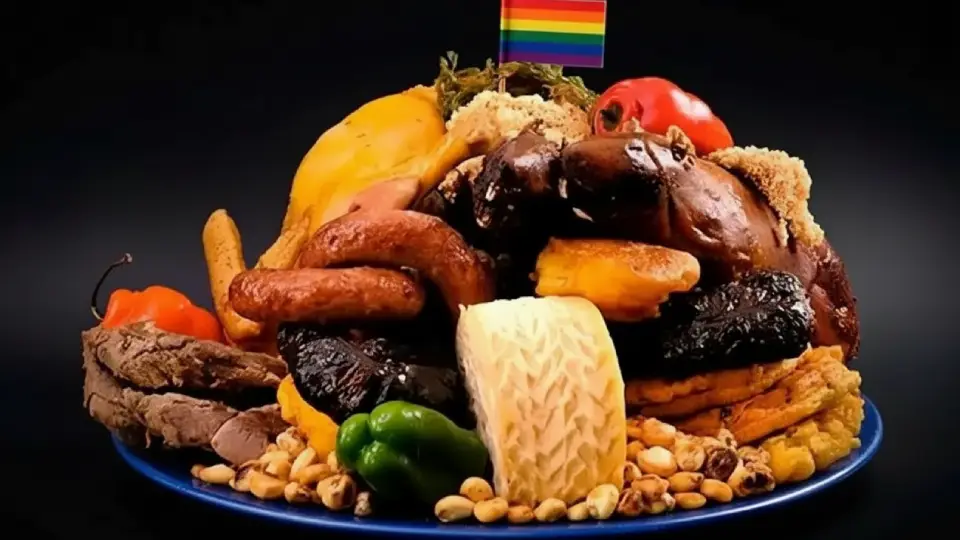
It’s more than just a traditional dish from Cusco that combines meats, Andean grains, seaweed, and other ingredients. What makes it interesting isn’t just the mix itself, but the balance of flavors each one brings something different while complementing the others. As a result, every bite offers a completely distinct experience.
What does the name Chiriuchu mean?
The word Chiriuchu or “chirihuchu” comes from Quechua: “chiri” means cold and “huchu” or “uchu” means chili pepper or spice. So, the name can be understood as “cold mix.” And yes, that gives you an important clue: this dish is eaten cold or at room temperature.
The importance of Chiriuchu in Andean culture
Chiriuchu represents the union of different ecosystems of Peru. It’s a dish that symbolizes the integration of cultures and regions. As a result, each plate tells a story of cultural exchange.
- Highlands: corn, guinea pig
- Coast: fish roe
- Andean diversity: chili peppers and a variety of ingredients
What makes Chiriuchu unique?
What makes Chiriuchu unique is precisely that apparent contradiction ingredients from land and sea, from Pre-hispanic and Colonial origins, from everyday cooking and ritual cuisine all coexisting in harmony on a single plate.
History of Chiriuchu: from the Incas to today.
Chiriuchu in the Inca Era
First, let’s travel back to the Inca Empire, where ancient Peruvians ate Chiriuchu during ritual ceremonies. In addition, the Inca would invite the people to share these foods during festivals such as Inti Raymi. As a result, food served as a strong political and spiritual bond.
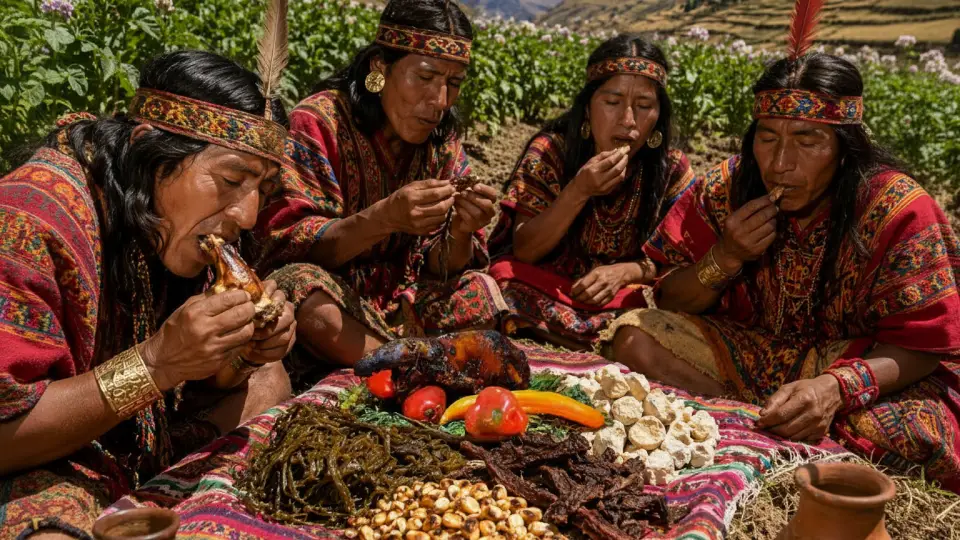
Chiriuchu in the Tahuantinsuyo
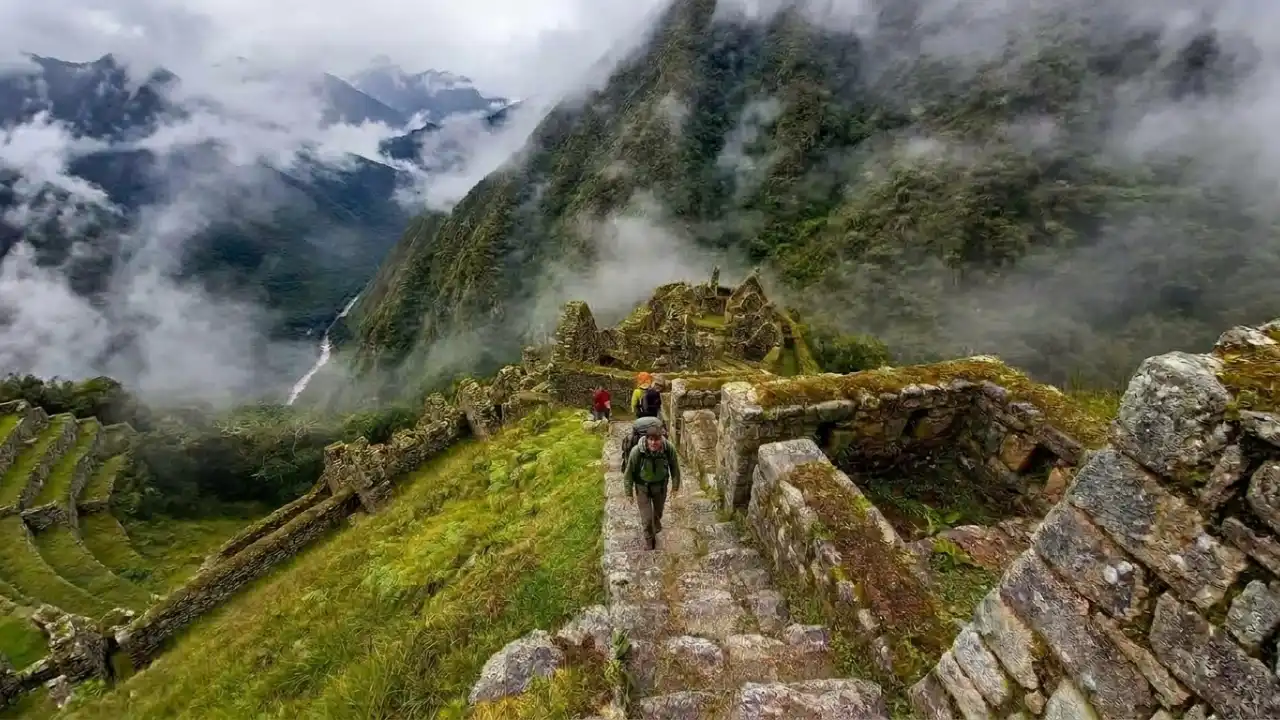
Later, in the Tahuantinsuyo, Chiriuchu was eaten during Inca agriculture and collective labor such as Ayni and Minka, since it was taken directly to the fields because it didn’t spoil and was practical. Likewise, the chasquis used it during their long journeys and also took advantage of the Qhapaq Ñan routes, or Inca Trail, to bring ingredients from the coast.
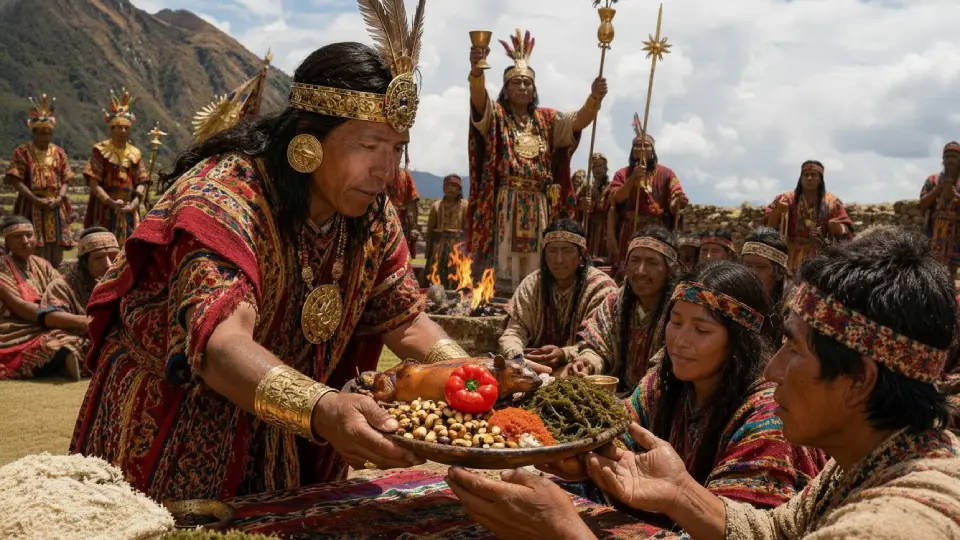
Syncretism of Chiriuchu in the colonial era
Later, with the arrival of the Spanish, the Catholic calendar absorbed Andean festivals and, as a result, Corpus Christi was introduced in Cusco. From that point on, colonial families adopted the recipe and incorporated ingredients such as blood sausage, cheese, and sausage.
Chiriuchu’s Leap into Global Fine Dining
Later on, in contemporary haute cuisine, chefs like Virgilio Martínez and Pía León have explored its ingredients, deconstructing the dish and reinterpreting it with modern techniques. Although these versions move away from the original, they have helped bring international attention to ingredients such as cochayuyo and charqui.
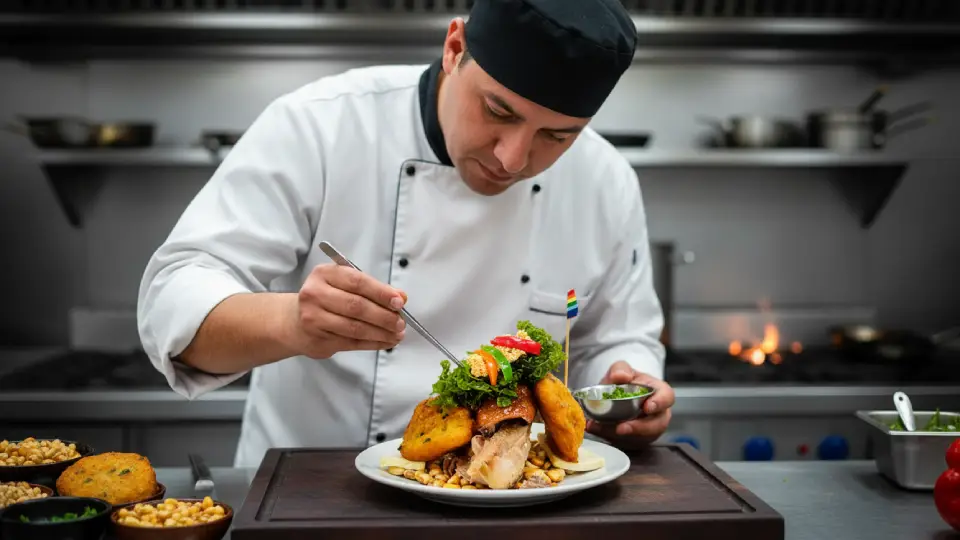
Current Recognition of Chiriuchu
- Finally, today Chiriuchu is recognized by Peru’s Ministry of Culture as part of the nation’s intangible gastronomic heritage.
- It was declared Cultural Heritage by the Andean Parliament in July 2024.
How to prepare a Chirihuchu?
One of the most interesting aspects of Chiriuchu is the wide variety of its ingredients, as each one has its own history, nutritional value, and cultural significance. This combination also beautifully reflects the richness of Cusco’s cuisine in every detail. With that in mind, let’s take a closer look at each ingredient one by one.
Main Chiriuchu Ingredients for 6 People
| Ingredients | Quantity for 6 people |
| Whole cleaned guinea pig | 2 units |
| Whole cleaned hen | 1 unit |
| Charqui or cured meat (cecina) | ½ kg |
| Boiled chorizos | 4 units |
| Fresh huacatay | ½ bunch |
| Salt and pepper | to taste |
| Rocoto (red or yellow) | 1 unit |
| Cochayuyo (seaweed) | 60 g |
| Fish roe (caucau) | 30 g |
| Cheese | 1 round |
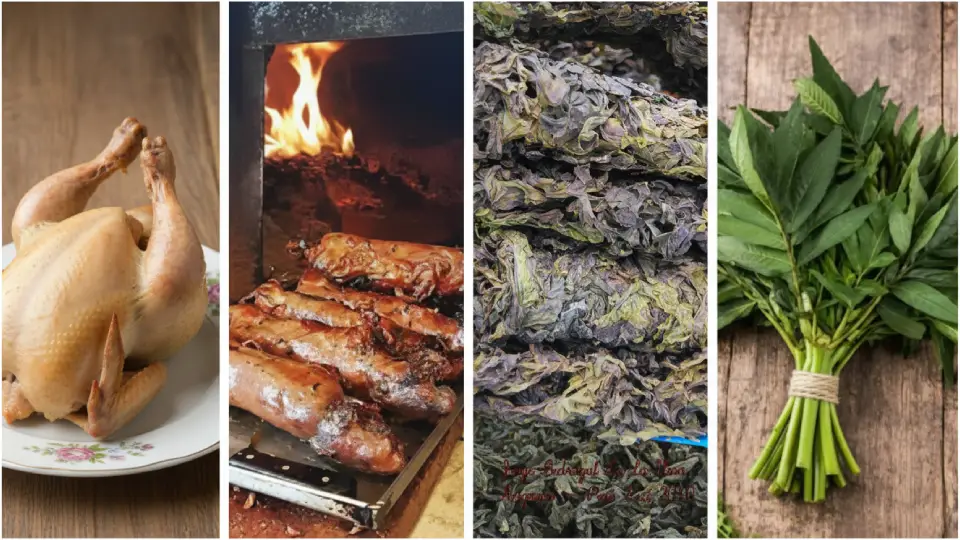
Ingredients for the Tortilla
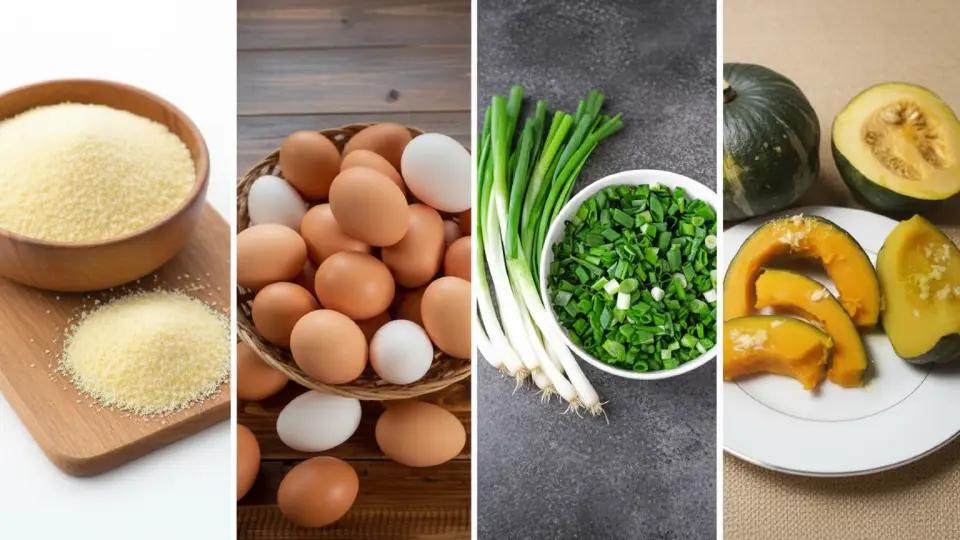
| Corn flour | 100 g |
| All-purpose flour | 100 g |
| Beaten eggs | 4 units |
| Boiled macre squash | 300 g |
| Chopped green onions (scallions) | 2 cups |
| Baking powder | a pinch |
| Fresh or dried oregano | 4 fresh sprigs for broth |
| Salt, pepper, and cumin | a pinch |
| Oil | ½ liter |
| Hen broth | 2 cups |
Traditional Chiriuchu Recipe Step by Step
Preparing Chiriuchu is a careful process that usually starts one or two days in advance. There isn’t just one recipe each family adds its own touch and keeps the tradition alive. So if you’re ready to make it at home, all you need are the right ingredients, patience, and enjoyment while assembling this iconic Corpus Christi dish, which can take around 24 hours.
Roast the following ingredients
Guinea pig
First, clean the guinea pig and season it with salt, cumin, ají panca, and sprigs of huacatay inside. Then roast it slowly in the oven or over coals for 45 minutes to an hour, until the skin is golden and very crispy. Finally, let it cool completely and serve it whole or in pieces.
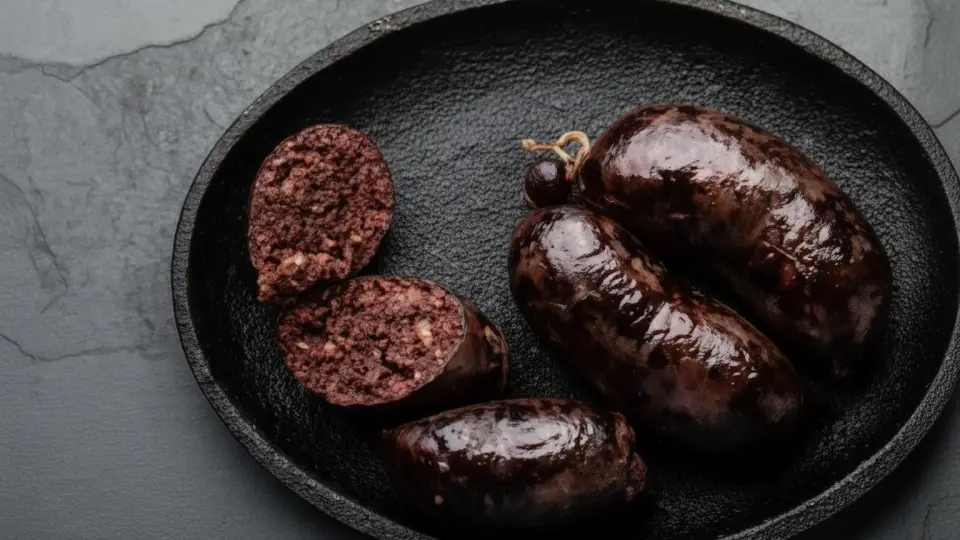
Blood sausage (morcilla)
Next, add a little oil to the blood sausage and place it in the oven along with the guinea pig for about 30 minutes. Then let it cool completely before slicing it into rounds so it holds its shape when served.
Tullán
To prepare tullán, stuff the guinea pig intestine with a mixture of chopped offal, potatoes, fava beans, mint, garlic, green onions, vinegar, and oil. Then roast it alongside the guinea pig for about 30 minutes. Once cooled, slice it into rounds so the filling stays intact and the cuts are even.
Boil the following
Boiled hen
It’s best to use a hen rather than chicken. Boil it in a pot with water for about 25 minutes with salt, a piece of ginger, fresh oregano, whole black peppercorns, bay leaves, a sprig of mint, and celery. Let it cook well so the broth becomes rich and flavorful. Once done, remove it from the pot and let it cool slightly before cutting.
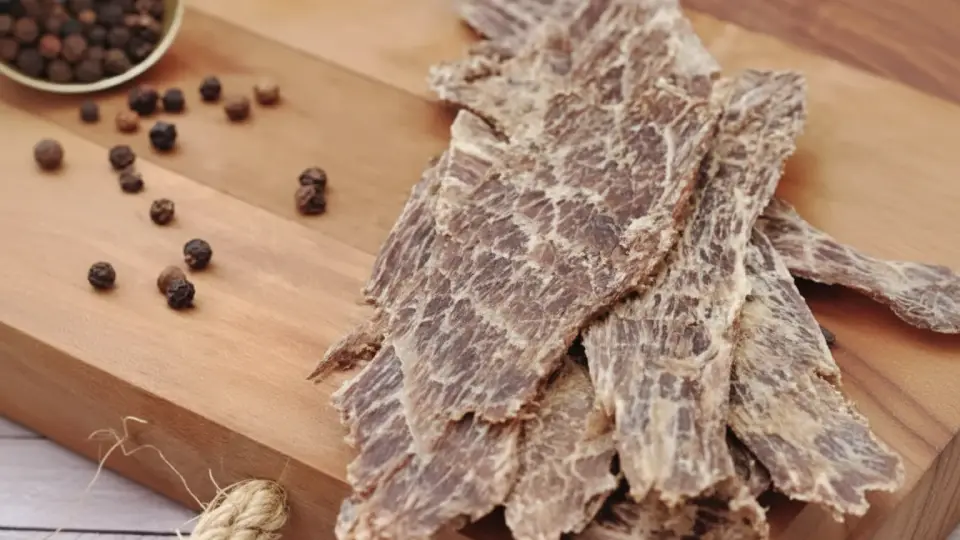
Charqui or cecina
Charqui and cecina are usually bought ready-made at the market. First, lightly toast them over a flame on both sides. Then gently pound them to help soften the fibers. Next, boil them in plenty of water to remove excess salt. Once ready, drain well and let cool. Finally, cut or tear into irregular pieces to add texture.
Cochayuyo (seaweed)
Cochayuyo often stands out, especially if you haven’t tried it before, but it’s simple to prepare. First, boil it in salted water for about 5 minutes. Then add a pinch of baking soda to help maintain a greener color. Drain and let it cool before serving.
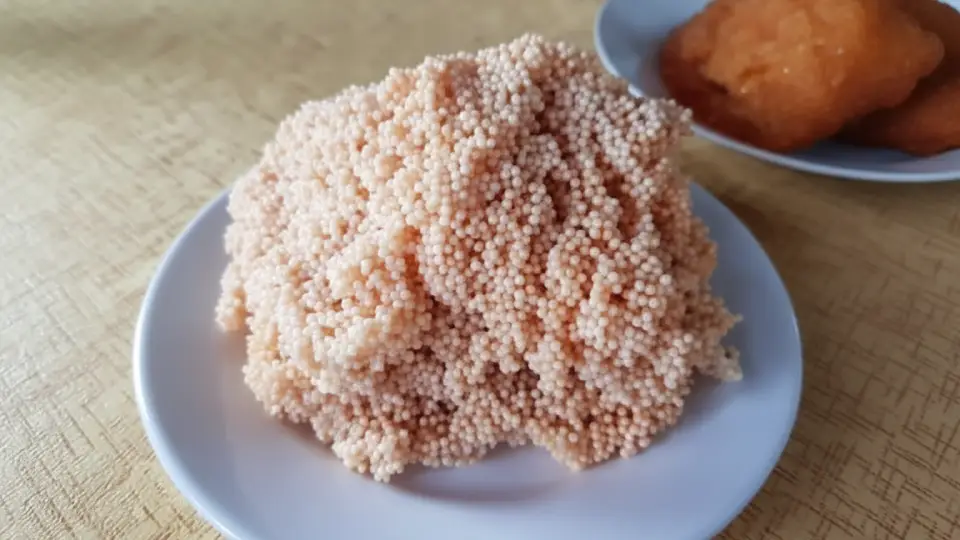
Caucau (fish roe)
Caucau, or fish roe, can be bought dried or pre-soaked. If dried, soak it overnight first. Then boil it in plenty of salted water for about 5 minutes. Drain well and let cool before adding it to the dish.
Ingredients to fry
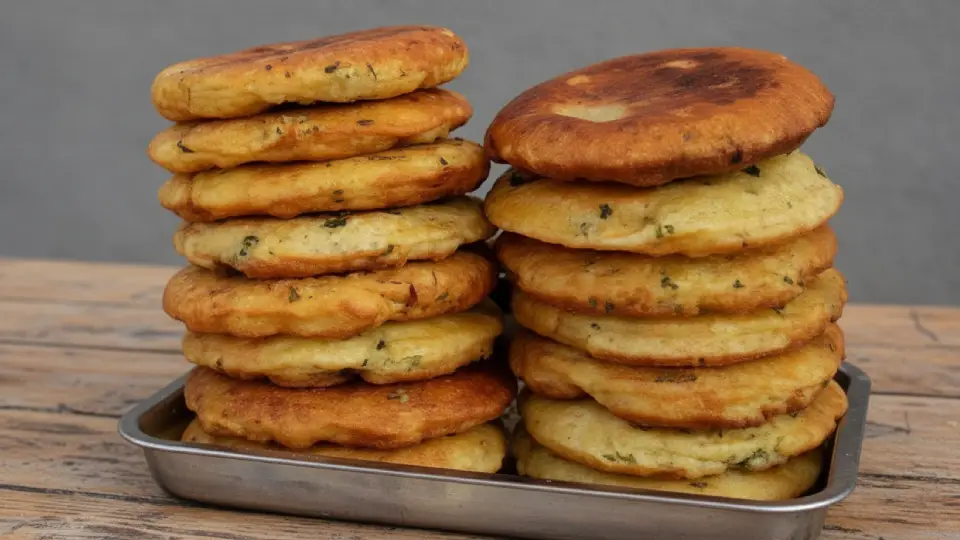
Corn tortilla
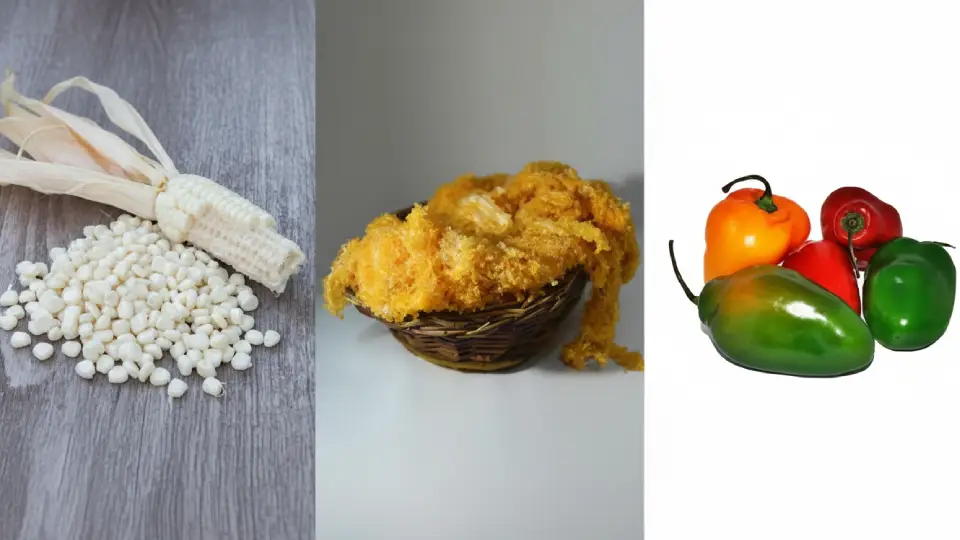
Sift the corn flour first. Then gradually add cold hen broth, eggs, a pinch of salt, and finely chopped green onions. Mix until you get a smooth, uniform batter. Add baking powder and let it rest for 20 minutes. Finally, fry in plenty of oil. Let cool before serving.
Toasted corn (canchita)
This dish uses toasted starchy corn, a very traditional Andean ingredient and a key source of carbohydrates in Chiriuchu. To make it softer, soak the dried corn for about 3 minutes before frying. Then fry until ready, add a pinch of salt, and let cool before serving.
Cusco tip…
When boiling the hen, start with just a small amount of water. This helps create a more concentrated, flavorful broth. Then use that same broth to prepare the tortilla it will taste much richer.
Ingredients to cut
Cheese
The Cusco style cheese used in Chiriuchu was introduced during the colonial era. Buy it at the market, rinse it, and cut it into pieces. A good tip is to divide one round into 8 equal parts for easy serving.
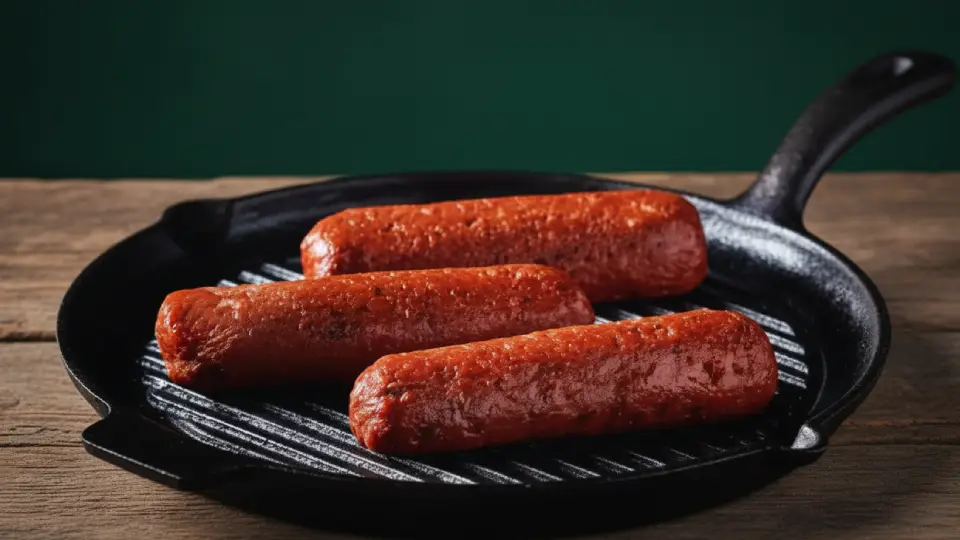
Chorizo
Next is the chorizo, which was also added later to enhance flavor. It has a reddish color and a strong taste, so only a moderate amount is needed. Slice it into small rounds.
Rocoto (chili pepper)
Now for something special: rocoto. This gives the dish its signature heat. It can be red, orange, or green, and while it’s quite spicy, it also has great flavor. Cut it into small pieces and use it to enhance the presentation of the dish.
Preparing the fritter (torreja)
- Start by cooling and straining the hen broth, and mash the squash. Gradually add both flours into the broth while stirring to avoid lumps, then gently mix in the squash purée.
- Once the mixture is consistent, add the beaten eggs. Then add baking powder and chopped green onions. Season with salt, ground oregano, pepper, and cumin to taste.
- Let it rest for 5 to 10 minutes until it rises slightly, then fry over medium heat in plenty of oil, shaping portions as desired.
Cusco tip…
Flip the fritter when the top becomes porous this indicates it’s ready to turn and ensures it cooks through without being raw in the center.
How to serve and assemble the dish
Now it’s time to put everything together! Start by placing the tortillas as the base. Then add the toasted corn on top. Next, arrange the guinea pig and hen. Place the cochayuyo on one side, and distribute the remaining ingredients around the plate. Finish by adding the fish roe and rocoto as the final touch.
Important note…
Did you know people from Cusco say, “If the fritter tastes great, the Chiriuchu is well made”? It all comes down to the flavor of the hen broth.
Festivities where Chiriuchu is consumed
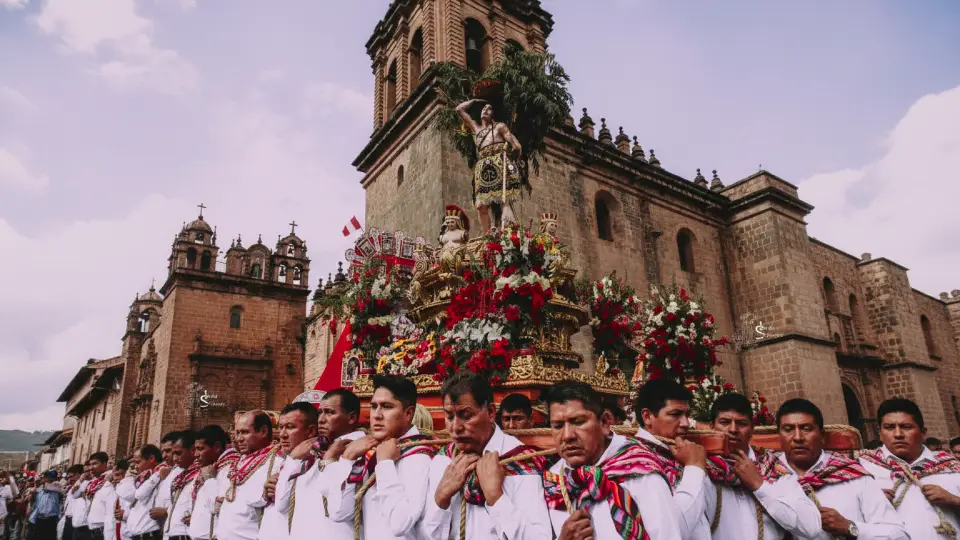
Corpus Christi in Cusco
Cusco’s Corpus Christi features 15 patron saints from different parishes, all brought out in procession. Their iconography blends Catholic elements with the Andean worldview. The clothing, dances, and music combine Indigenous, African, and European influences in a way that is truly unique in the world.
Did you know…
It is considered one of the most important festivals in Latin America. It takes place between May and June (sixty days after Holy Week) and brings together thousands of pilgrims, tourists, and devotees in Cusco’s Plaza de Armas over the course of a week.
Cusco Festivities
The people of Cusco recognize Chiriuchu as the city’s signature dish, widely enjoyed during district anniversaries such as San Sebastián, Santa Ana, and San Blas, as well as on Cusco Day and at family celebrations.
Who are the Chiriucheras?
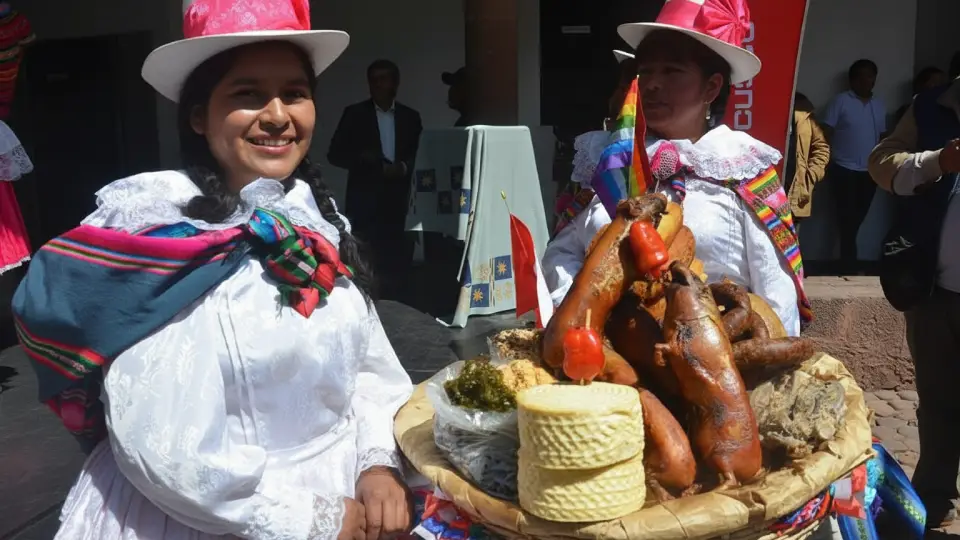
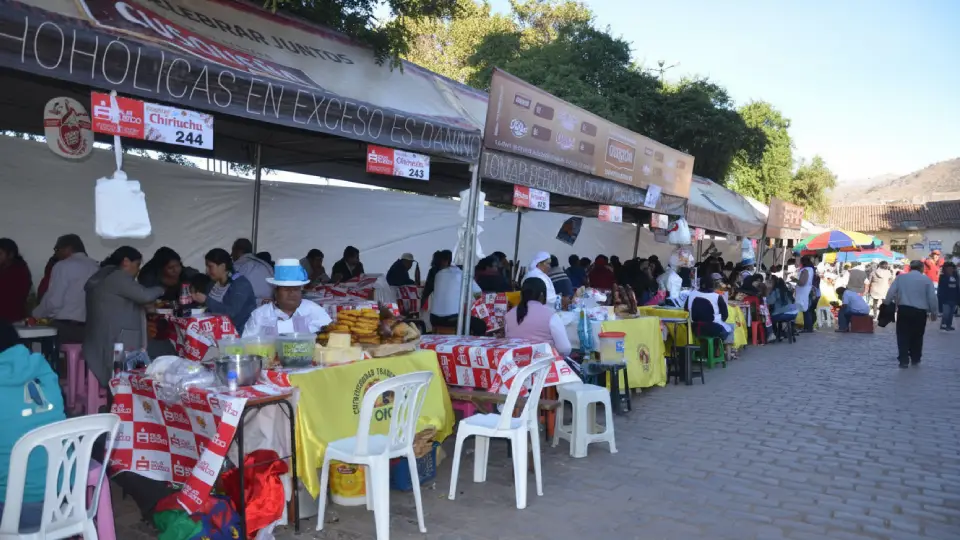
They are the guardians of tradition. The women who prepare and sell Chiriuchu during Corpus Christi are known as “chiriucheras” and are considered keepers of a centuries-old tradition. Many have inherited their recipes and selling spots from their mothers and grandmothers. For these families, preparing Chiriuchu for Corpus Christi is a matter of identity, honor, and community.
Important note…
Among the chiriucheras, there is a friendly yet intense competition to offer the best Chiriuchu the one with the crispiest guinea pig, the freshest cochayuyo, and the most tender charqui. Local diners, who know Chiriuchu better than anyone, are the ultimate judges.
Where and how to eat the best Chiriuchu in Cusco?
Recommended Places
San Francisco Plaza during Corpus Christi
If you’re looking for an authentic experience, this is the ideal spot. During Corpus Christi, just three blocks from Cusco Cathedral, San Francisco Plaza comes alive. There, you choose your favorite chiriuchera often recommended by locals and passed down through generations then sit on a simple chair while enjoying the festive atmosphere. As a result, you’re not just eating you’re experiencing the tradition.
San Pedro Market
Year-round, San Pedro Market offers options to try Chiriuchu, and Sundays in particular are especially lively. You can also pair it with other traditional Cusco dishes, making the experience even more complete and diverse.
Cusco Cuisine Restaurants
Throughout the year, you can find Chiriuchu in various Cusco style restaurants, so there’s always an opportunity to try it. You can visit places like Chicha by Gastón Acurio or Limo, near Plaza Regocijo, where it’s served in a more comfortable setting.
How to Eat Chiriuchu
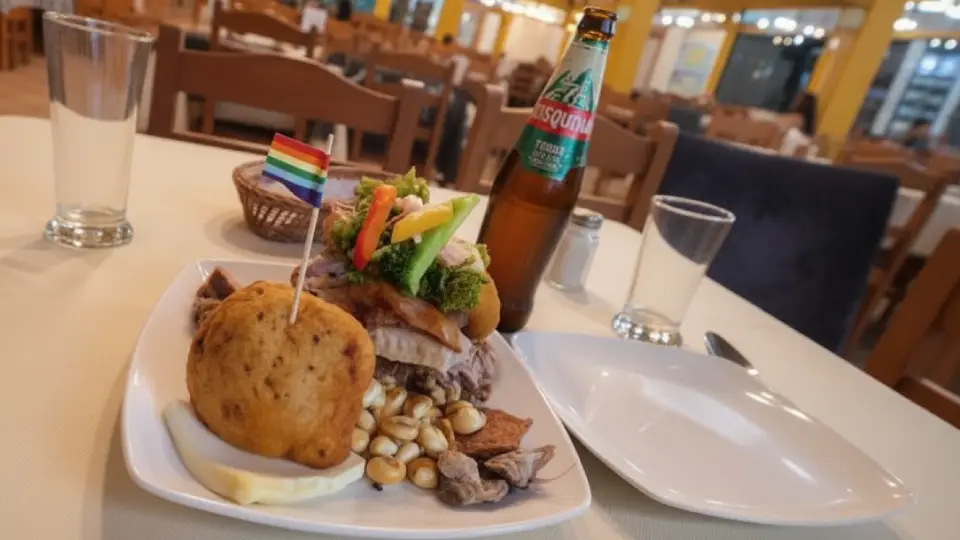
Like a true Cusqueña, I recommend enjoying Chiriuchu the right way. First, take a little bit of each ingredient and then try them together in a single bite. This way, you’ll gradually experience how the flavors of the meats blend with that distinctive coastal touch. If you eat them separately, you miss the unique combination that makes this dish so special.
“So take your time, enjoy it slowly… Bon appétit and welcome to Cusco, capital of the ancient Tahuantinsuyo! And of course, if you have the chance, experience Inti Raymi as well.”
What to expect when trying it for the first time
If it’s your first time trying Andean food, it’s normal for Chiriuchu to surprise you. At first, you’ll notice bold flavors and very different textures. But if you approach it with an open mind and don’t compare it to what you already know, you’ll gradually enjoy it more and understand why it’s so special.
Why is Chiriuchu eaten cold?
Chiriuchu is eaten cold for a reason. First, it preserves better and is more practical to transport and share. Also, serving it this way makes it ideal for large celebrations. That’s why it perfectly matches its mix of ingredients while keeping a tradition alive that has lasted for generations.
How much does a plate of Chiriuchu cost?
During Corpus Christi, a full plate of Chiriuchu in San Francisco Plaza costs between 30 and 35 Peruvian soles. In restaurants, it can be more expensive. The price varies depending on the quality and quantity of the ingredients.
What to drink with Chiriuchu
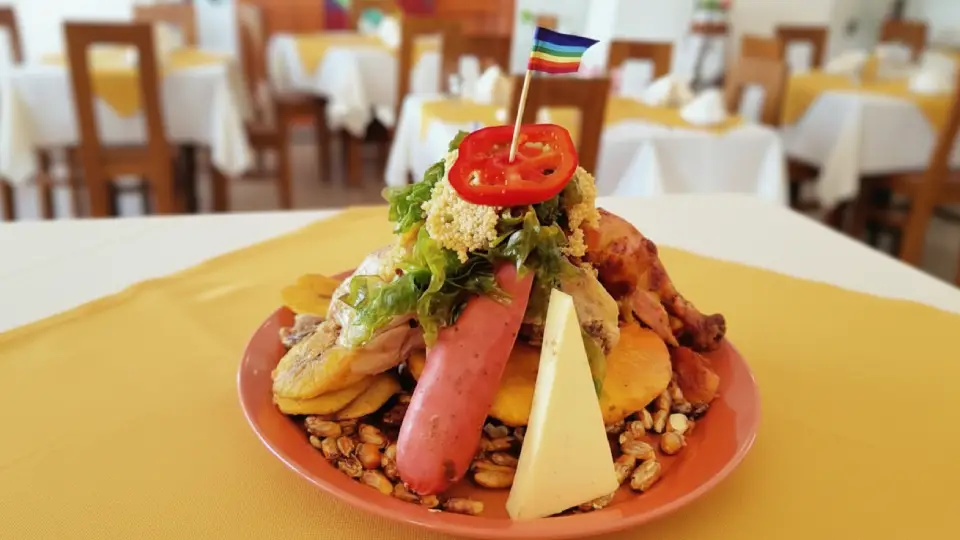
Chiriuchu pairs perfectly with chicha morada (a refreshing purple corn drink), chicha de jora (a lightly fermented corn beverage), and Cusqueña wheat beer.
Nutritional value of Chiriuchu
One of the most remarkable aspects of Chiriuchu is its nutritional profile. This dish, with pre-Hispanic roots, was created long before the science of nutrition existed yet it stands out as a perfectly balanced meal.
Essential Nutrients in Chiriuchu
Did you know how nutritious this dish is? It offers a high protein content and relatively low fat levels. By combining ingredients from the highlands, coast, and jungle, it provides high-quality proteins (guinea pig, hen), along with iron, minerals (such as calcium and phosphorus), and energy.
Complete Proteins
Did you know this Andean feast can supply your body with rich, complete proteins? Chiriuchu delivers a high protein value thanks to ingredients like guinea pig, charqui, cecina, tullán, and fish roe. Each of these contributes exceptional nutritional quality, ensuring top-tier nourishment in every bite.
Micronutrients
Cochayuyo is an excellent source of bioavailable iron, calcium, and B vitamins. Rocoto provides vitamin C in amounts that can exceed those of lemon. Andean meats are also rich in zinc and selenium.
Healthy Fats
- Chiriuchu is not a greasy dish.
- Most Andean meats, such as guinea pig and llama, are naturally lean.
- The dish has a reasonably balanced fat profile.
- Chiriuchu is one of the most unique and fascinating dishes in Peru.
But what’s most impressive isn’t just its flavor it’s what it represents. Its combination of ingredients, history, and meaning makes it a truly unique experience for anyone who wants to discover the true essence of Cusco’s gastronomy.
Frequently Asked Questions about Chiriuchu
It depends on how much rocoto or chili pepper is added. In its standard version, it has a moderate level of heat. If you’re sensitive to spicy food, you can ask for it with less chili.
Yes, although less frequently. San Pedro Market in Cusco offers it on certain days of the week, and some restaurants include it on their regular menu. However, the full experience with the festive atmosphere, the chiriucheras, and the sound of processions in the background only happens during Corpus Christi.
In its traditional version, Chiriuchu is gluten-free, since its main components naturally do not contain gluten. However, if the corn tortilla is prepared in a place that also uses wheat flour, there may be cross-contamination. It’s best to ask before ordering.
Traditionally, it’s eaten with clean hands, although some people prefer to use utensils for certain ingredients.
It’s mainly eaten at midday, especially during celebrations.
No, it’s a festive dish typically enjoyed during Corpus Christi and other special occasions.