Peru Food Classic Guide: Famous Dishes and Food Culture
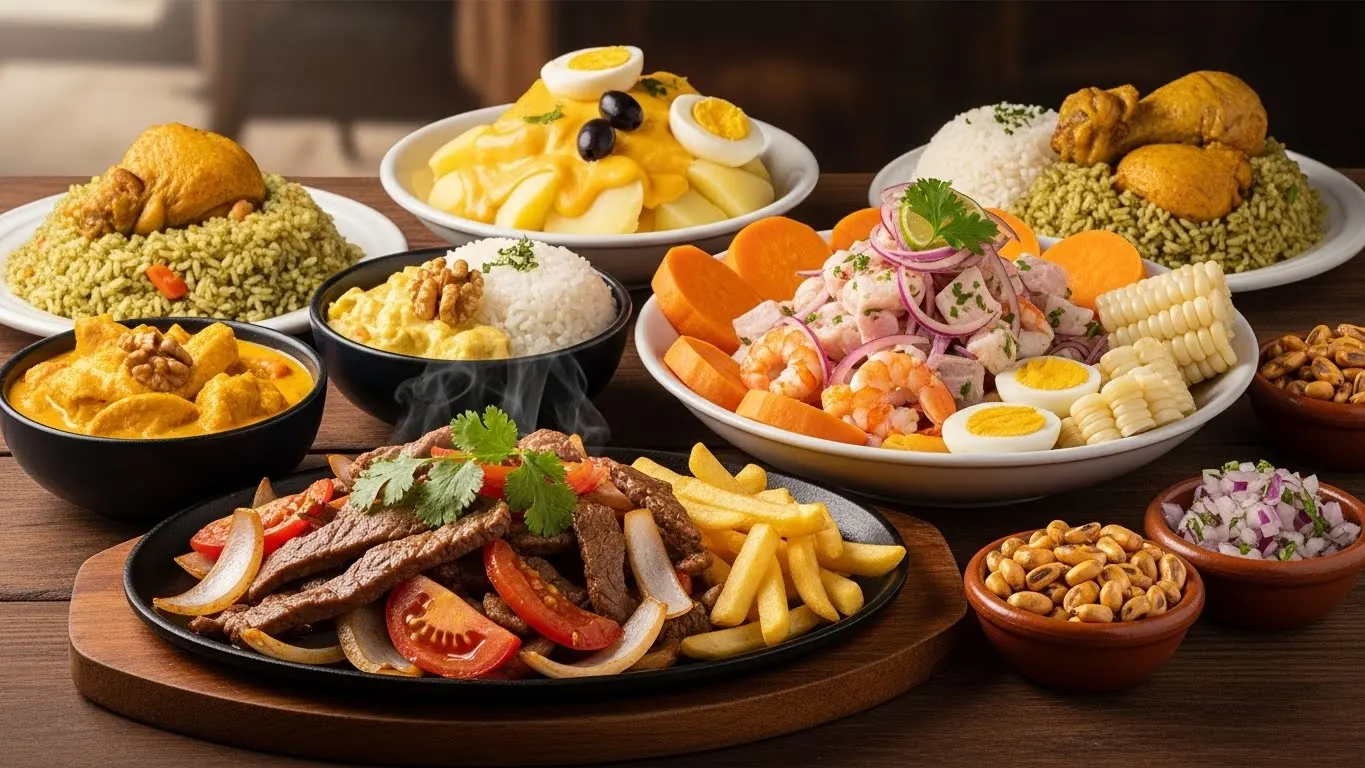
Peru food classic symbolizes the roots of some of the oldest, most renowned culinary traditions in the world today. Peruvian cuisine can truly be said to rely on its biodiversity, its indigenous knowledge, and its rich history of influences. When people travel to Peru today, searching for “Peru food” or “Peru food tourism” or “Peru cuisine” in the form of traditional food in Peru, what they are actually looking for are the roots of the country’s cuisine.
Perú cuisine is regional, seasonal, and very characteristic of the culture of the people of Perú. There is Perú cuisine from the coast of Perú, from the Andes of Perú, and from the Amazon of Perú. It is a guide that highlights the popular food of Perú that usually comes up when one searches for the most popular food of Perú.
Classic Peruvian Food Dishes
These dishes provide the basic composition that makes up traditional cuisine in Peru, which is known locally and worldwide.
Ceviche
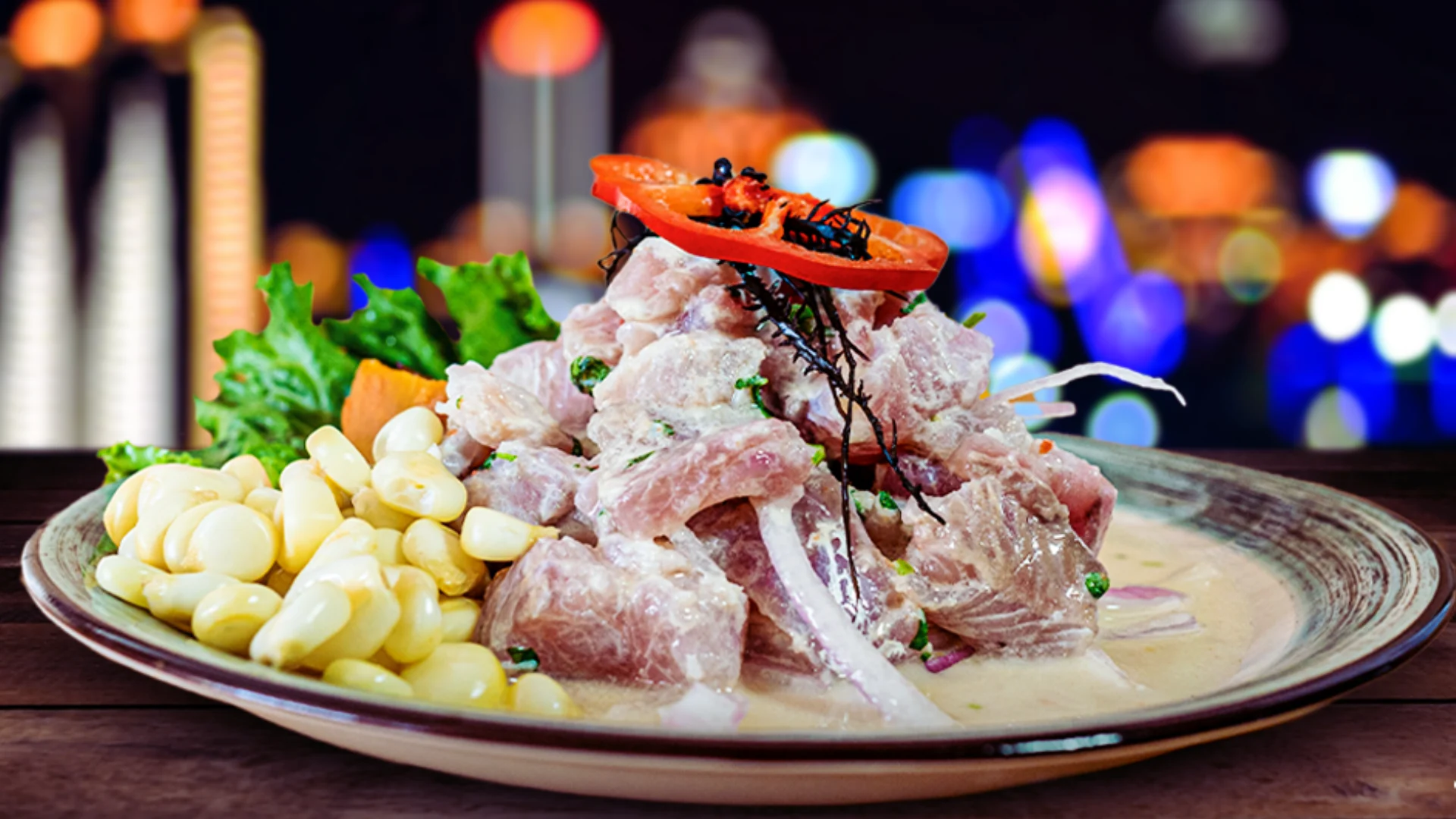
Ceviche is the national dish of Peru and the most obvious example of coastal cuisine in Peru. It is made from raw fish marinated in lime juice, mixed with red onion, ají limo pepper, salt, and coriander.
Well before the Spanish colonization, there were coastal civilizations that fermented fish in fruit juices and chili peppers. Citrus fruits from Spanish colonization molded the modern-day preparation of ceviche. Today, it symbolizes freshness, simplicity, and harmony.
Corn, boiled sweet potato, and grilled corn are usually accompanied with the dish. These help temper the acidic and chili Heat in the dish, since ceviche can only be taken in the middle of the day.
Lomo Saltado (Stir-Fried Beef)
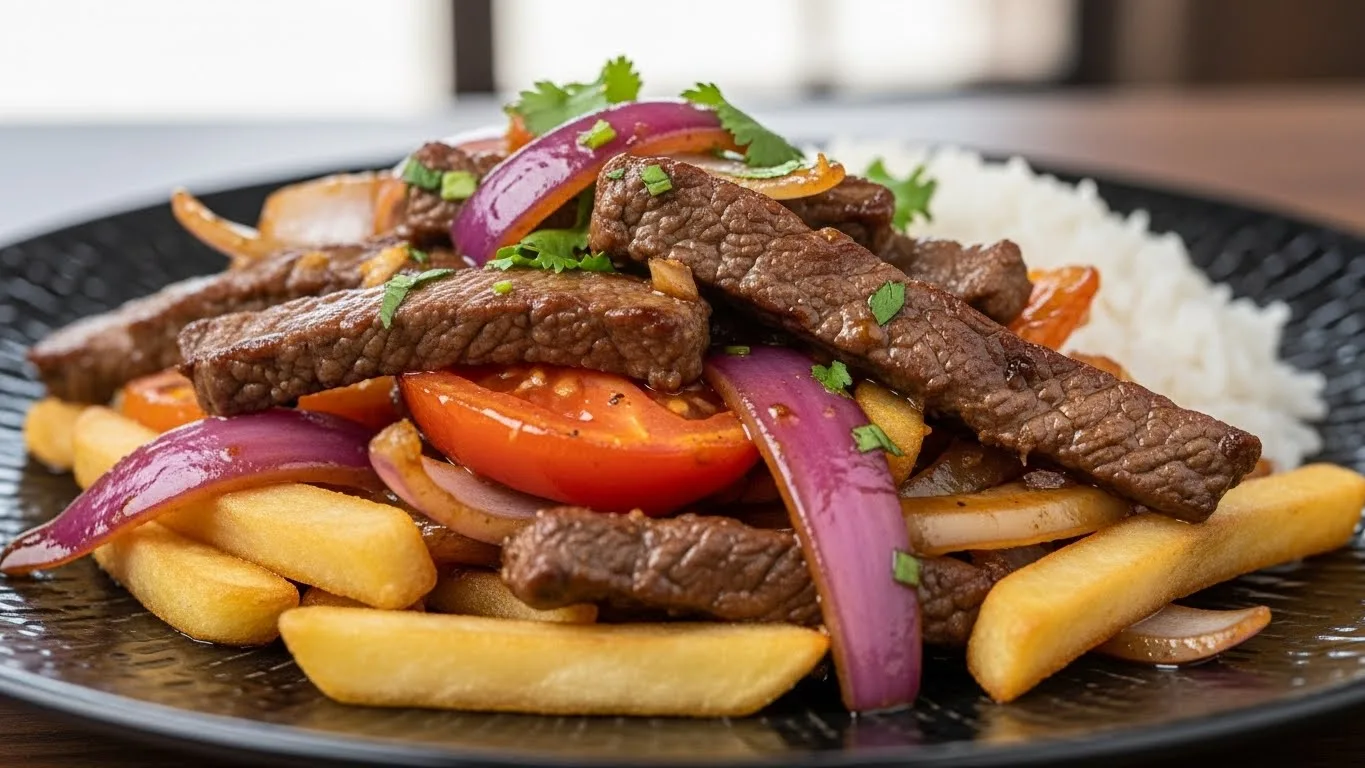
Lomo saltado is one of the most typical peruvian fusion foods. The dish is made by stir-frying diced beef and onions along with tomatoes and marinated in soy sauce and spices.
This cuisine developed during the late 19th century as Chinese immigrants brought wok cuisine and soy sauce to Peru. These practices were incorporated into the existing cuisine rather than supplanting it.
It is usually accompanied by a plate featuring white rice and French fries side by side, a serving style which is characteristic for Peruvian dishes.
Ají de Gallina (Creamy Chicken)
Chicken stew in ají sauce is a creamy chicken dish that is traditionally associated with Peruvian homemade food. This is made by stewing chicken in a sauce composed of ají amarillo peppers, bread soaked in water, milk, cheese, and walnuts.
It was derived from Spanish colonial cuisine that was modified using locally available produce, especially chilies.
It is accompanied by white rice, boiled potatoes, olives, and boiled eggs. These foods combine to make a complete meal.

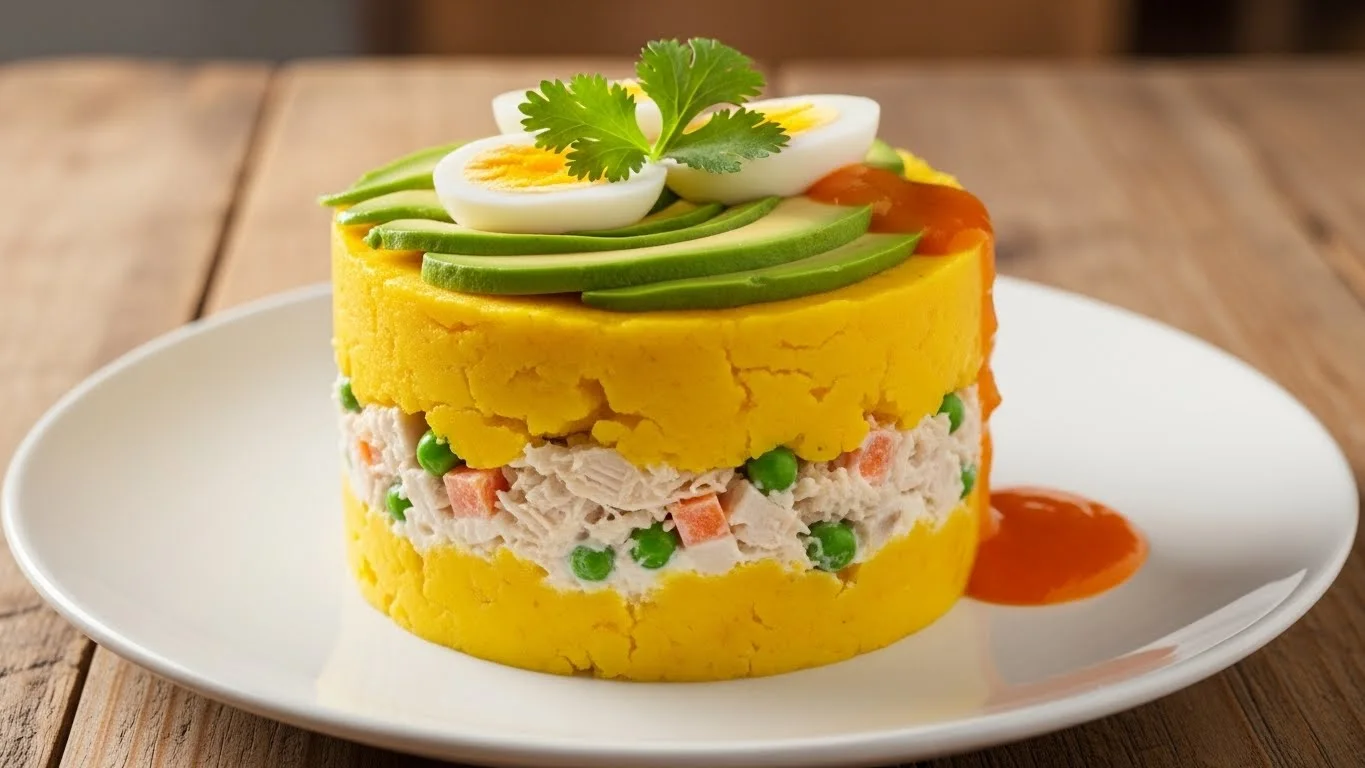
Causa Rellena (Peruvian Potato Casserole)
Causa is a cold dish based on yellow potatoes mashed and mixed with lime juice and ají amarillo. The fillings can be chicken, tuna, or fish mixed with mayonnaise and vegetables.
Potatoes date back to the time of the incas in Peru, and one of the legacy ingredients of causa. The current layered preparation came from Lima, hence the name of the dish.
It is usually accompanied by lettuce, avocado, and eggs. It is considered more of a starter or entree.
Anticuchos
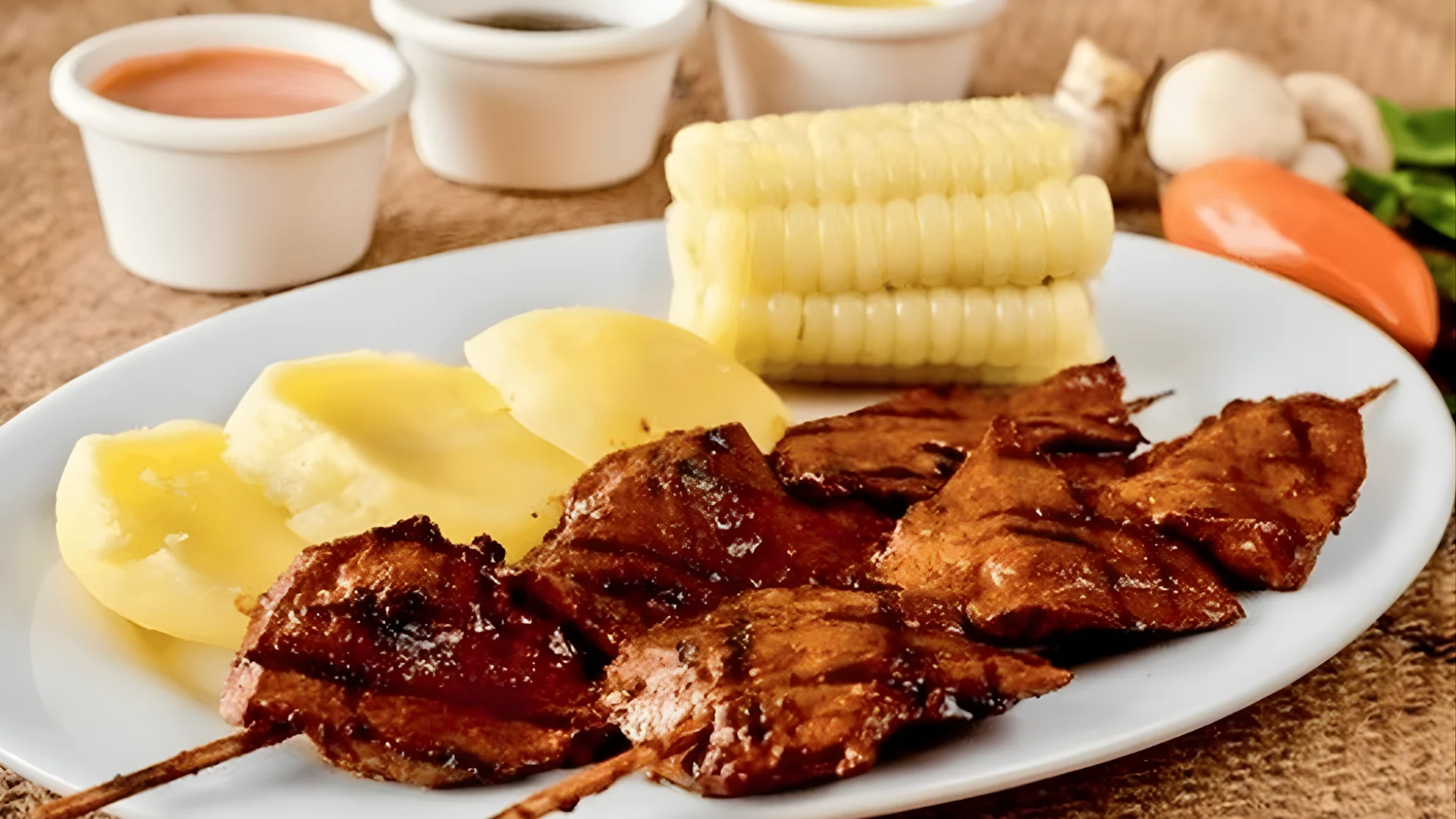
Anticuchos are beef heart skewers marinated and charred on the grill. The marinade consists of vinegar, garlic, cumin, and ají panca.
This traditional dish has its roots in colonial times, when Afro-Peruvian kitchens converted cheap cuts of meat into these tasty snacks. Anticuchos are perhaps one of the most identifiable aspects of Peruvian street food.
They are usually accompanied by boiled potatoes, corn, and ají sauces that are quite spicy in the evenings.
Rocoto Relleno
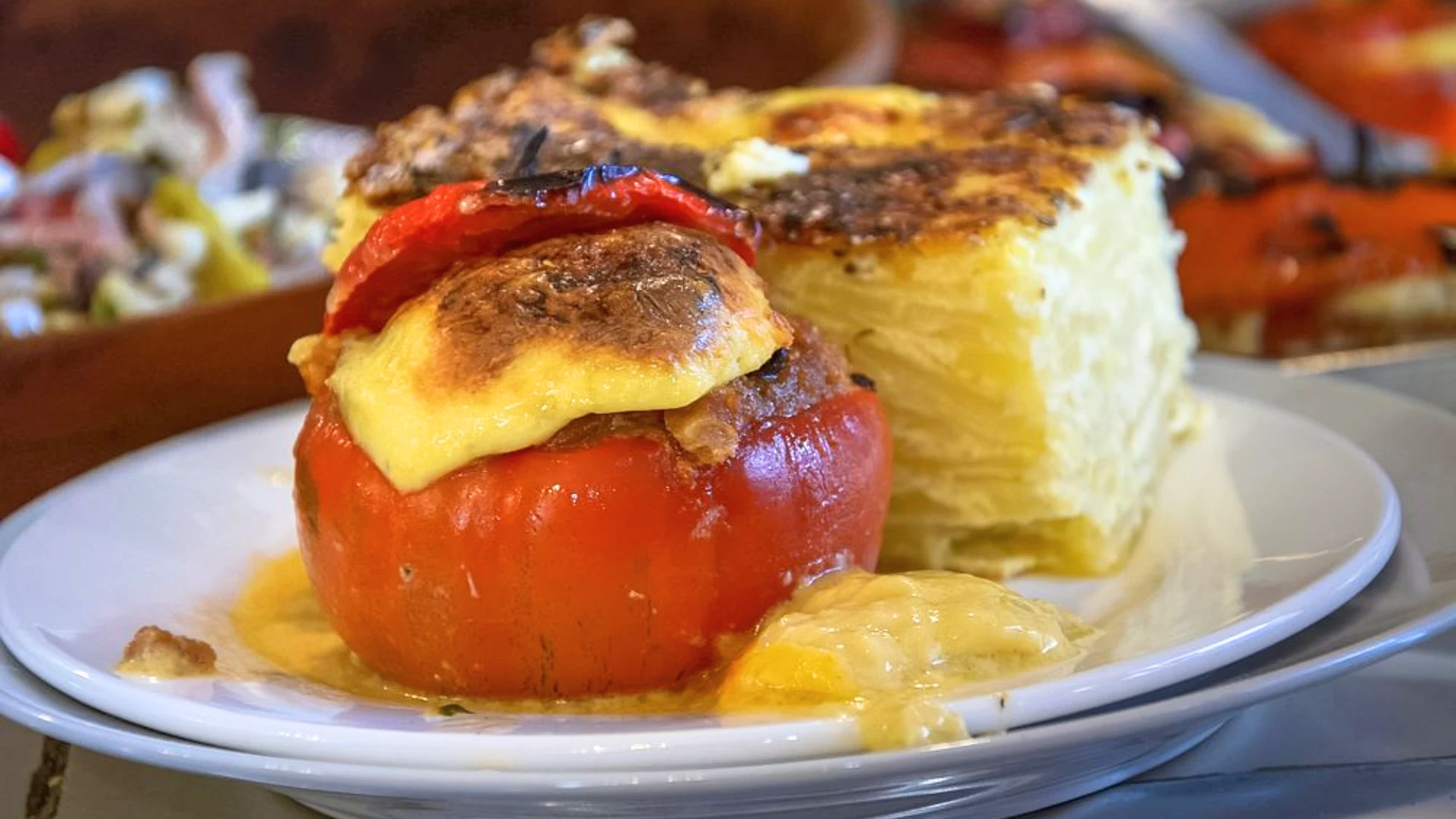
Rocoto relleno belongs to the traditional foods of Arequipa and is spicy rocoto peppers filled with minced beef, onions, garlic, olives, raisins, and cheese.
Originally, it is a Spanish stuffed dish adapted to the Peruvian peppers, turning it into a unique balance between being hot and sweet.
It comes usually with pastel de papa a multilayer potato and cheese creation which balances the spice.
Andean and Regional Specialties
These dishes express the highland traditions as well as ceremonial foods of Peru.
Cuy al Horno (Guinea Pig)
Cuy al horno refers to roasted guinea pig meat flavored with herbs and spices. The guinea pig, or cuy, has been part of Andean diets since before Inca times. It has ritual, dietary, and cultural importance.
This is usually accompanied by local potatoes, corn, as well as salads. This is mainly during festivities.
Pachamanca
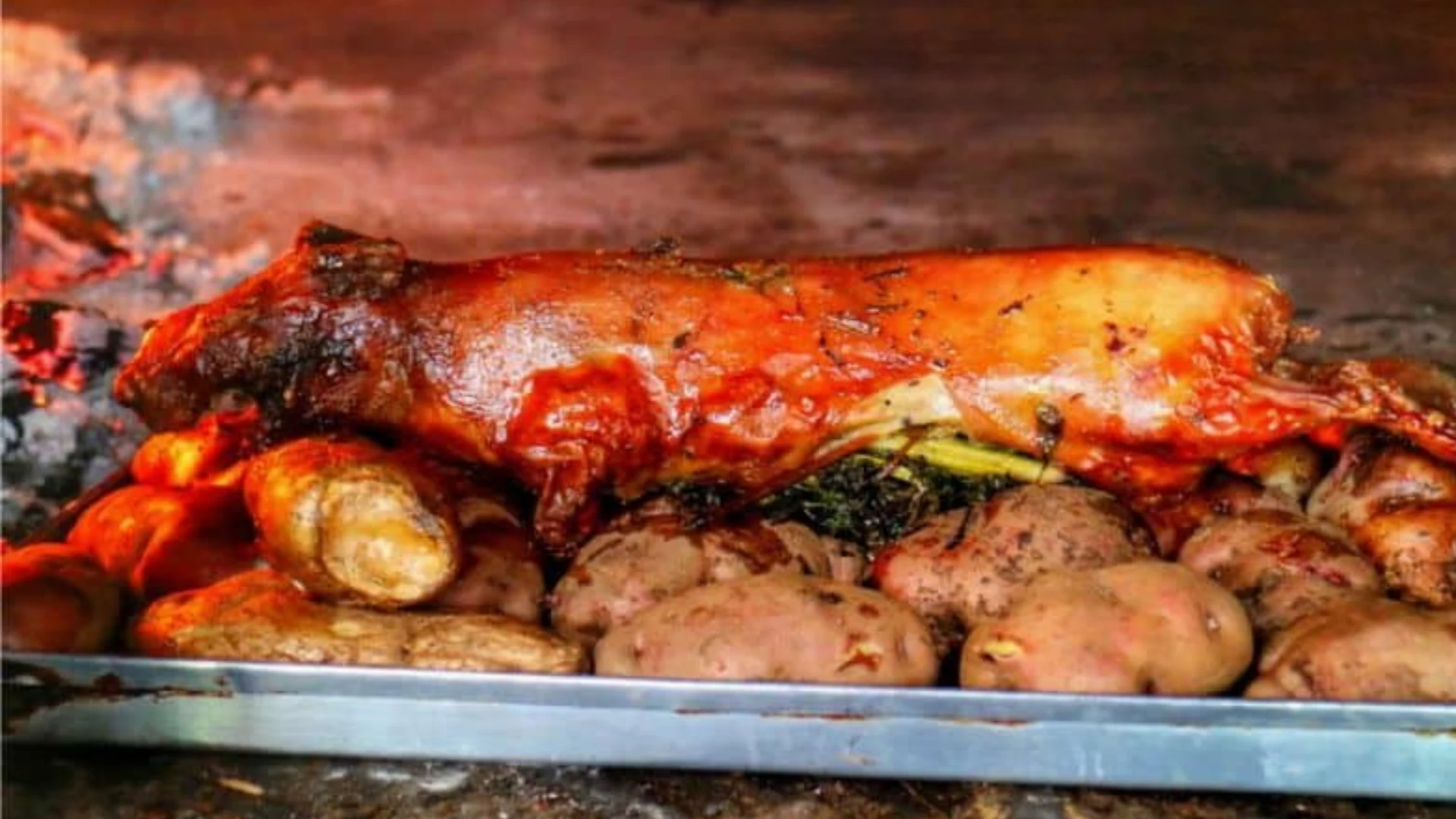
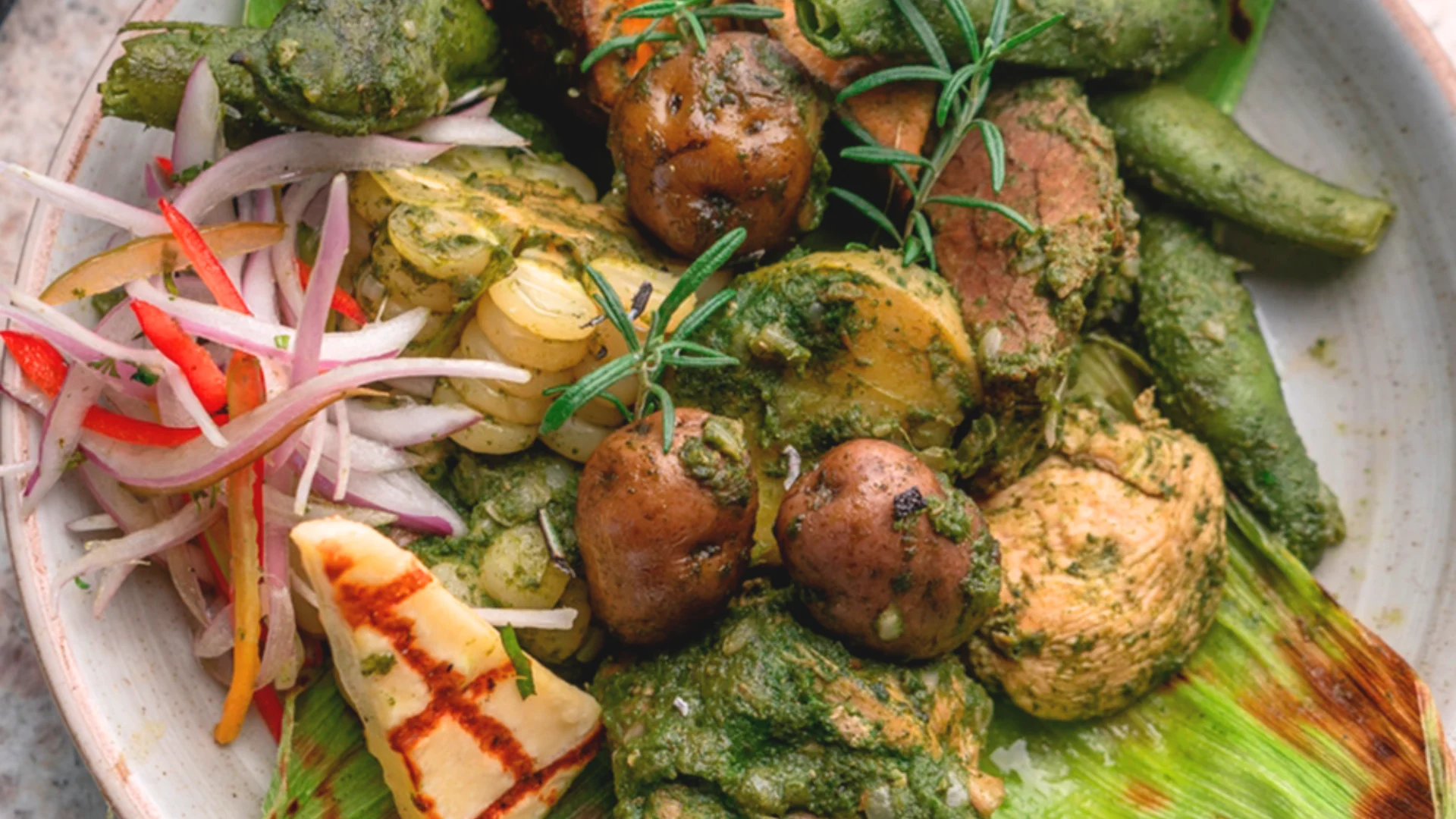
Pachamanca is both food and traditional method of preparation. Meat is marinated in a mixture of herbs and baked using heated stones buried in the earth together with potatoes, corn, and beans.
Such traditions date back thousands of years and can be traced to the agricultural ceremonies in the Andes to honor the deity Pachamama.
It is traditionally eaten together with all the ingredients in the company of others, sometimes served together with chicha de jora.
Chupe de Camarones
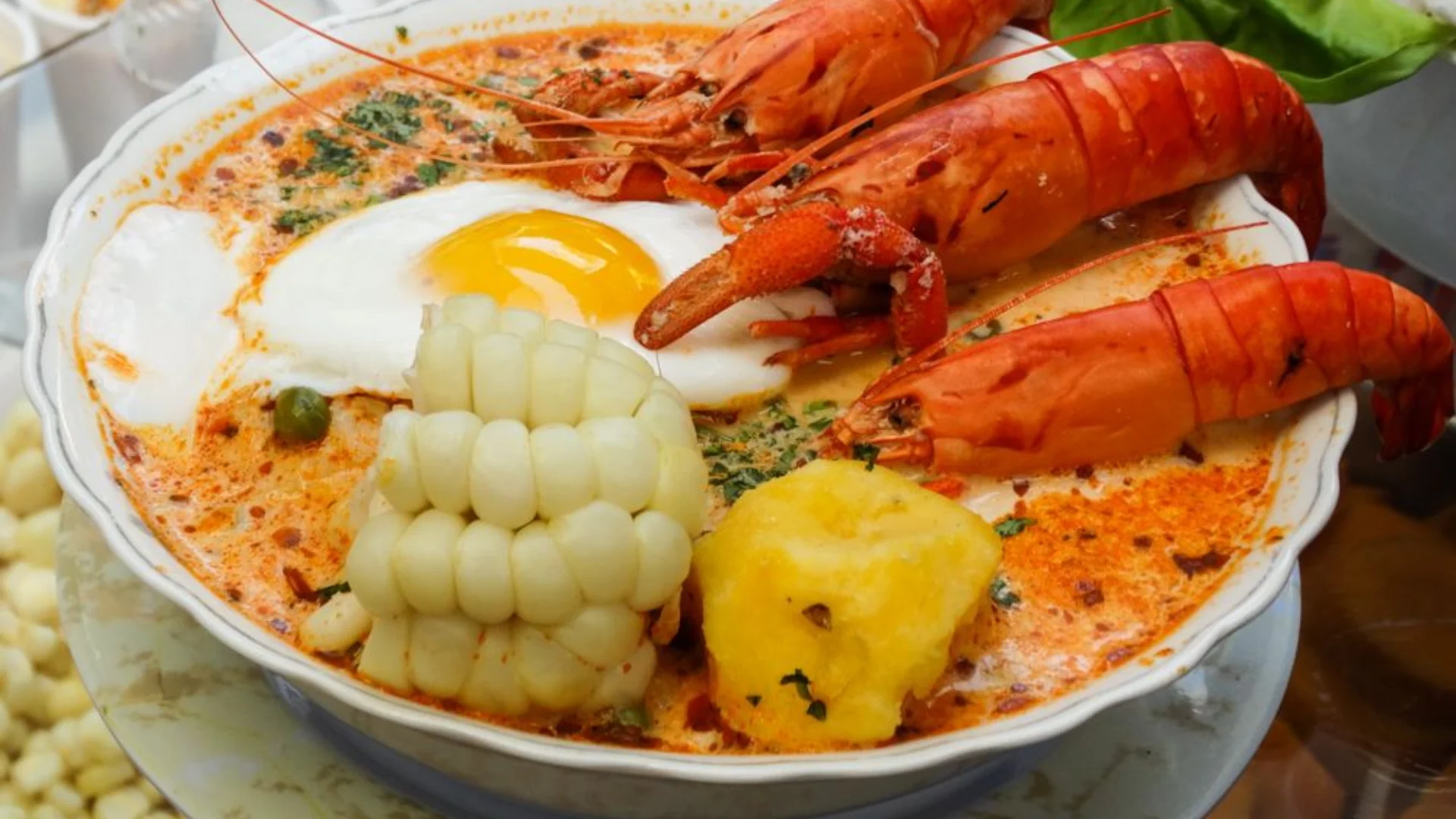
Chupe de camarones is a hearty fish soup consisting of potatoes, corn, rice, milk, and Andean herbs.
It traces its roots from the city of Arequipa in Peru and is the blend of Indigenous ingredients and Spanish dairy products.
It can usually be served together with fresh bread. It is normally served as a main meal.
Chiriuchu
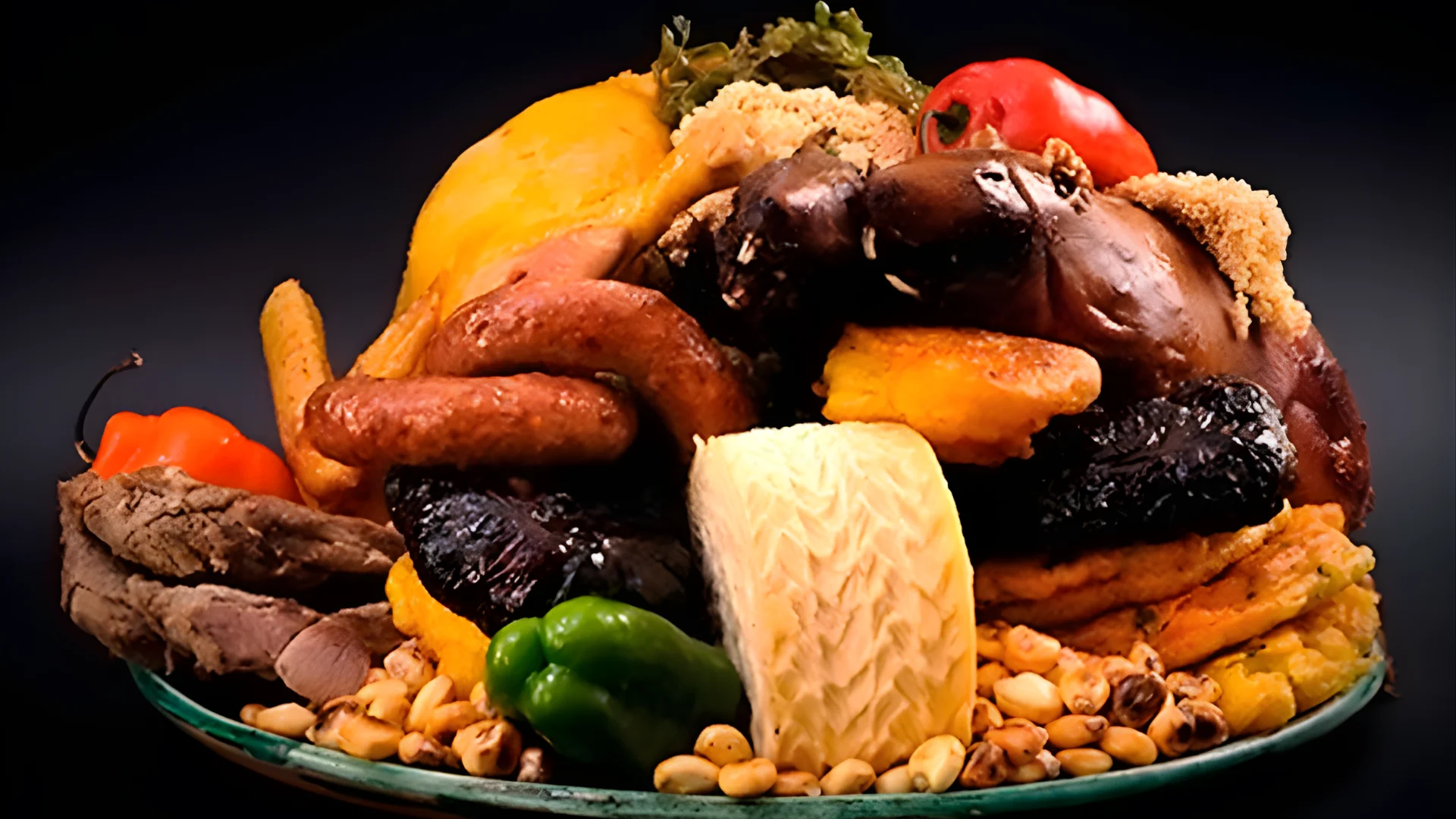
Chiriuchu is a cold ceremonial dish eaten during the major festivals in Cusco. It includes guinea pig, chicken, corn, cheese, dried seaweed, and fish roe.
It represents the blending of all those coastal and highland ingredients through the ancient trade routes.
It is usually served with boiled corn during religious feasts.
Adobo
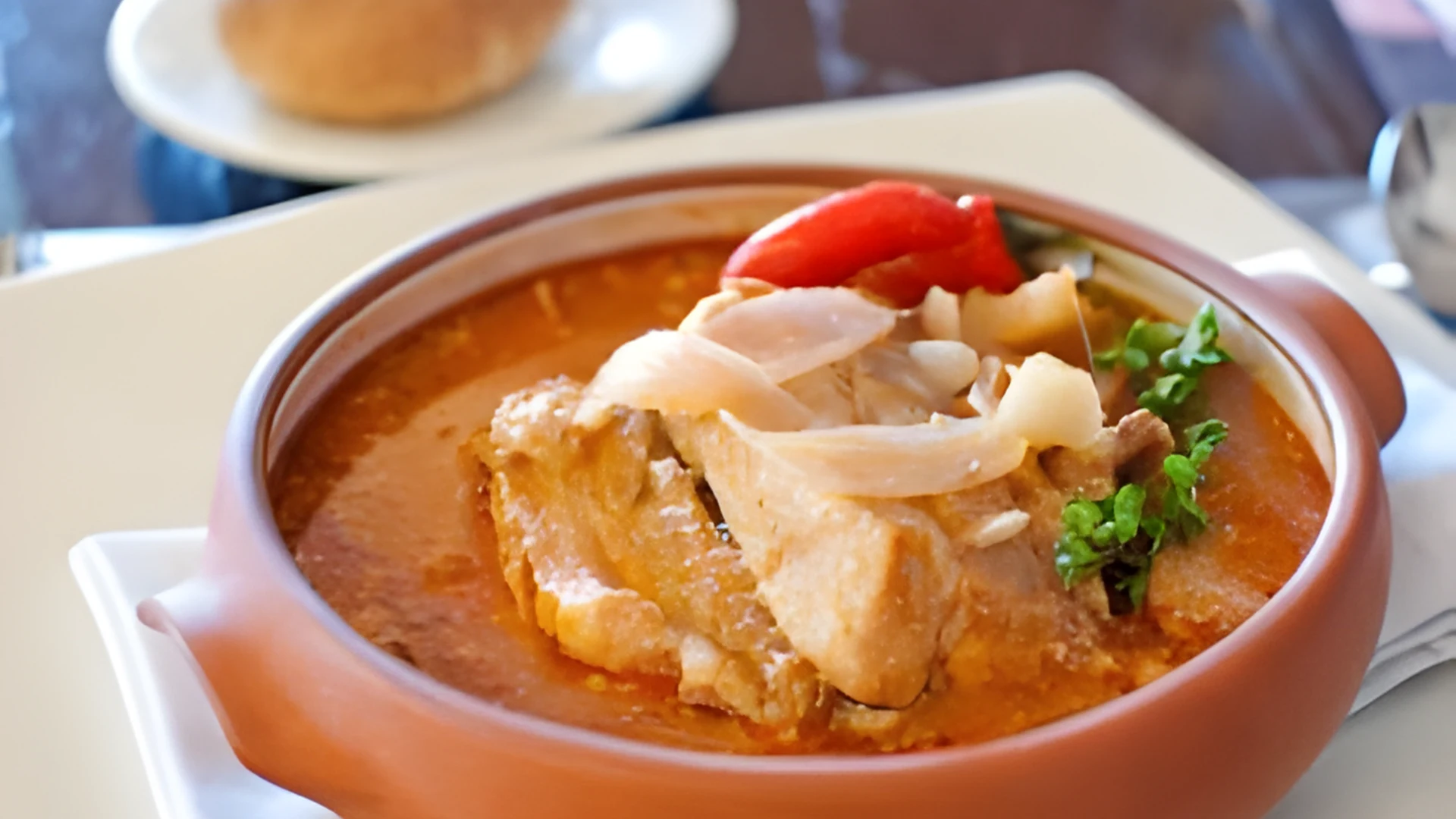
Adobo is pork stew braised in chicha, garlic, cumin, and chili peppers. This is a dish that began as a preservation method and then became a regional breakfast dish.
It is never served without some bread or rice, and it is usually eaten on Sundays.
Popular Everyday Peruvian Foods
These are dishes which are normally consumed in Peru.
Pollo a la Brasa (Roasted Chicken)
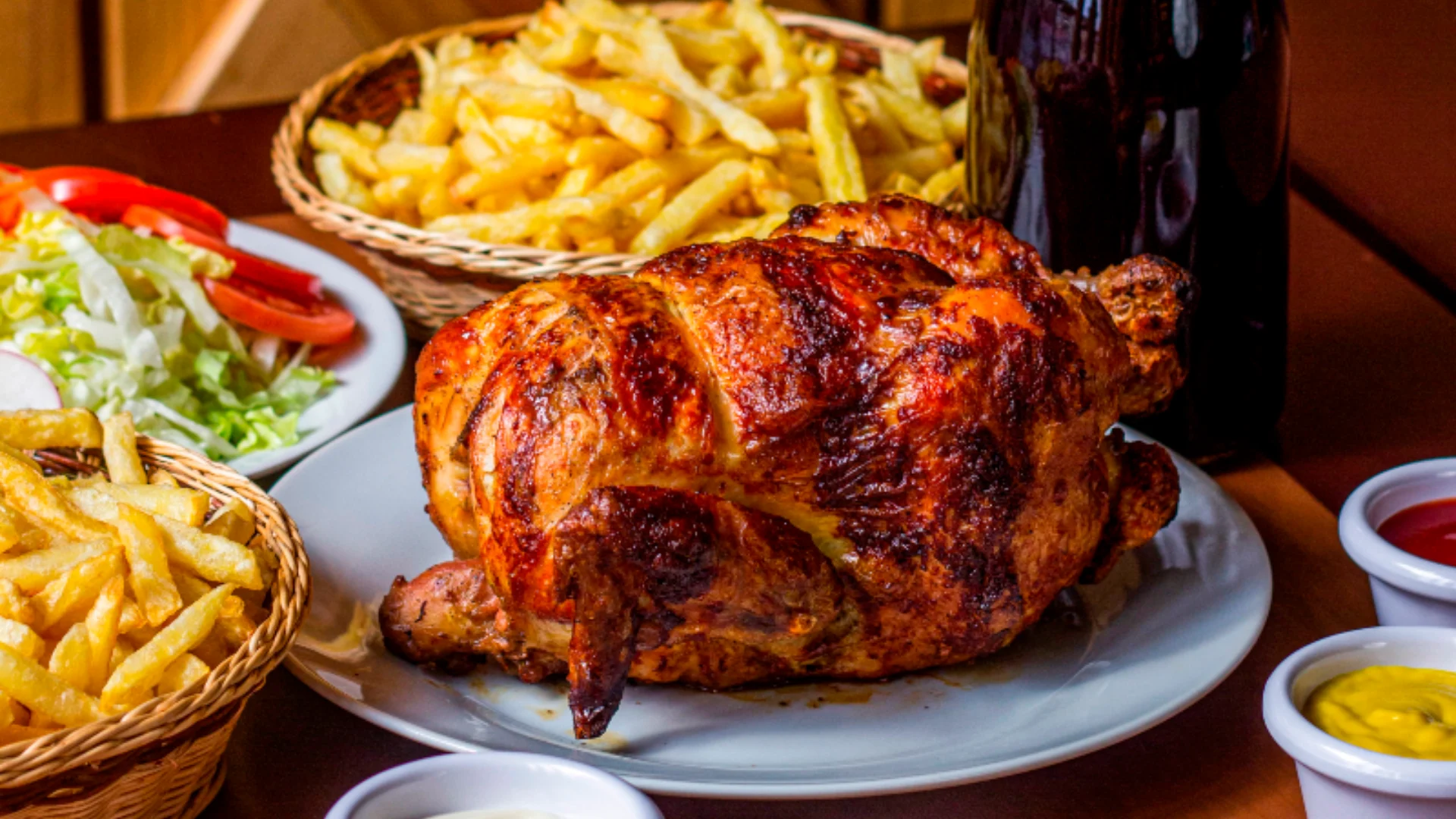
Pollo a la brasa is the most consumed meal in Peru. Chicken rotisserie is prepared in spices and herbs. It was invented in Lima during the mid-20th century. It is usually accompanied by French fries, salads, and ají sauce.
Arroz con Pollo
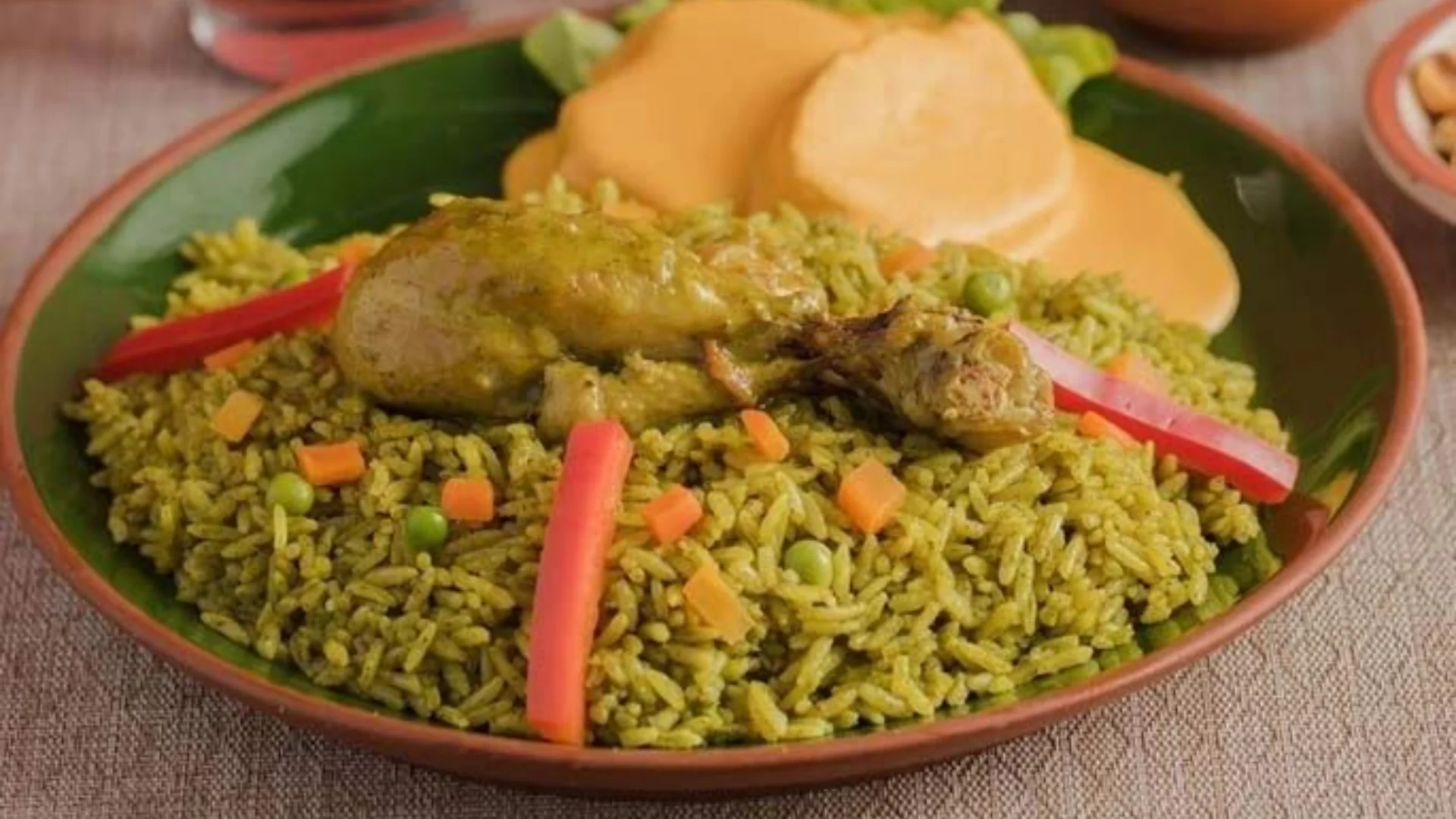
Arroz con Pollo is a common family dish from Peru. Chicken is braised in cilantro-flavored rice, peas, and carrots. It is the Peruvian version of the Spanish rice dishes. It is usually accompanied by salsa criolla or papa a la huancaína.
Chicharrón
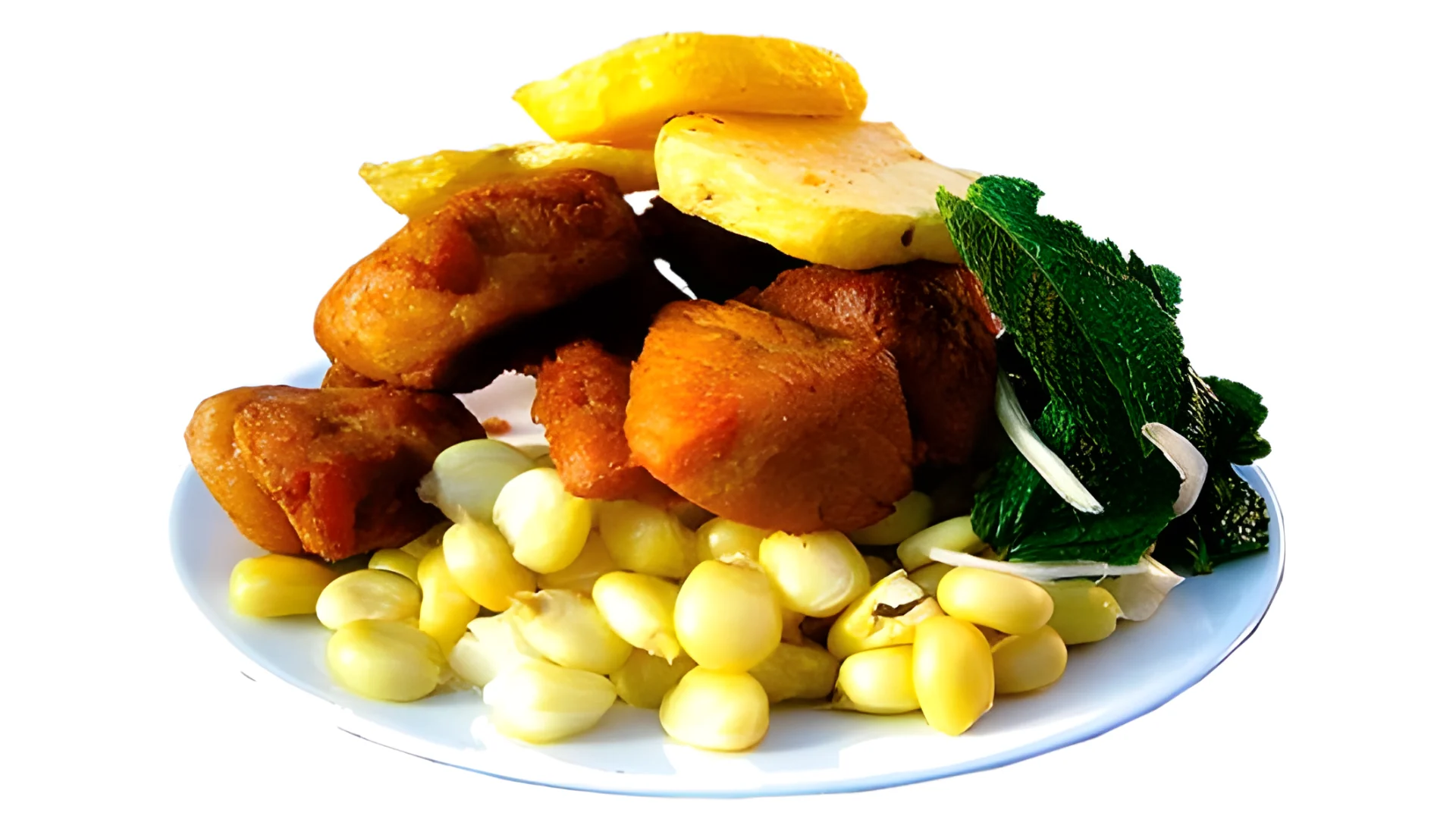
Chicharrón is a very common street food as well as breakfast food. Chicharrón is made of fried pork. This pork is crispy on the outside and soft on the inside. This dish has its origins in Spanish cuisine but has a Peruvian twist. It is generally consumed along with sweet potato or corn. It is also consumed as a sandwich.
Papa a la Huancaína
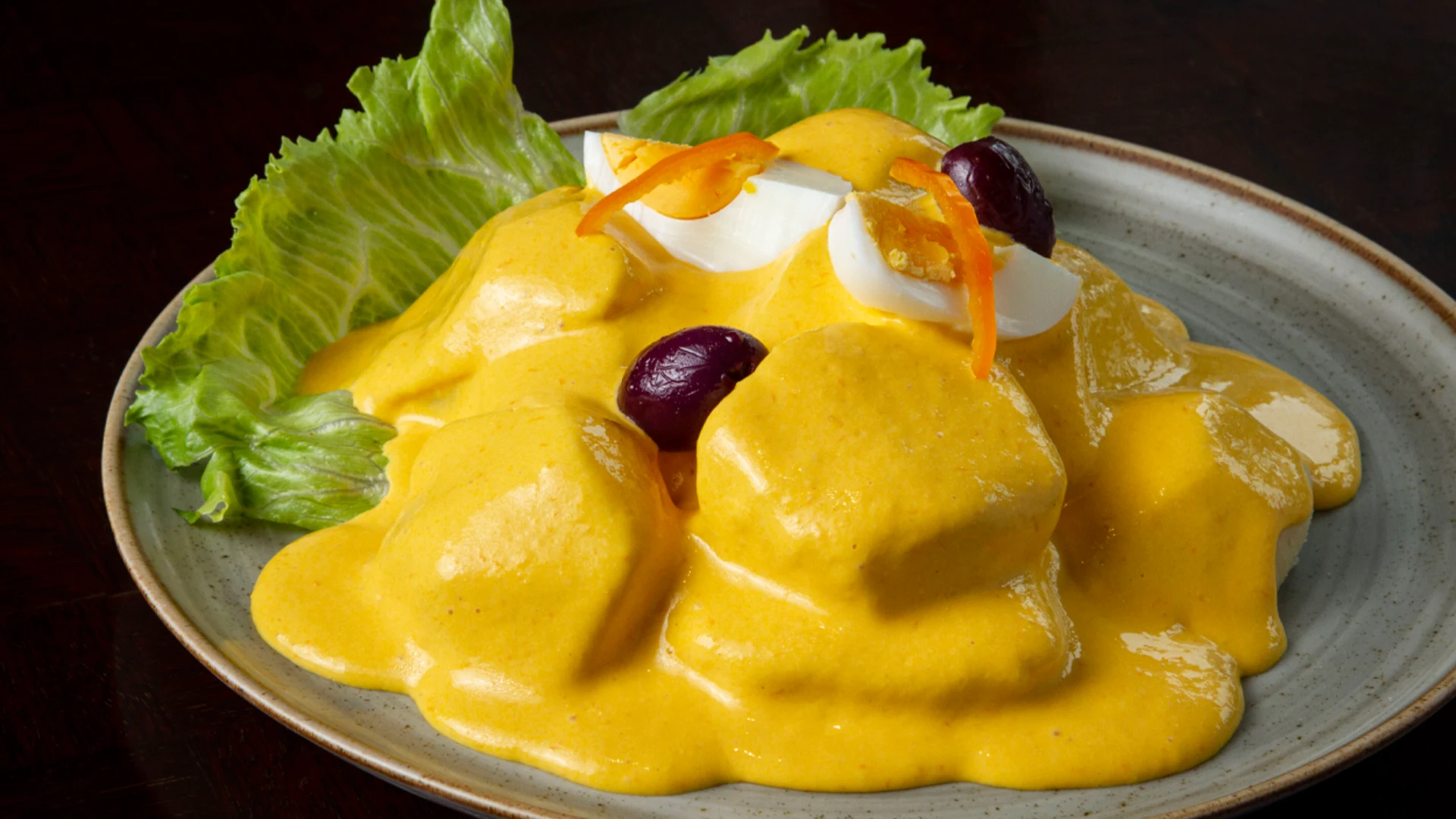
Papa a la Huancaína is a very simple but famous Peruvian appetizer. It is a topping of a white sauce, consisting of cheese, milk, and ají amarillos, on boiled potatoes. It is originally from the central highlands. It usually accompanies a serving of lettuce, olive, and boiled eggs.
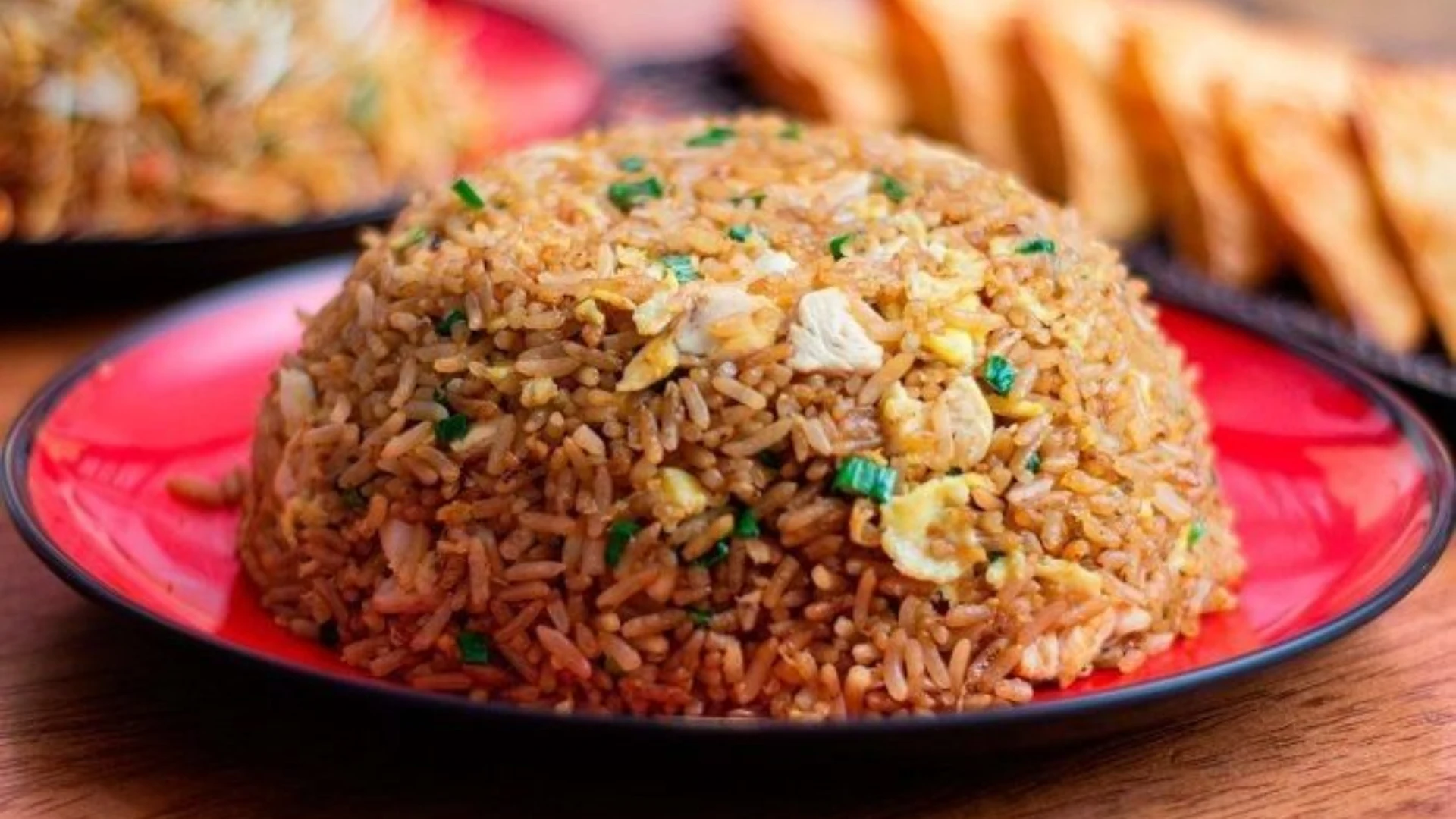
Arroz Chaufa
Arroz chaufa is Peru’s fried rice. It is made from rice, eggs, onions, soy sauce, and meat or fish. Arroz chaufa was developed from Chinese immigrant communities. It is commonly served together with chicken, fish, or barbecued meat.
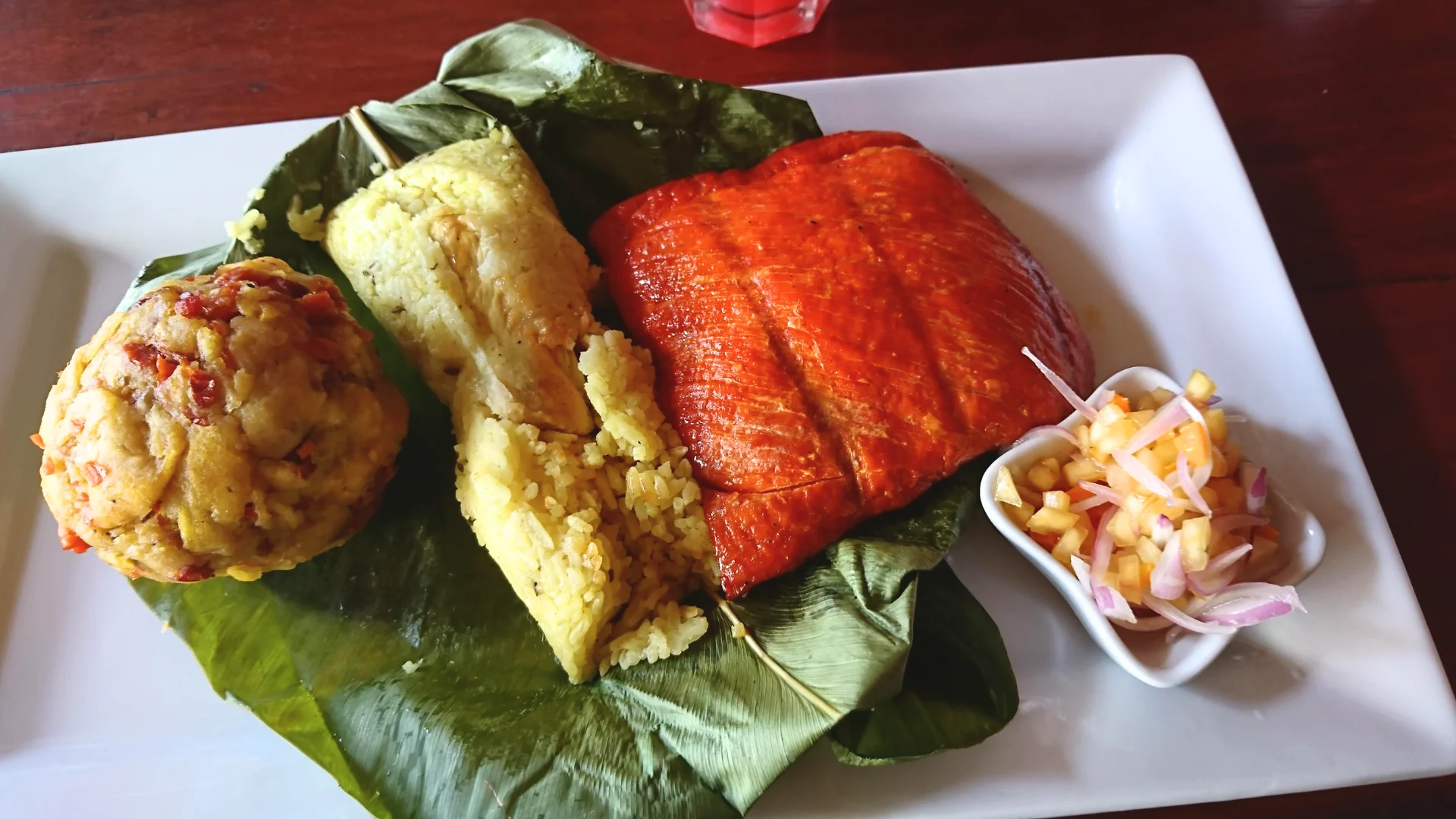
Juane & Tacacho
Juane and Tacacho are Amazonian foods. While juane is rice packed in banana leaves, tacacho is a fried plantain mash mixed with meat fat. These foods result from culinary practices in the riverine forests of Peru. They are mostly served with grilled meats or sausages at celebrations.
Traditional Peruvian Desserts
Peruvian desserts are a blend of both Indigenous ingredients and colonial influences.
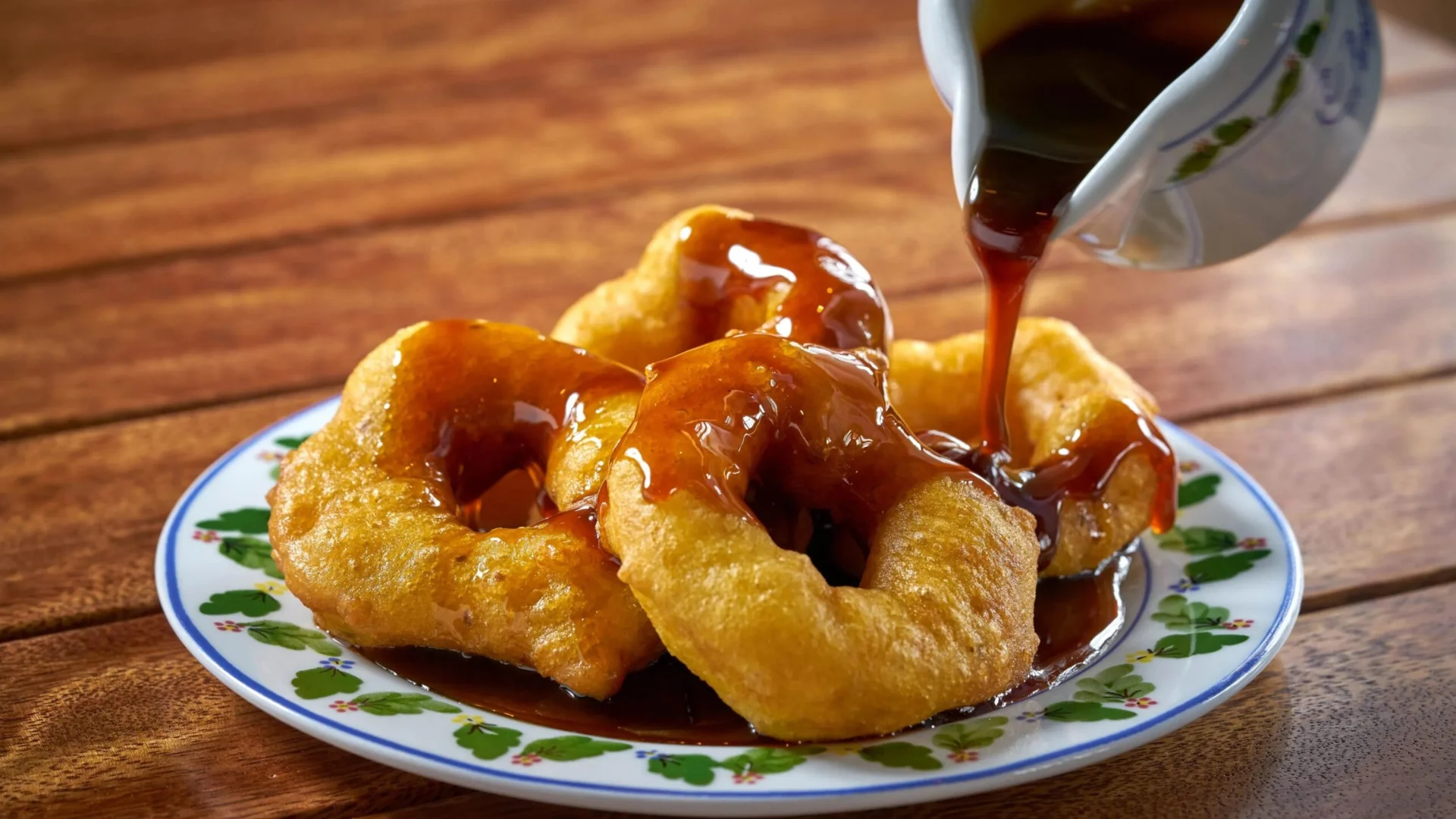
Picarones
Picarones are a typical dessert of Peruvian cuisine. They have dough fried in ring form, with squash and sweet potato. They should always be accompanied with warm chancaca syrup.
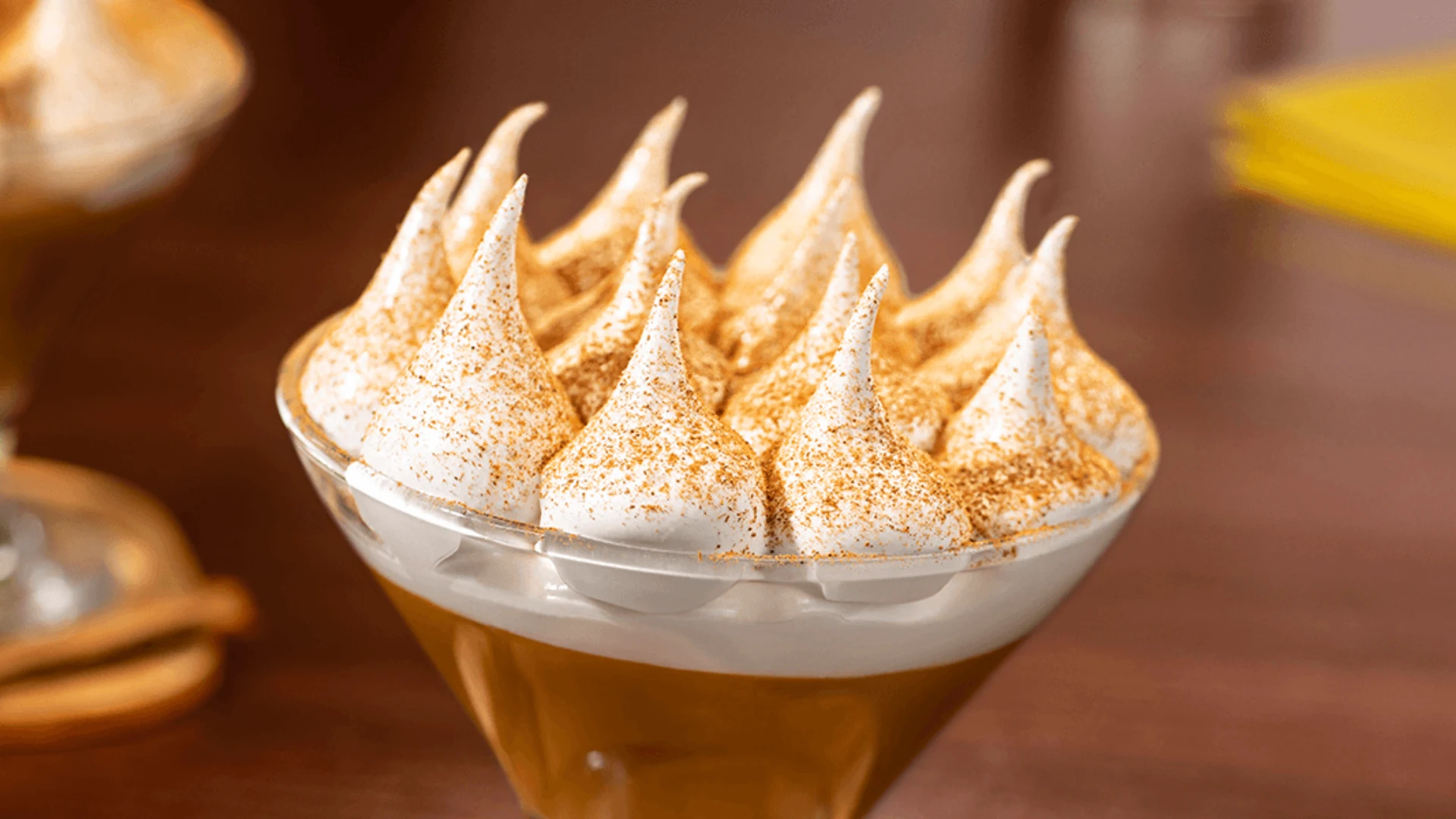
Suspiro a la Limeña
Suspiro a la Limeña is the most renowned dessert of Lima. It is a dessert of caramelized milk and a topping of meringue. Usually, it comes along with a sprinkle of cinnamon powder.
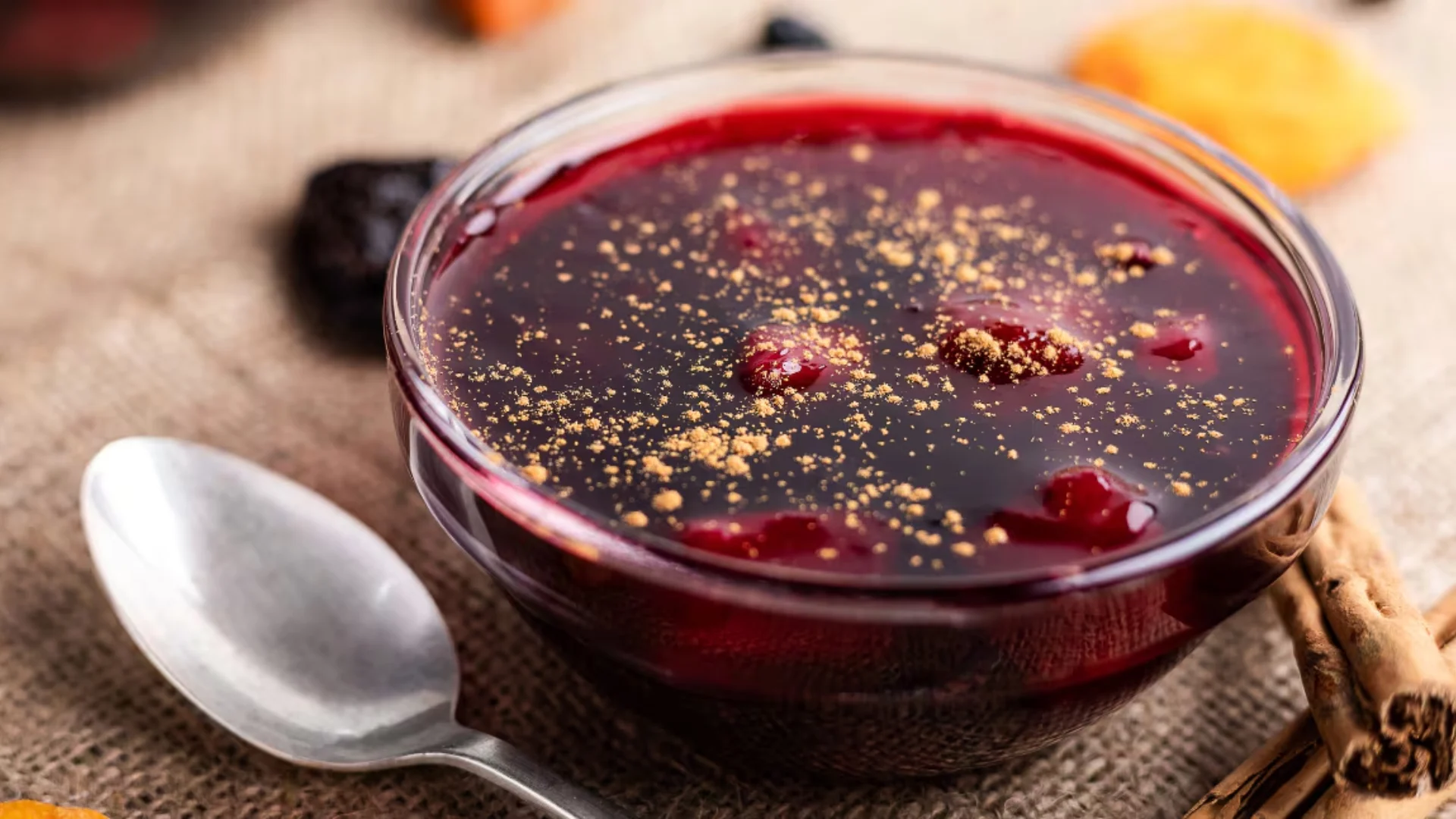
Mazamorra Morada
Mazamorra Morada is one of the most traditional desserts in Peruvian cuisine. It is prepared with purple corn, fruits, and spices. It is always accompanied with Arroz con Leche.
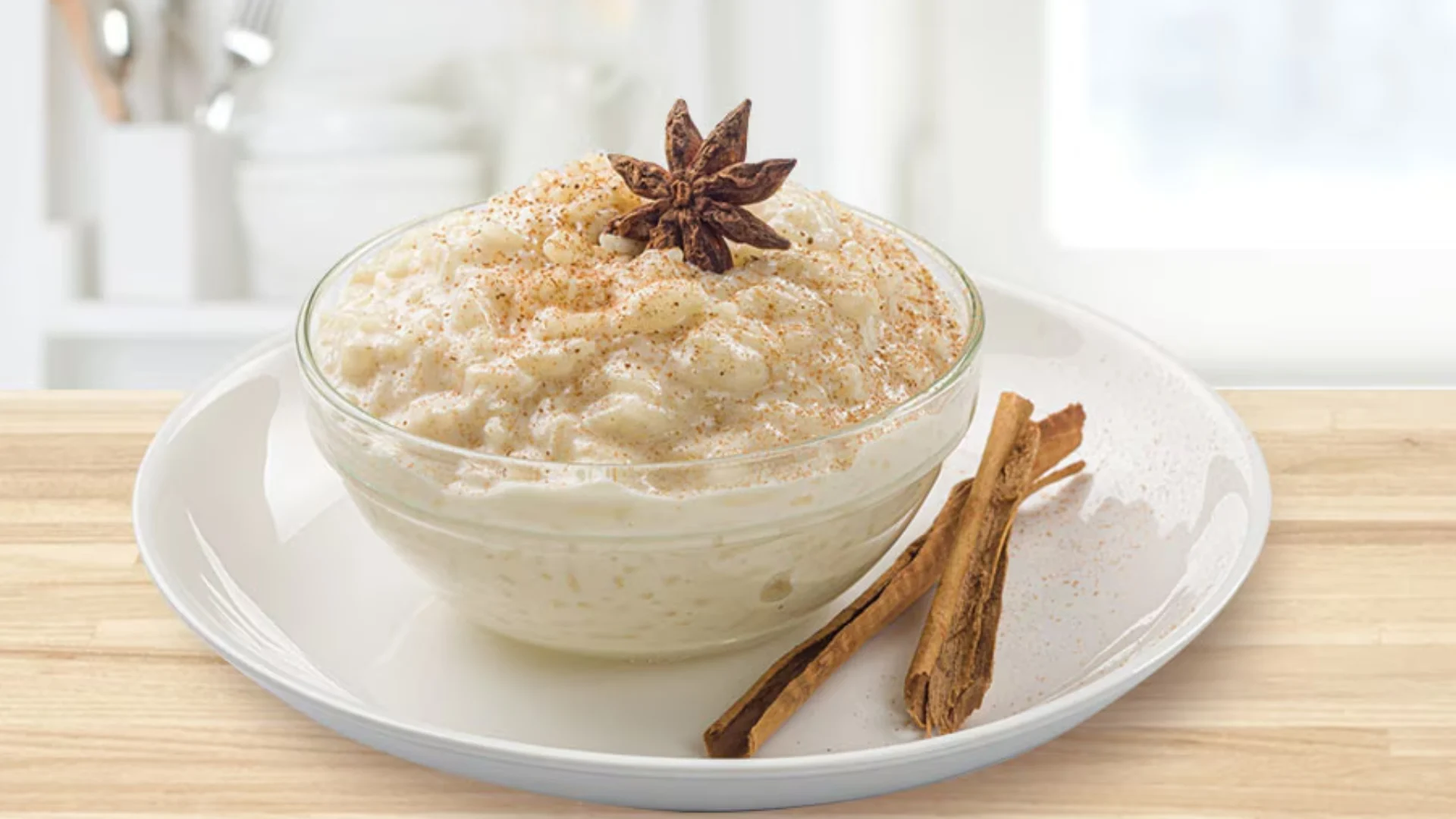
Arroz con Leche
Arroz con leche is the Peruvian version of rice pudding. It is flavored with cinnamon and cloves. It is usually served accompanied by mazamorra morada.
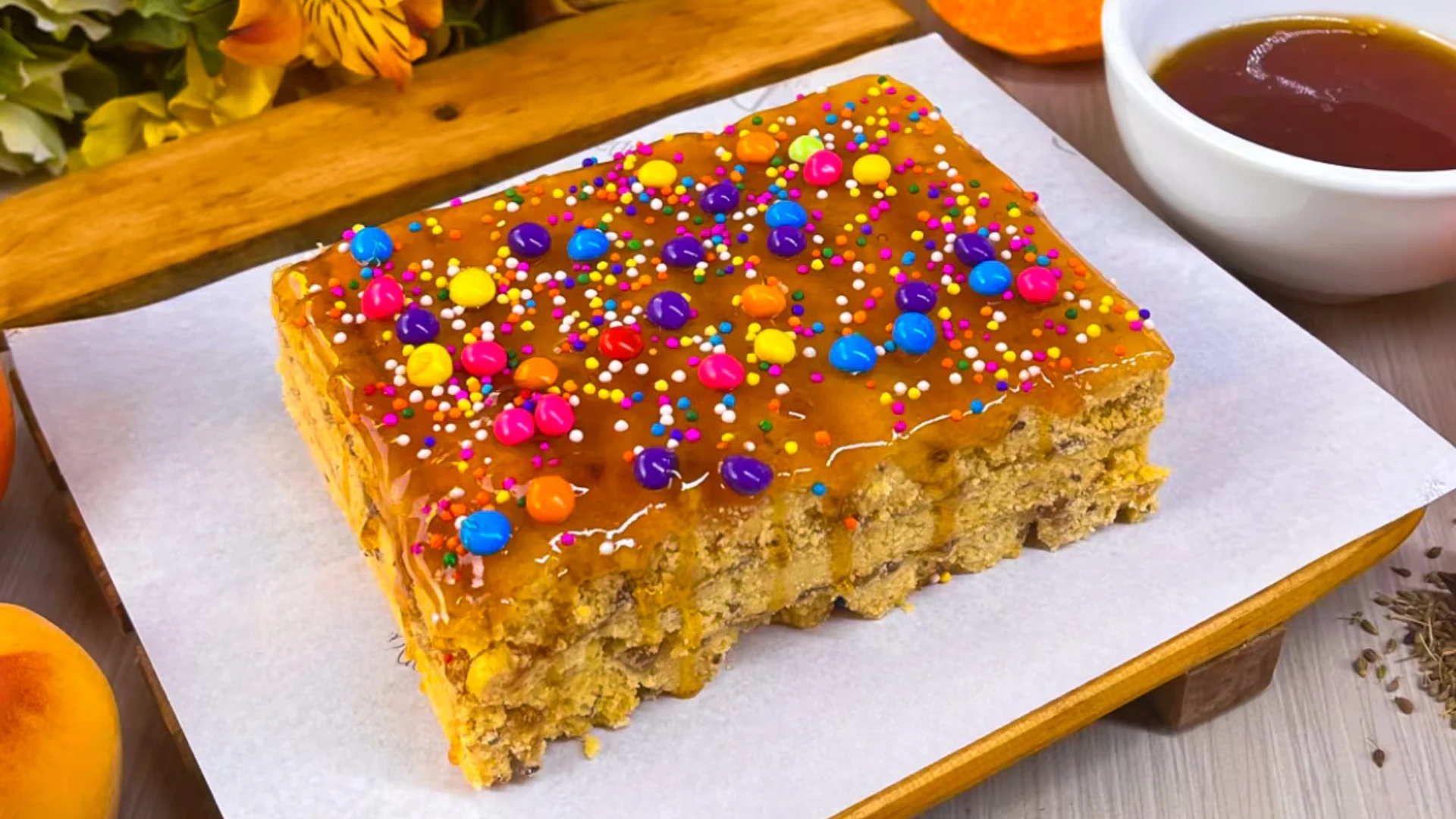
Turrón de Doña Pepa
Turrón de Doña Pepa is a festive dessert from Peru. It is made of stacked dough that is bound together with honey syrup. It is usually served together with coffee or hot chocolate in the month of October.
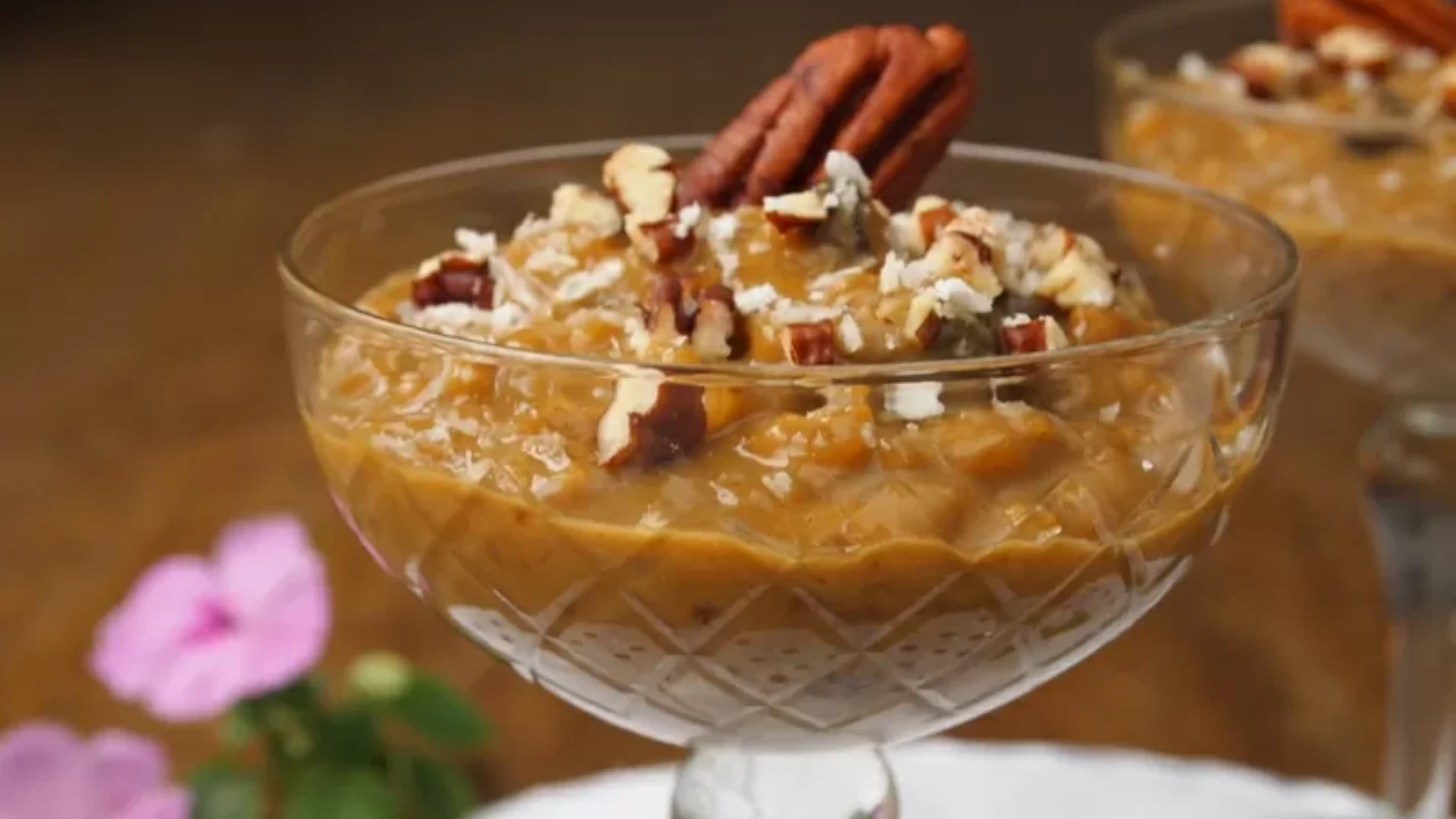
Arroz Zambito
Arroz zambito is one of the popular desserts of Afro-Peruvian. Rice, chancaca, coconut, and spices are its ingredients. It is usually served normally sprinkled with cinnamon and cloves, and usually it’s homemade.
Peru Food Culture
Food culture in Peru is about sharing meals, regional identity, and ancestral ingredients. All classic Peruvian dishes have traditional accompaniments that balance flavor, nutrition, and texture; hence, Peru food classic is not just a meal but a complete cultural experience.
Frequently asked questions about Peru Food Classic Guide: Famous Dishes and Food Culture
Typical Peruvian food includes dishes such as ceviche, lomo saltado, ají de gallina, arroz con pollo, papa a la huancaína, and pollo a la brasa. These meals reflect Peru’s coastal, Andean, and Amazonian regions and are usually prepared with native ingredients like potatoes, corn, chili peppers, rice, and fresh herbs.
Ceviche is the most famous dish in Peru and is internationally recognized as a symbol of Peruvian cuisine. Its combination of fresh fish, lime juice, onions, and chili peppers makes it the most searched and iconic Peru food worldwide.
Cuy (guinea pig) is considered a delicacy in Peru, especially in Andean regions like Cusco and the Sacred Valley. Other delicacies include chupe de camarones and pachamanca, which are often prepared for special occasions and celebrations.
Lima’s signature food dishes include ceviche, causa a la limeña, and ají de gallina. As the gastronomic capital of Peru, Lima is known for refining traditional Peru food and blending it with international influences.
Peruvian food is different because it combines ancient Indigenous ingredients with Spanish, African, Chinese, and Japanese culinary traditions. This cultural fusion, along with Peru’s extreme biodiversity, has created one of the most varied and distinctive cuisines in the world.