
Craft Beer Cusco: History, Styles, and Andean Identity
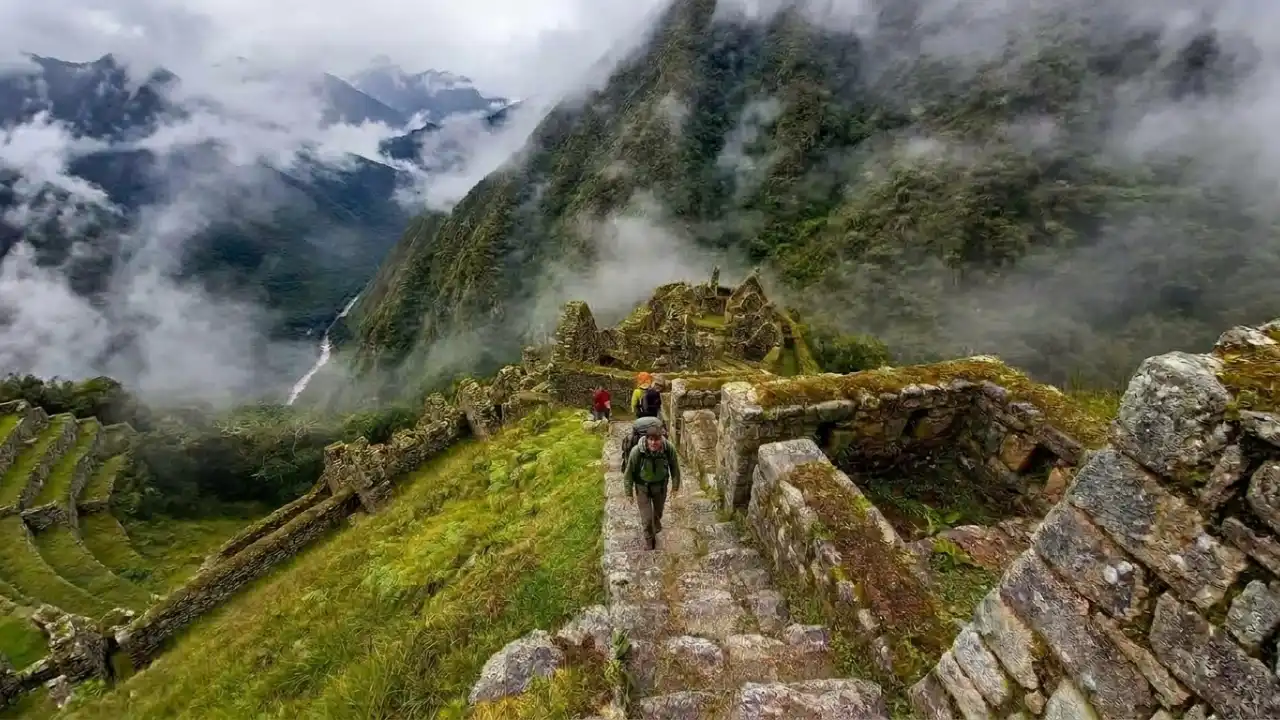
Throughout southern Peru, craft beer from Cusco has imposed itself as one of the most representative contemporary gastronomic expressions. Today, identity, territory, and innovation are closely linked with craft beer from Cusco. In a region so traditionally associated with the Inca culture and agriculture at high altitudes, Cusco crafts beer has ended up being a melting pot of the modernity of fermentation techniques with a deeply Andean identity that is forged by local ingredients and reduced dimensions of production.
Unlike industrial beer, for producers of artisanal beer Cusco, the priorities are quality, process control, and strong linkage with the natural and cultural environment; therefore, Cusco Peru craft beer can be highlighted as a very particular product within the Peruvian gastronomic panorama.
Origins and Evolution of Craft Beer in Cusco
The origins of craft beers in Cusco, Peru, took place in the early years of the 2010s, when local businessmen and foreign citizens in the city felt that it was an appropriate background environment for innovation in brewing. The unique combination of mountain water, selected cereals, and local ingredients like quinoa, cacao, coffee, and native fruits contributed to creating an identity in Andean craft beers in Cusco.
International tourists also influenced the industry significantly. Visitors looking for new beer experiences after visiting Machu Picchu or the Sacred Valley of the Incas contributed to the rise of microbreweries, brewpubs, and beer bars in the micro-region of Cusco.
Key growth factors included:
- Global tourism development
- Demand for authentic, local craft beer Cusco experiences
- Revaluation of native Andean ingredients
- Emergence of specialized bars and brewpubs
Today, craft beer is a stable component of Cusco’s gastronomic scene and an essential part of Cusco beer culture, enjoyed by both visitors and residents.
Artisanal Production and High-Altitude Conditions
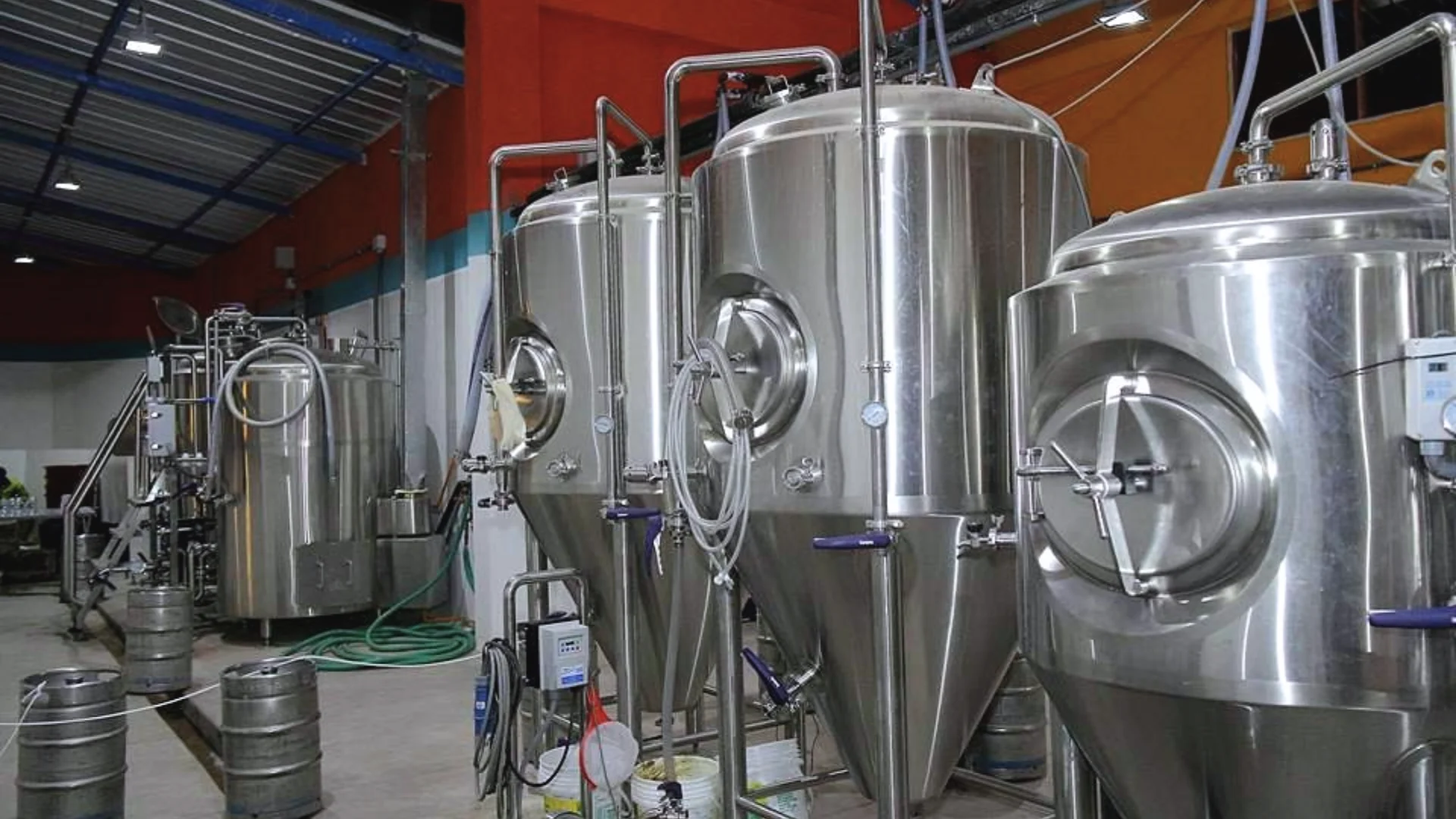
There are certain technical issues in the production of Cusco craft beers, owing to the altitude difference. This results in lower pressures or lower temperatures, which impact the fermentation process.
Core production characteristics:
- Small-batch brewing
- Use of low mineral mountain water
- Controlled fermentation and slow maturation
- Manual processes with minimal automation
This is especially crucial to the identity of artisanal beer brand Cusco because it leads to more distinct flavor.
Andean Ingredients and Their Sensory Contribution
One of the key distinguishing factors of the Peruvian craft beer, Cusco, is the incorporation of natural ingredients such as:
- Quinoa and amaranth (kiwicha): fuller body and earthy notes
- Amazonian cacao: soft bitterness and roasted aromas
- High-altitude coffee:aaromatic intensity
- Golden berry (aguaymanto) and native fruits: balanced acidity
- Andean herbs: herbal and spicy profiles
First, the two species from the Andean region include the These ingredients do more than add taste, as they connect the Cusco Peru craft beers with Andean geography and crops.

Most Common Craft Beer Styles in Cusco
Breweries producing craft beer Cusco offer a wide variety of styles adapted to altitude and diverse palates:
Light Styles
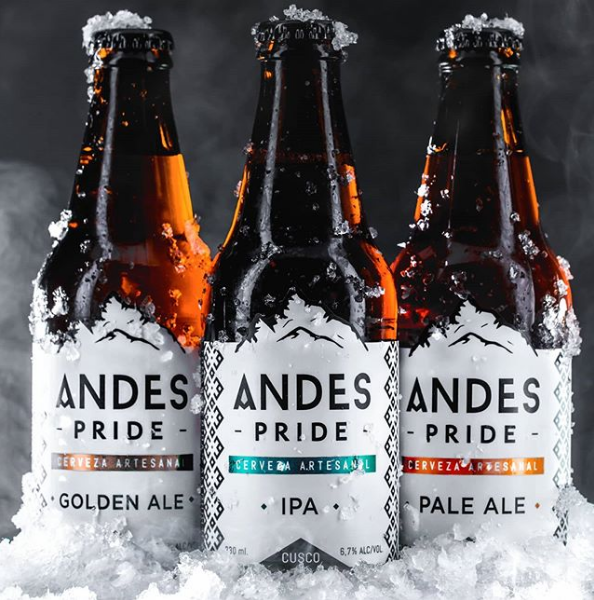
- Golden Ale
- Blonde Ale
- Wheat Beer
Suitable for acclimatization and day drinking.
Intermediate Styles
- Red Ale
- Amber Ale
- Pale Ale
Balanced expressions of malt and hops.
Intense Styles
- IPA Andina
- Stout
- Porter
More aromatic flavor, more roasted roasted flavor.
These brews represent the creativity and development that has occurred within the craft beer producers of Cusco.
Expansion into the Sacred Valley
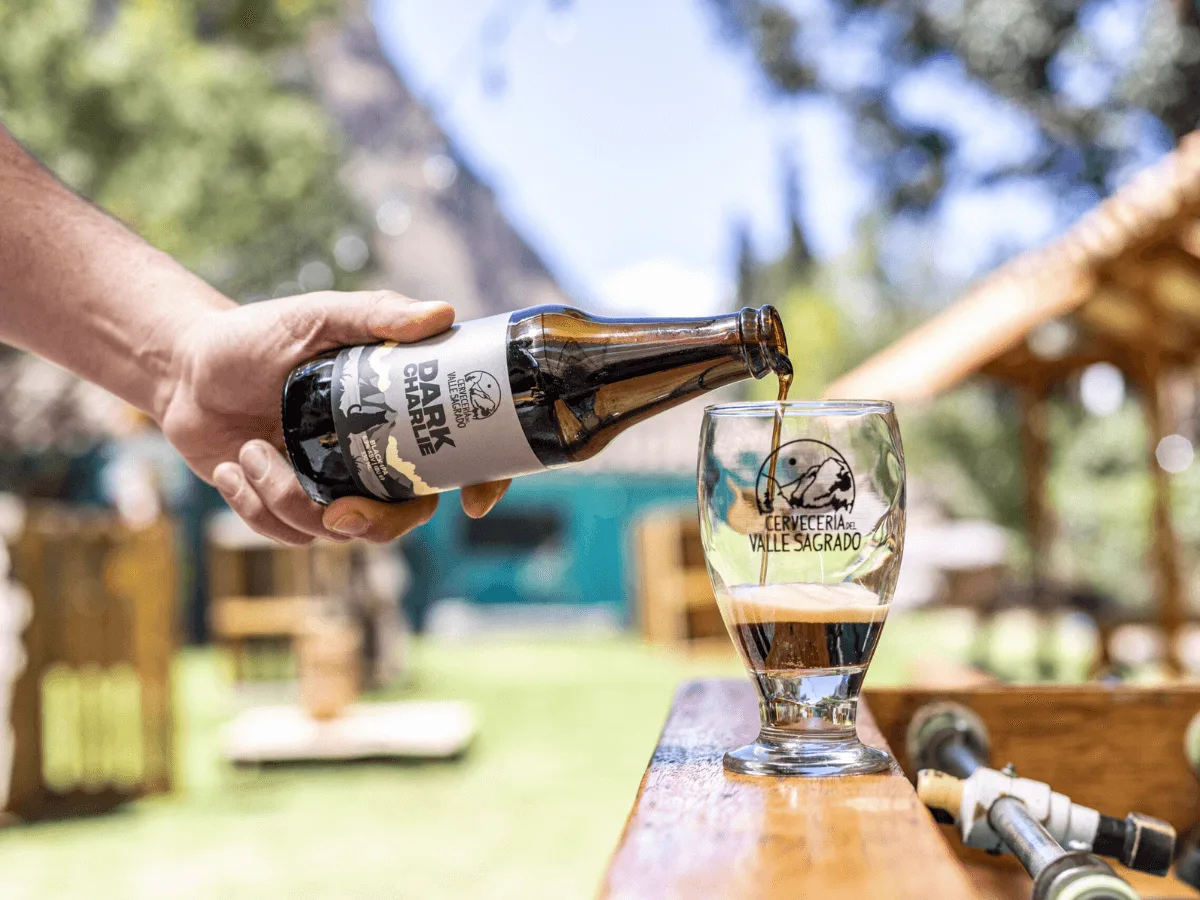
The craft beer movement has expanded beyond the city into the Sacred Valley, and is typically of a smaller, more adventurous kind. In that area, connection between local micro-brewed beer, or Cusco, and rural tourism, organic cuisine, and sustainable activities is especially evident.
Many of the breweries of the Sacred Valley emphasize:
- Limited production runs
- Organic ingredients
- Responsible, community-based consumption
Pairing Craft Beer with Cusco Gastronomy
Craft beers have also become an inherent accompaniment to local and modern cuisine, thereby enhancing Cusco beer culture:
- Golden Ale with Andean trout
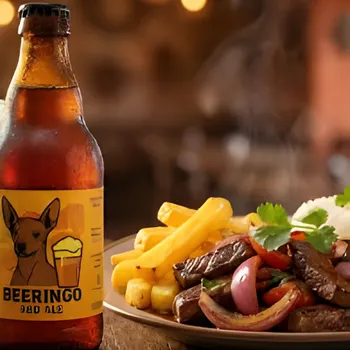
- Red Ale with lomo saltado
- IPA with spiced dishes
- Stout with cacao-based desserts
This culinary fusion has proliferated the inclusion of craft beer bars in Cusco, restaurants, boutique hotels, and curated gastronomic experiences.
Consumption and Craft Beer Spaces in Cusco
Today, craft beer in Cusco can be found in:
- Specialized bars
- Brewpubs with on-site production
- Tourist-oriented restaurants
- Food fairs and local events
Such areas also act as cultural arenas that propagate the culture of conscious consumption as well as the concept of artisan beer Cusco.
Cultural, Tourism, and Economic Impact
The development of craft beer in Cusco, Peru helps in:
- Diversification of the local economy
- Regional entrepreneurship and employment
- Construction of a modern gastronomic identity
- Strengthening of experiential tourism
More than a passing trend, Andean craft beer Cusco has become an integral part of contemporary Cusco and its evolving food culture.
Frequently asked questions about Craft Beer Cusco: History, Styles, and Andean Identity
Cusco craft beer stands out for its high-altitude brewing conditions, use of Andean ingredients such as quinoa, cacao, and native fruits, and small-batch production that emphasizes quality, identity, and local culture.
No. While some Cusco craft beers have higher alcohol content, many styles such as Golden Ale, Blonde Ale, and Wheat Beer are light, balanced, and easy to drink, making them suitable for different preferences.
Yes, in moderation. Lighter styles are generally recommended during acclimatization, as they are less alcoholic and easier to digest at high altitude.
Yes. Most craft breweries in Cusco produce beer throughout the year, although some seasonal or limited-edition beers depend on the availability of local ingredients.
Many Cusco craft breweries focus on sustainability by using local ingredients, reducing water consumption, reusing materials, and supporting small-scale, responsible production practices.
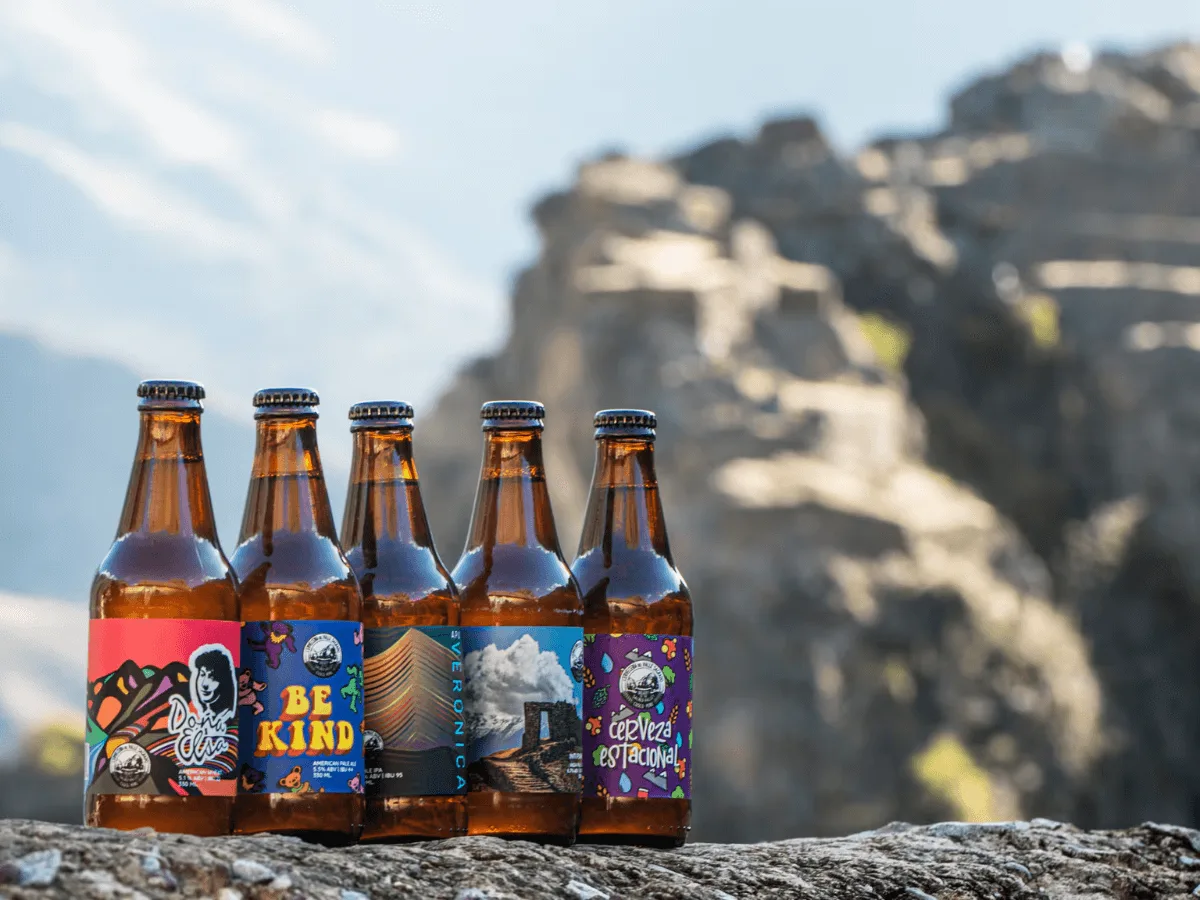
Yes. Craft beer in Cusco is commonly available in bottles or cans at breweries, bars, specialty shops, and some restaurants, making it easy to purchase and take home.