Bajada de Reyes (Three Wise Men) in Cusco
On January 6th, while much of the world has already packed away its Christmas decorations, Peru is still celebrating. The Bajada de Reyes, also known as Three Kings’ Day or the Epiphany of the Lord, marks the true closing of the Christmas season in the country.
However, unlike most other Christmas holidays, the Bajada de Reyes is not only a religious event; it symbolizes how the faith, family, and Andean Culture keep their connection moving forward. Since the Inca Empire, Many Peruvians have preserved their ancient tradition of sharing food and celebrating together; therefore, the Bajada de Reyes is still celebrated today by the communities in and around Cusco and the Sacred Valley with various forms of music, dance and art made from traditional techniques used by artisans all over the world.
Overview: How Families in Peru Celebrate Three Kings’ Day
Three Kings’ Day in Peru is a time to celebrate family, thankfulness and new beginnings. While there are regional differences in the way it is celebrated, January 6th marks the end of the Christmas season for most families throughout the country.
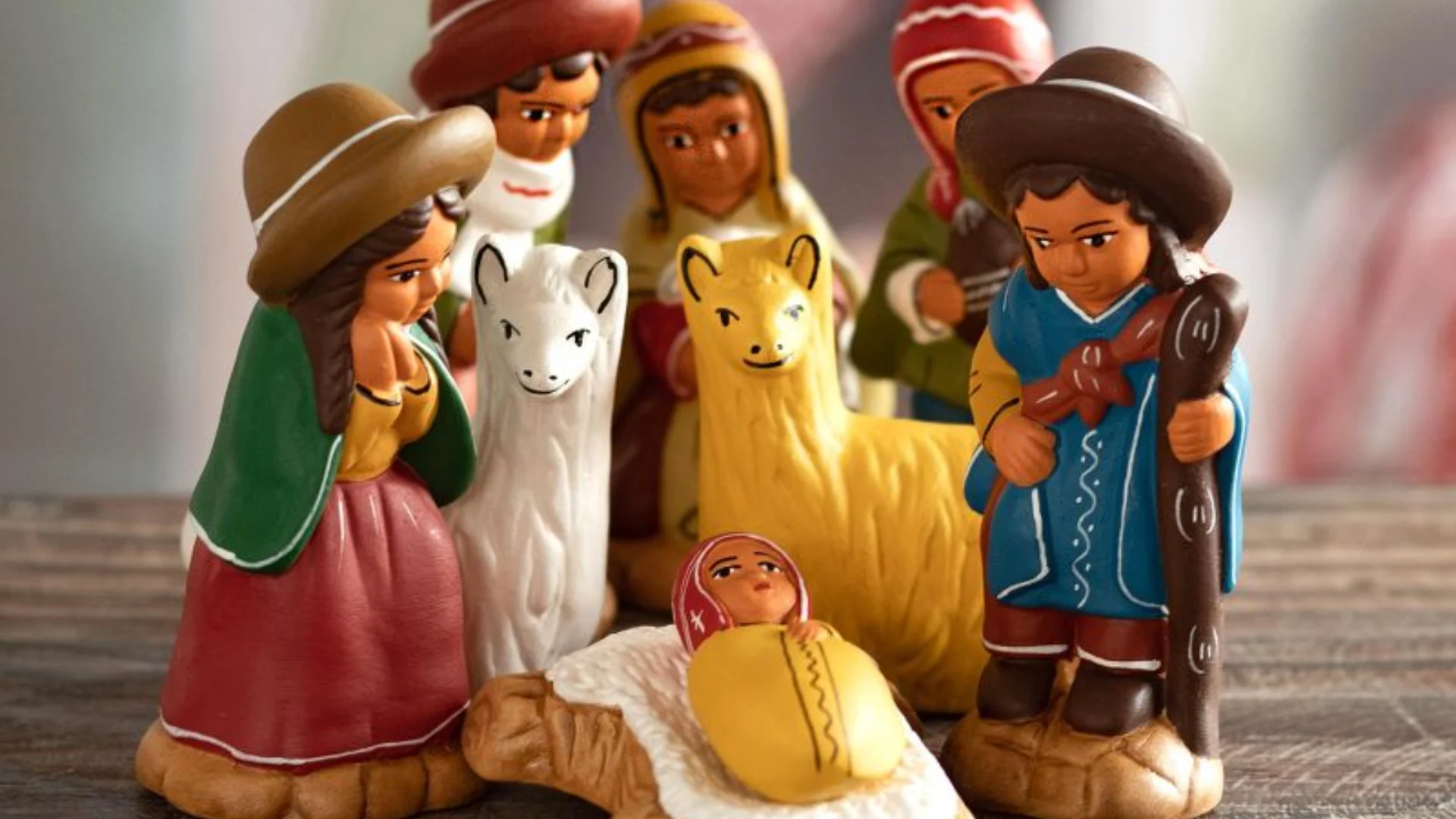
In addition to going to Mass, removing the Nativity scene from their home and having a meal with one another, many families gather to bestow gifts upon one another, similar to when the Three Wise Men visited the baby Jesus on that day.
As for the younger generation, children play an integral part in this holiday celebration. On Three Kings’ Day, they typically prepare letters to send to the Magi, make symbolic gifts for them and participate in a variety of rituals that relate to the spiritual nature surrounding this occasion. Three Kings’ Day is a time for contemplation, unity and setting intentions for a successful year ahead.
What Is Celebrated During the Bajada de Reyes?
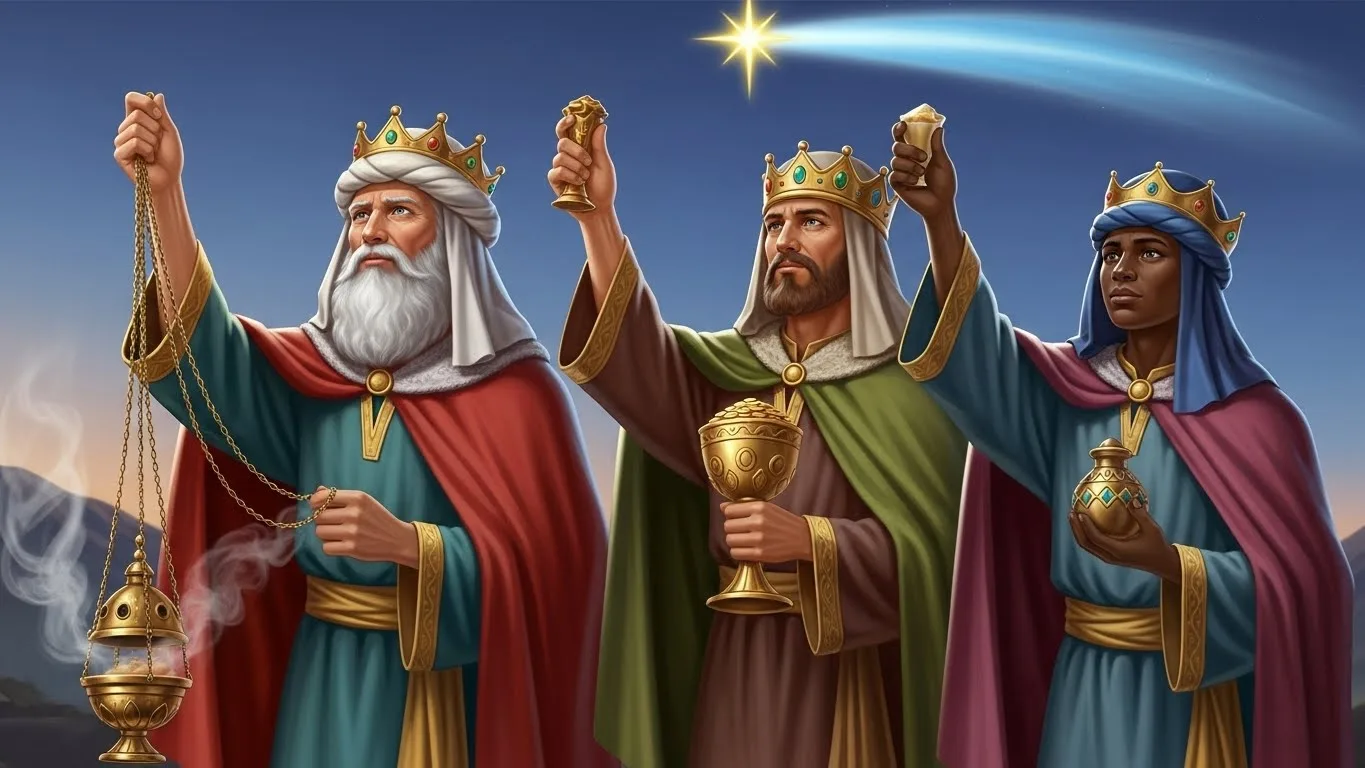
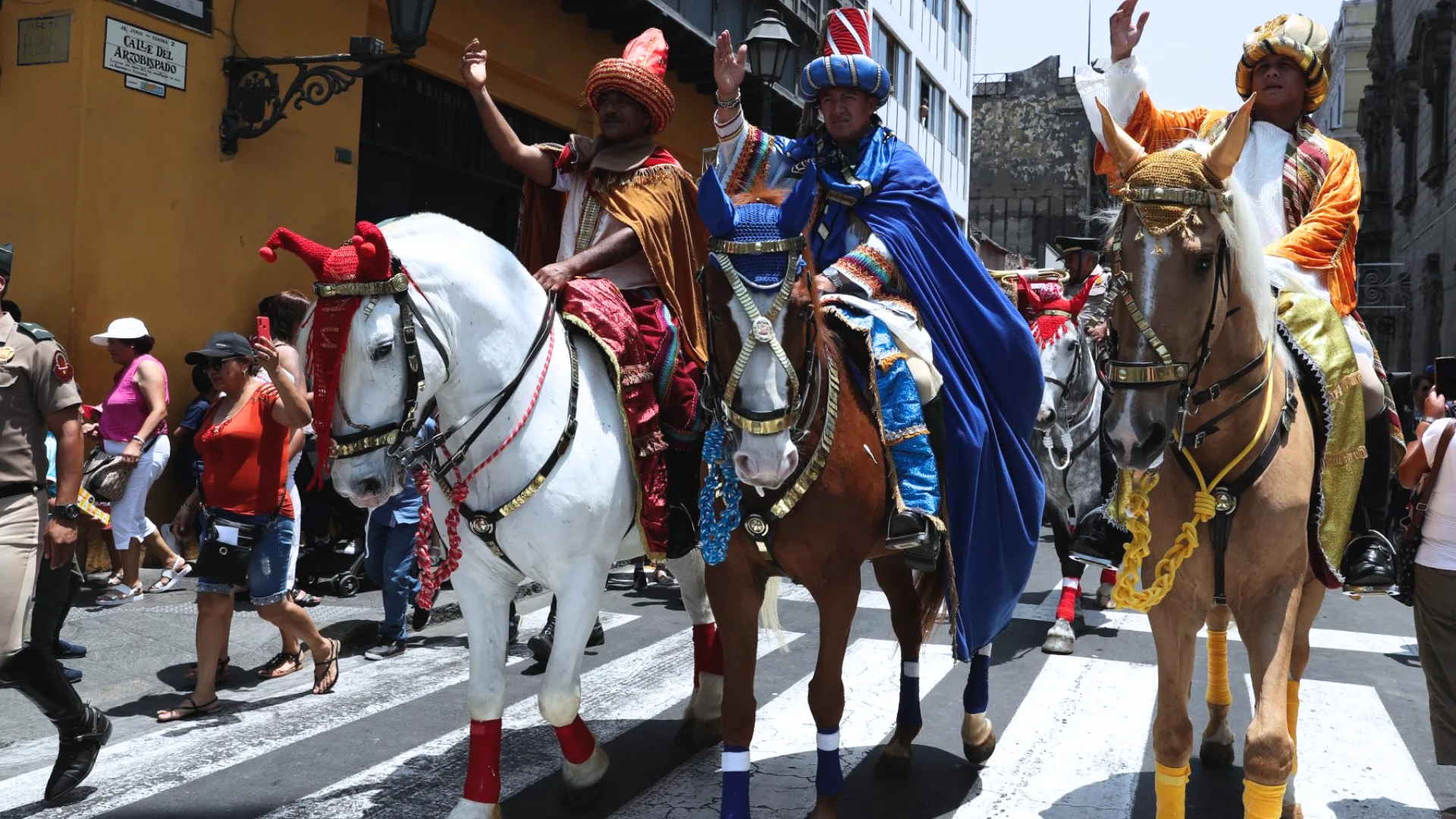
The Bajada de Reyes (the three wise men) is associated with the celebration of the Epiphany and the arrival of the three wise men, Melchior, Gaspar, and Balthazar, to besiege Jesus from the east, according to the star that guided them.
The Bajada de Reyes, in Peru, represents the following three major events:
- The manifestation of Christ to the world
- The formal conclusion of the Christmas season
- The symbolic rebirth and gratitude.
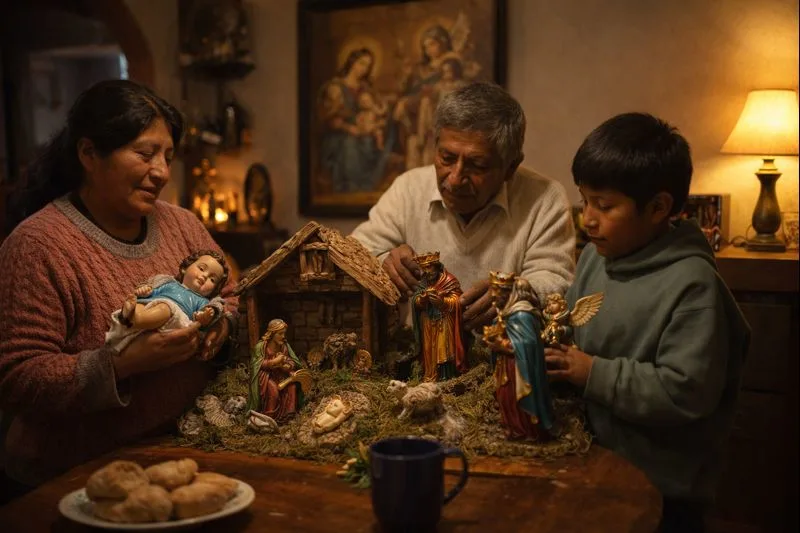
A defining ritual is the removal of the Child Jesus from the Nativity scene.
Historical and Cultural Origins in Peru
The Bajada de Reyes originated during the period of Spanish colonialism and were celebrated according to the calendar of the Catholic church. The Andean peoples over time incorporated their concept of cyclical time, through balance and collective renewal, to the celebration to develop the uniquely Peruvian character of the Bajada de Reyes.
The historical importance of January 6th is evident in Lima, a city known as the “City of Kings,” was founded on January 6th, 1535; thus connecting the history of the colony of Peru with the Epiphany.
How Is the Bajada de Reyes Celebrated in Peru?
Religious Observances
Across the country, January 6th is marked by:
- Special Masses and liturgical services
- Blessings of Child Jesus images
- Community prayers in churches and chapels
Families often bring their Nativity figures to church to be blessed, symbolically protecting their homes for the year ahead.
Family Traditions and Gift-Giving
On the night of January 5th, children in many Andean households write letters to the Three Kings. Grass and water are left outside as offerings for the Kings’ animals, and shoes may be placed by the door in anticipation of small gifts the next morning.
In some homes, when the Nativity scene is taken down, each figure is replaced with money. This money is saved to fund the following year’s Christmas celebrations, reinforcing the idea of continuity and shared responsibility.
The Symbolism of the Gifts of the Three Wise Men
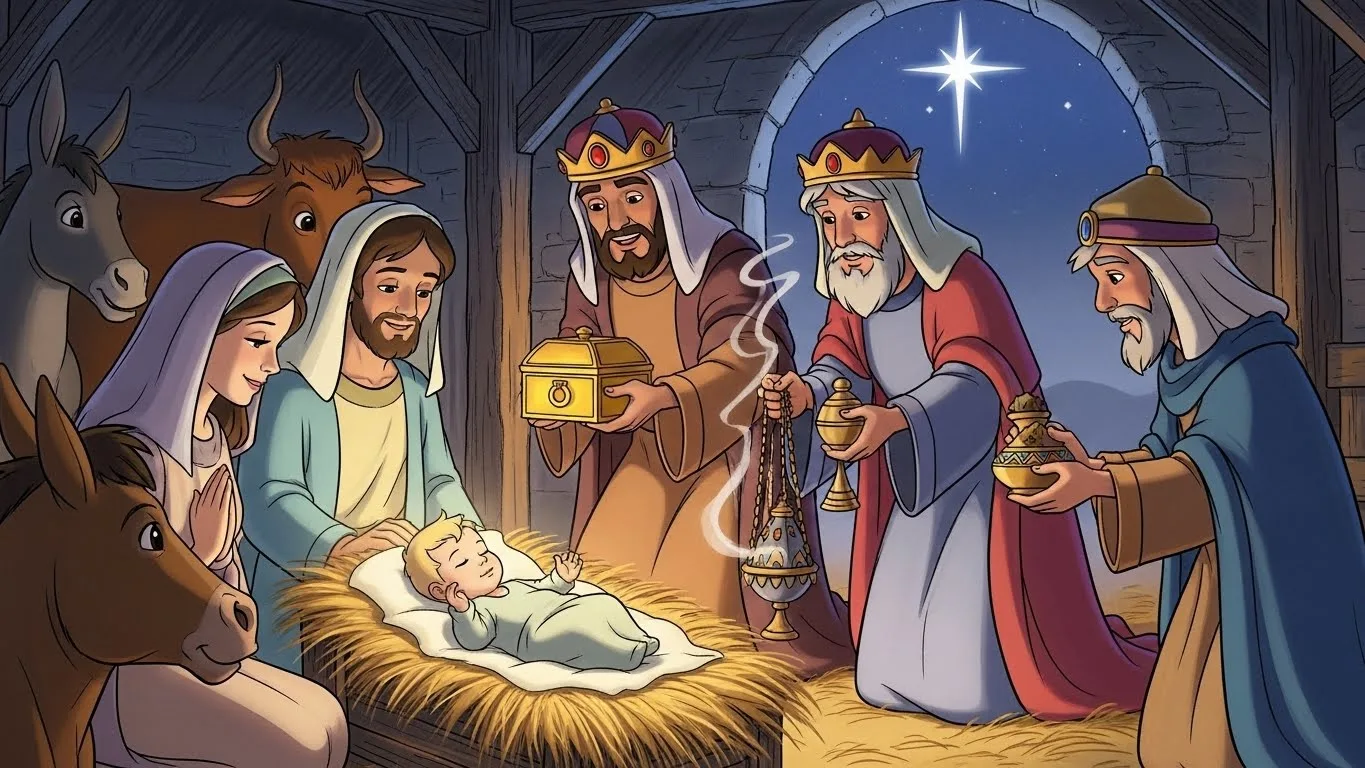
According to the Christian faith, the Wise Men presented three gifts to the Baby Jesus that were symbolic of different things.
- Gold, representing kingship
- Frankincense, symbolizing divinity
- Myrrh, associated with humanity and mortality
While tradition has come to refer to these men as kings, there is significant debate regarding what exactly the term Magi means. Many historians believe the Magi may have actually been scholars or astrologers who were following a star that was described in the Holy Bible as appearing in the East.
How Is the Bajada de Reyes Celebrated in Cusco?
Niño Manuelito
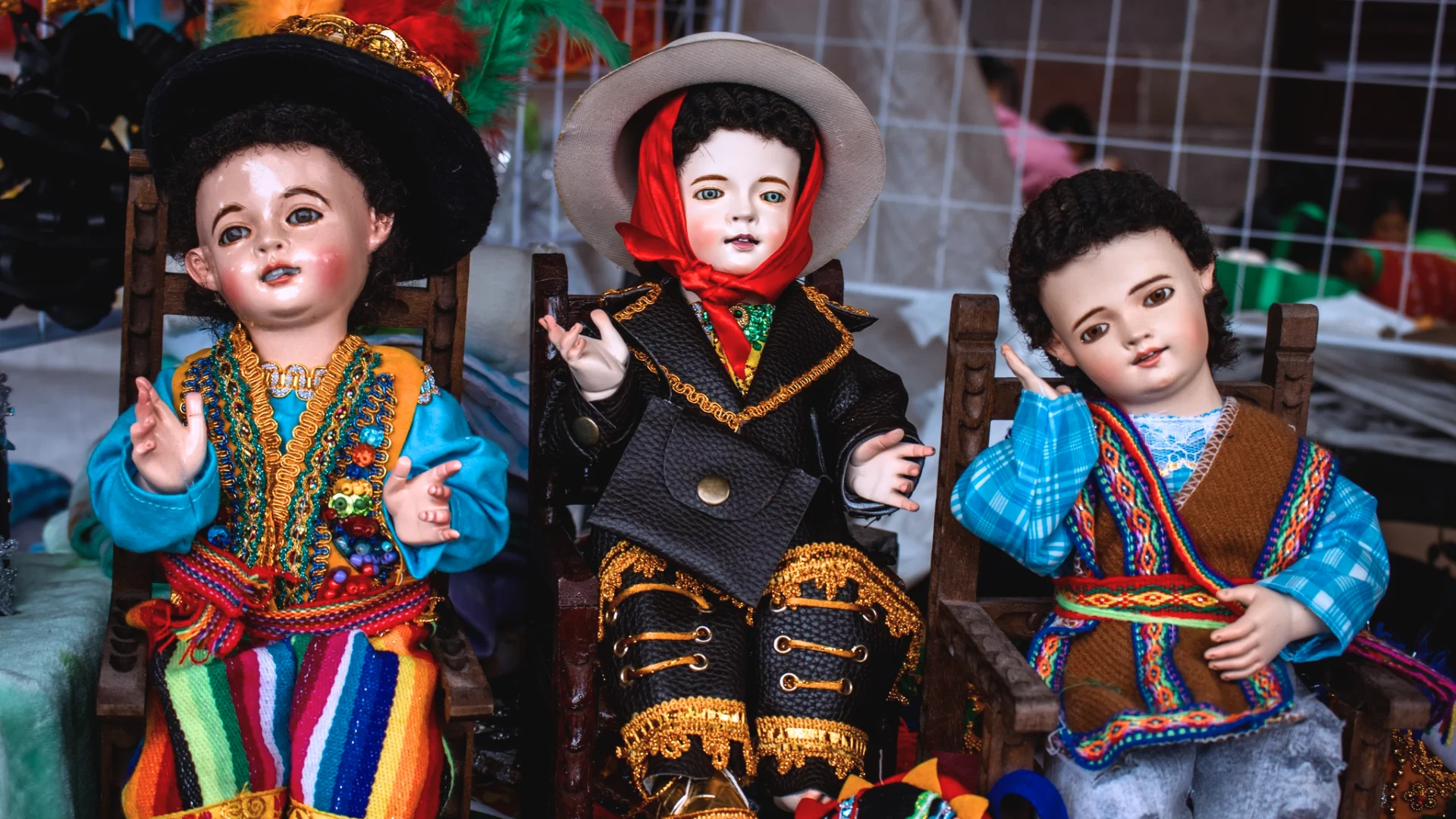
The Child Jesus is a popular title in Cusco, naming him Niño Manuelito, and is represented by a local image that reflects a distinct Andean physiognomy (facial features). His nickname Niño de la Espina, indicates the long history of devotion to him by locals.
Artisan Clothing and Local Markets
Three Kings’ Day in Cusco is a time for congregating in churches and plazas, where handmade clothes made for Niño Manuelito by the local artisans are seen as one of the most visible traditions.
These garments are:
- Finely embroidered and handmade
- Inspired by Andean textile traditions
- Purchased by families and godparents to dress their images before ceremonies
This process helps to maintain support for the local artisans who make these garments while at the same time allowing for cultural preservation.
Religious Rituals and Community Life
Families attend Mass families carry images of Niño Manuelito that are to be blessed. Once the family gets home the figurine will be a source of luck and protection for the family during the upcoming year.
In every district of Cusco, families participate in processions, traditional dances, fairs and other symbolic reenactments of the arrival of the Three Wise Men; these activities reinforce family education and spirituality.
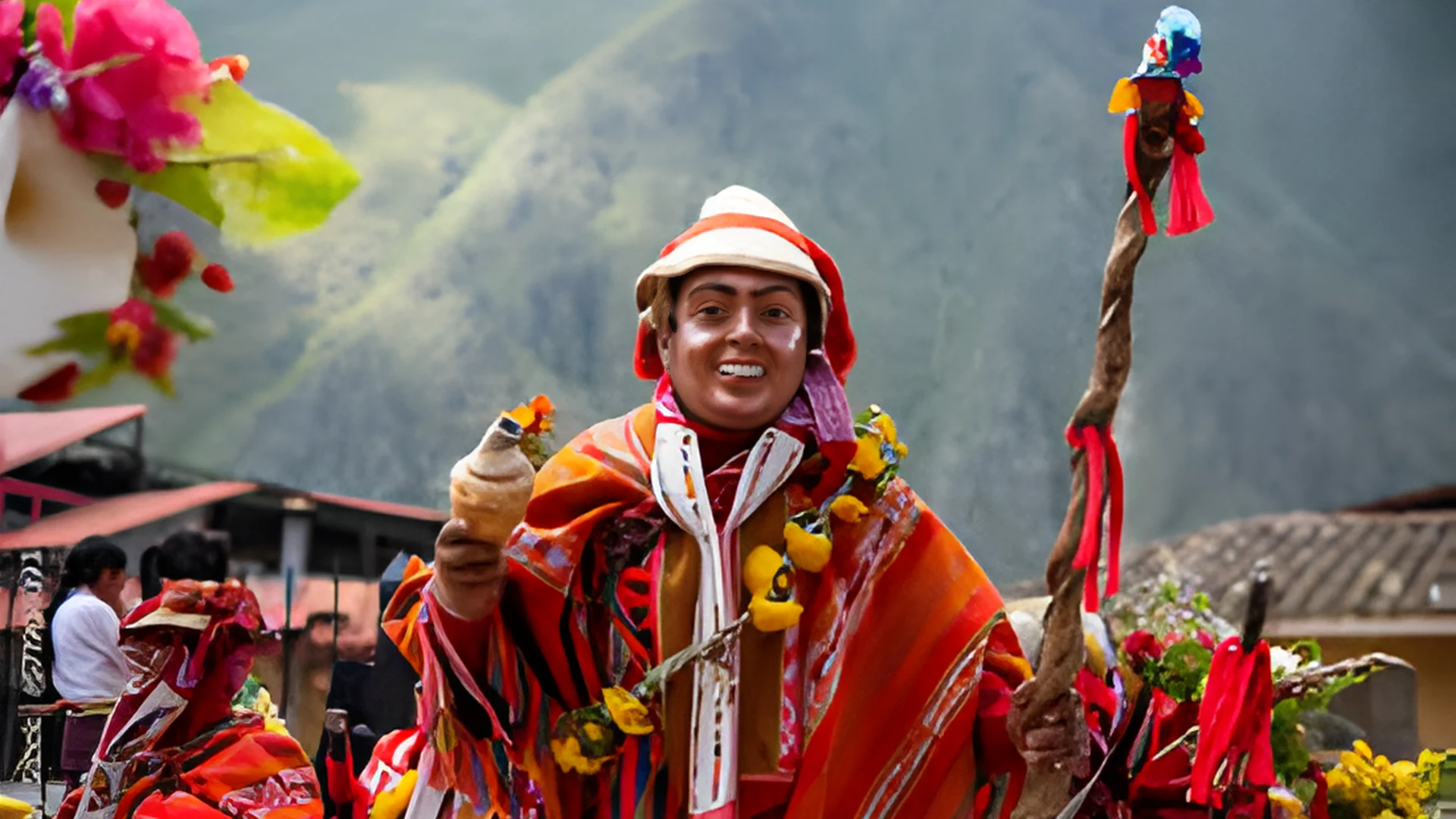
Three Kings’ Day in Cusco: The Closing of the Christmas Season
January 6 is considered the real end of Christmas in Cusco, Peru. On this day, family Nativity Scenes from the Christmas Celebration are taken down, and many Families share a meal, listen to music, remember the last year, and hope for harmony and prosperity within the next year.
The Bajada de Reyes adds a touch of extended Christmas spirit and displays how closely faith and community are still intertwined within the culture of Cusco.
Why Experience the Bajada de Reyes in Cusco?
There are many unique benefits to visiting Cusco during the Three Kings Day celebration.
- The December holiday rush has ended, often lowering travel costs
- It is summer in the Southern Hemisphere, with warmer weather
- The celebration remains authentic and community-centered
Also most importantly, you will have the ability to see a living tradition that affects how the people in this area identify themselves.
Bajada de Reyes in the Sacred Valley: Ollantaytambo
Beyond the city, one of the most dynamic celebrations takes place in Ollantaytambo, in the Sacred Valley.
Here, the Bajada de Reyes often becomes a multi-day festival, beginning on January 5th and extending for several days. Common elements include:
- Religious Procession of the images of the Holy Child Jesus
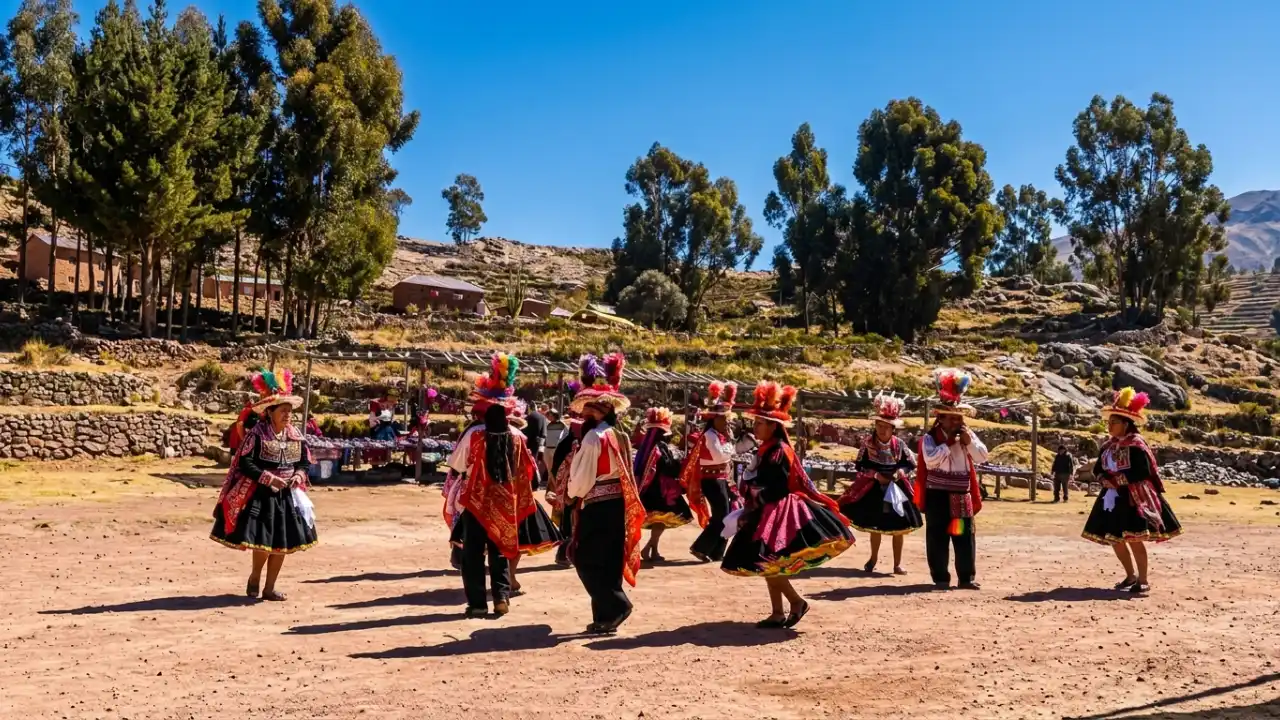
- Elaborate Parades and Traditional Dance
- Colorful costumes and live music
- Communal meals and public gatherings
- Mass in Honour of the Epiphany
Ollantaytambo’s celebration is considered one of the most visually striking Three Kings’ Day events in the region.
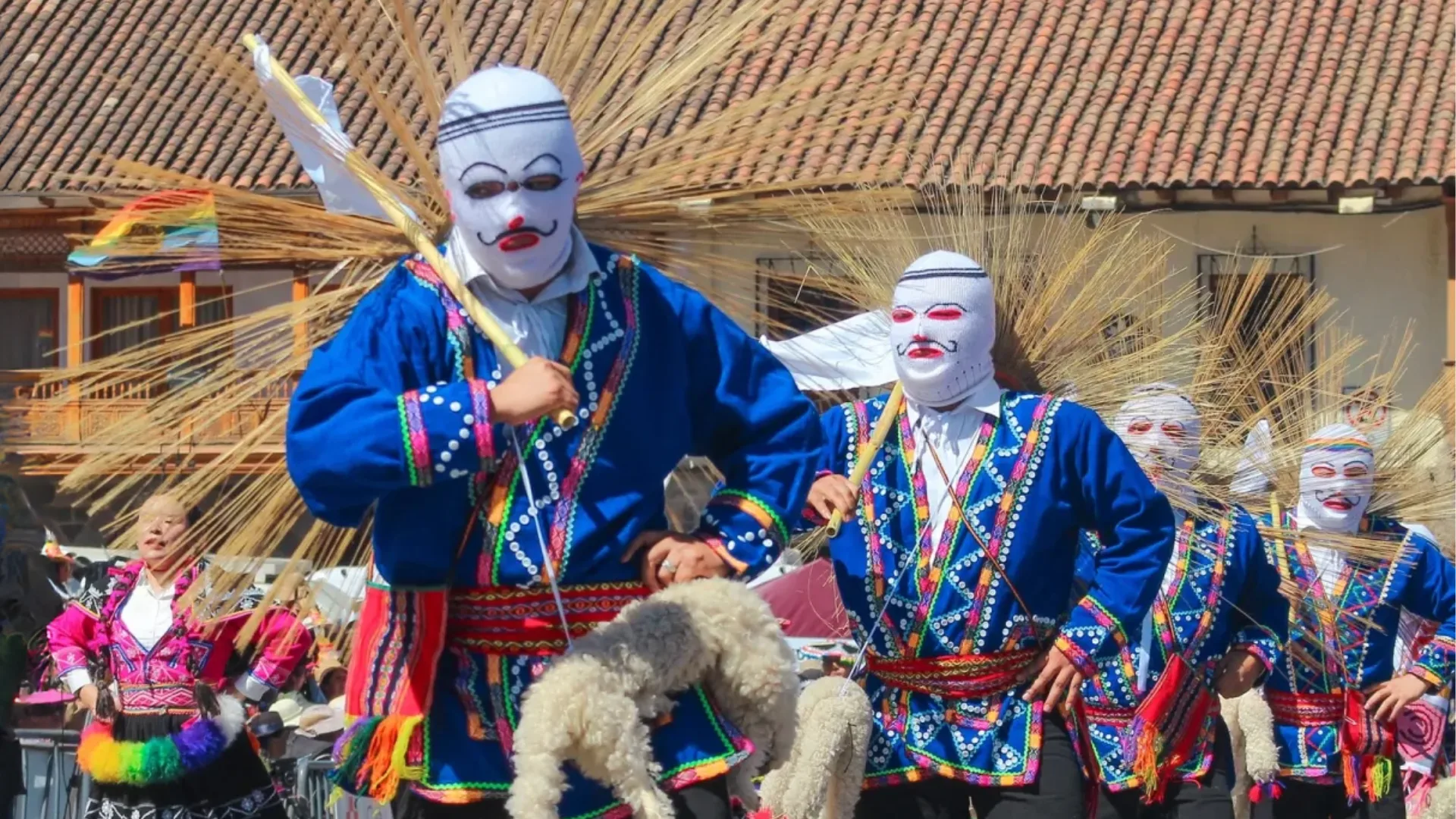
Bajada de Reyes: A Living Andean Tradition
The Bajada de Reyes is a living tradition throughout Peru, with ceremonies conducted in church or families, artisan fairs, and regional festivals.
In the Sacred Valley, Cuzco links the faith and history of the region to community at the start of every year, gently glorifying the idea that real traditions are not worth being preserved for the sake of display.
Travel Tips for Visitors
- If possible, include a visit to Ollantaytambo in the Sacred Valley, where Bajada de Reyes is celebrated with strong community participation and extended festivities.
- Remember that Cusco is at high altitude year round, so take time to acclimatize, stay hydrated, and pace your activities.
- Arrive early to public celebrations and church services, especially on January 6, as local communities tend to gather from the morning hours and spaces can fill quickly.
- January is part of the rainy season in the Cusco region, so carrying a light rain jacket and waterproof footwear can be useful, particularly if you plan to visit outdoor celebrations or processions.
- Cash is helpful during the festivities, especially in smaller towns and local markets where vendors may not accept cards.
- If you are interested in religious traditions, visiting smaller parish churches can offer a quieter and more intimate experience compared to main cathedrals.
- Be flexible with schedules, as community celebrations may not follow fixed timetables and often unfold naturally throughout the day.
Frequently asked questions about Bajada de Reyes (Three Wise Men) in Cusco
No. In Peru, Three Kings’ Day is observed on January 6, but it is not an official public holiday. Most businesses, schools, and offices operate as usual.
Bajada de Reyes refers to the local way of observing the Epiphany or Three Kings’ Day. In many places, it involves taking down the Nativity scene (Nacimiento), an act that symbolically marks the end of the Christmas season. This tradition may take place within families or as part of community or church activities.
In some households, yes. Children may receive small gifts on January 6, although this practice varies by family and region. In Cusco, the celebration is more closely connected to religious observances, church visits, and community traditions rather than large-scale gift exchange.
-
Ollantaytambo (Sacred Valley): Often considered one of the most vibrant places to experience Bajada de Reyes, with strong community involvement, processions, and traditional music.
-
Cusco city: Visitors can observe Nativity-related customs, church ceremonies, and family traditions, particularly around the Plaza de Armas and historic churches.
-
Lima: In the Historic Center, some years include family-oriented events or small parades, offering a cultural experience without traveling to the Andes.
This celebration marks the true end of the Christmas season and highlights how religious traditions in Peru are deeply shaped by local identity. In the Andes, community rituals, processions, and regional customs play a central role, making the experience both meaningful and culturally rich.
Three Kings’ Day in Peru, also known as the Epiphany, is a Christian celebration commemorating the visit of the Three Wise Men to the baby Jesus. It is observed through church ceremonies, family gatherings, and regional traditions, which vary especially in Andean communities.
It is celebrated every year on January 6.