All Saints’ Day in Cusco, Peru: Traditions and T’anta Wawa Bread
In Cusco, November 1 and 2 don’t land like random holidays. They land like a family season: time set aside to remember people who are gone, not only with prayer, but with food, music, and long hours spent together. Cemeteries turn into meeting places. Markets turn into bread-and-sweets hubs. And homes turn into kitchens running on tradition.
Across Peru, these dates are commonly described as November 1 (All Saints’ Day / Día de Todos los Santos) followed by November 2 (All Souls’ Day / Día de los Difuntos, often spoken about as “Day of the Dead”).
What Día de Todos los Santos Means in Cusco
On paper, All Saints’ Day is Catholic. In real life, Cusco’s version is a blend: Catholic dates layered over an Andean understanding that the dead are still part of the community still connected, still present in family life.
One Cusco-focused source calls this religious syncretism directly: Catholic reverence for saints and faithful departed alongside an Andean worldview where these days are an opportunity for a temporary reunion with those who have “gone to the other world.” That same source explains the logic behind offerings: the dead are believed to return temporarily, to need food and drink for the journey, and to continue participating in community life.
That’s the key to writing about this well: Cusco doesn’t treat remembrance as abstract. It treats it as practical.
The Two-Day Rhythm in Cusco: November 1 vs. November 2
Cusco travel writing repeatedly frames the dates like this:
- November 1: Todos los Santos / All Saints’ Day / Day of the Living
- November 2: Día de los Muertos / All Souls’ Day / Day of the Dead
This doesn’t mean everyone follows identical rituals. It means the emotional arc is consistent: preparation, gathering, visiting, sharing.
The Tradition: Cemetery Visits That Feel Like Family Reunions
Flowers, Food, and Live Music at the Graves
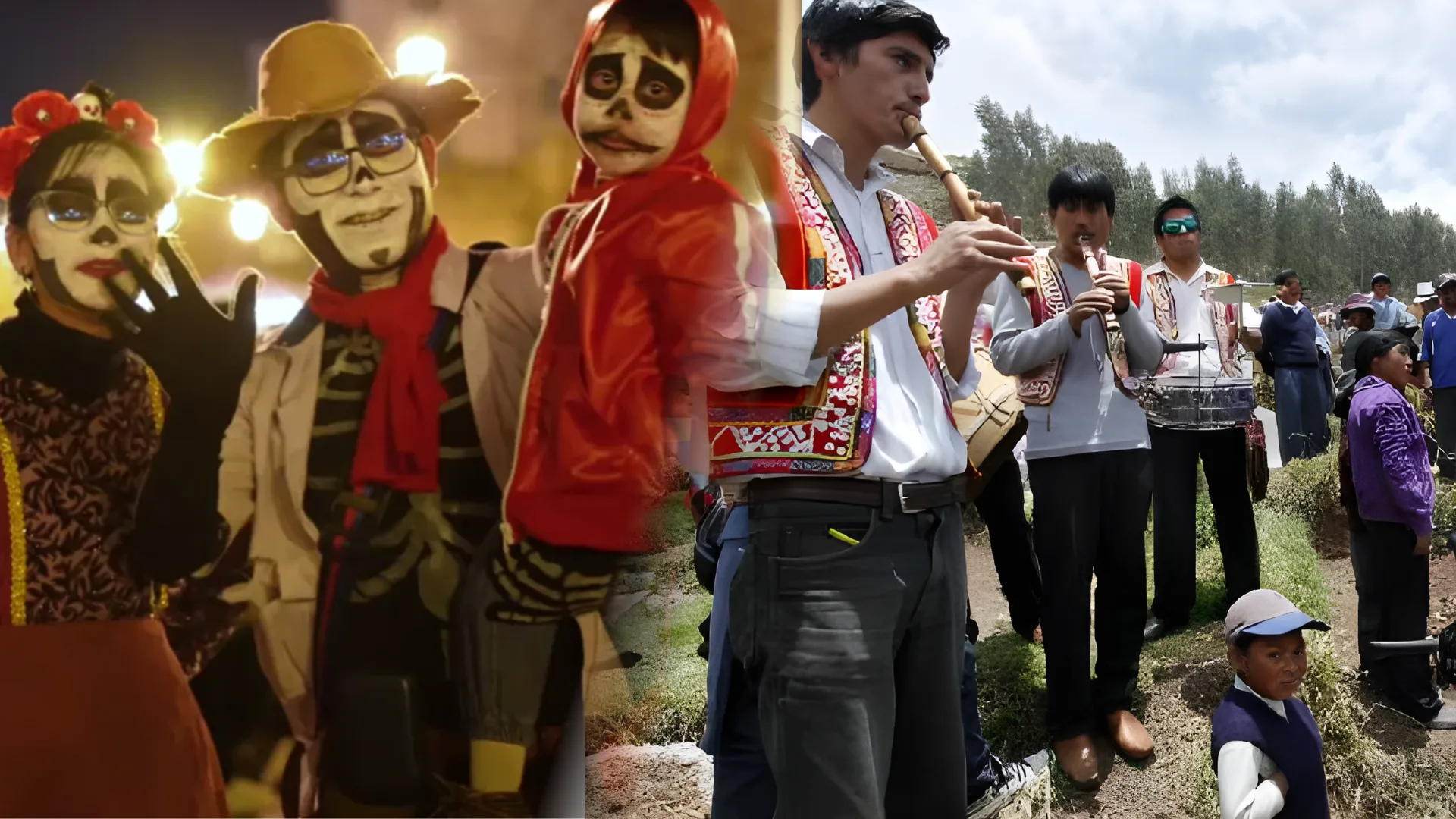
A detail that makes Cusco stand out: music isn’t unusual. Families may bring musicians who play traditional melodies, alongside food and flowers.
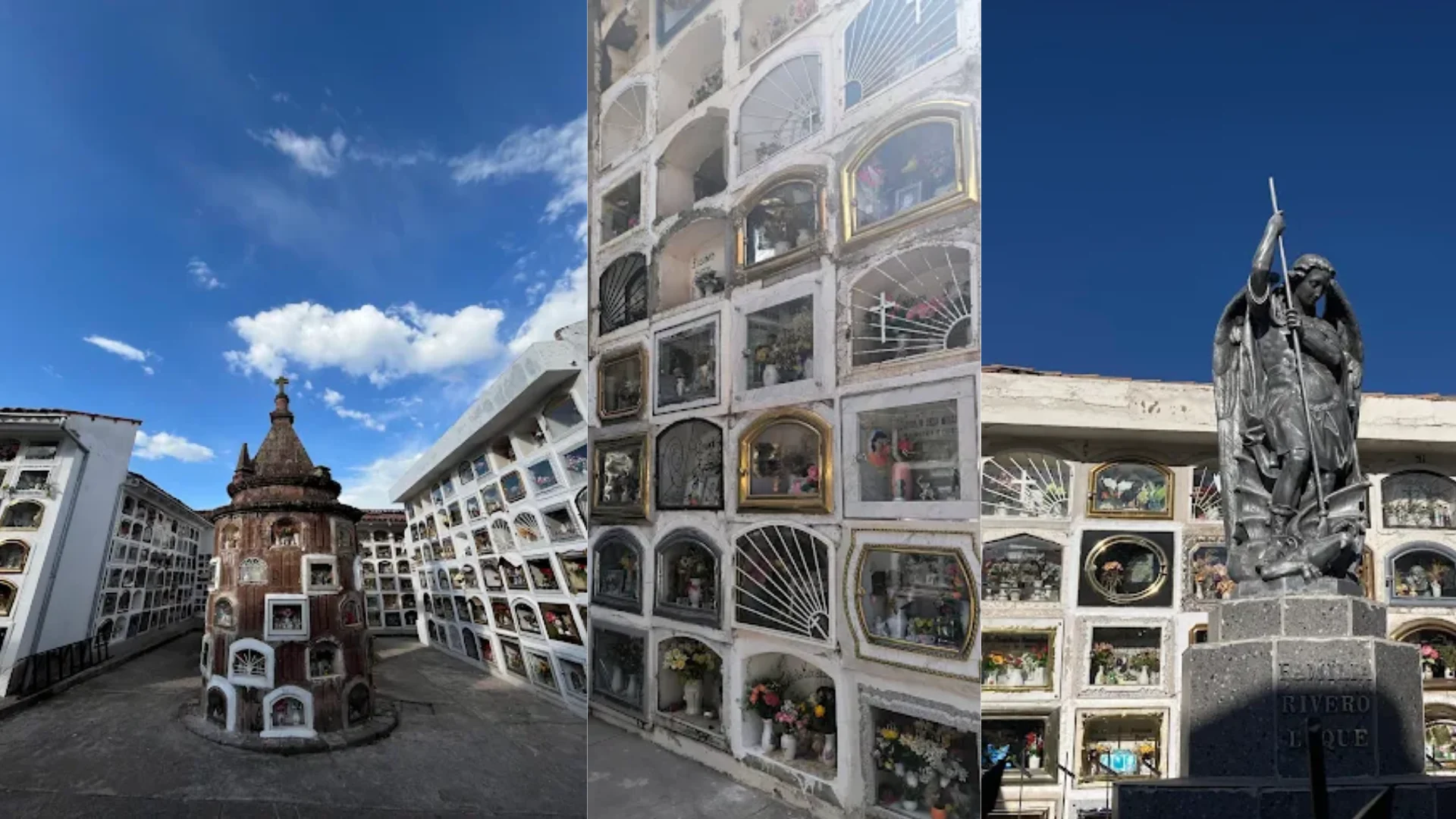
You’ll see this most clearly at Almudena Cemetery, described as one of the city’s most important cemeteries, where thousands arrive early and spend the day.
Another source points to nearby cemeteries where this custom can be seen, including Huancaro Cemetery and Jardines de la Luz.
Cleaning Graves and “Staying With” the Person
Peru-wide descriptions emphasize that families commonly clean and decorate graves, then remain there to pray, sing, and share offerings less like a quick visit, more like spending time together.
Cusco sources back that up with specifics: cemeteries become vibrant spaces where people bring food, drinks, and even live music to honor loved ones.
Offerings in Cusco: What Families Bring and Why It Matters
Offerings aren’t generic “decorations.” They’re personal, and they’re meant to welcome the person back (even if only symbolically).
Lists common offerings as:
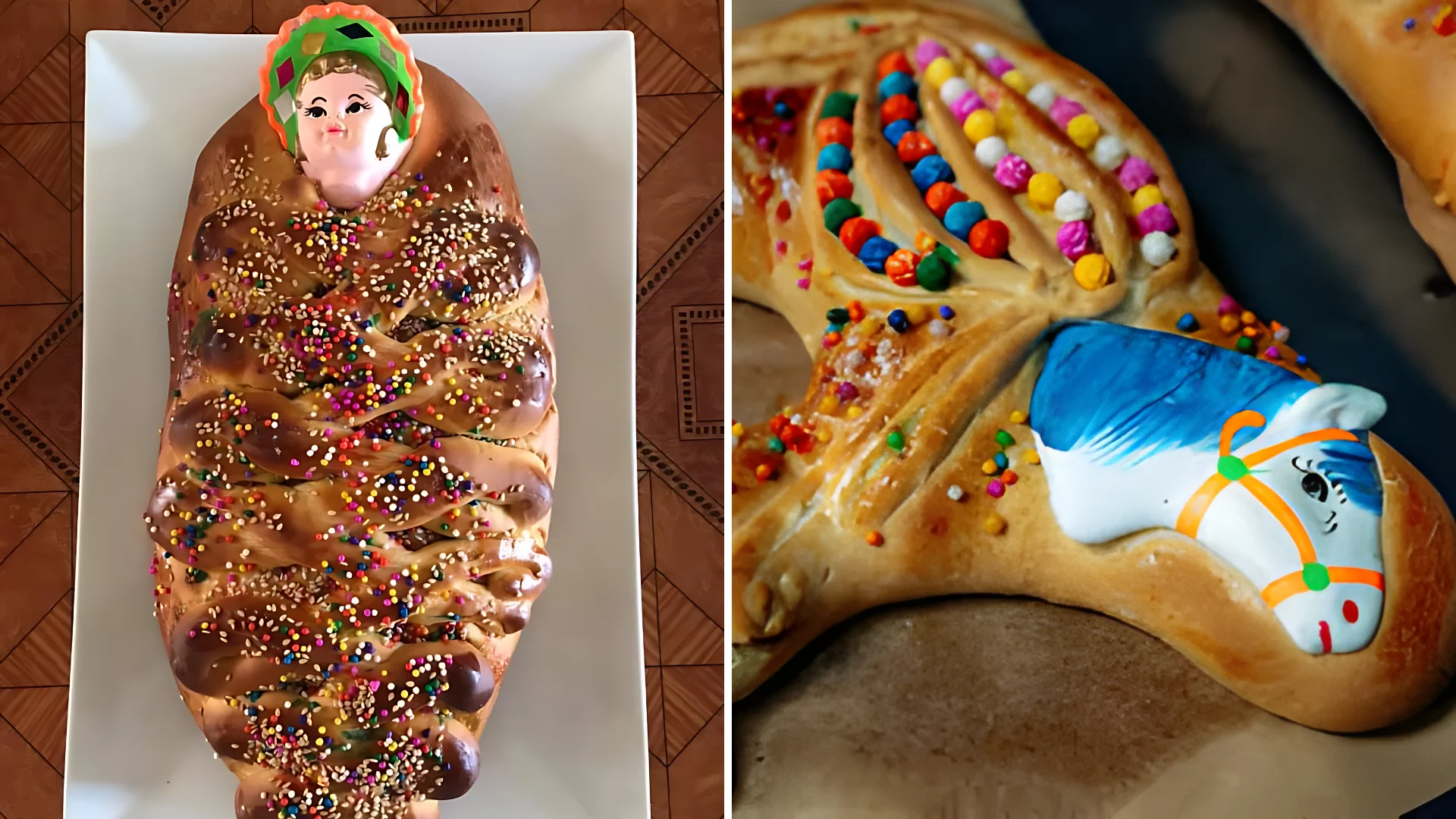
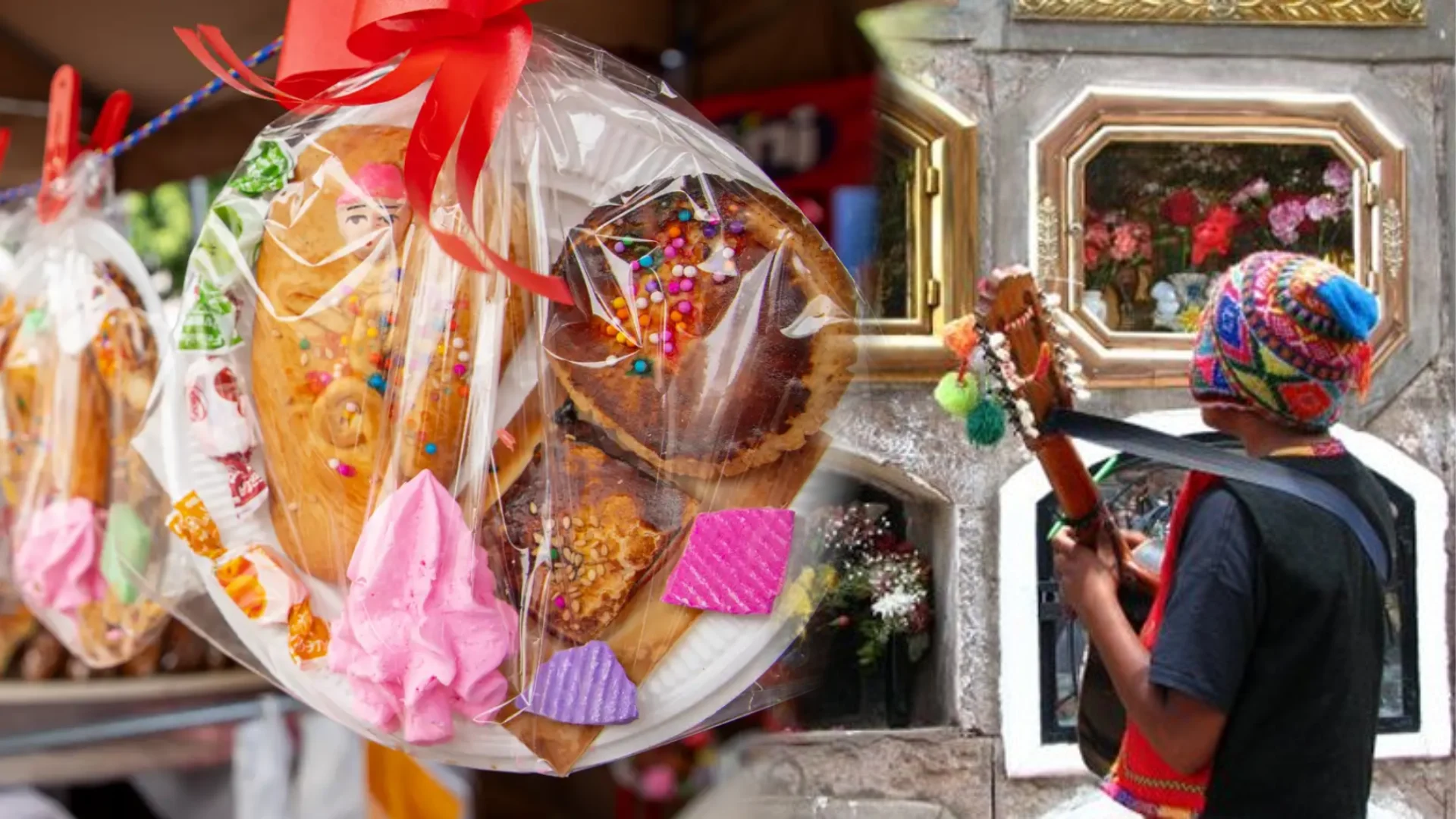
- T’anta wawa: Bread shaped like babies or children, often decorated with colorful masks.
- Suckling pig (Lechón): A traditional pork dish served during festivities.
- Seasonal fruits: Like apples and bananas.
- Favorite drinks: Of the deceased, including chicha de jora or sodas.
- Flowers: Especially daisies and carnations.
A broader Peru overview adds the common altar setup details (at home or in cemeteries): candles, photos, flowers, and favorite foods/drinks.
T’anta Wawa in Cusco: The Bread That Defines the Season
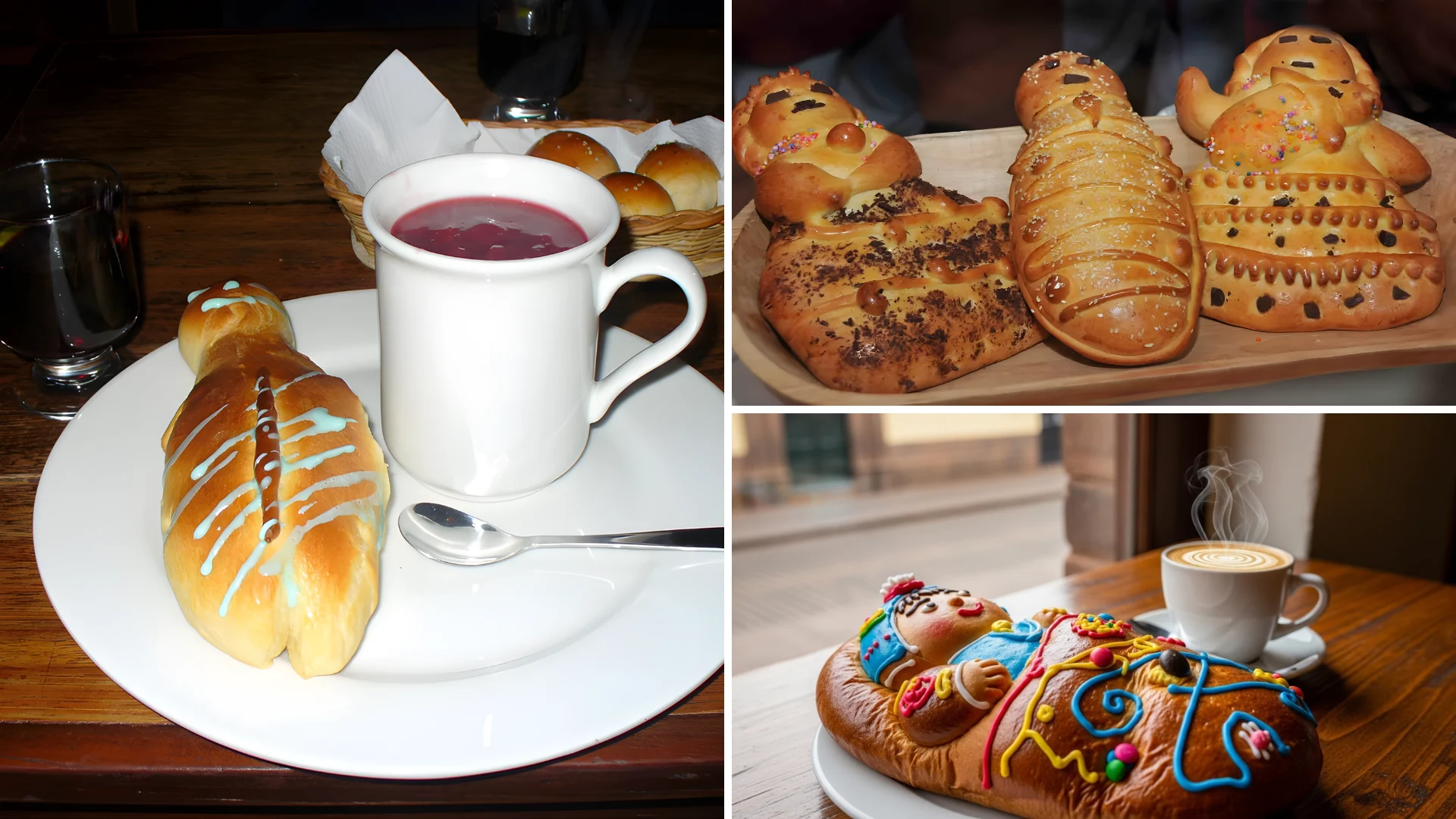
T’anta Wawa as a sweet, spongy bread shaped like a swaddled baby so well crafted it can feel like a shame to eat it.
What It Represents (And Why People Take It Seriously)
One Cusco states that these bread figures:
- Represent deceased children and unbaptized babies
- Are decorated with faces made from dough or plaster masks
- Are adorned with bright ribbons
- Can range from about 4 inches to over 1.5 feet
Many families keep a T’anta Wawa all year as a symbol of protection and abundance.
The “Girls vs. Boys” Bread Detail People Actually Mention
T’anta Wawa is sometimes gifted to girls, while horse-shaped breads (called T’anta Caballos) are baked for boys. It also notes that decorations can include candies and chocolates specifically for these seasonal breads.
How People Eat It (The Simple, Local Pairing)
Tradition dictates that the best way to enjoy this bread is with a cup of hot chocolate, Cusco-style. This moment of consumption is usually a shared family activity, strengthening the bonds between the living while honoring the memory of the deceased.
Lechón Cusqueño: The Meal Families Organize Around
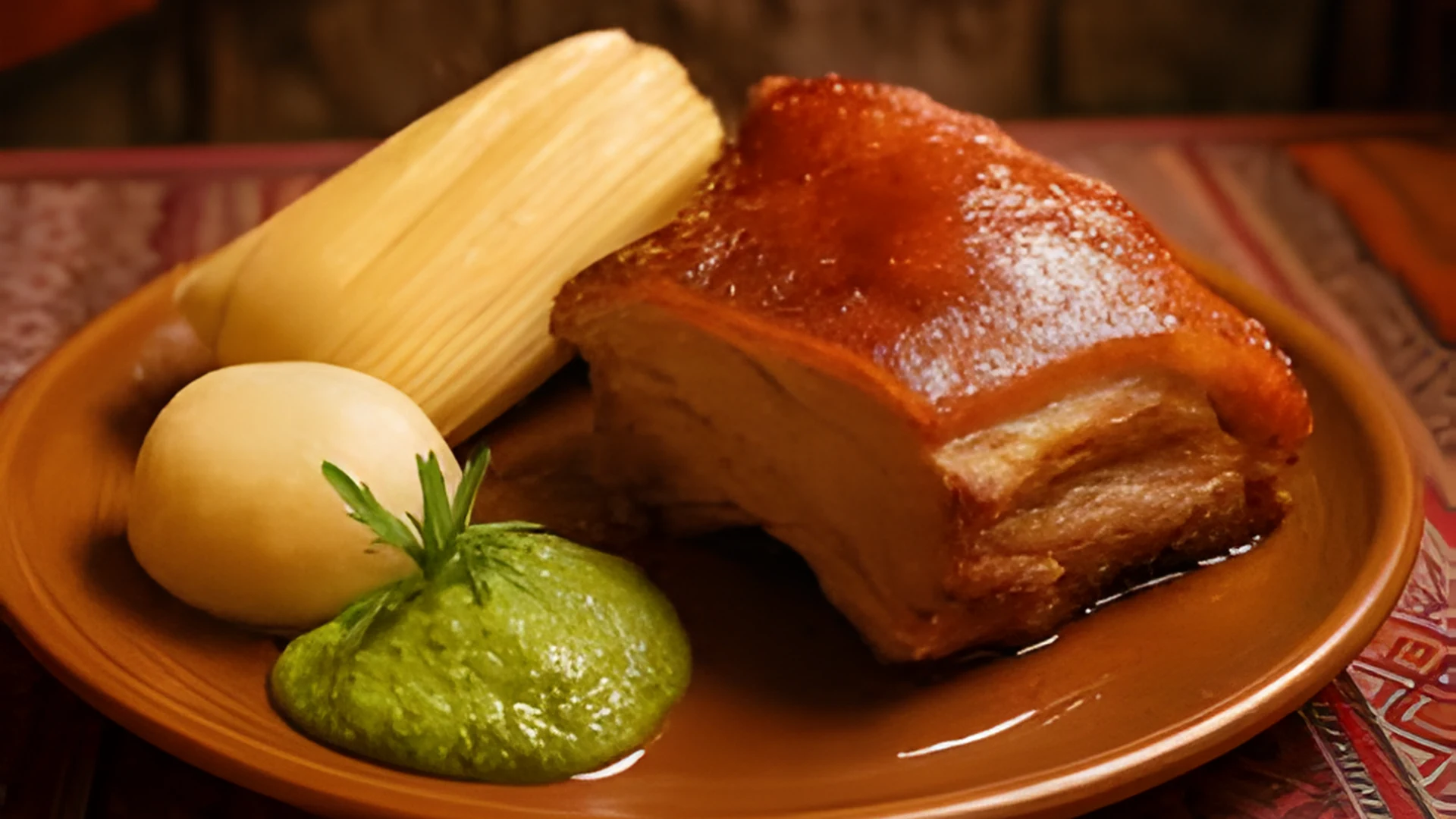
Bread gets the spotlight, but the main food for many families is lechón roasted pork that’s crispy outside and tender inside, commonly served with tamales.
The lechón requires slow cooking in a traditional clay oven, bakeries fill up with orders. Families often bring their lechón to be roasted and then pick it up to eat together. That detail matters because it shows this tradition is planned and lived not improvised.
Cusco Turns Into a Food Map: Desserts, Markets, and Seasonal Buying
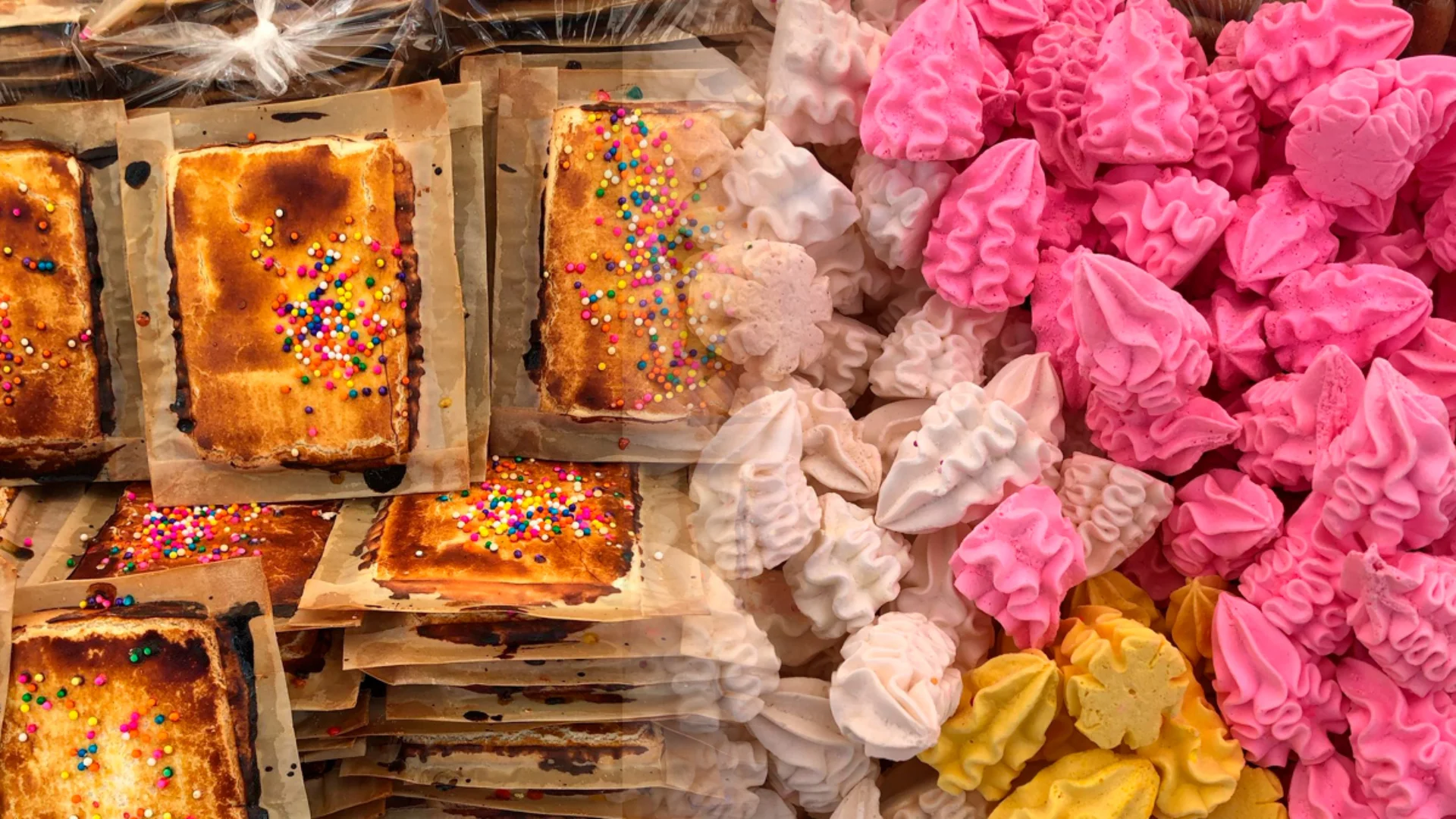
Beyond the t’anta wawa and the roast suckling pig, there’s a seasonal explosion of traditional sweets that flood the markets and plazas. You can’t walk through Cusco at this time of year without finding:
- Maicillos: Cornmeal cookies that melt in your mouth.
- Cusco-style empanadas: Unlike meat empanadas, these are sweet and sprinkled with sugar.
- Suspiros and Merengues:: Egg white sweets very popular at fairs.
- Roscas: Crispy ring-shaped breads.
Even if you don’t visit a cemetery, the season is felt in the scent of the streets and in what’s being baked on every corner of the city.
Fairs Across the City: Where Tradition Becomes Public
Cusco doesn’t keep its traditions under lock and key; it shares them publicly. On November 1st and 2nd, the city comes alive with massive food fairs. If you want to find the best quality and variety of t’anta wawas and roast suckling pig, these are the key spots:
- San Sebastián Square: Famous for its suckling pig festivals and its neighborhood atmosphere.
- San Pedro Market: The tourist and local heart where the lines for bread are immense.
- Vinocanchón Market (San Jerónimo): Ideal for those seeking a more local experience and producer prices.
- Plaza de San Francisco: Where traditional bread and sweet fairs are usually set up.
The “Christening of the Wawa”: A Very Cusco-Specific Public Ritual
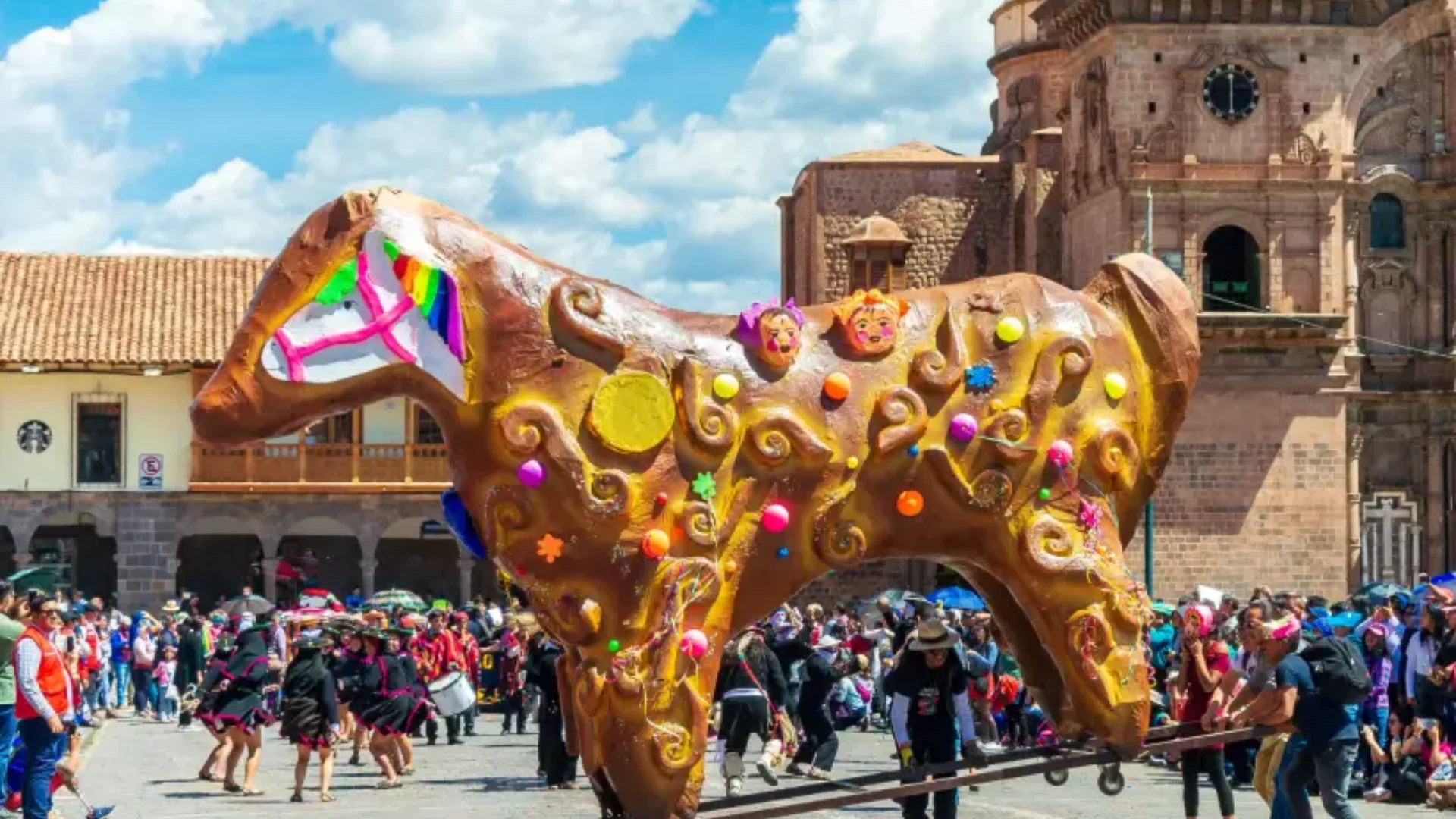
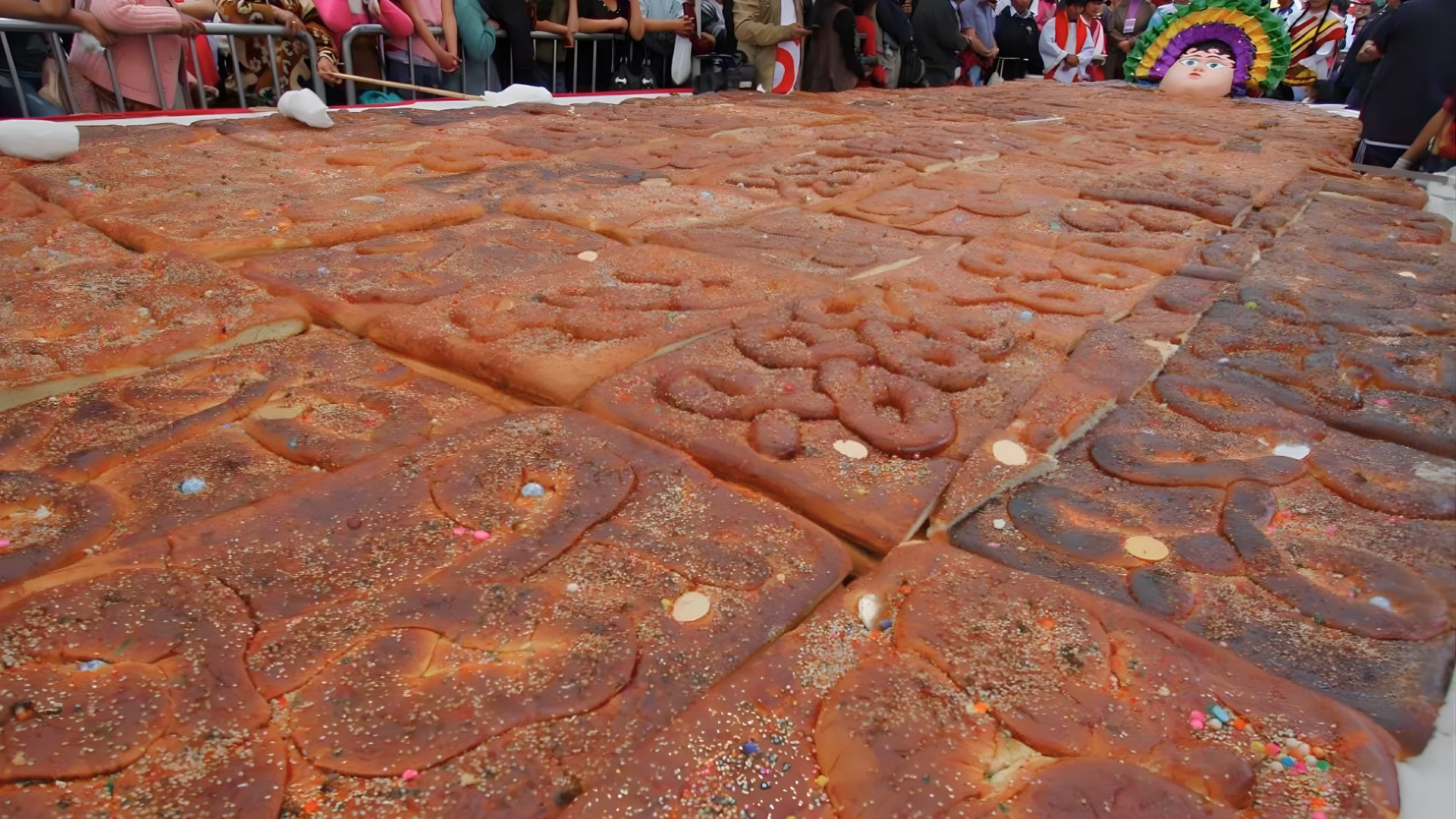
One Cusco source describes a symbolic “baptism” of a giant T’anta Wawa (described as more than 14 meters long), staged in city squares with humorous actors (priest, assistant, parents, godparents) and audience participation.
The Deeper Roots: Why This Season Hits Different in the Andes
To explain Cusco without getting overly academic, you just need the core Andean logic: life and death are parts of a continuous cycle, and the dead remain connected to the living.
A Peru overview explains this as an Inca/Andean worldview where death is a transition, and the dead are seen as guardians who continue guiding and protecting the living. It also references concepts like Hanán Pacha and Ukhu Pacha, and the idea that rituals and offerings maintain contact and help mark dates when souls return to share with loved ones.
That worldview is why Cusco remembrance doesn’t feel purely mournful. It’s emotional, yes—but it’s also relational.
Halloween in Cusco vs. Todos los Santos: The Two-Layer Week
In Cusco, this week feels like two worlds layered together. Halloween doesn’t replace Todos los Santos; it simply runs alongside it, and the city’s mood can shift overnight.
Halloween: The modern layer
Halloween is most visible in the historic center and nightlife areas: costumes, sweets, street music, themed decorations, and parties.
The vibe: social, playful, and night-focused.
November 1 and 2: The cultural core
Starting November 1, the tone turns family-centered. Markets and bakeries fill with seasonal foods like t’anta wawa, sweets, and orders for shared meals. On November 2, cemeteries become gathering places where families clean graves, bring offerings, and spend real time remembering loved ones, sometimes with traditional music.
The vibe: calmer, more intimate, and deeply meaningful.
Respectful Visitor Tips
Don’t Treat Cemeteries Like a Photo Set
Advises asking permission before photos, especially at altars and ceremonies.
Dress and Act Like You’re Entering Family Space
Recommend dressing appropriately and respecting family spaces at cemeteries.
Show Up Early If You Want to Observe Quietly
At Almudena Cemetery, sources describe people arriving early and spending the entire day so it can get crowded.
Conclusion: Cusco Remembers With Food, Time, and Presence
Cusco’s All Saints’ season doesn’t survive because it looks good in photos. It survives because it works: it gives families a structure to show love across generations.
A grave gets cleaned. A favorite dish gets cooked. Bread gets bought and shared. Music gets played. Stories get repeated because repeating a story is how a person stays present.
Frequently asked questions about All Saints’ Day in Cusco, Peru: Traditions and T’anta Wawa Bread
You’ll find it in many local bakeries, plus major markets like San Pedro Market and neighborhood markets during late October through early November. The key is to look for the busiest bread stalls and bakeries around November 1.
Yes, but you should treat it like entering a family space. Be respectful, keep a low profile, and ask permission before taking any photos, especially near graves and offerings.
Lechón (roast pork) is a major family meal, often served with tamales. You’ll also see lots of seasonal sweets in markets, plus the classic pairing of t’anta wawa with hot chocolate.
In Cusco, November 1 is often more home- and family-focused (preparation, bread, hot chocolate, shared meals). November 2 is more outward and communal, with cemetery visits, offerings, and longer time spent honoring loved ones.
T’anta wawa is a sweet bread shaped like a swaddled baby or child, usually decorated with colorful details. It’s a seasonal symbol of remembrance and protection, and it’s one of the most recognizable foods of this week in Cusco.