


Mincetur Promotes Tourism Content in Oxapampa to Highlight its Cultural Identity
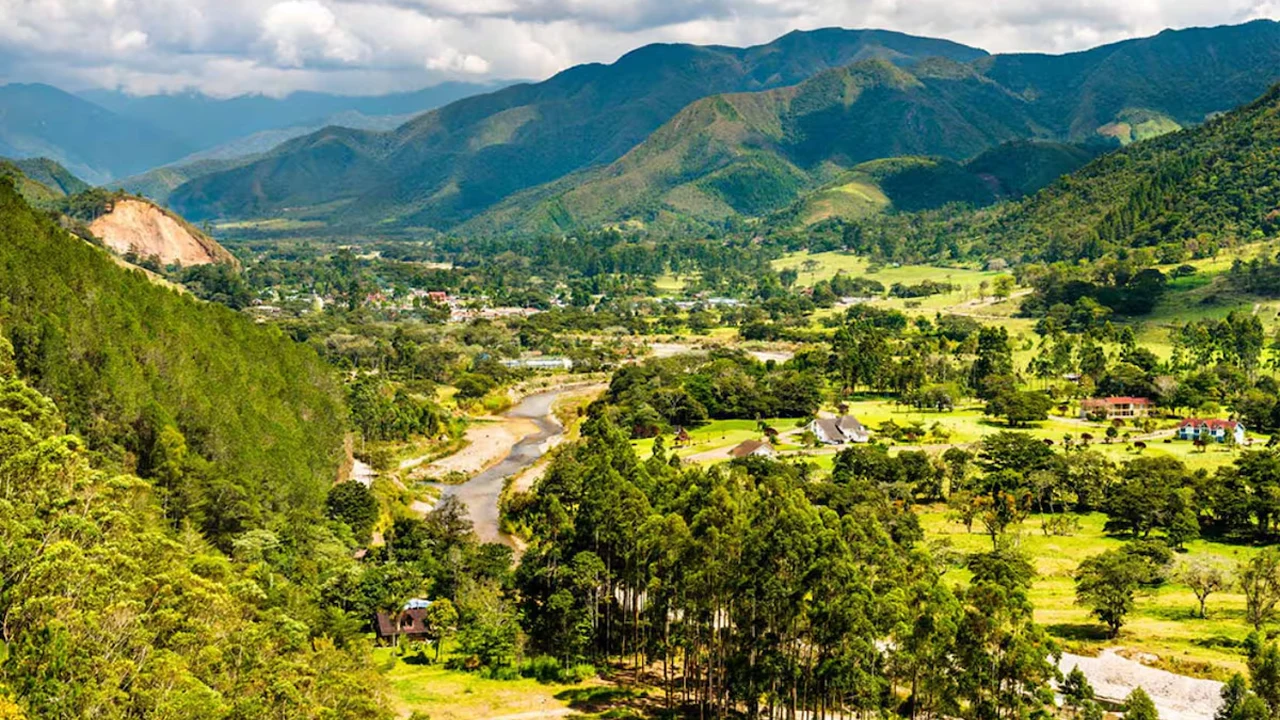

In order to offer more tourism options, the Ministry of Foreign Trade and Tourism, Mincetur, presented a significant improvement. This improvement was made at the Asháninka Yánesha Historical and Cultural Viewpoint Interpretation Center. The site is located in the charming town of Oxapampa, in the Pasco region.
With this action, Oxapampa takes a key step forward for tourism. Now, visitors can receive clear and up-to-date information. In addition, the center better explains the nature, history, and culture of the place. As a result, the tourist experience is more attractive and educational.
This intervention is part of the Charming Towns program. Thanks to this initiative, localities receive special support. The aim is to promote sustainable tourism. It also highlights cultural identity and care for the environment.
In this way, the Interpretation Center becomes a very important space. Here, visitors are guided and quality information is shared. In addition, it highlights that Oxapampa is part of the Oxapampa Asháninka-Yánesha Biosphere Reserve. This reserve was recognized by UNESCO, making the destination more relevant for tourism.
Mincetur also launched a pilot plan for tourist experiences. This plan is being developed in Oxapampa and Villa Rica. The aim is to diversify the local offering. In addition, new routes and activities are being sought. Over three days, authorities and guests visited the main attractions. This allowed them to give their opinions and help improve the future sale of these experiences.
This activity also strengthens joint working. Both public and private actors participate. In this way, a model of sustainable tourism is promoted. This model respects culture, protects heritage, and values community participation.
Pueblos con Encanto (Charming Towns)
Pueblos con Encanto is a special recognition. It is awarded to towns with a vocation for tourism. These towns have unique characteristics. In addition, they have authentic cultural and natural attractions. All of this favors the development of tourism.
This recognition seeks to reinforce the identity of the villages. Therefore, importance is given to their traditions and customs. These become the basis for their tourism development. At the same time, good local management is promoted. Thus, the villages can grow with a clear vision of the market and the future.
Source: El Comercio