


Huascarán National Park received more than 20,000 tourists during the Independence Day celebrations
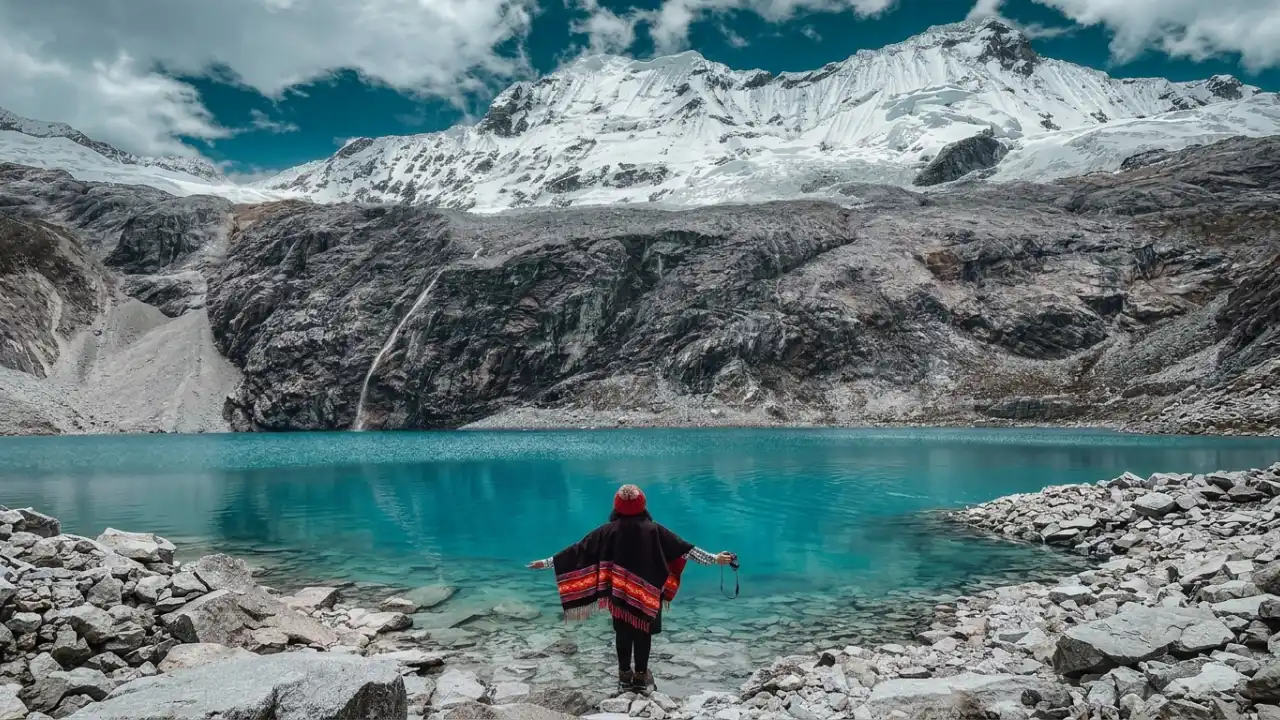

Huascarán National Park received 20,427 visitors between Saturday, July 25, and Wednesday, July 29, during Peru’s long Fiestas Patrias (Independence Day) holiday weekend in 2026, according to a report from the Andina news agency. This figure surpasses both the numbers recorded during the same period in 2025, when 19,150 people visited, and pre-pandemic levels from 2019, when the protected area logged 20,165 entries.
With an increase of nearly 7% compared to 2025, the park, located in the Áncash region, is solidifying its position as one of the country’s top nature tourism destinations, rivaling classic southern circuits like Cusco or Arequipa. According to Andina, the highest concentration of visitors occurred between July 26 and 28, when 15,101 people entered the park, accounting for 74% of the total. The busiest day was July 28, with 5,519 visitors.
As for the profile of those who visited Huascarán during this period, domestic tourists made up the majority. Of all entries, 80% were travelers from other regions of Peru, 15% were local residents, and only 5% were foreign tourists, a breakdown that reflects Peruvians’ growing interest in exploring nature and mountain destinations within their own country.
Llanganuco, the heart of the park
The Llanganuco sector remained the most visited area within the protected park, drawing 14,593 people, or 71% of the total recorded during the holiday. Located between the Huascarán and Huandoy snow-capped peaks, this sector is home to the Chinancocha and Orconcocha lagoons, known for their turquoise waters and surrounding queñual forests. Visitors can take boat rides, go hiking, observe local flora and fauna, and explore one of the most iconic valleys in the Cordillera Blanca.
Second place went to the Ulta sector, with 4,351 visits. Surrounded by snow-capped peaks, queñual forests, and glacial lagoons, this destination is one of the main starting points for hikes and adventure routes in the Áncash highlands. Andina reported that Llanganuco grew by nearly 6% compared to the previous year, while Ulta rose by approximately 3%.
Chinancocha Lagoon in Huascarán National Park is one of the sectors with the highest tourist turnout in the Cordillera Blanca of Áncash.
According to statements gathered by Andina, park officials at Huascarán National Park noted that these results reflect the recovery and strengthening of sustainable tourism in the protected area.
The agency stated that it will continue pursuing tourism management, monitoring, oversight, and environmental awareness initiatives aimed at promoting responsible tourism.
These measures serve a dual purpose: protecting the high-mountain ecosystems of the Cordillera Blanca and supporting the sustainable development of local communities connected to the tourism industry. The park, which spans 340,000 hectares across ten provinces in Áncash, offers activities such as trekking, climbing, mountain biking, immersive cultural tourism, and tours of its glacial lagoons.